

P0735 on 2014-2023 Jeep Cherokee: Gear 5 Incorrect Ratio Causes and Fixes
On a 2014-2023 Jeep Cherokee, code P0735 is most often caused by low/dirty transmission fluid or outdated transmission software. Start by checking the fluid level and condition, and have a dealer check for any available Transmission Control Module (TCM) software updates before attempting more expensive repairs. In many cases, a TCM flash and/or a fluid service resolves the issue without mechanical repair. For 2014-2016 models specifically, a broken internal C-clutch snap ring is a known mechanic
- P0735 on a Jeep Cherokee means the transmission is failing to properly engage 5th gear.
- Before suspecting major mechanical failure, ALWAYS check two things first: the transmission fluid level/condition and for any available TCM software updates from Jeep.
- This code indicates a serious issue that can affect drivability and safety; professional diagnosis is strongly recommended.
- The ZF 9-speed transmission in this vehicle is complex and known for having issues, especially in earlier model years.
- Check your VIN for open recalls, as some transmission-related issues (specifically with the PTU) have been addressed by Jeep.
What's Unique About the 2014-2023 Jeep Cherokee
The 2014-2023 Jeep Cherokee (KL generation) uses a ZF-designed 9-speed automatic transmission (ZF 9HP48). Early versions of this transmission were known for problematic shifting behavior, which was often addressed through numerous software updates from Jeep. Therefore, unlike many other vehicles, a crucial first step for any shifting issue, including P0735, is to verify the TCM has the latest software before suspecting a mechanical failure. Multiple Technical Service Bulletins (TSBs), such as 21-001-16 Rev. B and 21-002-16, were released to address shift quality, including slow 5-4 downshifts and other drivability concerns. A specific, well-documented internal failure on 2014-2016 models is a broken C-clutch snap ring, which requires transmission disassembly to repair. The 4-5 shift is controlled by a dog clutch, which can cause a noticeable pause or hesitation as it waits for speeds to synchronize, a characteristic that can be exacerbated by software or mechanical issues.
Symptoms You May Notice
- Check Engine Light is on
- Transmission is stuck in a lower gear (limp mode)
- Harsh, erratic, or delayed shifting, especially involving 5th gear
- Vehicle has difficulty accelerating or feels underpowered
- Reduced fuel economy
- Engine RPMs are higher than usual at cruising speeds
- Transmission slipping
- Replacing the entire transmission without first checking for software updates or confirming the fluid level and condition is correct.
- Replacing speed sensors when the actual problem is a software glitch, low fluid level, or an internal hydraulic leak.
- Condemning the valve body before performing a TCM software flash, as many shift issues on this platform are software-related.
- Replacing the valve body when the true cause is a broken C-clutch snap ring, which is a deeper mechanical failure.
Most Likely Causes
- Outdated Transmission Control Module (TCM) Software 🔴 High Probability Jeep released multiple software updates (flashes) for the TCM in the Cherokee KL to improve shift logic, fix bugs, and address specific DTCs that could cause error codes. TSBs like 21-013-16 Rev. B directly address shift quality enhancements and the need for a 'Quick Learn' procedure after updates.
How to confirm: A Jeep dealership or a well-equipped independent shop must connect a diagnostic tool (wiTECH) to check the current software version against the latest available version from FCA/Stellantis.
Typical fix: Flash the TCM and/or Powertrain Control Module (PCM) with the latest software calibration. This is a software-only repair and is often the first step. A "Quick Learn" procedure is required after the flash to reset adaptive values.
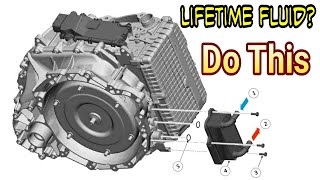
Est. part cost: $0 - Low or Dirty Transmission Fluid 🔴 High Probability The ZF 9-speed transmission is highly sensitive to fluid level and condition. These transmissions do not have a traditional dipstick, making fluid level checks more difficult for owners and requiring a specific, level-vehicle, temperature-dependent procedure.
How to confirm: A technician must follow a specific procedure to check the fluid level at the correct operating temperature (e.g., 60°C/140°F) and inspect its condition (color, smell) for signs of burning or contamination.
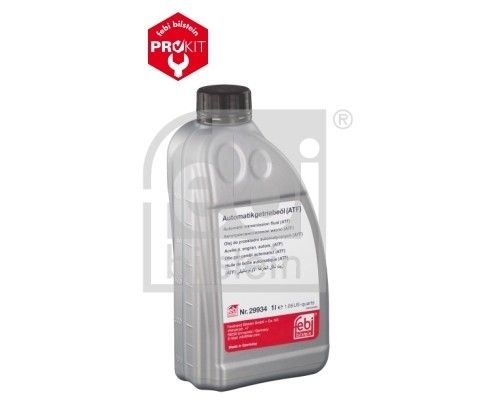
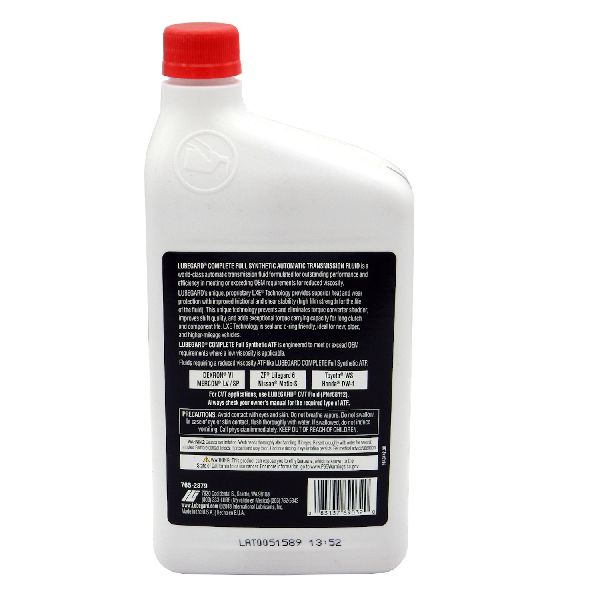
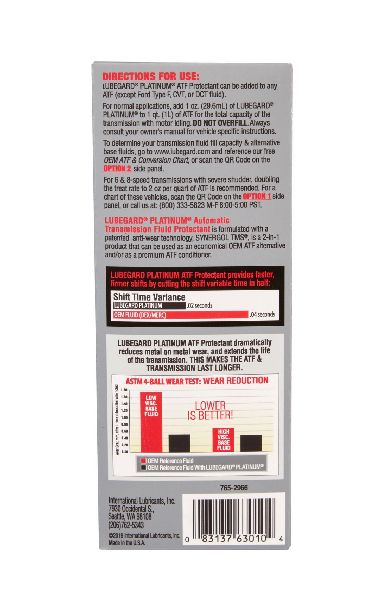
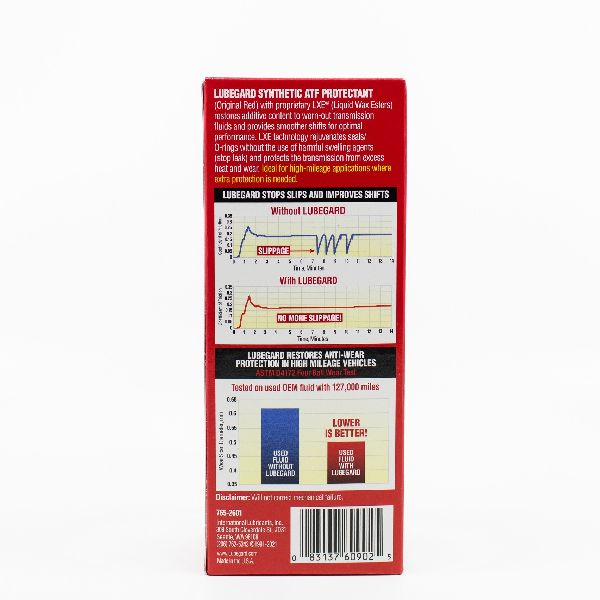
Typical fix: Perform a transmission fluid drain-and-fill or a full fluid exchange with the correct Mopar ZF 8&9 Speed ATF (P/N 68157995AB) or an equivalent approved fluid. 🎬 Watch this step-by-step ZF 9-speed fluid change tutorial
Est. part cost: $150-$300 - Internal Transmission Failure (Broken C-Clutch Snap Ring) 🟡 Medium Probability A widely documented failure point, especially on 2014-2016 models, is a broken C-clutch snap ring. This mechanical failure prevents the clutch pack from applying correctly, leading to a gear ratio error. Later models used an updated, more robust snap ring.
How to confirm: This is diagnosed after ruling out fluid and software issues. It requires transmission disassembly to visually inspect the C-clutch drum and snap ring. Finding metal debris in the transmission pan that is clearly from a broken snap ring is a strong indicator.
Typical fix: Complete transmission disassembly to replace the broken snap ring with the updated part. This is a labor-intensive repair often leading to a full transmission rebuild or replacement.
Est. part cost: $50-$5000+ - Faulty Valve Body or Solenoids 🟡 Medium Probability The complex valve body houses numerous solenoids that control hydraulic pressure. A sticking solenoid or internal leak can prevent proper gear engagement. The 4-5 shift solenoid is particularly relevant.
How to confirm: After ruling out fluid and software, a technician can use a scan tool to monitor solenoid commands and hydraulic pressure sensor data (if available). An internal inspection of the valve body may be required.
Typical fix: Replacement of the entire valve body assembly. Solenoids are typically integrated and not replaced individually. A 'Quick Learn' procedure is mandatory after replacement.
Est. part cost: $1000-$1800 - Faulty Input or Output Speed Sensor ⚪ Low Probability
How to confirm: A technician can monitor the live data from both sensors with a scan tool while driving. If one sensor provides an erratic, dropping, or nonexistent signal, it is likely faulty. The wiring to the sensor should also be inspected. Often, other gear ratio codes (P0731-P0734) will be present if a speed sensor is the root cause.
Typical fix: Replace the faulty speed sensor and inspect the wiring harness for damage.
Est. part cost: $50-$150
Rare But Worth Checking
- Damaged Internal Transmission Wiring Harness: The wiring harness inside the transmission, which connects the solenoids and sensors to the main connector, can become damaged or have failed terminals. This requires removing the valve body to access and replace the harness.
- Failing Transmission Control Module (TCM): While uncommon, the TCM itself, which is mounted to the valve body inside the transmission, can fail internally. This is usually the last item to be suspected after all other possibilities (fluid, software, sensors, wiring, internal mechanics) have been exhausted.
Diagnosis Steps
- Check and record any other stored trouble codes to get a complete picture of the issue. Pay close attention to other gear ratio codes or sensor codes.
- Connect a capable scan tool (like wiTECH) to check the current software version of the Transmission Control Module (TCM). Contact a dealer to see if any software updates (TSBs) are available and perform the update if necessary.
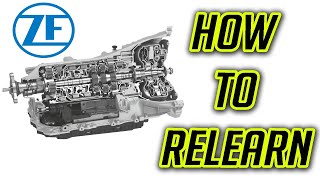
- If software was updated or if a major component is replaced, perform the "Quick Learn" procedure using the scan 🎬 Watch: How to perform a quick learn adaptives resettool.
- Perform a transmission fluid level and condition check using the manufacturer's specified procedure (vehicle level, specific temperature range). If the fluid is low, dirty, or burnt, perform a drain and fill with Mopar ZF 8&9 Speed ATF.
- Use the scan tool to monitor live data from the input and output speed sensors during a test drive to ensure they are providing plausible and consistent readings.
- Inspect the transmission wiring harness and connectors for any signs of damage, corrosion, or loose connections.
- If all the above checks pass, further diagnosis by a transmission specialist is required. This may include hydraulic pressure tests, individual solenoid testing, and inspection of the valve body and internal components like the C-clutch snap ring.
Parts You'll Likely Need
- Transmission Fluid
(OEM #68157995AB (Mopar ZF 8&9 Speed ATF))— Incorrect fluid level or condition is a primary cause of this code on the ZF 9-speed transmission.
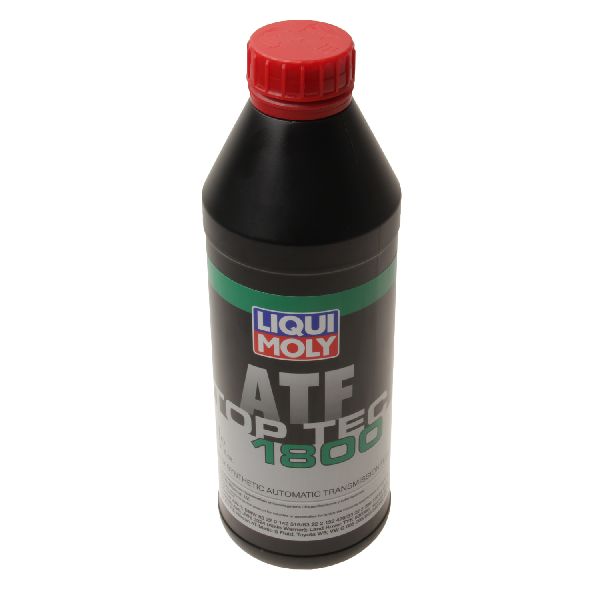
Trusted brands: Mopar, Liqui Moly Top Tec 1950, Valvoline (ensure ZF 9-Speed spec compliance)
OEM price range: $25-$35 per quart
Aftermarket price range: $15-$25 per quart - Transmission Valve Body — The valve body or its integrated solenoids can fail, causing pressure regulation issues that prevent proper gear engagement. This is a common point of failure after fluid/software issues are ruled out.
Trusted brands: Mopar (ZF)
OEM price range: $1000-$1800
Aftermarket price range: $700-$1200 (remanufactured) - C-Clutch Snap Ring — A known failure point on early models (2014-2016) that causes this code. The original was prone to breaking; an updated, thicker part is available. Requires full transmission teardown to replace.
Trusted brands: Mopar (ZF)
OEM price range: $10-$30 - Automatic Transmission Assembly — In cases of severe internal mechanical damage (e.g., burnt clutches, broken snap ring), replacing the entire transmission assembly is often more cost-effective than a complete rebuild.
Trusted brands: Mopar (ZF)
OEM price range: $4000-$6000+
Aftermarket price range: $3000-$5000 (remanufactured)
Related Codes That Often Appear With This One
- P0700 — P0700 is a generic code indicating that the Transmission Control Module (TCM) has stored a fault. It often appears alongside more specific transmission codes like P0735 to alert the main ECU that a transmission problem exists.
- P0731, P0732, P0733, P0734 — These codes indicate incorrect gear ratios for gears 1, 2, 3, and 4, respectively. If multiple gear ratio codes are present, it strongly suggests a systemic issue like low fluid, a failing speed sensor, or a major internal problem rather than a single gear-specific failure.
Technical Service Bulletins (TSBs) & Recalls
- 21-013-16 REV. A: Details the 'Quick Learn' procedure for the 948TE transmission to address customer complaints of poor shift quality.
- 21-014-16 REV. A: Involves reprogramming the TCM for shift enhancements on certain 2016 models.
- 21-001-16 REV. B: Addresses shift and drivability enhancements, including 5-4 coast down shift quality, for 2016 models via a TCM software update.
- 21-002-16: Released for 2016 models to address slow 5-4 downshifts and general poor shift quality via a TCM flash.
Platform-Specific Known Issues
- Recall W47 (NHTSA 20V-332) for 2014-2017 models addresses a potential loss of engagement between the transmission and the PTU, which is a critical check for any transmission-related complaint.
- Numerous TSBs exist for shift quality. For example, TSB 21-013-16 Rev. B details the 'Quick Learn' procedure required after software updates or repairs to address shift quality concerns.
- Recall S55 (NHTSA 16V-529) for 2014-2015 models addressed the transmission unexpectedly shifting to neutral, a problem often related to the internal wiring harness and valve body.
Mechanic-Grade Diagnostic Values
- Transmission Fluid Temperature for 'Quick Learn' — expected: At least 60°C (140°F). Failure: The procedure will not initiate or complete successfully if the fluid is too cold.
- Park Pawl Solenoid Resistance — expected: 24.6 ohms. Failure: A reading significantly higher or lower than this indicates a faulty solenoid.
- Transmission Fluid Temperature Sensor Resistance — expected: Approx. 6,455 ohms at 10°C; Approx. 247 ohms at 110°C. Failure: Resistance values far outside the expected range for a given temperature indicate a faulty sensor.
Scan Tool Commands That Help
- wiTECH: Transmission Quick Learn — This procedure is mandatory after flashing the TCM, replacing the valve body, or clearing adaptive memory cells. It forces the TCM to relearn clutch fill times and shift points to ensure proper shift quality.
- wiTECH: VB/Solenoid Learn — This specific learn procedure must be run if the entire valve body or TCM assembly is replaced.
- wiTECH: Network Test (Bus Diagnostics) — To verify that the TCM is communicating properly with the PCM and other modules on the CAN bus. Intermittent communication faults can sometimes mimic mechanical issues.
Wiring & Ground Locations
- Transmission Control Module (TCM) — Mounted directly on top of the valve body, inside the transmission pan.. Its internal location means that a TCM or internal wiring harness failure requires draining the fluid and removing the transmission pan and valve body to service.
- Main Transmission Harness Connector — On the exterior of the transmission case, where the internal harness passes through.. This is the primary connection point for all electronic signals to and from the transmission. Corrosion or damage here can cause a wide range of codes, including P0735. It must be disconnected to remove the valve body.
- G108 (Ground) — On the passenger side inner fender, near the power distribution block.. This ground point serves multiple components, including the Body Control Module (BCM) and the Transmission Control Module (TCM). A poor connection here can cause erratic electronic behavior and fault codes.
Real Owner Repair Stories
- jeepcherokeeclub.com forum user (2015 Jeep Cherokee Trailhawk, 3.2L V6, ~70,000 miles) — Check engine light with code P0735, harsh shifting, transmission stuck in limp mode (4th gear).
❌ Tried (didn't work) Dealer performed a software update (flash) and a Quick Learn procedure., Dealer replaced the transmission valve body.
✅ What actually fixed it After the valve body replacement failed to fix the issue, the transmission was fully disassembled. The technician found a broken C-clutch snap ring. Replacing the snap ring and rebuilding the transmission with new seals and clutches resolved the code and shifting issues permanently.
OEM Part Supersession History
Unknown (Original C-Clutch Snap Ring)→Unknown (Updated, thicker snap ring)— The original snap ring used in early ZF 9HP48 transmissions (approx. 2014-2016) was prone to fatigue and breaking.
Model Year Variations Within This Range
- 2014-2016: These early model years are significantly more prone to both severe software-related shift quality problems and the mechanical failure of the C-clutch snap ring. Later models benefited from numerous factory software revisions and updated internal hardware like the stronger snap ring.
- 2019-2023: A 2.0L Turbo engine was introduced as an option. While the transmission is the same (ZF 9HP48), the software calibration is specific to this engine. These later models are generally considered more reliable due to years of hardware and software refinement.
Diagnostic Flowchart
Other Known Issues on This Vehicle
Issues unrelated to this code that are worth knowing about as an owner of this generation:
- Excessive Oil Consumption (2.4L Tigershark Engine) 🔴 High — Widespread issue, particularly in earlier model years. Can lead to engine stalling and eventual failure if oil level is not monitored closely. (Ref: Class-action lawsuits have been filed. Dealers may perform an oil consumption test.)
- Electronic Parking Brake (EPB) Malfunction 🔴 High — Subject of an NHTSA investigation (PE22-010) affecting over 1.3 million 2014-2020 models. The EPB can engage unexpectedly while driving. (Ref: NHTSA Investigation PE22-010. The suspected cause is water intrusion into the EPB module.)
- Water Leaks into Cabin 🟠 Medium — Common complaint where water leaks into the passenger or driver footwell, often after rain. Can lead to mold and electrical issues. (Ref: Often caused by poorly sealed body seams in the wheel well or cowl area, or detached sunroof drain tubes. TSB 23-021-20 addresses applying sealer.)
- Power Transfer Unit (PTU) Failure 🔴 High — The PTU on 4x4 models can fail, leading to a loss of all-wheel drive or a complete loss of motive power. Can manifest as grinding noises or leaks. (Ref: Recall W47 / NHTSA 20V-332 addresses a related issue of disengagement between the transmission and PTU.)
- Harsh/Erratic Shifting (General) 🟠 Medium — Very common, especially on 2014-2016 models. Not always associated with a specific code, but general complaints of rough 1-2-3 shifts are widespread. (Ref: Numerous software updates (TSBs) were issued to improve shift logic and feel.)
Used vs. New Parts: Buying Guide for This Vehicle
When a used part is the smart pick: Due to the high rate of software and internal hardware updates, a used part is generally not recommended for this transmission. A complete used transmission assembly is only a viable option if it is from a late-model (2018+) vehicle with low mileage and a verifiable history, and even then it carries risk.
Donor-vehicle mileage cap: roughly under 40000 miles for the part to have meaningful remaining life.
What to inspect on the donor part:
- Verify the donor vehicle's model year (2018 or newer is preferable).
- Check for any service history related to transmission repairs or software updates.
- Inspect the fluid color and smell from the donor transmission if possible. Any sign of burning or dark discoloration is a major red flag.
- Ensure the main electrical connector is free of corrosion or damage.
OEM-only on this vehicle (don't cheap out):
- Transmission Control Module (TCM)
- Valve Body Assembly
- Internal Snap Rings and Clutch Packs
Aftermarket brands forum-validated for this vehicle:
- For fluid, Liqui Moly (Top Tec 1950) and Valvoline are reported by users to be reliable alternatives to Mopar, provided they explicitly meet the ZF 9-Speed specification.
Brands owners have reported issues with on this vehicle:
- Avoid generic or 'universal' transmission fluids that do not list specific approval for the Mopar ZF 8&9 Speed ATF or ZF 9HP48 specification.
- Be cautious of non-brand, overseas-sourced remanufactured valve bodies, as they may not have been updated or tested correctly.
Real Owner Stories
Aggregated from forums and TSBs cited above. Mileages and costs reflect what owners reported in those sources.
2016 Jeep Cherokee
Symptoms: Owner reported poor shift quality and specific issues with 5-4 downshifts.
What fixed it: The dealer performed a TCM flash/reprogramming as per TSB 21-002-16.
Source hint: TSB 21-002-16
2015 Jeep Cherokee
Symptoms: Transmission unexpectedly shifting to neutral while driving.
What fixed it: Repair of the internal wiring harness and valve body as part of the S55 recall.
Source hint: Recall S55 (NHTSA 16V-529)
2014 Jeep Cherokee
Symptoms: P0735 code present, erratic shifting, and the vehicle felt underpowered.
What fixed it: A dealer software flash (TCM update) resolved the shifting problems.
Source hint: jeepcherokeeclub.com
Related OBD-II Codes
Frequently Asked Questions
My 2016 Jeep Cherokee is having trouble with slow 5-4 downshifts. Is there a specific update for this?
I have a 2014 Cherokee and the transmission keeps shifting into neutral unexpectedly. Is this related to P0735?
What fluid should I use for my Cherokee's 9-speed transmission to avoid gear ratio errors?
Does the 'Quick Learn' procedure mentioned in TSB 21-013-16 Rev. B apply to my 2015 Cherokee?
Is there a recall for the transmission losing engagement on a 2017 Cherokee?
Can a software update fix a P0735 code on my Jeep Cherokee KL?
Helpful Videos

Used OEM Parts in Stock


New Aftermarket Parts Available

The information in this article is provided for general reference and educational purposes only. Vehicle specifications, procedures, and part compatibility can vary by production date, trim level, and region. Always consult your vehicle's factory service manual and verify part numbers before purchasing or performing repairs. Safety-critical components such as airbags, seat belts, and braking systems should be installed by a qualified professional.
- Jeep Cherokee:
- 🎬 Helpful Videos
- 🛍️ Shop This Part
- What's Unique About the 2014-2023 Jeep Cherokee
- Symptoms You May Notice
- Most Likely Causes
- Rare But Worth Checking
- Diagnosis Steps
- Parts You'll Likely Need
- Related Codes That Often Appear With This One
- Technical Service Bulletins (TSBs) & Recalls
- Platform-Specific Known Issues
- Mechanic-Grade Diagnostic Values
- Scan Tool Commands That Help
- Wiring & Ground Locations
- Real Owner Repair Stories
- OEM Part Supersession History
- Model Year Variations Within This Range
- Diagnostic Flowchart
- Other Known Issues on This Vehicle
- Used vs. New Parts: Buying Guide for This Vehicle
- Real Owner Stories
- 2016 Jeep Cherokee
- 2015 Jeep Cherokee
- 2014 Jeep Cherokee
- Related OBD-II Codes
- Frequently Asked Questions
- 🎟️ Get 5% Off