

OBD-II Code P0732: Gear 2 Incorrect Ratio
What P0732 means, why it triggers, and the definitive guide to fixing it
- Code P0732 indicates a 2nd gear slip, meaning the transmission output speed is lower than the computer's target ratio.
- Check your transmission fluid level and condition first; low or burnt fluid causes 80% of initial gear ratio errors.
- Stop driving immediately to prevent a $300 solenoid replacement from escalating into a $4,000+ complete transmission rebuild.
- Do not replace the input or output speed sensors, as P0732 almost always confirms a physical hydraulic leak or worn clutch pack, not a sensor failure.
What Does P0732 Mean?

The code P0732 means your car's computer (PCM or TCM) detects a problem with the automatic transmission's second gear. The computer constantly compares the engine's input speed to the transmission's output shaft speed to verify the gear ratio. When it commands a shift to second gear and sees a significant mismatch—or 'slip'—between the expected and actual output speeds, 🎬 Watch: A quick breakdown of what causes the P0732 code. it triggers the Check Engine Light and stores this code.
Technical definition: P0732 is the SAE/ISO diagnostic trouble code for "Gear 2 Incorrect Ratio." It sets when the Powertrain Control Module (PCM) or Transmission Control Module (TCM) detects that the rotational speed difference between the transmission input speed sensor and the output speed sensor does not match the pre-programmed expected value for second gear. This confirms the transmission is mechanically slipping or has a hydraulic failure preventing it from holding the 2nd gear ratio.
Can I Drive With P0732?
No — Do Not Drive. Do not drive with code P0732. Your vehicle is experiencing a mechanical or hydraulic slip in second gear. Continued driving generates excessive heat and friction, causing rapid wear to internal components like clutch packs and bands. This turns a moderate $300 repair (like a solenoid) into a catastrophic transmission failure requiring a $4,000+ rebuild. The transmission will also shift erratically or suddenly lose power, creating a significant safety hazard in traffic.
Common Causes

- Low or Dirty Transmission Fluid (Very Common) — This is the most frequent cause. Low fluid reduces the hydraulic pressure needed to engage gear clutches. Dirty or burnt fluid indicates internal wear and clogs the filter and valve body passages, impeding shifts.
- Worn Internal Transmission Components (Common) — Internal parts like the second-gear clutch pack, bands, or planetary gears wear out over time. This physical wear is a primary cause of slipping. Burnt-smelling fluid is a strong indicator of this condition.
- Faulty Shift Solenoid (Common) — Shift solenoids are electronic valves directing fluid to engage gears. The second gear solenoid (often designated 'B') fails electrically, clogs with debris, or sticks, preventing correct hydraulic pressure from reaching the clutch pack.
- Faulty Transmission Valve Body (Less Common) — The valve body is the hydraulic brain of the transmission. It clogs with metallic debris, valves stick, or the body itself cracks, leading to incorrect pressure regulation and gear engagement failures.
- Failed Transmission Pump (Rare) — The front pump generates hydraulic pressure for the entire system. A weak pump causes low line pressure, leading to slipping in multiple gears, often triggering P0732 before other ratio codes appear.
- Faulty Torque Converter (Rare) — A failing torque converter or malfunctioning lock-up clutch creates slippage and unusual hydraulic behavior that the TCM interprets as a gear ratio error.
- Faulty/Degraded Wiring Harness (Rare) — Corroded connectors or damaged wires leading to the transmission's solenoids cause erratic signals or high resistance, which the computer interprets as a slip.
- Faulty Speed Sensors (Rare) — Though a common misdiagnosis, the sensors reporting shaft speeds occasionally fail. However, this code usually means the sensors are correctly detecting a real slip.
- TCM Software or Calibration Issue (Rare) — Outdated Transmission Control Module (TCM) software contains incorrect gear ratio tables. A manufacturer software update fixes shifting logic, though this rarely solves a persistent P0732 without an underlying mechanical repair.
Symptoms

- Check Engine Light is On — The Malfunction Indicator Lamp (MIL) illuminates on your dashboard. A transmission-specific warning light (like a wrench) also appears on many models.
- Harsh, Jerky, or Banging Shifts — The shift from first to second gear (or third down to second) feels rough, like a jolt or a thud.
- Vehicle Enters 'Limp Mode' — To prevent further damage, the TCM forces the transmission into a single gear (often 3rd), making acceleration extremely poor.
- Decreased Fuel Economy — A slipping transmission is inefficient, forcing the engine to work harder and consume 5-15% more fuel.
- Unusual Transmission Noises — Whining or grinding noises from the transmission area indicate severe mechanical wear or damage.
- Vehicle Stalls When Stopping — Torque converter or hydraulic pressure failures cause the engine to stall when the vehicle slows to a stop.
- Transmission Slipping or Delayed Shifting (also visible on scanner) — Engine RPMs flare up without a corresponding increase in vehicle speed when shifting into second gear.
Diagnostic Flowchart
Tap your situation to follow the diagnostic path that matches what you're seeing on this code.
Common Fixes & Costs

- Transmission Fluid and Filter Change — Parts: $50-$100, Labor: $100-$200, ~1.5 hr book time (Intermediate)
- Replace Shift Solenoid(s)
— Parts: $50-$150, Labor: $200-$450, ~3 hr book time
(Intermediate)
Honda Accord/CR-V (2003-2012): OEM 28500-PRP-004 or 28015-RCL-316 (Alt: Rostra 52-0502, Standard Motor Products TCS98)
Hyundai/Kia (2006-2016): OEM 46313-3B170 (Alt: Standard Motor Products TCS206) - Replace Valve Body
— Parts: $500-$1,000, Labor: $300-$500, ~4.5 hr book time
(Advanced)
Ford F-150/Mustang (10R80): OEM JL3Z-7A100-C (Alt: Remanufactured units available from various suppliers.) - Ford 10R80 CDF Drum Repair
— Parts: $700-$2,500, Labor: $1,500-$2,500, ~14 hr book time
(Professional)
Ford F-150/Expedition/Ranger (10R80): OEM JL3Z-7H351-B (Alt: Sonnax CDF Drum Saver Kit (Part #5781)) - Rebuild or Replace Transmission — Parts: $1,500-$4,000, Labor: $1,500-$4,000, ~12 hr book time (Professional)
DIY vs Professional
- Transmission Fluid and Filter Change — Beginner:
Tools: Socket set, drain pan, funnel, torque wrench, fluid pump (for sealed units). - Replace Shift Solenoid(s) — Beginner:
Tools: Tools for fluid change, plus a torque wrench (inch-pounds), wiring diagrams, and potentially snap-ring pliers. - Replace Valve Body — Beginner:
Tools: Specialized tools for transmission work, extensive knowledge of the specific transmission, and a very clean working environment. - Ford 10R80 CDF Drum Repair / Transmission Rebuild — Beginner:
Tools: Complete transmission overhaul toolset, press, specialty tools for the 10R80, clean room.
Used vs. New Parts: Buying Guide
When a used part is worth it: For a common fix like a shift solenoid or solenoid pack, a used OEM part from a low-mileage donor vehicle is a cost-effective alternative to a new aftermarket part. For a valve body, a professionally remanufactured unit with a warranty is a better balance of cost and reliability than a used part with an unknown history.
Donor-vehicle mileage cap: roughly under 80000 miles for the part to have meaningful remaining life.
Donor quality checklist:
- Verify the donor vehicle's mileage and ensure it wasn't scrapped due to transmission failure.
- Match part numbers exactly; solenoids and valve bodies are specific to certain years and models.
- Inspect electrical connectors for corrosion or damage.
Decision logic:
- If The fix is a single, externally accessible solenoid on an older, high-mileage vehicle. → A used part is a reasonable, low-cost gamble.
- If The fix requires replacing an entire valve body or internal solenoid pack. → Favor a new OEM or high-quality remanufactured part with a warranty to avoid paying for expensive labor twice.
- If The vehicle has low mileage and is otherwise in excellent condition. → Buy a new OEM part to ensure longevity and compatibility.
Warranty tradeoff: Used parts typically come with a 30-90 day warranty covering the part only. New aftermarket and remanufactured parts offer a 1-year or longer warranty, which includes limited labor coverage. OEM parts installed by a dealer carry a 12-month/12,000-mile warranty.
Worst-case if a used part fails: $400-$800 if a used part fails after installation, primarily due to the repeated labor cost to access and replace the part again.
What Happens If You Wait — Timeline
- 0-100 miles: Code P0732 is set. Slipping is only a slight RPM flare on the 1-2 shift, possibly unnoticed by the driver. The Check Engine Light is on. (MPG impact: 1-5%% · Added cost: $0)
- 100-500 miles: Slipping becomes noticeable with engine RPMs flaring 500+ RPM on the 1-2 shift. The 2nd gear clutch pack is actively burning, generating excessive heat and contaminating the fluid with friction material. (MPG impact: 5-10%% · Added cost: $50-$100 in wasted fuel. A simple solenoid or fluid fix is no longer sufficient.)
- 500-1,500 miles: The contaminated, debris-filled fluid clogs the transmission filter and tiny passages in the valve body. Shifting into other gears becomes harsh or delayed. The vehicle enters 'limp mode' unexpectedly. (MPG impact: 10-20%% · Added cost: $800-$2,000 (A solenoid fix is off the table; now requires a valve body replacement and possible clutch pack repair).)
- 1,500+ miles: Catastrophic failure. The clogged filter starves the pump, causing widespread pressure loss. The debris from the 2nd gear clutch destroys other clutches, solenoids, the valve body, and potentially the torque converter. The transmission stops moving altogether. (MPG impact: 20%+% · Added cost: $3,500-$8,000+ (The only option is a complete transmission rebuild or replacement).)
Cost of Not Fixing It
- Immediate (0-100 miles): Decreased fuel economy (5-15%), unpredictable shifting creating a safety hazard, and possible entry into 'limp mode'. (Added cost: $10-$50 in wasted fuel.)
- Short Term (100-1,000 miles): Accelerated wear on 2nd gear clutches and bands due to continuous slipping. Contamination of transmission fluid with friction material, which clogs the filter and valve body passages. (Added cost: $800-$1,500 (Turns a potential solenoid fix into a required valve body replacement or minor rebuild).)
- Long Term (1,000+ miles): Catastrophic transmission failure. The excessive heat and debris from the slipping 2nd gear destroys other clutch packs, planetary gears, and the torque converter, requiring a complete transmission rebuild or replacement. (Added cost: $3,500-$8,000+ (The cost of a complete transmission overhaul instead of a targeted repair).)
Diagnosis Steps

- Check Transmission Fluid Level and Condition
With the engine warm and running, check the transmission dipstick. Fluid must be bright red and not smell burnt. Dark brown/black fluid or a burnt smell confirms internal clutch wear. If low, find the leak. Note: Many modern vehicles require a specialized procedure to check fluid.
Tools: Rag or paper towel (Beginner) - Scan for All Trouble Codes
Read for pending or active codes. Codes for speed sensors (P0715, P0720), other gear ratios (P0731, P0733), or specific shift solenoids (P0756) provide critical clues to narrow the diagnosis.
Tools: OBD-II Scanner (Beginner) - Analyze Live Data with a Scan Tool
Monitor live data PIDs for Input Speed Sensor (ISS), Output Speed Sensor (OSS), and Commanded Gear. If input RPM spikes while output RPM lags during a 2nd gear shift, it confirms a physical slip.
Tools: Advanced OBD-II Scan Tool (Advanced) - Test Shift Solenoids (Electrical & Mechanical)
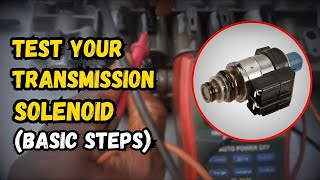
Test the resistance of the second gear shift solenoid (often 'Solenoid B') using a multimeter (typically 20-40 ohms). If resistance passes, apply 12V directly to the solenoid; a healthy unit produces a distinct 'click'. No click means it is mechanically stuck.
Tools: Multimeter, 12V power source, jumper wires, wiring diagram (Advanced) - Inspect External Wiring and Connectors
Visually inspect the wiring harness going to the transmission case. Look for frayed wires, loose connections, or corrosion on the main connector.
Tools: Flashlight (Intermediate) - Perform a Transmission Line Pressure Test
Connect a pressure gauge to the transmission test port. Low pressure when second gear is commanded points directly to an internal hydraulic leak or a failing front pump.
Tools: Transmission pressure gauge set, service manual (Professional) - Inspect Internal Components
Remove the transmission pan. Excessive metal shavings or clutch material in the pan confirms a significant internal mechanical failure requiring a rebuild.
Tools: Socket set, drain pan, torque wrench (Professional)
When This Code Triggers (Freeze-Frame Conditions)
- Engine Coolant Temp: 175-210°F (The transmission has reached full operating temperature.)
- Engine RPM: 1500-2500 RPM (During a shift from 1st to 2nd gear under light to moderate acceleration.)
- Engine Load: 25-60% (The engine is under a moderate workload, such as accelerating from a stop or climbing a slight grade.)
- Vehicle Speed: 15-30 mph (The typical speed range where a vehicle is in or shifting into second gear.)
Related Codes
- P0731 — This code indicates an incorrect gear ratio in 1st gear. Seeing P0731 and P0732 together strongly suggests a systemic problem affecting the low gears, such as low fluid pressure from a failing pump, a clogged filter, or a faulty valve body.
- P0733, P0734, P0735 — These are for incorrect gear ratios in 3rd, 4th, and 5th gear. Having multiple gear ratio codes together points away from an isolated component failure and confirms a widespread hydraulic or control issue affecting the entire transmission.
- P0700 — This is a general Transmission Control System Malfunction code. It is purely informational, telling you the Transmission Control Module (TCM) has stored a fault. You will often see P0700 alongside any specific P07xx transmission code.
- P0756 — This code is for a Shift Solenoid 'B' Circuit Performance/Stuck Off fault. If you have P0756 alongside P0732, the diagnosis prioritizes the solenoid's circuit and the solenoid itself. P0756 indicates an electrical problem, while P0732 indicates the resulting mechanical slip.
Climate & Environmental Factors
- Cold Weather: Cold temperatures thicken transmission fluid, reducing flow efficiency. This causes delayed shifts and temporary slipping upon startup, triggering P0732. The issue often resolves as the transmission reaches its normal operating temperature of 175°F.
- High Altitude: High altitude lowers air density, altering engine load calculations used by the TCM. This exacerbates existing borderline transmission issues but rarely causes P0732 directly.
How to Talk to a Mechanic About This Code
Say this: "I have a P0732 code, which indicates a slip in second gear. I've already checked the fluid level and condition. I'd like to schedule a diagnostic to confirm if the issue is a solenoid, the valve body, or an internal mechanical fault. Please do not simply recommend a full rebuild without performing hydraulic and electrical tests first."
This signals you are an informed consumer, preventing the shop from immediately defaulting to the most expensive repair. It directs them toward a logical diagnostic process and protects you from a common scam where minor issues are exaggerated into a full rebuild recommendation.
Avoid saying:
- 'My transmission is acting weird.' (Too vague, invites a wide range of expensive guesses)
- 'Just fix it, whatever it takes.' (Gives the shop a blank check to replace parts unnecessarily)
- 'I got a low quote over the phone from another shop.' (Leads to a low-quality repair to match a price, or they lowball you and inflate the price after disassembly).
Questions to ask before authorizing the repair:
- Is a full rebuild absolutely necessary, or can the problem be solved with a less intensive repair like a solenoid or valve body replacement?
- Will you provide a detailed, written estimate that breaks down parts and labor before you begin work?
- Do you perform transmission rebuilds in-house, or are they sent out to another facility?
- What is the warranty on the proposed repair, and does it cover both parts and labor?
Where to Take It: Dealer vs Independent vs Chain
- Dealer:
Recommended only if the vehicle is under warranty or has a widely known, dealer-specific TSB. Otherwise, a transmission specialist is a better economic choice.
Best for: Vehicles under a powertrain warranty, Known manufacturer-specific issues covered by a Technical Service Bulletin (TSB), like the Ford 10R80 CDF drum failure.
Downsides: Highest labor rates, often 1.5-2x more than independent shops., Favors full component replacement (e.g., new transmission) over a more cost-effective rebuild. (Typical cost: +50% vs. baseline) - Independent Shop:
Best fit. A dedicated transmission specialist has the expertise and tools to accurately diagnose the root cause, from a simple solenoid to internal clutch failure, offering the most appropriate and cost-effective repair.
Best for: Out-of-warranty vehicles where cost is a major factor., Accurate diagnosis of complex internal issues., Performing in-house rebuilds, which are more thorough and cost-effective than replacements.
Downsides: Quality varies significantly; it's crucial to find a shop that specializes in transmissions and has ASE-certified technicians. (Typical cost: +0% vs. baseline) - Chain Shop:
AVOID for diagnosis and repair. While acceptable for a fluid change if you suspect that's the issue, they are not equipped to handle the complex internal problems that P0732 represents.
Best for: Basic fluid and filter changes.
Downsides: Technicians lack the specialized knowledge for in-depth transmission diagnostics., High pressure to upsell services like unnecessary transmission flushes., Most chains do not perform internal transmission repairs or rebuilds and will either replace the unit with a remanufactured one or send the vehicle to a specialist, adding cost. (Typical cost: -10% vs. baseline)
When to Walk Away From the Repair
If the estimated repair cost for the transmission exceeds 50% of the vehicle's private-party market value, it's time to seriously consider selling or trading it in.
- Car worth $5000, fix is $2800: Borderline. The repair cost is over 50% of the car's value. Get a second opinion and weigh the car's overall condition before proceeding.
- Car worth $15000, fix is $3500: Fix it. The repair cost is well under the 50% threshold and will restore significant value and function to the vehicle.
- Car worth $3000, fix is $2500: Walk away. The repair cost is nearly the entire value of the car. It is not an economically sound investment.
What Scan Tool You Need for This Code
Minimum: A scanner that reads manufacturer-specific transmission codes and views live data for Input and Output Speed Sensors.
A basic $20 code reader only shows the P0732 code. It cannot display the live sensor data needed to confirm the slip is actually happening, nor can it read manufacturer-specific codes that accompany the primary fault. The Foxwell NT301 is a good example of a budget scanner that, while useful for engine codes, cannot read transmission codes.
Budget: XTOOL A30M (~$90) — Provides full system diagnostics, including the transmission. It reads and clears transmission-specific codes and displays live data streams for transmission sensors, allowing you to see the RPM mismatch between the input and output shafts in real-time.
Mid-range: Foxwell NT510 Elite / Autel MaxiDiag MD806 Pro (~$150-250) — These scanners offer everything the budget pick does, plus bidirectional control for some models. This allows you to command specific shift solenoids to activate, helping you determine if a solenoid is electrically sound but mechanically stuck—a critical diagnostic step before removing the transmission pan.
Professional: Autel MaxiCOM MK808 / XTOOL D7 (~$450-600) — Offers full bidirectional control for a wide range of vehicles, allowing you to command solenoids, perform system tests, and initiate transmission-specific relearn procedures after a repair. These are professional-level tools that provide dealer-level diagnostic capabilities for complex transmission issues.
Rent vs buy: For a one-time diagnosis, many auto parts stores offer free code reading, but their tools may not access live transmission data. If you plan to diagnose the issue yourself, buying a budget pick like the XTOOL A30M is a worthwhile investment, as it provides the necessary data to avoid unnecessary repairs.
How to Clear the Code After You Fix It
- Use an OBD-II scan tool to clear all diagnostic trouble codes.
- Perform a transmission-specific relearn procedure if a valve body or TCM was replaced (requires an advanced scan tool).
- Complete a full drive cycle to allow readiness monitors to run.
Drive cycle (~20 minutes): Start the vehicle from a cold start and allow it to idle for 2-3 minutes. Drive in stop-and-go city traffic, ensuring the transmission shifts through all gears up and down. Then, drive for 5-10 minutes at a steady highway speed (55-65 mph). Allow the vehicle to cool down completely. This process helps the TCM relearn shift points and verifies the repair under various conditions.
Readiness monitors affected: Comprehensive Component Monitor, Catalyst Monitor, Oxygen Sensor Monitor
Before emissions retest: drive at least 50 miles to fully set monitors.
Watch out for:
- Clearing the code without fixing the root cause results in the code returning almost immediately.
- Taking the vehicle for an emissions test too soon after clearing codes results in a 'Not Ready' failure, as the onboard diagnostic monitors have not had time to run.
Will This Fail Emissions / State Inspection?
Yes — this code typically fails an OBD-II emissions inspection.
- California: An illuminated Check Engine Light results in an automatic smog test failure. All required readiness monitors must be 'Ready', which requires driving 50-100 miles after a repair before a retest.
- New York: The NYS vehicle inspection includes an OBD-II check for all 1996 and newer vehicles. An active P0732 code causes an automatic failure. For 2001 and newer vehicles, only one readiness monitor is allowed to be 'Not Ready' to pass.
- Texas: In counties requiring emissions testing (like Harris, Dallas, Tarrant), a Check Engine Light from a code like P0732 is an automatic failure. After repairs, the vehicle must be driven to set the readiness monitors before it can be re-inspected.
Most Commonly Affected Vehicles
- Ford F-150, Expedition, Explorer, Mustang, Ranger (2017-2023) — On models with the 10-speed 10R80/10R60 transmission, P0732 is a strong indicator of a known design flaw with the CDF clutch drum bushing, which moves and causes a hydraulic leak. This is documented in TSB 24-2254 and requires a full rebuild with an updated drum (Part #JL3Z-7H351-B).
- Honda Accord, Civic, CR-V, Pilot, Odyssey (2003-2012) — These models are known for issues with worn second-gear clutch packs and faulty dual-linear or single shift solenoids (e.g., Part #28500-PRP-004). Burnt fluid is a common symptom of clutch failure.
- Hyundai / Kia Tucson, Santa Fe, Accent, Sorento, Optima, Elantra (2006-2016) — This code is common and points to a faulty shift solenoid, valve body issues, or internal clutch pack failure. A recall on 2021-2023 models for the 8-speed DCT oil pump causes total loss of motive power.
- Chevrolet / GMC Silverado, Sierra, Malibu, Impala, Cruze (2006-2019) — General Motors vehicles experience P0732 due to internal wear (especially 3-5-R wave plates in 6-speed transmissions) or solenoid failures. TSB PIP4379N notes that a loss of pump prime after a fluid service causes this code.
- Dodge / Ram / Chrysler Ram 1500, Grand Caravan, Pacifica (2006-2020) — Repair data shows this code is common, pointing to solenoid pack failure or internal clutch problems. On newer models with the ZF 9-speed, a TCM software update and re-learn procedure is sometimes required.
- Nissan Altima, Sentra, Murano, Pathfinder, Quest (2005-2016) — Commonly affected, with causes ranging from shift solenoid failure to internal mechanical issues within the CVT or traditional automatic transmissions.
- Volkswagen Jetta, Passat, Tiguan (2008-2015) — These VW models are frequently cited with P0732, typically related to valve body (mechatronics unit) problems or internal clutch wear, specifically the K2 clutch pack.
- Mazda 3, 6, CX-5, CX-7 (2007-2015) — Often caused by a faulty shift solenoid 'B' or a contaminated valve body. A failing TCM is sometimes the root cause, leading to erratic shifting behavior before the code sets.
Manufacturer-Specific Notes
- Ford: On 2017+ models with the 10-speed (10R80) transmission, P0732 is a very serious code. TSB 24-2254 directly links it to a failure of the CDF clutch drum, a known issue requiring a transmission rebuild with updated parts. A software update will not fix this mechanical failure.
- Honda: On many early 2000s models, P0732 is frequently caused by a worn-out 2nd gear clutch pack or a clogged screen on a pressure switch or solenoid. Diagnosis involves a specific pressure test at the 2nd gear pressure port to confirm a hydraulic leak.
- General Motors: In some GM vehicles, a P0732 code triggers from a faulty Engine Coolant Temperature (ECT) sensor, as the TCM uses this data to adjust shift pressure. TSB PIP4379N notes that a loss of pump prime after a fluid service causes this and other ratio codes.
- Dodge/Ram: On trucks with the 68RFE transmission, P0732 sets if the line pressure is significantly below the desired line pressure, pointing towards issues like a clogged filter, a sticking main regulator valve, or a failing pump.
Real Owner Stories
2018 Ford F-150 5.0L at 148k miles
Wrench light came on, truck hesitating on acceleration with P0732 code stored.
What they tried:
- Owner feared a transmission rebuild was imminent due to the known issues with the 10R80 transmission.
Outcome: Another owner with a similar vehicle at 48k miles was quoted ~$4,000 for a rebuild with an updated CDF drum or ~$7,000 for a new transmission. This is the expected outcome for this specific failure.
Lesson: On a 2017+ Ford with the 10R80 transmission, P0732 is a strong indicator of the known CDF drum failure. Do not waste money on fluid changes or software updates; proceed directly to a diagnosis at a reputable transmission shop or dealer familiar with TSB 24-2254.
2008 Dodge Ram 3.7L at 140k miles
Check engine light came on with P0732 after transmission slipped, especially when cold or turning through an intersection.
What they tried:
- The issue had occurred 8 months prior and was temporarily resolved by topping off the transmission fluid.
Outcome: The code returned, indicating the problem was persistent. The owner planned to get a proper fluid and filter change, as the previous service at a quick-lube shop was insufficient.
Lesson: Low fluid is a primary cause of P0732. Even a small leak that causes the level to drop over several months triggers this code. Always check the fluid level first; if it's low, a simple top-off confirms the diagnosis before more expensive repairs are attempted.
1996 Ford Ranger 3.0L
Immediately after a DIY transmission fluid/filter change, the truck developed a clunky reverse, no second gear, and threw codes P0732 and P0756 (Shift Solenoid 'B' Stuck Off).
What they tried:
- Owner suspected an issue with the new fluid (Mercon V), filter, or a damaged solenoid during the service.
Outcome: The diagnosis focused on testing the Shift Solenoid B circuit. An OHM test between specific pins on the transmission's external connector confirmed the solenoid coil was good (22-48 ohms) without dropping the pan again.
Lesson: If P0732 appears immediately after a service, suspect an error during the repair. The combination of P0732 and P0756 points directly to the second gear shift solenoid ('B') or its wiring. A simple electrical test prevents unnecessary replacement of the valve body or other components.
2006 Ford F-150 4.6L at 150k miles
Vehicle stuttered from a stop, had very poor acceleration, and threw P0732.
What they tried:
- Replaced transmission solenoids and harness.
- Replaced the Output Speed Sensor.
- Performed a fluid and filter change.
Outcome: Despite replacing common electrical parts, the problem persisted, with P0731 (1st gear ratio error) also appearing. This indicates the issue was a deeper internal mechanical failure (like a broken band) that the part-swapping did not address.
Lesson: Avoid misdiagnosis by shotgunning parts. Replacing speed sensors and solenoids is a common but incorrect fix. If the fluid is clean and solenoids test good, the problem is mechanical (clutches/bands), and further electrical part replacement will not solve it.
How to Prevent This Code From Triggering
- Change transmission fluid and filter at recommended intervals (Every 40,000-60,000 miles, or as specified by the manufacturer.) — Removes contaminated fluid and abrasive particles, preventing wear and ensuring proper hydraulic pressure. Over time, fluid loses its lubricating properties and can't properly dissipate heat.
- Use only the OEM-specified transmission fluid (Every fluid service) — Automatic transmission fluids (ATF) have specific friction modifiers (e.g., Mercon, ATF+4, DW-1). Using the wrong type causes clutch slippage or harsh shifting, leading to premature wear.
- Check transmission fluid level regularly (Monthly) — Low fluid is a leading cause of transmission failure because it leads to overheating and low hydraulic pressure. Catching a leak early prevents a minor seal issue from becoming a major rebuild.
- Ensure the engine's cooling system is working properly (Ongoing) — The transmission cooler is often integrated with the engine's radiator. An overheating engine quickly overheats and breaks down the transmission fluid, drastically shortening the transmission's life.
- Install an auxiliary transmission cooler (One-time modification) — Especially important for vehicles that tow or operate in hot climates. An external cooler provides extra capacity to keep fluid temperatures stable (around 175°F), which is the single best way to prevent heat-related failure.
- Avoid aggressive driving habits (Daily habit) — Hard accelerations, abrupt stops, and shifting from Drive to Reverse while still moving puts immense strain on internal components like clutch packs and bands, accelerating wear.
Frequently Asked Questions
Can I just clear the P0732 code and keep driving?
You can clear the code, but it returns as soon as the computer commands second gear and detects the slip again. Clearing the code does not fix the underlying mechanical or hydraulic problem. It gives a false sense of security and leads to further damage.
How much does it cost to fix a P0732 code?
Costs range from $150 for a simple fluid change to over $4,000 for a complete transmission rebuild. Replacing a faulty shift solenoid typically costs between $250 and $600. Major internal failures, like the Ford 10R80 CDF drum issue, require a full rebuild costing upwards of $4,000.
What is the most common misdiagnosis for P0732?
The most common mistake is replacing the input or output speed sensors. This code usually means the sensors are correctly detecting a real mechanical slip. Replacing them wastes money and ignores the actual hydraulic or mechanical failure.
Can a bad battery cause a P0732 code?
Yes, but it is uncommon. A weak battery or poor grounding causes low voltage to the Transmission Control Module (TCM) and solenoids, leading to erratic shifting. Ensure the vehicle's electrical system is healthy before condemning the transmission.
Will changing the transmission fluid fix a P0732 code?
If the code is caused by low or slightly dirty fluid, a fluid and filter change sometimes fixes it. However, if the code results from a worn-out clutch pack or a failed solenoid, new fluid will not solve the problem. It may temporarily improve symptoms, but the code will return.
Can P0732 be caused by a problem after a fluid change?
Yes. If the transmission fluid is underfilled or overfilled during service, it causes pressure issues that trigger P0732. Additionally, if the transmission pump loses its prime and sucks in air during the service, it leads to a no-drive condition and sets this code.
What does it mean if I have P0732 and other gear ratio codes like P0731 or P0733?
Multiple gear ratio error codes strongly indicate a widespread hydraulic pressure loss, not a single component failure. This points to a systemic issue like critically low fluid, a clogged transmission filter, a failing transmission pump, or a major valve body malfunction.
Key Takeaways
- Code P0732 indicates a 2nd gear slip, meaning the transmission output speed is lower than the computer's target ratio.
- Check your transmission fluid level and condition first; low or burnt fluid causes 80% of initial gear ratio errors.
- Stop driving immediately to prevent a $300 solenoid replacement from escalating into a $4,000+ complete transmission rebuild.
- Do not replace the input or output speed sensors, as P0732 almost always confirms a physical hydraulic leak or worn clutch pack, not a sensor failure.
Helpful Videos
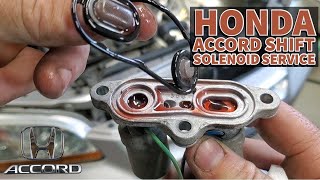

The information in this article is provided for general reference and educational purposes only. Vehicle specifications, procedures, and part compatibility can vary by production date, trim level, and region. Always consult your vehicle's factory service manual and verify part numbers before purchasing or performing repairs. Safety-critical components such as airbags, seat belts, and braking systems should be installed by a qualified professional.
- 🎬 Helpful Videos
- What Does P0732 Mean?
- Can I Drive With P0732?
- Common Causes
- Symptoms
- Diagnostic Flowchart
- Common Fixes & Costs
- DIY vs Professional
- Used vs. New Parts: Buying Guide
- What Happens If You Wait — Timeline
- Cost of Not Fixing It
- Diagnosis Steps
- When This Code Triggers (Freeze-Frame Conditions)
- Related Codes
- Climate & Environmental Factors
- How to Talk to a Mechanic About This Code
- Where to Take It: Dealer vs Independent vs Chain
- When to Walk Away From the Repair
- What Scan Tool You Need for This Code
- How to Clear the Code After You Fix It
- Will This Fail Emissions / State Inspection?
- Most Commonly Affected Vehicles
- Manufacturer-Specific Notes
- Real Owner Stories
- 2018 Ford F-150 5.0L at 148k miles
- 2008 Dodge Ram 3.7L at 140k miles
- 1996 Ford Ranger 3.0L
- 2006 Ford F-150 4.6L at 150k miles
- How to Prevent This Code From Triggering
- Frequently Asked Questions
- Can I just clear the P0732 code and keep driving?
- How much does it cost to fix a P0732 code?
- What is the most common misdiagnosis for P0732?
- Can a bad battery cause a P0732 code?
- Will changing the transmission fluid fix a P0732 code?
- Can P0732 be caused by a problem after a fluid change?
- What does it mean if I have P0732 and other gear ratio codes like P0731 or P0733?
- Key Takeaways
- 🎟️ Get 5% Off