

P0761 on 2020-2024 Ford Explorer Hybrid: Shift Solenoid 'C' Causes and Fixes
On a 2020-2024 Explorer Hybrid, code P0761 almost always points to a known issue with the 10R60 transmission's main control valve body. The most common cause is sticking valves within the assembly, a widespread problem documented in multiple Ford Technical Service Bulletins (TSBs). The official fix is replacing the entire valve body, a professional repair costing between $2,000 and $4,500.
- P0761 on a 2020-2024 Explorer Hybrid is a serious code that strongly indicates a known problem with the transmission's main control valve body.
- Do not simply replace the 'C' shift solenoid, as the root cause is almost always the valve body itself, according to multiple Ford TSBs.
- The first diagnostic step should be to check transmission fluid level and condition, followed by consulting the official Ford TSBs for this issue.
- This is not a DIY-friendly repair. It requires a professional technician with experience in Ford 10-speed transmissions.
- The repair involves replacing the entire valve body assembly and reprogramming the vehicle's computer.
What's Unique About the 2020-2024 Ford Explorer
The 2020-2024 Explorer Hybrid uses Ford's 10-speed 10R60 automatic transmission, which is part of the 10R family co-developed with GM. This transmission family is known for issues related to its main control valve body, where aluminum components can warp or valves can stick due to contamination or design flaws. Ford has issued a series of superseding Technical Service Bulletins (TSBs)—most notably TSB 22-2428—acknowledging that sticking valves are a primary cause of harsh shifting, delayed engagement, and a wide array of DTCs, including P0761. Therefore, this code on this specific vehicle is rarely an isolated solenoid failure and more often points to a systemic issue with the valve body itself, or in some cases, a related internal failure like the CDF clutch sleeve.
Symptoms You May Notice
- Harsh or abrupt shifts, particularly between lower gears (1-3, 3-4, 4-5).
- Delayed transmission engagement when shifting into Drive or Reverse.
- Check Engine Light or Malfunction Indicator Lamp (MIL) is on.
- Transmission may get stuck in one gear ('limp mode'), often accompanied by a wrench light.
- Vehicle may feel like it slips out of gear, hesitates, or loses power during acceleration.
- Loud clunking or banging noises during shifting, especially when slowing down.
- Symptoms may be intermittent, often worse when the transmission is cold and improving slightly as it warms up.
- Replacing only the 'C' shift solenoid without addressing the underlying valve body issue. The problem will likely return because a sticking valve, not a faulty coil, was the root cause.
- Performing a fluid change without addressing the mechanical fault. While fresh fluid might temporarily improve performance, it will not fix a sticking valve or a failing CDF drum.
Most Likely Causes
- Sticking Valves in Main Control (Valve Body) 🔴 High Probability This is a well-documented issue on Ford's 10-speed transmissions, as confirmed by numerous TSBs (e.g., TSB 22-2428). The aluminum valve body can have valves that stick due to manufacturing tolerances, debris, or software/adaptive learning conflicts, causing hydraulic control problems.
How to confirm: A technician will use a high-end scan tool (like Ford's FDRS) to monitor solenoid commands vs. actual gear state and follow the diagnostic procedures outlined in Ford's TSBs. The TSB often recommends a 'PCM - Transmission Accelerated Main Control Break In' procedure first.
Typical fix: Replacement of the entire main control valve body assembly. This is the manufacturer-recommended fix and is almost always required to solve the problem permanently.
Est. part cost: $800-$1500 - Low or Contaminated Transmission Fluid 🟡 Medium Probability Low or dirty fluid can cause a range of shifting problems, including overheating and erratic solenoid operation. While often not the root cause, it's a critical first check. The 10R60 is very sensitive to fluid condition.
How to confirm: Check the transmission fluid level and condition via the check plug. The fluid should be red and clear, not dark brown, black, or smelling burnt. Burnt fluid is a sign of internal damage.
Typical fix: Perform a transmission fluid drain-and-fill or a complete fluid exchange using only the specified Motorcraft MERCON ULV fluid. This is often done as part of the valve body replacement.
Est. part cost: $150-$300 - Failed Shift Solenoid 'C' ⚪ Low Probability While the code directly names the solenoid, TSBs and extensive repair data show that the solenoid itself is less likely to be the root cause than the valve body it's housed in. Replacing just the solenoid is often a temporary or ineffective fix.
How to confirm: A technician can test the solenoid's electrical resistance with a multimeter after removing the transmission pan. While specific 10R60 values are not published, a typical Ford shift solenoid resistance is between 12-28 Ohms.
Typical fix: Replace the individual shift solenoid. However, this is often an incomplete fix if the valve body is the true cause and is not recommended.
Est. part cost: $50-$150
Rare But Worth Checking
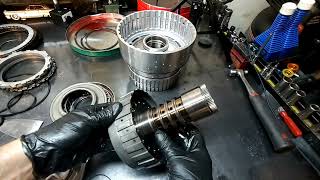
- Internal CDF Clutch Drum Failure: TSB 24-2254 explicitly mentions that axial movement of the CDF clutch cylinder sleeve 🎬 Watch: See how CDF drum failure occurs inside the transmission can cause these DTCs by creating hydraulic circuit leaks. This is a major internal failure requiring a more extensive transmission teardown and repair. While noted as less common on the 10R60 than the 10R80, it is a known possibility.
- Wiring Harness Issue: Damage to the wiring harness leading to the transmission can cause a loss of signal to the solenoid. This could be from chafing, corrosion at the connector, or other physical damage.
- Powertrain/Transmission Control Module (PCM/TCM) Failure: It is rare for the control module itself to fail, but it can happen. TSBs often recommend a PCM/TCM software update as a first step. A recall for 2025 models highlights that PCM software can cause severe transmission issues. This is usually the last item to be diagnosed after all other possibilities are eliminated.
Diagnosis Steps
- Check and verify the transmission fluid level and condition. Ensure it is clean, full, and does not smell burnt.
- Use a professional OBD-II scanner (preferably Ford's FDRS) to check for any other pending or stored transmission codes. Note all codes present, as a group of codes is highly indicative of the valve body issue.
- Consult Ford's Technical Service Bulletins (TSBs), especially TSB 22-2428 and any superseding bulletins, as they provide a specific diagnostic path for this code.
- Per the TSB, the first step is often to update the PCM/TCM software and perform an adaptive learning drive cycle. If symptoms persist, proceed with mechanical diagnosis.
- Inspect the transmission wiring harness and connectors for any visible damage, corrosion, or loose connections.
- If fluid, wiring, and software are good, follow the TSB procedure, which typically leads to testing and replacement of the main control valve body.
- If the vehicle was built on or before August 15, 2022, the technician should also inspect for axial movement of the CDF clutch cylinder sleeve per TSB 24-2254.
- After repair, the transmission adaptive learning tables must be cleared, the new solenoid strategy ID must be programmed, and a specific re-learn drive cycle must be performed.
Parts You'll Likely Need
- Transmission Main Control Valve Body Assembly
(OEM #LB5Z-7A100-B)— This is the component identified in multiple Ford TSBs as the primary cause of shifting issues and codes like P0761 due to internal sticking valves. Note: Part numbers can be superseded; always verify with a dealer using the VIN.
Trusted brands: Motorcraft
OEM price range: $1000-$1500
Aftermarket price range: $800-$1200 - Motorcraft MERCON ULV Automatic Transmission Fluid
(OEM #XT-12-QULV)— This is the specific, required fluid for the 10R60 transmission. Using any other fluid can cause damage. A full service requires approximately 8-9 quarts.
Trusted brands: Motorcraft
OEM price range: $15-$25 per quart
Aftermarket price range: $12-$20 per quart - Transmission Filter Kit
(OEM #FT-215)— The filter should always be replaced whenever the transmission pan is removed for service to ensure the new valve body receives clean fluid.
Trusted brands: Motorcraft
OEM price range: $40-$70
Aftermarket price range: $25-$50
Related Codes That Often Appear With This One
- P0751 — Shift Solenoid 'A' fault. The TSBs from Ford group these codes together as they all stem from the same common cause: a faulty main control valve body.
- P0756 — Shift Solenoid 'B' fault. Like P0751, this code is part of the group of DTCs related to valve body failure.
- P0766 — Shift Solenoid 'D' fault. This is another solenoid control code that points to the common valve body issue on the 10R60 transmission.
- P0729, P0731-P0736 — These are incorrect gear ratio codes. They often appear with solenoid codes because the solenoid's failure to actuate prevents the transmission from achieving the commanded gear ratio.
- P2700-P2705, P2707, P2708 — These are additional clutch apply time or solenoid performance codes. TSB 22-2428 lists a large group of these codes, all pointing to the same valve body and CDF drum issues.
Technical Service Bulletins (TSBs) & Recalls
- TSB 22-2428: Mentions a long list of transmission DTCs, including P0761, may be caused by sticking valves in the main control or a moving CDF clutch sleeve.
- TSB 26-2046: Lists P0761 with symptoms like harsh or delayed shifts.
- TSB 25-2302: Also lists P0761 with harsh/delayed shift symptoms.
- TSB 20-2403: Specifically states that P0761 and other codes may be due to a "sticking valve".
- TSB 24-2254: Identifies axial movement of the CDF clutch cylinder sleeve as a potential cause for these codes in transmissions built on or before August 15, 2022.
Platform-Specific Known Issues
- The 10R60 10-speed automatic transmission in these Explorers is subject to multiple TSBs for harsh/delayed shifts and engagement caused by sticking valves in the main control body. (TSB 22-2428, TSB 20-2403, TSB 24-2252).
- An earlier TSB, TSB 20-2403, specifically calls out that codes like P0761 may be due to a "sticking valve".
- TSB 22-2428 is the key document, superseding several previous bulletins. It outlines a diagnostic procedure that may involve a PCM software update, valve body replacement, and/or inspection of the CDF clutch cylinder sleeve.
Mechanic-Grade Diagnostic Values
- Shift Solenoid (A-F) Resistance — expected: While Ford does not publish an official spec for the 10R60, similar Ford transmissions show a range of 12-28 Ohms.. Failure: A reading significantly outside this range, or an open/short circuit, indicates a failed solenoid coil.
- Line Pressure Control (LPC) Solenoid Current — expected: Low/no current (approx. 50 mA) results in full line pressure. High current (approx. 850 mA) results in very low pressure.. Failure: The current should vary inversely with commanded pressure. A static reading indicates a problem.
- Torque Converter Clutch (TCC) Solenoid Current — expected: Low/no current (approx. 50 mA) results in very low pressure. High current (approx. 850 mA) results in high pressure.. Failure: The current should vary proportionally with commanded pressure. A static reading indicates a problem.
Hidden / Shadow Codes Worth Checking
- P163E: Transmission Control Module (TCM) - Solenoid Body ID Not Programmed Or Incompatible (see via This DTC may be stored in the PCM or TCM if the 13-digit solenoid body strategy was not correctly programmed after valve body replacement, especially if the older 12-digit ID was entered by mistake. It is visible with Ford's FDRS/IDS or equivalent professional scan tools.)
Scan Tool Commands That Help
- Ford FDRS/IDS: PCM - Transmission Strategy Download — This is a mandatory procedure after replacing the main control valve body or the entire transmission. It is used to program the new 13-digit Solenoid Body Strategy number and 12-digit Solenoid Body ID into the control module. Failure to perform this step will result in poor shifting and can set additional trouble codes.
- Ford FDRS/IDS: Clear All DTCs and Transmission Adaptive Tables — This must be performed after any transmission repair, especially valve body replacement, to reset the transmission's learned shift patterns. It is the first step before performing the adaptive learning drive cycle.
- Ford FDRS/IDS: PCM - Transmission Accelerated Main Control Break In — This is a diagnostic routine recommended by TSB 20-2403 as a first step for shift quality concerns. It cycles the solenoids to attempt to free up sticking valves before recommending valve body replacement.
- Ford FDRS/IDS: Active Test - Solenoid Command — A technician can use this bidirectional command to individually command a solenoid on and off while monitoring pressure data to see if the hydraulic circuit responds, helping to isolate an electrical vs. hydraulic failure.
Wiring & Ground Locations
- C168A — The main transmission bulkhead connector on the side of the 10R60/10R80 transmission case.. This is the primary connection point for all transmission solenoids and sensors. TSB 24-2254 diagnostic procedures involve back-probing pins at this connector to test for hydraulic leaks in the CDF clutch circuit. Any corrosion or damage here can directly cause solenoid codes.
- C175T — One of the main connectors at the Powertrain Control Module (PCM). The PCM is typically located in the engine bay.. This connector contains the circuits for the transmission fluid temperature sensor and various other transmission inputs/outputs to the PCM. Checking for continuity and voltage at these pins is a key step in diagnosing a wiring issue between the transmission and the PCM.
- TCCM (Transfer Case Control Module) — On 2020-2021 models, it is located under the driver's seat, beneath the carpet and a vent duct.. While not directly controlling the shift solenoids, a fault in the TCCM can send erroneous data to the PCM, potentially affecting shift strategy and causing unpredictable behavior. Its location under the carpet makes it susceptible to water damage.
Real Owner Repair Stories
- Reddit user in r/FordExplorer (2020 Explorer ST (10R60 Transmission)) — Vehicle needed a new transmission.
❌ Tried (didn't work) The shop attempted to source parts for a repair, but the valve body was on backorder for months.
✅ What actually fixed it Due to parts availability issues for a repair, the owner was considering a full remanufactured transmission replacement as the only viable path forward. This aligns with TSBs recommending full component replacement over partial repairs.
OEM Part Supersession History
LB5Z-7A100-A (and others)→LB5Z-7A100-B— Revisions to address sticking valves and improve durability.
Heads up: When replacing the valve body, it is mandatory to program the new 13-digit solenoid body strategy into the PCM/TCM. Failure to do so will result in harsh shifting and may set code P163E. The new strategy numbers are provided on a tag with the new valve body.
Model Year Variations Within This Range
- 2020-2022 (built on or before Aug 15, 2022): Per TSB 24-2254, vehicles built on or before this date are susceptible to a hydraulic leak from the CDF clutch cylinder sleeve. Vehicles built after this date are less likely to have this specific issue, making the valve body the more probable cause.
- 2020 (built on or before May 19, 2020): Per TSB 20-2305, these early-build 2020 models may have a dislodged A-clutch snap ring causing a harsh 7-6 downshift, a specific mechanical issue requiring internal repair.
Diagnostic Flowchart
Other Known Issues on This Vehicle
Issues unrelated to this code that are worth knowing about as an owner of this generation:
- Rear Axle Mounting Bolt Fracture 🔴 High — Widespread, affecting a large number of 2020-2022 models. (Ref: Major recall issued. The bolt can fracture, potentially causing a loss of park engagement and rollaway risk.)
- Rearview Camera Failure (Blue Screen) 🟠 Medium — Very common across 2020-2022 models. (Ref: Multiple recalls and TSBs issued. The Image Processing Module (IPMA) fails, resulting in a blue or black screen for the rearview camera.)
- Front Axle/Driveshaft Leaks 🟠 Medium — Common on early-build (2020-2021) models. Owners report grease slung in wheel wells. (Ref: TSBs address leaking front axle boots and Front Axle Disconnect Actuator (FADA) leaks.)
- Unintended Movement While Parked 🔴 High — Affects over 250,000 vehicles. (Ref: Recall issued. A loose bolt can prevent the transmission from fully engaging Park.)
- PCM Software Faults 🔴 High — A recall was issued for over 24,000 2025 models, but similar software-related issues have been noted in prior years. (Ref: Recall 25V-239. Faulty PCM software can cause a sudden loss of power while driving or damage the parking pawl.)
- Cracked Exhaust Manifold / Gas Intrusion (ST Models) 🔴 High — Primarily affects 2020-2021 Explorer ST models with the 3.0L engine. (Ref: Recall issued. Cracks can allow exhaust fumes to enter the cabin, posing a carbon monoxide risk.)
Used vs. New Parts: Buying Guide for This Vehicle
When a used part is the smart pick: For this specific repair, a used valve body from a junkyard is almost never a smart choice. The primary failure mode is internal wear and sticking valves, which are highly likely to be present in a used part. A used part carries a very high risk of inheriting the exact same problem.
Donor-vehicle mileage cap: roughly under 20000 miles for the part to have meaningful remaining life.
What to inspect on the donor part:
- Verify the donor vehicle was not in a severe front-end collision that could have damaged the transmission.
- Check the transmission fluid from the donor vehicle if possible; it should be bright red and clear, not dark, brown, or burnt-smelling.
- Crucially, obtain the 13-digit solenoid strategy number from the donor valve body, as it will be needed for programming.
OEM-only on this vehicle (don't cheap out):
- Transmission Main Control Valve Body Assembly
Aftermarket brands forum-validated for this vehicle:
- Upgraded/Performance 'Built' Valve Bodies (from specialty shops like NextGen or Inglewood Transmission) are reported to solve the root design flaws, not just replace the part.
Brands owners have reported issues with on this vehicle:
- Ford OEM 'Remanufactured' Valve Bodies have been reported by some technicians to be faulty out of the box, leading to repeat repairs. While potentially cheaper, new OEM or a quality aftermarket 'built' unit is a safer bet.
Real Owner Stories
Aggregated from forums and TSBs cited above. Mileages and costs reflect what owners reported in those sources.
2020 Ford Explorer — 1000 miles
Symptoms: Experienced a complete transmission failure that left the owner stranded shortly after purchase.
What fixed it: The source indicates a complete transmission failure occurred, though the specific internal component replaced was not detailed beyond the immediate failure at very low mileage.
Source hint: Blue Oval Forums - 2020 Ford Explorer Transmission issue
2020 Ford Explorer ST — 35000 miles
Symptoms: Transmission behavior described as 'hunting around' and not feeling smooth in low-speed situations.
What fixed it: The owner detailed numerous common issues and 'lots of hassle and work' performed to address the lack of smoothness and hunting behavior.
Source hint: Explorer Forum - 2020 Explorer ST - Lots of hassle and work done at 35k miles
2020-2024 Ford Explorer (10R60 Transmission)
Symptoms: Intermittent issues where the transmission sometimes shifts perfectly and other times feels like it will 'drop out of the truck'.
What fixed it: Diagnostic procedures following TSB 22-2428, which typically involves valve body replacement or addressing the CDF clutch sleeve.
Source hint: Reddit r/f150 - TSB 22-2428 Discussion
Related OBD-II Codes
Frequently Asked Questions
Does TSB 22-2428 apply to my 2020-2024 Ford Explorer 3.3L Hybrid regarding the P0761 code?
My 2020 Explorer was built in early 2022; is there a specific mechanical part I should worry about for P0761?
Can I just replace Shift Solenoid 'C' to fix this issue?
What is the first step a technician should take for a P0761 on my Explorer Hybrid per Ford's guidelines?
Are there any other major recalls I should be aware of while getting my transmission checked?
What kind of transmission fluid does my 3.3L Hybrid Explorer require?
Helpful Videos
Used OEM Parts in Stock


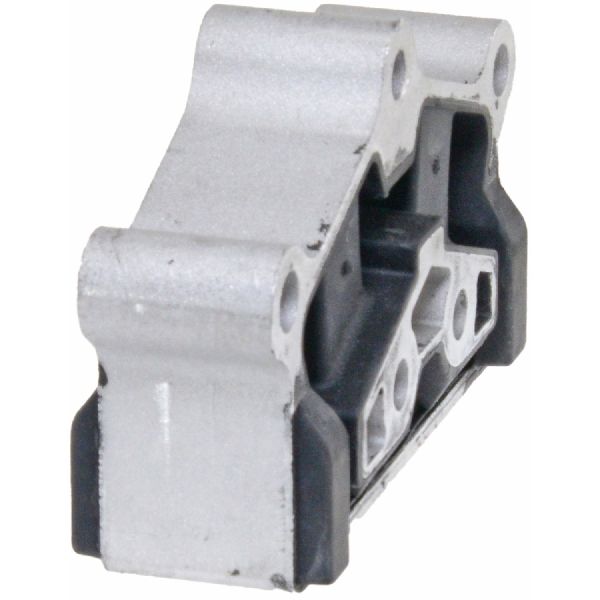
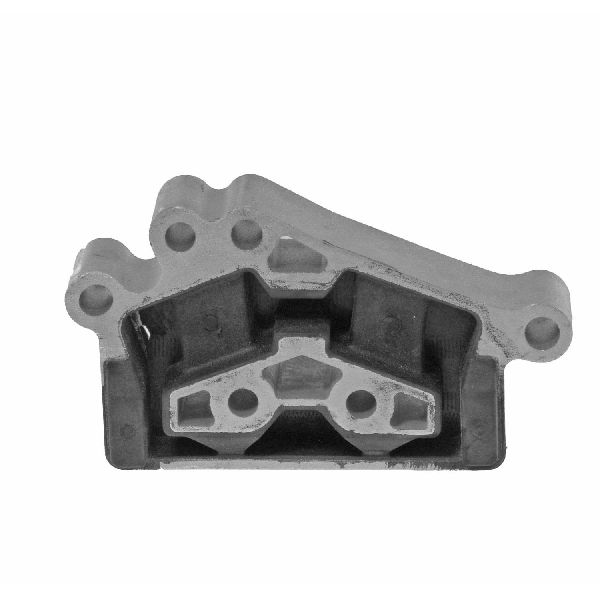
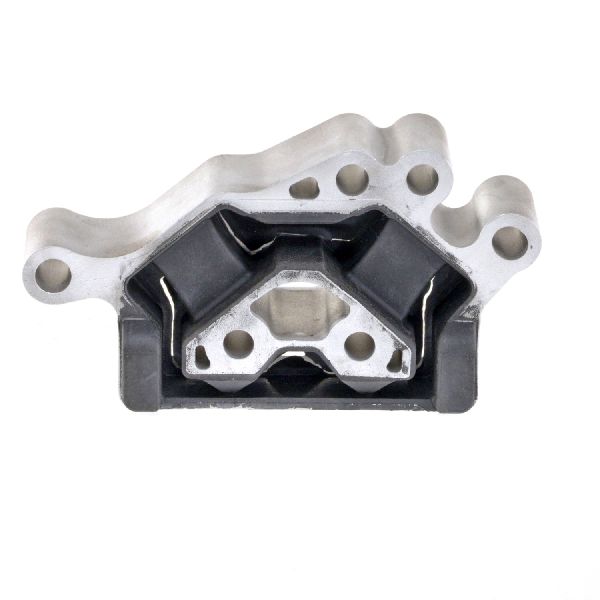
New Aftermarket Parts Available


The information in this article is provided for general reference and educational purposes only. Vehicle specifications, procedures, and part compatibility can vary by production date, trim level, and region. Always consult your vehicle's factory service manual and verify part numbers before purchasing or performing repairs. Safety-critical components such as airbags, seat belts, and braking systems should be installed by a qualified professional.
- Ford Explorer:
- 🎬 Helpful Videos
- 🛍️ Shop This Part
- What's Unique About the 2020-2024 Ford Explorer
- Symptoms You May Notice
- Most Likely Causes
- Rare But Worth Checking
- Diagnosis Steps
- Parts You'll Likely Need
- Related Codes That Often Appear With This One
- Technical Service Bulletins (TSBs) & Recalls
- Platform-Specific Known Issues
- Mechanic-Grade Diagnostic Values
- Hidden / Shadow Codes Worth Checking
- Scan Tool Commands That Help
- Wiring & Ground Locations
- Real Owner Repair Stories
- OEM Part Supersession History
- Model Year Variations Within This Range
- Diagnostic Flowchart
- Other Known Issues on This Vehicle
- Used vs. New Parts: Buying Guide for This Vehicle
- Real Owner Stories
- 2020 Ford Explorer — 1000 miles
- 2020 Ford Explorer ST — 35000 miles
- 2020-2024 Ford Explorer (10R60 Transmission)
- Related OBD-II Codes
- Frequently Asked Questions
- 🎟️ Get 5% Off