

P0369 on 2017-2020 Ford F-150 3.5L EcoBoost: Camshaft Sensor Causes and Fixes
On a 2017-2020 F-150 with the 3.5L EcoBoost, code P0369 is most often caused by low engine oil or a failing exhaust camshaft position sensor on the passenger side (Bank 1). Always check your oil level first. If oil is full, the sensor (Motorcraft DU-102) is a ~$30-$50 part and a common DIY fix. If a startup rattle is present, the cause is likely the well-known VCT cam phaser issue, which is a major repair covered by Ford's Customer Satisfaction Program 21N03.
- Always check the engine oil level first. Low oil is a very common and simple cause for P0369 on this engine.
- The sensor in question is for the exhaust camshaft on the passenger side (Bank 1).
- If the oil level is good, the sensor itself is the next most likely culprit and is relatively inexpensive and easy to replace.
- A rattling noise when starting the engine is a major clue that points to the well-known cam phaser issue, which is a much more involved and expensive repair.
- Always use a quality OEM (Motorcraft) or equivalent sensor, as these engines can be sensitive to aftermarket parts.
What's Unique About the 2017-2020 Ford F-150
For the second-generation 3.5L EcoBoost engine in this F-150, P0369 is frequently a symptom of larger, well-documented platform issues. It's often linked to excessive oil consumption or failing Variable Camshaft Timing (VCT) phasers. Ford has issued multiple Technical Service Bulletins (TSBs) like TSB 20-2423 and a customer satisfaction program (21N03) related to a startup rattle caused by these phasers, which can directly trigger this code. TSB 20-2423 specifically links excessive oil consumption on vehicles built before Sept 11, 2020, with codes P0365 and P0369. Therefore, simply replacing the sensor without checking the oil level or listening for engine noises can lead to a misdiagnosis.
Symptoms You May Notice
- Check Engine Light is on
- Engine runs rough or idles poorly
- Hesitation or lack of power during acceleration
- Difficulty starting the engine
- Engine stalling intermittently
- Loud rattling or ticking noise from the engine on a cold startup (indicates phaser issue)
- Reduced fuel economy
- Replacing the camshaft position sensor without first checking the engine oil level. Low oil is a very common cause of this code on this specific engine.
- Replacing timing components (phasers, chain) without first diagnosing a faulty sensor or wiring issue. The sensor and wiring are much cheaper and easier to fix.
- Mistaking a vacuum pump oil leak for a valve cover gasket leak. The vacuum pump is mounted to the rear of the passenger side cylinder head and is known to leak oil onto the exhaust, which can also contaminate the nearby camshaft sensor connector.
Most Likely Causes
- Low or Dirty Engine Oil 🔴 High Probability The 3.5L EcoBoost engine in this year range is known for issues with oil consumption, which can lead to low oil levels that starve the VCT system. TSB 20-2423 directly addresses excessive oil consumption leading to codes P0365/P0369 on some 2018-2020 models. Low oil pressure is a primary trigger for this code.
How to confirm: Check the engine oil level using the dipstick after the engine has been off for at least 15 minutes to allow oil to drain back into the pan. Inspect the oil's condition and color. The oil level being even slightly low can trigger this code.
Typical fix: Top off or change the engine oil and filter. Use the correct viscosity oil (5W-30 Full Synthetic is specified). Monitor oil levels closely afterward. If consumption is high, consult a dealer about TSB 20-2423.
Est. part cost: $40-$80 - Faulty Camshaft Position Sensor 🔴 High Probability The sensor is exposed to significant heat and vibration at the rear of the cylinder head, leading to eventual failure. It's a common wear item.
How to confirm: After confirming the oil level is correct, a common diagnostic trick is to swap the exhaust sensor ('B') with the intake sensor ('A') on the same bank (passenger side). Clear the codes and see if the fault changes to P0340 (intake sensor code). If it does, the sensor is bad.
Typical fix: Replace the Bank 1 exhaust camshaft position sensor (Motorcraft DU-102). It is located on the rear of the passenger-side valve cover and held by a single 8mm bolt. Access can be tight, requiring removal of some intake piping for better reach.
Est. part cost: $30-$60 - Wiring or Connector Issue 🟡 Medium Probability The sensor and its wiring are exposed to high engine temperatures and vibration, which can lead to corrosion, loose pins, or wire damage over time. Oil from a leaking valve cover or vacuum pump can also contaminate the connector.
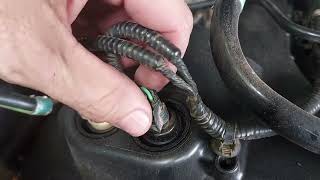
How to confirm: Visually inspect the sensor's electrical connector and harness for any signs of damage, corrosion, or oil saturation. Perform a 'wiggle test' on the harness while the engine is running and a scan tool is monitoring sensor data to see if the signal drops out.
Typical fix: Clean the connector with electrical contact cleaner. If the connector or wiring is damaged, replace the pigtail or repair the affected wire.
Est. part cost: $15-$40 - Worn VCT Phasers / Stretched Timing Chain 🟡 Medium Probability This is a widely documented problem on 3.5L EcoBoost engines. Ford issued Customer Satisfaction Program 21N03 and TSB 22-2274 for this issue. The phasers wear out, causing a startup rattle and incorrect cam timing that the sensor reports.
How to confirm: The most common symptom is a loud rattle from the front of the engine for 2-5 seconds on a cold start. A mechanic can confirm by monitoring VCT PIDs (Parameter IDs) with a high-end scan tool to check for timing errors.
Typical fix: This is a major repair that involves replacing all four VCT phasers, the timing chain, and tensioners. It is typically a job for a professional shop. Ford updated the phaser design to part number ML3Z-6256-A. 🎬 Watch: Learn about the new updated phasers The full job can cost between $2,500 and $5,000 at a dealership.
Est. part cost: $800-$1500
Rare But Worth Checking
- Slipped Camshaft Tone Wheel: On the Bank 1 exhaust camshaft, the tone wheel that the sensor reads is integrated into the drive coupler for the mechanical vacuum pump. In rare instances, this coupler can slip or shear, causing its position on the camshaft to change. This results in a persistent P0369 code even with a good sensor, wiring, and timing components. A technician on a diagnostics forum confirmed this failure mode, which required replacing the entire Bank 1 exhaust camshaft to resolve.
- Faulty Powertrain Control Module (PCM): This is extremely rare. The PCM should only be considered after all other possibilities, including wiring, sensors, and mechanical timing components, have been exhaustively tested and ruled out.
Diagnosis Steps
- Check Engine Oil: Before any other step, verify the engine oil level is correct and the oil is in good condition. Let the truck sit for 15+ minutes before checking for an accurate reading. Top off if necessary.
- Scan for Other Codes: Check for any other accompanying codes that could point to a larger timing system issue (e.g., P0016-P0019).
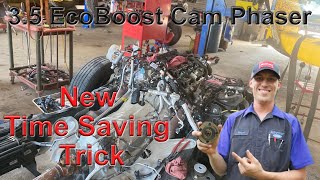
- Listen for Startup Rattle: On a cold start, listen for a distinct rattling noise from the front of the engine lasting 2-5 seconds. 🎬 See how to fix this startup rattle If present, this strongly indicates worn VCT phasers are the root cause.
- Inspect Sensor and Wiring: Locate the Bank 1 (passenger side) exhaust ('B') camshaft position sensor on the rear of the valve cover. Inspect the connector for corrosion, oil saturation, or damage. Check the wiring harness for any obvious breaks or chafing.
- Perform Sensor Swap: Swap the exhaust sensor with the intake sensor on the same bank. Clear the codes, run the engine, and see if the code changes to P0340. If it does, the original sensor is faulty and needs replacement.
- Test the Circuit: If the code does not change after the swap, the problem is likely in the wiring or PCM. Use a multimeter to check for the correct voltage reference, ground, and signal at the sensor connector.
- Professional Diagnosis: If the sensor and wiring are good, but the code persists (especially with a startup rattle), the issue is almost certainly mechanical (VCT system, timing chain, tone wheel). This requires advanced diagnostics and repair at a professional shop. Mention Ford Customer Satisfaction Program 21N03 to the service advisor.
Parts You'll Likely Need
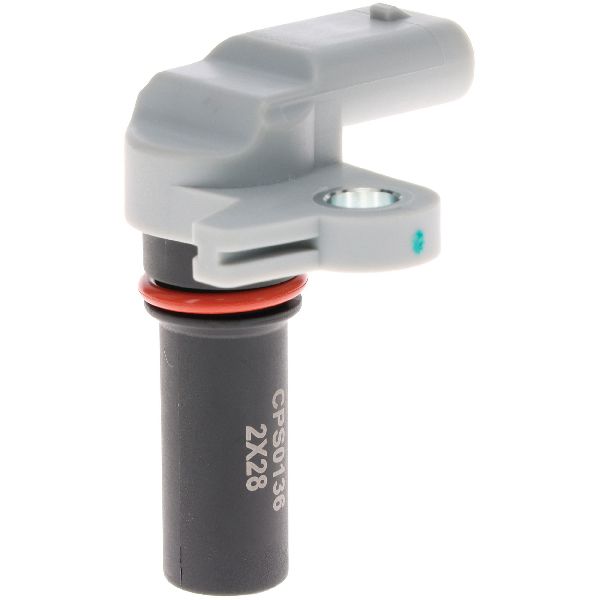
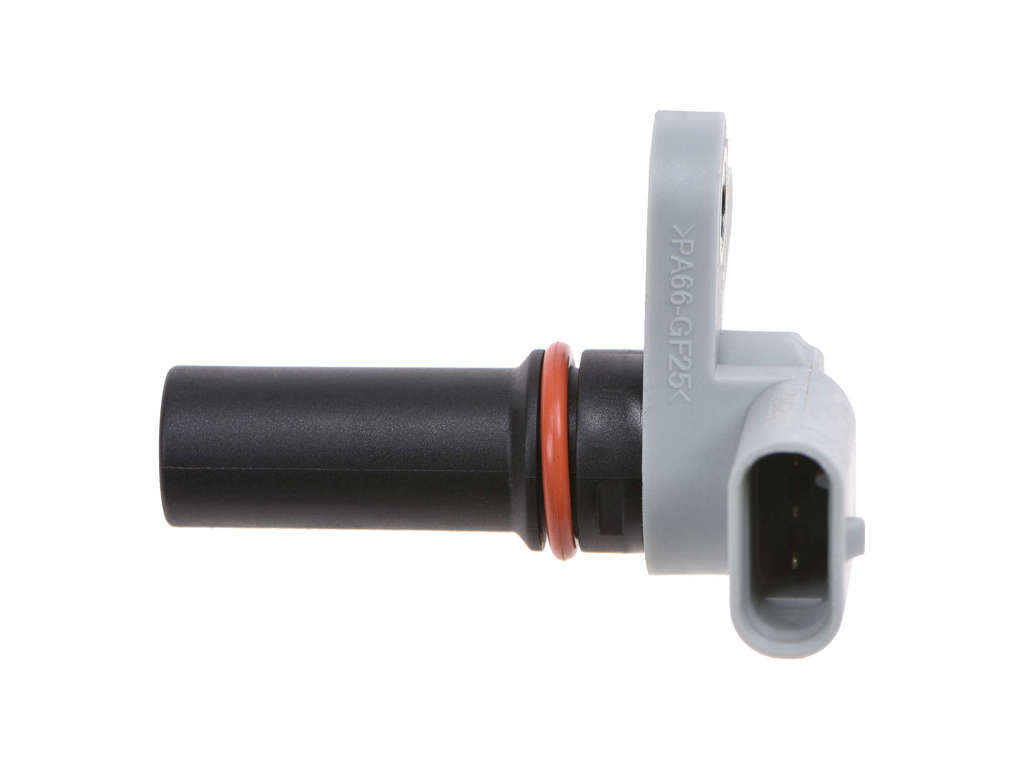
- Engine Camshaft Position Sensor
(OEM #DU-102 (supercedes BL3Z-6B288-C))— This is the most commonly replaced part for this code when the issue is not oil-related. The sensor itself fails from heat and age.
Trusted brands: Motorcraft, Denso, Bosch
OEM price range: $30-$50
Aftermarket price range: $25-$45 - VCT Phasers and Timing Chain Kit
(OEM #HL2Z-6C590-A (Kit P/N))— If the code is accompanied by a startup rattle, the underlying cause is the well-known cam phaser failure. The repair involves replacing the phasers, chain, guides, and tensioner as a set. The updated phasers are ML3Z-6256-A (Intake) and ML3Z-6C525-A (Exhaust).
Trusted brands: Motorcraft
OEM price range: $800-$1500
Aftermarket price range: $500-$900
Related Codes That Often Appear With This One
- P0365 — This is the non-intermittent version of the same fault ('Camshaft Position Sensor 'B' Circuit Bank 1'). They often appear together or trade places as the fault condition changes. TSBs from Ford often list both codes together.
- P0016, P0017, P0018, P0019 — These are crankshaft/camshaft correlation codes. If you see these along with P0369, it strongly points towards a mechanical timing issue like a stretched chain or failing cam phasers.
Technical Service Bulletins (TSBs) & Recalls
- 21N03: Customer Satisfaction Program for cam phaser replacement due to startup rattle.
- TSB 22-2274: Technical service bulletin related to cam phaser replacement procedures.
- TSB 20-2423: Addresses excessive oil consumption on 3.5L High-Output engines, which can cause P0365/P0369.
- SSM 47961: A Special Service Message directly connecting worn VCT units to codes P0365 and P0369.
Platform-Specific Known Issues
- Cam Phaser Rattle on Startup: A widespread issue where the VCT phasers fail, causing a loud rattle on cold starts. Ford addressed this with Customer Satisfaction Program 21N03, which extended warranty coverage for this specific repair. The repair is extensive, with dealer quotes ranging from $3,500 to over $6,000 if not covered by warranty.
- Excessive Oil Consumption: TSB 20-2423 was issued for 2018-2020 models with the 3.5L High-Output engine for excessive oil consumption, which can directly cause code P0369. The fix involves a PCM reprogram and, if needed, replacement of the valve covers with an updated design.
Mechanic-Grade Diagnostic Values
- VCT Solenoid Internal Resistance — expected: 6.9 to 7.9 Ohms at 68°F (20°C). A general range of 5-15 Ohms is also acceptable.. Failure: A reading of 0 Ohms (short circuit) or OL/infinity (open circuit) indicates a failed solenoid.
- Engine Oil Pressure at Hot Idle — expected: Minimum 15 PSI.. Failure: Pressure below 15 PSI at a normal operating temperature can cause VCT system malfunctions and trigger timing codes.
- VCT Solenoid Connector Voltage (Key On, Engine Off) — expected: Approximately 12V (Battery Voltage) on the power supply pin.. Failure: Significantly lower or no voltage points to a wiring issue or problem with the PCM driver circuit.
- Scan Tool PID: VCT Advance Error (VCT_ADV_ERR) — expected: Should be close to 0 degrees at idle, with an acceptable variance of +/- 5 degrees.. Failure: Excessive variation or a large, persistent error angle while the fault is occurring points to a VCT system problem.
- Ground Circuit Resistance — expected: Less than 0.2 Ω between the sensor ground point and the battery negative terminal.. Failure: Resistance above 0.2 Ω indicates a compromised ground path that needs to be located and repaired.
Hidden / Shadow Codes Worth Checking
- Mode 6 Data: Mode 6 provides non-continuous monitor test results. For VCT issues, it can contain statistical data and test results that offer deeper insight into system performance beyond what a standard DTC provides. (see via A professional scan tool with Mode 6 capabilities, such as the Ford IDS or high-end aftermarket scanners.)
Scan Tool Commands That Help
- Ford IDS (or equivalent): VCT Solenoid Disconnect Test — If an engine noise (rattle, tick) is present with the code, electrically disconnecting the VCT solenoids and test driving the vehicle can isolate the issue. If the noise disappears, it confirms the noise is related to the VCT system, as the phasers are locked in their base position.
- Ford IDS (or equivalent): Monitor VCT PIDs (VCT_ADV_ERR1/2, VCT_DUTY1/2) — This is the primary method for diagnosing VCT performance. Monitoring the desired vs. actual cam angle (error) and the duty cycle the PCM is commanding to the solenoid helps determine if the issue is electrical, mechanical, or hydraulic.
- Ford IDS (or equivalent): Reset All Adaptations — After replacing VCT components or the PCM, the adaptive learning tables should be reset. This forces the computer to relearn the transmission and engine parameters, which is critical for proper operation.
Wiring & Ground Locations
- G104 — Located at the rear of the right (passenger side) cylinder head.. This is a primary engine ground point. The Bank 1 CMP sensor is located nearby, and a poor connection at G104 can introduce electrical noise or an unstable ground reference for the sensor, causing an intermittent signal and triggering P0369.
- C175B — This is one of the main connectors for the Powertrain Control Module (PCM), which is located on the passenger side firewall.. The wiring for the Bank 1 Camshaft Position Sensor terminates at this connector. Any diagnostic tests of the sensor circuit (checking for opens, shorts, or signal at the PCM) will require accessing the correct pins at this connector.
Real Owner Repair Stories
- Snap-on Diagnostics Product Forums, user 'BRIAN617' (2013 Ford F-150 3.5L EcoBoost (Gen 1, but same failure mode applies to Gen 2)) — P0365 and P0369 codes returned immediately after repair.
❌ Tried (didn't work) Swapping intake and exhaust cam sensors., Testing wiring from sensor to PCM., Replacing the timing chain and all related components.
✅ What actually fixed it The tone wheel on the Bank 1 exhaust camshaft, which also acts as the drive coupler for the vacuum pump, had slipped nearly 90 degrees from its original position. The final fix was replacing the entire Bank 1 exhaust camshaft. - YouTube channel 'djrand65' (Ford F-150 3.5L EcoBoost (Gen 2 issue)) — Persistent P0365 and P0369 codes.
❌ Tried (didn't work) Replacing camshaft position sensors., Replacing timing chains and phasers.
✅ What actually fixed it The reluctor (tone) wheel on the Bank 1 exhaust camshaft had become loose and was able to rotate independently of the camshaft. The final fix was replacing the entire exhaust camshaft.
OEM Part Supersession History
BL3Z-6B288-C→DU-102— Standard part revision and update by manufacturer.Various older VCT Phaser part numbers→ML3Z-6256-A (Intake), ML3Z-6C525-A (Exhaust)— Updated design to mitigate the cold start rattle and premature wear issues addressed in multiple TSBs (e.g., TSB 22-2274).
Heads up: Using old-style phasers will lead to a repeat failure of the same issue. Only the latest revision should be used for repairs.
Model Year Variations Within This Range
- 2017-2019: Vehicles built on or before November 30, 2019, are specifically called out in TSB 22-2274 as being prone to the VCT phaser rattle issue. This implies a potential production change was implemented for vehicles built after this date.
- 2018: Vehicles built on or before May 15, 2018, may have been eligible for a PCM reprogram under TSB 18-2274 to address harsh shifting. This indicates different base software versions may exist in the fleet, which could potentially affect how other engine parameters are managed.
Diagnostic Flowchart
Other Known Issues on This Vehicle
Issues unrelated to this code that are worth knowing about as an owner of this generation:
- 10R80 Transmission Harsh Shifting / Failures 🟠 Medium — Common complaint, especially on earlier 2017-2018 models. Can occur at any mileage. Issues include harsh shifts, delayed engagement, and torque converter shudder. (Ref: TSB 18-2274 was issued for a PCM reprogram to address shift quality on 2018 models.)
- Panoramic Moonroof Leaks and Frame Breakage 🟠 Medium — A very common issue where clogged drain tubes or faulty frame components cause water to leak into the cab, often from the A-pillars or headliner.
- Mechanical Vacuum Pump Oil Leak 🟡 Low — The gasket for the vacuum pump, located on the rear of the passenger-side cylinder head, is prone to leaking oil onto the exhaust, causing a burning smell. Often misdiagnosed as a valve cover leak.
Used vs. New Parts: Buying Guide for This Vehicle
When a used part is the smart pick: For this specific code, buying used parts is generally not recommended. A used wiring harness pigtail from a junkyard could be a cost-effective fix if only the connector is damaged, but new pigtails are inexpensive. Given the low cost and high failure rate of the sensor, a new one is a much better investment.
Donor-vehicle mileage cap: roughly under 80000 miles for the part to have meaningful remaining life.
What to inspect on the donor part:
- For a wiring pigtail, ensure the plastic is not brittle or cracked.
- Check that the connector's locking tab is intact.
- Inspect pins for corrosion, bending, or being pushed out.
- Ensure there is at least 6 inches of wire attached for splicing.
OEM-only on this vehicle (don't cheap out):
- VCT Phasers
- Timing Chain
- Timing Chain Tensioners and Guides
Aftermarket brands forum-validated for this vehicle:
- Motorcraft (OEM for all parts)
- Denso (For Camshaft Position Sensor)
- Bosch (For Camshaft Position Sensor)
Brands owners have reported issues with on this vehicle:
- Unnamed/white-box VCT phaser or timing kits from online marketplaces. The consensus among technicians is that the cost savings are not worth the high risk of premature failure and having to redo the 10+ hour labor job.
Real Owner Stories
Aggregated from forums and TSBs cited above. Mileages and costs reflect what owners reported in those sources.
2018 Ford F-150 3.5L EcoBoost
Symptoms: Loud rattle from the front of the engine for 2-5 seconds on a cold start.
What fixed it: Replacement of all four VCT phasers, timing chain, and tensioners under Customer Satisfaction Program 21N03.
Cost: $3,500-$6,000
Source hint: Reddit r/f150 threads discussing dealer quotes and 21N03 program
2018-2020 Ford F-150 3.5L High-Output
Symptoms: Excessive oil consumption leading to P0369 code.
What fixed it: PCM reprogram and replacement of the valve covers with an updated design per TSB 20-2423.
Source hint: TSB 20-2423
2017 Ford F-150 3.5L EcoBoost
Symptoms: P0369 code triggered; sensor suspected to be failing due to heat and vibration at the rear of the cylinder head.
What fixed it: Replacement of the Bank 1 exhaust camshaft position sensor with Motorcraft part DU-102.
Cost: $30-$60
Source hint: f150forum.com discussion on P0369 and sensor replacement
Related OBD-II Codes
Frequently Asked Questions
Does Ford Customer Satisfaction Program 21N03 apply to my 3.5L EcoBoost if I have a startup rattle?
My 2018 F-150 3.5L is consuming a lot of oil and throwing code P0369; is there a specific TSB for this?
What specific part number should be used if I need to replace the VCT phasers?
Which camshaft sensor is associated with code P0369 on the 3.5L EcoBoost?
Can I use any 5W-30 oil to fix the P0369 code caused by low oil?
Is there a known issue with the vacuum pump drive causing this code?
Helpful Videos
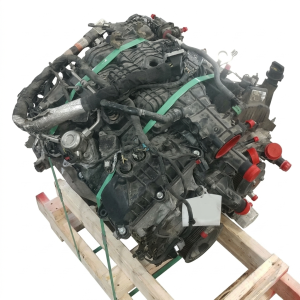
Used OEM Parts in Stock
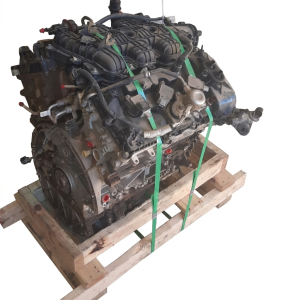
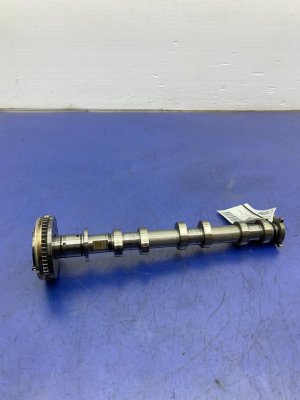
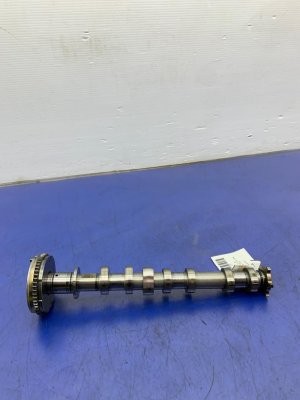
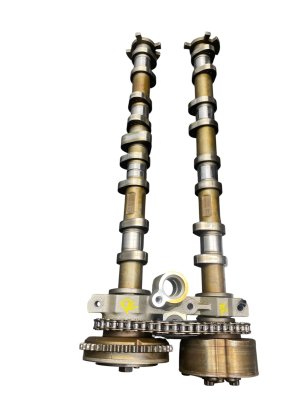
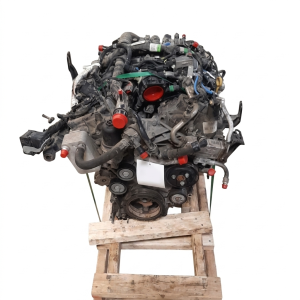
New Aftermarket Parts Available

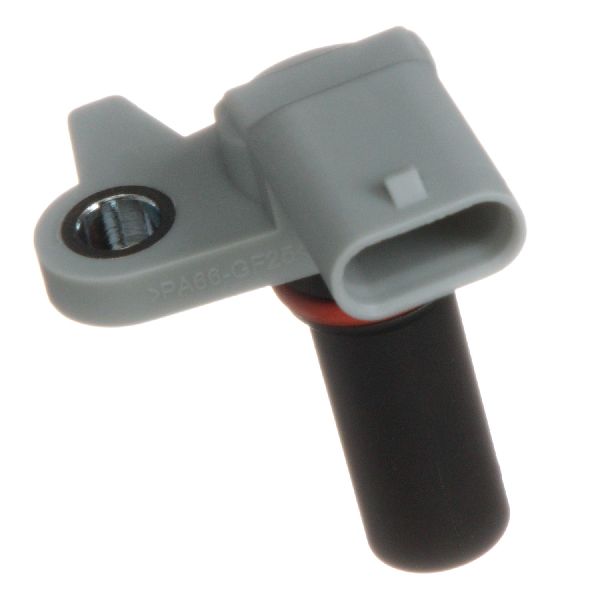

The information in this article is provided for general reference and educational purposes only. Vehicle specifications, procedures, and part compatibility can vary by production date, trim level, and region. Always consult your vehicle's factory service manual and verify part numbers before purchasing or performing repairs. Safety-critical components such as airbags, seat belts, and braking systems should be installed by a qualified professional.
- Ford F-150:
- 🎬 Helpful Videos
- 🛍️ Shop This Part
- What's Unique About the 2017-2020 Ford F-150
- Symptoms You May Notice
- Most Likely Causes
- Rare But Worth Checking
- Diagnosis Steps
- Parts You'll Likely Need
- Related Codes That Often Appear With This One
- Technical Service Bulletins (TSBs) & Recalls
- Platform-Specific Known Issues
- Mechanic-Grade Diagnostic Values
- Hidden / Shadow Codes Worth Checking
- Scan Tool Commands That Help
- Wiring & Ground Locations
- Real Owner Repair Stories
- OEM Part Supersession History
- Model Year Variations Within This Range
- Diagnostic Flowchart
- Other Known Issues on This Vehicle
- Used vs. New Parts: Buying Guide for This Vehicle
- Real Owner Stories
- 2018 Ford F-150 3.5L EcoBoost
- 2018-2020 Ford F-150 3.5L High-Output
- 2017 Ford F-150 3.5L EcoBoost
- Related OBD-II Codes
- Frequently Asked Questions
- 🎟️ Get 5% Off