

P0024 on 2011-2021 Ford F-150 5.0L & 3.5L: Exhaust Cam Timing Causes and Fixes
P0024 means the driver's side (Bank 2) exhaust camshaft timing is over-advanced. This is most often caused by low/dirty engine oil or a faulty Variable Camshaft Timing (VCT) solenoid. An oil change and a new VCT solenoid (approx. $30-$90) is the most common fix. On 2018+ 5.0L engines, this can be linked to oil consumption issues outlined in TSB 19-2365.
- P0024 points to an over-advanced exhaust camshaft on the driver's side (Bank 2).
- Always check your engine oil level and condition first. A simple oil change can sometimes fix this code.
- The most common failed part is the Bank 2 exhaust VCT solenoid, which is relatively inexpensive and accessible for DIY replacement.
- A DIY-friendly diagnostic is to swap the exhaust and intake VCT solenoids on Bank 2 to see if the code follows the part (changes to P0021).
- If you hear a loud engine rattle on cold starts, especially with a 3.5L EcoBoost, the problem is likely a more serious and expensive timing chain and/or cam phaser issue.
What's Unique About the 2011-2021 Ford F-150

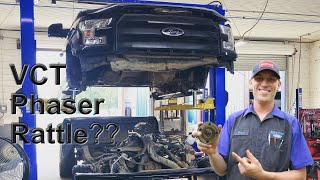
On this F-150 platform, the VCT system is a known trouble spot. Ford has issued technical service bulletins (TSBs) like SSM 50067, acknowledging that codes like P0024 can be triggered by small debris in the oil causing the VCT solenoids to stick. For the 3.5L EcoBoost engine, this code can also be associated with a notorious 'cold start rattle,' which often points toward a more serious issue with the cam phasers or timing chain, a repair that can cost over $3,000. 🎬 Watch: Everything you need to know about EcoBoost cold start rattle. For 2018-2020 5.0L V8s, P0024 can be a secondary effect of excessive oil consumption, an issue addressed by TSB 19-2365 which involves a PCM reprogram to reduce engine vacuum during certain events. Low oil levels resulting from this consumption issue can starve the VCT system and trigger timing codes.
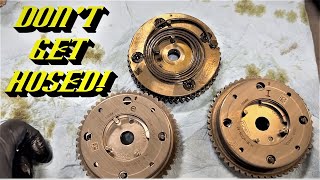
Generation note: The 2011-2021 range covers the 12th (2011-2014), 13th (2015-2020), and the first year of the 14th (2021) generation F-150. The 3.5L EcoBoost was updated in 2017 with a second-generation design, and the 5.0L V8 was updated for 2018 (Gen 3). While the fundamental cause of P0024 is the same, part numbers for VCT solenoids and the design of cam phasers can differ 🎬 See the difference between old and new updated phaser designs. between these engine updates. For example, 2018+ 5.0L and 2017+ 3.5L engines often use the updated HL3Z-6M280-A solenoid.
Symptoms You May Notice
- Check Engine Light is on
- Rough or unstable idle
- Engine stalling or hesitation, especially at low RPM
- Reduced engine power and acceleration
- Decreased fuel economy
- Engine may be hard to start
- Rattling or knocking noises from the engine, especially on cold starts (a hallmark symptom of cam phaser failure on the 3.5L EcoBoost)
- Replacing the camshaft position sensor first. While it's part of the system, the VCT solenoid or oil issues are far more common culprits for this specific code.
- Replacing the wrong VCT solenoid. P0024 specifically points to the exhaust camshaft on Bank 2 (driver's side). Ensure you are diagnosing and replacing the correct part.
- Assuming a timing chain job is needed without diagnosing the VCT solenoids first. The solenoid is a much cheaper and easier fix and should be ruled out before condemning the phasers or chain.
Most Likely Causes

- Low, Dirty, or Incorrect Viscosity Engine Oil 🔴 High Probability The VCT system is entirely dependent on oil pressure and cleanliness to function. Extended oil change intervals or using the wrong oil viscosity can lead to sludge and debris that clog the small passages in the VCT solenoids and their filters. For 2018-2020 5.0L engines, excessive oil consumption (see TSB 19-2365) can lead to low oil levels, causing this code. A low oil pressure condition at idle can also trigger this code and may be caused by a faulty oil pressure sending unit or, on the 3.0L diesel, a broken anti-drain back plug in the oil filter adapter (TSB 22-2386).
How to confirm: Check the oil level on the dipstick and examine the oil's condition. If it's below the 'add' line, dark black, or appears sludgy, this is the likely starting point. For 2018-2020 5.0L, monitor for oil consumption between changes. If a low oil pressure warning appears at hot idle, confirm actual pressure with a mechanical gauge before condemning the engine; the sending unit is a common failure.
Typical fix: Perform a complete engine oil and filter change using the manufacturer-recommended viscosity (e.g., 5W-20 or 5W-30, check your owner's manual) and a quality filter, such as one from Motorcraft. In cases of severe sludge, some owners have reported success with an engine flush using ATF or a small amount of kerosene, but this is a high-risk procedure.
Est. part cost: $40-$80 - Failing or Sticking VCT Solenoid (Bank 2 Exhaust) 🔴 High Probability Ford TSBs SSM 50067 and 47170 directly state that these solenoids are prone to sticking due to small debris in the engine oil, making it a very common failure point. The internal passages are very small and can become clogged with sludge even if the solenoid tests correctly electrically.
How to confirm: A common DIY diagnostic step is to swap the Bank 2 exhaust VCT solenoid with the Bank 2 intake solenoid. Clear the codes and drive the truck. If the code changes to P0021 (Intake Camshaft Position Timing - Over-Advanced, Bank 2), the solenoid is confirmed to be faulty. The Bank 2 solenoids are on the driver's side valve cover. You can also test the solenoid's resistance across its two pins; a reading between 5 and 14 ohms is generally considered acceptable.
Typical fix: Replace the Bank 2 (driver's side) exhaust VCT solenoid. It is highly recommended to change the engine oil and filter at the same time to remove contaminants that caused the failure.
Est. part cost: $30-$90 - Worn Cam Phasers / Timing Chain 🟡 Medium Probability The first-generation (pre-2017) and second-generation (2017-2020) 3.5L EcoBoost are particularly known for cam phaser and timing chain stretch issues, often presenting as a loud rattle on cold startups that accompanies VCT codes. The rattle is caused by oil draining out of the phasers when the engine is off, taking a moment to build pressure on startup. While less common on the 5.0L, it can still occur.
How to confirm: Listen for a loud rattling or grinding noise from the front of the engine for 2-5 seconds on a cold start. This is a strong indicator of phaser or timing chain guide failure. This diagnosis is more involved and typically requires a professional with a scan tool to monitor desired vs. actual cam angles (PIDs like VCT_EXH_DSD2 vs VCT_EXH_ACT2).
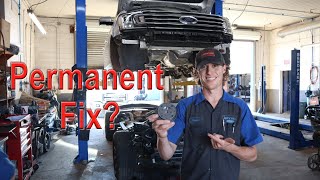
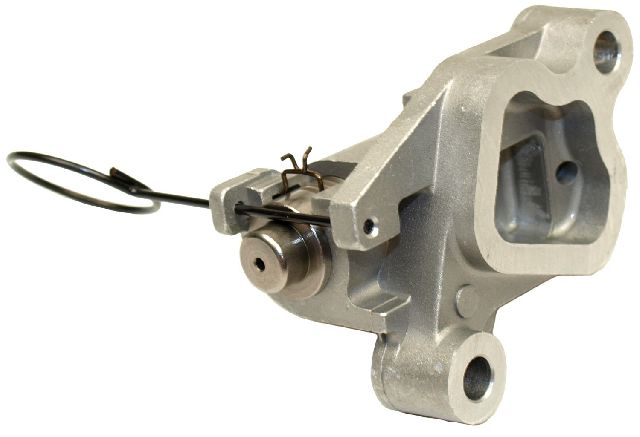
Typical fix: This is a major repair that involves replacing the cam phasers, timing chain, tensioners, and guides. It requires significant engine disassembly. 🎬 Watch: How to ensure you get the latest phasers for your fix. A forum member reported a cost of $3,400 for this job on a 3.5L EcoBoost.
Est. part cost: $800-$1900
Rare But Worth Checking
- Faulty Camshaft Position Sensor: While possible, a faulty sensor itself usually triggers a different set of codes related to sensor circuit failure (e.g., P0349). However, if it sends incorrect data, it could contribute to a P0024 code. It's rarely the root cause.
- Wiring or Connector Issues: Check the wiring harness and connector for the Bank 2 exhaust VCT solenoid for any visible damage, corrosion, or loose connections before replacing parts. One owner found a P0024 code was caused by a damaged wiring pigtail from a previous shop repair.
Diagnosis Steps

- Check Engine Oil: Verify the oil level is correct and the oil is clean. If low or dirty, perform an oil and filter change with the correct viscosity oil (e.g., Motorcraft 5W-30 Full Synthetic) and a Motorcraft filter. Clear the codes and see if P0024 returns.
- Scan for Other Codes: Use an OBD-II scanner to confirm P0024 is the only code present. If other codes like P0014 are present, suspect a widespread oiling issue.
- Inspect Wiring: Visually inspect the wiring harness and connector for the Bank 2 (driver's side) exhaust VCT solenoid. Look for any signs of damage, oil contamination, or corrosion. Check for 12V at the power supply pin with the key on.
- Test the VCT Solenoid (Solenoid Swap): The easiest way to test the solenoid is to swap it. The Bank 2 solenoids are on the driver's side valve cover. Remove the exhaust solenoid (typically the rearward one) and swap it with the intake solenoid (the forward one). Clear the codes and drive. If the code changes to P0021, you have confirmed the solenoid is bad and needs replacement.
- Listen for Mechanical Noise: If the above steps do not resolve the issue, listen carefully to the front of the engine during a cold start. A loud rattle for 2-5 seconds indicates a likely timing chain or cam phaser problem, which requires professional diagnosis.
- Advanced Diagnostics: A professional technician can use a scan tool like FORScan or Ford's IDS to command the VCT solenoid on and off to check for a response, which can help confirm a sticky solenoid as per TSB SSM 50067. The technician can also monitor PIDs for desired vs. actual cam angle and VCT error percentage.
Parts You'll Likely Need

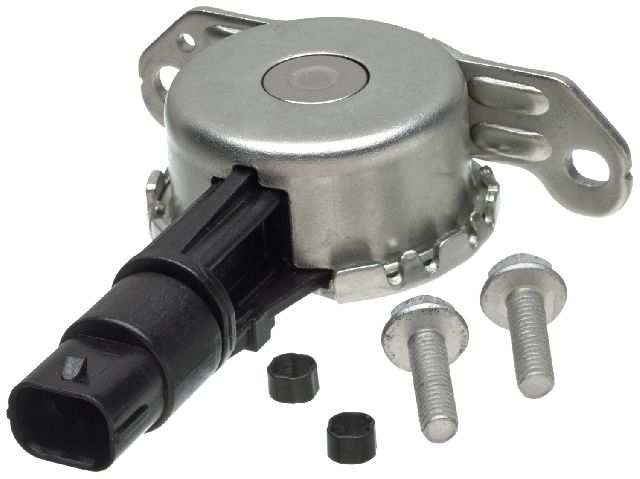
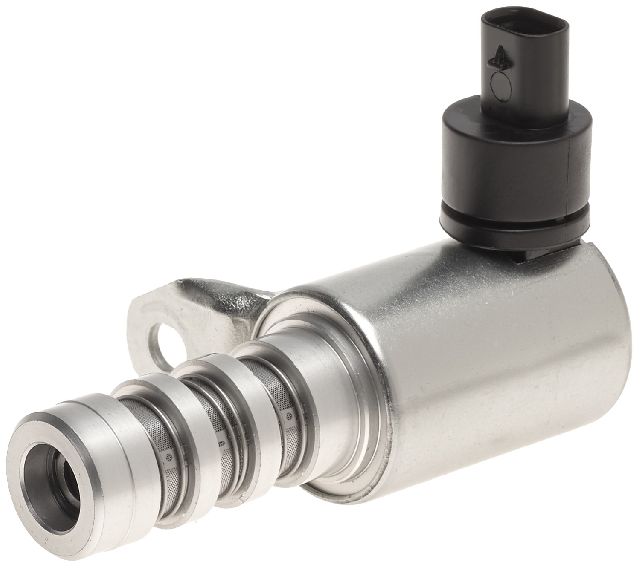
- Engine Variable Valve Timing (VVT) Solenoid / VCT Solenoid
(OEM #HL3Z-6M280-A (for 2017+ 3.5L & 2018+ 5.0L) / BR3Z-6M280-F (for earlier 5.0L models - always verify with VIN).)— This solenoid is the most common component to fail for this code, typically by sticking due to oil debris, as confirmed by Ford TSBs.
Trusted brands: Motorcraft, Dorman
OEM price range: $30-$70
Aftermarket price range: $25-$60 - Timing Chain and Cam Phaser Kit
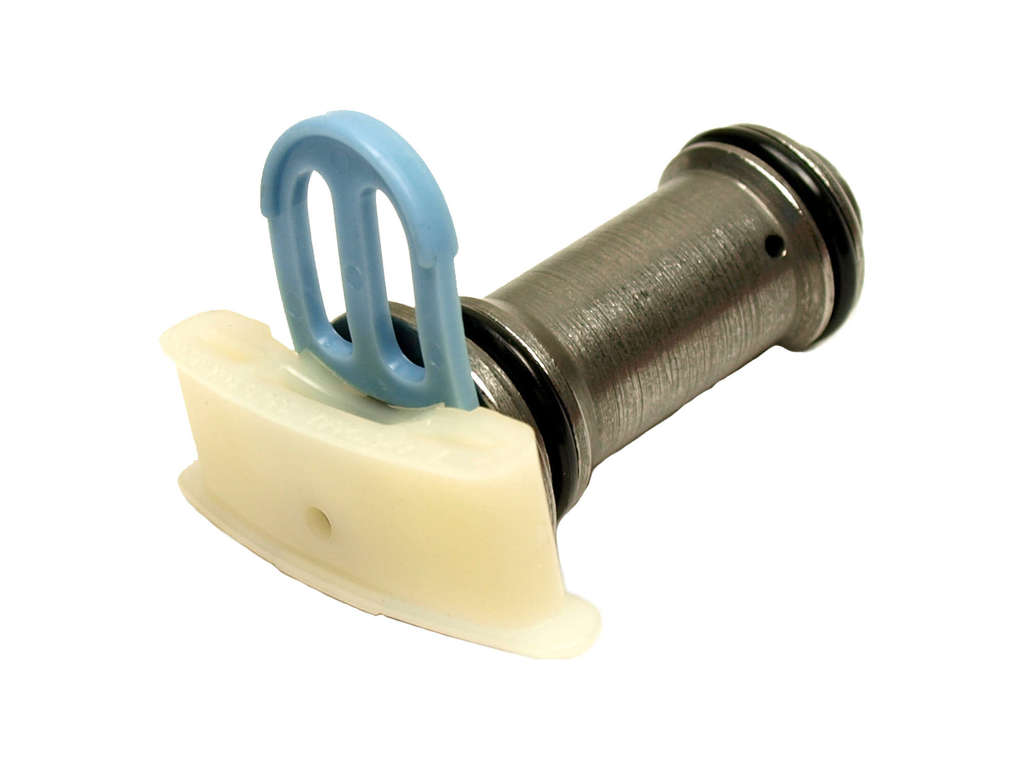
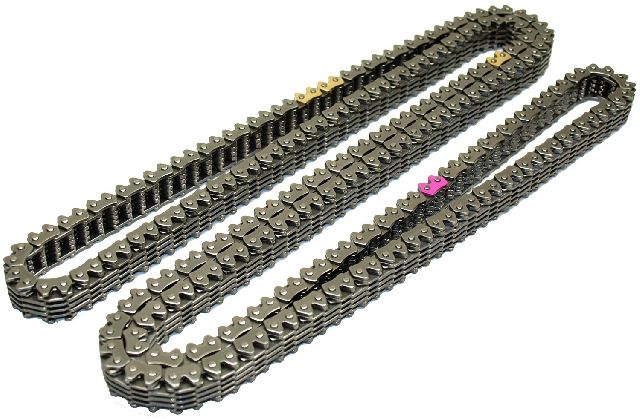
(OEM #Varies significantly by engine and year. Example: HL3Z-6268-A is a timing chain for some later models.)— Required if diagnosis points to a stretched timing chain or failed cam phasers, often indicated by a cold start rattle, especially on 3.5L EcoBoost engines.
Trusted brands: Motorcraft, Cloyes
OEM price range: $1000-$1900
Aftermarket price range: $600-$1200
Related Codes That Often Appear With This One
- P0014 — This is the equivalent code for Bank 1 (passenger side). If both P0014 and P0024 appear together, it strongly suggests a global issue like severe oil sludging, low oil pressure, or incorrect oil viscosity affecting the entire VCT system.
- P0021 — This code is for the intake camshaft on the same bank (Bank 2). Seeing it with P0024 could point to an oil delivery issue on that specific cylinder head or a more serious phaser problem. It will also appear if you perform a 'solenoid swap' for diagnosis and the solenoid is indeed faulty.
Technical Service Bulletins (TSBs) & Recalls

- SSM 50067
- SSM 47170
- TSB 19-2365
- SSM 54366
Platform-Specific Known Issues
- TSB SSM 50067 / SSM 47170: Ford has noted that a wide range of VCT codes (including P0024) can be set by debris causing solenoids to stick. The TSB advises against immediately replacing components and instead recommends using a scan tool to cycle the solenoid to dislodge debris.
Mechanic-Grade Diagnostic Values
- VCT Solenoid Internal Resistance — expected: Between 5.0 and 14.0 Ohms. One source specifies 6.9 to 7.9 Ohms.. Failure: A reading of 0 Ohms (short circuit) or infinite/OL (open circuit). However, a solenoid can pass this test and still be mechanically stuck.
- VCT Solenoid Connector Voltage (Key On, Engine Off) — expected: Approximately 12V (Battery Voltage) on the power supply pin.. Failure: Significantly lower or no voltage, indicating a wiring or fuse issue upstream of the solenoid.
- Scan Tool PID: VCT_EXH_ERR2 (Bank 2 Exhaust Cam Error) — expected: Close to 0 degrees at idle.. Failure: A significant positive or negative value that does not return to zero indicates the phaser is not at its commanded position. An over-advanced condition (P0024) will show a persistent error value.
Scan Tool Commands That Help
- FORScan / Ford IDS: VCT Solenoid Actuator Test / Output Control (OSC) — This bidirectional control allows a technician to command the VCT solenoid on and off while the engine is running. A healthy solenoid will cause the engine to hesitate or run rough when activated, confirming the solenoid is mechanically working and the oil passages are clear. This is the test recommended in TSB SSM 50067 to try and dislodge debris before replacing parts.
- FORScan / Ford IDS: Reset All Adaptations / Camshaft Position Reference Adaption Reset — After replacing VCT solenoids or timing components, this function should be run to clear the old learned values and allow the PCM to adapt to the new hardware correctly.
Wiring & Ground Locations
- Bank 2 VCT Solenoid Connector — On the driver's side valve cover. The exhaust solenoid is typically the one towards the rear of the engine.. This is the primary connector to inspect for damage, corrosion, or oil contamination. Pin 1 is typically the 12V power supply from the PCM power relay, and Pin 2 is the ground-side control wire from the PCM.
- Engine Block Grounds (e.g., G104, G105) — Bolted to the cylinder heads or engine block near the front of the engine. Specific locations vary slightly by year and engine.. A poor engine ground can cause a variety of sensor and actuator issues, including erratic VCT operation. While not a common cause for a single-bank code, it's a foundational check for any electrical diagnosis.
Real Owner Repair Stories
- Ford F150 Forum user 'TCK' (2013 F-150 3.5L EcoBoost, ~110,000 miles) — Check engine light with codes P0012, P0014, P0022, and P0024 all appearing at once. Engine seemed to run fine.
❌ Tried (didn't work) Initial speculation was a faulty crank position sensor or wiring harness issue.
✅ What actually fixed it The root cause was diagnosed as oil sludging that clogged the variable timing phaser oil screens. A technician performed an engine flush by filling the crankcase with Automatic Transmission Fluid (ATF), running the engine to temperature, draining the ATF, and then performing a normal oil and filter change. This cleared the codes.
OEM Part Supersession History
BR3Z-6M280-D, BR3Z-6M280-E→BR3Z-6M280-F— Revision updates for improved reliability and performance.
Heads up: These parts are generally for the 2011-2017 5.0L V8 engines.AT4Z-6M280-A / BR3Z-6M280-F→HL3Z-6M280-A— Updated design for the Gen 2 3.5L EcoBoost (2017+) and Gen 3 5.0L Coyote (2018+).
Heads up: HL3Z-6M280-A is the specified part for most 2017+ 3.5L and 2018+ 5.0L engines and may not be backward compatible with older models that specify the BR3Z part. Always verify with VIN.
Model Year Variations Within This Range
- 2017-2020: The 3.5L EcoBoost was updated to a second generation in 2017. These engines are known for a cam phaser rattle on cold start due to a design flaw in the original phasers. Ford later released updated phasers to correct the issue. A P0024 code accompanied by a cold start rattle on these years strongly points to the need for the updated cam phaser job.
- 2018-2020: The 5.0L V8 was updated to its third generation, which introduced a dual-fuel (port and direct injection) system. Some of these engines were subject to excessive oil consumption, addressed by TSB 19-2365. A P0024 code on these specific years should prompt an immediate oil level check, as low oil from consumption is a direct cause of VCT system starvation.
Diagnostic Flowchart
Used vs. New Parts: Buying Guide for This Vehicle
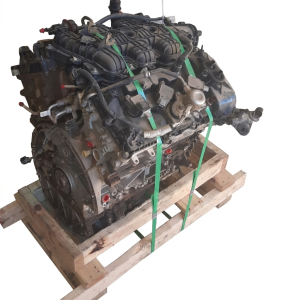
When a used part is the smart pick: For this repair, using used parts is generally not recommended. The primary failure components (VCT solenoids, timing chains, phasers) are wear items that rely on clean oil and tight tolerances. A used part from a salvage yard carries a high risk of being clogged, worn, or from a vehicle that suffered the same failure.
Donor-vehicle mileage cap: roughly under 40000 miles for the part to have meaningful remaining life.
What to inspect on the donor part:
- If considering a used part is unavoidable, request the VIN of the donor vehicle to check for accident history and verify mileage.
- Ask for service records if possible, specifically looking for regular oil changes.
- For a VCT solenoid, inspect the mesh screens for any tears or visible sludge. However, internal sticking cannot be seen.
OEM-only on this vehicle (don't cheap out):
- Cam Phasers
- Timing Chains and Tensioners
- VCT Solenoids
Aftermarket brands forum-validated for this vehicle:
- Cloyes (For timing chain kits)
Brands owners have reported issues with on this vehicle:
- Dorman (Multiple forum threads advise against using Dorman VCT solenoids and phasers, citing high failure rates and recommending OEM Motorcraft parts instead).
Real Owner Stories
Aggregated from forums and TSBs cited above. Mileages and costs reflect what owners reported in those sources.
2011-2021 Ford F-150 3.5L EcoBoost
Symptoms: P0024 code accompanied by a cold start rattle.
What fixed it: A full timing job, which includes replacing cam phasers, timing chain, tensioners, and guides.
Cost: $3400-$3400
Source hint: f150forum.com thread titled 'P0024'
2011-2021 Ford F-150 3.5L EcoBoost
Symptoms: P0014 and P0024 codes appeared at the same time.
What fixed it: An ATF flush followed by a complete oil and filter change, which successfully cleared sludge from the VCT screens.
Source hint: f150forum.com thread titled 'P0014 & P0024 Codes at the same time'
2010 Ford F-150
Symptoms: Required a VCT solenoid replacement.
What fixed it: A shop replaced the VCT solenoid.
Cost: $565-$565
Source hint: f150forum.com thread titled 'vct solenoid replacement'
Related OBD-II Codes
Frequently Asked Questions
I hear a loud rattling noise on my 3.5L EcoBoost during a cold start. Is this related to the P0024 code?
My 2019 5.0L F-150 is consuming a lot of oil. Can this cause a P0024 code?
What is the easiest way to test the VCT solenoid for Bank 2?
Does Ford have a TSB for sticking VCT solenoids on these trucks?
Which VCT solenoid corresponds to code P0024?
My truck is showing both P0024 and P0014 at the same time. What does this mean?
Is it safe to use an engine flush to try and fix a sticking solenoid?
Helpful Videos
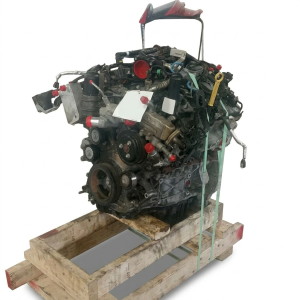
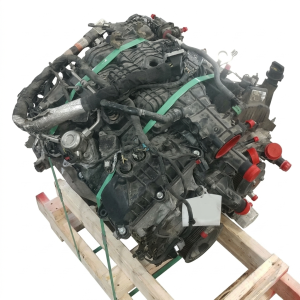
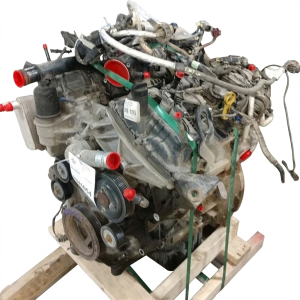
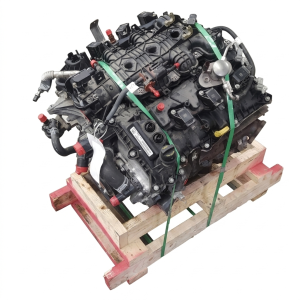
Used OEM Parts in Stock
New Aftermarket Parts Available


The information in this article is provided for general reference and educational purposes only. Vehicle specifications, procedures, and part compatibility can vary by production date, trim level, and region. Always consult your vehicle's factory service manual and verify part numbers before purchasing or performing repairs. Safety-critical components such as airbags, seat belts, and braking systems should be installed by a qualified professional.
- Ford F-150:
- 🎬 Helpful Videos
- 🛍️ Shop This Part
- What's Unique About the 2011-2021 Ford F-150
- Symptoms You May Notice
- Most Likely Causes
- Rare But Worth Checking
- Diagnosis Steps
- Parts You'll Likely Need
- Related Codes That Often Appear With This One
- Technical Service Bulletins (TSBs) & Recalls
- Platform-Specific Known Issues
- Mechanic-Grade Diagnostic Values
- Scan Tool Commands That Help
- Wiring & Ground Locations
- Real Owner Repair Stories
- OEM Part Supersession History
- Model Year Variations Within This Range
- Diagnostic Flowchart
- Used vs. New Parts: Buying Guide for This Vehicle
- Real Owner Stories
- 2011-2021 Ford F-150 3.5L EcoBoost
- 2011-2021 Ford F-150 3.5L EcoBoost
- 2010 Ford F-150
- Related OBD-II Codes
- Frequently Asked Questions
- 🎟️ Get 5% Off