

P0757 on 2012-2018 Jeep Wrangler: Shift Solenoid 'B' Stuck On Causes and Fixes
On a 2012-2018 Jeep Wrangler, code P0757 is most often caused by low or dirty transmission fluid, a faulty conductor plate which houses the solenoids, or a wiring issue. The first step is always to check the fluid level and condition. A fluid and filter change may resolve the issue if it's minor, but often the problem lies with the conductor plate or a damaged wiring harness.
- P0757 on a 2012-2018 Wrangler indicates Shift Solenoid 'B' is stuck on, which will force the transmission into a protective 'limp mode'.
- Before suspecting expensive parts, always check the transmission fluid level and condition. This Jeep uses a specific Mercedes-designed transmission (W5A580/NAG1) that requires a special fluid (MB 236.14 spec), not standard ATF+4.
- Wiring issues are a known cause on this platform; check the harness and connectors for damage, especially if the code appears after hitting bumps.
- This is not a code to ignore. Continued driving can lead to more significant and costly transmission damage.
What's Unique About the 2012-2018 Jeep Wrangler
The 2012-2018 Jeep Wrangler JK uses a Mercedes-designed W5A580 (also called NAG1 or 722.6) 5-speed automatic transmission. Unlike most other Chrysler vehicles that use ATF+4, this transmission is very sensitive to fluid type and requires a specific fluid meeting specifications like MB 236.14 (Mopar ATF 134). Using the wrong fluid can cause hydraulic pressure issues and lead to codes like P0757. A very common failure point on these transmissions is the conductor plate, which houses all the solenoids and speed sensors. Additionally, owner forums extensively document wiring harness issues where connections become loose or wires chafe, triggering the code intermittently, especially after hitting bumps. A well-documented chafe point is where the harness passes by the battery tray and can get pinched between the tray and the engine head, destroying insulation and causing shorts.
Symptoms You May Notice
- Check Engine Light or Transmission Warning Light is illuminated.
- Transmission is stuck in one gear (limp mode), typically 2nd gear.
- Harsh, erratic, or delayed gear shifts, especially the 2-3 shift.
- Transmission slipping, where engine RPMs increase without a corresponding increase in vehicle speed.
- Reduced fuel economy due to being stuck in a lower gear.
- Engine may stall when coming to a stop.
- Replacing the shift solenoid or conductor plate without first checking the transmission fluid level, condition, and type. A simple fluid service sometimes resolves the issue.
- Condemning the entire transmission for a rebuild when the fault is a relatively inexpensive external wiring issue or a leaking 13-pin connector.
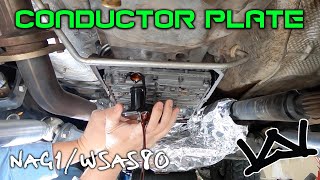
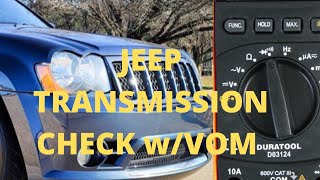
- Replacing the TCM when the fault lies in the wiring harness between 🎬 Watch: How to test the conductor plate from the TCM. the module and the transmission.
Most Likely Causes
- Low, Dirty, or Incorrect Transmission Fluid 🔴 High Probability The W5A580/NAG1 transmission is sensitive to fluid level and type. Using non-specified fluid or running it low or dirty can easily cause hydraulic components like solenoids to stick. Water contamination is also a known issue that can cause shudder and shifting problems.
How to confirm: Check the transmission fluid level and condition using the special dipstick tool (not included from the factory). The fluid should be reddish-pink and clear, not brown, black, or smelling burnt. Ensure the correct fluid type (meeting MB 236.14 spec) is used.
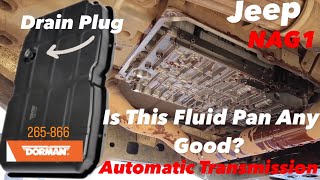
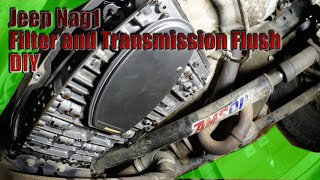
Typical fix: Perform a transmission fluid and filter change using the OEM-specified fluid. This may be a temporary fix if debris has already damaged components.
Est. part cost: $100-$200 - Faulty Conductor Plate 🔴 High Probability This is a very common failure on the NAG1 transmission. The conductor plate houses the shift solenoids and speed sensors, and failures of the plate's internal circuits or the solenoids themselves are a frequent cause of solenoid-related codes.
How to confirm: After ruling out fluid and external wiring, the next logical step is to suspect the conductor plate. A professional can use a scan tool to command the solenoid on and off. If it fails to respond, the valve body must be removed to access and replace the plate.
Typical fix: Replace the entire conductor plate assembly. While individual solenoids can be replaced, it is often recommended to replace the whole plate as it contains other potential failure points like speed sensors.
Est. part cost: $150-$350 - Damaged Wiring or Connector 🟡 Medium Probability Vibration and exposure to engine heat can cause the transmission harness to chafe or the 13-pin connector to leak. A Jeep owner specifically noted this code appeared after hitting bumps, and traced it to a frayed harness near the battery tray. A leaking 13-pin connector can also wick fluid up the harness, causing shorts.
How to confirm: Visually inspect the wiring harness from the TCM (under the dash) to the transmission for any signs of damage, corrosion, or loose pins. Pay close attention to the C100/C106 connector near the battery and the round 13-pin connector at the transmission.
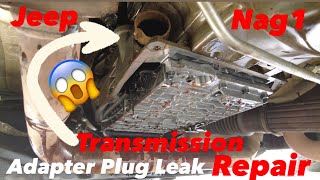
Typical fix: Repair the damaged section of the wiring harness or replace the leaking 13-pin connector sleeve 🎬 See how to replace the filter and the plug adapter. and clean the harness.
Est. part cost: $20-$300 - Clogged Transmission Filter or Valve Body Passages ⚪ Low Probability If transmission service has been neglected, sludge and metallic debris can accumulate and clog the filter or the small hydraulic passages in the valve body, preventing proper fluid flow and causing solenoids to stick.
How to confirm: When the transmission pan is removed, inspect the filter and the pan for excessive metal shavings or sludge. A clogged filter is a strong indicator of neglected service or internal wear.
Typical fix: Replace the transmission filter and fluid. In severe cases, the valve body may need to be removed and professionally cleaned or replaced.
Est. part cost: $40-$80 for filter/gasket kit; $400+ for valve body service.
Rare But Worth Checking
- Failing Transmission Control Module (TCM): While rare, the TCM can malfunction and incorrectly report a solenoid issue or fail to control it properly. This is usually considered after all other external wiring and internal component causes have been ruled out. One owner replaced the TCM only to find the problem was actually in the wiring harness.
Diagnosis Steps
- Check the transmission fluid level and condition. Ensure it is full, clean, and does not smell burnt. Verify the correct fluid type is being used (MB 236.14 spec, not ATF+4).
- Use an OBD-II scanner to check for any other transmission-related trouble codes, such as P0700 or speed sensor codes.
- Thoroughly inspect the transmission wiring harness and the main electrical connectors for damage, corrosion, or loose connections. Pay special attention to the harness routing near the engine and the 13-pin connector at the transmission for leaks. A known chafe point is near the battery tray where the harness can rub against the engine head.
- If the fluid is old or dirty, perform a transmission fluid and filter change. Inspect the old fluid and pan for excessive metal debris, which would indicate a more serious internal problem.
- If the problem persists, use an advanced scan tool to monitor the solenoid's commanded state versus its actual state and to manually activate Shift Solenoid 'B'. Listen for a click from the transmission pan.
- If the solenoid is unresponsive or the wiring checks out, the likely culprit is the conductor plate. Drop the transmission pan and valve body to replace the conductor plate. It is also critical to replace the 13-pin connector sleeve at the same time.
- If a new conductor plate does not solve the issue, re-verify the wiring harness for intermittent shorts before suspecting a faulty TCM.
Parts You'll Likely Need
- Transmission Conductor Plate
(OEM #52108308AC)— This is the most common point of failure for solenoid codes on the NAG1. It houses all shift solenoids and speed sensors.
Trusted brands: Mopar, Dorman (917-678), Bosch
OEM price range: $250-$350
Aftermarket price range: $120-$200 - Transmission Filter and Gasket Kit
(OEM #52108325AA)— This is replaced during any service that involves dropping the transmission pan, which is required for most P0757 fixes.
Trusted brands: Mopar, ATP, Wix
OEM price range: $60-$100
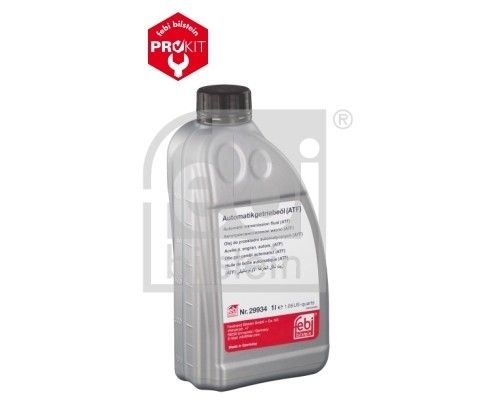
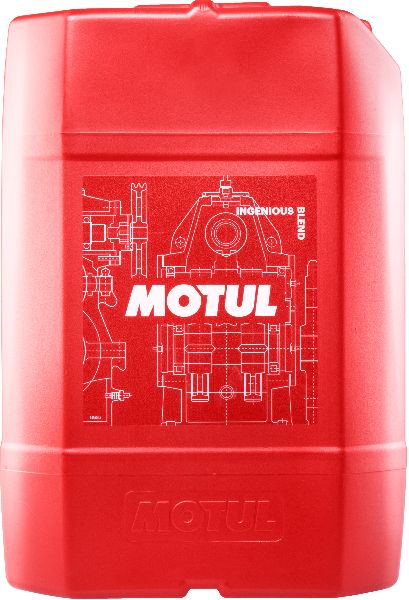
Aftermarket price range: $30-$60 - NAG1 / W5A580 Transmission Fluid (MB 236.14 Spec)
(OEM #Mopar ATF 134)— This specific fluid is required for a fluid change. Using the wrong type (like ATF+4) will cause shifting problems. A fluid change requires 5-8 quarts.
Trusted brands: Mopar (ATF 134), Shell (ATF 134), Fuchs (Titan ATF 4134), Valvoline (MaxLife ATF - meets spec)
OEM price range: $20-$30 per quart
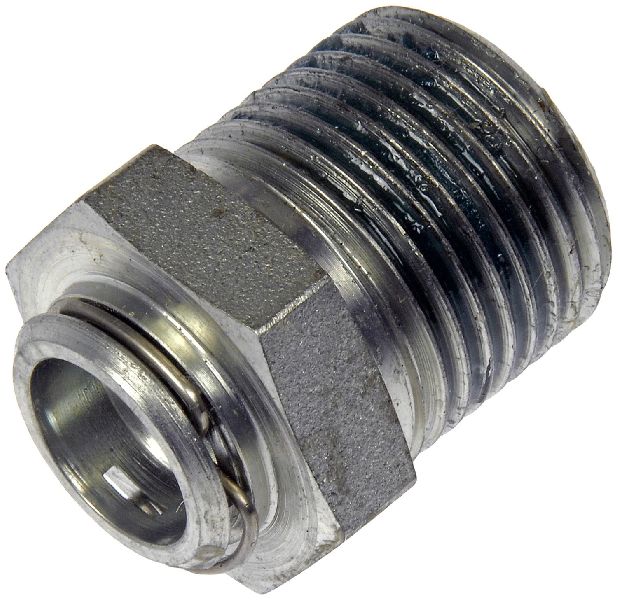
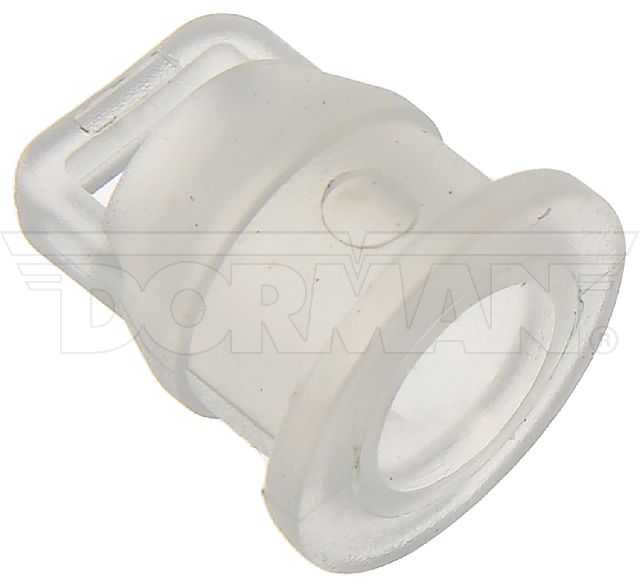
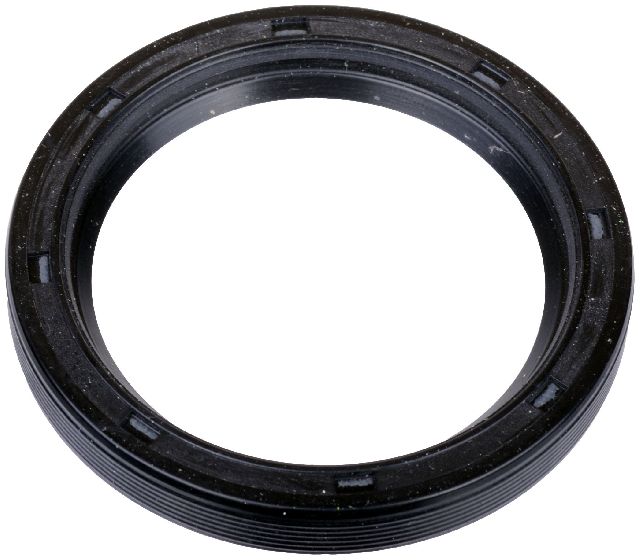
Aftermarket price range: $12-$20 per quart - Transmission Electrical Connector Plug Adapter
(OEM #68021352AA)— This 13-pin connector sleeve is a frequent leak point. It is highly recommended to replace it whenever the valve body is serviced to prevent future fluid wicking and electrical issues.
Trusted brands: Mopar, Dorman
OEM price range: $15-$25
Aftermarket price range: $10-$20
Related Codes That Often Appear With This One
- P0700 (Transmission Control System Malfunction)
- P0730 (Incorrect Gear Ratio)
- P2767 (Input/Turbine Speed Sensor 'B' Circuit No Signal)
Technical Service Bulletins (TSBs) & Recalls
- TSB 21-011-05: While for an earlier model year and different vehicle, this TSB for the NAG1 transmission addresses a shudder condition caused by water contamination in the fluid, highlighting the transmission's sensitivity to fluid quality. It calls for a fluid flush, filter replacement, and sealing the fill tube.
Platform-Specific Known Issues
- Wiring Harness Chafing Near Battery: On JKs with modifications like dual-battery trays, the main engine harness which contains the transmission wires can be left unsecured, leading it to rub against the engine or battery tray. Over time, this can expose wires and cause intermittent shorts when hitting bumps, triggering code P0757.
- Leaking 13-Pin Connector: The O-rings on the main electrical connector at the transmission case are known to fail, allowing transmission fluid to leak. This leak can not only cause low fluid levels but can also wick fluid up into the wiring harness, contaminating connections all the way to the TCM and causing various electrical faults.
Mechanic-Grade Diagnostic Values
- Shift Solenoid Coil Resistance — expected: 2.5 - 6.5 Ohms, ideally around 4.0-5.0 Ohms. One technician measured a good 2-3 solenoid at exactly 5 ohms.. Failure: A reading of 0 Ohms (short circuit) or infinite/OL (open circuit).
- Solenoid Activation Test — expected: An audible 'click' from the solenoid when 12V is applied.. Failure: No click when voltage is applied, indicating the internal valve is mechanically stuck.
Scan Tool Commands That Help
- JScan, WiTech, or other advanced scan tool: Reset Learned Adaptives (NAG1) — This procedure should be performed after replacing the conductor plate, valve body, TCM, or entire transmission to allow the TCM to re-calibrate baseline pressures and shift points.
- Advanced bidirectional scan tool: Solenoid Activation/Actuation Test — To command Shift Solenoid 'B' on and off while the vehicle is stationary to verify electrical control from the TCM and listen for the solenoid's click, helping to isolate a wiring vs. component failure.
Wiring & Ground Locations
- C100/C106 Connector — In the engine bay, typically located right next to the battery in the stock configuration.. This connector contains the transmission control wires. The harness in this area is a known chafe point, especially if modifications like a dual-battery tray have been installed. Wires can rub against the engine head or battery tray, causing shorts that trigger P0757, especially when hitting bumps.
- 13-Pin Transmission Connector — On the passenger side of the transmission housing, where the main vehicle harness connects to the conductor plate.. The O-rings on the connector sleeve are a very common leak point. Leaking fluid can wick up the wiring harness and reach the TCM, causing shorts and various transmission codes. It should be replaced whenever the conductor plate is serviced.
- G101 / G104 — Main engine grounds located at the rear of the engine.. Poor engine grounds can cause a host of electrical issues, including erratic sensor readings and module communication problems that could potentially mimic transmission faults. While not a direct cause, ensuring these are clean and tight is a good practice during any electrical diagnosis.
- TCM (Transmission Control Module) — Located inside the cabin, under the dashboard below the steering wheel.. This is the starting point for the wiring harness. Technicians can test the entire solenoid circuit from the TCM connector pins (e.g., Pin 16 for the 2-3 solenoid and Pin 38 for the common power feed) without getting under the vehicle.
Real Owner Repair Stories
- Right-Angles.com blog post (2012 Jeep Wrangler Rubicon Unlimited (JK) with 3.6L Pentastar and W5A580/NAG1 transmission) — Transmission stuck in 2nd or 3rd gear (limp mode), Check Engine Light on, occurred after hitting a moderate bump in the road.
❌ Tried (didn't work) Checked wiring between TCM and transmission, which tested fine., Checked resistance of the 2-3 solenoid coil, which was a perfect 5 ohms., Replaced the Transmission Control Module (TCM) based on service manual procedure, but the problem immediately returned.
✅ What actually fixed it The wiring harness near the battery tray (specifically the C100/C106 connector area) had slipped down between the battery tray and the engine head. The plastic loom had disintegrated, and the insulation on multiple wires, including the 2-3 solenoid wire (Light Green/Yellow), was destroyed. Hitting bumps caused the bare wires to short against each other. The fix was to repair the damaged wires and properly secure the harness.
When the Usual Fixes Don't Work
- In at least one well-documented case, the official diagnostic procedure led to a misdiagnosis. After testing the solenoid resistance and wiring continuity (which both passed), the service manual pointed to a faulty TCM. A replacement TCM did not fix the issue. The actual cause was a chafed wiring harness near the battery tray that only shorted out when the vehicle hit a bump, a condition not caught by static testing. This highlights the importance of physically inspecting the entire harness for chafe points, even if it tests good on a multimeter.
OEM Part Supersession History
52108308AB→52108308AC— Revision and update to the conductor plate assembly.
Heads up: The newer part number (52108308AC) is the correct replacement for earlier versions.
Diagnostic Flowchart
Other Known Issues on This Vehicle
Issues unrelated to this code that are worth knowing about as an owner of this generation:
- Cracked Oil Filter Housing / Oil Cooler Assembly 🔴 High — Very common, especially on 2012-2014 models. Often fails after 60,000 miles, causing significant oil and/or coolant leaks. (Ref: No recall, but it is a widely documented failure.)
- Left Cylinder Head Failure (3.6L Pentastar) 🔴 High — Primarily affects 2011-2013 models. Caused by overheating valve seats, leading to misfires and a ticking noise. Less common on later models after a design update. (Ref: Chrysler extended the warranty on the left cylinder head for affected models to 10 years/150,000 miles.)
- Totally Integrated Power Module (TIPM) Failure 🔴 High — Common across the JK generation (2007-2018). Causes a wide range of bizarre electrical issues, including no-start conditions, fuel pump failure, and erratic operation of lights, horn, and wipers. (Ref: No widespread recall, but the subject of class-action lawsuits.)
- Death Wobble 🔴 High — A notorious issue affecting many solid front axle Jeeps. A violent, uncontrollable shaking of the front end after hitting a bump at speed, usually caused by worn steering or suspension components like the track bar or ball joints. (Ref: No recall, as it is considered a wear-and-tear issue, but many TSBs exist for related steering components.)
- Cooling System Sludge/Blockage 🟠 Medium — Casting sand from the engine manufacturing process can leach into the cooling system over time, leading to clogged heater cores and radiators, causing poor heat performance and potential overheating.
Used vs. New Parts: Buying Guide for This Vehicle
When a used part is the smart pick: A complete used transmission assembly from a low-mileage donor can be a cost-effective alternative to a full rebuild if significant internal damage is found beyond the conductor plate. A used TCM can also be an option, but it must be confirmed that the original TCM is truly faulty, which is rare.
Donor-vehicle mileage cap: roughly under 80000 miles for the part to have meaningful remaining life.
What to inspect on the donor part:
- Check the donor vehicle's history for accidents or flood damage.
- If possible, inspect the transmission fluid from the donor vehicle; it should be reddish and not burnt-smelling.
- Look for a warranty from the salvage yard.
- Inspect the 13-pin connector on the donor transmission for any signs of leaks or damage.
OEM-only on this vehicle (don't cheap out):
- Transmission Control Module (TCM): While used is possible, aftermarket/rebuilt TCMs can have compatibility issues. An OEM part (new or used) is safest.
- Transmission Fluid: Strictly use fluid that meets the MB 236.14 (Mopar ATF 134) specification. Using generic ATF or even Chrysler's ATF+4 will cause damage.
Aftermarket brands forum-validated for this vehicle:
- Conductor Plate: Dorman (917-678) is a widely available aftermarket alternative to Mopar, with reviews indicating it is a solid replacement. Bosch is the original equipment manufacturer for many Mercedes components and is also a trusted choice.
Brands owners have reported issues with on this vehicle:
- Unbranded, no-name conductor plates or solenoids from online marketplaces can have high failure rates and are best avoided for a repair this labor-intensive.
Real Owner Stories
Aggregated from forums and TSBs cited above. Mileages and costs reflect what owners reported in those sources.
2012 Jeep JK
Symptoms: The code P0757 appeared intermittently, specifically after hitting bumps on the road.
What fixed it: The owner discovered and repaired a chafed wiring harness near the battery that was causing an intermittent short circuit. An unnecessary TCM replacement did not fix the issue.
Source hint: rightangles.org/blog/jeep-jk-p0757-fault-fixed/
Jeep Wrangler JK
Symptoms: Code P0757 was triggered by intermittent shorts, especially when the vehicle experienced vibration like hitting bumps.
What fixed it: The root cause was the main engine harness rubbing against the engine or a dual-battery tray. Securing and repairing the damaged wires resolved the code.
Source hint: Vehicle Specific Issue: Wiring Harness Chafing Near Battery
Jeep Wrangler
Symptoms: The owner was experiencing general shifting issues with the transmission.
What fixed it: The problem was solved by replacing the entire conductor plate inside the transmission.
Source hint: youtube.com/watch?v=yYqgG2er-bM
Related OBD-II Codes
Frequently Asked Questions
My 2012 Wrangler started showing code P0757 and going into limp mode only after I hit bumps. What's the most likely cause?
Is it common for the conductor plate to fail on the 2012-2018 Jeep Wrangler's transmission?
What is the correct transmission fluid for my Wrangler's W5A580 transmission to help prevent code P0757?
I noticed a fluid leak from the round electrical connector on my transmission. Could this be related to my P0757 code?
I'm planning to replace the conductor plate to fix my P0757 issue. Is there anything else I should replace at the same time?
Does TSB 21-011-05 directly address the P0757 code on my Jeep?
Helpful Videos
Used OEM Parts in Stock


New Aftermarket Parts Available


The information in this article is provided for general reference and educational purposes only. Vehicle specifications, procedures, and part compatibility can vary by production date, trim level, and region. Always consult your vehicle's factory service manual and verify part numbers before purchasing or performing repairs. Safety-critical components such as airbags, seat belts, and braking systems should be installed by a qualified professional.
- Jeep Wrangler:
- 🎬 Helpful Videos
- 🛍️ Shop This Part
- What's Unique About the 2012-2018 Jeep Wrangler
- Symptoms You May Notice
- Most Likely Causes
- Rare But Worth Checking
- Diagnosis Steps
- Parts You'll Likely Need
- Related Codes That Often Appear With This One
- Technical Service Bulletins (TSBs) & Recalls
- Platform-Specific Known Issues
- Mechanic-Grade Diagnostic Values
- Scan Tool Commands That Help
- Wiring & Ground Locations
- Real Owner Repair Stories
- When the Usual Fixes Don't Work
- OEM Part Supersession History
- Diagnostic Flowchart
- Other Known Issues on This Vehicle
- Used vs. New Parts: Buying Guide for This Vehicle
- Real Owner Stories
- 2012 Jeep JK
- Jeep Wrangler JK
- Jeep Wrangler
- Related OBD-II Codes
- Frequently Asked Questions
- 🎟️ Get 5% Off