

P0700 on 2007-2026 Acura RDX: Transmission System Malfunction Guide
P0700 on an Acura RDX indicates the Transmission Control Module (TCM) has detected a fault. It's a general alert, often accompanied by a flashing 'D' light. The most common underlying causes are faulty transmission fluid pressure switches or low/degraded fluid. A proper diagnosis requires a scanner that can read specific transmission codes.
- P0700 is a general alert from your transmission; the real, specific fault code is stored in the Transmission Control Module (TCM).
- A flashing 'D' light on the dashboard is the key Acura-specific symptom that accompanies a P0700 code.
- The most likely cause, especially on 2007-2018 models, is a failed transmission fluid pressure switch, which is a relatively inexpensive part to replace.
- Always use a scan tool that can read transmission codes for an accurate diagnosis. Do not guess or replace parts based on the P0700 code alone.
- Check transmission fluid level and condition first, and always use genuine Acura ATF DW-1 fluid for changes.
What's Unique About the 2007-2026 Acura RDX
On Acura and Honda vehicles, the combination of a P0700 code and a flashing 'D' indicator is the classic sign of a transmission issue. While the P0700 code is generic, the RDX platform, particularly the first (2007-2012) and second (2013-2018) generations, is well-known for issues with specific transmission fluid pressure switches. These switches are a frequent point of failure and often trigger secondary codes like P0847 or P0848 (3rd clutch pressure switch fault), which are the root cause behind the initial P0700 alert.
Generation note: This guide covers three generations of the Acura RDX, which use different automatic transmissions: - 1st Gen (2007-2012): 5-speed automatic. Commonly experiences failures of the 2nd and 3rd clutch transmission fluid pressure switches. The 3rd gear switch is a particularly frequent culprit, triggering codes like P0847 or P0848. 🎬 Watch: How to fix P0848 on 2013-2018 RDX models. - 2nd Gen (2013-2018): 6-speed automatic. Also prone to pressure switch failures and potential torque converter judder. The judder, felt between 20-60 mph, is caused by deteriorated ATF and is addressed by a fluid flush and a TCM software update as per TSB 17-017. Some 2017-2018 models may also experience P0741 due to a cracked torque converter lock-up piston, covered under an extended warranty (TSB B23-029). - 3rd Gen (2019-2026): 10-speed automatic. As a newer design, widespread issues are less documented, but owners have reported some instances of glitchy or hesitant shifting. Problems will likely relate to solenoids, software, or fluid condition.
Symptoms You May Notice
- Check Engine Light (MIL) is on.
- Flashing 'D' (Drive) indicator light.
- Harsh, erratic, or delayed shifting.
- Vehicle may enter 'limp mode' (stuck in one gear, often with reduced speed).
- Inability to shift past a certain gear.
- Vehicle won't move or accelerate properly.
- Decreased fuel economy.
- Replacing the entire transmission without proper diagnosis. The P0700 code is often caused by inexpensive, externally mounted sensors or switches that cost under $100.
- Clearing the code without reading the underlying TCM codes. This ignores the root cause, and the problem will almost certainly return.
- Replacing the torque converter for a judder issue on 2nd Gen models without first performing the fluid flush and software update per TSB 17-017.
Most Likely Causes
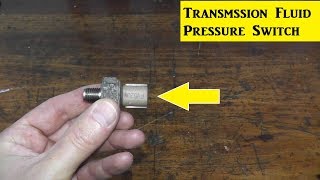
- Failed Transmission Fluid Pressure Switch 🔴 High Probability These switches are a well-documented failure point on the 5-speed and 6-speed transmissions used in the 1st and 2nd generation RDX. They are electro-mechanical and wear out over time, causing incorrect pressure readings.
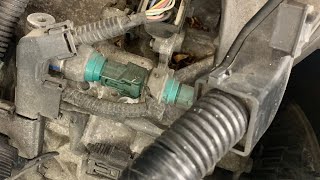
How to confirm: Scan the TCM for specific codes like P0847 or P0848 (3rd clutch pressure switch) or P0842/P0843 (2nd clutch pressure switch). The specific code will point to the exact switch that has failed. The switches can be accessed by removing the driver's side wheel and splash shields.
Typical fix: Replace the faulty pressure switch and its corresponding sealing washer. This is often accessible from the outside of the transmission case. It is a common DIY repair documented in owner forums.
Est. part cost: $30-$80 - Low or Degraded Automatic Transmission Fluid (ATF) 🟡 Medium Probability Per TSB 17-017 for 2013-17 models, the ATF can deteriorate faster than expected due to high heat, causing judder and other issues. Low fluid levels from leaks can also cause pressure-related faults and shifting problems.
How to confirm: Check the transmission fluid dipstick for level and condition. The fluid should be bright red, not brown/black, and not smell burnt. For 2nd gen models, a judder felt between 20-60 mph is a strong indicator of fluid deterioration.
Typical fix: Perform a transmission fluid drain-and-fill (or multiple, for a more complete flush) using genuine Acura ATF DW-1. 🎬 See this walkthrough for a 2nd gen transmission fluid change. For 2nd gen models with judder, a full fluid flush and a TCM software update are required per TSB 17-017 to better manage fluid temperature.
Est. part cost: $50-$150 for fluid - Faulty Shift Solenoid or Torque Converter Clutch Solenoid ⚪ Low Probability
How to confirm: Scan the TCM for solenoid-specific codes (e.g., P0741, P0746, P2769). The solenoid can be tested for resistance with a multimeter and for mechanical function (listening for a click when power is applied).
Typical fix: Replace the specific solenoid assembly. This may require removing the transmission pan or, in some cases, the solenoid is externally mounted and easier to access.
Est. part cost: $100-$300
Rare But Worth Checking
- Damaged Wiring or Connectors: Check the wiring harness leading to the transmission for any visible damage, corrosion, or loose connections, especially at the connectors for pressure switches and solenoids. A bad connection can mimic a failed component.
- Faulty Transmission Range Switch: A faulty or misaligned transmission range switch can cause a flashing 'D' light and may set codes like P1717. This switch tells the TCM which gear is selected. Sometimes it just needs adjustment.
- Faulty Transmission Control Module (TCM): This is rare. It should only be considered after all other possibilities, including sensors, solenoids, fluid, and wiring, have been thoroughly ruled out by a professional.
Diagnosis Steps
- Connect an advanced scan tool capable of communicating with the Transmission Control Module (TCM).
- Read all stored trouble codes from the TCM. Do not focus on the P0700 code in the ECM; the important codes are in the transmission module.
- Check the level and condition of the automatic transmission fluid (ATF). It should be at the proper level and bright red. Burnt or dark fluid indicates a problem.
- Based on the specific TCM code(s) found, proceed with targeted diagnostics. For example, if P0847 is present, inspect the wiring and test/replace the 3rd clutch pressure switch.
- Inspect the transmission wiring harness and connectors for any signs of damage, corrosion, or loose pins, particularly at the component indicated by the trouble code.
- If a pressure switch or solenoid is suspected, test its electrical circuit for continuity and resistance according to the factory service manual.
- After performing repairs, clear all codes from the ECM and TCM and perform a test drive to ensure the issue is resolved and the 'D' light does not flash again.
Parts You'll Likely Need
- Transmission Fluid Pressure Switch (3rd or 4th Clutch)
(OEM #28600-RKE-004 (supersedes 28600-RAY-013, 28600-RAY-003))— This is the most common cause of P0700 on 1st and 2nd generation RDX models, triggering codes like P0847/P0848. There are multiple switches on the transmission; the specific code will identify which one has failed.
Trusted brands: Acura (OEM), Standard Motor Products, WVE
OEM price range: $50-$100
Aftermarket price range: $25-$50 - Acura Genuine ATF DW-1 Automatic Transmission Fluid
(OEM #08200-9008A)— Correct fluid is critical for transmission health. Low or degraded fluid is a common cause of shifting issues and related codes. Using non-OEM fluid is not recommended.
Trusted brands: Acura (OEM)
OEM price range: $12-$18 per quart
Aftermarket price range: N/A
Related Codes That Often Appear With This One
- P0847 / P0848 — These codes point directly to a fault in the 3rd clutch transmission fluid pressure switch circuit, a very common failure on 1st and 2nd generation RDX models.
- P0741 — This code indicates a problem with the Torque Converter Clutch (TCC) circuit. On 2017-2018 RDX models, this is often caused by a cracked lock-up piston in the torque converter, a known defect addressed by TSB B23-029 and a warranty extension. On earlier 2nd gen models, it can be related to deteriorated fluid (TSB 17-017).
- P1717 — This code points to an issue with the transmission range switch circuit. It can sometimes appear alongside P0700 and a flashing 'D' light, potentially from a faulty or misadjusted switch.
Technical Service Bulletins (TSBs) & Recalls
- Acura TSB 17-017: Judder from the Torque Converter Lock-Up Clutch (2013-17 RDX).
- Acura TSB 17-018: Judder from the Torque Converter Lock-Up Clutch After Software Update (2013-17 RDX).
- Acura TSB B23-029: MIL on with DTC P0741 (2017-18 RDX).
- Acura TSB SB-09-006: Software update for MIL on with stored trouble code (2007-2009 RDX).
Platform-Specific Known Issues
- TSB 17-017 (2013-2017 RDX): Addresses a judder from the torque converter lock-up clutch felt between 20-60 mph. Acura found this is caused by prematurely deteriorated transmission fluid, not a faulty torque converter. The fix involves a full transmission fluid flush (using ~10 quarts of ATF DW-1) and a PGM-FI/A-T system software update to better manage fluid temperature.
- TSB B23-029 (2017-2018 RDX): Pertains to code P0741 caused by a cracked lock-up piston in the torque converter, leading to a loss of hydraulic pressure. Acura extended the warranty for this specific issue.
Documented NHTSA Reports
- An owner of a similar Acura platform reported in NHTSA ODI #10325921 that service technicians identified a combination of P0700 (Shift Malfunction), P0740 (Torque Converter Clutch), and P0730 (Gear Incorrect Ratio), which ultimately required replacement of the transmission and torque converter.
- In NHTSA ODI #11286456, an owner of a related Acura model described a transmission system malfunction at high mileage where a diagnostic tool generated codes P0700, P1740 (4th pressure switch failure), and P1750 (clutch pressure failure).
Mechanic-Grade Diagnostic Values
- A/T Clutch Pressure Control Solenoid C Resistance — expected: 3 - 10 ohms. Failure: Resistance outside of this range indicates a faulty solenoid.
- A/T Clutch Pressure Control Solenoid (Generic) — expected: 12 - 25 ohms. Failure: A reading of ~5.7 ohms was noted as being too low by a forum user, suggesting it was out of spec.
- Pressure Switch Circuit Voltage (Pull-down design) — expected: Approx. 5V when clutch is not engaged (open circuit), 0V when clutch is engaged (switch closed to ground).. Failure: Voltage that does not change when the gear is commanded, or is stuck high/low, indicates a fault in the switch or circuit.
Scan Tool Commands That Help
- Honda HDS (or compatible advanced scanner): Read TCM Fault Codes — This is the first and most critical step. The P0700 in the ECM is generic; the specific, actionable codes (like P0848, P0741, etc.) are stored in the TCM and can only be read with a tool that can access the transmission module.
- Honda HDS: Clutch Pressure Control (Linear) Solenoid Test — If a solenoid-related code is present, this function in the 'Miscellaneous Test Menu' can actively command the solenoid to operate, allowing a technician to confirm if it's functioning without removal.
- Honda HDS: Pressure Test Assistance Mode — When diagnosing shifting issues on a lift, the vehicle's safety logic may prevent shifting past 2nd gear. Activating this mode allows the transmission to shift through all gears while stationary for testing purposes.
- Advanced Bi-Directional Scanner (e.g., Launch Creader Elite for Honda): Clear Adaptive Values / Reset TCM — After replacing a component like a pressure switch or solenoid, or performing a fluid flush, resetting the learned adaptive values in the TCM is crucial. This forces the module to relearn shift points and clutch pressures with the new components, ensuring smooth operation.
Wiring & Ground Locations
- G101 (Top right front of engine) — Located at the top right front of the engine compartment, often a termination point for multiple sensor grounds.. This is a primary ground distribution point for many under-hood components. A corroded or loose connection here can cause erratic behavior from various sensors, including those related to the engine and transmission, potentially leading to incorrect data being sent to the TCM.
- G401 (Behind left side of dash) — Located behind the left side of the dashboard, near the driver's kick panel area.. This ground point serves numerous interior electronic modules. A fault here could potentially interrupt the TCM's communication or power, although it's less likely to be the primary cause than an engine bay ground.
- Pressure Switch Connectors — Externally on the transmission case, often accessible after removing the driver's side wheel and splash shield.. These connectors are a frequent point of failure. Before replacing a switch, it's critical to inspect the connector for corrosion, dirt, or oil contamination, and ensure the pins are making a secure connection. A bad connection here will mimic a failed switch.
Real Owner Repair Stories
- Acurazine user (2nd Gen Acura RDX (2013-2018)) — Periodic, very jerky transmission gear changes, believed to be between 2nd and 3rd gear. Occurred about once a month. Putting the transmission in 'S' mode or restarting the engine would temporarily resolve it.
❌ Tried (didn't work) Driving normally, as the car was not throwing any codes initially., Changing the transmission fluid, which only slightly lessened the severity of the issue.
✅ What actually fixed it A P0848 error code eventually appeared. The owner replaced the 3rd gear clutch pressure switch themselves, which resolved the jerky shifting. The dealer had quoted $360 for the repair. - Acurazine user (2011 Acura RDX (1st Gen), 67k miles) — 'Transmission Error Message' on the dash, Check Engine Light on, and a flashing 'D' indicator light.
❌ Tried (didn't work) Restarting the car cleared the flashing 'D' and error message, but the Check Engine Light remained., Resetting the battery cleared the Check Engine Light, but the owner suspected an underlying issue.
✅ What actually fixed it The owner proactively researched the common cause (transmission pressure switches) and planned to have the codes pulled to confirm before replacing the parts. The story highlights the classic symptoms and the common knowledge among owners that the pressure switches are the likely culprit.
OEM Part Supersession History
28600-RAY-003, 28600-RAY-013→28600-RKE-004— Standard part revision and consolidation by the manufacturer.
Heads up: These part numbers are generally interchangeable for the pressure switches on Gen 1 and Gen 2 models. 28600-RKE-004 is the most current replacement.28610-RAY-013→28610-RKE-004— Standard part revision. Note the different base number (28610 vs 28600) which designates a different switch (e.g., 3rd vs 4th gear).
Heads up: It is critical to order the correct switch. While they may look physically similar (sometimes differentiated by connector color), the 28600 and 28610 series switches are not interchangeable.28260-RDK-013→28260-RDK-023— Standard part revision for a linear solenoid assembly.
Model Year Variations Within This Range
- 2007-2012 (1st Gen): Uses a 5-speed automatic transmission. The most common failures are the 2nd and 3rd clutch pressure switches. The physical location and replacement procedure are specific to this transmission housing.
- 2013-2018 (2nd Gen): Uses a 6-speed automatic transmission. Also suffers from pressure switch failures (P0848 is common). Additionally, this generation is subject to TSB 17-017 for transmission judder caused by degraded fluid, requiring a fluid flush and software update.
- 2019-2026 (3rd Gen): Uses a 10-speed automatic transmission. As a much newer and more complex design, the common failure points are still being established. Issues are more likely to be related to software or solenoids rather than the specific pressure switches that plagued earlier generations.
Diagnostic Flowchart
Other Known Issues on This Vehicle
Issues unrelated to this code that are worth knowing about as an owner of this generation:
- VCM-related Oil Consumption & Vibrations (2nd Gen) 🟠 Medium — Common issue on the J35 V6 engine. Owners report noticeable oil consumption between changes, sometimes starting around 100k+ miles. Vibrations can occur when the VCM system activates/deactivates cylinders. (Ref: A class-action lawsuit was filed for 2008-2013 Honda models with VCM, leading to an extended warranty, though the RDX was not explicitly included in the initial suit.)
- Defective Infotainment System (3rd Gen) 🟠 Medium — Widespread on 2019-2020 models. Systems frequently freeze, crash, fail to connect to devices, or go blank, creating a distraction and safety hazard. (Ref: Subject of a class-action lawsuit (Bahn v. American Honda Motor Co.) which resulted in a settlement providing warranty extensions, software updates (like TSB 21-009), and other remedies.)
- Sticking Turbocharger Wastegate (1st Gen) 🟡 Low — Can occur at higher mileage (e.g., 170k+ miles). Corrosion can cause the wastegate arm to stick, leading to a lack of power and DTC P2263 (Turbocharger Boost System Performance).
- Torque Converter Judder (2nd Gen) 🟠 Medium — Common on 2013-2017 models, felt as a shudder between 20-60 mph. Caused by fluid deterioration, not a bad torque converter. (Ref: Acura TSB 17-017 and 17-018)
Used vs. New Parts: Buying Guide for This Vehicle
When a used part is the smart pick: For this specific P0700 issue, using used parts is generally not recommended. The most common failure items are relatively inexpensive electronic sensors (pressure switches) and solenoids that wear out over time. A used part from a junkyard will have an unknown amount of life left and may fail soon after installation, forcing you to do the labor twice.
Donor-vehicle mileage cap: roughly under 60000 miles for the part to have meaningful remaining life.
What to inspect on the donor part:
- If considering a used solenoid or switch, visually inspect the connector for any signs of corrosion, cracking, or heat damage.
- For a complete transmission assembly, look for a donor vehicle with verifiable low mileage and no signs of major impact damage.
- Check the color and smell of the transmission fluid from the donor vehicle if possible. Bright red fluid is a good sign; dark, burnt-smelling fluid is a major red flag.
OEM-only on this vehicle (don't cheap out):
- Automatic Transmission Fluid (ATF): Always use genuine Acura/Honda ATF DW-1. The transmission is very sensitive to fluid properties, and aftermarket fluids can cause shifting problems.
- Transmission Control Module (TCM): If the TCM is confirmed to be faulty, a new or professionally remanufactured OEM unit is the only reliable option. Used modules may have compatibility or programming issues.
Aftermarket brands forum-validated for this vehicle:
- Standard Motor Products (SMP)
- Denso (often the OEM supplier)
- WVE
- Beck/Arnley
Brands owners have reported issues with on this vehicle:
- Unnamed, no-brand parts from online marketplaces should be avoided. The small cost savings are not worth the risk of premature failure and repeated labor for critical transmission components.
Real Owner Stories
Aggregated from forums and TSBs cited above. Mileages and costs reflect what owners reported in those sources.
2007-2012 Acura RDX (1st Gen)
Symptoms: P0700 with a flashing 'D' light, frequently associated with the 3rd clutch switch.
What fixed it: Replacement of the 3rd gear transmission pressure switch (P0847).
Source hint: Acurazine.com: Numerous threads corroborate that P0700 with a flashing 'D' light is frequently caused by failed transmission fluid pressure switches, particularly P0847 for the 3rd clutch switch on 1st Gen RDX models.
2013-2018 Acura RDX (2nd Gen)
Symptoms: A P0848 code indicating a 3rd gear clutch pressure switch issue.
What fixed it: Step-by-step replacement of the 3rd gear pressure switch.
Source hint: Acurazine.com - 'Acura RDX third gear clutch pressure switch replacement': A step-by-step DIY with pictures for replacing the 3rd gear pressure switch on a 2nd Gen RDX to fix a P0848 code.
2019 Acura RDX (3rd Gen)
Symptoms: Intermittent issues with the 10-speed transmission failing to shift from a stop, requiring a vehicle restart.
What fixed it: Vehicle restart (intermittent resolution).
Source hint: Reddit.com - r/Acura - '2019 Acura RDX Transmission Issue'
2017-2018 Acura RDX
Symptoms: MIL on with DTC P0741.
What fixed it: Repair of a cracked lock-up piston in the torque converter (covered under extended warranty).
Source hint: Acura TSB B23-029: MIL on with DTC P0741 (2017-18 RDX)
Related OBD-II Codes
Frequently Asked Questions
My 2014 RDX has a judder between 20 and 60 mph; does TSB 17-017 apply to me?
What specific pressure switch codes should I look for if my 'D' light is flashing?
Is there a warranty extension for the P0741 code on my 2017 RDX?
Can I use any transmission fluid to fix the shifting issues in my 2007-2026 RDX?
My 2019 RDX intermittently fails to shift from a stop; is this a known issue?
Where are the transmission pressure switches located for a DIY repair?
Helpful Videos
We Have This Part in Stock



The information in this article is provided for general reference and educational purposes only. Vehicle specifications, procedures, and part compatibility can vary by production date, trim level, and region. Always consult your vehicle's factory service manual and verify part numbers before purchasing or performing repairs. Safety-critical components such as airbags, seat belts, and braking systems should be installed by a qualified professional.
- Acura RDX:
- 🎬 Helpful Videos
- 🛍️ Shop This Part
- What's Unique About the 2007-2026 Acura RDX
- Symptoms You May Notice
- Most Likely Causes
- Rare But Worth Checking
- Diagnosis Steps
- Parts You'll Likely Need
- Related Codes That Often Appear With This One
- Technical Service Bulletins (TSBs) & Recalls
- Platform-Specific Known Issues
- Documented NHTSA Reports
- Mechanic-Grade Diagnostic Values
- Scan Tool Commands That Help
- Wiring & Ground Locations
- Real Owner Repair Stories
- OEM Part Supersession History
- Model Year Variations Within This Range
- Diagnostic Flowchart
- Other Known Issues on This Vehicle
- Used vs. New Parts: Buying Guide for This Vehicle
- Real Owner Stories
- 2007-2012 Acura RDX (1st Gen)
- 2013-2018 Acura RDX (2nd Gen)
- 2019 Acura RDX (3rd Gen)
- 2017-2018 Acura RDX
- Related OBD-II Codes
- Frequently Asked Questions
- 🎟️ Get 5% Off