

OBD-II Code P0746: Pressure Control Solenoid 'A' Performance/Stuck Off
An Expert Guide to Diagnosing and Fixing P0746 Transmission Issues
- Check your transmission fluid level and condition immediately; low or burnt fluid causes up to 35% of P0746 codes and is the cheapest fix at under $200.
- Do not blindly replace the solenoid without checking Technical Service Bulletins (TSBs), as GM vehicles often trigger P0746 for a broken internal snap ring requiring a full rebuild.
- Stop driving the vehicle immediately to prevent a $500 valve body repair from escalating into a $4,000 complete transmission replacement due to overheated clutches.
- Use a bi-directional scan tool to compare 'Commanded' vs. 'Actual' line pressure; if commanded is high but actual is zero, the solenoid is mechanically stuck or the pump has failed.
What Does P0746 Mean?

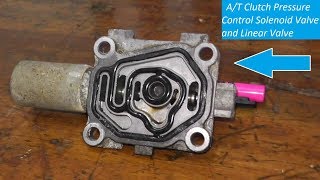
Your Transmission Control Module (TCM) detected a performance problem with Pressure Control Solenoid 'A'. This electro-hydraulic valve manages the transmission fluid pressure required to engage clutches for smooth gear shifting. Code P0746 means the computer commanded the solenoid to open, but the resulting hydraulic pressure did not match the target. The solenoid is mechanically stuck in the 'off' (closed) position, failing to build pressure.
🎬 Watch: A quick overview of P0746 causes and fixes.Technical definition: Pressure Control Solenoid 'A' Performance or Stuck Off. The Transmission Control Module (TCM) sets this code when it detects a discrepancy between the commanded fluid pressure and the actual line pressure controlled by solenoid 'A'. When 'Stuck Off,' the solenoid fails to open, preventing fluid pressure from building and causing severe shifting failures.
Can I Drive With P0746?
no_extended_driving. Do not drive the vehicle. You can limp a short distance (under 5 miles) to a repair facility, but doing so risks harsh shifting, getting stuck in gear, or engine stalling. Continuing to drive causes a cascading failure, turning a $300 solenoid repair into a $4,000 transmission rebuild by overheating the fluid and destroying the clutches.
Common Causes

- Low or Contaminated Transmission Fluid (Very Common) — Low fluid prevents the pump from generating pressure. Old, burnt, or debris-filled fluid clogs valve body passages and causes the solenoid's internal plunger to stick.
- Faulty Pressure Control Solenoid 'A' (Very Common) — The solenoid fails mechanically (plunger jammed by debris) or electrically (internal coil burns out), preventing the valve from opening when commanded.
- Blocked Valve Body or Clogged Filter (Common) — Sludge and clutch material clog the transmission filter or the intricate channels within the valve body, severely restricting fluid flow and preventing pressure buildup.
- Internal Mechanical Failure (Common) — Severe internal problems, such as broken snap rings (highly prevalent in modern GM models), worn clutch packs, or failing seals cause a complete loss of hydraulic integrity.
- Damaged Wiring or Connectors (Common) — The wiring harness leading to the transmission shorts, frays, or corrodes from heat and vibration. Poor connections interrupt the TCM signal. 🎬 See how to test and replace the pressure control solenoid.
- Failing Internal Transmission Pump (Less Common) — A worn or failing oil pump cannot generate sufficient baseline pressure to operate the transmission correctly, starving the solenoids.
- Faulty Transmission Control Module (TCM) (Rare) — The TCM suffers a software glitch or a failed internal driver circuit, rendering it unable to send the correct signal to the solenoid.
Symptoms

- Harsh, Delayed, or Erratic Shifting — The vehicle slams into gear, hesitates before shifting, or shifts at incorrect RPMs.
- Vehicle Enters 'Limp Mode' — The transmission defaults to a single gear (often 2nd or 3rd) to prevent damage, causing poor acceleration, high RPMs, and a 10-20% drop in fuel economy.
- Transmission Slipping — Engine RPMs flare up without a corresponding increase in vehicle speed, indicating the gear is not fully engaged.
- Torque Converter Shudder — A noticeable vibration is felt at highway speeds (40-60 mph) when the torque converter clutch fails to lock up due to low pressure.
- Check Engine Light On (also visible on scanner) — The Malfunction Indicator Lamp (MIL) illuminates, often accompanied by a dedicated transmission warning message.
- Transmission Overheating (also visible on scanner) — Slipping components generate excessive friction, breaking down fluid and triggering a transmission temperature warning light.
Diagnostic Flowchart

Tap your situation to follow the diagnostic path that matches what you're seeing on this code.
Common Fixes & Costs
- Transmission Fluid and Filter Change — Parts: $70-$150, Labor: $120-$250, ~1.5 hr book time (Intermediate)
- Replace Pressure Control Solenoid 'A' — Parts: $80-$300, Labor: $200-$500, ~2.5 hr book time (Professional)
- Replace Valve Body — Parts: $500-$1300, Labor: $350-$750, ~3.5 hr book time (Professional)
- Repair Damaged Wiring or Connectors — Parts: $20-$60, Labor: $150-$300, ~2 hr book time (Intermediate)
- Transmission Rebuild or Replacement — Parts: $2500-$5000+, Labor: $800-$1500, ~10 hr book time (Professional)
- Replace Transmission Control Module (TCM) — Parts: $600-$1200, Labor: $150-$300, ~2.5 hr book time (Professional)
Used vs. New Parts: Buying Guide
When a used part is worth it: A used valve body is a cost-effective option for older vehicles (over 120k miles) to extend life for 1-2 years, provided it comes from a reputable salvage yard with a warranty.
Donor-vehicle mileage cap: roughly under 100000 miles for the part to have meaningful remaining life.
Donor quality checklist:
- Verify the part comes from a vehicle scrapped due to collision, not transmission failure.
- Match the part number exactly.
- Request a part with the lowest possible mileage and a 30-90 day warranty.
Decision logic:
- If Vehicle is newer or has low mileage (<100K miles) → Buy a new or remanufactured part for the longer warranty and reliability.
- If The cost of a used part plus labor is more than 50% of a new part plus labor → Favor the new part; the risk of premature failure is not worth the minimal savings.
- If The vehicle has a known high failure rate for this part (e.g., Nissan CVTs) → Buy a new or updated remanufactured part containing design improvements.
Warranty tradeoff: Used parts offer a 30-90 day warranty covering the part only. New aftermarket parts offer 1-3 years. OEM new parts carry a 12-month/12,000-mile warranty.
Worst-case if a used part fails: $500-$1200. If the used part fails, you pay repeat labor costs plus another replacement part.
What Happens If You Wait — Timeline
- 0-1 month: Code P0746 sets. Drivability issues like harsh or delayed shifts are intermittent. The transmission occasionally slips or enters limp mode. (MPG impact: 5-10%% · Added cost: $0-$50 in wasted fuel. Repair is limited to a fluid/filter change or solenoid replacement ($200-$800).)
- 1-3 months: Slipping and harsh shifting become frequent. Increased friction generates significant heat, rapidly degrading transmission fluid and turning it dark. (MPG impact: 10-20%% · Added cost: $500-$1,500. Debris and heat damage the valve body, requiring a full valve body replacement.)
- 3-6 months: Catastrophic heat damage begins. Burnt fluid accelerates wear on clutch packs and the torque converter. Limp mode becomes permanent. (MPG impact: 20-30%% · Added cost: $2,000-$3,500. Clutch packs are burnt. A partial transmission rebuild is required.)
- 6+ months: Complete internal transmission failure. Clutch packs are destroyed, and the pump fails from processing debris-filled fluid. The vehicle stops moving. (MPG impact: N/A (vehicle is likely undrivable)% · Added cost: $3,500-$7,000+. Requires a complete transmission rebuild or replacement.)
Cost of Not Fixing It
- Immediate (0-1 Month): Severe drivability issues, including harsh shifting, slipping, and limp mode. Fuel economy drops by 10-25%. (Added cost: $50-$150 in wasted fuel.)
- Short Term (1-6 Months): Continued slipping generates extreme heat, destroying fluid lubricating properties and accelerating wear on clutches and seals. (Added cost: $800-$2000. Repair escalates from a solenoid fix to a required valve body replacement.)
- Long Term (6+ Months): Catastrophic internal transmission failure. Worn clutches, a failed torque converter, and a damaged pump stop the vehicle entirely. (Added cost: $3,000-$6,000+. Requires a complete transmission rebuild or replacement.)
Diagnosis Steps
- Check for Technical Service Bulletins (TSBs)
Check for TSBs related to P0746 for your specific make and model. Manufacturers release bulletins for known issues, preventing misdiagnosis. For example, GM TSBs point to mechanical snap ring failures, not solenoids.
Tools: Online TSB Database, Vehicle VIN (Beginner) - Read Codes and Analyze Freeze Frame Data
Use an OBD-II scanner to confirm P0746 and check for related codes (P0745, P0747). Analyze freeze-frame data to identify vehicle conditions (speed, RPM, temp) when the code triggered.
Tools: OBD-II Scanner (Beginner) - Check Transmission Fluid Level and Condition
Check fluid level and condition at operating temperature. Healthy fluid is bright red. Dark, brown, or burnt-smelling fluid indicates contamination and internal damage.
Tools: Rag, Gloves, Dipstick or Fluid Level Tool (Beginner) - Advanced Scan Tool Live Data Analysis
[PRO TIP] Monitor 'Commanded Line Pressure' vs. 'Actual Line Pressure' PIDs. If the TCM commands pressure (e.g., 100 PSI) but actual pressure remains 0 PSI, it confirms a stuck solenoid or hydraulic blockage.
Tools: Advanced Bi-directional Scan Tool (Advanced) - Inspect External Wiring and Connectors
Visually inspect the transmission wiring harness and main connector for chafing, melting, corroded pins, or loose connections.
Tools: Flashlight, Mirror (Intermediate) - Test Solenoid Resistance
[PRO TIP] Remove the oil pan, disconnect the solenoid, and measure resistance across its pins. Compare to manufacturer specs (typically 3-10 Ω). 0 Ω indicates a short; 'OL' indicates an open circuit.
Tools: Multimeter, Service Manual, Socket Set, Drain Pan (Advanced) - Perform a Solenoid Actuation Test
[PRO TIP] Apply 12V power and ground to the solenoid pins. A healthy solenoid produces a distinct 'click'. If it makes no noise, it is mechanically stuck and requires replacement.
Tools: 12V Power Source, Jumper Wires with Alligator Clips (Advanced) - Test the Solenoid Circuit
Disconnect the transmission and TCM harnesses. Check for continuity and shorts to power/ground on the wires running to the solenoid to verify wiring integrity.
Tools: Multimeter, Wiring Diagram (Advanced) - Perform a Mechanical Pressure Gauge Test
[PRO TIP] Connect a pressure gauge to the transmission line pressure test port. If pressure is universally low across all gears, it indicates a faulty pump or major leak, not just a single solenoid.
Tools: Transmission Pressure Gauge Set, Service Manual (Professional) - Inspect Internal Components
Drop the transmission oil pan and inspect for excessive metal shavings or a clogged filter. Heavy debris indicates severe internal wear requiring a rebuild.
Tools: Socket Set, Drain Pan, Flashlight (Professional)
When This Code Triggers (Freeze-Frame Conditions)
- Engine Coolant Temp: 175-210°F (80-99°C) (The transmission fluid must be at full operating temperature for the diagnostic to run.)
- Engine RPM: 1200-2500 RPM (The code sets during steady-state cruising, not during hard acceleration or deceleration.)
- Vehicle Speed: 35-60 mph (56-97 km/h) (Occurs at highway speeds when the TCM commands a gear shift or torque converter lock-up.)
- Engine Load: 25-70% (The fault is detected under a moderate, consistent engine load.)
Related Codes
- P0747 — The opposite code: 'Pressure Control Solenoid 'A' Stuck On'. P0746 means the solenoid is stuck closed (low pressure); P0747 means it is stuck open (high pressure).
- P0700 — A generic 'Transmission Control System Malfunction' code set by the ECM to indicate the TCM stored a fault. It always accompanies specific codes like P0746.
- P0745 — Indicates a general electrical circuit malfunction (open or shorted wire) for Solenoid 'A'. An electrical fault (P0745) causes a performance fault (P0746).
- P0748 — Points to a purely electrical circuit failure for Solenoid 'A'. If the circuit tests good but the solenoid doesn't function, P0746 is the correct diagnosis.
Climate & Environmental Factors
- High Operating Temperature: High ambient temperatures and heavy towing accelerate fluid breakdown, creating sludge that causes the solenoid plunger to stick. Excessive heat also causes the solenoid's electrical coil to fail.
- Extreme Cold: Extremely cold temperatures thicken transmission fluid, altering hydraulic pressure on startup. Some computers inhibit the P0746 diagnostic monitor until fluid reaches -4°F (-20°C).
How to Talk to a Mechanic About This Code
Say this: "I have a P0746 code on my [Make, Model] and it's having shifting problems. I'd like to schedule a diagnostic. Please start by checking for any Technical Service Bulletins, checking the transmission fluid level and condition, and inspecting the external wiring. Before replacing any parts, I'd like to know the results of these initial checks."
This directs the shop toward a logical, step-by-step diagnosis rather than jumping to an expensive conclusion. It prevents them from immediately quoting a new solenoid or valve body without checking the basics.
Avoid saying:
- 'My transmission is acting weird, can you fix it?'
- 'The internet says I need a new solenoid.'
- 'Just do whatever it takes to fix the check engine light.'
Questions to ask before authorizing the repair:
- What was the condition and level of the transmission fluid?
- Did you find any Technical Service Bulletins (TSBs) for this code on my vehicle?
- If you are recommending a solenoid replacement, did you test the solenoid's resistance and try to activate it with a scan tool?
- If you are recommending a valve body, what is the reason? Is there evidence of contamination?
- What is the warranty on the parts and labor for this repair?
Where to Take It: Dealer vs Independent vs Chain
- Dealer:
Recommended if the vehicle is under warranty or has a known TSB/software issue. Their access to proprietary information is crucial for accurate diagnosis.
Best for: Vehicles under powertrain warranty., Known manufacturer-specific issues requiring TSBs or software updates (GM, Nissan, Dodge)., Complex repairs requiring programming of a new valve body or TCM.
Downsides: Highest labor rates, often 1.5-2x more than independent shops., Defaults to replacing larger, expensive assemblies instead of smaller components. (Typical cost: +50% vs. baseline) - Independent Shop:
Excellent choice, especially a transmission-specific independent shop. They offer better value than a dealer for out-of-warranty internal repairs.
Best for: Out-of-warranty vehicles where cost is a major factor., Straightforward solenoid replacements or fluid services., Finding a shop that specializes in transmission repair.
Downsides: Quality varies; look for ASE-certified technicians and positive transmission reviews., Lacks access to the latest TSBs or manufacturer-specific programming tools. (Typical cost: +0% vs. baseline) - Chain Shop:
AVOID for diagnosing P0746. This code requires bi-directional scan tools and internal transmission knowledge that general lube techs lack.
Best for: A basic transmission fluid and filter change if you are certain that is the only issue.
Downsides: Technician skill is highly variable., Lacks specialized diagnostic tools and experience for complex transmission codes., High pressure to upsell services. (Typical cost: -10% vs. baseline)
When to Walk Away From the Repair
If the estimated repair cost exceeds 50% of your car's private-party value, seriously consider selling or trading it in. For older, high-mileage cars, lower this threshold to 40%.
- Car worth $5000, fix is $2800: Walk away. The repair cost is over 50% of the car's value.
- Car worth $15000, fix is $1800: Fix it. The repair cost is well under the threshold and restores the vehicle's primary function.
- Car worth $3000, fix is $1400: Borderline. The cost is nearly 50% of the value. Get a second opinion. If the car has other pending issues, walk away.
What Scan Tool You Need for This Code
Minimum: A scanner that reads manufacturer-specific transmission codes and views live data for transmission parameters.
A basic $20 code reader only shows the P0746 code. It cannot show critical live data, such as commanded vs. actual line pressure, essential for diagnosing the solenoid.
Budget: BlueDriver Pro Scan Tool (~$100) — Reads and clears transmission codes and displays enhanced live data for certain manufacturers. It is a good starting point for confirming the code.
Mid-range: Foxwell NT510 Elite / Autel MaxiCOM MK808 (~$150) — Offers bidirectional control, the key feature needed for P0746 diagnosis. Allows you to command the pressure control solenoid to turn on and off to hear if it 'clicks'.
Professional: Autel MaxiSys MS906 Pro / Launch X431 Series (~$900-1500) — Provides full OE-level diagnostics, including bidirectional control, live data graphing, and transmission-specific relearn procedures required after a valve body replacement.
Rent vs buy: Auto parts stores offer free code scanning, but their tools cannot perform bidirectional tests. Buying a mid-range scanner with bidirectional control is a worthwhile investment for diagnosing this issue.
How to Clear the Code After You Fix It
- Use an OBD-II scan tool to erase the diagnostic trouble codes.
- Perform a transmission-specific relearn procedure if required by the manufacturer (needed after valve body or TCM replacement).
- Conduct a complete drive cycle to allow readiness monitors to reset.
Drive cycle (~30 minutes): 1) Cold start and idle for 2-3 minutes. 2) Drive in stop-and-go traffic with light accelerations. 3) Drive at a steady 55 mph for 5-10 minutes. 4) Allow the vehicle to cool down completely.
Readiness monitors affected: Comprehensive Component Monitor (CCM), Transmission
Before emissions retest: drive at least 100 miles to fully set monitors.
Watch out for:
- Disconnecting the battery clears the code but resets monitors to 'Not Ready', causing an immediate emissions failure.
- The code returns immediately if the mechanical or electrical fault is not repaired.
- Some vehicles require a manufacturer-specific drive cycle to reset transmission monitors.
Will This Fail Emissions / State Inspection?
Yes — this code typically fails an OBD-II emissions inspection.
- California: An illuminated MIL results in an automatic smog check failure. All applicable readiness monitors must be 'Ready'.
- New York: An active P0746 code is an automatic failure, preventing registration renewal until repaired and re-inspected.
- Texas: In the 17 counties requiring emissions testing, an active DTC causes an OBD-II test failure.
Most Commonly Affected Vehicles
- Nissan Rogue, Altima, Sentra, Versa, Kicks (2013-2022) — Extremely common on Jatco CVTs. The code points to a failed solenoid within the valve body. Mechanics recommend replacing the entire valve body assembly due to metal debris contamination.
- Chevrolet / GMC Silverado, Blazer, Sierra, Terrain (2016-2024) — On 2019+ Blazers/Terrains, TSB #PIP5974E indicates P0746 is caused by a broken clutch pack snap ring, explicitly warning against replacing the solenoid. Silverado 6L80s suffer from TCC solenoid failures (TSB 18-NA-355).
- Hyundai Elantra, Sonata, Tucson (2011-2018) — Frequently experiences P0746 due to blockages in the valve body from degraded fluid. A fluid flush and solenoid replacement is the standard repair for the A6MF1 6-speed.
- Ford Fusion, Focus, Escape (2013-2019) — Linked to burnt fluid that clogs solenoid and valve body passages. A complete fluid exchange and filter replacement is the critical first step.
- Honda CR-V, Pilot, Accord (2015-2020) — Caused by clogged fluid passages within the valve body restricting pressure, rather than solenoid failure. Thoroughly cleaning the valve body is crucial.
- Dodge / Jeep / Chrysler Journey, Caliber, Avenger, Patriot (2012-2018) — Triggered by a software glitch in the TCM. Check with a dealer for a transmission software update before replacing parts.
- Toyota RAV4, Camry (2013-2019) — Suffer from shorted wires in the solenoid circuit or within the solenoid itself due to heat and vibration over high mileage.
- Subaru Outback, Forester, Impreza (2010-2017) — Indicates a failing solenoid or valve body issues. Fluid breakdown is a major factor, making regular CVT fluid changes critical.
- BMW 3 Series, 5 Series, X3, X5 (2004-2014) — Diagnosis leads to a faulty solenoid within the expensive mechatronic unit (combined valve body and TCM) on ZF transmissions.
Manufacturer-Specific Notes

- Nissan: P0746 frequently points to a failing solenoid requiring valve body replacement. Nissan extended the CVT warranty on many models to 84 months/84,000 miles. Always check dealer coverage before paying.
- GM (Chevrolet/GMC): TSBs reveal P0746 is often a symptom of a broken clutch pack snap ring, NOT a bad solenoid. Replacing the solenoid wastes money; the transmission must be disassembled.
- Honda: The root cause is sludge clogging fine fluid passages within the valve body, starving the solenoid of pressure. A solenoid swap requires a thorough valve body cleaning.
- Ford: On 6F35 transmissions, wear in the valve body bores causes a loss of hydraulic pressure. A new solenoid won't fix it; the valve body must be re-sleeved or replaced.
Real Owner Stories
2015 Nissan Rogue at 115,000 miles
Check Engine Light illuminated with harsh, jerky shifting and hesitation when accelerating from a stop.
What they tried:
- A local shop performed a transmission fluid change. The code returned within 50 miles.
- The owner took it to a transmission specialist for advanced diagnostics.
Outcome: The specialist determined the pressure control solenoid inside the valve body failed—a common issue with this CVT. Due to metal debris contamination, the entire valve body assembly was replaced for $1,800 ($1,100 parts, $700 labor/programming). The code did not return.
Lesson: For Nissan CVTs, P0746 is rarely fixed with just a fluid change. Replacing the entire valve body assembly is the most reliable long-term repair to prevent recurring issues from contamination.
2019 Chevrolet Traverse at 60,000 miles
Transmission began slipping, engine RPMs flared between shifts, and the vehicle occasionally stuck in limp mode.
What they tried:
- A general repair shop scanned P0746 and quoted $1,500 to replace the pressure control solenoid and valve body.
- The owner sought a second opinion from a GM dealership.
Outcome: The dealer checked TSB #PIP5974E, which states P0746 on this model is caused by a broken internal clutch pack snap ring, not the solenoid. The repair required full transmission disassembly, covered under the powertrain warranty.
Lesson: Always check TSBs before authorizing repairs. For modern GM transmissions, P0746 indicates a major internal mechanical failure; replacing the solenoid wastes money.
2012 Hyundai Elantra at 95,000 miles
The car shifted harshly and triggered the Check Engine Light. The transmission fluid had never been changed.
What they tried:
- The owner checked the fluid, finding it dark brown with a burnt smell.
- They performed a full fluid and filter change.
Outcome: After replacing the fluid with Hyundai SP-IV and installing a new filter, shifting improved dramatically. The Check Engine Light turned off after three drive cycles. Total cost was under $150.
Lesson: If maintenance is neglected, start with the basics. Low or contaminated fluid is a leading cause of P0746, and a fluid service is an effective fix if hard parts haven't failed.
2015 Dodge Journey at 88,000 miles
P0746 appeared intermittently over several weeks with absolutely no drivability issues.
What they tried:
- An independent shop found no mechanical issues but recommended a preventative solenoid replacement.
- The owner researched forums and took the vehicle to a dealership instead.
Outcome: The dealership confirmed a Transmission Control Module (TCM) software update was available to fix a known glitch triggering false codes. They flashed the TCM for $150, permanently resolving the issue.
Lesson: If symptoms are absent, investigate software issues before replacing hardware. A TCM update saves significant time and money.
How to Prevent This Code From Triggering
- Change Transmission Fluid and Filter (Every 30,000-60,000 miles, or per manufacturer's recommendation.) — Fresh fluid maintains hydraulic properties and contains detergents that prevent sludge buildup, keeping fine valve body passages clear and preventing solenoid plungers from sticking.
- Use Manufacturer-Specified Fluid (Every time fluid is added or changed.) — Each fluid (e.g., Nissan NS-3, Honda DW-1) has specific frictional and viscosity properties. Incorrect fluid causes improper solenoid operation, overheating, and clutch slip.
- Install an External Transmission Cooler (One-time installation for vehicles used for towing or in hot climates.) — Heat breaks down fluid and oxidizes components. An external cooler reduces fluid temperature, preserving lubricating qualities and extending the life of solenoids and clutches.
- Repair Fluid Leaks Immediately (As needed.) — Low fluid starves the transmission pump, preventing it from creating the hydraulic pressure required to operate solenoids.
Frequently Asked Questions
What does 'Stuck Off' actually mean?
It means the solenoid valve is mechanically jammed in the closed position. The computer commands it to open to allow fluid pressure to flow, but the valve does not physically move. This prevents the transmission from building the hydraulic pressure needed to change gears.
Can I just change my transmission fluid to fix P0746?
Yes, but only if the root cause is low or severely degraded fluid. A fluid and filter change is the best first step, especially if the fluid smells burnt. However, if the solenoid has failed mechanically or electrically, new fluid will not fix the problem.
What is the most common misdiagnosis for P0746?
The most common mistake is immediately replacing the pressure control solenoid without checking fluid condition or Technical Service Bulletins (TSBs). For example, on modern GM SUVs, P0746 often indicates a broken internal snap ring, making a solenoid replacement a complete waste of money.
How much does it cost to fix code P0746?
Costs range from $200 for a simple fluid and filter change to $800 for a solenoid replacement. If the valve body is contaminated, expect to pay $1,000 to $2,000. Catastrophic internal damage requiring a full rebuild costs between $3,000 and $6,000.
Where is the Pressure Control Solenoid 'A' located?
The solenoid is mounted directly to the transmission valve body inside the transmission oil pan. Accessing it requires draining the transmission fluid and removing the pan.
Can a bad battery cause a P0746 code?
Yes, though it is rare. Transmission solenoids require steady voltage to operate correctly. A failing battery or alternator causes voltage drops that confuse the Transmission Control Module (TCM), triggering false performance codes.
Why did my car go into 'limp mode'?
Limp mode is a self-preservation strategy programmed into the vehicle's computer. When the TCM detects a severe pressure fault like P0746, it locks the transmission in a single gear (usually 2nd or 3rd). This allows you to drive slowly to a shop while preventing catastrophic internal damage.
Is replacing a pressure control solenoid a DIY job?
No, unless you are an advanced DIYer. The job requires draining fluid, removing the pan, working with sensitive electronics, and torquing bolts to precise inch-pound specifications. Mistakes easily cause permanent transmission damage.
What's the difference between a performance code (P0746) and an electrical code (P0745/P0748)?
An electrical code (P0745/P0748) means the circuit has failed, such as a cut wire or burnt-out coil. A performance code (P0746) means the circuit is electrically sound, but the solenoid is physically stuck or the hydraulic pressure is incorrect.
Key Takeaways
- Check your transmission fluid level and condition immediately; low or burnt fluid causes up to 35% of P0746 codes and is the cheapest fix at under $200.
- Do not blindly replace the solenoid without checking Technical Service Bulletins (TSBs), as GM vehicles often trigger P0746 for a broken internal snap ring requiring a full rebuild.
- Stop driving the vehicle immediately to prevent a $500 valve body repair from escalating into a $4,000 complete transmission replacement due to overheated clutches.
- Use a bi-directional scan tool to compare 'Commanded' vs. 'Actual' line pressure; if commanded is high but actual is zero, the solenoid is mechanically stuck or the pump has failed.
Helpful Videos




The information in this article is provided for general reference and educational purposes only. Vehicle specifications, procedures, and part compatibility can vary by production date, trim level, and region. Always consult your vehicle's factory service manual and verify part numbers before purchasing or performing repairs. Safety-critical components such as airbags, seat belts, and braking systems should be installed by a qualified professional.
- 🎬 Helpful Videos
- What Does P0746 Mean?
- Can I Drive With P0746?
- Common Causes
- Symptoms
- Diagnostic Flowchart
- Common Fixes & Costs
- Used vs. New Parts: Buying Guide
- What Happens If You Wait — Timeline
- Cost of Not Fixing It
- Diagnosis Steps
- When This Code Triggers (Freeze-Frame Conditions)
- Related Codes
- Climate & Environmental Factors
- How to Talk to a Mechanic About This Code
- Where to Take It: Dealer vs Independent vs Chain
- When to Walk Away From the Repair
- What Scan Tool You Need for This Code
- How to Clear the Code After You Fix It
- Will This Fail Emissions / State Inspection?
- Most Commonly Affected Vehicles
- Manufacturer-Specific Notes
- Real Owner Stories
- 2015 Nissan Rogue at 115,000 miles
- 2019 Chevrolet Traverse at 60,000 miles
- 2012 Hyundai Elantra at 95,000 miles
- 2015 Dodge Journey at 88,000 miles
- How to Prevent This Code From Triggering
- Frequently Asked Questions
- What does 'Stuck Off' actually mean?
- Can I just change my transmission fluid to fix P0746?
- What is the most common misdiagnosis for P0746?
- How much does it cost to fix code P0746?
- Where is the Pressure Control Solenoid 'A' located?
- Can a bad battery cause a P0746 code?
- Why did my car go into 'limp mode'?
- Is replacing a pressure control solenoid a DIY job?
- What's the difference between a performance code (P0746) and an electrical code (P0745/P0748)?
- Key Takeaways
- 🎟️ Get 5% Off