

OBD-II Code P2263: Turbocharger/Supercharger Boost System Performance
The Ultimate Guide to Diagnosing and Fixing P2263
- P2263 triggers when the Powertrain Control Module detects actual turbo boost pressure deviates from the target pressure by more than 5-8 psi for over 10 seconds.
- Perform a pressurized boost leak test before replacing any parts; cracked $50 intercooler hoses cause the majority of P2263 codes.
- Do not drive with an active P2263 code, as an over-boost condition blows head gaskets and causes upwards of $3,000 in engine damage.
- On 2007-2012 Acura RDX models, fix this code by replacing the $60 worn actuator eyelet instead of paying a dealer $5,000 for a new turbocharger.
What Does P2263 Mean?

The Powertrain Control Module (PCM) detects a critical performance mismatch in the turbocharger or supercharger boost system. It constantly compares the actual boost pressure from the MAP sensor to the factory target pressure for the current engine speed and load. When actual pressure is too high, too low, or lags behind the target, the PCM logs P2263 and triggers the Check Engine Light.
Technical definition: SAE/OBD-II defines P2263 as "Turbocharger/Supercharger Boost System Performance". 🎬 Watch: A quick breakdown of what causes the P2263 code. The PCM triggers this generic code when actual boost pressure deviates from commanded pressure for a specific duration. For example, Ford 6.7L diesels set this code if the difference exceeds 8.7 psi for 60 seconds above 800 RPM. Nissan models trigger it if actual boost is 5 psi off target for more than 10 seconds.
Can I Drive With P2263?
No — Do Not Drive. Driving is strongly discouraged. The engine enters 'limp mode' with severely restricted power, making highway merging dangerous. If the fault causes an over-boost condition, continuing to drive destroys head gaskets and pistons, turning a $150 hose repair into a $5,000 engine replacement. An under-boost condition dumps unburnt fuel into the exhaust, destroying the catalytic converter and adding $800-$2,500 to the repair bill.
Common Causes


- Leaks in vacuum or boost pressure hoses (Very Common) — Cracked, split, disconnected, or collapsed rubber and plastic hoses are the primary cause. These leaks prevent the system from building or holding correct pressure. This includes all plumbing to and from the intercooler, intake manifold, and wastegate actuator.
- Defective turbocharger wastegate or VGT actuator (Very Common) — The actuator (vacuum, electronic, or hydraulic) controlling the wastegate or Variable Geometry Turbo (VGT) vanes fails, sticks, or leaks. This is a known, high-failure issue on Ford, VW, and Ram models.
- Sticking or clogged Variable Geometry Turbo (VGT) vanes (Common) — On modern diesel engines (Cummins, Duramax, Power Stroke), soot and carbon buildup forces the variable vanes inside the turbo to stick. This prevents the turbo from adjusting boost levels, causing over-boost or under-boost.
- Faulty boost pressure or Manifold Absolute Pressure (MAP) sensor (Common) — The sensor measuring boost pressure fails, clogs with soot, or sends incorrect voltage signals to the PCM. This forces the computer to read a pressure problem when the mechanical parts are perfectly fine.
- Clogged or restricted air intake or exhaust system (Less Common) — A severely dirty air filter, clogged intercooler, or a blocked catalytic converter/diesel particulate filter (DPF) restricts airflow, physically preventing the turbo from building proper boost.
- Faulty boost control solenoid or diverter valve (Less Common) — The electronic solenoid the PCM uses to control the wastegate actuator fails electrically or mechanically. On VW/Audi engines, a torn diaphragm in the diverter/blow-off valve is a frequent cause of boost loss.
- Cracked EGR cooler bypass pipe (Less Common) — On diesel engines, particularly GM Duramax models, a cracked EGR cooler pipe creates a massive boost leak, immediately triggering P2263 and P0299 codes.
- Leaks in the turbocharger oil supply or return lines (Rare) — The turbocharger relies on engine oil for lubrication and cooling. Leaks in these lines cause oil starvation, destroying the turbo's internal bearings and leading to seizure.
- Poor wiring connections or faulty PCM (Rare) — Corroded terminals or damaged wires at the MAP sensor or electronic turbo actuator cause intermittent signals. GM issued TSB PI0759 for poor terminal crimps on the MAP sensor connector on 2011-2012 Duramax engines.
Symptoms
- Reduced engine power and limp mode — The vehicle feels sluggish, is slow to respond to the throttle, and struggles to maintain speed uphill as the PCM cuts fueling to protect the engine.
- Unusual noises from the engine bay — You will often hear a high-pitched whining/siren sound (failing turbo bearings) or a loud hissing/whistling sound (boost leak) during acceleration.
- Black or grey smoke from the exhaust — On diesel vehicles, the incorrect air-to-fuel ratio caused by the boost loss forces the engine to run rich, dumping excessive smoke from the tailpipe.
- Decreased fuel economy — The engine works harder and injects more fuel to compensate for the lack of air, dropping fuel efficiency by 10-20%.
- Check Engine Light is on (also visible on scanner) — The Malfunction Indicator Lamp (MIL) illuminates immediately upon the PCM detecting the boost variance.
Diagnostic Flowchart
Tap your situation to follow the diagnostic path that matches what you're seeing on this code.
Common Fixes & Costs
- Repairing or replacing cracked/leaking boost hoses — Parts: $20-$150, Labor: $100-$250, ~1 hr book time (DIY)
- Replacing the Turbocharger Wastegate/VGT Actuator
— Parts: $150-$500, Labor: $200-$500, ~2.5 hr book time
(Intermediate)
Ford Super Duty (6.7L Power Stroke): OEM BC3Z-6F089-A (Alt: Alliant Power AP91000, Dorman 667-203)
Dodge/Ram (6.7L Cummins): OEM 68445522AA (Alt: Holset (OEM Supplier))
VW/Audi (TDI/TSI): OEM 03L198716L (Alt: Hella, VDO) - Replacing the Boost Pressure / MAP Sensor
— Parts: $50-$150, Labor: $75-$150, ~0.5 hr book time
(DIY)
Ford F-150 (EcoBoost): OEM AA5Z-9F479-C (Alt: Motorcraft CX-2401, Bosch 0261230333)
Chevy/GMC Silverado/Sierra (Duramax): OEM 25203477 (Alt: ACDelco 213-4647)
Dodge/Ram (Cummins): OEM 68262764AA (Alt: Bosch 0281006327) - Cleaning or replacing the Variable Geometry Turbo (VGT) assembly — Parts: $0-$2500, Labor: $800-$1500, ~8 hr book time (Professional)
- Replacing the entire turbocharger assembly — Parts: $600-$2500, Labor: $600-$1200, ~4.5 hr book time (Professional)
- Replacing the Acura RDX VGT Actuator Eyelet
— Parts: $40-$100, Labor: $200-$300, ~2 hr book time
(Intermediate)
Acura RDX (2007-2012): OEM N/A (Not sold separately by Acura) (Alt: 49389-18470 (Actuator Assembly), custom machined eyelets available online)
DIY vs Professional
- Repairing or replacing cracked/leaking boost hoses — Beginner:
Tools: Screwdriver/socket set for clamps, flashlight. - Replacing the Turbocharger Wastegate/VGT Actuator — Beginner:
Tools: Wrenches, sockets, circlip pliers, scan tool for calibration. - Replacing the Boost Pressure / MAP Sensor — Beginner:
Tools: Basic socket set or Torx bits. - Cleaning or replacing the Variable Geometry Turbo (VGT) assembly — Beginner:
Tools: Full toolset for turbo removal, specialized turbo cleaning chemicals, media blasting equipment. - Replacing the entire turbocharger assembly — Beginner:
Tools: Extensive mechanic's tools, torque wrench, lift, fluid drain pans, flare nut wrenches. - Replacing the Acura RDX VGT Actuator Eyelet — Beginner:
Tools: 10mm wrenches, screwdrivers, patience.
Used vs. New Parts: Buying Guide
When a used part is worth it: For high-cost components like a complete turbocharger assembly, a used OEM part from a reputable recycler offers significant savings on older vehicles.
Donor-vehicle mileage cap: roughly under 75000 miles for the part to have meaningful remaining life.
Donor quality checklist:
- Verify the donor vehicle was not scrapped for engine or emissions failure.
- Get photos of the turbo's compressor/turbine wheels to check for fin damage.
- Ensure the seller guarantees minimal shaft play and provides a 30-90 day warranty.
Decision logic:
- If The failed part is a sensor (e.g., MAP sensor) or a simple hose → Always buy new. The cost savings are minimal and the risk of a used electronic part failing is high.
- If The failed part is the complete turbocharger on a vehicle >100k miles and budget is a primary concern → A certified remanufactured or inspected low-mileage used unit is an acceptable risk.
- If The vehicle is under 80k miles or is a high-performance model → Favor a new OEM or high-quality new aftermarket turbo to ensure longevity and performance.
Warranty tradeoff: Used parts typically have a 30-90 day parts-only warranty. New aftermarket parts carry a 1-year to limited lifetime warranty. Remanufactured turbos often come with a 1-2 year warranty.
Worst-case if a used part fails: 1000-2500 if a used turbo fails shortly after installation, requiring repeat labor and another replacement part.
What Happens If You Wait — Timeline
- 0-1 month: Code is set, MIL on. A small boost leak or slightly sticking actuator causes a minor drop in fuel economy and barely perceptible power loss. (MPG impact: 0-5%% · Added cost: $0-75 in wasted fuel)
- 1-3 months: Fault becomes consistent. A larger boost leak forces the turbo to over-speed to meet commanded pressure, increasing wear. A sticking VGT causes noticeable hesitation. (MPG impact: 5-10%% · Added cost: $100-250 in wasted fuel and accelerated turbo wear)
- 3-6 months: Severe performance loss and limp mode are frequent. Underboost overheats the catalytic converter/DPF. Overboost causes extreme cylinder pressures that damage head gaskets. (MPG impact: 10-20%% · Added cost: $1,000 - $3,000 (catalytic converter or head gasket repair))
- 6+ months: Catastrophic failure. A turbocharger bearing seizes from over-speeding, breaking the shaft and sending metal fragments into the engine cylinders. Requires full engine rebuild. (MPG impact: 20-50% (if drivable)% · Added cost: $4,000 - $10,000+)
Cost of Not Fixing It
- 0-1 month: Noticeable drop in fuel economy (5-15%) and poor acceleration. Increased stress on other engine components. (Added cost: 50-150)
- 1-6 months: Underboost dumps unburnt fuel, overheating the catalytic converter. Overboost elevates cylinder pressures, leading to head gasket failure. (Added cost: 1200-3500)
- 6+ months: Catastrophic failure. Severe overboost destroys pistons. A failed turbo sends metal fragments into the engine, requiring full engine replacement. (Added cost: 5000-10000+)
Diagnosis Steps

- Read Fault Codes and Review Freeze Frame Data
Use an OBD-II scanner to confirm P2263. Check for related codes (P0299, P003A, P0106) that pinpoint the issue. Analyze the freeze frame data to identify the exact RPM, load, and speed when the fault occurred.
Tools: OBD-II Scanner (Beginner) - Thorough Visual Inspection
Inspect all air intake hoses from the air filter to the turbo, intercooler, and intake manifold. Look for cracks, collapsed sections, loose clamps, or oil residue indicating a leak. Check all small vacuum lines connected to the turbo control system.
Tools: Flashlight, Inspection Mirror (Beginner) - Perform a Boost Leak Test
Pressurize the intake system using a dedicated boost leak tester attached to the turbo inlet. Listen for hissing and spray connections with soapy water; bubbles form at leak sites. This exposes small cracks and gasket leaks invisible to the naked eye.
Tools: Boost Leak Tester, Air Compressor, Soapy Water Spray Bottle (Intermediate) - Analyze Live Sensor Data
Graph 'Commanded Boost' vs. 'Actual Boost' (MAP sensor) during a test drive. Actual pressure must follow commanded pressure closely. A significant lag indicates a leak; an overshoot indicates a stuck wastegate. At idle with the engine off, the MAP sensor must read identical to the Barometric Pressure (BARO) sensor.
Tools: Advanced OBD-II Scanner with Live Data (Intermediate) - Test the Wastegate/VGT Actuator
For vacuum actuators, apply vacuum with a hand pump; the arm must move smoothly and hold vacuum (typically 15 inHg). For electronic actuators, use a scan tool to command movement while observing the position sensor percentage. Failure to move or hold pressure requires actuator replacement.
Tools: Vacuum Pump with Gauge, Advanced OBD-II Scanner (Advanced) - Test Sensor Voltage and Wiring
Disconnect the MAP/boost sensor. With key on, engine off, verify the reference wire has ~5 volts from the PCM and the ground wire has continuity to chassis ground. Check actuator circuit resistance against factory specs (typically under 5 Ω). A missing voltage or high resistance indicates a wiring fault, not a bad sensor.
Tools: Multimeter, Backprobe Pins, Wiring Diagram (Advanced) - Inspect Turbocharger Assembly and Shaft Play
Remove the intake pipe. Check the compressor wheel for chipped fins or housing scraping. Use a dial indicator to measure shaft play. For journal bearings, radial play over 0.50mm or axial play over 0.127mm requires turbo replacement. For ball-bearing turbos, any perceptible axial play indicates failure.
Tools: Wrenches, Socket Set, Dial Indicator with Magnetic Base (Advanced) - Check for Exhaust Restrictions
Monitor the exhaust backpressure sensor with a scan tool. A high reading at idle that spikes with RPM indicates a clogged DPF or catalytic converter. If no sensor exists, temporarily loosen the exhaust before the catalytic converter to test if performance returns.
Tools: Advanced OBD-II Scanner, Wrenches (Advanced)
When This Code Triggers (Freeze-Frame Conditions)
- Engine Coolant Temp: 180-210°F (80-100°C) (Engine is fully warmed up to normal operating temperature.)
- RPM: 1500-3000 RPM (During steady-state cruise or moderate acceleration, not at idle.)
- Engine Load: 30-70% (The engine is under a moderate load, such as climbing a slight grade or accelerating to merge.)
- Vehicle Speed: 45-65 mph (Occurs during highway driving when a consistent boost level is commanded by the PCM.)
Related Codes
- P0299 — Means 'Turbo Underboost'. P2263 is a general performance code, while P0299 specifically means boost is too low. If you have both, prioritize finding boost leaks or a stuck-open wastegate.
- P0234 — Means 'Turbo Overboost'. If you see P2263 and P0234 together, it confirms a problem causing excessive boost, such as a stuck-closed wastegate or sticking VGT vanes. This is highly dangerous for the engine.
- P0045 / P0046 — Relates to the 'Boost Control Solenoid Circuit'. Indicates an electrical problem (open or short) with the solenoid or its wiring. If present with P2263, the fault is electrical, not a mechanical turbo failure.
- P003A — Means 'Boost Control Position Exceeded Learning Limit'. Points directly to a variable geometry turbo (VGT) or electronic wastegate. The computer reached its maximum adaptation limit trying to control a sticking mechanism.
Climate & Environmental Factors
- Cold Weather / Snow & Ice: On GM/Chevrolet Express and Savana vans (2011-2016) with the Duramax engine, the air intake ingests snow and ice. This clogs the air filter, causing a major restriction and triggering P2263. GM TSB PI1164B mandates a new filter and a winter grille cover (P/N 20945968).
- High Altitude: Operating at high altitude reduces ambient air pressure, forcing the turbocharger to work harder to achieve target boost. This exposes marginal faults like small leaks or a slow actuator, triggering the code sooner than at sea level.
How to Talk to a Mechanic About This Code
Say this: "I have a P2263 code and I'd like to schedule a diagnostic. I'd like you to start by checking for boost leaks in the intake and vacuum systems, and then check the live data for the commanded versus actual boost pressure before looking at replacing any major parts."
This guides the mechanic to follow a logical, cost-effective diagnostic path. It prioritizes checking for simple, common failures (leaks) before assuming the expensive turbo has failed, preventing unnecessary parts replacement.
Avoid saying:
- 'My turbo is broken.'
- 'My check engine light is on, can you look at it?'
- 'Just fix whatever's wrong.'
Questions to ask before authorizing the repair:
- Did you perform a pressure or smoke test to confirm there are no boost leaks?
- What did the live data show for the MAP sensor and commanded vs. actual boost during a test drive?
- If you are recommending a turbo replacement, can you show me the failed part and explain why it has failed (e.g., excessive shaft play, stuck vanes)?
- What is the warranty on the parts and labor for this repair?
Where to Take It: Dealer vs Independent vs Chain
- Dealer:
Recommended for in-warranty vehicles or if a known, complex manufacturer-specific TSB applies. Otherwise, an independent specialist is more cost-effective.
Best for: Vehicles still under a powertrain or emissions warranty., Complex, manufacturer-specific issues on newer cars (e.g., German brands, specific TSBs)., Recalls and software updates related to the turbo system.
Downsides: Highest labor rates, often 1.5-2x more than independent shops., Defaults to replacing an entire assembly (like a full turbo) when a smaller component (like an actuator) is the sole issue. (Typical cost: +50% vs. baseline) - Independent Shop:
Best fit for most out-of-warranty P2263 repairs. A good independent turbo or diesel specialist performs a thorough diagnosis and offers more repair options than full component replacement.
Best for: Out-of-warranty vehicles where cost is a major factor., Shops specializing in your vehicle's brand (e.g., diesel, European) with deep expertise., Diagnosing common failures like boost leaks, sensor issues, and actuator replacements.
Downsides: Quality and expertise vary widely; vet shops based on reviews and ASE certifications., Lacks access to the very latest manufacturer service bulletins compared to a dealer. (Typical cost: +0% vs. baseline) - Chain Shop:
AVOID for initial diagnosis. The complexity of P2263 is beyond the scope of most chain shops. They misdiagnose boost leaks or internal turbo faults.
Best for: Simple, clear-cut repairs like replacing an easily accessible MAP sensor.
Downsides: Technician skill varies dramatically; they lack specialized tools (boost leak testers) for complex turbo diagnostics., High pressure to sell services leads to misdiagnosis and upselling of unnecessary parts. (Typical cost: -10% vs. baseline)
When to Walk Away From the Repair
If the estimated repair cost exceeds 50% of the car's current private-party value, strongly consider selling or trading in the vehicle instead of repairing it.
- Car worth $5000, fix is $3000: Walk away. A $3,000 repair represents 60% of the car's value. It is not a sound investment, as other age-related failures are likely.
- Car worth $15000, fix is $2500: Fix it. The repair cost is well below the 50% threshold and restores a significant amount of the vehicle's function and value.
- Car worth $3000, fix is $800: Borderline, but likely worth fixing. The repair is about 27% of the car's value. Get a second opinion to confirm the diagnosis before proceeding.
What Scan Tool You Need for This Code

Minimum: A scanner that reads and graphs live data, specifically Manifold Absolute Pressure (MAP), Commanded Boost, and Barometric Pressure (BARO).
A basic $20 code reader only shows the P2263 code. It cannot display the live sensor data needed to determine if the cause is a leak, a bad sensor, or a mechanical turbo issue.
Budget: BlueDriver Pro (~$100) — Connects to your smartphone and allows you to read codes, view freeze frame data, and graph live data streams like boost pressure vs. commanded boost.
Mid-range: Foxwell NT510 Elite / NT809 (~$180) — Offers bidirectional controls (actuator tests) for specific vehicle makes. This allows you to command the VGT actuator or wastegate solenoid to move, directly testing its function without disassembly.
Professional: Autel MaxiCOM MK808 / MaxiPRO MP900BT (~$500-900) — Offers full bidirectional control for most vehicle systems, allowing you to run comprehensive actuator tests on electronic wastegates and VGTs. Provides OEM-level diagnostics to pinpoint the exact cause.
Rent vs buy: AutoZone and other parts stores offer a 'Loan-A-Tool' program where you borrow a basic OBD-II scanner for free. However, these loaner tools do not have the necessary live data or bidirectional functions for a P2263 diagnosis. Buying at least a budget pick like the BlueDriver is required.
How to Clear the Code After You Fix It
- Use an OBD-II scan tool to clear diagnostic trouble codes
- Ensure fuel tank is between 30% and 70% full
- Perform a complete drive cycle to run all readiness monitors
Drive cycle (~30 minutes): From a cold start, idle for 3 minutes with A/C on. Drive for 20 minutes with mixed city and highway (steady 55 mph for 5 minutes) conditions. Allow the vehicle to cool down completely.
Readiness monitors affected: Catalyst Monitor, Oxygen (O2) Sensor Monitor, EGR System Monitor
Before emissions retest: drive at least 100 miles to fully set monitors.
Watch out for:
- Disconnecting the battery clears the code but resets all readiness monitors to 'Not Ready', guaranteeing an emissions test failure.
- The code returns immediately if the root cause of the boost performance issue is not fully repaired.
- Not completing a full, varied drive cycle leaves monitors 'Not Ready'.
Will This Fail Emissions / State Inspection?
Yes — this code typically fails an OBD-II emissions inspection.
- California: An illuminated Check Engine Light is an automatic failure. All required readiness monitors must be set to 'Ready'. Clearing the code results in a 'Not Ready' status and a failed test.
- New York: A vehicle with an active P2263 code and illuminated Check Engine Light automatically fails the emissions portion of the NYS inspection.
- Texas: In the 17 counties requiring emissions testing, an illuminated MIL due to P2263 is an automatic test failure. The vehicle also fails if readiness monitors are not set.
Most Commonly Affected Vehicles
- Ford F-150/Expedition (EcoBoost), Super Duty (Power Stroke), Focus, Fiesta (2011-2019) — On EcoBoost engines, causes include cracked exhaust manifolds, wastegate issues, and boost leaks. On 6.7L Power Stroke diesels, this points to sticking VGT vanes or a faulty actuator.
- Chevrolet/GMC Silverado/Sierra, Express/Savana with Duramax Diesel (2011-2016) — Per GM TSB PI1164B, on 2011-2016 vans, the code is caused by snow clogging the air filter. On 2011-2012 trucks, TSB PI0759 points to bad wiring crimps on the MAP sensor connector.
- Dodge/Ram 2500/3500 with Cummins Diesel (2007.5-2018) — The most frequent cause is soot buildup inside the Holset VGT, causing vanes to stick. TSB 18-085-17 REV. A addresses VGT actuator failures.
- Acura RDX (2007-2012) — The code is almost always caused by the eyelet on the variable flow actuator arm wearing out. Dealers quote $5,000 to replace the turbo, but aftermarket actuator arms fix it for under $100.
- Volkswagen/Audi Golf, Jetta, Passat, A4, Q5 with TSI/TFSI/TDI engines (2009-2017) — On gasoline engines, a failed diverter valve or wastegate actuator clip is common. On TDI diesels, the electronic actuator on the turbo is a high-failure part.
- Nissan Navara, Qashqai, Juke, Titan XD (2005-2018) — Frequently caused by split rubber boost hoses between the intercooler and intake manifold. Vacuum lines controlling the turbo actuator also leak.
- Hyundai/Kia Tucson, Santa Fe, Sportage with CRDi diesel engines (2010-2016) — Related to a failure in the electronic VGT actuator. The ECU sets the code if the actual actuator position doesn't match the target position.
- Peugeot/Citroën 207, 308, 3008 with THP/HDi engines (2007-2015) — On THP engines, this links to turbo wastegate failure or stretched timing chains. On HDi diesels, check for boost leaks and actuator faults.
Manufacturer-Specific Notes
- GM (Duramax): For 2011-2016 vans, always check the air filter first in cold climates. TSB PI1164B states P2263 is set by snow/ice ingestion. For 2011-2012 trucks, check TSB PI0759 regarding faulty MAP sensor connector crimps.
- Acura: On the 2007-2012 RDX, P2263 is caused by a worn-out eyelet on the variable flow actuator arm, not a failed turbo. Dealers quote a full turbo replacement ($5,000+), but an aftermarket part costs under $100.
- Cummins (Dodge Ram): Soot buildup inside the VGT is the leading cause. Model years 2013-2019 are covered by an extended warranty (Recall 67A / XQ1) following a software update, covering the turbocharger and actuator. Check the VIN on the Mopar recall site.
- Ford: On EcoBoost engines, a cracked plastic diverter valve was common on early models. On the 6.7L Power Stroke, the ceramic ball bearings in the turbo are a known failure point requiring full replacement. TSB 15-0034 details wastegate diagnostics.
Real Owner Stories
2008 Acura RDX at 100K+ miles
Check Engine Light and SH-AWD warning light came on. OBD-II scanner showed P2263. Car drove fine, but AWD was disabled.
What they tried:
- Owner suspected major turbo failure, quoted at over $5,000 by the dealer.
- Forum research pointed to the variable flow actuator eyelet wearing out.
Outcome: Owner purchased an aftermarket-machined eyelet online for $60. The repair took two hours and cost under $300 at an independent mechanic.
Lesson: On an Acura RDX, P2263 is almost certainly the actuator eyelet. Do not let a dealer replace the entire turbo for this known, inexpensive component failure.
2013 Ram 2500 Cummins at 120K miles
P2263 and P0299 (underboost) codes appeared, with noticeable power loss and increased exhaust brake lag.
What they tried:
- Initial diagnosis at a general shop suggested replacing the electronic actuator for $800.
- A diesel specialist performed a VGT system test and found the vanes heavily caked with soot.
Outcome: The turbocharger was removed, disassembled, and professionally cleaned using media blasting to remove carbon buildup. Total cost was $1,200 for labor. The code cleared and performance was restored.
Lesson: On Cummins engines, sticking VGT vanes due to soot are a more common cause of P2263 than actuator failure. Replacing the actuator without addressing stuck vanes will not fix the problem.
2012 Ford F-150 EcoBoost at 95K miles
Intermittent P2263 code, sometimes with a faint whistling noise under acceleration, but no major power loss.
What they tried:
- Visual inspection found no obvious cracked hoses.
- A mechanic replaced the MAP sensor, but the code returned.
- A second shop performed a smoke test on the intake system.
Outcome: The smoke test revealed a small crack in the plastic intercooler end tank, leaking only under boost pressure. Replacing the intercooler assembly ($600 total) permanently resolved the code.
Lesson: A boost leak test is essential for intermittent codes. Visual inspections miss small cracks in plastic components that only open under pressure.
2014 VW Jetta TDI
Car went into limp mode with a flashing glow plug light and solid Check Engine Light. Codes P2263 and P00AF were present.
What they tried:
- Owner checked for boost leaks and found none.
- Using an advanced scan tool, a functional test of the VGT actuator failed to move it through its full range.
Outcome: The electronic VGT actuator failed. The actuator was replaced with a new Hella unit for $250. A basic setting/calibration was performed with the scan tool, fixing the issue without replacing the turbo.
Lesson: On VW/Audi TDI engines, P2263 combined with P00AF strongly points to a failed electronic actuator, which is replaced separately from the turbo.
How to Prevent This Code From Triggering
- Use high-quality synthetic engine oil and adhere to change intervals (Per manufacturer schedule) — Clean oil is critical for lubricating and cooling the turbo's high-speed bearings. Old oil leads to sludge, oil starvation, and bearing failure.
- Allow for engine warm-up and cool-down (Daily habit) — Avoid heavy acceleration until oil is warm. After hard driving, idle the engine for 60 seconds before shutdown to allow the turbo to cool and prevent oil coking.
- Regularly inspect air filter and intake hoses (Every oil change) — A clean air filter prevents abrasive particles from damaging compressor wheels. Checking hoses catches potential boost leaks early.
- For diesel VGTs: Minimize short trips and use the exhaust brake (Weekly) — Short trips prevent the exhaust from burning off soot, causing VGT vanes to stick. Activating the exhaust brake cycles the vanes through their full range, keeping them free.
- Use a quality diesel fuel additive with a cetane booster (Every fill-up) — Higher cetane fuel ignites quicker and burns completely, reducing soot creation. Less soot prevents sticking VGT components.
Frequently Asked Questions
What is the most common misdiagnosis for a P2263 code?
The most common and expensive mistake is replacing the entire turbocharger without performing a thorough boost leak test first. Many technicians condemn a multi-thousand dollar turbo when the actual problem is a $50 cracked hose or a faulty sensor. Always verify leaks and sensor data before replacing hard parts.
Can an aftermarket engine tune cause a P2263 code?
Yes, an aggressive tune that demands boost levels outside factory-calibrated limits triggers a P2263 code. This frequently happens in diesel trucks modified for performance or emissions deletes. The PCM sees the actual boost not matching its target and sets the code.
What does it mean when the SH-AWD light comes on with P2263 in an Acura RDX?
On the 2007-2012 Acura RDX, the P2263 code triggers the main check engine light. As a safety precaution, the vehicle's computer disables the Super Handling All-Wheel Drive (SH-AWD) system and illuminates its warning light, forcing the car into front-wheel drive.
How much does it cost to fix P2263?
Costs range from $120 for a simple vacuum hose repair to $5,000 for a complete turbocharger replacement at a dealership. Actuator replacements typically cost $400-$900. Always diagnose thoroughly before authorizing a multi-thousand dollar turbo replacement.
Can I fix P2263 myself?
Simple repairs like replacing a visible cracked hose or an easily accessible sensor are DIY-friendly. Accurate diagnosis requires specialized tools like a boost leak tester and an advanced scanner. Replacing a turbocharger is an advanced job requiring professional expertise.
Will a P2263 code clear itself?
No, this code indicates a measured performance fault in a critical hardware system. The check engine light remains illuminated until the underlying mechanical or electrical issue is repaired and the system passes its diagnostic self-tests.
My car seems to run fine, but the P2263 code keeps coming back. What could it be?
This suggests an intermittent or borderline fault, such as a small leak that only opens under high pressure or a sticking VGT that binds when hot. On the Acura RDX, a slightly worn actuator rod eyelet causes the code to appear intermittently long before performance drops.
Can a bad gas cap cause a P2263 code?
No, a bad or loose gas cap relates to the evaporative emissions (EVAP) system and triggers different codes like P0455. P2263 is exclusively related to the engine's forced induction system.
Key Takeaways
- P2263 triggers when the Powertrain Control Module detects actual turbo boost pressure deviates from the target pressure by more than 5-8 psi for over 10 seconds.
- Perform a pressurized boost leak test before replacing any parts; cracked $50 intercooler hoses cause the majority of P2263 codes.
- Do not drive with an active P2263 code, as an over-boost condition blows head gaskets and causes upwards of $3,000 in engine damage.
- On 2007-2012 Acura RDX models, fix this code by replacing the $60 worn actuator eyelet instead of paying a dealer $5,000 for a new turbocharger.
Helpful Videos
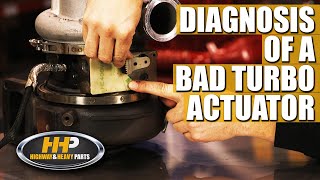



The information in this article is provided for general reference and educational purposes only. Vehicle specifications, procedures, and part compatibility can vary by production date, trim level, and region. Always consult your vehicle's factory service manual and verify part numbers before purchasing or performing repairs. Safety-critical components such as airbags, seat belts, and braking systems should be installed by a qualified professional.
- 🎬 Helpful Videos
- What Does P2263 Mean?
- Can I Drive With P2263?
- Common Causes
- Symptoms
- Diagnostic Flowchart
- Common Fixes & Costs
- DIY vs Professional
- Used vs. New Parts: Buying Guide
- What Happens If You Wait — Timeline
- Cost of Not Fixing It
- Diagnosis Steps
- When This Code Triggers (Freeze-Frame Conditions)
- Related Codes
- Climate & Environmental Factors
- How to Talk to a Mechanic About This Code
- Where to Take It: Dealer vs Independent vs Chain
- When to Walk Away From the Repair
- What Scan Tool You Need for This Code
- How to Clear the Code After You Fix It
- Will This Fail Emissions / State Inspection?
- Most Commonly Affected Vehicles
- Manufacturer-Specific Notes
- Real Owner Stories
- 2008 Acura RDX at 100K+ miles
- 2013 Ram 2500 Cummins at 120K miles
- 2012 Ford F-150 EcoBoost at 95K miles
- 2014 VW Jetta TDI
- How to Prevent This Code From Triggering
- Frequently Asked Questions
- What is the most common misdiagnosis for a P2263 code?
- Can an aftermarket engine tune cause a P2263 code?
- What does it mean when the SH-AWD light comes on with P2263 in an Acura RDX?
- How much does it cost to fix P2263?
- Can I fix P2263 myself?
- Will a P2263 code clear itself?
- My car seems to run fine, but the P2263 code keeps coming back. What could it be?
- Can a bad gas cap cause a P2263 code?
- Key Takeaways
- 🎟️ Get 5% Off