

P0521 on 2011-2018 Buick Regal 2.4L: Engine Oil Pressure Sensor Causes and Fixes
On a 2011-2017 Buick Regal with the 2.4L Ecotec engine, P0521 is most often caused by a faulty oil pressure sensor, a clogged screen beneath it, or simply a low oil level due to known oil consumption issues. The most common fix is replacing the sensor and its screen, which is an affordable DIY job. First, check the oil level.
- P0521 on this Regal almost always points to a problem with the oil pressure sensor, its filter screen, or a low oil level.
- Your first and most important action is to stop driving and check the engine oil level. The 2.4L Ecotec engine is known to consume oil.
- Never replace the oil pump or assume the worst until you have verified the actual oil pressure with a mechanical gauge.
- When replacing the oil pressure sensor, it is critical to also replace the small, inexpensive filter screen located in the port underneath it to ensure a lasting repair.
What's Unique About the 2011-2018 Buick Regal
The 2.4L Ecotec engine in this generation of Regal has a reputation for specific issues that directly cause the P0521 code. First, these engines are known for excessive oil consumption due to piston ring design, making a low oil level a very common and primary trigger for this code. Second, a small, removable filter screen is located in the engine block directly under the oil pressure sensor, and it is notoriously prone to clogging with sludge, which causes a false reading from an otherwise good sensor. For these reasons, diagnosing P0521 on this specific vehicle requires checking the oil level first and always replacing the small filter screen when the sensor is replaced. GM also issued Special Coverage #14882 for a plugged PCV orifice that can increase crankcase pressure and potentially trigger oil pressure warnings.
Generation note: The specified range covers the end of the fifth generation (2011-2017) and the start of the sixth (2018). The 2.4L Ecotec engine and its associated issues are primarily found in the 2011-2017 models. The 2018 model featured a different standard engine, so this guide is most relevant to the fifth generation.
Symptoms You May Notice
- Check Engine Light is on
- Oil pressure warning light is on or flickering
- Message on dash display: 'Engine Oil Pressure Low, Shut Off Engine'
- Oil pressure gauge reads unusually low, high, or erratically
- Engine running rough or making ticking/knocking noises (a sign of a severe problem)
- Replacing the oil pump without first verifying actual oil pressure with a mechanical gauge.
- Replacing the oil pressure sensor but failing to replace the small, clogged filter screen underneath it, leading to the code returning shortly after.
Most Likely Causes
- Low Engine Oil Level 🔴 High Probability The 2.4L Ecotec engine in these models is known for excessive oil consumption due to piston ring design, which was the subject of a class-action lawsuit. The oil level can drop significantly between changes, triggering the pressure sensor.
How to confirm: Check the engine oil dipstick. This should be the very first step. If the level is below the 'add' mark, this is the likely cause.
Typical fix: Top off the engine oil to the correct level using a GM-specified dexos full synthetic oil. Clear the code and monitor oil levels frequently, as often as every time you get gas.
Est. part cost: $20-$40 for oil - Faulty Engine Oil Pressure Sensor 🔴 High Probability The sensor is a common failure point on many GM vehicles of this era due to heat cycles and oil exposure. It can fail internally, causing it to send incorrect signals. Manufacturer TSB Bulletin #18-NA-246 notes that a Malfunction Indicator Lamp (MIL) may be illuminated with DTC P0521 set alongside other codes like P06DE.
How to confirm: After verifying the oil level is correct and confirming actual oil pressure with a mechanical gauge, the sensor becomes the prime suspect. A common diagnostic trick is to check the gauge with the engine off; if it reads high pressure and then drops to zero when the sensor is unplugged, the sensor is internally shorted and has failed.
Typical fix: Replace the engine oil pressure sensor. It is highly recommended to replace the filter screen underneath it at the same time.
Est. part cost: $25-$70 - Clogged Oil Pressure Sensor Filter Screen 🟡 Medium Probability A small filter screen (GM calls it a 'Valve Lifter Oil Filter') is located in the oil port directly under the sensor. It is designed to protect the sensor but often becomes clogged with sludge or debris from the engine, restricting oil flow and causing a false low-pressure reading. TSB Bulletin #PIP4786C provides information to technicians regarding vehicles that may have a low oil pressure message and DTC P0521 in the Engine Control Module.
How to confirm: This is typically found during the replacement of the oil pressure sensor. The screen will be visibly blocked with dark, thick deposits. It is often brittle and may be destroyed during removal.
Typical fix: Remove and replace the small filter screen. This should be done whenever the oil pressure sensor is replaced as a preventative measure.
Est. part cost: $5-$15 - Incorrect Oil or Clogged Oil Filter ⚪ Low Probability Using oil that does not meet GM's dexos specification or using a poor-quality, restrictive oil filter can lead to sludge formation and incorrect pressure readings. Some owners have reported that using a specific high-quality filter (e.g., ACDelco PF48E or Mobil 1 M1-113A) resolved recurring P0521 codes.
How to confirm: Check service records or the oil filter currently on the vehicle. This is often suspected if the P0521 code appears shortly after an oil change.
Typical fix: Perform an oil and filter change using the correct dexos-approved synthetic oil and a high-quality filter (e.g., ACDelco).
Est. part cost: $50-$80
Rare But Worth Checking
- Failing Oil Pump / Stuck Relief Valve: While less common, a failing oil pump or a stuck pressure relief valve within the pump can cause genuine low oil pressure. GM TSB #24-NA-173 specifically mentions a stuck relief valve causing P0521 at idle. This must be ruled out with a mechanical pressure test, as ignoring it will destroy the engine.
- Plugged PCV Orifice: GM Special Coverage #14882 addresses a plugged PCV orifice in the intake manifold which can increase crankcase pressure, cause oil leaks (like the rear main seal), and potentially affect oil pressure readings. This was covered for 10 years/120,000 miles.
- Wiring or Connector Issue: The wiring harness to the sensor can become brittle from heat or contaminated with oil from a leaking sensor, leading to a poor connection and faulty readings.
Diagnosis Steps
- Check Engine Oil Level: Immediately check the oil dipstick. If low, top off with dexos-approved oil, clear the code, and see if it returns. If it does, continue diagnosis.
- Verify Actual Oil Pressure: This is a critical step. Use a mechanical oil pressure gauge to test the actual pressure at the engine. Compare the reading to the manufacturer's specifications (typically at least 24 PSI at 1,000 RPM when warm).
- If Mechanical Pressure is GOOD: The problem is in the sensor circuit. The sensor is providing a false reading. Proceed to the next step.
- If Mechanical Pressure is LOW: Stop immediately. You have a serious mechanical problem. Investigate a failing oil pump, stuck pressure relief valve, clogged oil pickup tube, or internal engine wear. Do not start the engine until repaired.
- Inspect Sensor and Connector: Locate the oil pressure sensor on the front, right side of the engine block, below the oil filter housing. Check its electrical connector for oil contamination, corrosion, or loose pins.
- Replace Sensor and Screen: If the oil pressure is confirmed to be good, the most likely and effective solution is to replace both the oil pressure sensor and the small filter screen located in the port beneath it.
- Clear Codes and Test Drive: After replacement, clear the diagnostic trouble codes and perform a test drive to ensure the code does not return.
Parts You'll Likely Need
- Engine Oil Pressure Sensor
(OEM #12674782 (supersedes 12673134, 12621234, 12596951))— This is the most common part to fail and cause a P0521 code when the oil level is correct.
Trusted brands: ACDelco, Delphi, Standard Motor Products
OEM price range: $40-$70
Aftermarket price range: $25-$50 - Valve Lifter Oil Filter (Sensor Screen)
(OEM #12632247 (verify by VIN, may also be 12585328))— This small screen under the sensor is notorious for clogging with sludge and causing false readings. It should always be replaced with the sensor.
Trusted brands: ACDelco, Dorman
OEM price range: $5-$15
Aftermarket price range: $5-$10 - Full Synthetic Engine Oil (dexos1 approved) — Required to top off a low oil level (a primary cause) or for an oil change with the correct specified fluid.
Trusted brands: ACDelco, Mobil 1, Valvoline
Aftermarket price range: $30-$50 for 5 quarts
Related Codes That Often Appear With This One
- P0520 — P0520 indicates a general fault in the oil pressure sensor circuit, while P0521 points specifically to a performance/range issue. They often appear together as they relate to the same system.
- P06DE — This code relates to the oil pressure control solenoid valve being stuck on. It can appear alongside P0521, pointing towards a more complex issue within the oiling system, potentially related to the oil pump or its control.
- P0522 / P0523 — These codes are more specific, indicating the sensor circuit voltage is too low (P0522) or too high (P0523), respectively. P0521 is for a general performance issue, but all three point to a problem in the same sensor circuit.
Technical Service Bulletins (TSBs) & Recalls
- TSB #12313D - Mentions that a diagnostic trouble code P0521 may be found in the Engine Control Module for this engine.
- TSB #14882 - Special Coverage for plugged PCV orifice leading to crankcase pressure issues and potential oil pressure warnings.
- TSB #PIP4786C - Instructs technicians to inspect the filter screen under the sensor for sludge if P0521 is present and mechanical pressure is good.
- TSB #24-NA-173 - Notes that a stuck oil pressure relief valve inside the oil pump can cause P0521.
- TSB Bulletin #18-NA-246 - Provides procedures to correct customer concerns regarding the MIL being illuminated with DTC P0521, P06DE, and/or P0172.
Platform-Specific Known Issues
- The 2.4L Ecotec engine is subject to a class-action lawsuit regarding excessive oil consumption due to piston ring issues, making low oil level a primary cause for P0521.
- GM issued Special Coverage Adjustment #14882 for some vehicles with this engine concerning a plugged PCV orifice, which can increase crankcase pressure and lead to oil leaks and pressure warnings.
- GM TSB PIP4786C specifically instructs technicians to inspect the small filter screen under the sensor for sludge if scan tool readings conflict with a mechanical gauge, directly linking the clogged screen to P0521.
Mechanic-Grade Diagnostic Values
- Mechanical Oil Pressure (Engine at operating temp) — expected: Minimum 24 PSI @ 1,000 RPM; 30-38 PSI @ 2,000-3,000 RPM.. Failure: Pressure significantly below these minimums indicates a mechanical lubrication system failure, not a sensor issue.
- Oil Pressure Sensor 5-Volt Reference — expected: 4.8 - 5.2 Volts DC (Ignition ON, sensor connector unplugged).. Failure: Voltage outside this range points to a wiring issue or a fault in the Engine Control Module (ECM).
- Oil Pressure Sensor Signal Voltage (Key On, Engine Off) — expected: ~0.5 Volts.. Failure: A reading of 0V or 5V suggests a short/open in the circuit or a failed sensor.
- Oil Pressure Sensor Signal Voltage (Engine Running) — expected: Approx. 1.0V to 4.0V, varying with engine RPM.. Failure: A voltage that is stuck, does not change with RPM, or does not correspond to a mechanical gauge reading.
- Oil Pressure Control Solenoid Resistance (for associated code P06DE) — expected: 10 to 30 Ω between the control and ignition terminals of the solenoid.. Failure: Resistance outside this range indicates a faulty solenoid, which can cause oil pressure regulation issues.
Scan Tool Commands That Help
- GDS2 (Global Diagnostic System 2): Engine Oil Pump Failure Screening Test — Use this when P0521 is present, especially with P06DE or P06DD, to test the oil pump's ability to respond to commanded pressure changes. Per TSB PIP5734, the test involves running the engine through 10 cycles of 2000 RPM (30s), 4000 RPM (15s), and idle (15s). If the codes set during this test, it strongly indicates a failing oil pump.
Wiring & Ground Locations
- Oil Pressure Sensor Connector (X1) — On the front, right side of the engine block, below the oil filter housing.. This 3-pin connector provides the sensor's 5V reference, low reference (ground), and signal wire. Oil can leak through a failed sensor and contaminate the pins, causing poor signal quality. The signal wire is typically a Tan/Black wire going to the ECM.
- G101 — Lower front of the engine block.. This is a primary engine ground. A loose or corroded connection here can cause floating grounds for various sensors, including the oil pressure sensor, leading to erratic readings and false codes.
- G106 — On the front center of the frame cross rail, located under the crank pulley.. A key chassis ground point. Poor connection here can affect the entire engine management system's electrical stability.
Real Owner Repair Stories
- Chevy Equinox Forum (2012 Chevrolet Equinox 2.4L (same engine as Regal)) — Diagnosing a timing chain failure and wanted to rule out low oil pressure as the cause.
❌ Tried (didn't work) Could not find a fitting for the mechanical oil pressure gauge in a standard kit., Access to the sensor was so poor that the intake manifold had to be removed to connect the test gauge.
✅ What actually fixed it The user successfully tested the oil pressure after removing the intake manifold and found it to be very high (70 PSI cold), which ruled out low oil pressure as the cause of the other engine problems. This story confirms the difficult access and provides a real-world pressure reading.
"I Checked Everything" — The Actual Cause
- A scenario analogous to a 'smoke test clean' for this code is when a mechanical gauge shows good oil pressure, yet the P0521 code persists. A documented cause for this is fuel-contaminated engine oil, often from frequent short-trip driving. The fuel degrades the oil's viscosity, causing intermittent pressure drops that trigger the code, even if the pressure seems fine during a static test. The fix is not a hard part replacement, but an oil and filter change and advising the owner on driving habits.
OEM Part Supersession History
12596951, 12621234, 12673134→12674782— GM regularly updates service parts to integrate new materials and technologies for improved durability and performance.
Model Year Variations Within This Range
- 2012-2017: Starting in the 2012 model year, the 2.4L LEA Ecotec engine gained flex-fuel (E85) capability. This involved changes to fuel system components but did not fundamentally alter the oiling system or the causes of P0521.
- 2018: The 2018 model year marked the beginning of the sixth-generation Regal, which used 1.5L and 2.0L turbocharged engines as standard. The 2.4L Ecotec was phased out, making this guide primarily applicable to the 2011-2017 models.
Diagnostic Flowchart
Used vs. New Parts: Buying Guide for This Vehicle
When a used part is the smart pick: For this specific repair, using used parts is not recommended. The primary failure components—the oil pressure sensor and its filter screen—are inexpensive wear items. The risk of a used sensor failing shortly after installation is high.
OEM-only on this vehicle (don't cheap out):
- Engine Oil Pressure Sensor
- Valve Lifter Oil Filter (Sensor Screen)
Aftermarket brands forum-validated for this vehicle:
- ACDelco (OEM for sensor and screen)
- Delphi (Sensor - often an OEM supplier)
- Mobil 1 or ACDelco (for oil filter)
Brands owners have reported issues with on this vehicle:
- Unbranded, 'white-box' sensors are frequently reported on forums to have high failure rates or cause the code to return quickly.
Real Owner Stories
Aggregated from forums and TSBs cited above. Mileages and costs reflect what owners reported in those sources.
2014 Buick Regal 2.4L — 60000 miles
Symptoms: The Check Engine Light came on with code P0521. After an initial repair, the 'low oil pressure' warning returned about 3,000 miles later.
What fixed it: A mechanic first replaced the sensor and changed the oil, but the problem returned. Other forum users advised the owner to verify the actual pressure with a mechanical gauge and investigate potential debris in the oil pump as per a GM bulletin.
Source hint: CarKiller Forum thread titled '2014 Buick Regal, oil pressure problems - CarKiller Forum'
Related OBD-II Codes
Frequently Asked Questions
My 2014 Regal is burning a lot of oil. Is this related to the P0521 code?
I'm replacing the oil pressure sensor myself. Is there anything else I should replace at the same time?
My mechanic says the oil pressure is actually fine when tested with a gauge, but the warning light is still on. What's the problem?
Can using the wrong oil or filter cause a P0521 code on this engine?
The dash message says 'Engine Oil Pressure Low, Shut Off Engine'. Is it safe to drive to the shop?
Are there any GM Technical Service Bulletins (TSBs) for the P0521 code on my Regal?
Helpful Videos
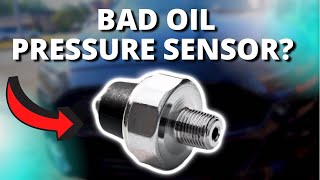
We Have This Part in Stock


The information in this article is provided for general reference and educational purposes only. Vehicle specifications, procedures, and part compatibility can vary by production date, trim level, and region. Always consult your vehicle's factory service manual and verify part numbers before purchasing or performing repairs. Safety-critical components such as airbags, seat belts, and braking systems should be installed by a qualified professional.
- Buick Regal:
- 🎬 Helpful Videos
- 🛍️ Shop This Part
- What's Unique About the 2011-2018 Buick Regal
- Symptoms You May Notice
- Most Likely Causes
- Rare But Worth Checking
- Diagnosis Steps
- Parts You'll Likely Need
- Related Codes That Often Appear With This One
- Technical Service Bulletins (TSBs) & Recalls
- Platform-Specific Known Issues
- Mechanic-Grade Diagnostic Values
- Scan Tool Commands That Help
- Wiring & Ground Locations
- Real Owner Repair Stories
- "I Checked Everything" — The Actual Cause
- OEM Part Supersession History
- Model Year Variations Within This Range
- Diagnostic Flowchart
- Used vs. New Parts: Buying Guide for This Vehicle
- Real Owner Stories
- 2014 Buick Regal 2.4L — 60000 miles
- Related OBD-II Codes
- Frequently Asked Questions
- 🎟️ Get 5% Off