

P0025 on 2015-2021 Ford F-150 2.7L EcoBoost: Causes and Fixes
P0025 on a 2.7L EcoBoost F-150 typically means the exhaust camshaft on Bank 2 is out of position. The most common cause is a sticking Variable Camshaft Timing (VCT) solenoid, often due to dirty or low engine oil. Replacing the VCT solenoid is a frequent fix, costing around $30-$80 for the part. An oil change should be the first step.
- P0025 means the driver's side exhaust camshaft timing is lagging.
- The most likely cause is a faulty VCT solenoid, often triggered by old or dirty engine oil.
- Start your diagnosis by checking the engine oil level and condition. An oil change is a simple and often effective first step.
- Replacing the Bank 2 exhaust VCT solenoid is a DIY-friendly job with a difficulty of 2/5.
- Always use the OEM-specified oil and filter to prevent this issue from recurring.
What's Unique About the 2015-2021 Ford F-150
The 2.7L EcoBoost, like other Ford turbocharged engines, is sensitive to oil quality and maintenance. The VCT system is entirely dependent on clean oil to function. Ford has issued multiple Technical Service Bulletins (TSBs) that include P0025, noting that small debris in the engine oil can cause the VCT solenoids to stick. [SSM 50067] This suggests the issue is often related to oil contamination rather than an immediate hard part failure. Before replacing parts, Ford technicians are advised to perform a diagnostic test (Pinpoint Test HK) that cycles the solenoid multiple times to try and clear the debris.
Generation note: This range covers the end of the 13th generation (2015-2020) and the beginning of the 14th generation (2021) F-150. It also spans two versions of the 2.7L EcoBoost (1st gen: 2015-2017, 2nd gen: 2018-2021). While the VCT system is conceptually the same, part numbers for solenoids may differ. The 2nd generation engine (2018+) added port fuel injection, which helps reduce carbon buildup on intake valves, a separate known issue on earlier EcoBoost engines. The underlying causes and diagnostic principles for P0025 are consistent across these years.
Symptoms You May Notice
- Check Engine Light is on
- Rough or unstable idle, sometimes described as a 'shiver' or 'shake'
- Engine may stall when coming to a stop
- Reduced engine power and poor acceleration
- Engine hesitation
- Decreased fuel economy
- Hard starting
- Replacing the camshaft position sensor. The sensor is usually reporting the problem correctly; it's not the cause of the problem.
- Replacing spark plugs or ignition coils. While P0025 can be accompanied by misfire codes on Bank 2 (like P0304, P0305, P0306), the root cause is the timing issue, not the ignition system.
Most Likely Causes
- Dirty, low, or incorrect viscosity engine oil 🔴 High Probability The VCT system is hydraulic and relies on clean oil at the correct pressure. Ford TSBs specifically mention debris in the oil as a cause for sticking solenoids. [SSM 50067, 1] The small passages in the solenoids can easily become clogged.
How to confirm: Check the oil level on the dipstick and examine its condition. If it's dark, gritty, or below the 'add' line, this is a likely contributor. This should always be the first check.
Typical fix: Perform an oil and filter change using the correct OEM-specified grade of oil (e.g., Motorcraft Synthetic Blend). In some cases, this alone can resolve the code.
Est. part cost: $40-$80 - Failing Bank 2 Exhaust VCT Solenoid 🔴 High Probability The solenoid can get clogged with debris or fail electrically, causing it to stick open or closed. This is a well-documented issue on EcoBoost engines. [SSM 50067, 1]
How to confirm: A mechanic can command the solenoid on and off with a scan tool to check its response. It can also be removed and tested for resistance with a multimeter; the expected range is 6.9 to 7.9 ohms at 68°F (20°C). A common DIY diagnostic is to swap the exhaust solenoid with the intake solenoid on the same bank (Bank 2). If the code changes to P0024, the solenoid is confirmed to be faulty.
Typical fix: Replace the Bank 2 exhaust VCT solenoid. The 2.7L engine has four VCT solenoids (intake and exhaust for each bank), so ensure you are replacing the correct one. Replacement requires removing the valve cover.
Est. part cost: $30-$80 - Damaged Camshaft Phaser ⚪ Low Probability If the solenoid is working correctly, the issue may be with the mechanical phaser unit at the end of the camshaft, which can fail internally or get stuck. While less common for this specific code than a solenoid, phaser issues are a known problem on Ford engines.
How to confirm: This is a more complex diagnosis that usually follows the replacement of the VCT solenoid. It may involve checking mechanical timing and requires significant engine disassembly (front cover removal).
Typical fix: Replace the camshaft phaser, which often involves replacing the timing chain and tensioners at the same time.
Est. part cost: $150-$400 for the phaser kit - Wiring or Connector Issue ⚪ Low Probability Engine bay heat and vibration can damage the wiring or connector for the VCT solenoid over time.
How to confirm: Visually inspect the wiring harness and connector leading to the Bank 2 exhaust VCT solenoid for any signs of damage, corrosion, or loose pins. Check for continuity with a multimeter.
Typical fix: Repair the damaged section of the wiring harness or replace the connector pigtail.
Est. part cost: $15-$40
Rare But Worth Checking
- Stretched Timing Chain or Failed Tensioner: While less common than a solenoid failure, a stretched timing chain or failed tensioner can cause the camshaft timing to be physically off, triggering this code. This is a more serious mechanical issue that would likely present with other timing codes and rattling noises. A documented case on a 2.7L engine showed this was the root cause after new VCT solenoids failed to fix the issue.
- Low Oil Pressure: A failing oil pump or other issue causing system-wide low oil pressure can starve the VCT system and prevent it from operating correctly. This would likely be accompanied by other oil-pressure related symptoms or codes, or a low oil pressure warning light on the dash.
Diagnosis Steps
- Check Engine Oil: Verify the oil level is correct and the oil is clean. If it's low or dirty, perform an oil and filter change with the manufacturer-specified oil type and clear the codes. This is the first and most important step.
- Scan for Codes: Use an OBD-II scanner to confirm P0025 and check for any other related codes, such as P0019, P054D, or misfire codes.
- Inspect Wiring: Visually inspect the electrical connector and wiring going to the Bank 2 (driver's side) exhaust VCT solenoid. Look for any damage, corrosion, or loose connections.
- Test the VCT Solenoid: Using a capable scan tool like Ford IDS, monitor the
VCT_ERR(VCT Error) PID for Bank 2. It should be close to 0 degrees at idle. Command the solenoid to cycle on and off to see if it's responsive. This is similar to the 'HK11' test mentioned in Ford service information. - Swap Solenoids (Optional DIY Step): A common diagnostic trick is to swap the exhaust solenoid with the intake solenoid on the same bank (Bank 2). Clear the codes and drive the vehicle. If the code changes to P0024 ('A' Camshaft Position - Timing Over-Retarded), it confirms the solenoid is the bad part.
- Replace the Solenoid: If the solenoid is confirmed bad, replace it. This requires removing the valve cover. Be sure to get the correct part for your specific model year.
- Check Mechanical Timing: If a new, known-good solenoid does not fix the code, the next step is to investigate a mechanical issue like a failed camshaft phaser or stretched timing chain. This is more advanced and may require a professional mechanic.
Parts You'll Likely Need
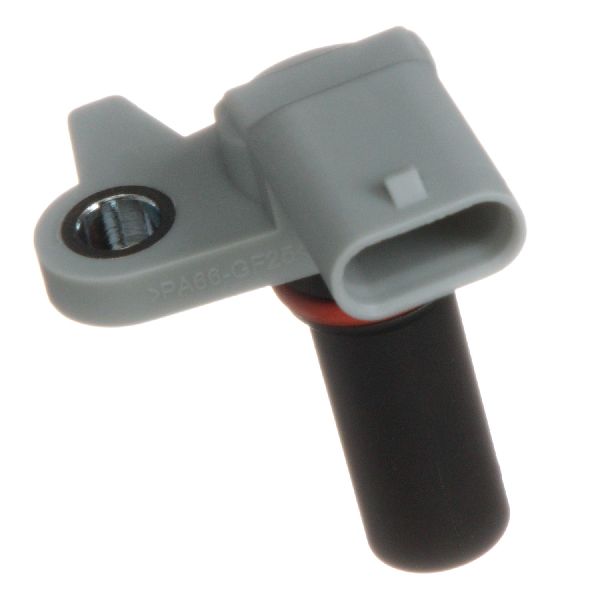
- Variable Camshaft Timing (VCT) Solenoid
(OEM #FT4Z-6M280-B (Verification needed per VIN, may vary by year))— This is the most common failure point for P0025. It gets stuck due to oil debris or electrical failure, preventing correct camshaft timing adjustment.
Trusted brands: Motorcraft, Dorman, Gates
OEM price range: $40-$70
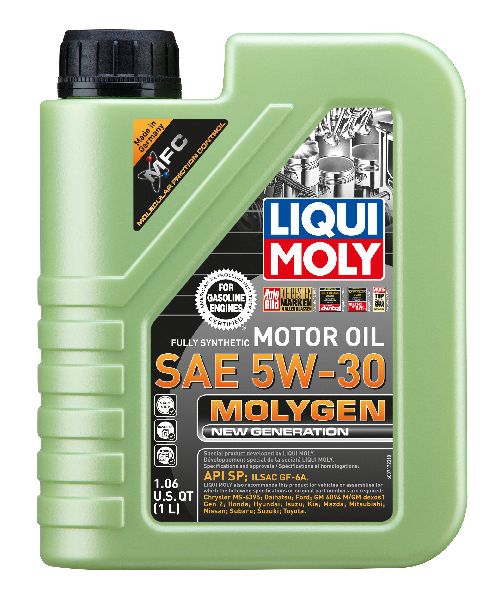
Aftermarket price range: $25-$50 - Engine Oil and Filter — Clean, correct-viscosity oil is critical for the VCT system's operation. An oil change is the first step and can sometimes resolve the issue on its own.
Trusted brands: Motorcraft
OEM price range: $50-$90
Aftermarket price range: $40-$70 - Valve Cover Gasket — Required when replacing the VCT solenoid, as the valve cover must be removed to access it. It is best practice to replace the gasket anytime the cover is removed to prevent future oil leaks.
Trusted brands: Fel-Pro, Mahle, Motorcraft
OEM price range: $30-$50
Aftermarket price range: $20-$40
Related Codes That Often Appear With This One
- P0019 — This code indicates a Crankshaft-Camshaft Position Correlation error for Bank 2, Sensor B. It often appears with P0025 because both codes relate to the timing of the same camshaft (Bank 2 Exhaust) being out of sync. [ODI #11652279, 1]
- P0300, P030X (e.g., P0304, P0305, P0306) — When camshaft timing is incorrect, it can lead to incomplete combustion, causing random (P0300) or specific cylinder misfires on the affected bank (Bank 2 includes cylinders 4, 5, 6).
- P054D — This code is for 'Cold Start Exhaust 'B' Camshaft Position Timing Over-Retarded (Bank 2)'. It is a more specific version of P0025, indicating the problem is present immediately upon a cold start, which strongly points to a sticking VCT solenoid or an oil pressure issue.
Technical Service Bulletins (TSBs) & Recalls
- SSM 50067
- SSM 54366
- TSB-16-0093
- 16-0038
- SSM 46450
Platform-Specific Known Issues
- Ford Technical Service Bulletin SSM 50067 notes that P0025 (and other VCT codes) may be caused by small debris causing the solenoid to stick. It recommends performing a diagnostic test to cycle the solenoid before replacement.
Mechanic-Grade Diagnostic Values
- VCT Solenoid Coil Resistance — expected: 6.9 to 7.9 Ohms at 68°F (20°C). Failure: A reading outside this range, or an open circuit (no reading), indicates a faulty solenoid.
- VCT Error PID (Live Scan Data) — expected: Should hover around 0° (+/- 5° is acceptable for short periods). Failure: A consistent, large error value indicates the phaser is not reaching its commanded position.
- Engine Oil Pressure at Idle — expected: Minimum of 15 PSI at idle before VCT system engages. Failure: Pressure below this minimum can cause the VCT system to malfunction and set codes.
- VCT Solenoid Harness Voltage — expected: Approximately 12V (one test showed 8.6V with key on, engine off). Failure: No voltage indicates a wiring or PCM driver issue.
Hidden / Shadow Codes Worth Checking
- Mode 6 Data: Mode 6 is not a specific code, but a diagnostic mode that contains non-continuous monitor test results. For VCT issues, it can provide statistical data on camshaft timing performance and error counts that are not part of standard DTCs. (see via Professional scan tools like the Ford IDS (Integrated Diagnostic System) or some advanced consumer tools like FORScan can access Mode 6 data.)
Scan Tool Commands That Help
- Ford IDS (or FORScan): VCT Error PID Monitoring (e.g., RCAM_ERR, VCT_ERR) — Use this while the engine is running to see the real-time difference between the PCM's commanded camshaft angle and the actual angle reported by the sensor. A large, persistent error confirms a timing problem.
- Ford IDS (or FORScan): Histogram Mode for VCT Error PIDs — This function records the PID values during a drive cycle and displays them as a histogram, making it easier to spot intermittent anomalies or how much time the camshaft spends outside its target range.
- Ford IDS (or FORScan): Solenoid On/Off Command (Output State Control) — With the engine running at idle, this command manually energizes and de-energizes the VCT solenoid. A healthy solenoid will produce an audible click and a noticeable change in idle quality. No change suggests a stuck or failed solenoid.
Wiring & Ground Locations
- PCM Ground — Located on the firewall in the engine bay.. A poor ground for the Powertrain Control Module (PCM) can cause erratic sensor readings and incorrect command signals to actuators like the VCT solenoid.
- Main Battery Ground — Located just in front of the washer fluid reservoir in the engine bay.. The primary ground for the entire electrical system. Corrosion or looseness here can cause widespread, unpredictable electrical issues.
- Engine-to-Body/Frame Ground — A ground strap attaches to the back of the passenger side cylinder head. Another ground goes from the body down to the frame on the passenger side, which is known to corrode.. Ensures the engine block and its sensors/actuators have a solid ground reference to the rest of the vehicle. A bad engine ground can cause issues with the VCT system.
- VCT Solenoid Connector — On the valve cover for Bank 2 (driver's side), connecting to the exhaust VCT solenoid.. This is the direct electrical connection for the solenoid. The connector is a 2-pin plug-and-socket type. Check for oil intrusion, corrosion, or damaged pins.
Real Owner Repair Stories
- Documented case on a platform-mate vehicle (2016 Ford Edge 2.7L EcoBoost) — Persistent P0025 and P0019 codes.
❌ Tried (didn't work) Replacing all four VCT solenoids, Performing multiple engine oil changes
✅ What actually fixed it The ultimate cause was a failed timing chain tensioner, which allowed for excessive slack in the chain and caused the timing correlation error.
When the Usual Fixes Don't Work
- In one documented case involving a 2.7L EcoBoost engine, the vehicle presented with both P0025 and P0019. The owner replaced all four VCT solenoids and performed multiple oil changes, which are the most common fixes for this code. However, the codes persisted. The final repair that resolved the issue was the replacement of a failed timing chain tensioner, indicating a deeper mechanical fault that was not resolved by addressing the more common VCT solenoid issue.
Model Year Variations Within This Range
- 2018-2021 (Gen 2): The second-generation 2.7L EcoBoost, introduced in 2018, features significant updates. It added a port fuel injection system alongside direct injection to prevent intake valve carbon buildup. It also received a stronger dual-chain timing setup, an updated oil pan/gasket, a bump in torque to 400 lb-ft, and was paired with the 10-speed automatic transmission.
- 2015-2017 (Gen 1): The first-generation 2.7L EcoBoost used direct injection only and was paired with a 6-speed automatic transmission. It was known for potential oil pan leaks, an issue Ford addressed in the second generation engine.
Diagnostic Flowchart
Other Known Issues on This Vehicle
Issues unrelated to this code that are worth knowing about as an owner of this generation:
- Leaking Plastic/Composite Oil Pan 🟠 Medium — Very common on 2015-2017 models. The RTV sealant fails prematurely, causing leaks. Can occur at low mileage (<20,000 miles). The pan design was revised for 2018+ models. (Ref: TSB 19-2205, TSB 23-2083)
- Intake Valve Carbon Buildup 🟠 Medium — Primarily affects the first-generation 2.7L (2015-2017) due to direct injection only. Can cause misfires, hesitation, and rough running over time. The 2018+ second-gen engine added port injection to mitigate this.
- 10R80 Transmission Harsh/Delayed Shifting 🟠 Medium — Affects many F-150s with the 10-speed automatic transmission. Owners report harsh or clunky shifts, especially at low speeds. Can be a software or internal hardware issue. (Ref: TSB 23-2250)
- White/Blue Smoke on Cold Start 🟡 Low — Reported on some 2015-2017 models. Caused by oil entering the left-hand turbocharger turbine housing after a cold soak. (Ref: TSB 19-2188)
- Faulty Intake Valves (2021-2022 models) 🔴 High — A specific batch of valves made with improper material could fracture, leading to engine failure. This prompted a recall. (Ref: Recall affecting 2021-2022 F-150s and other models with 2.7L/3.0L engines.)
Used vs. New Parts: Buying Guide for This Vehicle
When a used part is the smart pick: For this specific repair, buying used parts is generally not recommended. The primary failure components (VCT solenoid, timing parts) are either inexpensive or are critical wear items.
Donor-vehicle mileage cap: roughly under 50000 miles for the part to have meaningful remaining life.
What to inspect on the donor part:
- If considering a used sensor, ensure the donor vehicle was not in a front-end collision.
- Check for signs of oil sludge or contamination around the engine bay of the donor vehicle, which could indicate poor maintenance.
- Ask for the VIN to check the donor vehicle's service history if possible.
OEM-only on this vehicle (don't cheap out):
- Camshaft Phasers
- Timing Chains
- Timing Chain Tensioners & Guides
Aftermarket brands forum-validated for this vehicle:
- Motorcraft (OEM)
- Fel-Pro (Gaskets)
- Mahle (Gaskets)
Brands owners have reported issues with on this vehicle:
- No-name, unbranded electronic parts (solenoids, sensors) from online marketplaces are high-risk due to poor quality control.
Real Owner Stories
Aggregated from forums and TSBs cited above. Mileages and costs reflect what owners reported in those sources.
2016 Ford F-150 Lariat 2.7L EcoBoost
Symptoms: Check engine light with multiple codes (P0025, P0019, P054D), rough idle, and Bank 2 misfires.
What fixed it: The owner sought help for a real-world example of code clustering involving VCT and misfire issues.
Source hint: https://www.f150forum.com/f118/help-diagnosing-multiple-cel-codes-2016-f150-lariat-ecoboost-rough-idle-519609/
Ford F-150 2.7L EcoBoost
Symptoms: The truck was shivering/shaking and eventually stalling at stops.
What fixed it: Replacing the VCT solenoids.
Source hint: https://www.reddit.com/r/f150/comments/10e5q39/vct_solenoid_change/
Related OBD-II Codes
Frequently Asked Questions
Does Ford Technical Service Bulletin SSM 50067 apply to my 2.7L EcoBoost if I have code P0025?
Can I use any engine oil for my 2015-2021 F-150 2.7L to clear this code?
Is there a way to confirm the Bank 2 exhaust VCT solenoid is bad without buying a new one?
My 2016 F-150 is shivering and stalling at stops; is this related to P0025?
What is the electrical resistance specification for the VCT solenoid on this engine?
Does the 2.7L EcoBoost have a known issue with oil leaks that could cause VCT problems?
Used OEM Parts in Stock
New Aftermarket Parts Available


The information in this article is provided for general reference and educational purposes only. Vehicle specifications, procedures, and part compatibility can vary by production date, trim level, and region. Always consult your vehicle's factory service manual and verify part numbers before purchasing or performing repairs. Safety-critical components such as airbags, seat belts, and braking systems should be installed by a qualified professional.
- Ford F-150:
- 🛍️ Shop This Part
- What's Unique About the 2015-2021 Ford F-150
- Symptoms You May Notice
- Most Likely Causes
- Rare But Worth Checking
- Diagnosis Steps
- Parts You'll Likely Need
- Related Codes That Often Appear With This One
- Technical Service Bulletins (TSBs) & Recalls
- Platform-Specific Known Issues
- Mechanic-Grade Diagnostic Values
- Hidden / Shadow Codes Worth Checking
- Scan Tool Commands That Help
- Wiring & Ground Locations
- Real Owner Repair Stories
- When the Usual Fixes Don't Work
- Model Year Variations Within This Range
- Diagnostic Flowchart
- Other Known Issues on This Vehicle
- Used vs. New Parts: Buying Guide for This Vehicle
- Real Owner Stories
- 2016 Ford F-150 Lariat 2.7L EcoBoost
- Ford F-150 2.7L EcoBoost
- Related OBD-II Codes
- Frequently Asked Questions
- 🎟️ Get 5% Off