

P0014 on 2014-2019 GMC Sierra 1500 5.3L: Exhaust Cam Timing Causes and Fixes
On a 2014-2019 GMC Sierra 1500 with the 5.3L V8, code P0014 is most often caused by low/dirty engine oil or a faulty exhaust camshaft position actuator solenoid. An oil change with the correct 0W-20 synthetic oil is the first step. If that doesn't work, the solenoid is a common and affordable DIY replacement, costing around $40-$80. The part number is typically 12687032 or a superseded version.
- P0014 on your Sierra 5.3L points to the driver's side exhaust camshaft timing being too far advanced.
- Before buying any parts, check your engine oil. Low or dirty oil is the most common cause.
- The next most likely culprit is a bad camshaft position actuator solenoid, which is a relatively inexpensive part and simple to replace.
- A good diagnostic trick is to swap the exhaust solenoid with the intake solenoid on the same cylinder head. If the code changes to P0011, you've confirmed the solenoid is bad.
- Ignoring this code can lead to rough running, stalling, and poor fuel economy.
What's Unique About the 2014-2019 GMC Sierra 1500
The Gen V Ecotec3 engine family (including the L83 5.3L) relies heavily on correct oil pressure and cleanliness for both its VVT and Active Fuel Management (AFM) systems to work correctly. Because of this, these engines can be extremely sensitive to oil maintenance. A P0014 code is frequently the first sign that oil is low, past its change interval, or that sludge is beginning to clog the fine mesh screens in the VVT actuator solenoids, starving them of the hydraulic pressure needed to function.
Generation note: The 2014-2019 model years cover the third generation (K2XX platform) of the GMC Sierra 1500. The 2019 model year was a split, with the new fourth-generation (T1XX) also being released. The K2XX was sold alongside it as the 'Sierra 1500 Limited'. This guide specifically applies to the K2XX generation trucks with the L83 5.3L V8 engine. The causes and fixes are generally consistent for this platform.
Symptoms You May Notice
- Check Engine Light is on
- Rough or unstable idle
- Engine stalling, especially when coming to a stop
- Reduced engine power and poor acceleration
- Increased fuel consumption
- Rattling or ticking noise from the engine, particularly from the top end
- Difficulty starting the engine
- Engine may run rough or make abnormal noises
- Replacing the camshaft position *sensor* instead of the camshaft position actuator *solenoid*. The sensor reads the cam's position, but the solenoid is what controls the oil flow to adjust it. P0014 is almost always related to the control side (solenoid or oil) rather than the sensor itself.
Most Likely Causes
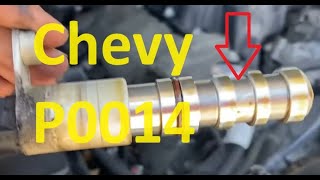
- Low or Dirty Engine Oil 🔴 High Probability The L83 engine's VVT system is hydraulic and highly sensitive to oil pressure and cleanliness. Sludge or low levels can prevent the camshaft phasers from operating correctly. This is the most common cause of P0014. 🎬 Watch: A breakdown of common causes and fixes for P0014
How to confirm: Check the engine oil level on the dipstick and inspect its color and consistency. If the level is low or the oil is dark, sludgy, or past its 7,500-mile service interval, this is the likely cause.
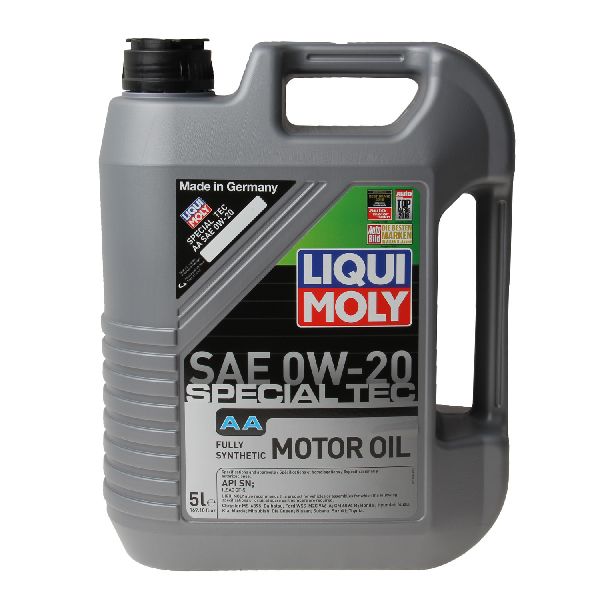
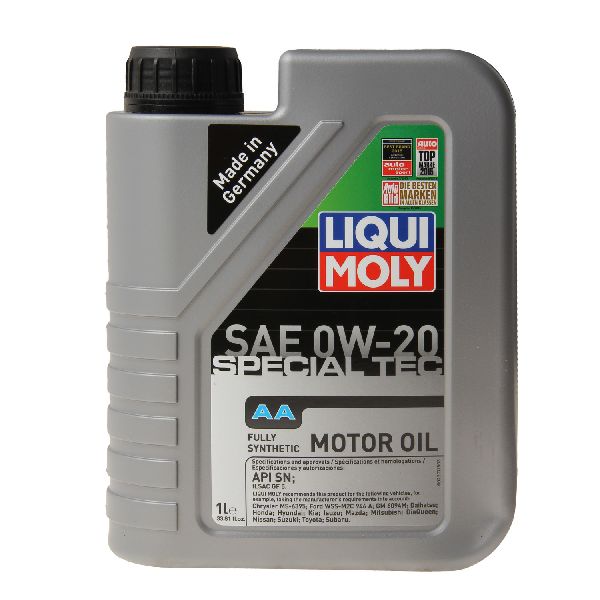
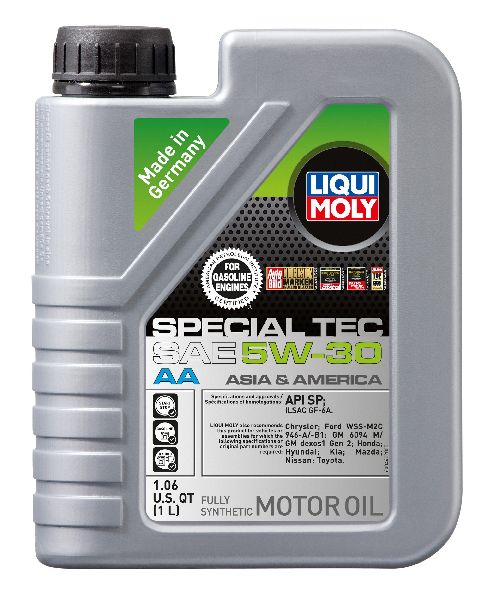
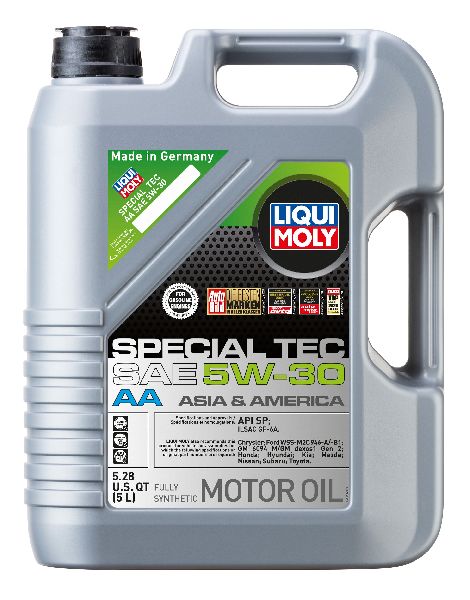
Typical fix: Perform an engine oil and filter change using the manufacturer-specified full synthetic 0W-20 oil (meeting Dexos1 Gen 2 spec) and a quality filter like the ACDelco PF63. Clear the code and drive to see if it returns.
Est. part cost: $50-$100 - Faulty Exhaust Camshaft Position Actuator Solenoid (Bank 1) 🔴 High Probability These solenoids control oil flow to the cam phasers. They contain fine mesh screens that can become clogged with debris from the oil, causing them to stick open/closed or respond slowly. Manufacturer Bulletin #PIP5855 notes that a MIL illuminated with P0014 may require replacing the affected Camshaft Position Actuator Magnet after performing strategy-based diagnosis.
How to confirm: After verifying oil is clean and full, swap the Bank 1 exhaust solenoid (lower one on driver's side head) with the Bank 1 intake solenoid (upper one). Clear the codes. If the code changes to P0011 (Intake Camshaft Position), the solenoid is confirmed bad. You can also test the solenoid's resistance with a multimeter; it should typically be between 6-12 ohms.
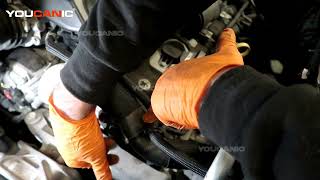
Typical fix: Replace the Bank 1 exhaust camshaft position actuator solenoid. It is located on the driver's side cylinder head and held in by a single 10mm bolt. Lightly oil the new solenoid's O-rings before installation. Torque the bolt to 89 lb-in (about 7.4 lb-ft). 🎬 See this walkthrough for replacing the VVT oil control solenoid
Est. part cost: $40-$80 - Wiring Harness Chafing ⚪ Low Probability GM issued a technical service bulletin (18-NA-307) for some models where the engine wiring harness can chafe against the sharp edge of the camshaft cover or cylinder head, potentially damaging the wires for the VVT solenoid and causing a short or open circuit. This bulletin notes that the condition can lead to a "Reduced Power" display on the DIC and a rough idle.
How to confirm: Visually inspect the engine wiring harness where it runs near the driver's side camshaft cover for any signs of rubbing, exposed copper wires, or damage. Pay close attention to the loom's contact points with metal brackets.
Typical fix: Repair the damaged wires using solder and heat shrink. Wrap the repaired section of the harness with anti-abrasion tape (e.g., Tesa tape) and secure it away from sharp edges using zip ties.
Est. part cost: $5-$15
Rare But Worth Checking
- Failing Camshaft Phaser (Actuator): If an oil change and solenoid replacement do not fix the code, the issue may be the mechanical phaser itself. This is a much more involved and expensive repair that requires removing the valve cover and timing components. This is often accompanied by a startup rattle.
- Stretched Timing Chain: While less common on the L83 than some other engines, excessive slack in the timing chain can cause camshaft timing to be erratic, triggering P0014 along with other codes. This usually presents with a distinct rattling noise on startup and would likely require replacement of the chain, tensioner, and guides.
- Internal Engine Debris: In severe cases, such as those described in NHTSA ODI #11698105 for a similar GMC model, excessive debris and metal found on the head can be linked to rocker arm failure and codes P0011 and P0014.
Diagnosis Steps
- Check the engine oil level and condition. If low, top it off. If dirty or overdue for a change, perform a full oil and filter change with full synthetic 0W-20 oil meeting Dexos1 spec and an ACDelco PF63 filter.
- Clear the trouble codes with a scanner and drive the vehicle to see if the P0014 code returns.
- If the code returns, locate the exhaust camshaft position actuator solenoid on Bank 1 (driver's side cylinder head, it's the lower of the two solenoids).
- Inspect the wiring and connector for any damage, corrosion, or looseness. Carefully check the harness for chafing against the cylinder head or brackets, as noted in TSB 18-NA-307.
- For a definitive test, swap the Bank 1 exhaust solenoid with the Bank 1 intake solenoid (the upper one). They are identical parts and held by one 10mm bolt each.
- Clear the codes again and drive the vehicle. If the code changes to P0011 (Intake Camshaft Position - Bank 1), the solenoid is faulty and must be replaced.
- If the P0014 code returns after the swap, the problem is not the solenoid. The issue may be a clogged oil passage in the cylinder head, a failing camshaft phaser, or a timing chain issue, which typically requires professional diagnosis.
Parts You'll Likely Need
- Engine Camshaft Position Actuator Solenoid
(OEM #12687032 (Supersedes 12679099, 12655421, 12662736))— This solenoid controls the oil flow that adjusts the exhaust camshaft timing. It is the most common part to fail for this code, usually due to internal clogging from oil debris or electronic failure.
Trusted brands: ACDelco (OEM), Delphi, Dorman
OEM price range: $60-$90
Aftermarket price range: $35-$60 - Engine Oil and Filter
(OEM #ACDelco PF63 (Filter), ACDelco 19370233 (0W-20 Dexos1 Gen2 Oil, 1qt))— The VVT system is dependent on clean oil of the correct viscosity. An oil change is the first and most important diagnostic step and often resolves the issue.
Trusted brands: ACDelco (Oil/Filter), Mobil 1 (Oil)
OEM price range: $60-$100
Aftermarket price range: $45-$75
Related Codes That Often Appear With This One
- P0011 — This is the equivalent code for the *intake* camshaft on Bank 1. If you swap the intake and exhaust solenoids for diagnosis, a P0014 will turn into a P0011 if the solenoid is bad.
- P0013 — This code indicates an electrical circuit fault for the same exhaust camshaft actuator solenoid. It often appears with P0014 if there is a wiring issue or a complete electrical failure of the solenoid. 🎬 Watch: How to replace the actuator solenoid valve
Technical Service Bulletins (TSBs) & Recalls
- 18-NA-307: Addresses a condition where the engine wiring harness may chafe on the camshaft cover, potentially causing DTC P0014, P0365, P0366, and others. The fix involves repairing the wire and securing the harness.
- Bulletin #PIP5855: Communicates information regarding a Malfunction Indicator Lamp (MIL) illuminated with combinations of DTCs P0011, P0014, P0016, and P0017, advising replacement of the camshaft position actuator magnet as necessary.
Platform-Specific Known Issues
- GM Technical Service Bulletin 18-NA-307 notes that on some vehicles, the engine wiring harness can rub against the camshaft cover, causing chafing and potential shorts in the solenoid circuit, leading to a P0014 code.
- The L83's reliance on oil pressure for both VVT and the problematic Active Fuel Management (AFM) system makes regular, high-quality oil changes even more critical than on other engines. Sludge that triggers a P0014 can also contribute to future AFM lifter issues.
Mechanic-Grade Diagnostic Values
- Camshaft Position Actuator Solenoid Resistance — expected: 6 to 12 Ohms. Failure: A reading outside this range, or an open/short circuit, indicates a faulty solenoid.
- Scan Tool - Desired vs. Actual Camshaft Position Angle — expected: The 'Actual' value should closely follow the 'Desired' value as commanded by the ECM during engine operation and bidirectional testing.. Failure: A significant, persistent deviation between the desired and actual angles, especially if the actual angle is stuck or slow to respond, points to a problem with the solenoid, oil flow, or the phaser itself.
Scan Tool Commands That Help
- GDS2 (GM Global Diagnostic System 2): Camshaft Position Actuator System Test — This bidirectional control allows a technician to command the VVT solenoid on and off to verify its mechanical operation and its effect on camshaft timing. According to GM Preliminary Information bulletin PIP5130B, cycling the solenoid 4-5 times can sometimes un-stick a problematic actuator, which can be a useful diagnostic step if a crank-no-start condition is present with other timing codes.
Wiring & Ground Locations
- Bank 1 Exhaust Camshaft Position Actuator Solenoid Connector — On the front of the driver's side cylinder head. It is the lower of the two VVT solenoids.. This is the primary electrical connection for the component that controls exhaust cam timing. The connector and its wiring are the first places to check for electrical faults like corrosion, looseness, or chafing as described in TSB 18-NA-307.
Real Owner Repair Stories
- GMTNation forum user 'nbenjamin' (2006 GMC Envoy 4.2L (Note: Different engine but same code, solenoid function, and diagnostic principle)) — P0014 code, stalling, rough idle, hard starting.
❌ Tried (didn't work) Initially, the check engine light went off after the repair but the code remained stored in history.
✅ What actually fixed it The user replaced the camshaft actuator solenoid, which had missing screens, and performed an overdue oil change. After clearing the code manually, the issue was resolved and did not return after 250+ miles of driving. - NHTSA ODI #11711301 — An owner reported that their check engine light came on with code P0014. They replaced the VVT as a possible solution, but noted no change in vehicle condition and proceeded to check the oil.
- NHTSA ODI #11221891 — An owner reported having to use the gas and brake at the same time during stops to keep the vehicle from dying. A mechanic repaired the camshaft sensor and accelerator sensors due to codes P0013 and P0014.
OEM Part Supersession History
12655421, 12662736, 12679099→12687032— Standard part evolution and design updates by the manufacturer. Newer versions may have improved materials or design features to prevent screen failure.
Heads up: The listed part numbers are generally interchangeable for the L83 application. However, it is always best to use the latest superseded part number (12687032) to ensure you have the most updated design.
Model Year Variations Within This Range
- 2014-2019: While the core L83 engine and VVT system remained largely the same from 2014-2019, minor changes in wiring harnesses and sensor calibrations occurred. A user swapping a 2018 L83 into a 2014 truck noted differences in the fuel rail sensors and wiring harness, requiring them to reuse the original 2014 harness and components to avoid compatibility issues and codes. This highlights the importance of using year-specific parts or ensuring compatibility when sourcing components.
Diagnostic Flowchart
Other Known Issues on This Vehicle
Issues unrelated to this code that are worth knowing about as an owner of this generation:
- AFM/DFM Lifter Failure 🔴 High — Widespread issue, can occur as early as 50,000 miles but is common around 80,000-150,000 miles. Affects 2007-2019 models with Active Fuel Management (AFM). Results in misfires (e.g., P0300), ticking/knocking noises, and can lead to camshaft damage requiring extensive engine repair. (Ref: Multiple TSBs exist. A class-action lawsuit was filed concerning this issue for 2014+ models.)
- 8-Speed Transmission Shudder (Chevy Shake) 🟠 Medium — Very common on 2015-2019 models equipped with the 8L45 or 8L90 transmission. Owners report a vibration or shudder feeling, like driving over rumble strips, during light acceleration at steady speeds (typically 35-55 mph). (Ref: TSB 18-NA-355. The prescribed fix is a complete transmission fluid flush with an updated Mobil 1 Synthetic LV ATF HP fluid. If the flush doesn't work, torque converter replacement may be necessary.)
- A/C Condenser Leak 🟠 Medium — Extremely common on 2014-2017 models. The condenser, which is a combination unit with the transmission cooler, is prone to cracking at a weld, causing a loss of refrigerant and A/C failure. (Ref: GM Special Coverage Adjustment 17336 extended the warranty for this specific failure to 5 years/60,000 miles for Chevrolet/GMC. This has also been the subject of a long-running class-action lawsuit.)
- Cracked Radiator 🟡 Low — Some owners have reported cracks developing in the plastic end tanks of the radiator, leading to coolant leaks. This is less common than lifter or transmission issues but is a documented failure point.
- High-Pressure Fuel Pump (HPFP) Failure 🟠 Medium — The HPFP, being a direct injection engine component, can fail. Symptoms include rough running and a distinct smell of gasoline in the engine oil, which can cause accelerated engine wear if not addressed.
Used vs. New Parts: Buying Guide for This Vehicle
When a used part is the smart pick: For this specific repair, using a used part is generally not recommended. The most common failure points are the VVT solenoid and the oil itself. A used solenoid carries a high risk of being clogged or having a worn electronic coil, mirroring the same issues that cause the P0014 code in the first place.
Donor-vehicle mileage cap: roughly under 50000 miles for the part to have meaningful remaining life.
What to inspect on the donor part:
- If considering a used solenoid, visually inspect the mesh screens for any tears, debris, or sludge.
- Test the resistance with a multimeter before purchase; it should be within the 6-12 Ohm range.
- Ask for the donor vehicle's history; a part from a vehicle with a known history of regular oil changes is preferable.
OEM-only on this vehicle (don't cheap out):
- Engine Camshaft Position Actuator Solenoid
Aftermarket brands forum-validated for this vehicle:
- ACDelco (OEM)
- Delphi (Often an OEM supplier)
Brands owners have reported issues with on this vehicle:
- Dorman: While Dorman is a major aftermarket supplier, forum and user reviews for their electronic components, including VVT solenoids, are mixed. Many professional technicians and DIYers report higher failure rates compared to OEM, often leading to doing the job a second time.
Real Owner Stories
Aggregated from forums and TSBs cited above. Mileages and costs reflect what owners reported in those sources.
2019 GMC Sierra 1500 LT 5.3L V8
Symptoms: Owner experienced a 'shudder' feeling, described as driving over rumble strips during light acceleration at steady speeds between 35-55 mph.
What fixed it: A complete transmission fluid flush with updated Mobil 1 Synthetic LV ATF HP fluid as per TSB 18-NA-355.
Source hint: reddit.com/r/Silverado - '2019 1500 LT 8L90 “shudder”'
2014-2019 GMC Sierra 1500 L83 5.3L V8
Symptoms: Engine wiring harness rubbing against the camshaft cover, leading to potential shorts and the illumination of the Check Engine Light with code P0014.
What fixed it: Repairing damaged wires using solder and heat shrink, then wrapping the harness with anti-abrasion Tesa tape and securing it with zip ties.
Source hint: TSB 18-NA-307
2014-2019 GMC Sierra 1500 L83 5.3L V8 — ~80000 miles
Symptoms: Misfires, ticking or knocking noises from the engine, and potential camshaft damage.
What fixed it: Addressing AFM/DFM lifter failure, which is a widespread issue often requiring extensive engine repair.
Source hint: gm-trucks.com - 'Possible afm lifter failure' (Thread ID: 292049)
Related OBD-II Codes
Frequently Asked Questions
Does TSB 18-NA-307 apply to my GMC Sierra's P0014 code?
What specific oil should I use in my L83 5.3L V8 to prevent VVT issues?
Can I test the exhaust camshaft position actuator solenoid myself?
Is the P0014 code related to the AFM lifter issues common on the Sierra 1500?
Where is the Bank 1 exhaust solenoid located on the 5.3L L83 engine?
What is the torque specification for the solenoid bolt on my Sierra?
Helpful Videos
![2014+ Chevy LS LT VVT Oil Control Solenoid Cam Sensor and Actuator Replacement [the easy way] 2022](https://img.youtube.com/vi/IB2gmTp_wWc/mqdefault.jpg)
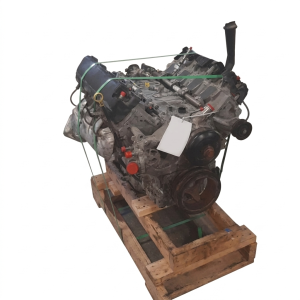
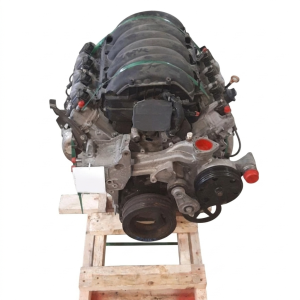
Used OEM Parts in Stock


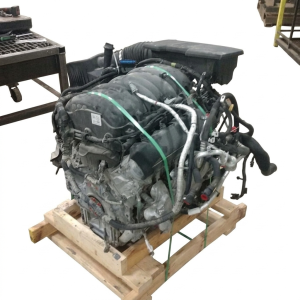
New Aftermarket Parts Available


The information in this article is provided for general reference and educational purposes only. Vehicle specifications, procedures, and part compatibility can vary by production date, trim level, and region. Always consult your vehicle's factory service manual and verify part numbers before purchasing or performing repairs. Safety-critical components such as airbags, seat belts, and braking systems should be installed by a qualified professional.
- GMC Sierra 1500:
- 🎬 Helpful Videos
- 🛍️ Shop This Part
- What's Unique About the 2014-2019 GMC Sierra 1500
- Symptoms You May Notice
- Most Likely Causes
- Rare But Worth Checking
- Diagnosis Steps
- Parts You'll Likely Need
- Related Codes That Often Appear With This One
- Technical Service Bulletins (TSBs) & Recalls
- Platform-Specific Known Issues
- Mechanic-Grade Diagnostic Values
- Scan Tool Commands That Help
- Wiring & Ground Locations
- Real Owner Repair Stories
- OEM Part Supersession History
- Model Year Variations Within This Range
- Diagnostic Flowchart
- Other Known Issues on This Vehicle
- Used vs. New Parts: Buying Guide for This Vehicle
- Real Owner Stories
- 2019 GMC Sierra 1500 LT 5.3L V8
- 2014-2019 GMC Sierra 1500 L83 5.3L V8
- 2014-2019 GMC Sierra 1500 L83 5.3L V8 — ~80000 miles
- Related OBD-II Codes
- Frequently Asked Questions
- 🎟️ Get 5% Off