

P0014 on 2021-2024 Ford Bronco 2.7L: Exhaust Cam Timing Over-Advanced Causes and Fixes
For the 2021-2024 Ford Bronco with the 2.7L EcoBoost, code P0014 is most commonly caused by low or dirty engine oil. Before buying parts, check your oil level and quality. If the oil is fine, the next most likely culprit is a faulty Variable Camshaft Timing (VCT) solenoid for Bank 1. This is a well-documented issue on Ford EcoBoost engines, often caused by small debris in the oil.
- The most likely cause for P0014 on your Bronco is an issue with the engine oil (low level, wrong type, or poor condition). Always check and correct this first.
- If the oil is fine, the Bank 1 exhaust VCT solenoid is the next most probable culprit. It's a relatively cheap part and can be replaced with moderate DIY skill.
- Do not immediately assume a major mechanical failure like a bad cam phaser or timing chain. These are less likely and should be diagnosed only after ruling out oil and solenoid issues.
- Ignoring this code can lead to reduced performance, poor fuel economy, and the potential for more severe engine damage down the road.
What's Unique About the 2021-2024 Ford Bronco
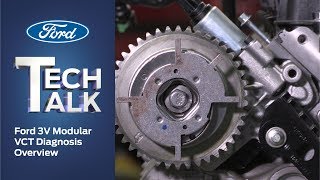
The 2.7L EcoBoost V6 in the Bronco uses a sophisticated dual overhead cam design with four VCT solenoids to control oil flow to the cam phasers. While the P0014 code is generic, on modern Ford engines it is frequently linked to oil condition or VCT solenoid issues. Ford has issued multiple service messages (like SSM 48423) for other models with EcoBoost engines, pointing to debris causing these solenoids to stick and advising a simple cycling test with a scan tool 🎬 Watch: Ford technicians explain the VCT diagnostic process before replacement. Additionally, the 2.7L EcoBoost engine has a known history in other platforms for valvetrain sensitivity, including a major NHTSA investigation into premature valve failures on early 2021-2022 models, making proper oil maintenance and monitoring especially critical.
Symptoms You May Notice
- Check Engine Light is on
- Rough or unstable idle
- Poor acceleration or sluggish performance
- Engine stalling
- Decreased fuel economy
- Rattling noise from the engine on startup
- Engine may enter 'limp mode' to prevent damage
- Replacing the camshaft position sensor first. While it's part of the system, the sensor itself is rarely the cause for an over-advanced timing code; the issue is usually with the mechanical or hydraulic components it's monitoring.
- Immediately replacing cam phasers or the timing chain. These are expensive repairs and should only be performed after ruling out the much more common and cheaper causes like oil issues and faulty VCT solenoids.
Most Likely Causes
- Low or Dirty Engine Oil 🔴 High Probability The VCT system is hydraulically operated, making it extremely sensitive to oil level, viscosity, and cleanliness. Dirty oil or sludge can clog the small passages in the VCT solenoids and cam phasers. Ford platforms with EcoBoost engines are noted for this sensitivity.
How to confirm: Check the engine oil dipstick for level and inspect the oil's color and consistency. If it's low, dark black, or sludgy, it needs to be changed. An owner of a related vehicle (Edge with 2.7L) reported P0014 was caused by a low-quality aftermarket oil filter, which was resolved by switching to an OEM Motorcraft filter. In another Ford model, NHTSA ODI #11531784 noted that P0014 was present alongside metal contamination in the oil despite regular maintenance.
Typical fix: Change the engine oil and filter using the correct viscosity specified by Ford for the 2.7L EcoBoost (typically a full synthetic 5W-30) and a high-quality filter.
Est. part cost: $60-$100 - Faulty VCT Solenoid (Oil Control Valve) 🟡 Medium Probability These solenoids can get clogged with debris from the oil or fail electrically, causing them to stick open or closed. This is a very common failure point on many modern engines with VVT systems, and Ford has issued TSBs for other models acknowledging that debris can cause the solenoids to stick. NHTSA ODI #11606356 describes a powertrain malfunction and reduced power mode occurring when P0014 and P0012 were triggered together.
How to confirm: A diagnostic scan tool can command the solenoid to cycle. You can also remove the solenoid and inspect its screen for debris. Swapping the suspect exhaust solenoid with the intake solenoid on the same bank and seeing if the code changes to P0011 (Intake) is a common and effective diagnostic trick. Resistance can be tested with a multimeter; a typical reading is between 6.9-7.9 Ohms.
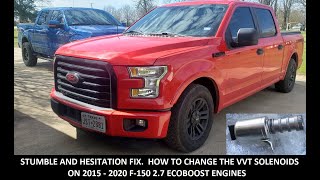
Typical fix: Replace the Bank 1 exhaust VCT solenoid. 🎬 Watch this walkthrough on how to change the VVT solenoids The 2.7L EcoBoost has four VCT solenoids in total, two per bank (one intake, one exhaust).
Est. part cost: $30-$80 - Failing Cam Phaser ⚪ Low Probability While more known on other Ford engines like the 3.5L EcoBoost which has specific TSBs for cold start rattle (e.g., TSB 23-2143), cam phaser issues can occur on the 2.7L as well. They can fail to lock in place or respond correctly to oil pressure changes. A TSB for the 2.7L EcoBoost (23-2049) notes that a cold start rattle can be due to stuck internal VCT unit components requiring replacement.
How to confirm: This is a more complex diagnosis. A distinct rattling, ticking, or tapping sound from the front of the engine on cold starts is a strong indicator. Professional diagnosis is often required as it involves significant labor to access the timing components. NHTSA ODI #11660897 reports a case where P0014 was accompanied by an abnormal rattling sound from the engine, which was diagnosed as failing cam phasers and timing chain.
Typical fix: Replacement of the cam phaser(s), which is a labor-intensive job that also typically includes replacing the timing chain and tensioners.
Est. part cost: $200-$500 for phasers, but the total job is much more.
Rare But Worth Checking
- Stretched Timing Chain: While not as common as solenoids, a stretched timing chain can cause the camshaft timing to be off, triggering this code. This is usually accompanied by a rattling noise and is a serious mechanical issue that can lead to catastrophic engine failure in interference engines.
- Faulty Camshaft Position Sensor: It's possible for the sensor that reads the camshaft's position to fail, but it's less common for it to cause an over-advanced code specifically. This would more likely trigger a different sensor-specific code, such as P0365.
- Wiring or Connector Issues: Damaged wiring or a loose, corroded connector at the VCT solenoid can interrupt the signal from the PCM, causing the solenoid to malfunction. This should be visually inspected before replacing parts.
Diagnosis Steps
- Verify the code with an OBD-II scanner.
- Check the engine oil level and condition. If low, top it off. If old or dirty, perform an oil and filter change with the manufacturer-specified oil and a quality filter (Motorcraft is recommended). Clear the code and drive to see if it returns.
- Listen for engine noises. A brief rattle on a cold start can indicate cam phaser or timing chain issues.
- Inspect the wiring and connector for the Bank 1 exhaust VCT solenoid (passenger side, exhaust cam). Ensure it's secure and free of damage or corrosion.
- Using a capable scan tool (like Ford's IDS), command the VCT solenoid to cycle and monitor the camshaft position PIDs. Ford has a specific pinpoint test (HK11/HK12) to cycle the solenoid 10 times to clear debris.
- If the solenoid is suspected, remove it. Inspect the mesh screens for sludge or debris. Clean it with a suitable cleaner and test its resistance with a multimeter. The expected resistance is between 6.9 and 7.9 Ohms at 68°F (20°C).
- A common DIY diagnostic is to swap the Bank 1 exhaust solenoid with the Bank 1 intake solenoid. Clear the codes. If the code returns as P0011 (Intake), you have confirmed the solenoid is faulty.
- If the solenoid and oil are good, the issue may be more severe. At this point, testing oil pressure and inspecting the timing components (cam phasers, timing chain) is necessary, which may require a professional mechanic.
Parts You'll Likely Need
- Variable Camshaft Timing (VCT) Solenoid
(OEM #JL3Z-6M280-C (Verify with VIN))— This is the most common part to fail or get clogged, directly causing the timing control issue. It's relatively inexpensive and accessible.
Trusted brands: Motorcraft, Dorman
OEM price range: $40-$80
Aftermarket price range: $25-$50 - Engine Oil and Filter
(OEM #Motorcraft FL-500S (Filter))— Incorrect, low, or dirty oil is a primary cause of VCT system faults. An oil change is the first and most crucial step in troubleshooting.
Trusted brands: Motorcraft, Mobil 1, Pennzoil
OEM price range: $60-$100
Aftermarket price range: $50-$80
Related Codes That Often Appear With This One
- P0011 — Intake ('A') Camshaft Position Timing Over-Advanced (Bank 1). If you see both P0011 and P0014, it could point to a more significant oil pressure/delivery issue on Bank 1 or a timing correlation problem.
- P0024 — Exhaust ('B') Camshaft Position Timing Over-Advanced (Bank 2). If both P0014 and P0024 are present, it suggests a problem affecting the entire engine, such as extremely low/dirty oil or a systemic oil pressure problem.
- P0016 — Crankshaft/Camshaft Position Correlation Error (Bank 1). This indicates a more serious timing misalignment between the crankshaft and the Bank 1 camshafts, possibly due to a stretched timing chain or a jumped tooth.
Technical Service Bulletins (TSBs) & Recalls
- SSM 48423: For various 2015-2020 Ford/Lincoln vehicles, notes that codes like P0014 can be caused by small debris causing the VCT solenoid to stick. Recommends cycling the solenoid with a scan tool before replacement.
- TSB 23-2143 (Supersedes 22-2200): While specific to the 3.5L EcoBoost, it details the cold start rattle associated with cam phaser failure, a symptom that can also be seen with the 2.7L engine.
- SSM 47922: A service tip for 2.7L/3.0L EcoBoost engines, highlighting the importance of inspecting the oil filter housing center stem during an oil change to ensure it is not separated, which could affect oil pressure and trigger VCT codes.
- TSB 23-2049: For 2019-2023 2.7L EcoBoost engines in other platforms, this addresses a cold start ticking/tapping or rattle noise caused by stuck internal components of the VCT unit, requiring replacement.
Platform-Specific Known Issues
- While no specific TSB for P0014 on the 2021-2024 Bronco was found, Ford has issued service messages (like SSM 48423 and SSM 47170) for other 2015-2021 models with similar engines, pointing to debris in VCT solenoids as a common cause for cam timing codes.
- The 2.7L EcoBoost engine in early 2021 Broncos was subject to an NHTSA investigation for catastrophic valve failures. This was traced to a bad batch of intake valves made from 'Silchrome Lite' alloy that could fracture. While this is a separate issue from VCT control, it highlights the valvetrain's sensitivity in early production models. Most failures occurred at very low mileage (<10,000 miles).
Mechanic-Grade Diagnostic Values
- VCT Solenoid Internal Resistance — expected: 6.9 to 7.9 Ohms at 68°F (20°C). Failure: A reading of 0 Ohms (short), OL/infinite (open), or a value significantly outside the specified range indicates a faulty solenoid coil.
- VCT Solenoid Connector Voltage (Power Pin) — expected: Battery Voltage (approx. 12V) with Key On, Engine Off. Failure: Voltage significantly below battery voltage (e.g., <10.5V) indicates a wiring or power supply issue.
- Scan Tool VCT Advanced Error PID (e.g., VCT_ERR) — expected: Should be close to 0° (+/- 5°) when the system is in closed-loop operation.. Failure: A consistent, large deviation from 0° indicates the camshaft is not tracking the PCM's command, pointing to a mechanical or hydraulic fault.
Scan Tool Commands That Help
- Ford IDS (or equivalent high-end scanner): VCT Solenoid Pinpoint Test (e.g., HK11 or HK12) — This bidirectional command cycles the VCT solenoid rapidly (e.g., 10 times) to dislodge small debris that may be causing it to stick. Ford TSBs recommend performing this test before replacing the solenoid.
- Ford IDS (or equivalent high-end scanner): VCT Solenoid On/Off Command — Used to manually activate and deactivate the solenoid. With the engine running at idle, activating the solenoid should cause a noticeable change in engine idle quality or may even stall the engine, confirming the solenoid is mechanically responding to commands.
Wiring & Ground Locations
- VCT Solenoid Connectors — On the 2.7L EcoBoost, the four VCT solenoids and their electrical connectors are located on the top of the cylinder heads, outside of the valve covers, making them relatively easy to access.. This is the primary point for electrical testing (checking for 12V power and resistance). Damage or corrosion at this 2-pin connector can interrupt the signal from the PCM, causing the solenoid to malfunction.
- VCT Solenoid Power Feed — Power is supplied from the PCM Power Relay through a fuse in the Battery Junction Box (underhood fuse panel).. A problem with the fuse or relay would typically affect multiple VCT solenoids and set additional codes (e.g., P0010, P0020, P0023), not just P0014 in isolation.
Real Owner Repair Stories
- Ford Edge Forum user (Ford Edge with 2.7L EcoBoost (mechanically similar)) — Check engine light with P0014 immediately after an oil change at a quick-lube shop.
❌ Tried (didn't work) Clearing the code (it returned immediately), Replacing the Bank 1 exhaust VCT solenoid
✅ What actually fixed it The owner discovered the quick-lube shop had used a low-quality, non-spec oil filter. Replacing the cheap filter with an OEM Motorcraft oil filter and performing another oil change with the correct oil permanently resolved the code. - Ford F150 Forum user (2018 Ford F-150 2.7L EcoBoost) — Check engine light with codes P0011 and P0016, random changes in engine power, and stalling at red lights.
✅ What actually fixed it Replaced all four VVT solenoids and performed an oil change. The truck ran smoothly after the repair. - NHTSA ODI #11671735 — An owner reported that after the check engine light displayed P0012 and P0014, a dealer inspection found excessive carbon buildup after scoping the cylinders.
- NHTSA ODI #11727408 — A report describes the engine suddenly rattling and smoking, with a dealership pulling codes P0012 and P0014 alongside misfire codes.
"I Checked Everything" — The Actual Cause
- In a case on a mechanically similar 2.7L EcoBoost, a new VCT solenoid did not fix the P0014 code. The root cause was found to be a low-quality aftermarket oil filter installed during a recent oil change, which was presumably restricting oil flow to the VCT system. The fix was a new OEM Motorcraft filter and another oil change.
OEM Part Supersession History
Varies by engine and year→Varies— Ford often updates VCT solenoid designs to improve reliability and prevent sticking, which is a known issue acknowledged in multiple TSBs.
Heads up: It is critical to use the correct part number for your specific engine and model year. While solenoids may look similar, their internal calibration can differ. On the 2.7L EcoBoost, all four solenoids are often the same part number, but this should always be verified with the vehicle's VIN.
Model Year Variations Within This Range
- 2021-2024: The core 2.7L EcoBoost engine and its VCT system design are consistent across this model year range. The diagnostic approach and common causes for P0014 remain the same.
Diagnostic Flowchart
Other Known Issues on This Vehicle
Issues unrelated to this code that are worth knowing about as an owner of this generation:
- Catastrophic Intake Valve Failure 🔴 High — Primarily affects early production 2021-2022 models. Failures typically occurred at very low mileage (under 10,000 miles). A bad batch of valves made from 'Silchrome Lite' alloy was identified as the cause. (Ref: NHTSA Investigation PE22-005, upgraded to Engineering Analysis EA23-002.)
- Leaking Plastic Oil Pan 🟠 Medium — More common on the first-generation 2.7L EcoBoost (pre-2018) but can still occur. The plastic pan's seal can degrade after many heat cycles, causing leaks. (Ref: TSB 19-2205 was issued for earlier F-150 models with this issue.)
- Carbon Buildup on Intake Valves 🟡 Low — A common issue for all direct-injection engines. The 2nd generation 2.7L EcoBoost (2018+) added port injection to mitigate this, but it can still occur over high mileage, leading to rough idle and performance loss.
- Excessive Oil Consumption 🟠 Medium — Some owners report higher than normal oil consumption, which can be linked to leaking valve stems or issues with the PCV system.
Used vs. New Parts: Buying Guide for This Vehicle
When a used part is the smart pick: For this specific repair, buying a used VCT solenoid is not recommended. The primary failure modes are internal clogging from oil debris and electrical failure, both of which are significant risks with a used part from a donor vehicle. Given the relatively low cost of new OEM or aftermarket parts, the risk outweighs the potential savings.
OEM-only on this vehicle (don't cheap out):
- Oil Filter: While not strictly 'OEM-only', using a high-quality filter that meets Ford specifications, such as Motorcraft, is critical. A real-world repair story proved a low-quality aftermarket filter directly caused a P0014 code.
- Timing Chain & Phasers: If the issue is diagnosed as a more serious timing component failure, these parts should always be purchased new from OEM or a highly reputable aftermarket supplier to ensure longevity and proper function.
Aftermarket brands forum-validated for this vehicle:
- Dorman (for VCT Solenoids)
Brands owners have reported issues with on this vehicle:
- Generic or 'white-box' oil filters from quick-lube service centers have been anecdotally linked to causing this code.
Real Owner Stories
Aggregated from forums and TSBs cited above. Mileages and costs reflect what owners reported in those sources.
2021 Ford Bronco 2.7L EcoBoost — ~8000 miles
Symptoms: Catastrophic engine failure involving a dropped intake valve.
What fixed it: This specific issue was traced to a bad batch of intake valves made from 'Silchrome Lite' alloy; however, for VCT-specific codes like P0014, Ford recommends cycling the solenoid or checking for debris.
Source hint: Bronco6G Forum - '2.7L Engine Failure (Dropped Valve)' thread
2019 Ford Edge 2.7L EcoBoost — ~45000 miles
Symptoms: P0014 code triggered after an oil change.
What fixed it: Switching from a low-quality aftermarket oil filter to an OEM Motorcraft filter.
Source hint: Article Context - Owner of a related vehicle (Edge with 2.7L) reported in common_causes
Related OBD-II Codes
Frequently Asked Questions
Can I use any oil filter on my 2.7L EcoBoost Bronco to prevent P0014?
Is there a specific TSB for cold start rattles on the 2.7L engine?
My Bronco has a rattling noise on startup; does this mean the cam phasers are failing?
What is the recommended oil for the 2021-2024 Bronco 2.7L to avoid VCT issues?
Is the P0014 code related to the intake valve failure investigation on 2021 Broncos?
How can I tell if the VCT solenoid is actually bad without buying a new one?
Helpful Videos

Used OEM Parts in Stock


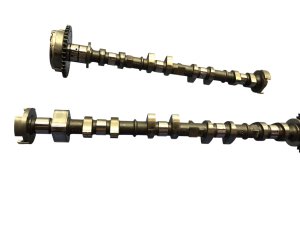

New Aftermarket Parts Available

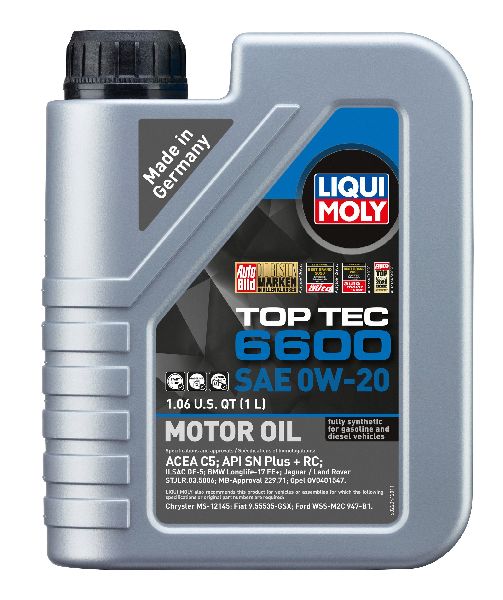
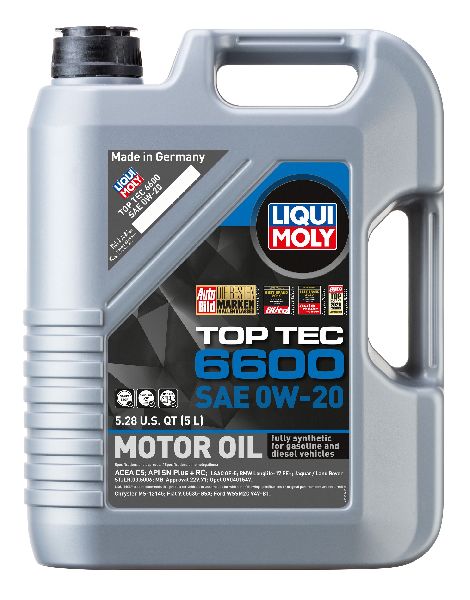

The information in this article is provided for general reference and educational purposes only. Vehicle specifications, procedures, and part compatibility can vary by production date, trim level, and region. Always consult your vehicle's factory service manual and verify part numbers before purchasing or performing repairs. Safety-critical components such as airbags, seat belts, and braking systems should be installed by a qualified professional.
- Ford Bronco:
- 🎬 Helpful Videos
- 🛍️ Shop This Part
- What's Unique About the 2021-2024 Ford Bronco
- Symptoms You May Notice
- Most Likely Causes
- Rare But Worth Checking
- Diagnosis Steps
- Parts You'll Likely Need
- Related Codes That Often Appear With This One
- Technical Service Bulletins (TSBs) & Recalls
- Platform-Specific Known Issues
- Mechanic-Grade Diagnostic Values
- Scan Tool Commands That Help
- Wiring & Ground Locations
- Real Owner Repair Stories
- "I Checked Everything" — The Actual Cause
- OEM Part Supersession History
- Model Year Variations Within This Range
- Diagnostic Flowchart
- Other Known Issues on This Vehicle
- Used vs. New Parts: Buying Guide for This Vehicle
- Real Owner Stories
- 2021 Ford Bronco 2.7L EcoBoost — ~8000 miles
- 2019 Ford Edge 2.7L EcoBoost — ~45000 miles
- Related OBD-II Codes
- Frequently Asked Questions
- 🎟️ Get 5% Off