

P0012 on 2015-2024 Ford Edge: Intake Cam Timing Over-Retarded Causes and Fixes
On the Ford Edge with an EcoBoost engine, P0012 is most often caused by low or dirty engine oil, or a faulty Variable Camshaft Timing (VCT) solenoid. Always check the oil first; an oil change may fix it. If not, replacing the Bank 1 intake VCT solenoid is the next likely repair. For the 2.0L, this code can be a symptom of a serious coolant leak into the engine (TSB 19-2346).
- Always check your engine oil level and condition first. An oil and filter change is the cheapest and most common fix.
- If the oil is fine, the Bank 1 intake VCT solenoid is the next most likely part to have failed. It's a straightforward replacement on the 2.0L, but labor-intensive on the 2.7L V6.
- For 2.0L EcoBoost owners, if you also have misfires or are losing coolant, investigate the coolant intrusion TSB immediately, as this indicates a much more severe engine problem.
- Do not replace the camshaft position sensor; it is almost never the cause of this code.
What's Unique About the 2015-2024 Ford Edge
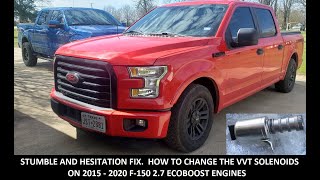
For the 2.0L EcoBoost engine, this code can be an early and critical warning sign of a serious internal coolant leak, a known issue where a flaw in the engine block allows coolant into the cylinders. This contaminates the engine oil, causing sludge that clogs the VCT system and can lead to complete engine failure requiring a long block replacement. On the 2.7L EcoBoost V6, the VCT solenoids for Bank 1 are located against the firewall, making their replacement significantly more labor-intensive than on the 2.0L engine, often requiring removal of the upper intake manifold. 🎬 See this walkthrough for changing VVT solenoids on the 2.7L engine. In both engines, the VCT system is highly sensitive to oil quality, and Ford has issued service messages (like SSM 48423) noting that debris in the oil can cause solenoids to stick.
Generation note: The 2015-2024 model years cover the second generation of the Ford Edge. A facelift occurred in 2019 with minor powertrain updates, but the causes and fixes for P0012 are consistent across this entire generation. The known 2.0L coolant intrusion issue primarily affects 2015-2018 models, per TSB 19-2346.
🎬 Watch: Understanding the 2.0L coolant intrusion and TSB 19-2346.Symptoms You May Notice
- Check Engine Light is on
- Rough idle or engine vibration
- Poor acceleration or hesitation
- Reduced fuel economy
- Engine stalling, especially at low speeds
- Hard starting condition
- Rattling noise from the engine, especially on startup
- Sluggish engine performance
- Replacing the camshaft position sensor. The sensor is almost always working correctly; it is accurately reporting the mechanical timing problem. The fault lies with the oil, the solenoid, or the mechanical phaser, not the sensor itself.
Most Likely Causes
- Low, Dirty, or Incorrect Viscosity Engine Oil 🔴 High Probability The EcoBoost VCT system uses oil pressure to adjust cam timing. The oil passages are very small and can be easily clogged by sludge or debris from old oil, starving the system of pressure. Ford TSBs directly link VCT codes to debris in the oil.
How to confirm: Check the engine oil dipstick for level and examine the oil's color and consistency. If it is dark, thick, or below the minimum level, it needs to be changed.
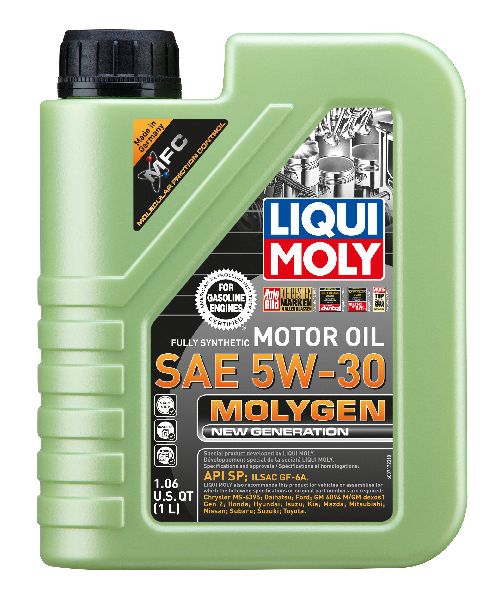
Typical fix: Perform an engine oil and filter change using the Ford-specified full synthetic oil (e.g., Motorcraft) of the correct viscosity. Clear the codes and test drive. Many owners have reported this alone solves the problem.
Est. part cost: $50-$100 - Faulty Intake VCT Solenoid (Oil Control Valve) 🔴 High Probability The solenoid can become clogged with debris from the oil or fail electronically, causing it to get stuck. This prevents it from accurately controlling oil flow to the camshaft phaser. Ford acknowledges this is common and even issued a procedure (Pinpoint Test HK) to cycle the solenoid with a scan tool to try and clear debris before replacement.
How to confirm: Use a scan tool to command the solenoid on and off while monitoring camshaft position data. A more straightforward DIY method is to swap the intake VCT solenoid with the exhaust VCT solenoid (if they are identical parts) and see if the code changes to P0014 (Exhaust Camshaft Position). A dead solenoid will not click when 12V is applied.
Typical fix: Replace the Bank 1 intake VCT solenoid. On the 2.7L V6, this is a labor-intensive job as the solenoid is on the firewall side of the engine.
Est. part cost: $40-$120 - Failing Camshaft Phaser 🟡 Medium Probability The mechanical phaser gear can wear out, get clogged with sludge, or the internal locking pin can fail, causing it to get stuck in the retarded position. This is a known issue on some EcoBoost engines, often signaled by a loud startup rattle.
How to confirm: This is difficult to confirm without ruling out the oil and solenoid first. A distinct rattling noise from the top of the engine on cold startups is a strong indicator of a failing phaser. TSB 23-2356 addresses this symptom on the 2.7L EcoBoost. Professional diagnosis is often required.
Typical fix: Replace the camshaft phaser, which is a significant mechanical repair that often includes replacing the timing chain and tensioners at the same time.
Est. part cost: $150-$400
Rare But Worth Checking
- Internal Engine Coolant Leak (2.0L EcoBoost): A known block design flaw in 2015-2018 models can allow coolant to leak into the cylinders (TSB 19-2346). This contaminated oil turns to sludge, which then clogs the VCT solenoids and causes timing codes like P0012. If you have P0012 along with misfires (P030x), white exhaust smoke, or unexplained coolant loss, this is a very likely and serious cause that may require engine replacement.
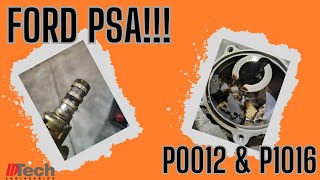
- Disintegrated Brake Vacuum Pump (2.0L EcoBoost): The mechanical brake vacuum pump, driven by the camshaft, can fail internally. When its plastic impeller disintegrates, the debris enters the engine oil. This plastic shrapnel travels through the engine and clogs the fine mesh screens on the VCT solenoids, starving them of oil and causing P0012. This often occurs after a hard brake pedal symptom.
- Stretched Timing Chain or Failed Tensioner: While less common than oil or solenoid issues, excessive slack in the timing chain can cause the base timing to be off, leading to this code. This is usually accompanied by a persistent rattling noise from the front of the engine.
Diagnosis Steps
- Check Engine Oil: Verify the oil level is correct and the oil is clean. If low or dirty, perform an oil and filter change with the manufacturer-specified grade. This is the cheapest and most common fix. Clear the code and see if it returns.
- Scan for Other Codes: Use an OBD-II scanner to check for any other pending or active codes, especially misfire (P030x) or Bank 2 timing codes (P0022), which can provide important diagnostic clues.
- Inspect VCT Solenoid: Locate the Bank 1 intake VCT solenoid on top of the valve cover. Check its electrical connector for damage or oil contamination. You can test the solenoid by applying 12V to its terminals to see if it clicks; no click means it's dead.
- Swap VCT Solenoids (if applicable): On the 2.0L engine, the intake and exhaust VCT solenoids are often interchangeable. Swap them, clear the codes, and drive the vehicle. If the code changes to P0014 ('B' Camshaft Over-Retarded), the solenoid you moved is faulty.
- Investigate Coolant Intrusion (2.0L EcoBoost): If you have a 2.0L engine (especially 2015-2018) and are experiencing coolant loss, white smoke, or misfires, this is a critical step. A cooling system pressure test and cylinder leak-down test are necessary to check for the known coolant intrusion issue per TSB 19-2346.
- Mechanical Inspection: If the oil and solenoid are good, the issue is likely mechanical. Listen for a cold-start rattle, which points to a bad phaser. A full inspection of the timing chain, guides, and phasers by a professional may be required.
Parts You'll Likely Need
- Engine Variable Valve Timing (VVT) Solenoid / VCT Solenoid
(OEM #CJ5Z-6M280-A or CM5Z-6M280-D (Motorcraft, for 2.0L))— This is the most common part to fail. It gets clogged with debris or fails electronically, preventing correct oil flow to the cam phaser. The BL3Z-6M280-B from pass 1 is more common for the 3.5L V6, while the CJ5Z/CM5Z parts are correct for the 2.0L EcoBoost.
Trusted brands: Motorcraft, Dorman, Standard Motor Products (SMP)
OEM price range: $85-$120
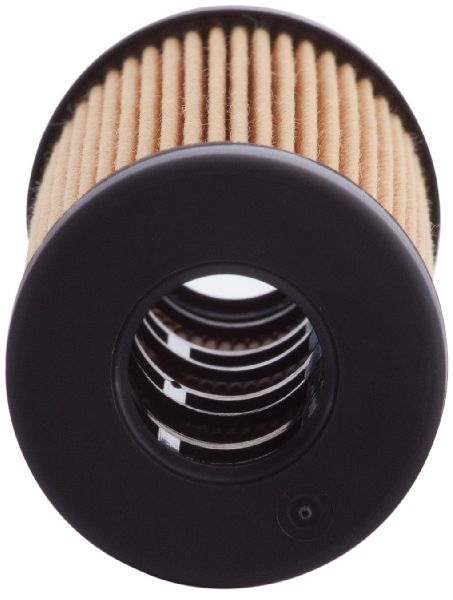
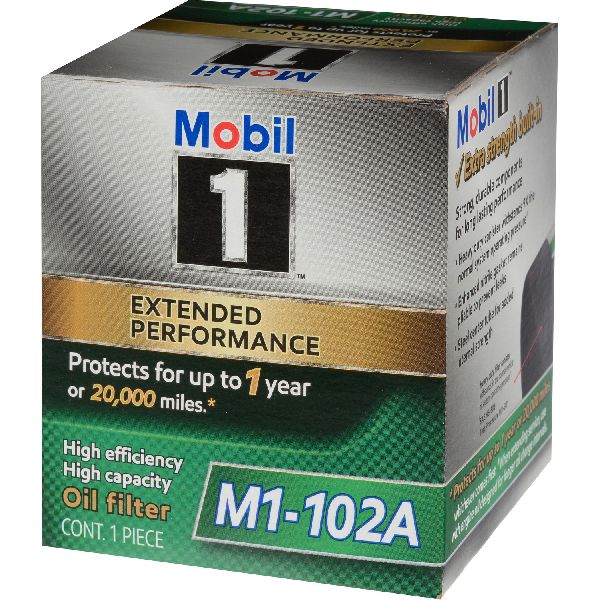
Aftermarket price range: $40-$80 - Engine Oil and Filter — Low or contaminated oil is the leading cause of P0012. An oil change is the first and most important diagnostic step.
Trusted brands: Motorcraft, Mobil 1, Pennzoil
OEM price range: $50-$100
Aftermarket price range: $40-$80
Related Codes That Often Appear With This One
- P0022 — This is the same over-retarded timing code for Bank 2 (front bank on the 2.7L V6). Seeing P0012 and P0022 together strongly suggests a systemic problem affecting the whole engine, like low oil pressure or severe oil contamination.
- P0300, P0301, P0302, etc. — Misfire codes can be triggered if the incorrect cam timing is severe enough to affect combustion. On the 2.0L, misfire codes combined with P0012 are a major red flag for the coolant intrusion issue described in TSB 19-2346.
- P0011, P0014, P0021, P0024 — Other camshaft timing codes may appear if the VCT system is acting erratically or if a widespread oiling problem is affecting multiple solenoids or phasers.
- P1450 — Unable to bleed up fuel tank vacuum. This code is unrelated to the timing system but has been observed appearing at the same time as P0012 in some diagnostic videos, suggesting a vehicle may have multiple unrelated faults.
Technical Service Bulletins (TSBs) & Recalls
- TSB 19-2346: 2.0L EcoBoost - Coolant In Cylinders: For 2015-2018 Edge and other models with the 2.0L EcoBoost, this TSB addresses an engine block flaw causing coolant to leak into cylinders. This contaminates oil, causes misfires (P030x), and can trigger VCT codes like P0012. The prescribed fix is a long block engine replacement.
- SSM 48423: Sticking VCT Solenoid from Debris: This Special Service Message notes that P0012 can be caused by small debris causing the VCT solenoid to stick. It advises technicians to use a scan tool to cycle the solenoid 10 times to attempt to clear the debris before replacing the part.
- TSB 23-2356: 2.7L EcoBoost Cold Start Rattle: Addresses a cold start rattle noise on 2019-2023 models with the 2.7L engine, which can be related to failing cam phasers that also cause timing codes like P0012.
- TSB 20-2212: Flexplate Crack Rattle Noise: For 2015-2018 Edge models with the 2.0L engine, this TSB addresses a rattle noise from a cracked flexplate, an unrelated but common issue on this platform.
Platform-Specific Known Issues
- On 2.0L EcoBoost engines, P0012 can be a symptom of oil contamination caused by a known coolant intrusion defect (TSB 19-2346), which may require a complete engine replacement.
- On 2.7L EcoBoost V6 engines, the Bank 1 VCT solenoids are on the rear of the engine, making access difficult and labor costs for replacement much higher than on the 2.0L.
- Failure of the brake vacuum pump on the 2.0L EcoBoost can send plastic debris into the oil, clogging the VCT solenoids and causing this code.
Mechanic-Grade Diagnostic Values
- VCT Solenoid (OCV) Internal Resistance — expected: 6.9 to 7.9 Ohms at 68°F (20°C). Some service literature gives a broader range of 5.0 to 14.0 Ohms.. Failure: A reading of infinite resistance (OL) indicates an open coil, while a reading near zero indicates a short. Either requires replacement.
- Scan Tool PID: VCT Advance Error (e.g., VCT_INT_DIF1 or VCT_ADV_ERR) — expected: Should be close to 0 degrees at a stable, warm idle.. Failure: A consistent deviation greater than +/- 5 degrees indicates the camshaft is not tracking the commanded position, pointing to a sticking solenoid, low oil pressure, or a mechanical phaser issue.
- VCT Solenoid Connector Voltage — expected: Approximately 12V (Battery Voltage) on the power supply wire with Key On, Engine Off.. Failure: Voltage significantly below battery voltage suggests a wiring issue, blown fuse, or problem with the PCM driver circuit.
Hidden / Shadow Codes Worth Checking
- Mode $06, Monitor ID: VVT Monitor Bank 1, Component ID: $31: This is a non-continuous on-board monitor that tests the response time and performance of the VCT system. A test failure here can indicate an emerging problem with the VCT solenoid, phaser, or oil flow before a persistent DTC like P0012 is logged. (see via A professional scan tool or an advanced OBD-II scanner (like FORScan) that can display Mode $06 test results.)
Scan Tool Commands That Help
- Ford IDS, FORScan: Pinpoint Test HK11 / HK12: VCT Solenoid Cycle Test — This is a Ford-recommended bidirectional test to run after checking oil but before replacing a VCT solenoid. The command cycles the suspect solenoid on and off 10 times, which can dislodge small debris causing it to stick. If the code clears after this test, it confirms the issue was a temporary blockage, potentially saving the cost of a new part.
Wiring & Ground Locations
- G103 — Located at the left rear of the engine compartment on the cowl, often above the brake booster.. This is a primary ground point for the Powertrain Control Module (PCM). A poor or corroded connection here can cause erratic PCM behavior, leading to a wide range of phantom codes and incorrect readings from sensors and actuators, including the VCT system.
- VCT Solenoid Connector — Plugged directly into the top of the VCT solenoid on the engine's valve cover.. This is the primary point for all electrical testing of the solenoid. Check for pin fitment, corrosion, and oil contamination, which can wick up into the harness and cause intermittent connection issues.
Real Owner Repair Stories
- YouTube channel 'Ford Tech Makuloco', referenced in multiple diagnostic articles. (Ford Escape with 2.0L EcoBoost (mechanically similar to Edge)) — Hesitation on acceleration and trouble codes P0012 and P1016 appeared immediately after replacing a failed brake vacuum pump.
❌ Tried (didn't work) The initial focus was on the timing system itself, as indicated by the P0012 code.
✅ What actually fixed it The root cause was the original brake vacuum pump, which had disintegrated internally. Plastic debris from the pump's impeller contaminated the engine oil, traveled through the oil galleys, and completely clogged the fine mesh screens on both the intake and exhaust VCT solenoids. The fix was to remove the valve cover, replace both VCT solenoids, and perform a thorough oil and filter change to remove the debris. - YouTube channel 'Schrodinger's Box Q.M.' (2009 Ford Edge (first generation, but illustrates a critical principle)) — Owner was driving with an active P0012 code when the engine died and would not restart (no crank).
❌ Tried (didn't work) Initial diagnosis of the no-crank condition.
✅ What actually fixed it The vehicle was not repaired. Diagnosis found the engine oil dipstick was completely dry. The P0012 code was a direct result of oil starvation, which ultimately led to catastrophic engine seizure. This serves as a critical warning about the severity of ignoring oil-related timing codes.
"I Checked Everything" — The Actual Cause
- A standard diagnosis for P0012 focuses on oil quality, the VCT solenoid, and timing components. However, in cases involving the 2.0L EcoBoost, if the vehicle recently had a hard brake pedal or a brake vacuum pump failure, the root cause of P0012 may not be a simple failed solenoid, but rather oil contamination. The vacuum pump can disintegrate, sending plastic debris into the oil, which then clogs the VCT solenoid screens. A technician who just replaced the vacuum pump might not immediately connect the new timing code to the prior repair, leading to a misdiagnosis.
OEM Part Supersession History
CM5Z-6M280-D→CM5Z-6M280-G— Standard part revision and improvement by the manufacturer.CM5Z-6M280-A→CM5Z-6M280-C— Standard part revision and improvement by the manufacturer.
Model Year Variations Within This Range
- 2019-2024: The 2019 facelift introduced an updated 2.0L EcoBoost engine with a 5hp increase and a new 8-speed automatic transmission. The Sport trim was replaced by the ST trim, which featured a revised 2.7L EcoBoost V6 with a 20hp increase to 335hp. While the P0012 causes are the same, part numbers for related components may differ on these updated powertrains.
Diagnostic Flowchart
Other Known Issues on This Vehicle
Issues unrelated to this code that are worth knowing about as an owner of this generation:
- 2.0L EcoBoost Coolant Intrusion 🔴 High — Common on 2015-2018 Edge models. A flaw in the engine block design allows coolant to leak into the cylinders, causing misfires, oil contamination, and eventual engine failure. (Ref: TSB 19-2346 (supersedes 19-2208))
- 2.7L EcoBoost Leaking Oil Pan 🟠 Medium — Widespread issue where the factory plastic oil pan and its sealant fail prematurely, causing a significant oil leak. The fix involves replacing the pan with an updated part and sealant. (Ref: TSB 23-2356 (addresses related cold start rattle))
- Power Transfer Unit (PTU) Failure (AWD Models) 🔴 High — The PTU (transfer case) can overheat due to its small fluid capacity and lack of a drain plug, leading to fluid breakdown and gear failure. Often occurs between 80,000-120,000 miles and results in loss of AWD.
- Cracked Flexplate (2.0L EcoBoost) 🟠 Medium — A rattling noise at idle can be a sign of a cracked flexplate on 2015-2018 models. If not addressed, it can shatter and cause a loss of power. (Ref: TSB 20-2212)
- Faulty Brake Booster 🟠 Medium — A tear in the brake booster diaphragm is common in 2015 models, leading to a hard brake pedal and a hissing noise. (Ref: Recall 23S12, Customer Satisfaction Program 13N02)
- SYNC Infotainment System Glitches 🟡 Low — Very common across many model years. Symptoms include a blank screen, unresponsiveness, Bluetooth connectivity issues, and backup camera failure. Often requires a software update or a module reset/replacement.
Used vs. New Parts: Buying Guide for This Vehicle
When a used part is the smart pick: For this specific repair, using used parts is strongly discouraged. The primary failure components (VCT solenoids, camshaft phasers) are highly susceptible to wear and oil contamination. A used solenoid may be just as clogged or worn as the part being replaced.
What to inspect on the donor part:
- Not applicable, as used parts are not recommended for VCT system components.
OEM-only on this vehicle (don't cheap out):
- Camshaft Phasers
- Timing Chains and Tensioners
Aftermarket brands forum-validated for this vehicle:
- Motorcraft (OEM)
- Dorman
- Standard Motor Products (SMP) / NTK
Real Owner Stories
Aggregated from forums and TSBs cited above. Mileages and costs reflect what owners reported in those sources.
2015-2024 Ford Edge 2.0L EcoBoost
Symptoms: Check engine light P0012 and a low oil pressure light were both active.
What fixed it: Performing a simple engine oil and filter change to replace dirty oil resolved both the code and the pressure light.
Source hint: YouTube: How To Fix Check Engine Light P0012
2015-2024 Ford Edge 2.0L EcoBoost
Symptoms: P0012 code appeared shortly after the brake vacuum pump was replaced.
What fixed it: Cleaning out plastic debris that had disintegrated from the brake vacuum pump and clogged the VCT solenoids.
Source hint: YouTube: 2.0 Ford Ecoboost Tips for P0012 & P1016
2009 Ford Edge — 150000 miles
Symptoms: P0012 code persisting even though the oil was recently changed.
What fixed it: The source describes a diagnostic scenario where fresh oil alone did not resolve the issue, requiring further investigation of the VCT system.
Source hint: Reddit r/AskMechanics: 09 Ford Edge 150K mi. P0012 code
2015-2024 Ford Edge 2.0L EcoBoost
Symptoms: Multiple codes including P0012, P0014, and P0420.
What fixed it: The issue was attributed to infrequent oil changes leading to VCT system failure.
Source hint: Ford Edge Forum: P0012, p0014, p0420 - 2.0L EcoBoost
Related OBD-II Codes
Frequently Asked Questions
Does TSB 19-2346 apply to my 2017 Ford Edge with the 2.0L EcoBoost?
I have a 2.7L EcoBoost V6; why is the labor cost for replacing the VCT solenoid so high?
Can a rattling noise on a cold start be related to my P0012 code?
Is it true that a brake component can cause this engine timing code on the 2.0L EcoBoost?
What is the 'Pinpoint Test HK' mentioned for Ford VCT issues?
Should I use a specific type of oil to prevent P0012 on my EcoBoost Edge?
Helpful Videos
Used OEM Parts in Stock


New Aftermarket Parts Available


The information in this article is provided for general reference and educational purposes only. Vehicle specifications, procedures, and part compatibility can vary by production date, trim level, and region. Always consult your vehicle's factory service manual and verify part numbers before purchasing or performing repairs. Safety-critical components such as airbags, seat belts, and braking systems should be installed by a qualified professional.
- Ford Edge:
- 🎬 Helpful Videos
- 🛍️ Shop This Part
- What's Unique About the 2015-2024 Ford Edge
- Symptoms You May Notice
- Most Likely Causes
- Rare But Worth Checking
- Diagnosis Steps
- Parts You'll Likely Need
- Related Codes That Often Appear With This One
- Technical Service Bulletins (TSBs) & Recalls
- Platform-Specific Known Issues
- Mechanic-Grade Diagnostic Values
- Hidden / Shadow Codes Worth Checking
- Scan Tool Commands That Help
- Wiring & Ground Locations
- Real Owner Repair Stories
- "I Checked Everything" — The Actual Cause
- OEM Part Supersession History
- Model Year Variations Within This Range
- Diagnostic Flowchart
- Other Known Issues on This Vehicle
- Used vs. New Parts: Buying Guide for This Vehicle
- Real Owner Stories
- 2015-2024 Ford Edge 2.0L EcoBoost
- 2015-2024 Ford Edge 2.0L EcoBoost
- 2009 Ford Edge — 150000 miles
- 2015-2024 Ford Edge 2.0L EcoBoost
- Related OBD-II Codes
- Frequently Asked Questions
- 🎟️ Get 5% Off