

P0771 on 2002-2006 Toyota Camry: Shift Solenoid 'E' Causes and Fixes
P0771 on a 2002-2006 Camry most often means the transmission fluid is low or dirty, or that Shift Solenoid 'E' (also called the SR solenoid) has failed. Start by checking the fluid. If the solenoid needs replacement, ensure you get the correct part for your 4-cylinder (U241E) or V6 (U140E/U151E) transmission. Expect to pay $150-$400 for the part.
- P0771 means Shift Solenoid 'E' is stuck or not responding correctly, causing shifting problems.
- The very first step is to check the transmission fluid level and condition. Low or dirty fluid is the most common cause.
- If the fluid is fine, the solenoid itself has likely failed and will need to be replaced, which requires removing the transmission pan.
- Ignoring this code can lead to serious and expensive internal transmission damage from overheating and excessive wear.
- Always replace the transmission filter when replacing a solenoid.
What's Unique About the 2002-2006 Toyota Camry

For the XV30 generation Camry (2002-2006), the P0771 code is a common and well-understood issue. A critical distinction is the transmission model: 4-cylinder engines are paired with the U241E 4-speed automatic, while V6 engines received the U140E 4-speed (2002-2003) or the more robust U151E 5-speed (2004-2006). 🎬 Learn about common problems with the U151E transmission The failure is almost always mechanical (sticking solenoid) or hydraulic (dirty fluid, worn valve body) rather than a software glitch. Diagnosis is straightforward and can be confirmed with certainty using a professional scan tool that can perform an 'Active Test' to command the solenoid on and off.
Symptoms You May Notice
- Check Engine Light is illuminated
- Harsh, jerky, or delayed gear shifts
- Transmission failing to shift into higher gears (e.g., 4th or 5th) or engage overdrive
- Transmission slipping between gears
- A noticeable flare or jump in RPMs during the 2-3 shift
- Vehicle enters 'limp mode' (stuck in a single gear, often 3rd)
- Reduced fuel economy
- Transmission overheating
- Replacing the shift solenoid without first checking the transmission fluid level and condition. Dirty fluid is a very common cause and a much cheaper fix.
- Replacing the entire transmission when only a single solenoid or a fluid service was required. This is a very common and profitable upsell at dishonest shops.
- Confusing the P0771 (performance) code with P0773 (electrical circuit) and focusing only on wiring when the issue is mechanical (a stuck solenoid plunger).
Most Likely Causes


- Low or Dirty Transmission Fluid 🔴 High Probability As these vehicles age, fluid can break down or leak. Many owners may neglect the 60,000-mile service interval, leading to fluid that is contaminated with clutch material and cannot operate the solenoids properly.
How to confirm: Check the transmission fluid dipstick for level and color with the engine warm and running in Park. The fluid should be bright red and clear, not brown, black, or smelling burnt. A burnt smell indicates overheating and potential clutch damage.
Typical fix: Perform a transmission fluid drain-and-fill. A full flush is generally not recommended on these higher-mileage transmissions as it can dislodge debris and cause more problems. If the fluid is very dirty, the transmission filter must also be replaced.
Est. part cost: $50-$150 - Faulty Shift Solenoid 'E' (SR Solenoid) 🔴 High Probability Solenoids are wear items that can fail mechanically from debris or simple wear-and-tear after many years and millions of cycles. The internal plunger sticks, preventing proper fluid flow.
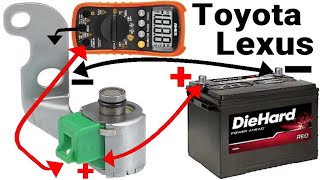
How to confirm: After confirming the fluid is good, a mechanic can use a scan tool to command the solenoid on/off. If it fails to respond (no audible click), it must be tested directly. After removing the transmission pan, test its resistance with a multimeter. 🎬 Watch: How to test the solenoid with a multimeter For the U151E (V6), the resistance should be around 5.0-5.6 ohms. For the U140E/U241E (4-cyl), it's typically 11-15 ohms.
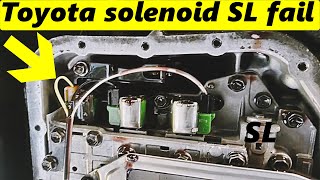
Typical fix: Remove the transmission oil pan, unbolt the valve body wiring, and replace the faulty solenoid. 🎬 See this step-by-step solenoid replacement walkthrough The transmission filter and pan gasket are always replaced at the same time.
Est. part cost: $150-$400 - Clogged Transmission Filter 🟡 Medium Probability The filter becomes saturated with clutch material and other debris over time, especially if fluid changes have been neglected. A clogged filter restricts fluid flow and pressure to the entire valve body.
How to confirm: This is usually discovered during a fluid change or solenoid replacement. A visual inspection will show the filter media is dark and full of metallic or fibrous debris.
Typical fix: Replace the transmission filter and fluid. This is standard procedure when the oil pan is removed for any service.
Est. part cost: $20-$50 - Damaged Wiring or Connectors ⚪ Low Probability While less common for a performance code, wiring inside the transmission is submerged in hot fluid and can become brittle and crack over time. External wiring is also subject to road debris and corrosion.
How to confirm: Visually inspect the wiring harness leading to and inside the transmission for any breaks, corrosion, or loose pins at the connectors. This is done after the pan is removed.
Typical fix: Repair or replace the damaged section of the wiring harness. Sometimes the entire internal harness must be replaced.
Est. part cost: $10-$150
Rare But Worth Checking
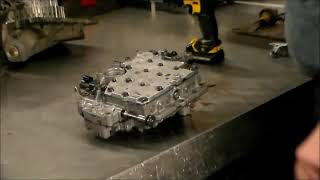
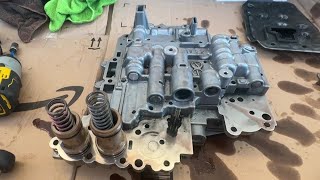
- Blocked Passages or Wear in the Valve Body: Sludge and debris from old fluid can clog the small hydraulic channels in the valve body that the solenoid controls. More significantly, the bore in the aluminum valve body where a regulator valve reciprocates can wear out, causing a persistent pressure leak that a new solenoid cannot fix. This often requires a remanufactured valve body.
- Failing Engine Control Module (ECM/TCM): It is extremely rare for the control module to be the cause of this specific code, as P0771 points to a mechanical/hydraulic performance issue, not an electrical one. This should only be considered after all other possibilities have been exhaustively ruled out.
Diagnosis Steps

- Check the transmission fluid level and condition with the engine warm and running. If low, top it off and check for leaks. If dirty or burnt, a fluid and filter change is the first step.
- Connect an OBD-II scanner to check for other transmission-related codes. Note any other solenoid or TCC codes.
- Use an advanced scan tool (like Toyota Techstream) to monitor the transmission's commanded gear versus the actual gear.
- Perform an 'Active Test' with the scan tool to manually command Shift Solenoid 'E' (SR) on and off. Listen for a distinct click from the transmission pan. No click strongly suggests a failed solenoid.
- If the solenoid does not respond, drain the transmission fluid and remove the oil pan to access the valve body and solenoids.
- Visually inspect the wiring inside the pan for any obvious damage, brittleness, or broken connectors.
- Disconnect the suspect solenoid and test its resistance with a multimeter. Compare the reading to the manufacturer's specification. For U140E/U241E, look for 11-15 ohms. For the U151E, look for 5.0-5.6 ohms. An open circuit (infinite resistance) or short (zero resistance) indicates a failed solenoid.
- If the solenoid tests good electrically, the failure is mechanical (stuck plunger) or the issue lies within the valve body's hydraulic passages or a worn bore, which may require valve body replacement.
Parts You'll Likely Need

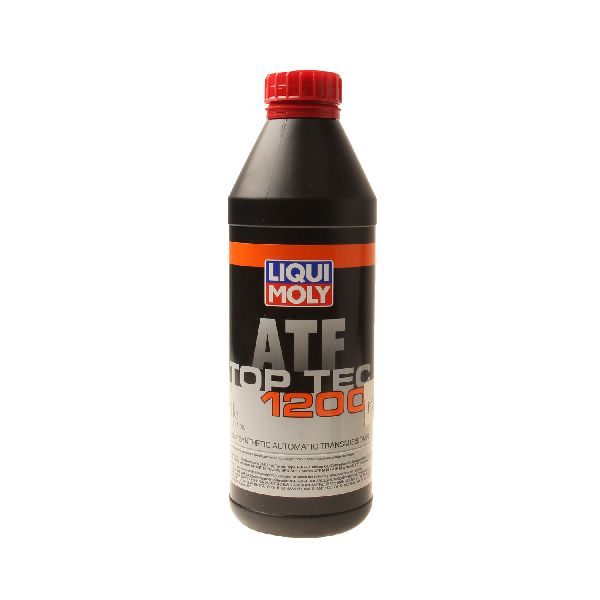
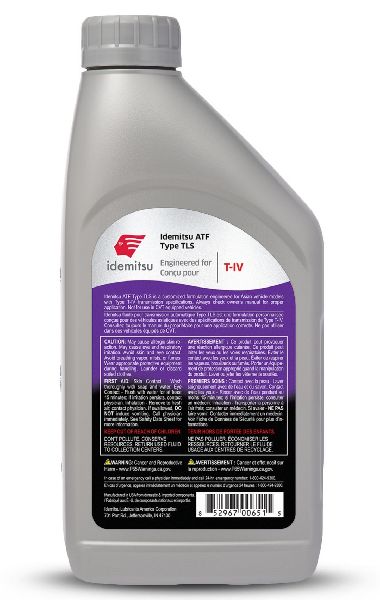
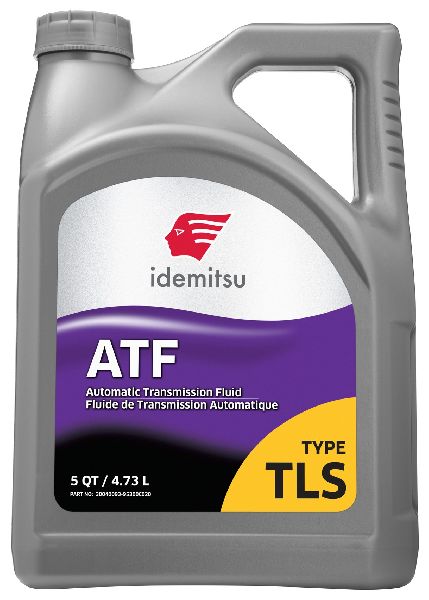
- Automatic Transmission Fluid (Toyota Type T-IV)
(OEM #00279-000T4-01)— The correct fluid is critical for transmission health. Low or degraded fluid is a primary cause of this code. This fluid is required for all automatic transmissions in this Camry generation.
Trusted brands: Toyota Genuine, Idemitsu TLS, Eneos Import ATF, Valvoline MaxLife ATF (compatible)
OEM price range: $9-$15 per quart
Aftermarket price range: $8-$12 per quart - Shift Solenoid 'E' (SR) for U140E/U241E (4-Cyl & '02-'03 V6)
(OEM #35230-21010)— This is the component identified by the code for the 4-speed transmissions. It is also called 'Transmission 3-Way Solenoid Assembly No.2' or '#3 Control Shift Solenoid'.
Trusted brands: Toyota Genuine, Aisin, Rostra, Transtar
OEM price range: $350-$450
Aftermarket price range: $100-$200 - Shift Solenoid 'E' (SR) for U151E ('04-'06 V6)
(OEM #35210-45010)— This is the correct solenoid for the 5-speed V6 transmission. It has a different resistance specification from the 4-speed version.
Trusted brands: Toyota Genuine, Aisin, Rostra (52-0416)
OEM price range: $250-$350
Aftermarket price range: $100-$200
Related Codes That Often Appear With This One
- P0773 — P0773 is an electrical code for Shift Solenoid 'E' (short or open circuit). P0771 is a performance code. If the solenoid's internal coil has failed completely, you might see both codes, but P0771 can be set for purely mechanical/hydraulic reasons without an electrical fault.
- P0741 — P0741 refers to Torque Converter Clutch Solenoid Performance. If the transmission fluid is heavily degraded or the valve body is clogged, it's common for multiple solenoid performance codes to appear together as they all struggle with poor hydraulic pressure.
Technical Service Bulletins (TSBs) & Recalls
- T-SB-0015-11: While not for the P0771 code itself, this TSB is critical for the platform as it details the official Toyota procedure for repairing stripped head bolt threads on the 2.4L 2AZ-FE engine, a very common and serious issue for these cars.
Platform-Specific Known Issues
- Owner Experience on ToyotaNation Forums: A user with a 2003 Camry 4-cylinder (U241E) experienced the classic P0771 symptoms of harsh shifting and an inability to go into 4th gear (overdrive). After an initial fluid drain-and-fill did not solve the problem, they dropped the pan, replaced the 'SR' solenoid (Shift Solenoid E) and the transmission filter. The repair completely resolved the shifting issues and extinguished the check engine light. This is a typical repair path for this code.
- DIY Repair on YouTube: Multiple YouTube channels, such as 'Peter Finn the Car Doctor', show detailed teardowns of the U241E transmission, visually identifying the locations of the shift solenoids on the valve body. These videos are invaluable for a DIYer attempting to locate and replace the correct solenoid after removing the transmission pan.
Mechanic-Grade Diagnostic Values
- Shift Solenoid 'E' (SR) Resistance (U140E/U241E) — expected: 11 to 15 Ω at 20°C (68°F). Failure: A reading of 0 Ω (short) or infinite Ω (open circuit).
- Shift Solenoid 'E' (SR) Resistance (U151E) — expected: 5.0 to 5.6 Ω at 20°C (68°F). Failure: A reading outside this specific range indicates a faulty solenoid coil.
- Solenoid Bench Test — expected: An audible 'click' should be heard when 12V power is applied to the solenoid's terminals.. Failure: No sound or movement indicates the solenoid plunger is mechanically stuck.
- TCM Output Driver Voltage — expected: A steady 12V pulse at the TCM output pin for the solenoid during a commanded shift.. Failure: A fluctuating or zero voltage reading suggests an internal TCM failure, though this is rare for a P0771 code.
Scan Tool Commands That Help
- Toyota Techstream (or equivalent professional scanner): Active Test: 'SHIFT' — This is a critical diagnostic step. It allows the technician to manually command each shift solenoid, including 'SR' (Solenoid E), to turn on and off while monitoring the vehicle's response. This test can isolate a failed solenoid from a wiring or ECM problem. The test must be conducted with the vehicle speed below 31 mph (50 km/h).
Wiring & Ground Locations
- Main Battery Ground to Transmission — One of the two main wires from the negative battery terminal bolts directly to a bracket on the top of the transmission housing.. A poor main ground connection to the transmission can cause erratic behavior in all transmission solenoids and sensors, leading to performance codes like P0771.
- ECM Ground Points (e.g., EC, ED) — For the V6 (1MZ-FE/3MZ-FE), key engine and ECM grounds are located on the surge tank (intake plenum) and cylinder heads.. The ECM controls the solenoids by providing a ground path. If the ECM's own ground reference is weak or corroded, its ability to accurately control the solenoids can be compromised.
- Main Chassis Ground — The second wire from the negative battery terminal bolts to the chassis, typically on the fender apron under or near the battery tray.. While less direct, a poor chassis ground can create electrical noise and voltage drops that may affect the ECM and transmission control system.
- ECM Location — The Engine Control Module (ECM) is located behind the right side of the dashboard, accessible after removing the glove box.. This is the location to test wiring continuity between the ECM and the transmission connector if a wiring fault is suspected.
Real Owner Repair Stories
- Toyota Nation Forum User (2005 Toyota Camry 2.4L (U241E)) — Check engine light with code P0771, harsh shifting.
❌ Tried (didn't work) Replaced Shift Solenoid 'E' (SR solenoid) with a new part.
✅ What actually fixed it The problem persisted after replacing the solenoid. The final fix was replacing the entire transmission valve body. The user suspected a blockage or wear within the valve body's hydraulic passages that the new solenoid could not overcome.
OEM Part Supersession History
35290-33030→35290-45010— This is the Line Pressure Control Solenoid (SLT), not the SR solenoid, but it is often replaced during a valve body service. The part was updated for improved reliability.
Heads up: The new part number is a direct replacement for the old one on applicable models.35230-21010→35230-21010— This part number for the SR solenoid on U140E/U241E transmissions remains current and has not been superseded, indicating a stable design.
Heads up: This is also referred to as the '#3 Control Shift Solenoid' and has a black electrical connector.35210-45010→35210-45010— This part number for the SR solenoid on the U151E transmission remains current.
Heads up: This is also called 'Clutch Control Solenoid Assembly #1'.
Model Year Variations Within This Range
- 2002-2003 (V6): V6 models used the U140E 4-speed automatic transmission. The SR solenoid for this transmission has a resistance of 11-15 ohms.
- 2004-2006 (V6): V6 models were upgraded to the U151E 5-speed automatic transmission. The SR solenoid for this transmission is a different part with a lower resistance of 5.0-5.6 ohms. Using the wrong solenoid will cause immediate shifting problems.
- 2002-2006 (4-Cylinder): All 4-cylinder models used the U241E 4-speed automatic. It shares the same 11-15 ohm SR solenoid as the U140E.
Diagnostic Flowchart
Other Known Issues on This Vehicle
Issues unrelated to this code that are worth knowing about as an owner of this generation:
- 2.4L (2AZ-FE) Stripped Cylinder Head Bolt Threads 🔴 High — Common on 2002-2006 models, often appearing after 70,000 miles. The aluminum block threads for the rear head bolts can pull out, causing a head gasket leak and engine overheating. (Ref: Toyota T-SB-0015-11 outlines a repair procedure using thread inserts (e.g., Time-Sert).)
- 2.4L (2AZ-FE) Excessive Oil Consumption 🟠 Medium — Widespread issue due to piston ring design, often starting around 45,000-60,000 miles. Can lead to fouled spark plugs and catalytic converter damage if not monitored. (Ref: Toyota issued TSB EG018-07 for later models and a warranty enhancement program, though it has since expired for this generation.)
- V6 (1MZ-FE) Engine Oil Sludge Buildup 🟠 Medium — Common on V6 models, especially if oil change intervals were extended or low-quality oil was used. Sludge can block oil passages, leading to engine starvation and failure. (Ref: Toyota had a warranty extension program for this issue, which is now expired.)
- Delayed or Harsh Transmission Engagement 🟠 Medium — A common complaint as the transmissions age, particularly the U140E and U241E. It often manifests as a delay when shifting from Park to Drive or a flare in RPMs on the 2-3 shift, typically caused by wear in the valve body.
- VVT-i Oil Line Rupture (V6) 🔴 High — The rubber section of the VVT-i oil supply line on the V6 engine can burst, leading to a rapid and catastrophic loss of engine oil. An updated all-metal line is the fix. (Ref: A Limited Service Campaign (LSC 90K) was issued but has expired.)
Used vs. New Parts: Buying Guide for This Vehicle
When a used part is the smart pick: A complete, used valve body from a low-mileage donor vehicle can be a cost-effective solution if the issue is confirmed to be a worn valve body bore and not just a single solenoid. Buying individual used solenoids is risky due to unknown history and wear.
Donor-vehicle mileage cap: roughly under 80000 miles for the part to have meaningful remaining life.
What to inspect on the donor part:
- Verify the exact transmission model (U241E, U140E, or U151E) of the donor vehicle.
- Ask for the VIN of the donor car to check its service history if possible.
- Inspect the fluid from the donor transmission if possible. Avoid any parts from a transmission with dark, burnt, or glittery fluid.
- When buying a valve body, ensure all solenoids are included and that the seller guarantees it came from a good-shifting vehicle. Be wary of eBay listings with stock photos or vague descriptions.
OEM-only on this vehicle (don't cheap out):
- Transmission Control Module (ECM/TCM) - Used modules may have immobilizer conflicts, and aftermarket units are not available.
Aftermarket brands forum-validated for this vehicle:
- Aisin (often the OEM supplier for Toyota)
- Rostra
- Sonnax (for valve body repair kits, not complete solenoids)
Brands owners have reported issues with on this vehicle:
- No-name, unbranded solenoids or valve bodies from online marketplaces like AliExpress or eBay often have high failure rates, incorrect resistance values, or poor-quality materials.
Real Owner Stories
Aggregated from forums and TSBs cited above. Mileages and costs reflect what owners reported in those sources.
2003 Toyota Camry 4-cylinder (U241E)
Symptoms: Harsh shifting and an inability to go into 4th gear (overdrive).
What fixed it: After an initial fluid drain-and-fill did not solve the problem, the owner dropped the transmission pan and replaced the 'SR' solenoid (Shift Solenoid E) and the transmission filter, which completely resolved the issue.
Source hint: Owner Experience on ToyotaNation Forums
Related OBD-II Codes
Frequently Asked Questions
I have a 4-cylinder 2005 Camry. What resistance should I look for when testing Shift Solenoid 'E'?
Is the solenoid resistance different for the V6 Camry models?
My mechanic is recommending a full transmission flush for my high-mileage Camry to fix P0771. Is this a good idea?
I'm getting code P0771. Is this related to the common head bolt issue on the 2.4L engine?
My 2006 Scion tC is showing a P0771 code. Is the diagnosis the same as for the Camry?
What is the very first thing I should check when I get a P0771 code?
Helpful Videos
We Have This Part in Stock


The information in this article is provided for general reference and educational purposes only. Vehicle specifications, procedures, and part compatibility can vary by production date, trim level, and region. Always consult your vehicle's factory service manual and verify part numbers before purchasing or performing repairs. Safety-critical components such as airbags, seat belts, and braking systems should be installed by a qualified professional.
- Toyota Camry:
- 🎬 Helpful Videos
- 🛍️ Shop This Part
- What's Unique About the 2002-2006 Toyota Camry
- Symptoms You May Notice
- Most Likely Causes
- Rare But Worth Checking
- Diagnosis Steps
- Parts You'll Likely Need
- Related Codes That Often Appear With This One
- Technical Service Bulletins (TSBs) & Recalls
- Platform-Specific Known Issues
- Mechanic-Grade Diagnostic Values
- Scan Tool Commands That Help
- Wiring & Ground Locations
- Real Owner Repair Stories
- OEM Part Supersession History
- Model Year Variations Within This Range
- Diagnostic Flowchart
- Other Known Issues on This Vehicle
- Used vs. New Parts: Buying Guide for This Vehicle
- Real Owner Stories
- 2003 Toyota Camry 4-cylinder (U241E)
- Related OBD-II Codes
- Frequently Asked Questions
- 🎟️ Get 5% Off