

P0771 on 2005-2017 Honda Odyssey: Shift Solenoid 'E' Causes and Fixes
Code P0771 on a Honda Odyssey most often points to low or dirty transmission fluid, or a faulty transmission shift solenoid. Start by checking the fluid and performing a drain-and-fill with Honda DW-1 ATF if needed. If the fluid is clean and full, the likely fix is replacing one of the externally mounted shift solenoid packs. This is a manageable DIY job, with aftermarket parts costing around $75-$200.
- Always check the transmission fluid level and condition first. This is the most common and cheapest fix for P0771.
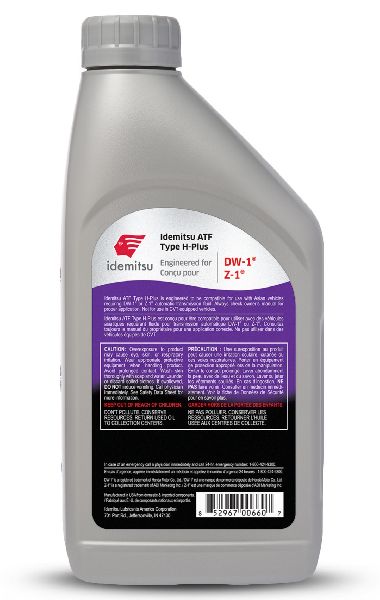
- Use only Honda DW-1 ATF or a 100% compatible high-quality equivalent. These transmissions are sensitive to fluid type.
- The code refers to 'Solenoid E', but Honda parts are not labeled this way. You will be looking for a specific shift or pressure control solenoid, often sold in a pack.
- The solenoids are usually located on the outside of the transmission, making them accessible for DIY replacement, but you must diagnose the correct one.
- Do not continue driving with these symptoms, as you risk turning a relatively minor solenoid issue into a catastrophic transmission failure.
What's Unique About the 2005-2017 Honda Odyssey
On many Honda vehicles, including the Odyssey, the transmission shift solenoids are located on the exterior of the transmission case, making them much more accessible for diagnosis and replacement than on vehicles where they are located inside the transmission oil pan. This makes testing and replacing a faulty solenoid a more manageable DIY job. However, these transmissions are very sensitive to fluid type and condition, and using anything other than genuine Honda DW-1 or a fully compatible high-quality ATF can cause shifting problems, including this code.
Generation note: This range covers two Odyssey generations: the third (2005-2010) with a 5-speed automatic and the fourth (2011-2017) which used a 5-speed automatic through 2013 and a 6-speed automatic from 2014-2017. While the P0771 code applies to all, the specific solenoids, their locations, and part numbers differ significantly. The V6 engines in later models also feature Variable Cylinder Management (VCM), which can cause its own set of drivability issues and is a well-documented source of owner complaints. Always verify parts by VIN.
Symptoms You May Notice
- Check Engine Light and/or flashing 'D' (Drive) indicator light
- Harsh, jerky, or delayed gear shifts.
- Transmission slipping between gears.
- Vehicle gets stuck in a single gear (limp mode), often 2nd or 3rd.
- Failure to shift into higher gears, like 4th or 5th.
- Reduced fuel efficiency.
- Transmission overheating.
- Replacing a single solenoid when the transmission fluid is the actual problem.
- Assuming the transmission needs to be rebuilt without first checking the fluid and external solenoids, which are common and much cheaper failure points.
- Replacing the wrong solenoid pack due to confusion between the different solenoids (e.g., clutch pressure vs. shift solenoids) or generational part differences.
Most Likely Causes
- Low or Dirty Automatic Transmission Fluid (ATF) 🔴 High Probability Honda transmissions are known to be sensitive to fluid level and condition. Old, degraded fluid can cause solenoids to stick or passages to clog, leading to pressure-related fault codes.
How to confirm: Check the transmission fluid dipstick (with the engine off and warm). The fluid should be at the correct level, red or brown in color, and not smell burnt. Black fluid or debris indicates a serious problem.
Typical fix: Perform a transmission fluid drain-and-fill using Honda DW-1 ATF or a fully compatible equivalent. A single drain-and-fill replaces about 1/3 of the fluid; 3-4 cycles are often recommended to replace most of the old fluid.
Est. part cost: $40-$120 - Faulty Shift Solenoid 🟡 Medium Probability Solenoids are electro-mechanical parts that wear out over time. Debris in the fluid can cause them to become clogged and stick. Their external location on Hondas makes them susceptible to weather and corrosion over time.
How to confirm: After locating the correct solenoid pack, disconnect it and test the resistance of each solenoid with a multimeter (typically 12-25 ohms, but check service manual). You can also apply 12V power to see if it makes an audible click. A silent solenoid or one with out-of-spec resistance is faulty.
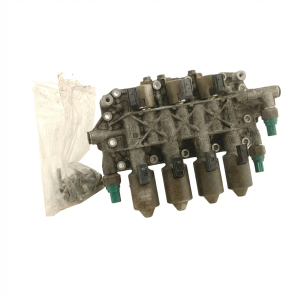
Typical fix: Replace the faulty solenoid or solenoid pack. On these Odysseys, they are typically external to the transmission and can be unbolted after removing components like the battery and battery tray for access. For 4th Gen (5-spd) use 28260-R90-004. For 3rd Gen, use 28250-P7W-003 or a kit including 28250-P6H-024.
Est. part cost: $75-$250 - Clogged Solenoid Screen/Gasket 🟡 Medium Probability The gaskets for the solenoid packs often contain small filter screens. These screens are a primary collection point for clutch material and other debris, which can starve the solenoid of the fluid pressure it needs to operate.
How to confirm: When the solenoid is removed, inspect the gasket and the small screens within it. If they are clogged with dark, metallic debris, this is the likely cause.
Typical fix: Clean or, more ideally, replace the solenoid gasket with a new one. This is always recommended when replacing a solenoid.
Est. part cost: $15-$40 - Damaged Wiring or Connectors ⚪ Low Probability
How to confirm: Visually inspect the wiring harness and connectors going to the transmission solenoids for any signs of corrosion, fraying, or loose pins.
Typical fix: Repair the damaged section of the harness or clean the connectors with electrical contact cleaner.
Est. part cost: $5-$50
Rare But Worth Checking
- Internal Transmission Failure: If the transmission fluid is full of metallic debris, it indicates a more severe internal problem like a failing clutch pack or torque converter. In this case, simply replacing a solenoid will not solve the root cause and a transmission rebuild or replacement may be necessary.
- Faulty Powertrain Control Module (PCM/TCM): This is very rare. The PCM should only be considered after all other possibilities (fluid, solenoids, wiring) have been thoroughly ruled out.
Diagnosis Steps
- Check the transmission fluid level and condition. Ensure the engine is warm and turned off.
- If the fluid is low, top it off with Honda DW-1 ATF and check for leaks.
- If the fluid is dark, burnt, or has debris, perform at least one drain-and-fill. A series of 3 drain-and-fills is recommended for a more complete fluid exchange. Clear the code and test drive to see if the problem returns.
- If the fluid is fine or the problem persists, locate the external shift solenoid packs on the transmission. On many models, this requires removing the battery and battery tray for access.
- Inspect the wiring and connectors to the solenoids for any visible damage, corrosion, or loose pins.
- Disconnect the suspect solenoid pack. Test the resistance of each solenoid pin against the solenoid body using a multimeter. Compare the readings to the manufacturer's specification (typically 11-15 ohms for some solenoids, but verify). An open circuit (infinite resistance) or short (zero resistance) indicates a failed solenoid.
- If resistance is okay, you can briefly apply a 12V power source to the solenoid's terminals to listen for a distinct 'click'. No click means the solenoid is mechanically stuck.
- If a solenoid is confirmed bad, replace it along with its gasket/screen assembly.
- If all solenoids and wiring test good, the issue may be an internal hydraulic blockage in the valve body or, rarely, a faulty TCM.
Parts You'll Likely Need
- Automatic Transmission Fluid
(OEM #08200-9008 (DW-1 ATF))— The most common cause of this code is old, degraded, or low fluid. Using the correct OEM fluid is critical for Honda transmissions.
Trusted brands: Honda (OEM)
OEM price range: $10-$15 per quart
Aftermarket price range: $8-$12 per quart - Shift Solenoid Assembly / Pack
(OEM #28260-R90-004 (4th Gen 5-spd); 28250-P7W-003 or 28250-P6H-024 (3rd Gen))— If the fluid is not the cause, a failed solenoid is the next most likely culprit. It's often sold as a dual-linear or single solenoid pack. Part numbers vary by generation and transmission type (5-speed vs 6-speed).
Trusted brands: Honda (OEM), Standard Motor Products, Beck/Arnley, Rostra
OEM price range: $150-$300
Aftermarket price range: $75-$200 - Solenoid Gasket / Screen
(OEM #Varies with solenoid (e.g., included with new OEM solenoid))— The integrated filter screens in the gasket can become clogged with debris, blocking fluid flow and causing the code. It should always be replaced with the solenoid.
Trusted brands: Honda (OEM)
OEM price range: $15-$40
Aftermarket price range: $10-$25
Related Codes That Often Appear With This One
- P0741 — Torque Converter Clutch Circuit Performance or Stuck Off. This code often appears with other transmission solenoid codes as they can be caused by the same underlying issues of dirty fluid or hydraulic blockages.
- P0700 — Transmission Control System Malfunction. This is a generic code indicating that the TCM has stored a fault, such as P0771. It will almost always be present when a specific transmission code is logged.
- P0773 — Shift Solenoid 'E' Electrical. This code points specifically to an electrical circuit failure (short or open), whereas P0771 indicates a performance problem that could be mechanical, hydraulic, or electrical.
Technical Service Bulletins (TSBs) & Recalls
- NHTSA Recall A88 / 20V-438: For 2018-2020 models, addresses an issue where water can enter the sliding door outer handle cables, potentially freezing and preventing the door from latching securely.
- Honda TSB 11-038: For 2011-2012 models, addresses a popping or creaking sound from the front suspension at low speeds, caused by a bump stop contacting the front damper or a loose damper shaft nut.
Mechanic-Grade Diagnostic Values
- Shift Solenoid Coil Resistance — expected: 11 to 15 Ω at 20°C (68°F). Failure: A reading of 0 ohms (short circuit) or infinite ohms (open circuit) indicates a failed solenoid.
- Solenoid Click Test — expected: Audible 'click' when 12V is applied to the solenoid's terminals.. Failure: No sound indicates the solenoid is mechanically stuck and needs replacement.
Scan Tool Commands That Help
- Honda HDS (Honda Diagnostic System) or equivalent professional scanner: Active Test / Solenoid Actuation — This allows a technician to command a specific shift solenoid (e.g., Shift Solenoid E) ON or OFF while monitoring the system's response. It's used to verify if the TCM can control the solenoid and if the solenoid responds electrically, helping to isolate the fault between the TCM, wiring, and the solenoid itself.
Wiring & Ground Locations
- G101 — On the transmission housing. This is a primary ground point for the PCM and various transmission-related components.. A corroded or loose G101 ground can cause erratic voltage signals and communication errors between the PCM/TCM and the transmission solenoids, potentially triggering false performance codes like P0771.
- Transmission Ground Cable — A braided or insulated cable running from the transmission case to the vehicle's chassis/frame, often near the front subframe.. This main ground is exposed to the elements and is notorious for corroding, especially in salt-belt regions. A high-resistance ground path here can cause a host of electrical issues, including improper solenoid operation. Visual inspection for green corrosion is critical.
- Solenoid Connector — Directly on the external solenoid pack on the transmission case. For 3rd Gen models, there are often two connectors (one brown, one black) for the dual solenoid pack located underneath the starter.. The connector pins can corrode or become loose, interrupting the signal from the TCM. The location, especially on 3rd Gen models, makes it susceptible to dirt and moisture, requiring careful cleaning and inspection during diagnosis.
Real Owner Repair Stories
- Odyclub.com forum user (2006 Honda Odyssey EX-L, ~150,000 miles) — Flashing 'D' light, Check Engine Light on, harsh shifting, and transmission getting stuck in gear.
❌ Tried (didn't work) Initial thought was a complete transmission failure.
✅ What actually fixed it The owner first performed a 3x drain-and-fill of the transmission fluid with genuine Honda DW-1 ATF. When this did not resolve the issue, they replaced the dual-linear solenoid pack (part 28250-P7W-003) located on the front of the transmission. This required removing the battery and air intake for access. The replacement of the solenoid pack and its integrated screens resolved all symptoms and cleared the P0771 code.
OEM Part Supersession History
28250-P6H-024→28250-P7W-003— Part update/revision by Honda.
Heads up: 28250-P7W-003 is the generally accepted replacement for many 3rd Gen (2005-2010) Odyssey applications that originally may have used a -P6H- part. They are typically interchangeable as part of a solenoid kit.N/A→28260-R90-004— This is the specific part for the 4th Gen (2011-2013) 5-speed automatic transmission.
Heads up: This part is NOT compatible with the 3rd Gen Odyssey or the 6-speed transmission found in 2014-2017 models.
Model Year Variations Within This Range
- 2005-2010 (3rd Generation): These models use a 5-speed automatic. The P0771 code often relates to the dual-linear solenoid pack, typically part number 28250-P7W-003. Some solenoids are located on the front of the transmission, underneath the starter, making access more challenging.
- 2011-2013 (4th Generation): These models also use a 5-speed automatic, but the relevant solenoid is often the 'Linear Solenoid B' assembly, part number 28260-R90-004.
- 2014-2017 (4th Generation Facelift): These models feature a 6-speed automatic transmission. The solenoid arrangement is completely different, using a large solenoid block assembly mounted on the valve body. While P0771 can still occur, diagnosis is more complex as individual solenoids are often not sold separately from the main block. A TCM software update was also released for these models to address shift quality issues, which should be performed before condemning hardware.
Diagnostic Flowchart
Other Known Issues on This Vehicle
Issues unrelated to this code that are worth knowing about as an owner of this generation:
- Variable Cylinder Management (VCM) Causing Oil Consumption & Misfires 🔴 High — Extremely common on V6 models, particularly 2008 and newer. Can lead to fouled spark plugs, damaged piston rings, and engine vibration. Many owners install an aftermarket 'VCM Muzzler' to disable the system. (Ref: Honda issued a warranty extension for some models related to this issue.)
- Power Sliding Door Failures 🟠 Medium — Widespread across all years. Problems include doors not opening/closing automatically, getting stuck, or making grinding noises. Often caused by a failed center roller hinge or a snapped cable. (Ref: Multiple recalls have been issued, including for 2018-2020 models where water intrusion could cause the door to not latch properly in freezing temperatures.)
- Prematurely Warped Front Brake Rotors 🟡 Low — Common complaint resulting in steering wheel vibration or a pulsating brake pedal when stopping. Typically appears between 26,000-74,000 miles.
- Failing Power Steering Pump and/or Hose Leaks 🟠 Medium — Common on the 3rd generation (2005-2010), causing a distinct whining or groaning noise when turning the wheel. Often caused by a leaking o-ring on the power steering pump inlet or a failing pump.
Used vs. New Parts: Buying Guide for This Vehicle
When a used part is the smart pick: For external, bolt-on parts like a shift solenoid pack, a used OEM part from a reputable salvage yard can be a cost-effective option. It is a good choice if the donor vehicle has lower mileage and is known to have been in a collision rather than being junked for powertrain failure.
Donor-vehicle mileage cap: roughly under 100000 miles for the part to have meaningful remaining life.
What to inspect on the donor part:
- Verify the part number on the used solenoid matches your required part exactly.
- Inspect the electrical connector for any broken plastic, corrosion, or bent pins.
- Check the filter screens on the gasket surface; they should be clean and free of metallic debris. Clogged screens suggest the donor transmission had internal problems.
- Ask for the donor vehicle's VIN to confirm mileage and check for any reported transmission issues.
OEM-only on this vehicle (don't cheap out):
- Automatic Transmission Fluid (ATF). Honda transmissions are extremely sensitive to fluid chemistry. Only use genuine Honda DW-1 ATF or a fully licensed, 100% compatible equivalent from a major brand.
Aftermarket brands forum-validated for this vehicle:
- Rostra
- Standard Motor Products (SMP)
- Beck/Arnley
Brands owners have reported issues with on this vehicle:
- While Dorman offers many parts, their transmission solenoids can have mixed reviews regarding longevity. For a critical component like this, sticking with OEM or a dedicated transmission parts brand like Rostra is often a safer long-term bet.
Real Owner Stories
Aggregated from forums and TSBs cited above. Mileages and costs reflect what owners reported in those sources.
2009 Honda Odyssey V6
Symptoms: The engine was vibrating, consuming an unusual amount of oil, and the spark plugs were fouled.
What fixed it: The owner disabled the Variable Cylinder Management (VCM) system by installing an aftermarket 'VCM Muzzler', which is a common solution for this issue.
Source hint: vehicle_specific_issues entry titled 'Variable Cylinder Management (VCM) Causing Oil Consumption & Misfires'
2018 Honda Odyssey
Symptoms: In freezing temperatures, the power sliding door would not latch securely after being opened.
What fixed it: The problem was addressed by NHTSA Recall A88 / 20V-438, which deals with water entering the outer handle cables and freezing, preventing the door from latching.
Source hint: vehicle_specific_issues entry titled 'Power Sliding Door Failures'
2014 Honda Odyssey — ~60000 miles
Symptoms: There was a noticeable steering wheel vibration and a pulsating feeling in the brake pedal when stopping.
What fixed it: The issue was caused by prematurely warped front brake rotors, which needed to be replaced.
Source hint: vehicle_specific_issues entry titled 'Prematurely Warped Front Brake Rotors'
Related OBD-II Codes
Frequently Asked Questions
What specific type of transmission fluid should I use for my 2005-2017 Honda Odyssey when dealing with a P0771 code?
My 'D' (Drive) indicator light is flashing. Is this related to the P0771 code?
What are the part numbers for the shift solenoid that causes P0771 on these Odysseys?
I checked my transmission fluid and it's dark. What is the recommended procedure to change it?
How can I test the shift solenoid myself to see if it's bad?
I'm replacing the solenoid. Is there anything else I should replace at the same time?
Does TSB 11-038 for my 2011 Odyssey have anything to do with this transmission code?
Used OEM Parts in Stock
New Aftermarket Parts Available


The information in this article is provided for general reference and educational purposes only. Vehicle specifications, procedures, and part compatibility can vary by production date, trim level, and region. Always consult your vehicle's factory service manual and verify part numbers before purchasing or performing repairs. Safety-critical components such as airbags, seat belts, and braking systems should be installed by a qualified professional.
- Honda Odyssey:
- 🛍️ Shop This Part
- What's Unique About the 2005-2017 Honda Odyssey
- Symptoms You May Notice
- Most Likely Causes
- Rare But Worth Checking
- Diagnosis Steps
- Parts You'll Likely Need
- Related Codes That Often Appear With This One
- Technical Service Bulletins (TSBs) & Recalls
- Mechanic-Grade Diagnostic Values
- Scan Tool Commands That Help
- Wiring & Ground Locations
- Real Owner Repair Stories
- OEM Part Supersession History
- Model Year Variations Within This Range
- Diagnostic Flowchart
- Other Known Issues on This Vehicle
- Used vs. New Parts: Buying Guide for This Vehicle
- Real Owner Stories
- 2009 Honda Odyssey V6
- 2018 Honda Odyssey
- 2014 Honda Odyssey — ~60000 miles
- Related OBD-II Codes
- Frequently Asked Questions
- 🎟️ Get 5% Off