

P0741 on 2010-2017 Chevrolet Equinox: TCC Stuck Off Causes and Fixes
P0741 on a 2010-2017 Equinox means the torque converter clutch (TCC) is failing to lock up as commanded by the computer. The most common causes are a faulty TCC solenoid, low or dirty transmission fluid, or a failing torque converter. Expect repair costs from $250 for a solenoid replacement to over $1,500 for a new torque converter. This issue is common on the GM 6T40/6T45 transmissions used in these vehicles.
- P0741 on your Equinox means the torque converter clutch is not locking up, leading to poor fuel economy and increased transmission heat.
- The most likely causes are a bad TCC solenoid, low/dirty transmission fluid, or a failing torque converter.
- Diagnosis should start with the easiest and cheapest items: checking the fluid level and condition.
- Due to the potential for causing further transmission damage, it is critical to address this code promptly.
- Repair is complex and often requires either dropping the transmission pan or removing the entire transmission, making it a job best left to a professional.
What's Unique About the 2010-2017 Chevrolet Equinox
The 2010-2017 Equinox uses the GM 6T40/6T45/6T50 family of 6-speed automatic transmissions, which are shared with vehicles like the GMC Terrain, Chevy Malibu, and Chevy Cruze. While P0741 is a generic code, on these specific GM transmissions, it is frequently linked to either a failing TCC solenoid located within the valve body, a failing torque converter itself, or a worn turbine shaft bushing. Several GM Technical Service Bulletins (TSBs) for other models with similar transmissions point to common issues like damaged turbine shaft bushings (PI1447A) or internal torque converter failure, suggesting a pattern of these components being potential weak points across the platform.
Symptoms You May Notice
- Check Engine Light is on
- Reduced fuel efficiency
- Engine RPM is higher than usual at highway speeds
- Sensation of transmission slipping or shuddering, especially during light acceleration or at steady cruising speeds (e.g., 45-55 mph)
- Vehicle may stall after driving at highway speeds and coming to a stop
- Harsh or delayed shifts
- Transmission overheating warning light or message
- Replacing the torque converter when the actual problem is a much cheaper and easier-to-replace TCC solenoid.
- Assuming the entire transmission needs to be rebuilt without first checking for low/dirty fluid or testing the solenoid.
- Replacing the transmission without flushing the transmission cooler, which can lead to debris from the old failure contaminating the new unit.
Most Likely Causes
- Faulty Torque Converter Clutch (TCC) Solenoid 🔴 High Probability The TCC solenoid, located on the valve body inside the transmission, can stick or fail electronically, preventing it from properly directing fluid pressure to engage the clutch. This is a very common failure point for the 6T40/6T45 transmission family.
How to confirm: A technician can command the TCC solenoid on and off with a diagnostic scan tool to check for a response and monitor TCC slip RPM. The solenoid's resistance can also be tested with a multimeter after removing the transmission pan; it should measure between 4.55-5.75 ohms.
Typical fix: Replace the TCC solenoid. This requires removing the transmission oil pan and often the valve body. It is often replaced as part of a solenoid kit.
Est. part cost: $50-$150 - Low or Dirty Transmission Fluid 🟡 Medium Probability The 6T-series transmissions are sensitive to fluid level and condition. Low fluid can cause pressure issues, while old, degraded fluid containing debris can cause solenoids and valves to stick, leading to P0741.
How to confirm: Check the transmission fluid level and condition. The fluid should be at the correct level, red in color, and not smell burnt. Note that these vehicles do not have a traditional dipstick; the level must be checked via a plug on the side of the transmission case while the vehicle is running and at operating temperature.
Typical fix: Perform a transmission fluid drain-and-fill or a complete fluid exchange. Use only the specified fluid, typically DEXRON-VI. A simple fluid change may not fix a component that has already failed.
Est. part cost: $75-$200 - Failing Torque Converter 🟡 Medium Probability The internal clutch material within the torque converter can wear out or delaminate, preventing it from locking up. This is a known issue across many GM models of this era, as noted in owner complaints. Debris from the failing converter can contaminate the entire transmission.
How to confirm: If the fluid is full, the solenoid tests good, and the wiring is intact, the torque converter is the likely culprit. A technician can monitor TCC slip speed with a scan tool; if it remains high when commanded to lock, the converter is likely failing internally. Metal shavings in the transmission pan are a strong indicator.
Typical fix: Replace the torque converter. This requires removing the entire transmission from the vehicle. The transmission cooler must also be flushed to remove debris.
Est. part cost: $300-$800 - Worn Valve Body ⚪ Low Probability Bores within the aluminum valve body can wear over time from the movement of steel valves, causing hydraulic pressure leaks that prevent the TCC from applying correctly. Aftermarket company Sonnax makes oversized valve kits specifically to address this wear.
How to confirm: This is typically diagnosed after solenoids and the torque converter have been ruled out. It requires removing and inspecting the valve body for wear, or testing with specialized vacuum testing tools.
Typical fix: Replace the valve body assembly or have it rebuilt with oversized valves and reamed bores, such as with a Sonnax TCC regulator valve kit (part #144740-16K).
Est. part cost: $400-$900
Rare But Worth Checking
- Damaged Transmission Wiring Harness: As cited in TSB #15111 for other GM models, the internal transmission wiring harness can become damaged or brittle, causing intermittent electrical issues with the TCC solenoid circuit. This can also cause other codes and harsh shifting.
- Damaged Turbine Shaft Bushing: TSB #PI1447A mentions that a worn turbine shaft front bushing can cause a pressure leak, leading to P0741. This allows TCC apply pressure to escape, preventing lock-up. The repair requires significant transmission disassembly to replace the bushing and often the 4-5-6 clutch housing/turbine shaft assembly.
- Faulty Transmission Control Module (TCM): While rare, the TCM itself can fail. On the 6T40/6T45, the TCM is integrated with the valve body and solenoid assembly (often called a TEHCM). It's important to exhaust all other possibilities first, as this is an expensive part that requires programming.
Diagnosis Steps
- Check the transmission fluid level and condition. Ensure it is full and not burnt or contaminated. Top off or replace with DEXRON-VI fluid if necessary. Note the lack of a dipstick requires a specific level-check procedure.
- Use an OBD-II scanner to check for any other transmission-related codes, such as P0740 or P0700.
- With a capable scan tool, monitor the TCC slip speed while driving. When the TCM commands the TCC to lock (usually at steady cruising speeds above 45 mph), the slip speed should drop to near zero. If it remains high (e.g., >200 RPM), there is a mechanical or hydraulic problem.
- Inspect the transmission wiring harness for any visible damage, corrosion, or loose connections, particularly at the main connector to the transmission.
- If the problem persists, the next step is to drop the transmission oil pan to access the valve body.
- Test the TCC solenoid's resistance with a multimeter. It should be between 4.55-5.75 ohms. Check for any excessive metal shavings in the pan, which would indicate a more serious internal failure like a torque converter.
- If the solenoid and wiring are good, the issue is likely an internal hydraulic leak (e.g., turbine shaft bushing, valve body wear) or a failed torque converter, which requires transmission removal to service.
Parts You'll Likely Need
- Torque Converter Clutch (TCC) Solenoid
(OEM #24284361)— This solenoid controls the hydraulic pressure to engage the TCC and is a very common failure point for this code on 6T40/6T45 transmissions.
Trusted brands: ACDelco, Rostra
OEM price range: $80-$150
Aftermarket price range: $40-$90 - Torque Converter — If the solenoid is working correctly, the internal clutch of the torque converter itself has likely failed. This is a common failure on GM vehicles that set a P0741 code, especially with higher mileage.
Trusted brands: ACDelco, Transtar, Whatever
OEM price range: $500-$800
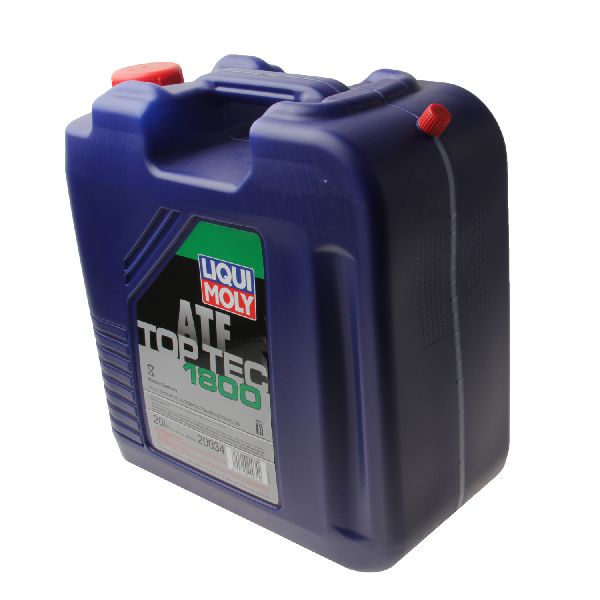
Aftermarket price range: $250-$500 - DEXRON-VI Automatic Transmission Fluid — Required for any service involving dropping the pan or replacing internal components. Using the correct fluid is critical.
Related Codes That Often Appear With This One
- P0740 — P0740 indicates an electrical circuit malfunction for the TCC solenoid, while P0741 indicates a performance problem (stuck off). They can appear together if an electrical fault is causing the performance issue.
- P0700 — P0700 is a general transmission fault code requested by the TCM. It simply means the TCM has stored a more specific code (like P0741) and has illuminated the Check Engine Light.
Technical Service Bulletins (TSBs) & Recalls
- PI1447A: Notes that a damaged turbine shaft front bushing can cause P0741.
- 15111: Suggests replacing the automatic transmission wiring harness if P0741 is found along with harsh shifting.
- 19-NA-153 / 20-NA-078: Multiple bulletins for other GM trucks and SUVs identify damaged torque converter clutch material or worn turbine shaft bushings as causes for P0741.
Platform-Specific Known Issues
- An owner of a 2005 Equinox reported being stranded due to code P0741, indicating a recurring issue with this model line. [ODI #10120942]
- While for different Chevrolet models, multiple TSBs point to systemic issues that can cause P0741, including faulty wiring harnesses (TSB #15111), damaged turbine shaft bushings (TSB #PI1447A), and failing torque converter clutch material (TSB #19-NA-153).
Mechanic-Grade Diagnostic Values
- TCC Slip Speed — expected: Near 0 RPM when TCC is commanded to lock.. Failure: Greater than 200 RPM when TCC lockup is commanded by the TCM, indicating slippage.
- TCC Pressure Control (PC) Solenoid Resistance — expected: 4.55 - 5.75 ohms at room temperature.. Failure: A reading outside this range indicates a failed solenoid coil.
- Shift Solenoid Resistance (for comparison) — expected: 16.2 - 19.8 ohms at room temperature.. Failure: This helps differentiate the PC solenoids from the on/off shift solenoids within the same TEHCM assembly.
Scan Tool Commands That Help
- GM GDS2 (Global Diagnostic System 2): TCC Solenoid Control / TCC System Test — This bidirectional command allows a technician to manually command the TCC solenoid on and off while monitoring TCC slip RPM. This is the definitive test to see if the solenoid is responding to commands and if the clutch is mechanically capable of engaging.
- GM GDS2 (Global Diagnostic System 2): Solenoid Cleaning Process — If debris is suspected of causing a solenoid to stick, some service procedures mention an automated process where the scan tool cycles the solenoids while the system is pressurized to attempt to dislodge contaminants.
Wiring & Ground Locations
- G110 — Located on the right rear of the engine, typically mounted to the back of the cylinder head.. This is a major ground point for the engine and transmission control systems. A loose or corroded G110 can cause a host of intermittent electrical issues, including erratic sensor readings and improper solenoid function, potentially leading to a P0741 code.
- TEHCM Connector — The main electrical connector on the outside of the transmission case, leading to the internal Transmission Electro-Hydraulic Control Module (TEHCM).. This is the primary interface between the vehicle's wiring harness and the entire internal control system of the transmission, including the TCC solenoid. Damage, corrosion, or fluid intrusion at this connector can interrupt the signal to the solenoid.
Real Owner Repair Stories
- Synthesized from multiple owner forums (equinoxforum.net, terrainforum.net) and repair guides. (2011 Chevrolet Equinox 2.4L, ~115,000 miles) — Check engine light on, RPMs flare up on the highway when trying to maintain speed, feels like it's slipping. Fuel economy has dropped significantly.
❌ Tried (didn't work) A transmission fluid drain-and-fill was performed. The fluid was dark but had no large metal chunks. The code returned within a day., The TCC solenoid was replaced by dropping the pan and valve body. The code returned after about 50 miles of highway driving.
✅ What actually fixed it The torque converter was replaced. This required removing the entire transmission. Upon inspection, the old converter's lock-up clutch was found to be worn out and glazed over, preventing it from engaging properly. The transmission cooler was also flushed before reinstalling the transmission.
OEM Part Supersession History
Various (e.g., 24256524 for Gen 1 TEHCM)→Multiple revisions exist— Internal design changes and improvements between transmission generations.
Heads up: A Gen 1 TEHCM (Transmission Electro-Hydraulic Control Module) will not work in a Gen 2 transmission, and vice-versa. The solenoids are also different. Gen 1 solenoids often have black connectors, while Gen 2 may have different colors (e.g., yellow for the TCC solenoid).
Model Year Variations Within This Range
- 2010-2012 (Approx.): These years typically use the 'Gen 1' 6T40/6T45 transmission. The TEHCM contains pressure switches that are a known failure point but can be repaired with aftermarket kits.
- 2013-2017 (Approx.): These years use the 'Gen 2' 6T40/6T45. The TEHCM design was updated, and it does not have the same pressure switches as Gen 1. The solenoids operate differently (e.g., TCC is 'normally low'). The optional V6 engine was also upgraded from 3.0L to 3.6L in 2013.
Diagnostic Flowchart
Other Known Issues on This Vehicle
Issues unrelated to this code that are worth knowing about as an owner of this generation:
- Excessive Oil Consumption (2.4L Ecotec) 🔴 High — Extremely common, particularly in 2010-2013 models, but affects the entire generation. Often starts after 20,000 miles. Caused by faulty, low-tension piston rings. (Ref: Subject of multiple class-action lawsuits and GM Special Coverage Adjustment #12313C.)
- Stretched Timing Chain (2.4L Ecotec) 🔴 High — Common issue, often a direct result of the excessive oil consumption problem. Low oil levels lead to increased wear on chains, guides, and tensioners. A rattling noise on cold start is the primary warning sign.
- Faulty EVAP Purge Solenoid/Valve 🟡 Low — A common failure causing a check engine light with codes like P0496 or P0446. Can sometimes cause difficult starting after refueling.
- Worn VVT Solenoids (Camshaft Actuators) 🟠 Medium — Common on the 2.4L engine, causing rough idle, stalling, and check engine codes like P0010 or P0011. Relatively easy to replace.
Used vs. New Parts: Buying Guide for This Vehicle
When a used part is the smart pick: A used part is generally not recommended for the key electronic components in this repair due to programming requirements. A complete used transmission assembly from a low-mileage, verified donor vehicle can be a cost-effective alternative to a full rebuild, but the internal TEHCM will still need to be programmed to the vehicle.
Donor-vehicle mileage cap: roughly under 70000 miles for the part to have meaningful remaining life.
What to inspect on the donor part:
- Verify the donor vehicle's VIN to confirm the exact transmission model (6T40 vs 6T45) and generation.
- Ask for maintenance records, specifically looking for transmission fluid service history.
- Inspect the fluid from the donor transmission if possible. Avoid any unit with dark, burnt-smelling fluid or visible metal debris.
- Get a warranty from the salvage yard if possible.
OEM-only on this vehicle (don't cheap out):
- Transmission Control Module (TEHCM): While a used TEHCM can be installed, it absolutely requires VIN-specific programming using GM's SPS2 software. An unprogrammed module will not allow the vehicle to operate correctly. Cloning the data from the old module to the used one is another option for specialists.
Aftermarket brands forum-validated for this vehicle:
- Sonnax: Widely respected for high-quality valve body repair kits (e.g., oversized regulator valves) and TEHCM pressure switch repair kits for Gen 1 models.
- Rostra: A common and generally reliable aftermarket brand for individual solenoids and solenoid kits.
Brands owners have reported issues with on this vehicle:
- Unbranded, no-name solenoid kits from online marketplaces can have high failure rates and inconsistent quality control. It is often worth paying slightly more for a brand with a known reputation in the transmission industry.
Real Owner Stories
Aggregated from forums and TSBs cited above. Mileages and costs reflect what owners reported in those sources.
2011 Chevrolet Equinox — 150000 miles
Symptoms: Check engine light on with codes P0741 and P0700, experiencing RPM flares.
What fixed it: The community discussion points toward a likely torque converter failure requiring replacement.
Source hint: equinoxforum.net thread titled 'p0741-and-p0700.37899/'
2005 Chevrolet Equinox
Symptoms: Vehicle was stranded due to code P0741.
What fixed it: Recurring issue with this model line indicating internal transmission failure.
Source hint: ODI #10120942
2015 Chevrolet 2500 (6L90 transmission)
Symptoms: Metal debris found in the transmission pan.
What fixed it: Replacement of the torque converter.
Source hint: YouTube video 'watch?v=L1K42-I2yCg' showing metal debris characteristic of this failure
Related OBD-II Codes
Frequently Asked Questions
Does my 2010-2017 Chevrolet Equinox have a transmission dipstick to check the fluid level for a P0741 code?
I have P0741 and harsh shifting; is there a specific TSB for the wiring?
Could a damaged turbine shaft bushing be causing the P0741 code on my Equinox?
What is the specific resistance range I should look for when testing the TCC solenoid?
Is there a specific valve body kit recommended for hydraulic pressure leaks on the 6T40 transmission?
What type of transmission fluid should I use for my 2010-2017 Equinox?
Helpful Videos

Used OEM Parts in Stock


New Aftermarket Parts Available





The information in this article is provided for general reference and educational purposes only. Vehicle specifications, procedures, and part compatibility can vary by production date, trim level, and region. Always consult your vehicle's factory service manual and verify part numbers before purchasing or performing repairs. Safety-critical components such as airbags, seat belts, and braking systems should be installed by a qualified professional.
- Chevrolet Equinox:
- 🎬 Helpful Videos
- 🛍️ Shop This Part
- What's Unique About the 2010-2017 Chevrolet Equinox
- Symptoms You May Notice
- Most Likely Causes
- Rare But Worth Checking
- Diagnosis Steps
- Parts You'll Likely Need
- Related Codes That Often Appear With This One
- Technical Service Bulletins (TSBs) & Recalls
- Platform-Specific Known Issues
- Mechanic-Grade Diagnostic Values
- Scan Tool Commands That Help
- Wiring & Ground Locations
- Real Owner Repair Stories
- OEM Part Supersession History
- Model Year Variations Within This Range
- Diagnostic Flowchart
- Other Known Issues on This Vehicle
- Used vs. New Parts: Buying Guide for This Vehicle
- Real Owner Stories
- 2011 Chevrolet Equinox — 150000 miles
- 2005 Chevrolet Equinox
- 2015 Chevrolet 2500 (6L90 transmission)
- Related OBD-II Codes
- Frequently Asked Questions
- 🎟️ Get 5% Off