

P0700 on 2009-2016 Audi A4 with Multitronic CVT: Causes and Fixes
P0700 on a B8 Audi A4 with the Multitronic CVT is an informational code that means the transmission has a problem. The most common cause is a failing Transmission Control Module (TCM), which is located inside the transmission. Expect symptoms like a flashing PRNDS light, limp mode, and an inability to shift. Repair often involves removing the TCM to be professionally repaired or replaced, a job for a specialist.
- P0700 is not the real problem; it's a message that the transmission has stored its own, more specific fault codes.
- You MUST use a scanner that can read Audi's transmission module to find the true cause.
- On a 2009-2016 A4 with a Multitronic CVT, the most likely cause is a failed Transmission Control Module (TCM).
- Symptoms almost always include a flashing 'PRNDS' light and the car going into 'limp mode'.
- This is not a DIY-friendly repair. It requires specialized tools and knowledge and should be handled by a professional familiar with Audi transmissions.
What's Unique About the 2009-2016 Audi A4

The 2009-2016 Audi A4 (B8 generation) with the front-wheel-drive configuration used a specific continuously variable transmission (CVT) called the Multitronic (model 0AW or VL381). This transmission is known for issues with its Transmission Control Module (TCM). Unlike many other vehicles, the TCM in these models is located inside the transmission housing, where it is exposed to high heat, vibration, and contaminated fluid, leading to a high failure rate of its internal circuits and integrated sensors. Therefore, a P0700 code on this specific vehicle is very frequently a direct result of an internal TCM failure, often accompanied by other specific sensor or solenoid fault codes stored in the TCM.
Symptoms You May Notice
- Flashing 'PRNDS' indicator on the dashboard.
- "Gearbox Malfunction: You May Continue To Drive" message on the dash.
- Vehicle enters 'limp mode' with reduced power.
- Harsh or jerky shifting, especially from a stop.
- Complete loss of drive or reverse gear.
- Inability to shift out of Park.
- Hesitation or sluggish acceleration from a stop.
- Check Engine Light (Malfunction Indicator Lamp) is on.
- Sudden clunking or feeling of the transmission going into neutral while driving.
- Replacing the entire transmission when only the TCM is faulty. Many shops are not equipped to or willing to replace just the internal TCM and will quote a full transmission replacement, costing thousands more.
- Clearing the P0700 code without reading the underlying codes from the TCM. The P0700 is just an informational code; the real problem is in the transmission-specific codes.
- Replacing external transmission sensors that are not present on this model, without realizing the relevant sensors are internal to the TCM.
Most Likely Causes

- Transmission Control Module (TCM) Failure 🔴 High Probability The TCM (also called a TCU or Gearbox ECU) is located inside the Multitronic transmission, where it is subjected to intense heat and vibration, causing internal solder joints, wiring, and integrated sensors to fail over time. This is a widely documented design flaw with these gearboxes. 🎬 See what the inside of a Multitronic CVT looks like.
How to confirm: Scan the Transmission Control Module (address 02 with a VAG-specific tool like VCDS) for codes like P0706 (Range Sensor), P0722 (Output Speed Sensor G195), P1793 (Output Speed Sensor 2 G196), or P0717 (Input Speed Sensor G182). If the scanner cannot communicate with the TCM at all, especially when hot, it's a very strong indicator of complete failure.
Typical fix: The TCM must be removed from the transmission. It can either be sent to a specialist for repair (rebuilding the internal board) or replaced with a new or refurbished unit. Repair services are popular as they don't require reprogramming. A new unit from Audi must be programmed to the vehicle online, which often requires a dealer visit.
Est. part cost: $350-$800 for repair service, $1100-$1800 for a new replacement unit. - Low or Contaminated Transmission Fluid 🟡 Medium Probability The Multitronic CVT runs under high pressure and generates significant heat, which can degrade the fluid over time. Metal shavings from normal wear can also contaminate the fluid, potentially affecting the TCM's sensors. Audi specifies a 40,000-mile service interval for this fluid.
How to confirm: Check the transmission fluid level and condition using the correct procedure for this sealed transmission, which requires the vehicle to be level and the fluid at a specific temperature (30-40°C). The fluid should be clear and golden, not dark or burnt-smelling. Metal particles in the fluid are a sign of internal wear.
Typical fix: Perform a transmission fluid and filter change using only the specified Audi-approved CVT fluid (e.g., G 052 516 A2). This is not a simple drain-and-fill and requires special tools, including a fluid pump and a VAG-specific scan tool to monitor temperature.
Est. part cost: $150-$300 for a fluid and filter kit. - Failed Transmission Sensors ⚪ Low Probability The most common sensors to fail (Input/Output Speed Sensors G182, G195, G196 and the Range Sensor F125) are physically integrated into the TCM circuit board. Therefore, their failure is almost always a symptom of the larger TCM failure, not a separate, standalone issue.
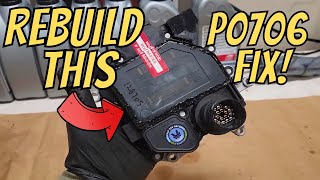
How to confirm: Specific fault codes for these sensors will be stored in the TCM, such as 17106/P0722 for the Output Speed Sensor (G195) or 17090/P0706 for the Range Sensor 🎬 Watch: How to fix a P0706 fault code and TCM. (F125).
Typical fix: Because the sensors are part of the TCM, the entire TCM unit is repaired or replaced. The sensors themselves are not typically available as separate parts.
Est. part cost: $350-$1800 (cost of TCM repair/replacement).
Rare But Worth Checking
- Weak Battery or Electrical System Fault: While less common, low system voltage from a failing battery or alternator can cause communication errors between control modules, including the TCM, leading to erroneous fault codes and unpredictable behavior.
- Water Intrusion in TCM Connector: In some cases, water can get into the main electrical plug for the transmission, causing corrosion and communication issues with the TCM. A visual inspection of the connector pins is recommended.
- Degraded Main Chassis or Transmission Ground Straps: Corrosion or looseness at the primary transmission-to-chassis ground point can cause significant voltage drops and erratic behavior from the TCM, mimicking an internal failure. A voltage drop test between the engine block and chassis should show less than 0.15 volts.
Diagnosis Steps
- Obtain a full vehicle scan using a tool capable of communicating with the Audi Transmission Control Module (TCM), such as VCDS (VAG-COM) or a professional-grade scanner. A basic OBD-II reader will only show P0700.
- Record all Diagnostic Trouble Codes (DTCs) stored in the TCM (Address 02). These codes are essential for diagnosis.
- Analyze the specific TCM codes. Codes related to sensors (P0706, P0722, P1793, P0717) very strongly point to an internal TCM failure.
- Check if you can communicate with the TCM at all. A complete lack of communication, especially when the transmission is warm, points to a dead TCM.
- Check the transmission fluid level and condition. This is a complex procedure on the Multitronic and must be done at a specific temperature (30-40°C). Dark, burnt, or metallic fluid indicates other problems.
- Inspect the transmission's main electrical connector for corrosion, damage, or fluid intrusion.
- Perform a voltage drop test on the main engine-to-chassis ground strap. With the engine running, measure the voltage between the engine block and the chassis ground point. A reading higher than 0.15V indicates a poor ground connection that needs to be cleaned or replaced.
- Based on the codes, determine if the TCM needs to be repaired/replaced. If no communication with the TCM is possible, it has most likely failed and requires removal for testing and repair/replacement.
Parts You'll Likely Need

- Transmission Control Module (TCM)
(OEM #0AW927156K (also compatible with H and E revisions))— This is the most common failure point for the Multitronic transmission, causing the P0700 code and associated symptoms. The entire module, which includes the circuit board and integrated sensors, is replaced or repaired as a single unit.
Trusted brands: Genuine Audi, Temic (Original Manufacturer), Various repair services (e.g., Circuit Board Medics, XeMODeX, ACTRONICS)
OEM price range: $1200-$1800 (new), plus dealer programming costs.
Aftermarket price range: $350-$800 (for a professional repair service). - CVT Transmission Fluid Kit
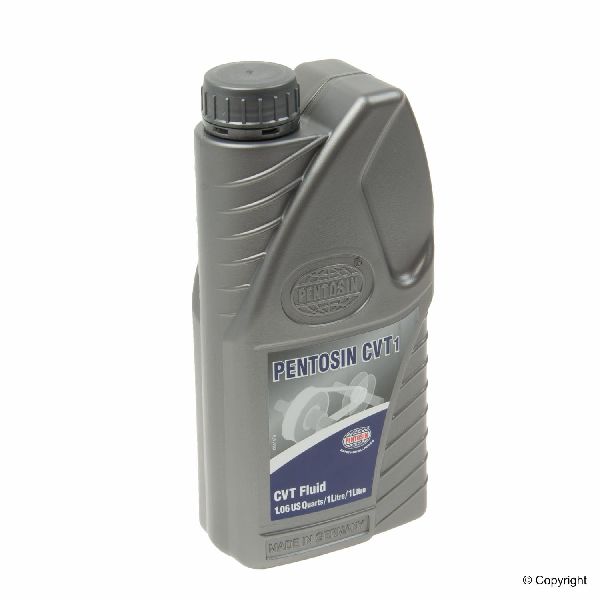
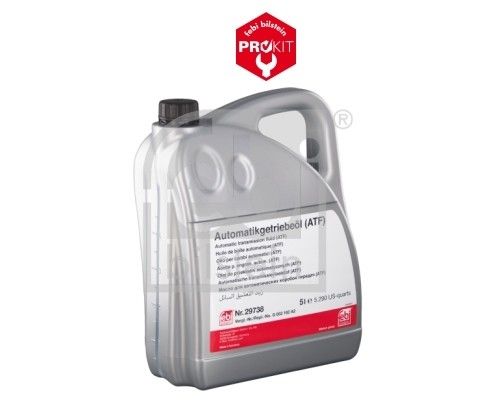
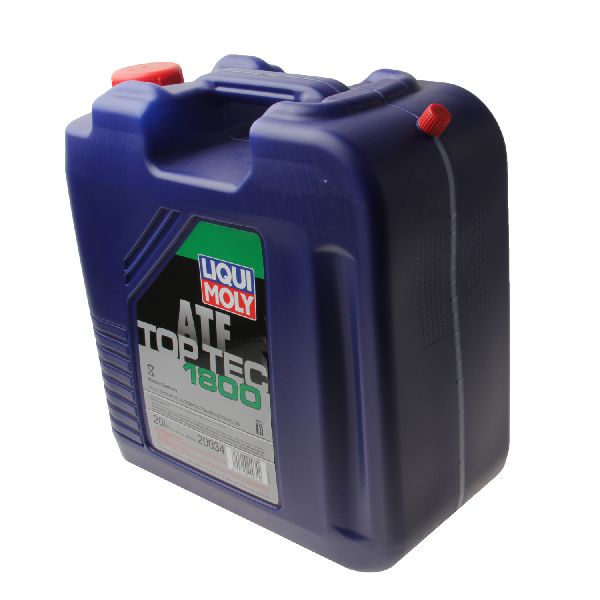
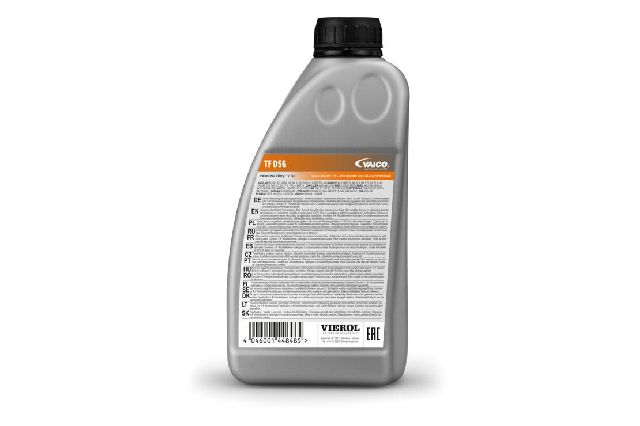
(OEM #G052516A2 (Fluid))— Required when replacing the TCM or servicing the transmission. Using the correct OEM-spec fluid is critical for the longevity of the CVT. The kit usually includes fluid, a filter, and a pan gasket.
Trusted brands: Genuine Audi, Febi Bilstein, Liqui Moly, Vaico
OEM price range: $30-$40 per liter
Related Codes That Often Appear With This One
- 17090 / P0706 — Indicates a fault with the Transmission Range Sensor Circuit (F125), which is integrated into the TCM and tells the car which gear is selected.
- 17106 / P0722 — Indicates no signal from the Transmission Output Speed Sensor (G195), which is integrated into the TCM and is critical for operation.
- 18201 / P1793 — Indicates no signal from Transmission Output Speed Sensor 2 (G196), also part of the TCM.
- 17101 / P0717 — Indicates no signal from the Transmission Input Speed Sensor (G182), another sensor integrated into the TCM.
- 17114 / P0730 — Indicates an incorrect gear ratio is being monitored, often a symptom of internal TCM issues or mechanical slipping.
- 18161 / P1753 — Points to an implausible signal from the Tiptronic Switch (F189), which can be caused by a faulty switch in the shifter assembly or a misadjusted selector lever cable.
Technical Service Bulletins (TSBs) & Recalls
- While no specific TSB number was found in the searches, Audi has issued internal technical documents (TPIs) like 2028301/8 that address testing and diagnostic procedures for Multitronic complaints, often leading to TCM replacement.
Platform-Specific Known Issues
- The Multitronic (CVT) transmission (0AW/VL381) used in FWD B8 A4 models has a well-documented history of TCM failures due to the module's location inside the hot transmission case.
- Many owners opt for a TCM repair service, where a specialist rebuilds the original module. This is a cost-effective alternative to a full replacement from the dealer and crucially, avoids the need for expensive and complex vehicle reprogramming.
- A new TCM from Audi requires online component protection removal and programming, which can only be done by an authorized dealer, adding cost and complexity to the repair.
Mechanic-Grade Diagnostic Values
- Engine-to-Chassis Ground Voltage Drop — expected: Less than 0.15 Volts. Failure: A reading higher than 0.15V indicates a degraded or corroded ground strap, which can cause erratic module behavior.
- Transmission Fluid (ATF) Temperature for Basic Setting — expected: 30°C - 100°C. Failure: Performing the basic setting outside of this temperature range may lead to incorrect adaptation.
Hidden / Shadow Codes Worth Checking
- 18161 / P1753: Tiptronic Switch (F189): Implausible Signal. This fault indicates a problem with the gear selector switch/magnet assembly, which can cause the PRNDS lights to flash and disable manual shifting. It can be caused by a faulty switch, wiring, or a misadjusted selector cable. (see via VCDS (VAG-COM) or other VAG-specific diagnostic tools when scanning the Auto Trans (02) module.)
Scan Tool Commands That Help

- VCDS or ODIS: Basic Settings - Group 000 (or Drop-Down Menu for UDS) — After replacing the TCM or performing major transmission service, a basic setting procedure must be run. This allows the TCM to relearn clutch engagement points and adapt to the transmission's characteristics. For the 0AW, this involves selecting the function, starting the engine, and holding the brake pedal until the process completes successfully.
- VCDS: Measuring Value Blocks (MVB) / Advanced Measuring Values — Used to monitor live data from the transmission, such as ATF temperature, input/output speed sensor readings, and switch positions. This is critical for diagnosing whether sensor readings are plausible or absent. For later B8.5 models with UDS protocol, this is found under 'Advanced Measuring Values' as the traditional MVB button is greyed out.
Wiring & Ground Locations
- G104 — Primary ground located on the transmission bellhousing, connecting the transmission to the chassis.. This is the main ground path for the transmission and its control module. Corrosion or looseness here can cause a significant voltage drop, leading to erratic TCM behavior, communication faults, and codes that mimic internal TCM failure.
- Main Transmission Connector — The large, round electrical connector on the outside of the transmission case that connects the vehicle harness to the internal TCM.. This connector is a known point for water intrusion or pin corrosion, which can interrupt communication with the TCM, causing a P0700 and other communication-related faults.
Real Owner Repair Stories
- ozAudi forum user (2008 Audi A4 B8 1.8TFSI with CVT, 149,850 km) — Infamous "Gearbox Malfunction - You May Continue To Drive" message, followed by jerking, slipping, and constant beeping.
❌ Tried (didn't work) The owner did not report trying other fixes first, went straight to a trusted independent shop for diagnosis.
✅ What actually fixed it The shop diagnosed a 'Range Sensor - Out of Limit' code and confirmed TCM failure. The TCM was replaced with a new unit, which then required online programming at an Audi dealer for $400. The total repair cost was $4800 AUD. The owner noted that while repair services exist, they opted for full replacement based on forum advice that repaired units can have recurring issues. - YouTube Creator 'ItsMechaniCole' (Audi A4 B7 (similar 01J/0AW family)) — Flashing PRNDS lights, car forgets what gear it's in and goes into limp mode (neutral). Threw code P0706 for the range sensor.
❌ Tried (didn't work) Fixing a transmission fluid leak and refilling the fluid did not resolve the shifting issue.
✅ What actually fixed it The Transmission Control Module (TCU/TCM) was removed from the back of the transmission and sent to a specialist for rebuilding. After reinstallation and a proper fluid fill procedure, the car drove correctly without the fault code returning. The video demonstrates the entire removal and reinstallation process.
OEM Part Supersession History
0AW927156E, 0AW927156G, 0AW927156H→0AW927156K— Revisions to improve reliability and address common failure modes of the internal sensors and circuit board.
Heads up: While these part numbers are generally interchangeable for the 0AW transmission, it is critical to confirm compatibility with the vehicle's specific year and engine. A replacement TCM, whether new or used, will require programming or cloning of the original unit's data to function correctly with the vehicle's immobilizer and other systems.
Model Year Variations Within This Range
- 2013-2016 (B8.5 Facelift): The B8.5 facelift models (2013+) feature several updates over the earlier B8 (2009-2012) models. While the Multitronic transmission itself remained largely the same, other vehicle systems changed. B8.5 models have electromagnetic power steering instead of hydraulic, an updated MMI 3G+ infotainment system, and different exterior styling. Some later models use the UDS diagnostic protocol, which changes how a technician accesses data in VCDS (requiring 'Advanced Measuring Values' instead of 'Measuring Blocks').
Diagnostic Flowchart
Other Known Issues on This Vehicle
Issues unrelated to this code that are worth knowing about as an owner of this generation:
- Excessive Oil Consumption (2.0T TFSI Engine) 🔴 High — Very common on 2009-2011 models with the 2.0T engine. Caused by faulty piston rings and/or PCV system. Consumption can be as high as 1 quart every 300-500 miles. (Ref: Audi addressed this with a class-action lawsuit settlement and internal TSBs for an oil consumption test and potential piston/ring replacement.)
- Timing Chain Tensioner Failure (2.0T TFSI Engine) 🔴 High — Common on pre-facelift (B8) models. The original tensioner can fail without warning, causing the chain to jump time, leading to catastrophic engine damage. A metallic rattle on a cold start is a warning sign. (Ref: An updated tensioner part was released. It is a preventative maintenance item many owners replace, typically between 80,000 and 120,000 miles.)
- Failing Water Pump / Thermostat Housing 🟠 Medium — The plastic water pump and thermostat housing are prone to cracking and leaking coolant. Failure can occur at various mileages, sometimes as early as 25,000 miles. (Ref: Many owners proactively replace the plastic unit with an aftermarket all-aluminum version for better durability.)
- Worn Front Control Arm Bushings 🟠 Medium — The rubber bushings in the multi-link front suspension wear out, typically between 60,000 and 100,000 miles, causing clunking noises, poor handling, and uneven tire wear.
Used vs. New Parts: Buying Guide for This Vehicle
When a used part is the smart pick: A used TCM is almost never a good choice for this vehicle unless it comes from a specialized recycler that guarantees it has been tested and provides a warranty. The failure rate is extremely high due to the design flaw, so a random used part from a junkyard is likely to have the same defect or fail soon. The most cost-effective and reliable option besides a new OEM part is to have your original TCM professionally repaired and rebuilt by a reputable service, which corrects the internal flaws and does not require reprogramming.
Donor-vehicle mileage cap: roughly under 50000 miles for the part to have meaningful remaining life.
What to inspect on the donor part:
- Verify the part number (e.g., 0AW927156K) matches exactly or is a known compatible supersession.
- Inspect the main electrical connector for any signs of corrosion, bent pins, or water damage.
- Ask for the donor vehicle's VIN to check its service history if possible.
- Only buy from a seller who offers a warranty and a clear return policy.
OEM-only on this vehicle (don't cheap out):
- Transmission Control Module (TCM): While repair services are a great alternative, if buying a replacement unit, a new Genuine Audi part is the only way to guarantee you have the latest revision. Avoid unverified, cheap aftermarket clones from non-reputable sources, as they often fail or cannot be programmed.
Aftermarket brands forum-validated for this vehicle:
- For TCM Repair: ACTRONICS, Circuit Board Medics, XeMODeX, and other specialized electronics rebuilders are well-regarded for repairing the original TCM.
- For Fluid: Febi Bilstein, Liqui Moly, and Vaico are known to produce high-quality CVT fluid that meets the required G 052 516 A2 specification.
Brands owners have reported issues with on this vehicle:
- Generic, unbranded TCMs sold on marketplaces without a clear warranty or seller history. These often cannot be cloned or programmed to the vehicle, making them useless.
Real Owner Stories
Aggregated from forums and TSBs cited above. Mileages and costs reflect what owners reported in those sources.
2008 Audi A4 B8
Symptoms: Experienced a 'Gearbox Malfunction' error on the dash and a 'Range Sensor - Out of Limit' fault code.
What fixed it: Replacement of the TCM, which required dealer-specific online programming.
Cost: $3,100-$3,200
Source hint: ozAudi.com.au: A user with a 2008 B8 A4 detailed their experience with the 'Gearbox Malfunction' error
2010 Audi A4 2.0T — 55000 miles
Symptoms: Jerky acceleration and a gearbox malfunction message appearing just out of warranty.
What fixed it: The dealer quoted a full transmission replacement.
Cost: $9,000-$9,000
Source hint: AudiForums.com: A 2010 A4 owner with 55k miles described jerky acceleration
2009 Audi A4 B8 Multitronic
Symptoms: The car became stuck in Park after a fault code for the 'rev module on the gearbox' was triggered.
What fixed it: TCM/rev module diagnostic and repair.
Source hint: Reddit (r/mechanic): A user with a 2009 A4 B8 Multitronic describes the car getting stuck in Park
Related OBD-II Codes
Frequently Asked Questions
My 2009 Audi A4 is stuck in Park and won't shift out. Is this related to the P0700 code?
Does Audi have a TPI for diagnosing these Multitronic gearbox malfunctions?
Can I repair my TCM instead of buying a new one from the dealer to avoid programming?
How often should I change the fluid in my A4's Multitronic CVT to prevent these issues?
What does it mean if my dashboard is flashing 'PRNDS'?
Is it true that Audi considers the transmission 'lifetime' to be around 124,000 miles?
Helpful Videos



Used OEM Parts in Stock


New Aftermarket Parts Available



The information in this article is provided for general reference and educational purposes only. Vehicle specifications, procedures, and part compatibility can vary by production date, trim level, and region. Always consult your vehicle's factory service manual and verify part numbers before purchasing or performing repairs. Safety-critical components such as airbags, seat belts, and braking systems should be installed by a qualified professional.
- Audi A4:
- 🎬 Helpful Videos
- 🛍️ Shop This Part
- What's Unique About the 2009-2016 Audi A4
- Symptoms You May Notice
- Most Likely Causes
- Rare But Worth Checking
- Diagnosis Steps
- Parts You'll Likely Need
- Related Codes That Often Appear With This One
- Technical Service Bulletins (TSBs) & Recalls
- Platform-Specific Known Issues
- Mechanic-Grade Diagnostic Values
- Hidden / Shadow Codes Worth Checking
- Scan Tool Commands That Help
- Wiring & Ground Locations
- Real Owner Repair Stories
- OEM Part Supersession History
- Model Year Variations Within This Range
- Diagnostic Flowchart
- Other Known Issues on This Vehicle
- Used vs. New Parts: Buying Guide for This Vehicle
- Real Owner Stories
- 2008 Audi A4 B8
- 2010 Audi A4 2.0T — 55000 miles
- 2009 Audi A4 B8 Multitronic
- Related OBD-II Codes
- Frequently Asked Questions
- 🎟️ Get 5% Off