

P0521 on 2013 Chevrolet Tahoe 5.3L: Engine Oil Pressure Sensor Causes and Fixes
On a 2013 Tahoe 5.3L, code P0521 is almost always caused by a faulty oil pressure sensor and its clogged filter screen. Replacing both parts (~$60-$100 OEM) is the fix, but labor is high due to the sensor's difficult location at the back of the engine. Using the correct ACDelco oil filter (PF63E is often recommended over the original PF48E) is also a critical step.
- Do not ignore this code. First, verify the actual engine oil pressure with a mechanical gauge to rule out a serious internal engine problem.
- The most common fix is to replace both the oil pressure sensor and the small filter screen underneath it.
- Always use high-quality OEM parts for the repair, specifically an ACDelco sensor (D1846A) and an ACDelco oil filter (PF48E), to prevent the code from returning.
- Be prepared for a difficult repair. The sensor's location makes it a 4/5 difficulty job that requires several hours and special tools.
What's Unique About the 2013-2013 Chevrolet Tahoe
The 2013 Tahoe's 5.3L V8 is part of the GMT900 generation, which often includes Active Fuel Management (AFM). These engines are known to be sensitive to oil quality and filter type, and can be prone to sludge buildup, partly due to oil consumption issues related to the AFM system. This sludge is a primary culprit for clogging the small, thimble-shaped filter screen located directly beneath the oil pressure sensor, leading to the erratic readings that trigger code P0521. 🎬 Watch: Diagnosing erratic oil pressure readings and P0521 codes. The AFM system also uses a Valve Lifter Oil Manifold (VLOM) which has its own filter that can clog, further complicating oil pressure diagnostics. Using the correct OEM oil filter is often cited in service bulletins as a key preventative measure for this specific code.
Symptoms You May Notice
- Check Engine Light is on.
- Oil pressure warning light is on, or a "Low Oil Pressure - Stop Engine" message appears on the driver information center.
- The oil pressure gauge reads abnormally low (near zero), unusually high (maxed out at 80-129 PSI), or fluctuates erratically.
- Remote start system is disabled.
- Engine runs rough or makes unusual ticking or knocking noises (this indicates a true low oil pressure condition).
- A "Service Stabilitrak" or "Traction Control" message may appear, as the ECM can disable these systems when critical engine faults are present.
- Replacing the oil pressure sensor without also replacing the small filter screen underneath it. A new sensor will still read incorrectly if the screen is clogged.
- Replacing the oil pump or other major engine components before verifying the actual oil pressure with a mechanical gauge. The issue is most often in the sensor circuit, not the pump itself.
- Immediately condemning the engine. Some dealers have been known to recommend engine replacement for P0521 when the actual cause was a simple sensor or screen, a story repeated by owners on forums.
Most Likely Causes
- Faulty Engine Oil Pressure Sensor (Sending Unit) 🔴 High Probability This is the most common point of failure for this code on GM V8 engines of this era, often due to internal diaphragm failure or internal leaking.
How to confirm: After confirming actual oil pressure is normal with a mechanical gauge, the sensor is the next logical part to replace. A scan tool showing erratic or fixed readings (e.g., 129.9 PSI) with the engine off points to a bad sensor. Unplugging the sensor and seeing the gauge go to zero can also suggest a sensor fault over a gauge/cluster problem.
Typical fix: Replace the oil pressure sensor. 🎬 See this walkthrough for replacing the sensor and filter screen. It is highly recommended to use an OEM ACDelco part to prevent premature failure, as aftermarket sensors are known to cause repeat issues.
Est. part cost: $45-$85 - Clogged Oil Pressure Sensor Filter Screen 🔴 High Probability Sludge and carbon deposits from the engine, particularly on AFM-equipped V8s, can easily clog this small fine-mesh screen, restricting oil flow to the sensor and causing a false low-pressure reading.
How to confirm: The screen is located directly under the sensor. It must be removed and inspected when the sensor is replaced. If it is full of black sludge, it is a primary cause. A common removal trick is to thread a 5/16" bolt into the plastic frame of the screen and pull it out.
Typical fix: Remove and replace the filter screen. This should be done any time the oil pressure sensor is replaced.
Est. part cost: $5-$15 - Incorrect or Low-Quality Oil Filter 🟡 Medium Probability GM has issued technical service bulletins (TSBs) stating that non-OEM or incorrect ACDelco filters can cause this code. Manufacturer Bulletin #PIP5276E notes that a technician may find P0521 or low oil pressure indicated after an oil change, recommending a filter replacement with a PF48E type.
How to confirm: Check the brand and part number of the installed oil filter. If it is not a recommended ACDelco filter (PF48E, PF63E, or UPF48R per some TSBs), it is a likely contributor.
Typical fix: Perform an oil change using the correct viscosity oil and install a genuine ACDelco PF63E oil filter (or PF48/UPF48R per TSBs).
Est. part cost: $10-$15 - Low or Dirty Engine Oil ⚪ Low Probability AFM engines can consume more oil, making it important to check levels regularly. Low oil levels will cause an actual drop in pressure.
How to confirm: Check the engine oil level on the dipstick and inspect the oil's condition.
Typical fix: Top off or change the engine oil and filter.
Est. part cost: $40-$80
Rare But Worth Checking
- Clogged Valve Lifter Oil Manifold (VLOM) Filter: On AFM engines, there is another filter screen in the VLOM (under the intake manifold) that can clog with sludge, causing oil pressure issues downstream. TSB #PIP4786C specifically mentions inspecting this filter for debris as a cause for P0521 when mechanical pressure at the oil filter housing is good, but the sensor reading is low. A technician demonstrated that a clogged VLOM can cause a significant pressure drop between the lower end and the top end where the sensor is located.
- Failing Oil Pump or Sticking Pressure Relief Valve: If a mechanical gauge confirms that the engine's oil pressure is actually low, the cause is more severe, such as a failing oil pump, a stuck-open pressure relief valve in the oil pan, or worn engine bearings. TSB #PIP5630D also notes a sticking oil pump relief valve as a known issue.
- Wiring Harness or Connector Damage: The wiring to the sensor is in a hot, tight location at the back of the engine and can become brittle, oil-soaked, or damaged, causing a short or open circuit. The connector itself is also a known failure point.
Diagnosis Steps
- Check the engine oil level and condition. Top off or change if necessary.
- Verify that the correct oil filter is installed. If it is not an ACDelco brand filter (PF63E recommended), consider replacing it as a first step. Per Bulletin #PIP5276B, if a PF48E is found during a cold start fault in temperatures below 0 degrees Fahrenheit, it should be changed to a PF48.
- Connect a scan tool and observe the oil pressure PID. With Key On, Engine Off (KOEO), the pressure should be 0 PSI. If it shows a high reading (like 129 PSI), the sensor or its circuit is faulty.
- CRITICAL: Connect a mechanical oil pressure gauge to the engine to verify the actual oil pressure. A port is often available near the oil filter housing. GM specs are generally a minimum of 24 PSI at 1,000 RPM when warm, though some service manuals state minimums as low as 6 PSI at hot idle.
- If mechanical pressure is good, the fault is in the sensor circuit. Proceed to the next step.
- If mechanical pressure is low, stop and diagnose the lubrication system (oil pump, pickup tube O-ring, internal engine wear). 🎬 Watch: Solving low oil pressure issues on the GM 5.3L.
- Inspect the wiring and connector for the oil pressure sensor for any signs of damage, corrosion, or loose connections. The connector itself is a common point of failure.
- If wiring is okay, replace both the oil pressure sensor and the small filter screen located in the block underneath it.
- Clear the code and perform a drive cycle to see if the code returns.
Parts You'll Likely Need
- Engine Oil Pressure Sensor
(OEM #12673134 (supersedes 12616646, D1846A))— This is the most common component to fail and cause code P0521. Using a genuine GM/ACDelco part is strongly advised.
Trusted brands: ACDelco (D1846A), GM Genuine Parts (12673134)
OEM price range: $45-$85
Aftermarket price range: $20-$50 - Engine Oil Pressure Sensor Filter Screen
(OEM #12585328)— This screen frequently clogs with sludge, causing inaccurate readings. It must be replaced whenever the sensor is replaced to ensure a lasting repair.
Trusted brands: ACDelco, GM Genuine Parts
OEM price range: $5-$15
Aftermarket price range: $3-$10 - Engine Oil Filter
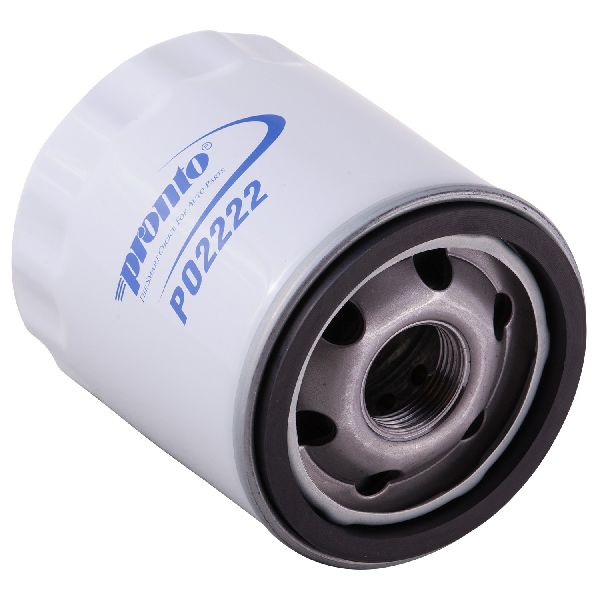
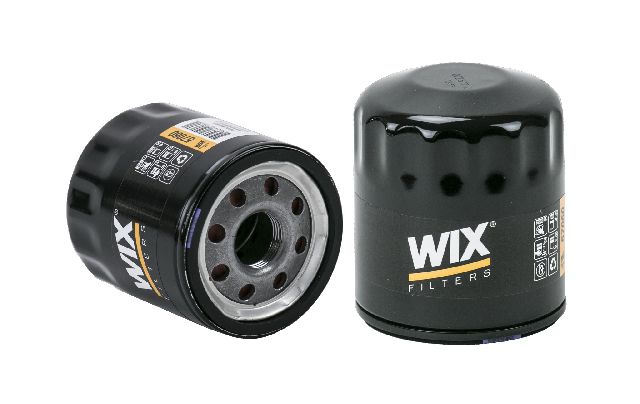
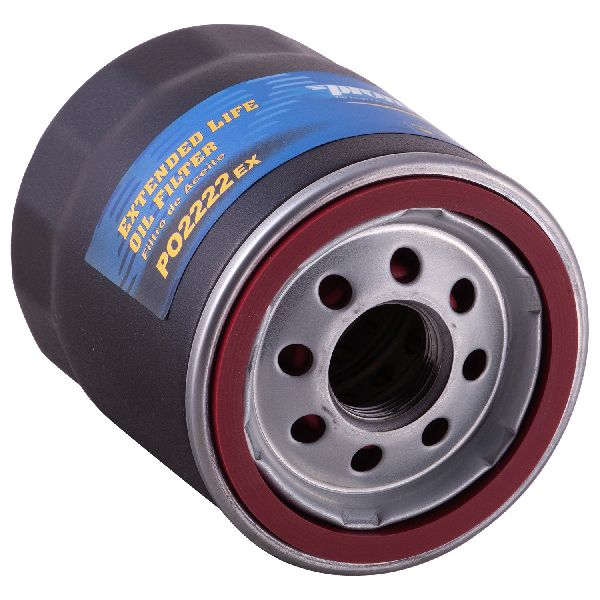
(OEM #PF63E (Recommended Upgrade) or PF48E)— Using a non-specified oil filter is a known cause of this code on GM V8s. Upgrading to the larger PF63E is often recommended for better pressure stability, though TSBs also mention PF48E and UPF48R depending on the specific issue and conditions.
Related Codes That Often Appear With This One
- P0523 — This code for 'Engine Oil Pressure Sensor Circuit High Voltage' can appear if the sensor fails in an open state or its connector is unplugged or has a bad connection.
- P0300-P0308 — If actual oil pressure is low, it can affect the hydraulic lifters, especially in AFM engines, leading to misfires on one or more cylinders.
- P0641 — The oil pressure sensor shares a 5-volt reference circuit with other sensors. A fault in another sensor on this circuit (like the A/C pressure or fuel rail pressure sensor) can sometimes trigger a P0521 code.
Technical Service Bulletins (TSBs) & Recalls
- PIP5276G: Addresses P0521 appearing after an oil change. It references bulletin 10-06-01-008 for engine cleaning procedures and also mentions inspecting the left rocker cover baffle for leaks that can affect the PCV system and lead to sludge. It applies to various engine codes including LMG and LC9.
- PIP4786C: Specifically instructs technicians to inspect the Valve Lifter Oil Filter (in the VLOM) for debris if scan tool pressure is low but mechanical pressure is confirmed to be good at the oil filter housing.
- PIP5276 (earlier version): Recommends switching from a PF48E filter to a standard PF48 filter in ambient temperatures below 20°F (-7°C) to resolve P0521 on a cold start.
- 10-06-01-008 (multiple revisions): A major TSB concerning oil consumption and AFM engines. It outlines procedures for cleaning the engine and pistons and, in later versions, recommends updating the valve cover and using a PF63E filter. This TSB is often referenced by others related to P0521.
- Bulletin #PIP5276E: Notes that a vehicle may have a Service Engine Soon lamp or low oil pressure indicated after an oil change, and technicians should inspect for oil leaks and replace the filter with a PF48e type.
- Bulletin #PIP5276B: States that in temperatures below 0 degrees Fahrenheit, a cold start may trigger P0521; technicians should check if the filter is a PF48E and change it to a PF48 if necessary.
Platform-Specific Known Issues
- A known issue, documented in TSB #PIP5276G, links code P0521 to oil changes, recommending the use of a specific ACDelco filter to resolve the problem.
- The location of the sensor at the back of the engine, tucked under the cowl against the firewall, makes this a notoriously difficult and time-consuming repair for DIYers and professionals alike.
- Owner experiences frequently highlight the importance of replacing both the sensor and the screen simultaneously. One owner on YouTube demonstrated pulling a completely sludge-clogged screen from his Suburban, noting that even a new sensor would have been useless without cleaning the passage.
- In a thread on TahoeYukonForum, a user with a recurring P0521 after a lifter replacement confirmed 40 PSI with a mechanical gauge, indicating the problem was isolated to the sensor circuit, not the engine's main oiling system.
Mechanic-Grade Diagnostic Values
- 5-Volt Reference Circuit Voltage (at sensor connector, KOEO) — expected: 4.8 - 5.2 Volts. Failure: Voltage outside this range indicates a problem with the ECM or a short/open in the 5V reference circuit.
- Low Reference Circuit Resistance (at sensor connector to ground, Ignition OFF) — expected: < 1.0 Ohm. Failure: Resistance greater than 1.0 Ohm indicates an open or high resistance in the ground circuit for the sensor.
- Sensor Signal Voltage (engine running) — expected: ~1.0 - 4.0 Volts. Failure: Voltage outside this range, or a static voltage that doesn't change with RPM, indicates a faulty sensor or circuit.
- Minimum Oil Pressure (Mechanical Gauge, Engine Hot) — expected: 6 PSI at Idle, 18 PSI at 2000 RPM, 24 PSI at 4000 RPM (Absolute Minimums per GM). Failure: Pressure below these minimums indicates a mechanical lubrication system failure.
- Healthy Oil Pressure (Mechanical Gauge, Engine Hot) — expected: 20-30 PSI at Idle, >40 PSI over 2000 RPM. Failure: While technically above minimums, pressures consistently at the low end can indicate early signs of wear.
Scan Tool Commands That Help
- GDS2 / Tech2: Observe Engine Oil Pressure Sensor parameter — Used to monitor the pressure reading being sent to the ECM in real-time. With the engine off, it should read 0 PSI; a high reading like 129 PSI confirms a sensor/circuit fault. While running, it should be compared against a mechanical gauge to confirm sensor accuracy.
Wiring & Ground Locations
- Oil Pressure Sensor Connector — Top rear of the engine block, behind the intake manifold.. This 3-pin connector is the primary test point. Pin 1 is the Low Reference (ground), Pin 2 is the 5-volt reference from the ECM, and Pin 3 is the signal wire back to the ECM. Verifying voltage and ground integrity at these pins is a key diagnostic step.
- G103 — On the front of the right (passenger side) cylinder head on GMT900 models.. This is a critical ground for the Engine Control Module (ECM). A loose or corroded connection here can cause an unstable ground reference for the ECM and its sensors, leading to a wide range of erratic codes, including P0521.
- G104 — On the front of the left (driver side) cylinder head.. This is another engine ground point. While G103 is more directly tied to the ECM, ensuring all major engine grounds are clean and tight is crucial for preventing electrical noise and sensor issues.
Real Owner Repair Stories
- Reddit user in r/ChevyTrucks (2013 Chevrolet Tahoe, 159k miles) — Recurring P0521 code that would return 1000-1500 miles after an oil change.
❌ Tried (didn't work) Replacing the oil pressure sensor
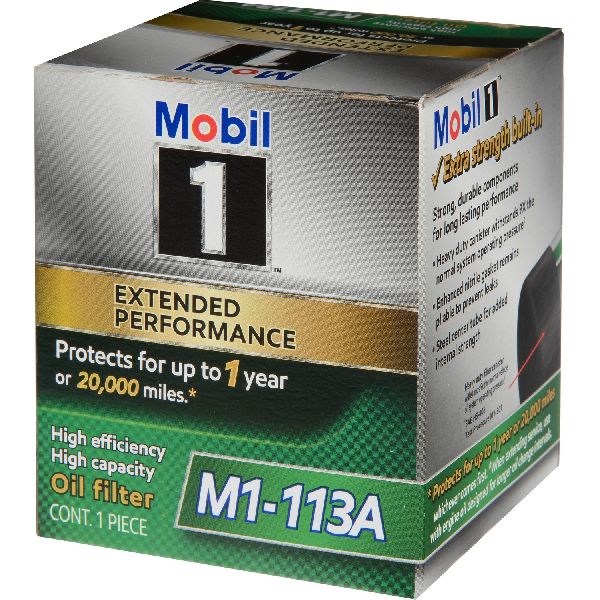
✅ What actually fixed it Switching to a high-quality Mobil 1 M1-113A oil filter and ensuring the oil level was correct resolved the recurring code, highlighting the platform's sensitivity to oil filter choice. - Reddit user in r/AskMechanics (2007 Chevrolet Tahoe) — P0521 code returned about a week after repair.
❌ Tried (didn't work) Replacing the oil pressure sensor and screen with an aftermarket part.
✅ What actually fixed it The problem was permanently resolved only after replacing the new aftermarket sensor with a genuine OEM ACDelco sensor. This is a very common story for this repair. - Tahoe Yukon Forum user (2007 GMC Yukon) — Oil pressure gauge was 'dancing' between 0 and 80 PSI, triggering P0521, P0522, and P0523.
❌ Tried (didn't work) Initial diagnosis pointed towards sensor or ECM.
✅ What actually fixed it Replacing the oil pressure sensor with an ACDelco D1846A part fixed the issue. The user confirmed that unplugging the old sensor made the gauge go to 0, which correctly pointed to a sensor fault rather than a gauge or wiring issue.
When the Usual Fixes Don't Work
- In cases where replacing the sensor, screen, and using the correct oil/filter does not resolve the code, the issue often traces back to one of two areas. First, the use of an aftermarket sensor is a frequent cause of repeat failure; many forum users report having to do the job twice, with an OEM ACDelco sensor being the final fix. Second, if a mechanical gauge confirms pressure is truly low at the sensor (top of the engine) but good at the oil filter housing (bottom of the engine), the problem is likely a blockage in an internal passage, with the filter screen inside the Valve Lifter Oil Manifold (VLOM) being a prime suspect on AFM engines.
OEM Part Supersession History
12616646→12673134 (also sold as ACDelco D1846A)— Updated design for improved reliability and performance.
Heads up: The new part is a direct replacement for the old one. Using the latest revision is always recommended.ACDelco PF48 / PF48E→ACDelco PF63E (Recommended Upgrade)— The PF63E is a larger filter with potentially better flow and pressure regulation characteristics that can help prevent P0521. GM also issued TSBs (like PIP5276D) suggesting a switch to a UPF48R filter in specific cold-weather P0521 cases.
Heads up: While the PF48E is often the specified filter, many owners and TSBs point to the PF63E or UPF48R as a solution for recurring P0521 codes.
Diagnostic Flowchart
Used vs. New Parts: Buying Guide for This Vehicle
When a used part is the smart pick: For this specific repair, using used parts is not recommended. The primary failure components (sensor, screen, filter) are inexpensive wear-and-tear items. A used wiring harness pigtail could be a viable option if the original connector is damaged and a new pigtail is unavailable.
What to inspect on the donor part:
- If sourcing a connector pigtail, inspect for brittle plastic, stretched wires, or any signs of corrosion on the pins.
OEM-only on this vehicle (don't cheap out):
- Engine Oil Pressure Sensor
- Engine Oil Pressure Sensor Filter Screen
- Engine Oil Filter
Aftermarket brands forum-validated for this vehicle:
- While ACDelco is strongly preferred, some users report success with Delphi or Standard Motor Products (SMP) sensors. However, the risk of premature failure is higher than with OEM.
Brands owners have reported issues with on this vehicle:
- Generic, unbranded sensors from online marketplaces are highly likely to fail quickly or be inaccurate out of the box. Some users have reported issues with Dorman sensors for this application, citing erratic readings after installation.
Real Owner Stories
Aggregated from forums and TSBs cited above. Mileages and costs reflect what owners reported in those sources.
2013 Chevrolet Tahoe 5.3L V8
Symptoms: A recurring P0521 code that persisted even after the oil pressure sensor was replaced.
What fixed it: Switching to a specific oil filter (Mobil 1 M1-113A) and ensuring proper oil levels resolved the issue, highlighting the engine's sensitivity to the oil filter.
Source hint: Reddit r/ChevyTrucks: 'Need help* p0521 keeps coming up.'
2011 Chevrolet 5.3L V8
Symptoms: The P0521 code would only appear as the engine oil got older. The oil pressure would drop and the code would set after about 4,000 miles into an oil change interval.
What fixed it: A fresh oil and filter change would resolve the problem temporarily, indicating an issue with sludge buildup or filter degradation over time.
Source hint: GM-Trucks.com: '2011 5.3 and the infamous P0521 code'
2013 Chevrolet Suburban 5.3L V8
Symptoms: P0521 code was present.
What fixed it: The owner stressed that using a genuine GM OE sensor is critical, as aftermarket sensors are known to cause repeat issues because they 'don't play nice with the computer system'.
Source hint: TahoeYukonForum.com: 'Oil pressure sensor issue - P0521'
Chevrolet Suburban 5.3L V8
Symptoms: Owner was troubleshooting a P0521 code and replacing the sensor.
What fixed it: The owner discovered a completely sludge-clogged filter screen under the sensor, demonstrating that replacing the screen is just as important as replacing the sensor itself.
Source hint: Owner experience on YouTube cited in vehicle_specific_issues
Related OBD-II Codes
Frequently Asked Questions
My Check Engine Light and 'Low Oil Pressure' warning came on right after an oil change on my 2013 Tahoe. Is this a known problem?
What is the correct oil filter to use on my 5.3L V8 to prevent code P0521?
I replaced the oil pressure sensor, but the P0521 code came back. What did I miss?
My oil pressure gauge is stuck at the maximum reading (129 PSI), even when the engine is off. Is this related to P0521?
How difficult is it to replace the oil pressure sensor on this Tahoe?
The dealer said I might need a new engine for a P0521 code. Should I be concerned?
Helpful Videos

We Have This Part in Stock


The information in this article is provided for general reference and educational purposes only. Vehicle specifications, procedures, and part compatibility can vary by production date, trim level, and region. Always consult your vehicle's factory service manual and verify part numbers before purchasing or performing repairs. Safety-critical components such as airbags, seat belts, and braking systems should be installed by a qualified professional.
- Chevrolet Tahoe:
- 🎬 Helpful Videos
- 🛍️ Shop This Part
- What's Unique About the 2013-2013 Chevrolet Tahoe
- Symptoms You May Notice
- Most Likely Causes
- Rare But Worth Checking
- Diagnosis Steps
- Parts You'll Likely Need
- Related Codes That Often Appear With This One
- Technical Service Bulletins (TSBs) & Recalls
- Platform-Specific Known Issues
- Mechanic-Grade Diagnostic Values
- Scan Tool Commands That Help
- Wiring & Ground Locations
- Real Owner Repair Stories
- When the Usual Fixes Don't Work
- OEM Part Supersession History
- Diagnostic Flowchart
- Used vs. New Parts: Buying Guide for This Vehicle
- Real Owner Stories
- 2013 Chevrolet Tahoe 5.3L V8
- 2011 Chevrolet 5.3L V8
- 2013 Chevrolet Suburban 5.3L V8
- Chevrolet Suburban 5.3L V8
- Related OBD-II Codes
- Frequently Asked Questions
- 🎟️ Get 5% Off