

P0365 on 2013-2022 Buick Encore: Exhaust Cam Sensor Causes and Fixes
On a 2013-2022 Buick Encore, code P0365 often points to a weak battery before a bad sensor. Per GM service bulletins, low voltage during startup can trigger this code, often with P0335 and P0340. Always test the battery first. If the battery is healthy, the exhaust camshaft position sensor is the likely culprit, costing $25-$60 for the part. The intake and exhaust sensors are identical and can be swapped for diagnosis.
- Before buying any parts for a P0365 code on a Buick Encore, have the battery professionally load-tested. A weak battery is a very common cause.
- The code refers to the exhaust camshaft position sensor ('B' sensor).
- The intake and exhaust camshaft position sensors are identical and can be swapped for diagnostic purposes. If the code changes to P0340 after swapping, you've confirmed a bad sensor.
- If the battery is good, the most likely fix is replacing the exhaust camshaft position sensor, which is a DIY-friendly job requiring an E10 Torx socket.
- This code is often seen with P0340 (intake cam sensor) and P0335 (crank sensor). If all three appear together, it strongly points to a battery problem.
What's Unique About the 2013-2022 Buick Encore
What's unique to the Buick Encore and related GM 1.4L platforms is a documented sensitivity to low battery voltage. GM issued Technical Service Bulletin PIP5482B specifically because a weak battery can cause P0365, P0340 (intake cam sensor), and P0335 (crankshaft sensor) to set simultaneously during engine startup. This is especially common on low-mileage vehicles or those that have been parked for a while, as it can occur after just two consecutive starts with a low state of charge. This means, unlike on many other cars, the first diagnostic step for P0365 on an Encore should always be a professional battery test, not immediate sensor replacement.
Generation note: The 2013-2022 model years cover the entire first generation of the Buick Encore, which consistently used the 1.4L LUV Turbo I4 engine. The Buick Encore GX, introduced in 2020, is a different vehicle on a separate platform. This guide applies to the first-generation Encore.
Symptoms You May Notice
- Check Engine Light is on
- Engine is difficult to start or has extended crank time
- Rough or fluctuating idle
- Engine stalling, especially at low speeds or when stopping
- Hesitation or loss of power during acceleration
- Reduced fuel economy
- Engine misfires
- Replacing the camshaft position sensor without first testing the battery. Given the specific TSB for this vehicle, a weak battery is a very common root cause and should always be checked first.
- Replacing the sensor without fixing an underlying oil leak from the valve cover gasket, which can cause the new sensor's connector to become contaminated and fail prematurely.
Most Likely Causes
- Weak or Failing Battery 🔴 High Probability GM Technical Service Bulletin PIP5482B specifically documents that low battery voltage during two consecutive starts can cause the ECM to erroneously set P0365, P0340, and P0335. This is a well-known issue on this platform, especially for vehicles that sit for extended periods or have low mileage.
How to confirm: Perform a professional battery health test using a load tester (like a GR8 or EL-50313-20 tester). A simple voltage check is not sufficient. If codes P0335 and P0340 are also present, a battery issue is highly probable. The presence of a BCM code like B1517 (Battery Voltage Below Threshold) is another strong indicator.
Typical fix: Replace the vehicle's 12V battery.
Est. part cost: $150-$300 - Faulty Exhaust Camshaft Position Sensor 🟡 Medium Probability Sensors fail over time from heat cycles and vibration. Oil contamination from the very common valve cover gasket leak can also seep into the sensor's connector and cause failure.
How to confirm: After confirming the battery is good, swap the intake ('A', front) and exhaust ('B', rear) camshaft position sensors, as they are identical parts. They are located on the top left (driver's side) of the engine. Clear the codes. If the trouble code changes to P0340 (Intake Camshaft Position Sensor 'A' Circuit), the sensor you moved is faulty.
Typical fix: Replace the failed camshaft position sensor. It is held in by a single E10 Torx bolt.
Est. part cost: $25-$60 - Wiring or Connector Issue ⚪ Low Probability The wiring harness can become brittle or damaged from heat and vibration in the engine bay. Oil leaks from the valve cover gasket can contaminate the connector and disrupt the signal. A poor ground connection at the valve cover or main chassis points can also cause erratic sensor behavior.
How to confirm: Visually inspect the wiring harness and connector for the exhaust camshaft position sensor. Look for chafing, melting, corrosion on the pins, or a loose connection. Check for oil saturation inside the connector. Check main engine ground points on the valve cover and under the battery tray for corrosion or looseness.
Typical fix: Repair the damaged section of wiring or clean/replace the connector pigtail. Aftermarket pigtails like Dorman 645-688 are available. Clean and tighten ground connections.
Est. part cost: $15-$50
Rare But Worth Checking
- Faulty Engine Control Module (ECM): This is rare, but if the battery, sensor, and wiring are all confirmed to be good, the ECM's internal circuits for processing the sensor signal may have failed. Sometimes an ECM software update is required to fix diagnostic sensitivity.
- Timing Chain or Component Issue: If the timing chain is stretched or a guide is broken, the camshaft's actual position can become out of sync with the crankshaft's position, leading the sensor to report an implausible signal. This is a more serious mechanical issue often accompanied by rattling noises on startup. TSB 21-NA-268 also notes a rare issue on related engines where the camshaft reluctor ring can shift, triggering P0365.
Diagnosis Steps
- Read all stored trouble codes with an OBD-II scanner. Note if P0340 and P0335 are present alongside P0365, as this combination strongly suggests a battery issue.
- CRITICAL: Perform a professional load test on the battery. Per TSB PIP5482B, a weak battery is a primary suspect. If the battery fails the test, replace it, clear the codes, and see if they return.
- If the battery is good, locate the exhaust camshaft position sensor ('B' sensor). On the 1.4L engine, it is on the top-left (driver's side) of the engine, toward the firewall (it's the rear of the two identical sensors).
- Inspect the sensor's electrical connector and wiring for any visible damage, corrosion, or oil contamination from a leaky valve cover.
- For a definitive sensor test, swap the exhaust (rear) and intake (front) camshaft position sensors. They are the same part number. Clear the codes and run the engine.
- If the code changes to P0340 (intake sensor fault), the original exhaust sensor has failed and needs to be replaced.
- If code P0365 returns after the swap, the problem is likely in the wiring circuit or the ECM. Use a multimeter to check for proper voltage (approx. 5.0V), ground, and signal at the sensor connector.
Parts You'll Likely Need
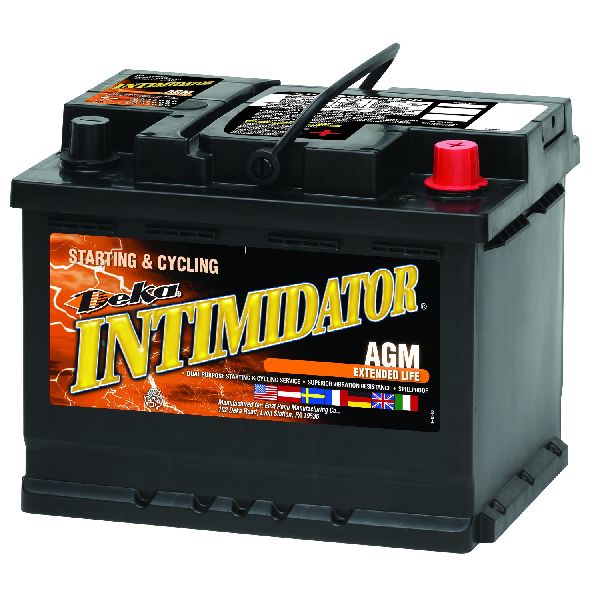
- Car Battery — A weak battery is a well-documented cause of code P0365 on this vehicle, as noted in GM TSB #PIP5482B.
Trusted brands: ACDelco, DieHard, Interstate
OEM price range: $200-$300
Aftermarket price range: $150-$250 - Engine Camshaft Position Sensor
(OEM #55566932)— This is the sensor that directly reports the exhaust camshaft's position. It is the most common part to fail if the battery is healthy. Note: The intake and exhaust sensors are the same part. The ACDelco service part number is 213-4689.
Trusted brands: ACDelco, Delphi, Standard Motor Products
OEM price range: $40-$70
Aftermarket price range: $25-$60
Related Codes That Often Appear With This One
- P0340 — This code is for the intake camshaft position sensor ('A'). TSB PIP5482B notes that it often appears with P0365 when a weak battery is the cause.
- P0335 — This code is for the crankshaft position sensor. It is also mentioned in TSB PIP5482B as being commonly set alongside P0365 and P0340 due to low battery voltage during startup.
- B1517 — This Body Control Module (BCM) code for 'Battery Voltage Below Threshold' is a strong corroborating piece of evidence that a low voltage event occurred, pointing to the battery as the root cause for the engine codes.
Technical Service Bulletins (TSBs) & Recalls
- PIP5482B: Advises technicians to perform a battery inspection/test when DTCs P0335, P0340, and P0365 are set, as a low state of charge is a likely cause, especially after just two consecutive starts on a low battery.
- PIE0416A / PIE0416: Earlier manufacturer bulletins requesting field information on vehicles setting codes P0335, P0340, or P0365, which preceded the diagnostic advice in PIP5482B.
- TSB 21-NA-268: While for a slightly different engine version, this TSB discusses a shifted exhaust camshaft reluctor ring as a rare mechanical cause for P0365, relevant if all electrical checks pass.
Platform-Specific Known Issues
- GM Technical Service Bulletin #PIP5482B specifically highlights that DTCs P0335, P0340, and P0365 can be set due to a low battery state of charge during engine starts. This is particularly noted for 2017-2018 models but is relevant for the entire generation, especially on vehicles with low mileage or that sit for long periods.
- Oil contamination of the sensor connector is common due to the high failure rate of the valve cover gasket on the 1.4L LUV engine. If replacing the sensor, it is wise to inspect the valve cover for leaks.
Mechanic-Grade Diagnostic Values
- Camshaft Position Sensor 5V Reference — expected: 4.5V to 5.0V. Failure: 0V or significantly low voltage indicates a wiring or ECM issue.
- Camshaft Position Sensor Ground Circuit Resistance — expected: Near 0 Ohms. Failure: High resistance (Open Line) indicates a break in the ground wire between the sensor and the ECM.
- Camshaft Position Sensor Torque Spec — expected: 53 inch-pounds. Failure: Over-tightening can damage the plastic sensor housing; under-tightening can allow oil leaks or vibration.
Scan Tool Commands That Help
- GDS2 (GM Dealer Tool): Crankshaft Position Variation Learn — While not directly for the cam sensor, this procedure should be performed if the crankshaft sensor (often implicated with P0365) is disturbed or replaced. It helps the ECM learn the profile of the reluctor wheel to prevent misfire detection issues. Failure to perform this can lead to other codes like P0315.
Wiring & Ground Locations
- CMP Sensor Connector Pinout — At the exhaust camshaft position sensor connector.. Essential for electrical testing. Pin 1 is the 5V power supply, Pin 2 is the signal wire, and Pin 3 is the ground provided by the ECM.
- Main Engine Ground (Valve Cover) — A ground wire from the main engine harness to a bolt on top of the valve cover, near the ignition coil.. A loose or corroded ground at this specific, easily accessible location is a known cause of erratic sensor behavior and can trigger camshaft sensor codes on the 1.4L engine platform.
- G105 / G107 — G105 is under the battery tray on the frame rail. G107 is on the lower left rear of the engine block.. These are primary engine and chassis grounds. A poor connection at either point, due to corrosion or being loose, can cause a host of unstable sensor readings and electrical issues that mimic component failure.
- G103 — On the left frame rail, potentially under the Starter Generator Control Module (SGCM) bracket or on the cowl above the brake booster depending on the specific GM platform/year.. This is a critical ground for the ECM and Body Control Module (BCM). A fault here can cause widespread communication and sensor errors, including P0365.
Real Owner Repair Stories
- Multiple owner forums and TSB PIP5482B (Multiple 2013-2022 Buick Encore, Chevy Trax, and Chevy Sonic models with 1.4L engine) — Check Engine Light on with codes P0365, P0340, and P0335 all appearing simultaneously, especially after the vehicle has been sitting or on a cold start. May or may not have noticeable driving symptoms.
❌ Tried (didn't work) Replacing the exhaust camshaft position sensor (P0365), Replacing the intake camshaft position sensor (P0340), Replacing the crankshaft position sensor (P0335), Clearing codes, only to have them return on the next startup
✅ What actually fixed it Performing a professional load test on the 12V battery revealed it was weak or failing. Replacing the battery and clearing the codes resolved all three sensor codes permanently.
OEM Part Supersession History
55566932→213-4689— This is the standard GM to ACDelco part number transition. 55566932 is the GM OEM part number, while 213-4689 is the ACDelco service part number for the same component.
Heads up: The parts are identical and fully interchangeable.
Model Year Variations Within This Range
- 2016-2022: For 2016, a 'Sport Touring' model was introduced with a more powerful, direct-injected 1.4L engine (RPO: LE2) rated at 153 hp, compared to the standard 138 hp port-injected engine (RPO: LUV). This LE2 engine became optional on more trims in 2017. While the camshaft position sensors are the same, be aware of which engine you are working on as some other components may differ.
- 2017-2022: The 2017 model year brought a significant refresh with revised exterior styling and an all-new dashboard design featuring an 8-inch touchscreen, replacing the older button-heavy layout. These changes do not affect the P0365 diagnosis but are important for identifying the vehicle's specific build.
Diagnostic Flowchart
Other Known Issues on This Vehicle
Issues unrelated to this code that are worth knowing about as an owner of this generation:
- PCV System Failure (Valve Cover & Intake Manifold) 🔴 High — Very common. The PCV diaphragm in the valve cover tears, and a check valve in the intake manifold fails, causing a large vacuum leak, rough idle, and lean codes (P0171). (Ref: TSB PIP5197M, Special Coverage N202299080 for some 2014 models.)
- Turbocharger Failure 🔴 High — Common. Can be caused by clogged oil feed lines or as a secondary failure from a bad PCV system over-pressurizing seals. Symptoms include power loss, smoke, and code P0299 (underboost). (Ref: Special Coverage N232395330 extends warranty to 10 years/120k miles for 2017-2018 models.)
- Coolant and Oil Leaks 🟠 Medium — Frequent. Leaks are common from the water pump, thermostat housing, and oil cooler/filter housing assembly. The plastic components become brittle over time. (Ref: TSB PI1041 discusses normal vs. excessive water pump seepage.)
- Stretched Timing Chain 🟠 Medium — Less common than PCV/turbo issues, but a known wear item. Can cause rattling noises on startup and timing correlation codes like P0017.
Used vs. New Parts: Buying Guide for This Vehicle
When a used part is the smart pick: A used camshaft position sensor is generally not recommended. It is a low-cost electronic component, and its remaining lifespan is unknown. The labor to replace it is minimal, so the savings from a used part do not justify the risk of premature failure. A used wiring pigtail from a junkyard could be a viable option if the original connector is physically broken and a new pigtail is unavailable.
Donor-vehicle mileage cap: roughly under 40000 miles for the part to have meaningful remaining life.
What to inspect on the donor part:
- For a wiring pigtail, ensure the plastic is not brittle or cracked.
- Check that the locking tab is intact and functional.
- Inspect the wire insulation for at least a few inches back from the connector to ensure it's not cracked or heat-damaged.
OEM-only on this vehicle (don't cheap out):
- Engine Control Module (ECM)
Aftermarket brands forum-validated for this vehicle:
- ACDelco (OEM)
- Delphi
- Standard Motor Products (SMP)
- NTK
Brands owners have reported issues with on this vehicle:
- No-name, ultra-cheap sensors from online marketplaces often have high failure rates and may not perform to OEM specifications, potentially causing persistent issues.
Real Owner Stories
Aggregated from forums and TSBs cited above. Mileages and costs reflect what owners reported in those sources.
2015 Chevrolet Trax 1.4L LUV
Symptoms: The vehicle would not even attempt to turn over for about 2-3 days (all electronics turned on but nothing else), then it would start but the check engine light remained on.
What fixed it: The report indicates the issue was related to the battery/starting system sensitivity described in the platform's technical bulletins.
Source hint: Reddit r/ChevyTrax
2014 Chevrolet Cruze 1.4L LUV
Symptoms: Experienced three engine codes (P0335, P0340, P0365) simultaneously immediately after performing a simple air filter change.
What fixed it: Checking for pulled or shorted wires; the incident highlighted the extreme electrical sensitivity of the sensor circuits on this engine platform.
Source hint: Reddit r/cruze - '3 Engine codes P0335 P0340 P0365'
Related OBD-II Codes
Frequently Asked Questions
My 2017 Buick Encore is throwing P0365, P0340, and P0335 all at once. Does TSB PIP5482B apply to me?
Can I test the exhaust camshaft sensor on my 1.4L LUV engine without buying a new part?
I see oil inside the electrical connector for my camshaft sensor. Is this a known issue on the Encore?
Is there a specific battery tester I should use to rule out P0365 on my Buick?
Could a PCV failure cause my P0365 code?
Are there any specific wiring parts I should look for if my Encore's harness is damaged?
Helpful Videos
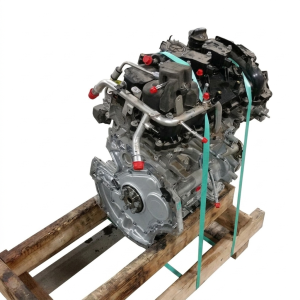
Used OEM Parts in Stock
New Aftermarket Parts Available

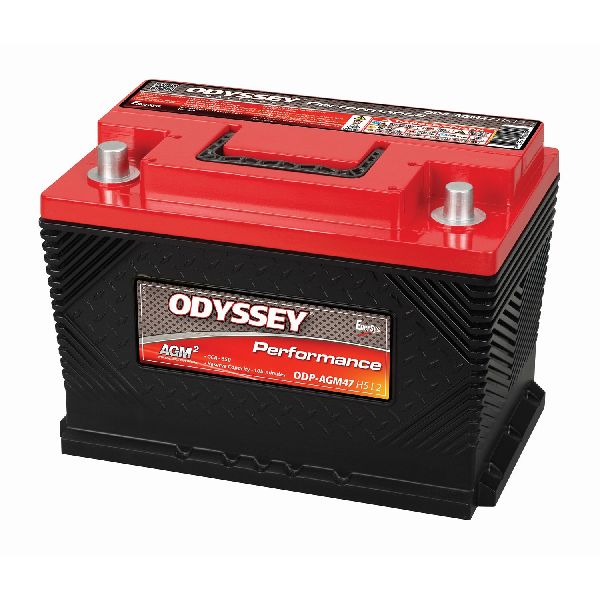

The information in this article is provided for general reference and educational purposes only. Vehicle specifications, procedures, and part compatibility can vary by production date, trim level, and region. Always consult your vehicle's factory service manual and verify part numbers before purchasing or performing repairs. Safety-critical components such as airbags, seat belts, and braking systems should be installed by a qualified professional.
- Buick Encore:
- 🎬 Helpful Videos
- 🛍️ Shop This Part
- What's Unique About the 2013-2022 Buick Encore
- Symptoms You May Notice
- Most Likely Causes
- Rare But Worth Checking
- Diagnosis Steps
- Parts You'll Likely Need
- Related Codes That Often Appear With This One
- Technical Service Bulletins (TSBs) & Recalls
- Platform-Specific Known Issues
- Mechanic-Grade Diagnostic Values
- Scan Tool Commands That Help
- Wiring & Ground Locations
- Real Owner Repair Stories
- OEM Part Supersession History
- Model Year Variations Within This Range
- Diagnostic Flowchart
- Other Known Issues on This Vehicle
- Used vs. New Parts: Buying Guide for This Vehicle
- Real Owner Stories
- 2015 Chevrolet Trax 1.4L LUV
- 2014 Chevrolet Cruze 1.4L LUV
- Related OBD-II Codes
- Frequently Asked Questions
- 🎟️ Get 5% Off