

P0305 on 2006-2013 Lexus IS250: Cylinder 5 Misfire Causes and Fixes
On a 2006-2013 Lexus IS250, code P0305 is a misfire on cylinder 5. While a bad ignition coil or spark plug is possible, the most common cause is severe carbon buildup on the intake valves, a known issue with this engine. The fix is often a professional carbon cleaning (e.g., walnut blasting), which can cost several hundred to over a thousand dollars. This issue was so prevalent Lexus issued a Customer Support Program (CSP) to address it.
- P0305 is a misfire on cylinder 5, which is on the passenger side, closest to the firewall.
- Always perform the simple diagnostics first: swap the ignition coil, then the spark plug, to rule out these common parts before assuming a bigger problem.
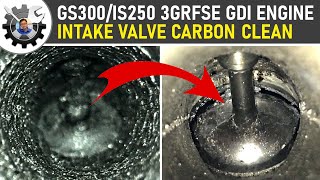
- The most likely cause for a persistent P0305 on this specific car is heavy carbon buildup on the intake valves due to the engine's direct-injection design.
- Ignoring a misfire, especially a flashing check engine light, can lead to costly damage to your catalytic converter.
- If basic ignition parts don't solve the code, the next step is a borescope inspection for carbon, likely leading to a professional intake valve cleaning service.
What's Unique About the 2006-2013 Lexus IS250
The 2006-2013 IS250 uses the 4GR-FSE engine, which features direct injection (DI) exclusively. Unlike engines with port injection (or the dual-injection system in the IS350), fuel is sprayed directly into the combustion chamber, not over the back of the intake valves. This design choice means there is no fuel to wash away oil vapors from the PCV (Positive Crankcase Ventilation) system, leading to a high probability of heavy carbon buildup on the intake valves and piston tops. This buildup can restrict airflow or break off and cause the valves to hang open, leading to misfires like P0305.
Symptoms You May Notice
- Rough or shaky idle
- Hesitation or stumbling during acceleration
- Noticeable loss of power
- Flashing Check Engine Light
- Vehicle Stability Control (VSC) light will almost always illuminate along with the Check Engine Light
- Poor fuel economy
- Engine sounds unbalanced or makes a creaking noise
- Replacing only the spark plug without checking for carbon buildup. If the plug is fouled by carbon, a new plug will also foul quickly if the underlying buildup issue isn't resolved.
- Assuming the VSC light indicates a separate problem. On this platform, the VSC and traction control systems are almost always disabled as a safety precaution whenever a misfire-related check engine light is triggered.
Most Likely Causes
- Carbon Buildup on Intake Valves 🔴 High Probability The 4GR-FSE is a direct-injection-only engine, so there is no fuel washing over the intake valves to clean them. Oil deposits from the PCV system bake onto the valves, causing restrictions and misfires. This is a widely documented issue for this specific engine, leading Lexus to create a Customer Support Program (CSP ZLD) for it.
How to confirm: After ruling out ignition components, a visual inspection using a borescope camera with the intake manifold removed is the definitive way to confirm. A compression test may also show lower-than-normal readings on the affected cylinder.
Typical fix: A professional "walnut blasting" service or manual cleaning of the intake valves and ports is required to remove the hardened carbon deposits. This involves removing the intake manifold 🎬 Watch: How to walnut blast intake valves to remove carbon. for access.
Est. part cost: $50-$150 for gaskets - Failed Ignition Coil 🟡 Medium Probability
How to confirm: Swap the ignition coil from cylinder 5 with another cylinder (e.g., cylinder 3, the middle cylinder on the same passenger-side bank). Clear the codes and drive the vehicle. If the code changes to P0303, the ignition coil is faulty.
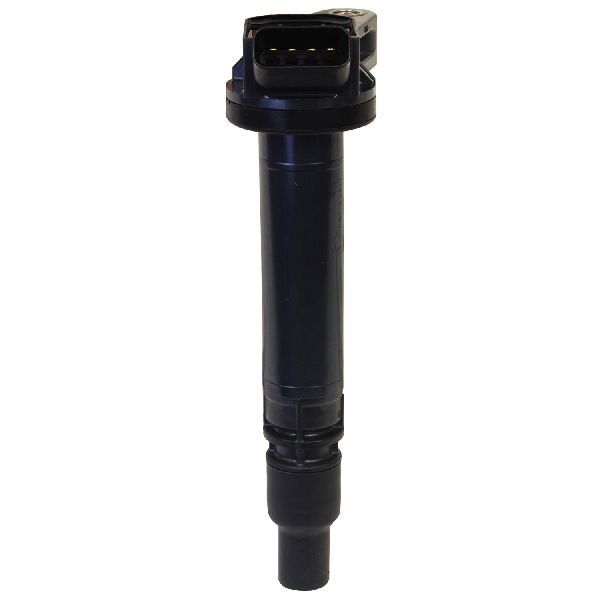
Typical fix: Replace the failed ignition coil. It is often recommended to replace the spark plug at the same time. Using an OEM Denso coil is highly recommended.
Est. part cost: $70-$120 for one OEM-quality coil - Worn or Fouled Spark Plug 🟡 Medium Probability Spark plugs can become fouled by the same carbon deposits that affect the valves, or simply wear out over time.
How to confirm: After confirming the ignition coil is good, swap the spark plug from cylinder 5 with another cylinder (e.g., cylinder 1, the front cylinder on the same bank). If the code changes to P0301, the spark plug is the issue. Visually inspect the plug for heavy carbon fouling or damage.
Typical fix: Replace the faulty spark plug. It is best practice to replace all six spark plugs at once if they are near the end of their service life (every 60,000 miles).
Est. part cost: $15-$25 per iridium spark plug
Rare But Worth Checking
- Clogged or Failed Fuel Injector: While less common than carbon or ignition issues, the direct fuel injector for cylinder 5 can fail or become clogged, leading to a misfire. Diagnosis can involve swapping injectors between cylinders, which is a more labor-intensive job.
- Vacuum Leak: A leak in the intake manifold gasket near the runner for cylinder 5 could lean out the air/fuel mixture and cause a misfire. This can be tested by carefully spraying brake cleaner near the gasket with the engine running and listening for a change in idle speed.
- Low Compression / Internal Engine Issue: In rare cases, a persistent P0305 could be caused by mechanical problems like a burnt valve or scored cylinder walls, which were sometimes addressed by Lexus Customer Support Program (CSP) ZLD. A compression test is required to diagnose this.
Diagnosis Steps
- Read the code using an OBD-II scanner to confirm P0305. Note if the 🎬 Watch: How to diagnose and fix common Lexus misfire codes. Check Engine Light is flashing and if the VSC light is also on.
- Identify cylinder 5. On the 4GR-FSE V6, the passenger side bank is Bank 1, containing cylinders 1-3-5, from front to back. Cylinder 5 is closest to the firewall on the passenger side.
- Perform an ignition coil swap. Switch the ignition coil from cylinder 5 with the coil from cylinder 3 (the middle one on the same side). Clear the codes, start the engine, and see if the misfire code moves to P0303. If it does, the coil is bad.
- If the code remains P0305, perform a spark plug swap. Move the spark plug from cylinder 5 to cylinder 1 (the front one on the same side). If the code then changes to P0301, the spark plug is bad.
- If the misfire remains on cylinder 5 after swapping both the coil and plug, the cause is likely cylinder-specific and not a simple ignition component.
- At this point, the most probable cause is carbon buildup. Visually inspect the intake valves for cylinder 5 using a borescope. This requires removing the upper intake manifold.
- If significant carbon is found, perform an intake valve cleaning (e.g., walnut blasting). This is a complex job that requires specific tools and careful execution to avoid engine damage.
- If no significant carbon is found, further diagnostics on the fuel injector for cylinder 5 and a compression test are needed to check for mechanical engine health.
Parts You'll Likely Need
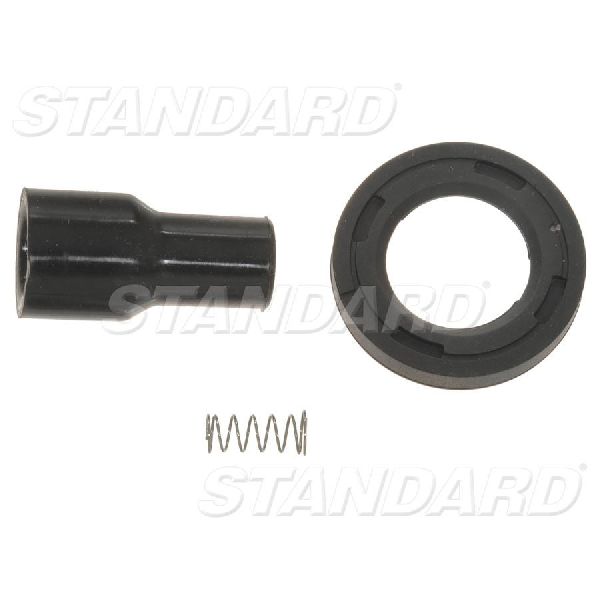
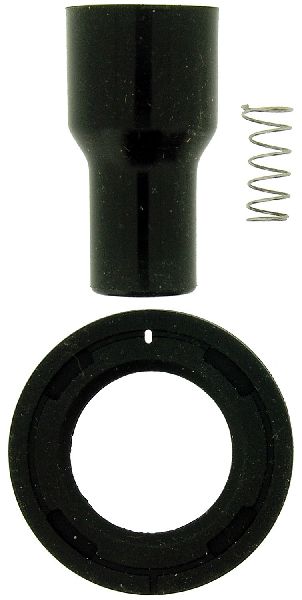
- Ignition Coil
(OEM #90919-02250 (may be superseded by 90919-A2005 or 90919-02258))— A common failure point for misfires. Easy to diagnose by swapping.
Trusted brands: Denso (OEM)
OEM price range: $90-$120
Aftermarket price range: $40-$80 - Iridium Spark Plug
(OEM #90919-01249 (Denso FK20HBR11))— A worn or fouled spark plug is a primary cause of a misfire.
Trusted brands: Denso, NGK
OEM price range: $18-$25
Aftermarket price range: $12-$20 - Intake Manifold Gasket Kit
(OEM #17176-31050 (x3, upper), 17177-31021 (x2, lower))— Required when removing the intake manifold to inspect for or clean carbon buildup.
Trusted brands: Lexus OE, Fel-Pro
OEM price range: $60-$90
Aftermarket price range: $30-$50
Related Codes That Often Appear With This One
- P0300 — This is a 'Random Misfire' code. It often appears with P0305 if the carbon buildup problem is starting to affect multiple cylinders.
- P0301, P0303 — These are misfire codes for the other cylinders on the same bank (Bank 1). It's common to see misfires on adjacent cylinders as the carbon issue is rarely isolated to just one.
- P0302, P0304, P0306 — Misfire codes for Bank 2 (driver's side). Seeing these along with P0305 indicates a more widespread problem, very likely severe carbon buildup affecting the entire engine.
Technical Service Bulletins (TSBs) & Recalls
- L-SB-0029-12 (and earlier versions like L-SB-0068-11): Addresses rough idle and misfire codes (P030x) on cold start due to carbon accumulation on pistons and in the combustion chamber, recommending piston and ring replacement in some cases.
- L-TT-0192-15: Notes that IS250 and GS300 vehicles may exhibit a MIL ON with DTCs P0300-P0306 and run rough intermittently, especially after stopping with the engine at operating temperature.
Platform-Specific Known Issues
- This model was subject to a Lexus Customer Support Program (CSP), code ZLD, for carbon buildup. This extended the warranty coverage for this specific issue to 9 years with unlimited mileage. While this program has expired for all affected vehicles, its existence confirms the prevalence of the problem. The official fix involved either a top engine clean or, in severe cases, a rebuild with updated pistons and rings.
Mechanic-Grade Diagnostic Values
- High-Pressure Fuel System Pressure (at idle) — expected: 3.5 to 4.5 MPa (508 to 653 psi). Failure: Pressure below this range could indicate a failing high-pressure fuel pump.
- Low-Pressure Fuel System Pressure (at idle) — expected: 196 to 588 kPa (28 to 85 psi). Failure: Pressure outside this range could indicate an issue with the in-tank fuel pump or regulator.
- Techstream Misfire Count (Live Data) — expected: 0 for all cylinders on a healthy engine.. Failure: The 'Rate' counter for cylinder 5 will increment during a misfire event. The 'EWMA' value shows a history of misfires over the last 10 trips.
- Cold Start Injector Resistance — expected: 1.5 to 6.5 Ohms at 20°C (68°F). Failure: Resistance outside this range indicates a faulty cold start injector. Note: This is not the main direct injector.
Hidden / Shadow Codes Worth Checking
- Mode 6 Misfire Counters (EWMA/Rate): These are not traditional DTCs but live data points accessible via Toyota's Techstream software. 'EWMA' shows a weighted average of historical misfires, while 'Rate' shows the current misfire count in the present driving cycle. This allows a technician to see the severity and frequency of misfires on a specific cylinder, like cylinder 5, even before the MIL is triggered. (see via Toyota Techstream software connected to the vehicle, navigate to the 'Misfire Monitor' under the Engine data list.)
Scan Tool Commands That Help
- Toyota Techstream: Misfire Monitor — This is the primary tool for diagnosing a P0305. It provides real-time and historical misfire counts for each individual cylinder, allowing the technician to confirm the misfire is isolated to cylinder 5 and observe its frequency under different engine loads and temperatures.
- Toyota Techstream: Active Test: Control the Fuel Pump Speed — Used to verify the functionality of the low-pressure in-tank fuel pump by commanding it to run, which helps in diagnosing fuel pressure issues.
- Toyota Techstream: Active Test: Cylinder Power Balance / Injector Kill — Allows the technician to deactivate individual fuel injectors one by one. When cylinder 5's injector is deactivated, if there is little to no change in engine idle roughness, it confirms that cylinder 5 was not contributing properly to begin with.
Wiring & Ground Locations
- Injector Driver (EDU) — Located in the engine bay, this is a separate control unit that sits between the main Engine ECU and the high-pressure fuel injectors.. The main ECU sends a signal to the EDU, which then generates the high-voltage pulse to fire the injector. A fault in the EDU's specific circuit for cylinder 5 can cause a P0305 misfire, even if the ECU and the injector itself are good. The wiring harness to the EDU is a potential point of failure.
- Ground Points EA, EB, EC — These are the primary engine ground points. EA is on the front of the timing cover, passenger side. EB is on the intake manifold near the throttle body. EC is on the cylinder head, driver's side.. A poor ground at any of these points can introduce electrical noise and resistance, potentially affecting the performance of ignition coils and injectors. While not specific to cylinder 5, a corroded or loose engine ground can cause random and intermittent misfires.
Real Owner Repair Stories
- Compilation of numerous threads on ClubLexus.com (2007 Lexus IS250, ~95,000 miles) — Check Engine Light and VSC light on, with a flashing CEL during acceleration. Rough, shaking idle. Noticeable lack of power.
❌ Tried (didn't work) Replaced spark plug on cylinder 5. Code returned., Swapped ignition coil from cylinder 5 to cylinder 3. Code remained P0305, did not move to P0303., Ran multiple bottles of fuel system cleaner through the gas tank.
✅ What actually fixed it After the coil and plug swaps failed to resolve the issue, the owner took the car to an independent shop. A borescope inspection confirmed massive carbon buildup on the intake valves of all cylinders, but it was particularly bad on cylinder 5. The shop performed a walnut blasting service to clean the intake ports and valves. After the service and reassembly with new intake gaskets, the P0305 code was cleared and did not return, restoring smooth idle and full power.
"I Checked Everything" — The Actual Cause
- While a vacuum leak can cause a misfire, the far more common scenario for a P0305 on the IS250 is passing basic diagnostic tests only to find a deeper issue. The classic pattern is: swapping the ignition coil and spark plug does not fix the misfire, and a smoke test for vacuum leaks comes back negative. The actual cause, in the vast majority of these cases, is severe carbon buildup on the intake valves that is choking airflow to cylinder 5, a problem a smoke test will not detect.
OEM Part Supersession History
Pistons/Rings for 2006-2010 models→Updated piston and piston ring design— The original piston rings were found to allow excessive oil blow-by, which was the primary contributor to the severe carbon buildup on intake valves and piston tops. The updated design creates a better seal to reduce oil consumption and slow the rate of carbon accumulation.90919-02250→90919-A2005, 90919-02258— Standard part evolution for improved reliability, materials, or manufacturing process. Denso is the OEM manufacturer.
Heads up: The superseded part numbers are direct replacements and are fully compatible.
Model Year Variations Within This Range
- 2006-Mid-2010: These models were built with the original piston ring design that is highly susceptible to oil blow-by, leading to rapid and severe carbon buildup. These are the primary vehicles covered under the Lexus Customer Support Program (CSP ZLD) for misfires.
- Mid-2010-2013: These models were manufactured with an updated piston and ring design intended to reduce oil blow-by and mitigate the carbon buildup issue. While not completely immune, they are significantly less likely to experience the severe, early-onset carbon problems seen in the earlier model years.
Diagnostic Flowchart
Other Known Issues on This Vehicle
Issues unrelated to this code that are worth knowing about as an owner of this generation:
- Melting/Sticky Dashboard and Door Panels 🟠 Medium — Very common, especially in 2006-2008 models and vehicles in hot, humid climates. Can occur even in garaged cars. (Ref: Lexus issued a Warranty Enhancement Program (ZLD/ZLZ) and TSB L-SB-0016-19_Rev to address this, but it has since expired for most vehicles.)
- Water Pump Failure 🟠 Medium — Common failure item. Owners often report a rumbling or whining noise from the front of the engine or coolant leaks as initial symptoms.
- Door Lock Actuator Failure 🟡 Low — A very common annoyance where one or more door lock actuators stop working, preventing locking/unlocking via key fob or interior switch.
- Fuel Pressure Sensor Gasket Leak 🟠 Medium — A recall was issued for 2007-2009 models due to a fuel pressure sensor that could loosen, causing a fuel leak and smell of gasoline. (Ref: Voluntary recall announced by Toyota/Lexus.)
- Clogged A/C Drain Tube 🟡 Low — The A/C evaporator drain can become clogged, causing water to back up and leak into the passenger-side footwell, resulting in a wet carpet.
Used vs. New Parts: Buying Guide for This Vehicle
When a used part is the smart pick: A used ignition coil from a reputable salvage yard with a low-mileage donor vehicle (<80,000 miles) is a reasonable cost-saving measure, as they are easy to replace if they fail. Other simple bolt-on components like intake plenums or engine covers are also safe to buy used.
Donor-vehicle mileage cap: roughly under 80000 miles for the part to have meaningful remaining life.
What to inspect on the donor part:
- Verify the donor vehicle's mileage.
- For electrical parts like coils, check for any signs of cracking, melting, or corrosion on the connectors.
- Ensure the part comes with a short warranty (e.g., 30-90 days) from the salvage yard.
OEM-only on this vehicle (don't cheap out):
- Direct Fuel Injector: These are high-precision, high-pressure components. A used injector is a significant gamble; its spray pattern and flow rate may be compromised. Always replace with a new OEM (Denso) or top-tier remanufactured unit.
- High-Pressure Fuel Pump: This is a critical safety and performance component. Due to the complexity and wear, only a new OEM part should be used.
- Engine Control Modules (ECU, EDU): Mismatched software or internal faults make used electronics risky. Use new or a reputable specialist remanufacturer.
Aftermarket brands forum-validated for this vehicle:
- Denso (for ignition coils, spark plugs, sensors - they are the OEM supplier)
- NGK (for spark plugs)
- Fel-Pro (for gaskets)
Brands owners have reported issues with on this vehicle:
- Unbranded, generic ignition coils and sensors from online marketplaces (e.g., eBay, Amazon). Forum members consistently report premature failure, incorrect fitment, and even new-out-of-the-box failures with these parts.
Real Owner Stories
Aggregated from forums and TSBs cited above. Mileages and costs reflect what owners reported in those sources.
2010 Lexus IS250 AWD 4GR-FSE — 160000 miles
Symptoms: The car tripped three codes, had a rough or shaky idle, and a noticeable loss of power.
What fixed it: The diagnostic path for this engine typically requires ruling out coils and plugs, followed by a walnut blasting service to remove heavy valve deposits.
Source hint: r/Lexus
2006-2010 Lexus IS250 4GR-FSE — ~100000 miles
Symptoms: Misfire codes (P030x), rough idle, and heavy carbon deposits found upon borescope inspection.
What fixed it: Walnut blasting service or manual cleaning of the intake valves and ports after removing the intake manifold.
Cost: $500-$1600
Source hint: ClubLexus.com forum threads
Related OBD-II Codes
Frequently Asked Questions
Is there a Lexus warranty extension for the carbon buildup causing my P0305 code?
Which TSBs address the rough idle and P0305 misfire on the 4GR-FSE engine?
Why does my VSC light come on at the same time as the P0305 Check Engine Light?
Can I use any aftermarket ignition coil to fix the P0305 misfire?
How do I know if my P0305 is caused by carbon buildup or just a bad coil?
What was the official Lexus factory fix for severe carbon-related misfires?
Helpful Videos
Used OEM Parts in Stock
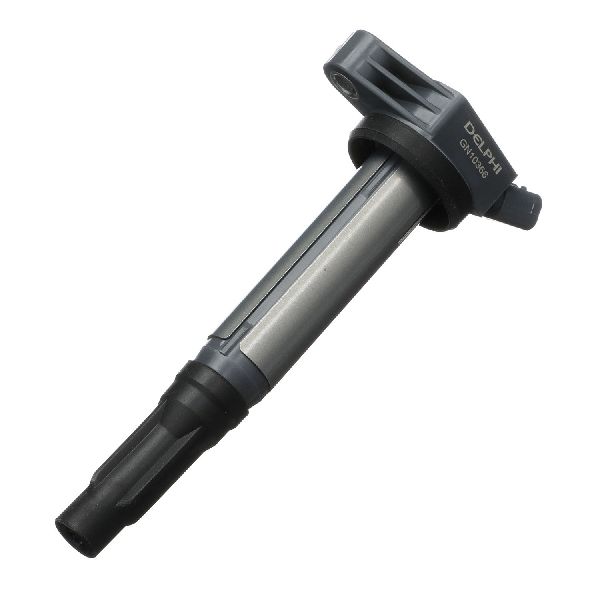
New Aftermarket Parts Available


The information in this article is provided for general reference and educational purposes only. Vehicle specifications, procedures, and part compatibility can vary by production date, trim level, and region. Always consult your vehicle's factory service manual and verify part numbers before purchasing or performing repairs. Safety-critical components such as airbags, seat belts, and braking systems should be installed by a qualified professional.
- Lexus IS250:
- 🎬 Helpful Videos
- 🛍️ Shop This Part
- What's Unique About the 2006-2013 Lexus IS250
- Symptoms You May Notice
- Most Likely Causes
- Rare But Worth Checking
- Diagnosis Steps
- Parts You'll Likely Need
- Related Codes That Often Appear With This One
- Technical Service Bulletins (TSBs) & Recalls
- Platform-Specific Known Issues
- Mechanic-Grade Diagnostic Values
- Hidden / Shadow Codes Worth Checking
- Scan Tool Commands That Help
- Wiring & Ground Locations
- Real Owner Repair Stories
- "I Checked Everything" — The Actual Cause
- OEM Part Supersession History
- Model Year Variations Within This Range
- Diagnostic Flowchart
- Other Known Issues on This Vehicle
- Used vs. New Parts: Buying Guide for This Vehicle
- Real Owner Stories
- 2010 Lexus IS250 AWD 4GR-FSE — 160000 miles
- 2006-2010 Lexus IS250 4GR-FSE — ~100000 miles
- Related OBD-II Codes
- Frequently Asked Questions
- 🎟️ Get 5% Off