

OBD-II Code P0306: Cylinder 6 Misfire
What P0306 means, why it triggers, and how to fix it
- P0306 indicates cylinder 6 is misfiring, most frequently caused by a failed ignition coil or a worn spark plug.
- A flashing Check Engine Light signals a severe, active misfire that will destroy your catalytic converter in minutes, resulting in a $2,000+ repair bill.
- Swap the cylinder 6 ignition coil with an adjacent cylinder and rescan the codes to instantly confirm or rule out a faulty coil.
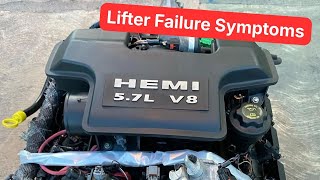
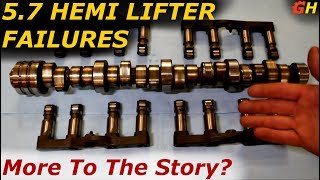
- Certain engines, including the GM 5.3L AFM and Dodge 5.7L HEMI, suffer from known lifter failures that trigger P0306 and require a $2,000+ camshaft replacement.
- Ignoring a P0306 code drops fuel economy by up to 20% and guarantees an automatic emissions test failure.
What Does P0306 Mean?

Code P0306 means the Powertrain Control Module (PCM) detected cylinder 6 is not firing correctly. An engine cylinder needs a precise air-fuel mixture, a strong spark, and adequate compression to fire. This code indicates the combustion process in cylinder 6 failed, causing rough running, power loss, and increased emissions.
Technical definition: The official SAE/OBD-II definition is "Cylinder 6 Misfire Detected." 🎬 Watch: A simple explanation and fix for P0306 codes. The PCM monitors crankshaft rotational speed via the crankshaft position sensor. A sudden drop in speed after cylinder 6 is supposed to fire means the cylinder failed to contribute power, triggering the P0306 code.
Can I Drive With P0306?

Yes, But With Caution. You can drive for short, essential trips, but avoid heavy acceleration. A persistent misfire dumps unburnt fuel into the exhaust, which overheats and destroys the catalytic converter, adding $800-$2,500 to the repair bill. If the Check Engine Light is flashing, a severe misfire is happening in real-time. Pull over and shut off the engine immediately to prevent catastrophic damage.
Common Causes

- Faulty Ignition Coil (Very Common) — The ignition coil transforms 12-volt power into high voltage for the spark plug. Coils frequently fail due to constant heat and vibration, causing internal cracks and weak sparks.
- Worn or Fouled Spark Plug (Very Common) — Spark plugs wear out over time or become fouled with oil, fuel, or carbon. An incorrectly gapped, loose, or fouled plug prevents the air-fuel mixture from igniting.
- Faulty Fuel Injector (Common) — A clogged or failing fuel injector starves cylinder 6 of fuel (lean misfire) or floods it (rich misfire). This is a known issue on several Toyota and Nissan V6 models.
- Wiring or Connector Issue (Common) — A damaged wire, loose connector, or bad ground for the cylinder 6 ignition coil or fuel injector prevents the component from firing, even if the part itself is perfectly fine.
- Vacuum Leak (Less Common) — A cracked vacuum hose or leaking intake manifold gasket near cylinder 6 lets unmetered air into the engine. This disrupts the air-fuel ratio, causing a lean misfire often paired with codes P0171 or P0174.
- Low Engine Compression (Less Common) — Internal mechanical failures like worn piston rings, burnt exhaust valves, or a leaking head gasket prevent the cylinder from building enough pressure for combustion.
- Variable Valve Timing (VVT) Malfunction (Rare) — A stuck VVT solenoid (oil control valve) disrupts the timing of the intake or exhaust valves for a specific bank of cylinders, leading to misfires.
- Faulty Powertrain Control Module (PCM/ECU) (Rare) — On certain vehicles, like Subaru H6 engines, a cold solder joint or failed driver IC within the engine computer causes a persistent misfire code that ignores new parts.
Symptoms

- Check Engine Light is On or Flashing — A solid light indicates a detected misfire. A flashing light signals a severe, active misfire dumping unburnt fuel into the exhaust, which destroys the catalytic converter.
- Rough Idle and Engine Vibration — The engine shakes noticeably, especially at idle, because it is out of balance from the non-firing cylinder.
- Loss of Power and Hesitation — The vehicle feels sluggish and stumbles when accelerating because the engine is running on fewer cylinders.
- Reduced Fuel Economy — A misfiring cylinder wastes unburned fuel, dropping overall MPG by 10-20%.
- Smell of Raw Fuel from Exhaust — Unburnt fuel from cylinder 6 passes directly into the exhaust system, creating a distinct gasoline smell.
- Engine Stalling — In severe cases, the engine stalls completely at low speeds or when coming to a stop due to extreme instability.
Diagnostic Flowchart
Tap your situation to follow the diagnostic path that matches what you're seeing on this code.
Common Fixes & Costs
- Replace Ignition Coil
— Parts: $40-$100, Labor: $80-$150, ~0.8 hr book time
(DIY)
2014 Chevy Silverado 5.3L: OEM ACDelco D521C (Square), ACDelco 12674754 (Round) (Alt: NGK 48941, Delphi GN10492)
2018 Ford F-150 3.5L EcoBoost: OEM Motorcraft DG585 / Ford HL3Z-12029-D (Alt: MSD 8270, NGK 49185)
2014 Ram 1500 5.7L HEMI: OEM Mopar 68238603AA (Alt: MSD 8273, NGK 48701) - Replace Spark Plugs
— Parts: $10-$120 (for a set), Labor: $100-$250, ~1.5 hr book time
(DIY)
2014 Chevy Silverado 5.3L: OEM ACDelco 41-114 (Iridium) (Alt: NGK 90135, Denso 5345)
2018 Ford F-150 3.5L EcoBoost: OEM Motorcraft SP-578 (Alt: NGK 94374)
2014 Ram 1500 5.7L HEMI: OEM Mopar SPLZFR5C11 (NGK) (Alt: NGK LZFR5C-11) - Replace Fuel Injector
— Parts: $100-$500 (for one), Labor: $150-$400, ~2.5 hr book time
(Intermediate)
2014 Chevy Silverado 5.3L: OEM ACDelco 12668390 (Alt: Bosch 62433)
2018 Ford F-150 3.5L EcoBoost: OEM Motorcraft CM-5250 (Alt: Bosch 62842)
2014 Ram 1500 5.7L HEMI: OEM Mopar 5184085AD (Alt: Bosch 62397) - Repair Intake Manifold Gasket Leak — Parts: $20-$70, Labor: $300-$450, ~3.5 hr book time (Professional)
- Intake Valve Carbon Cleaning (Walnut Blasting) — Parts: $20-$50, Labor: $400-$800, ~4.5 hr book time (Professional)
- Replace Camshaft/Lifters — Parts: $500-$1500, Labor: $1000-$2500+, ~15.0 hr book time (Professional)
DIY vs Professional
- Replace Ignition Coil / Spark Plug — Beginner:
Tools: Basic socket set, spark plug socket, torque wrench. - Replace Fuel Injector — Beginner:
Tools: Socket set, fuel line disconnect tools, torque wrench. - Repair Intake Manifold Gasket — Beginner:
Tools: Extensive socket/wrench set, torque wrench, gasket scrapers. - Internal Engine Repair (Lifters, Camshaft, Head Gasket) — Beginner:
Tools: Specialized engine tools, engine hoist.
Used vs. New Parts: Buying Guide
When a used part is worth it: Never buy used spark plugs. Used ignition coils are a gamble and only make sense for extreme budget constraints on DIY repairs.
Donor-vehicle mileage cap: roughly under 20000 miles for the part to have meaningful remaining life.
Donor quality checklist:
- Verify the donor vehicle had low mileage and was not scrapped for engine-related issues.
- Avoid parts with any signs of cracking, melting, or corrosion on the electrical connector.
- Match part numbers exactly; even similar-looking coils have different internal resistance.
Decision logic:
- If Part is a spark plug → Always buy new. They are inexpensive wear items.
- If Part is an ignition coil and the vehicle is > 100K miles → Buy a new OEM or quality aftermarket coil. The risk of a used part failing soon is high.
- If Budget is extremely tight and labor is DIY → A used ignition coil is a gamble, but provides a temporary solution. Expect a much shorter lifespan.
Warranty tradeoff: Used parts from a salvage yard typically have a 30-90 day warranty. New aftermarket parts often carry a 1-year to limited lifetime warranty. New OEM parts have a 1-2 year warranty.
Worst-case if a used part fails: $150-$300 if a used coil fails shortly after installation, requiring repeat labor and the purchase of another part.
What Happens If You Wait — Timeline
- 0-1 month: Check Engine Light is on. A slight rough idle is noticeable on cold starts. No major performance loss is felt during normal driving. (MPG impact: 1-5%% · Added cost: $0-50 in wasted fuel)
- 1-3 months: Rough idle becomes consistent. Engine hesitates during acceleration. A noticeable loss of power occurs, and the smell of raw fuel is present at the exhaust. (MPG impact: 5-15%% · Added cost: $50-150 in wasted fuel)
- 3-6 months: Engine runs very rough, vibrates constantly, and stalls at stops. The Check Engine Light flashes during acceleration. The catalytic converter substrate starts to melt. (MPG impact: 15-25%% · Added cost: $800-$2,500 (catalytic converter replacement is now likely required))
- 6+ months: Catastrophic failure of the catalytic converter causes a major exhaust blockage. Unburnt fuel washes oil from cylinder walls, accelerating engine wear. (MPG impact: >25%% · Added cost: $1,500-$4,000+ (includes catalytic converter, O2 sensors, and internal engine damage))
Cost of Not Fixing It
- 0-1 month: Noticeable 10-20% drop in fuel economy, rough idle, and automatic emissions test failure. (Added cost: $50-$150 in wasted fuel)
- 1-6 months: Unburnt fuel overheats and melts the catalytic converter substrate. (Added cost: $800-$2500)
- 6+ months: Raw fuel washes oil from cylinder walls, accelerating internal engine wear and fouling oxygen sensors. (Added cost: $1500-$5000+)
Diagnosis Steps
- Read the Codes and Freeze Frame Data
Use an OBD-II scanner to confirm P0306. Note related codes like P0300 (random misfire) or P0174 (system lean). Examine the 'freeze frame' data to see the exact engine RPM, load, and temperature when the misfire occurred.
Tools: OBD-II Scanner (Beginner) - Visually Inspect the Area
Locate cylinder 6. Look for obvious problems: a disconnected ignition coil wire, a cracked vacuum hose, oil leaking into the spark plug tube, or chewed wiring.
Tools: Flashlight, Engine Diagram (Beginner) - Swap the Ignition Coil
Swap the ignition coil from cylinder 6 with an adjacent cylinder (e.g., cylinder 4). Clear the codes and drive. If the code changes to P0304, the ignition coil is bad and must be replaced.
Tools: Socket/ratchet set (Beginner) - Swap the Spark Plug
If the coil swap didn't move the code, perform the same test with the spark plug. Move the cylinder 6 plug to cylinder 4. If the code moves to P0304, the spark plug is faulty.
Tools: Spark plug socket, ratchet, extension (Intermediate) - Analyze Fuel Trim Data
Observe Short-Term (STFT) and Long-Term Fuel Trim (LTFT) for Bank 2 on your scanner. If LTFT is high (e.g., +10% or more), the computer is adding fuel to compensate for a lean condition, strongly suggesting a vacuum leak.
Tools: OBD-II Scanner with Live Data (Advanced) - Check the Fuel Injector
Listen to the cylinder 6 fuel injector with a mechanic's stethoscope. It should make a steady, rhythmic clicking sound. If it is silent or erratic, it is clogged or failing electrically.
Tools: Mechanic's stethoscope or long screwdriver (Intermediate) - Test the Injector Circuit (Noid Light)
Disconnect the injector's electrical connector and plug in a noid light. Crank the engine. A flashing light means the computer is sending a signal, pointing to a bad injector. No flash indicates a wiring or PCM driver issue.
Tools: Noid light kit (Advanced) - Perform a Fuel Pressure Test
If multiple cylinders misfire, test fuel pressure. Most port-injected engines require 40-60 PSI with the key on, engine off. Low pressure indicates a weak fuel pump or clogged filter.
Tools: Fuel pressure gauge kit (Advanced) - Perform a Compression Test
If ignition and fuel are good, check for mechanical failure. A healthy engine reads 130+ PSI. If cylinder 6 is more than 15% lower than the highest cylinder, you have worn piston rings, bad valves, or a blown head gasket.
Tools: Compression tester kit, socket/ratchet set (Advanced) - Perform a Cylinder Leak-Down Test
If compression is low, pressurize the cylinder with air to find the leak. Hissing from the oil cap means bad piston rings; from the exhaust pipe means a bad exhaust valve; from the throttle body means a bad intake valve.
Tools: Cylinder leak-down tester, air compressor (Advanced)
When This Code Triggers (Freeze-Frame Conditions)
- Engine Coolant Temp: 180-210°F (Fully warmed up)
- RPM: 1500-3000 (Light to moderate acceleration or steady cruise)
- Engine Load: 30-70% (Under load, such as climbing a slight incline)
- Vehicle Speed: 40-65 mph (Highway or arterial road driving)
Related Codes
- P0300 — Random/Multiple Cylinder Misfire. Indicates a systemic issue affecting all cylinders, like low fuel pressure or a large vacuum leak, rather than an isolated cylinder 6 problem.
- P0430 — Catalyst System Efficiency Below Threshold (Bank 2). A direct result of the P0306 misfire dumping unburnt fuel into the exhaust and destroying the Bank 2 catalytic converter. Fix the misfire first.
- P0174 — System Too Lean (Bank 2). Strongly suggests a vacuum leak is the root cause of the misfire. Perform a smoke test to locate the unmetered air source.
- P0206 — Injector Circuit Malfunction - Cylinder 6. Pinpoints the problem to the cylinder 6 fuel injector, its wiring, or the PCM driver. Skip ignition diagnosis and focus on the fuel system.
- P130A — Audi/VW-specific code for 'Hide Cylinder'. The ECU shuts off the cylinder 6 fuel injector to protect the catalytic converter from a persistent misfire.
Climate & Environmental Factors
- Cold Weather: Exposes underlying issues like weak batteries or software glitches (e.g., Nissan Pathfinder cold start misfires requiring a PCM update).
- High Humidity: Moisture penetrates older ignition coil housings, causing the spark to arc to the engine block instead of the plug, worsening misfires on damp days.
- High Altitude: Thinner air creates a richer mixture. A misfire appearing only at altitude indicates a component is already failing and cannot compensate.
How to Talk to a Mechanic About This Code
Say this: "I have a P0306 code for a cylinder 6 misfire and a noticeable rough idle. Please start by checking the spark, fuel, and ignition components for cylinder 6. If those pass, perform a compression test before recommending major parts."
This shows you understand the logical diagnostic steps for a misfire. It guides the mechanic away from guessing and focuses them on a structured, cost-effective diagnosis.
Avoid saying:
- 'My check engine light is on, can you look at it?' (Too vague, invites an open-ended diagnostic process).
- 'Just fix whatever's wrong.' (Gives the shop a blank check to replace parts without approval).
- 'My car is shaking, I think it needs a tune-up.' (Suggests a solution before a diagnosis, leading to unnecessary services).
Questions to ask before authorizing the repair:
- What diagnostic steps did you take to isolate the cause to this specific part?
- If the cause was a bad coil or plug, did you swap it to another cylinder to confirm the misfire moved with the part?
- If you're recommending a major repair, can you show me the failed compression test results or fuel pressure readings?
- Will you provide a written estimate that breaks down parts and labor costs, and what is the warranty on this repair?
Where to Take It: Dealer vs Independent vs Chain
- Dealer:
Recommended only for vehicles under warranty or those with complex manufacturer-specific TSBs (like Subaru ECU failures).
Best for: Vehicles still under powertrain warranty., Known manufacturer-specific issues like the Dodge Pentastar cylinder head or Subaru ECU failure., Complex electrical or software-related problems.
Downsides: Highest labor rates, often 1.5x to 2x more than independent shops., May recommend replacing a full assembly when only a smaller component has failed. (Typical cost: +50% vs. baseline) - Independent Shop:
Best fit for most P0306 repairs. Experienced mechanics efficiently diagnose common causes at lower labor rates.
Best for: Most P0306 scenarios, especially on out-of-warranty vehicles., Diagnosing and repairing common causes like spark plugs, ignition coils, and fuel injectors., Performing mechanical tests like compression and leak-down tests.
Downsides: Quality and expertise vary greatly; find a shop with good reviews and ASE-certified technicians., May lack specialized tools for certain manufacturer-specific software updates. (Typical cost: +0% vs. baseline) - Chain Shop:
Acceptable for a free code scan. Avoid for actual diagnosis, as they often push unnecessary parts without proper testing.
Best for: Reading the code for free (but not for a definitive diagnosis)., Simple, clear-cut parts replacement like spark plugs if you already know that's the problem.
Downsides: Technicians are often under pressure to sell parts and services, leading to frequent upselling., Diagnostic capabilities are often limited to basic code reading. (Typical cost: -10% vs. baseline)
When to Walk Away From the Repair
If the repair estimate exceeds 50% of the vehicle's private-party value, sell or trade it in.
- Car worth $4000, fix is $2200: Walk away. The repair cost is over 50% of the car's value, making it a poor investment.
- Car worth $12000, fix is $800: Fix it. The repair cost is well below the 50% threshold and will restore the vehicle's performance and value.
- Car worth $3000, fix is $3500: Walk away. The repair cost exceeds the car's value. This is a classic 'totaled' by repair costs scenario.
What Scan Tool You Need for This Code
Minimum: A scanner that reads and clears codes, displays live engine data (Live Data), and shows freeze-frame data.
A basic $20 reader only provides the code. You need a scanner that displays live data (fuel trims) and freeze-frame data to diagnose the root cause. Access to Mode $06, which shows raw misfire counts per cylinder, is extremely helpful.
Budget: Ancel BD310 or BlueDriver Pro (~$60-120) — These Bluetooth scanners connect to your smartphone. They provide essential features: reading codes, viewing live data streams, and showing freeze-frame data.
Mid-range: Innova 5610 or Foxwell NT510 Elite (~$150-350) — These handheld units offer advanced features like viewing Mode $06 misfire data, graphing multiple live data PIDs, and basic bidirectional tests.
Professional: Autel MK808/MP900BT or XTOOL D8S (~$500-900) — Professional-level tablet scanners offer full bidirectional control. This allows you to command components directly, such as turning a specific fuel injector on or off to confirm a diagnosis without swapping parts.
Rent vs buy: Most auto parts stores read your code for free. Some have a 'loan-a-tool' program where you pay a deposit for a scanner and get a full refund upon return. Buy a scanner only if you plan to do your own car repairs regularly.
How to Clear the Code After You Fix It
- Use an OBD-II scan tool to clear the P0306 code.
- Perform a complete drive cycle to allow readiness monitors to run.
- Rescan to confirm no codes have returned.
Drive cycle (~30 minutes): A general drive cycle includes a cold start (after sitting 8+ hours), 5 minutes of city driving (stop-and-go), 15 minutes of steady highway driving (55-65 mph), and allowing the vehicle to cool down.
Readiness monitors affected: Catalyst Monitor, Oxygen (O2) Sensor Monitor, Misfire Monitor
Before emissions retest: drive at least 100 miles to fully set monitors.
Watch out for:
- Clearing the code resets all readiness monitors to 'Not Ready', causing an automatic emissions test failure.
- Failing to fix the root cause guarantees the P0306 code returns within a few drive cycles.
- Incorrect fuel levels (outside 15-85%) prevent the EVAP monitor from running.
Will This Fail Emissions / State Inspection?
Yes — this code typically fails an OBD-II emissions inspection.
- California: An illuminated Check Engine Light is an automatic failure. After repair, a specific drive cycle must be completed to set all readiness monitors before a re-test is possible.
- New York: A P0306 code causes an automatic failure of the NYS emissions inspection. The vehicle cannot be registered until repaired and cleared.
- Texas: In counties requiring emissions testing, an active P0306 code and illuminated Check Engine Light is an automatic failure.
Most Commonly Affected Vehicles
- Chevrolet/GMC Silverado, Sierra, Tahoe, Suburban (2007-2017) — On V8s with Active Fuel Management (AFM), cylinder 6 is often an AFM cylinder. A collapsed AFM lifter is a frequent cause of P0306, requiring invasive lifter and camshaft replacement.
- Ford F-150 (2011-2025) — EcoBoost engines are highly sensitive to spark plug gap. Incorrect gapping causes misfires under load. TSB 19-2286 notes restrictive mufflers cause misfires on 2019 3.5L H.O. engines.
- Dodge/Ram/Jeep 1500, Durango, Challenger, Grand Cherokee (2011-2014) — TSB 09-002-14 addresses P0306 on 3.6L Pentastars caused by a defective left cylinder head. On 5.7L HEMIs, P0306 with a ticking noise signals lifter/camshaft failure.
- Honda/Acura Odyssey, Pilot, Accord V6, MDX (2008-2017) — V6 engines with Variable Cylinder Management (VCM) consume excess oil, fouling spark plugs on deactivated cylinders and triggering misfire codes.
- Audi/Volkswagen A6, A7, Q5, Q7 (3.0T Supercharged) (2012-2020) — Direct injection engines suffer heavy carbon buildup on intake valves, restricting airflow and causing misfires under load. Requires professional walnut blasting.
- Subaru Outback, Legacy, Tribeca (H6 3.0L & 3.6L) (2005-2014) — The Engine Control Unit (ECU) develops a cold solder joint, causing a persistent P0306 that ignores new parts. Requires professional ECU repair or replacement.
- Toyota Highlander, 4Runner, Tacoma (V6) (2003-2015) — A common cause for P0306 on these V6 engines, after ruling out plugs and coils, is a failing fuel injector. Accessing rear bank injectors is labor-intensive.
- Nissan Pathfinder, Frontier (V6) (2013-2022) — Misfire codes are sometimes triggered by software glitches on cold starts. TSB NTB22-069A was issued for the 2022 Pathfinder to reprogram the ECM for this issue.
Manufacturer-Specific Notes
- General Motors (Chevy/GMC): On V8s with Active Fuel Management (AFM), cylinder 6 is often an AFM cylinder. A collapsed AFM lifter is a frequent cause of P0306, requiring invasive lifter and camshaft replacement.
- Ford: EcoBoost engines are highly sensitive to spark plug gap. Incorrect gapping causes misfires under load. TSB 19-2286 notes restrictive mufflers cause misfires on 2019 3.5L H.O. engines.
- Dodge/Ram/Chrysler: TSB 09-002-14 addresses P0306 on 2011-2013 3.6L Pentastars caused by a defective left cylinder head. On 5.7L HEMIs, P0306 with a ticking noise signals lifter/camshaft failure.
- Audi/Volkswagen: Direct injection (TSI/TFSI) engines suffer heavy carbon buildup on intake valves, restricting airflow and causing misfires under load. Requires professional walnut blasting.
- Honda: V6 engines with Variable Cylinder Management (VCM) consume excess oil, fouling spark plugs on deactivated cylinders and triggering misfire codes.
- Subaru: On 2005-2014 3.0L/3.6L H6 engines, the ECU develops a cold solder joint, causing a persistent P0306. Requires professional ECU repair or replacement.
Real Owner Stories
2014 Ram 1500 5.7L Hemi with P0306 & P1416
Truck had a dead misfire on cylinder 6. Previous owner claimed spark plugs were new.
What they tried:
- Replaced the MDS solenoid for cylinder 6, but the misfire remained.
- Removed the valve cover to inspect lifters, which appeared okay.
- Re-checked the 'new' spark plugs and found the plug in cylinder 6 was completely loose.
Outcome: Tightening the spark plug in cylinder 6 completely resolved the misfire. The codes were cleared and did not return.
Lesson: Never assume recent repairs were done correctly. A loose spark plug mimics complex issues. Double-check the basics first.
2008 Subaru Outback H6 (3.0L) with persistent P0306
Vehicle had a constant misfire on cylinder 6. The owner replaced the spark plug, ignition coil, and fuel injector, but the code immediately returned.
What they tried:
- Replaced all common ignition and fuel components for cylinder 6 with no success.
- Researched online forums and discovered a known issue with the Engine Control Module (ECU) on H6 Subaru engines.
Outcome: The owner sent the ECU to a specialized repair service that fixed a cold solder joint. After reinstalling the repaired ECU, the P0306 code was gone.
Lesson: A persistent single-cylinder misfire that ignores new parts points to a faulty engine computer. Check forums for known electronic issues.
Toyota 4Runner with P0306 after new plugs/wires
Check Engine Light came on with a P0306 code shortly after replacing all spark plugs and wires.
What they tried:
- Checked the spark plug in cylinder 6 and found it was slightly loose. Tightening it did not fix the problem.
- Swapped the ignition coil from cylinder 3 to cylinder 1. The misfire code changed to P0304.
Outcome: The misfire moved with the coil, proving the ignition coil was faulty. Replacing the bad coil resolved the issue.
Lesson: Swapping a suspected coil or plug with a known good one from another cylinder is the fastest way to confirm a faulty part.
2012 Ram 1500 5.7L Hemi with P0306 and low compression
The Check Engine Light came on for P0306. The owner hoped for a simple fix like a spark plug or coil.
What they tried:
- Took the truck to a shop for diagnosis.
- The shop performed a compression test and found cylinder 6 was only holding 50-60 PSI, while others were around 110 PSI.
Outcome: The low compression pointed to a serious internal engine issue, characteristic of the known 'Hemi tick' lifter failure. The repair estimate was over $3,000.
Lesson: If you hear ticking noises alongside a misfire on engines with known lifter issues (like the HEMI), perform a compression test immediately.
How to Prevent This Code From Triggering
- Replace spark plugs at the manufacturer's recommended interval (Every 60,000-100,000 miles (vehicle dependent)) — Replace spark plugs every 60,000-100,000 miles to prevent wide gaps from overworking the ignition coil.
- Use Top Tier certified gasoline (Every fill-up) — Fill up with Top Tier gas to prevent carbon deposits on fuel injectors and intake valves.
- Perform periodic fuel system cleaning (Every 15,000-20,000 miles) — Add a PEA-based fuel system cleaner every 15,000 miles to dissolve injector clogs.
- Change engine oil using high-quality synthetic oil (Per manufacturer's schedule (e.g., 5,000-7,500 miles)) — Change synthetic oil every 5,000-7,500 miles to prevent sludge buildup in VVT solenoids and lifters.
- Clean the Mass Airflow (MAF) Sensor (Every 20,000-30,000 miles) — Clean the MAF sensor every 30,000 miles to ensure accurate air-fuel mixture calculations.
Frequently Asked Questions
Is a P0306 code serious?
Yes. A persistent misfire causes irreversible damage to your catalytic converter, potentially costing over $2,000 to replace.
What does a flashing Check Engine Light mean with a P0306 code?
A flashing light indicates a severe, active misfire. Stop driving immediately to prevent instant and costly damage to your catalytic converter.
I replaced the spark plug and ignition coil, but the P0306 code came back. What now?
If replacing the spark plug and coil fails, investigate the fuel injector by swapping it with another cylinder. Next, perform a smoke test for vacuum leaks or a compression test for mechanical faults. A compression reading more than 15% lower than other cylinders confirms internal engine damage.
Can I fix P0306 myself?
Yes, swapping an ignition coil or changing a spark plug are beginner-level tasks that often solve the problem. Diagnosing fuel injectors, vacuum leaks, or compression issues requires more experience and specialized tools.
How much does it cost to fix a P0306?
A DIY spark plug or ignition coil replacement costs $50-$200. A professional fuel injector repair runs $300-$600, while major mechanical issues like a failed lifter cost $1,500-$4,000+.
Where is cylinder 6 located?
On a V6 or V8 engine, it is typically the last cylinder on the second bank (Bank 2). On an inline-6 (I6) engine, it is the rearmost cylinder. Always consult a vehicle-specific engine diagram.
Can a bad O2 sensor cause a P0306 code?
It is highly unlikely. A bad oxygen sensor affects the fuel mixture for an entire bank, causing a random misfire (P0300), not an isolated cylinder 6 misfire.
Will a P0306 code clear itself?
No, the code remains until the underlying problem is fixed and the PCM verifies correct operation over several drive cycles. Once repaired, clear the code immediately with an OBD-II scanner.
Key Takeaways
- P0306 indicates cylinder 6 is misfiring, most frequently caused by a failed ignition coil or a worn spark plug.
- A flashing Check Engine Light signals a severe, active misfire that will destroy your catalytic converter in minutes, resulting in a $2,000+ repair bill.
- Swap the cylinder 6 ignition coil with an adjacent cylinder and rescan the codes to instantly confirm or rule out a faulty coil.
- Certain engines, including the GM 5.3L AFM and Dodge 5.7L HEMI, suffer from known lifter failures that trigger P0306 and require a $2,000+ camshaft replacement.
- Ignoring a P0306 code drops fuel economy by up to 20% and guarantees an automatic emissions test failure.
Helpful Videos

The information in this article is provided for general reference and educational purposes only. Vehicle specifications, procedures, and part compatibility can vary by production date, trim level, and region. Always consult your vehicle's factory service manual and verify part numbers before purchasing or performing repairs. Safety-critical components such as airbags, seat belts, and braking systems should be installed by a qualified professional.
- 🎬 Helpful Videos
- What Does P0306 Mean?
- Can I Drive With P0306?
- Common Causes
- Symptoms
- Diagnostic Flowchart
- Common Fixes & Costs
- DIY vs Professional
- Used vs. New Parts: Buying Guide
- What Happens If You Wait — Timeline
- Cost of Not Fixing It
- Diagnosis Steps
- When This Code Triggers (Freeze-Frame Conditions)
- Related Codes
- Climate & Environmental Factors
- How to Talk to a Mechanic About This Code
- Where to Take It: Dealer vs Independent vs Chain
- When to Walk Away From the Repair
- What Scan Tool You Need for This Code
- How to Clear the Code After You Fix It
- Will This Fail Emissions / State Inspection?
- Most Commonly Affected Vehicles
- Manufacturer-Specific Notes
- Real Owner Stories
- 2014 Ram 1500 5.7L Hemi with P0306 & P1416
- 2008 Subaru Outback H6 (3.0L) with persistent P0306
- Toyota 4Runner with P0306 after new plugs/wires
- 2012 Ram 1500 5.7L Hemi with P0306 and low compression
- How to Prevent This Code From Triggering
- Frequently Asked Questions
- Is a P0306 code serious?
- What does a flashing Check Engine Light mean with a P0306 code?
- I replaced the spark plug and ignition coil, but the P0306 code came back. What now?
- Can I fix P0306 myself?
- How much does it cost to fix a P0306?
- Where is cylinder 6 located?
- Can a bad O2 sensor cause a P0306 code?
- Will a P0306 code clear itself?
- Key Takeaways
- 🎟️ Get 5% Off