

P0036 on 2008-2012 Chevrolet Malibu 2.4L: O2 Sensor Heater Circuit Causes and Fixes
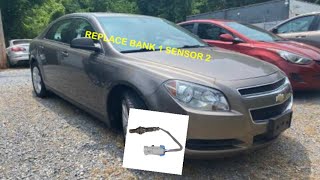
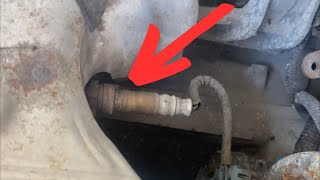
This code indicates a fault in the heater circuit of the downstream oxygen sensor (Bank 1, Sensor 2). The most common fix is to replace the sensor itself, which is located after the catalytic converter. Before replacing, check the 'EMISSIONS 1' 10A fuse (#6 in the underhood fuse box), as a shorted wire can blow it and trigger other codes. Expect to pay $40-$80 for an aftermarket part and $70-$120 for an OEM ACDelco part.
- P0036 almost always means you need a new downstream (post-catalytic converter) oxygen sensor.
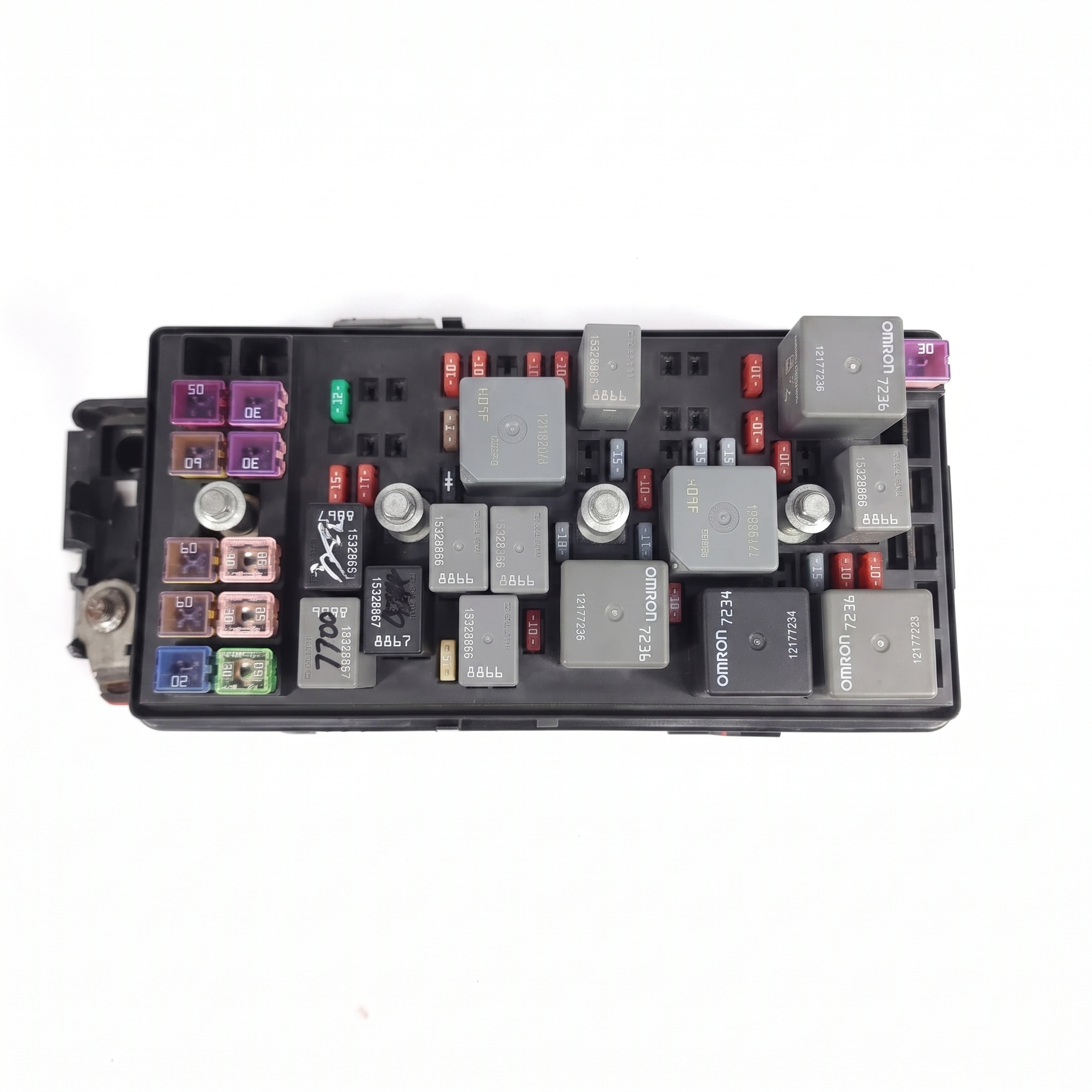
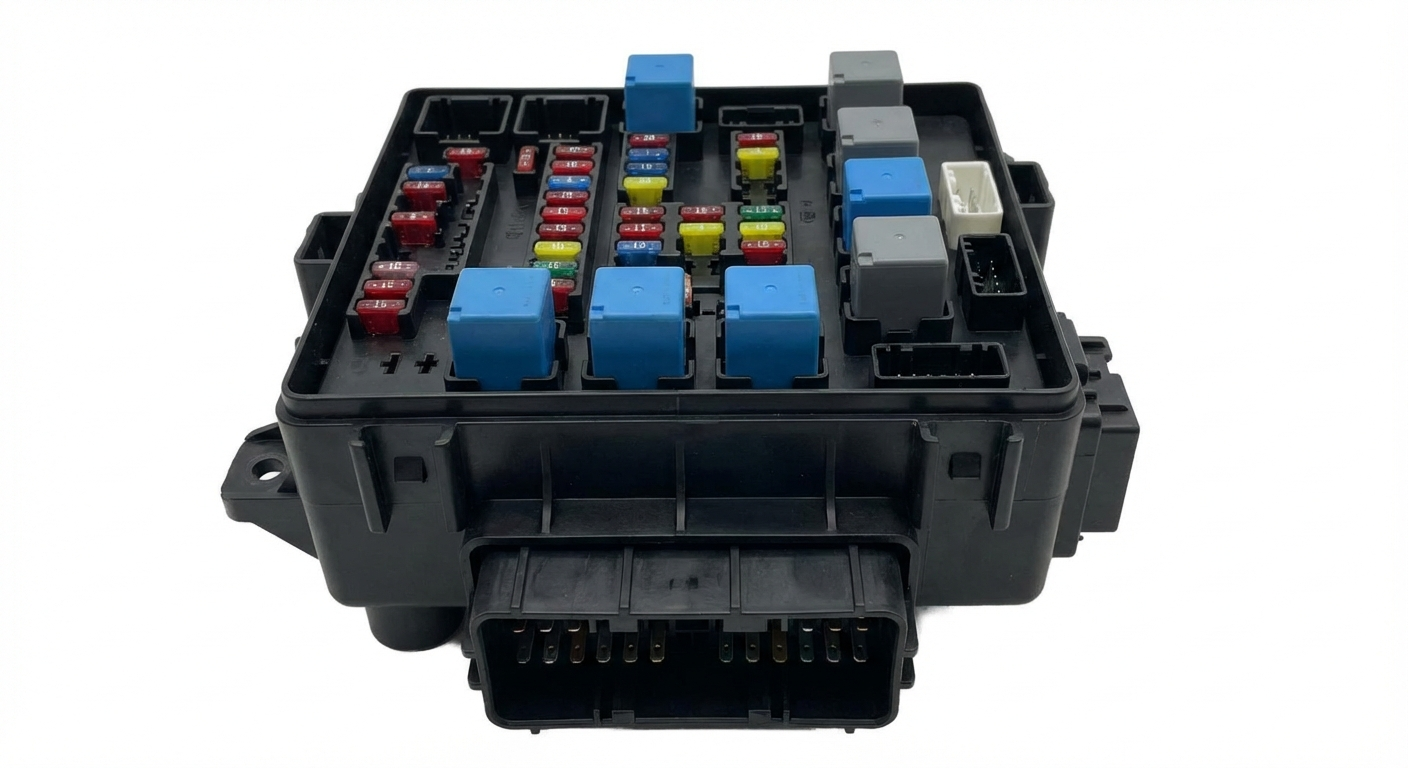
- Before buying a new sensor, ALWAYS check the 10A 'EMISSIONS 1' fuse in slot #6 of the underhood fuse box.
- If you have multiple other codes (like P0030, P0102, P0443) along with P0036, you almost certainly have a blown fuse caused by a shorted wire or component on that shared circuit.
- This is a DIY-friendly repair that requires basic hand tools and jacking up the front of the vehicle safely.
What's Unique About the 2008-2012 Chevrolet Malibu
For this generation of Malibu and its platform mates (Pontiac G6, Saturn Aura), the P0036 code is straightforward and typically points to the sensor itself. 🎬 Watch: How to diagnose and fix the P0036 code However, a well-documented issue involves the engine wiring harness rubbing against the exhaust manifold or other components. This can cause a short circuit that blows the 10A 'EMISSIONS 1' fuse (slot #6 in the underhood fuse box). This single blown fuse will trigger P0036 along with other codes like P0030 (upstream O2 heater), P0102 (MAF sensor), and P0443 (EVAP purge solenoid), as they are all powered by the same circuit. Always inspect this fuse and the wiring harness near the exhaust before replacing parts, especially if multiple codes are present.
Symptoms You May Notice
- Check Engine Light is on
- Failure to pass an emissions inspection
- Slightly reduced fuel economy
- Rough idle or hesitation for a few seconds on a cold start
- Replacing the catalytic converter. The P0036 code is for the sensor's heater circuit, not the converter's efficiency. However, other codes like P0420, which are common on this engine due to oil consumption, do relate to the converter. Fix heater circuit codes first, as a bad sensor cannot properly monitor the converter.
Most Likely Causes
- Failed Downstream Oxygen Sensor 🔴 High Probability The internal heater element is a common failure point in oxygen sensors due to constant, extreme heat cycles. It's considered a wear-and-tear item.
How to confirm: After checking for wiring issues and a blown fuse, test the resistance of the heater circuit within the sensor using a multimeter. Disconnect the sensor and measure between the two heater pins (often the two same-colored wires). A reading outside of the manufacturer's specification (typically 3-15 ohms for these models) or an open circuit (infinity) confirms a bad sensor.
Typical fix: Replace the Bank 1, Sensor 2 (downstream) oxygen sensor.
Est. part cost: $40-$120 - Damaged Wiring or Connector 🟡 Medium Probability The wiring harness for the downstream O2 sensor runs under the vehicle and is exposed to heat and debris. A specific weak point is where the harness can rub against the exhaust manifold or engine block, causing wires to melt and short out.
How to confirm: Visually inspect the entire wiring harness from the ECM to the O2 sensor. Look for melted, chafed, or broken wires, especially near hot exhaust components. Check the connector for corrosion, backed-out pins, or signs of rodent damage. A gentle tug on the wires at the connector can sometimes reveal a broken wire inside the insulation.
Typical fix: Repair the damaged section of the wire or replace the connector pigtail.
Est. part cost: $10-$30 - Blown Fuse ⚪ Low Probability A short in the O2 sensor heater or its wiring can blow the fuse that powers it. On this platform, this is often the 'EMISSIONS 1' fuse, a 10A mini fuse in slot #6 of the underhood fuse block. This fuse is shared with other critical emissions components.
How to confirm: Check the underhood fuse box for a blown fuse in the #6 position. If the fuse is blown, it confirms an underlying short circuit that must be found. Do not simply replace the fuse without finding the cause, as it will likely blow again.
Typical fix: Find and fix the short circuit (usually a bad sensor or damaged wire), then replace the 10A fuse.
Est. part cost: $1-$5
Rare But Worth Checking
- Faulty Engine Control Module (ECM): This is extremely rare. All other possibilities, especially wiring, the shared fuse, and the sensor itself, should be exhaustively ruled out before considering the ECM as the cause.
Diagnosis Steps
- Scan the ECM for any and all trouble codes. Note if other codes are present, especially P0030, P0102, or P0443, as this strongly points to a blown shared fuse.
- Check the 'EMISSIONS 1' fuse (10A, slot #6) in the underhood fuse block. If it's blown, you have a short circuit on that line.
- Perform a thorough visual inspection of the downstream O2 sensor's wiring harness and connector. Look for any signs of melting, chafing, or corrosion, paying close attention to where the harness passes near the exhaust manifold.
- If wiring looks good and the fuse is intact, disconnect the sensor. Use a multimeter to check for 12V power (on the Pink/Black wire) and a good ground at the connector (harness side) with the key on, engine off.
- With the sensor still disconnected, measure the resistance across the two heater circuit pins on the sensor itself. A reading of infinity (open circuit) or zero (short circuit) indicates a failed sensor. A typical good reading is between 3 and 15 ohms when the sensor is at ambient temperature.
- If the fuse for the circuit is blown, temporarily disconnect all components on that circuit (both O2 sensors, MAF, EVAP solenoid) and install a new fuse. Reconnect components one by one until the fuse blows again to identify the shorted component.
- If the sensor, fuse, and wiring are all confirmed to be good, but the code persists, the issue may be with the ECM driver circuit, though this is very uncommon.
Parts You'll Likely Need
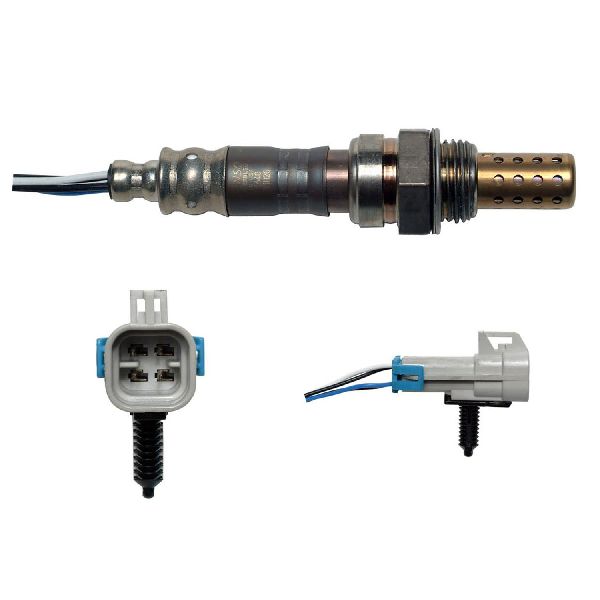
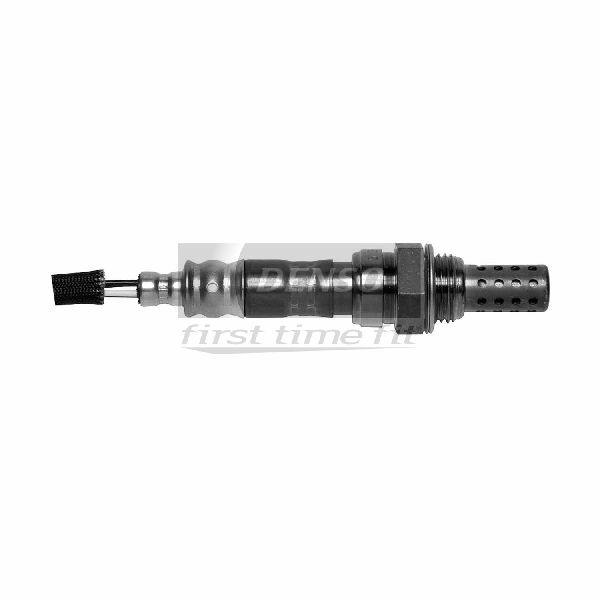
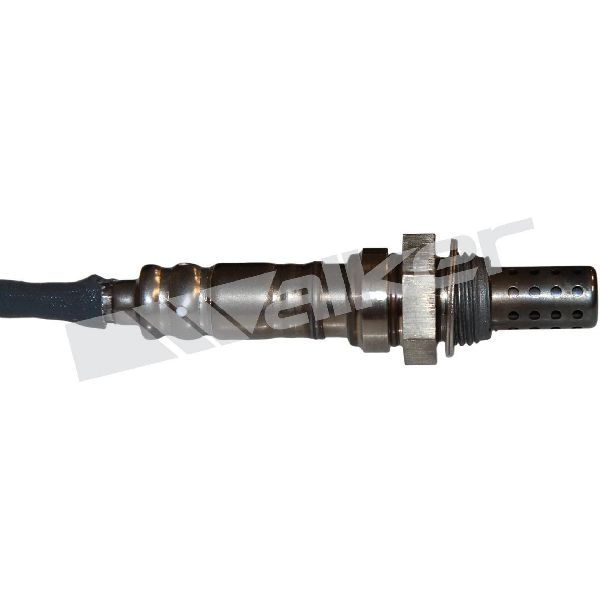
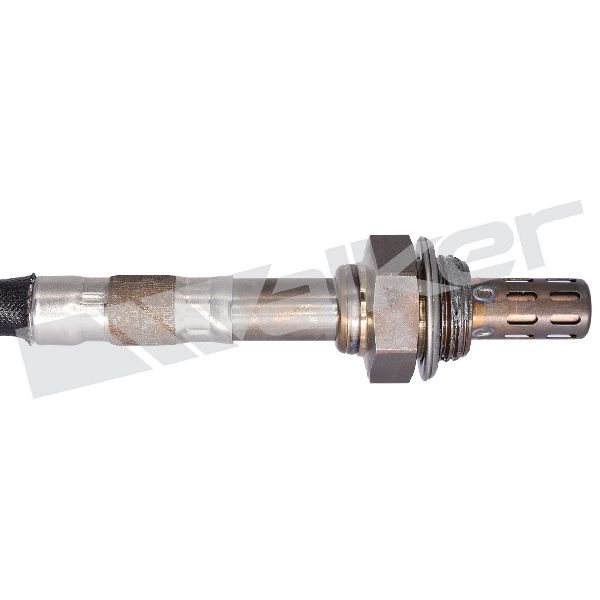
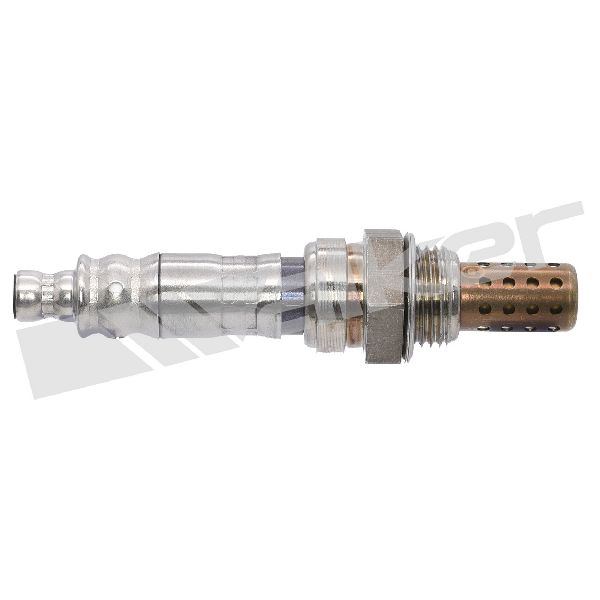
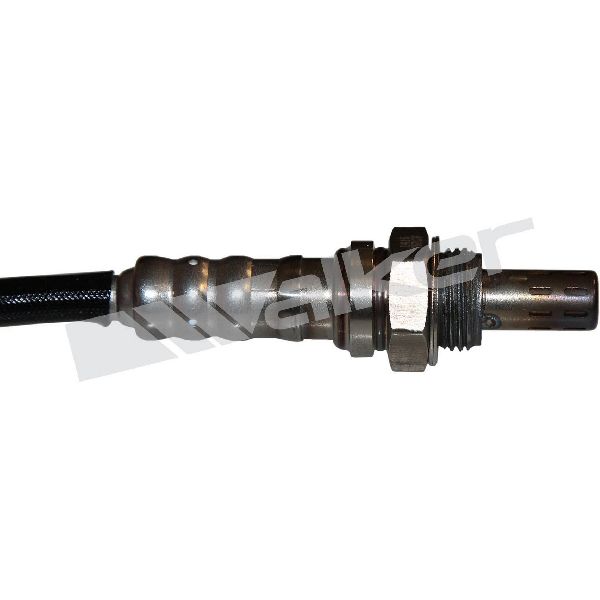
- Downstream Oxygen Sensor (Bank 1, Sensor 2)
(OEM #12609457)— The internal heater element fails from age and heat cycles, making this the most common cause of P0036.
Trusted brands: ACDelco (OEM), Denso, NTK, Bosch
OEM price range: $70-$120
Aftermarket price range: $40-$80 - 10A Mini Fuse — If the cause of the code is a short circuit, the 'EMISSIONS 1' fuse in slot #6 of the underhood fuse box will be blown.
Trusted brands: Bussmann, Littlefuse
OEM price range: $1-$5
Aftermarket price range: $1-$5
Related Codes That Often Appear With This One
- P0030 — Heater circuit fault for the upstream O2 sensor (Bank 1 Sensor 1). If a shared fuse blows due to a wiring short, both codes will appear together.
- P0141 — This is an alternative SAE code for the same fault (HO2S Heater Performance Bank 1 Sensor 2). Sometimes one may appear with the other depending on the scanner's interpretation or the specific fault condition detected.
- P0102, P0443 — On this Malibu and its platform mates, the Mass Airflow (MAF) sensor and EVAP Purge Solenoid share the same 'EMISSIONS 1' power supply fuse with the O2 sensor heaters. A short circuit in any of these components or their wiring can cause all of these codes to set at once.
Platform-Specific Known Issues
- The 2.4L Ecotec engine in this Malibu generation is known for excessive oil consumption due to piston ring issues, which often leads to a P0420 code for catalytic converter failure. While P0036 is unrelated to this issue, it's important to fix any O2 sensor codes before diagnosing a P0420, as a faulty sensor can affect converter readings.
- A manufacturer service bulletin, Bulletin #PIT5336, alerts technicians to vehicles with a Malfunction Indicator Lamp on where they may find Diagnostic Trouble Codes including P0036, P0030, and P0037, among others.
Mechanic-Grade Diagnostic Values
- O2 Sensor Heater Circuit Resistance — expected: 3-15 Ohms at ambient temperature. Failure: A reading of infinity (open circuit), zero (short circuit), or outside the specified range indicates a failed heater element.
- Engine Ground Voltage Drop — expected: 50 mV or less. Failure: A reading significantly higher than 50 mV when measured between a key ground point (like G107) and the negative battery post with the engine running indicates a poor ground connection that can cause sensor errors.
- Heater Circuit Power Supply at Connector — expected: Battery voltage (approx. 12V) with Key On, Engine Off. Failure: Significantly less than 12V on the Pink/Black wire (power feed) points to an issue upstream, such as a blown fuse or wiring fault, not the sensor itself.
Scan Tool Commands That Help
- GM Tech2 / GDS2: Heated O2 Sensor (HO2S) Heater Test — This is a bidirectional control that allows the technician to command the O2 sensor heater on and off. It is used to verify that the ECM driver, wiring, and heater element are all capable of functioning. If the heater can be commanded on with the scan tool but the P0036 code still sets during normal operation, it can point to an intermittent connection or a specific condition that triggers the fault.
Wiring & Ground Locations
- B1S2 O2 Sensor Connector — Underneath the vehicle, on the exhaust pipe after the catalytic converter.. This is the 4-way gray male connector for the sensor itself. The heater circuit wires are typically the two wires of the same color. Power is supplied by a Pink/Black wire (from the EMISSIONS 1 fuse) and the ground side is controlled by the ECM via a Tan/White wire.
- G107 — On the lower left side of the 2.4L engine block, sometimes near the transmission bellhousing.. This is a primary engine and ECM ground. A poor, loose, or corroded connection at G107 can create a voltage offset, causing the ECM to receive incorrect sensor readings and potentially trigger various sensor circuit codes, including those for O2 sensors.
- G106 — On the left rear of the 2.4L engine block.. This is another main engine harness ground point. Like G107, a bad connection here can introduce electrical noise and instability into the engine management system, affecting sensor performance.
- EMISSIONS 1 Fuse — Slot #6 in the underhood fuse block.. This 10A fuse provides power to the heater circuits for both the upstream (P0030) and downstream (P0036) O2 sensors, as well as the MAF sensor (P0102) and EVAP Purge Solenoid (P0443). A short in any of these components or their wiring will blow this fuse and cause multiple codes to set simultaneously.
OEM Part Supersession History
12597947→12609457, which is serviced as ACDelco 213-4229— Standard part evolution, potential improvements in materials or construction.
Heads up: While other sensors may physically fit, using a non-OEM or non-validated brand can sometimes fail to resolve heater circuit codes on GM vehicles. Sticking with the OEM ACDelco part or a known-good equivalent like NTK or Denso is recommended.
Diagnostic Flowchart
Other Known Issues on This Vehicle
Issues unrelated to this code that are worth knowing about as an owner of this generation:
- Excessive Oil Consumption 🔴 High — Very common, often starting around 70,000-100,000 miles. Can be as severe as 1 quart per 1,000-2,000 miles. (Ref: Subject of class-action lawsuits and Special Coverage Adjustment #12313, though coverage is likely expired. The root cause is faulty low-tension piston ring design.)
- Stretched Timing Chain & Failed Guides 🔴 High — Common after 100,000 miles, often accelerated by the oil consumption issue starving the hydraulic tensioner. Symptoms include a rattling noise on cold starts.
- Sudden Loss of Electric Power Steering (EPS) 🔴 High — A widely reported issue, with thousands of NHTSA complaints. Can happen intermittently or fail completely without warning. (Ref: Subject of multiple recalls and special coverage adjustments over the years. Owners should check their VIN with NHTSA.)
- Faulty Camshaft Position Actuator Solenoids (VVT) 🟠 Medium — Common failure item, often leading to codes like P0011 and P0014. Clogging from oil sludge (related to oil consumption) is a primary cause.
- Cracked Exhaust Manifold 🟡 Low — The manifold can develop cracks, leading to exhaust leaks and noise. This can sometimes be a contributing factor to incorrect O2 sensor readings.
Used vs. New Parts: Buying Guide for This Vehicle
When a used part is the smart pick: For this repair, a used part is almost never a smart choice. The primary failure is the internal heater element, which is a wear-and-tear item. A used oxygen sensor from a junkyard has an unknown number of heat cycles and is likely to fail soon, if it works at all.
Donor-vehicle mileage cap: roughly under 10000 miles for the part to have meaningful remaining life.
What to inspect on the donor part:
- If forced to use a used part, source it from a very low-mileage wreck.
- Inspect the wiring pigtail for any signs of melting, brittleness, or damage.
- Ensure the connector is free of corrosion or bent pins.
OEM-only on this vehicle (don't cheap out):
- While not strictly 'OEM-only', the oxygen sensor is a component where using the OEM ACDelco part or a direct OE supplier like NTK or Denso provides the highest chance of a one-time fix. Some aftermarket sensors have different heater resistance values that can prevent the code from clearing.
Aftermarket brands forum-validated for this vehicle:
- Denso
- NTK (NGK)
- Bosch
Brands owners have reported issues with on this vehicle:
- Unbranded, 'white-box' parts from online marketplaces are a significant gamble and often lead to repeat repairs.
Real Owner Stories
Aggregated from forums and TSBs cited above. Mileages and costs reflect what owners reported in those sources.
2008 Chevy Malibu 2.4L LE5
Symptoms: Check engine light on with a cluster of codes including P0030, P0036, P0102, P0135, P0141, and P0443.
What fixed it: Traced the fault to a blown 10A 'EMISSION 1' fuse in slot #6 of the underhood fuse block, which was caused by a short in the shared Pink/Black power wire circuit.
Source hint: YouTube - A2Z Auto Masters: PO030, PO036, PO102, PO135, PO141, PO443 Electrical and wiring problem. 2008 Chevy Malibu
2007 Chevrolet Cobalt 2.4L LE5
Symptoms: Experiencing a cluster of codes: P0030, P0036, P0102, and P0443 simultaneously.
What fixed it: Identified a shared circuit fault pattern common to the Ecotec engine family where multiple emissions components share a single fuse.
Source hint: The Chevrolet Cobalt SS Forum - P0030&p0036&p0102&p0443 Help Me Please
2011 Chevrolet HHR 2.4L LE5
Symptoms: Check engine light with codes P0036, P0102, and P0443 appearing together.
What fixed it: Repaired a common circuit fault that powers the O2 sensor heater, MAF, and EVAP components.
Source hint: Chevy HHR Network - check engine light went on...
Owner Reported Ongoing Electrical Issues
Symptoms: An owner reported an ongoing issue where the dashboard goes blank while driving, accompanied by codes P0036, P0037, P0138, P0141, and P2097.
What fixed it: This complex electrical failure also involved multiple accelerator pedal replacements (NHTSA ODI #11221744).
Related OBD-II Codes
Frequently Asked Questions
Where is the 'EMISSIONS 1' fuse located on my 2008-2012 Malibu, and could it cause a P0036?
My Malibu has P0036 along with P0102 and P0443. Are these separate problems?
What is the specific resistance specification for the downstream O2 sensor heater on the 2.4L LE5 engine?
Is there a specific wiring weak point on the Malibu I should check for P0036?
Could my Malibu's oil consumption issue be related to the P0036 code?
Which wire at the O2 sensor connector should I test for power?
Helpful Videos
Used OEM Parts in Stock


New Aftermarket Parts Available

The information in this article is provided for general reference and educational purposes only. Vehicle specifications, procedures, and part compatibility can vary by production date, trim level, and region. Always consult your vehicle's factory service manual and verify part numbers before purchasing or performing repairs. Safety-critical components such as airbags, seat belts, and braking systems should be installed by a qualified professional.
- Chevrolet Malibu:
- 🎬 Helpful Videos
- 🛍️ Shop This Part
- What's Unique About the 2008-2012 Chevrolet Malibu
- Symptoms You May Notice
- Most Likely Causes
- Rare But Worth Checking
- Diagnosis Steps
- Parts You'll Likely Need
- Related Codes That Often Appear With This One
- Platform-Specific Known Issues
- Mechanic-Grade Diagnostic Values
- Scan Tool Commands That Help
- Wiring & Ground Locations
- OEM Part Supersession History
- Diagnostic Flowchart
- Other Known Issues on This Vehicle
- Used vs. New Parts: Buying Guide for This Vehicle
- Real Owner Stories
- 2008 Chevy Malibu 2.4L LE5
- 2007 Chevrolet Cobalt 2.4L LE5
- 2011 Chevrolet HHR 2.4L LE5
- Owner Reported Ongoing Electrical Issues
- Related OBD-II Codes
- Frequently Asked Questions
- 🎟️ Get 5% Off