

P0022 on 2019-2024 Subaru Ascent: Intake Cam Timing Over-Retarded Causes and Fixes
On a 2019-2024 Subaru Ascent, P0022 is almost always caused by low or dirty engine oil. Before buying any parts, check your oil level and condition. If the oil is fine, the next most likely cause is a faulty driver's side intake Oil Control Valve (OCV), part number 10921AA230, which costs around $100-$140 for the OEM part. For 2019-2022 models, an ECM software update under TSB 09-98-22 should also be investigated.
- This code is a serious warning about your engine's health. Immediately check your oil level.
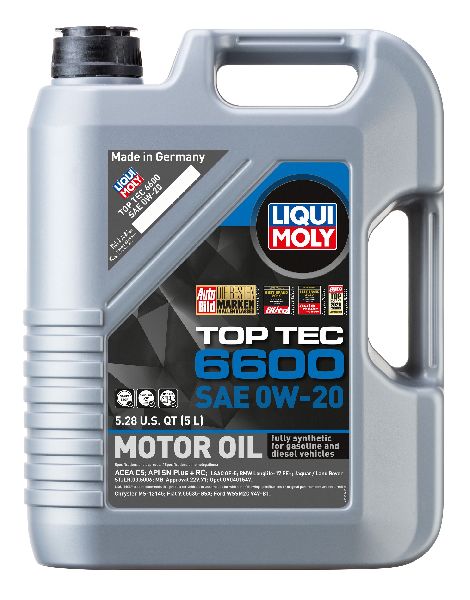
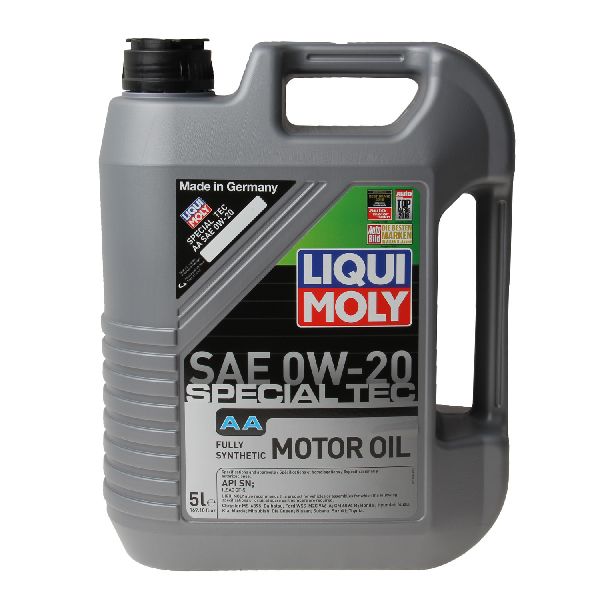
- The most likely cause is low or dirty engine oil. An oil change with 0W-20 synthetic oil is the first and cheapest fix to try.
- If oil isn't the issue, the driver's side intake Oil Control Valve (OCV) is the next most likely culprit and is a relatively easy DIY replacement.
- Do not ignore this code. What might be a simple oil or solenoid issue can lead to catastrophic engine damage if neglected.
What's Unique About the 2019-2024 Subaru Ascent
The FA24F engine in the Ascent is a direct-injection-only turbocharged engine with a sophisticated variable valve timing system (AVCS) that is highly dependent on clean, correct-viscosity (0W-20) synthetic engine oil. While the code points to a timing issue, it's most often a symptom of a lubrication problem. Some owners have reported that these engines can consume oil, making regular oil level checks critical. Going too long between oil changes can lead to sludge that clogs the small passages of the AVCS system. A Reddit user with a 2022 Ascent reported going 20k miles between changes, resulting in related camshaft codes (P000A, P0011, P0024) and a dealer quote for a $14,000 engine replacement due to sludge.
Symptoms You May Notice
- Check Engine Light is on
- Rough or unstable idle
- Reduced engine power and sluggish acceleration
- Poor fuel economy
- Engine stalling in some cases
- Unusual engine noises, like clicking or knocking
- Replacing the camshaft position sensor. This code indicates a performance issue with the timing, not a circuit failure of the sensor itself. While possible for the sensor to be faulty, it's much less common than an oil or OCV issue.
Most Likely Causes
- Low or Dirty Engine Oil 🔴 High Probability The AVCS system is hydraulic and extremely sensitive to oil pressure and cleanliness. The FA24F engine is known to consume oil in some vehicles, increasing the risk of a low oil condition if not checked regularly.
How to confirm: Physically check the engine oil dipstick for proper level and inspect the oil's color and consistency. The oil should be at the full mark and not appear black, thick, or sludgy.
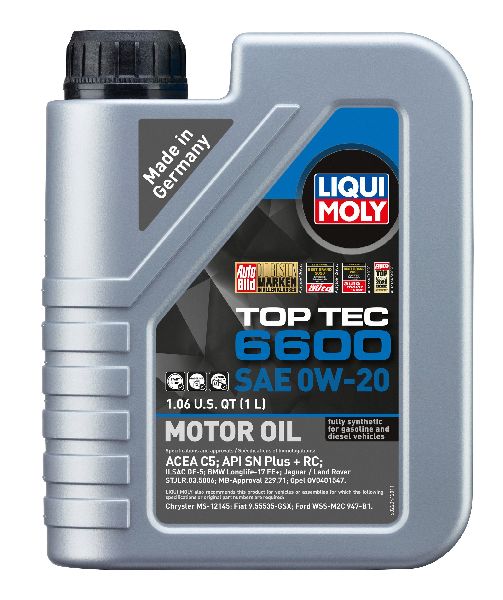
Typical fix: Perform an oil and filter change using the manufacturer-specified 0W-20 full synthetic oil. Reset the code and drive the vehicle to see if the code returns. This is the most important and cheapest first step.
Est. part cost: $40-$80 - Faulty Intake Oil Control Valve (OCV) - Bank 2 (Driver's Side) 🟡 Medium Probability The OCV is an electronic solenoid that can get clogged with engine sludge or fail electronically over time, causing it to stick and improperly regulate oil flow to the cam phaser. Internal seals can also fail, allowing oil to leak into the wiring harness.
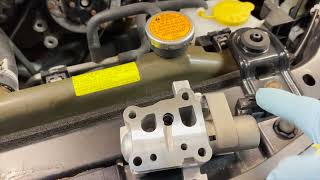
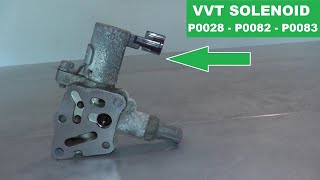
How to confirm: A professional can test the OCV's resistance (Subaru spec is often 6.9-7.9 Ohms 🎬 See this guide on testing and replacing VVT solenoids.). A common DIY diagnostic is to swap the driver's side (Bank 2) intake OCV with the passenger's side (Bank 1) intake OCV. If the code changes to P0011 (the Bank 1 equivalent), the OCV is confirmed to be faulty. The Bank 2 intake OCV is located on the top front of the driver's side of the engine.
Typical fix: Replace the faulty Oil Control Valve. The OEM part number is 10921AA230, which has been superseded by 10921AA231.
Est. part cost: $95-$140 - Outdated Engine Control Module (ECM) Software 🟡 Medium Probability For 2019-2022 models, Subaru issued TSB 09-98-22 because the original ECM logic was overly sensitive and could incorrectly set various AVCS-related DTCs (P0016, P0017, P0018, P0019, etc.) after minor, momentary timing deviations. While P0022 isn't explicitly listed, the fix addresses the diagnostic logic as a whole.
How to confirm: Contact a Subaru dealer and provide your VIN. Ask them to check if TSB 09-98-22 or any other ECM updates are open for your vehicle.
Typical fix: Dealer performs an ECM software reprogram. This should be investigated before replacing more expensive hardware.
Est. part cost: $0-$150 (if not covered by warranty)
Rare But Worth Checking
- Stretched Timing Chain or Faulty Tensioner: This is a more serious mechanical failure. It becomes more likely if the vehicle has been run with low or dirty oil for an extended period, which can accelerate wear. This is a complex and expensive repair.
- Faulty Camshaft Phaser (AVCS Sprocket): The gear itself can fail or become clogged with debris, preventing it from adjusting timing correctly. This is also an expensive and labor-intensive repair.
- Leaking Oil Level Switch O-Ring: A very rare but documented failure (TSB 02-190-22R) where a bad o-ring on the oil level sensor allows engine oil to wick up into the main engine wiring harness, contaminating the ECM and other modules. This can cause bizarre electrical issues and codes, and is an extremely expensive repair often exceeding $10,000.
Diagnosis Steps
- Verify the code with an OBD-II scanner.
- Check the engine oil level and condition. If low, top it off. If dirty or past its service interval, perform an oil and filter change with full synthetic 0W-20 oil. Clear the code and drive to see if it returns.
- If you have a 2019-2022 model, contact a Subaru dealer to check if TSB 09-98-22 (ECM reprogram) has been performed on your vehicle.
- If the oil is clean and at the correct level, the next step is to inspect the Bank 2 (driver's side) intake Oil Control Valve (OCV).
- A good DIY test is to swap the Bank 2 intake OCV with the Bank 1 (passenger side) intake OCV. They are the same part number (10921AA230 or its successor 10921AA231) and accessible. Clear the codes and drive the vehicle.
- If the trouble code changes to P0011 (Intake Camshaft Position Timing Over-Advanced - Bank 1), you have confirmed the OCV is the faulty component. Replace it.
- If the code P0022 returns, the problem is not the OCV. At this point, the issue is likely more complex.
- Further diagnosis for mechanical issues like a stretched timing chain or faulty cam phaser is required. This should be performed by a qualified professional.
Parts You'll Likely Need
- Intake Oil Control Valve (OCV) / VVT Solenoid
(OEM #10921AA230)— This solenoid is the most common part to fail after oil issues are ruled out. It gets clogged with debris from engine oil or fails electronically, causing it to stick and prevent proper cam timing adjustment.
Trusted brands: Subaru (Genuine OEM)
OEM price range: $95-$140
Aftermarket price range: $60-$100 - Engine Oil and Filter
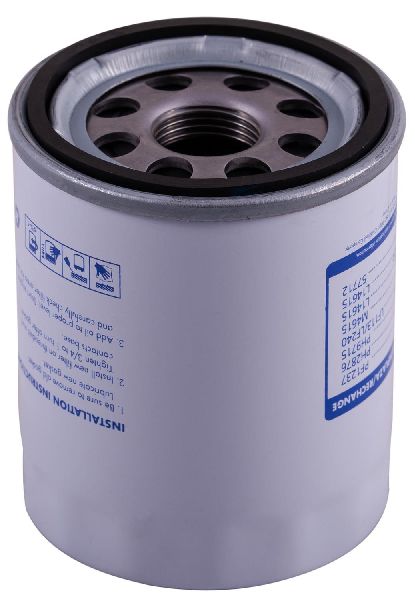
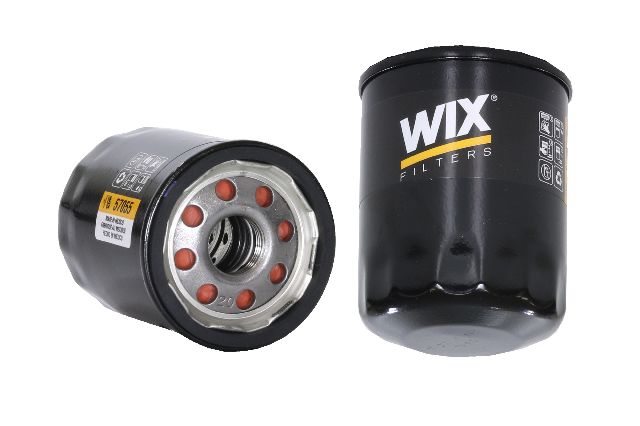
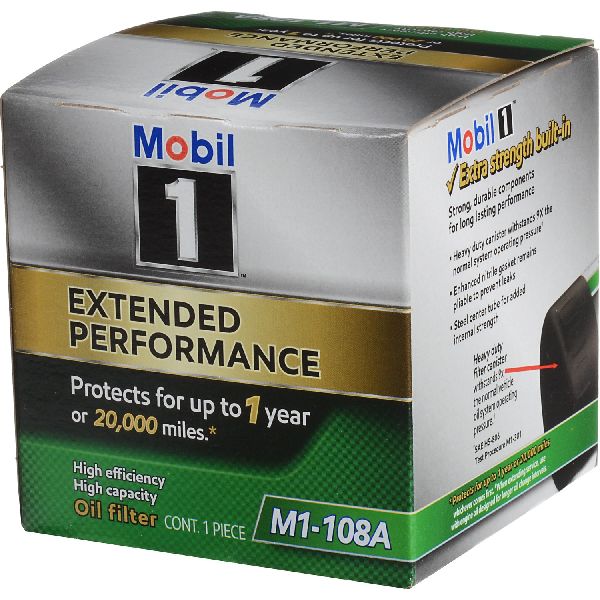
(OEM #Filter: 15208AA15A)— The #1 cause of this code is low or dirty engine oil. An oil change is the cheapest and most important first step in diagnosis and repair.
Trusted brands: Idemitsu (OEM supplier), Mobil 1, Valvoline
OEM price range: $60-$100
Aftermarket price range: $40-$80
Related Codes That Often Appear With This One
- P0021 — This is the 'over-advanced' code for the same camshaft. If both appear, it could indicate an erratic OCV or severe oil flow problem.
- P0011 / P0012 — These are the codes for the opposite bank (Bank 1, passenger side). If codes for both banks appear, it strongly suggests a systemic issue like extremely low/dirty oil or low oil pressure.
Technical Service Bulletins (TSBs) & Recalls
- TSB 09-98-22: For 2019-2022 models, this TSB provides an ECM reprogram to fix overly sensitive diagnostic logic that could incorrectly set various AVCS codes (P0016, P0017, P0018, P0019, etc.). A crucial check before hardware replacement.
- TSB 02-190-22R: Describes a failure where a faulty oil level switch o-ring can cause oil to migrate into the main engine wiring harness, leading to catastrophic electrical damage. A rare but severe issue.
- TSB 02-187-21: Details an updated procedure for engine oil pressure inspection, requiring measurement at both idle and 3,000 RPM with the engine at operating temperature (80°C / 176°F).
Platform-Specific Known Issues
- There are numerous owner reports across forums like ascentforums.com and Reddit indicating that neglecting oil change intervals on the FA24F engine can quickly lead to AVCS-related trouble codes. In one severe case on Reddit, a user with a 2022 Ascent who went 20,000 miles between oil changes was quoted $14,000 for an engine replacement after getting camshaft-related codes.
Mechanic-Grade Diagnostic Values
- Oil Control Valve (OCV) Resistance — expected: 6.9 - 7.9 Ohms at 68°F (20°C). Failure: A reading outside this range, or an open/infinite reading, indicates a faulty solenoid coil.
- Engine Oil Pressure at Idle (Hot) — expected: > 10 PSI (69 kPa). Failure: Pressure significantly below this value indicates a mechanical oiling issue (e.g., oil pump, pickup tube, bearing clearance) that is the root cause of the AVCS fault.
- Engine Oil Pressure at 3,000 RPM (Hot) — expected: > 29 PSI (200 kPa). Failure: Pressure below this value under load points to a worn oil pump or excessive internal engine wear.
- Live Data: Bank 2 Intake AVCS Advance Angle (at idle) — expected: ~0 degrees. Failure: With the Bank 2 intake OCV unplugged, a reading significantly different from 0° suggests a jumped timing chain or a mechanically failed/stuck phaser.
- Live Data: OCV Duty Cycle Left vs. VVT Adv. Ang. Amount L — expected: The advance angle ('VVT Adv. Ang. Amount L') should respond promptly and proportionally to commands from the ECM ('OCV Duty Left %').. Failure: If the duty cycle percentage increases but the advance angle does not change, it points to a hydraulic or mechanical failure (stuck OCV, clogged passage, bad phaser) rather than an electrical one.
Scan Tool Commands That Help
- Subaru Select Monitor (SSM) or advanced aftermarket scanner (e.g., Launch, Autel): VVT Learned Value Reset — After replacing an OCV or performing other mechanical timing repairs, the ECM may retain old compensatory values. Resetting these learned values forces the ECM to re-learn the new component's behavior from a zeroed state.
- Subaru Select Monitor (SSM) or advanced bidirectional scanner: Active Test: AVCS Solenoid — This command allows the technician to manually activate the OCV solenoid to check for an audible click and observe the engine's response, helping to confirm if the solenoid is electrically functional and not seized.
Wiring & Ground Locations
- OCV Ground Wire Solder Joint — In the engine wiring harness, located on top of the coolant crossover pipe.. According to TSB-related discussions, the ground wires for the OCVs are bundled at a solder joint in this location. A known failure mode is oil wicking from a leaking OCV into the harness and contaminating this joint, causing poor grounding and erratic OCV operation for one or more solenoids.
- Bank 2 Intake OCV Connector — On the front of the driver's side (Bank 2) cylinder head. It is the upper of the two OCV connectors on that side.. This is the primary connection point for testing the OCV circuit. It should be inspected for corrosion, pin damage, and especially for the presence of engine oil, which indicates a failed internal seal on the OCV and potential harness contamination.
Real Owner Repair Stories
- Reddit user on r/SubaruAscent and r/subaru (2022 Subaru Ascent Onyx Edition, ~54,000 miles) — Check Engine Light with codes P000A, P0011, P0024 (camshaft performance codes for both banks). No reported drivability issues.
❌ Tried (didn't work) The user had not attempted any repairs; this was the initial diagnosis.
✅ What actually fixed it This is a cautionary tale, not a fix. The root cause was determined by the dealer to be severe engine sludge from an extremely extended oil change interval (~20,000 miles). The dealer recommended a complete short block replacement, camshaft sprockets, and head machining at a cost of $14,000. This story highlights the critical importance of oil maintenance for preventing AVCS codes.
OEM Part Supersession History
10921AA230→10921AA231— Likely an internal revision to improve reliability or address a known failure pattern, such as the internal seal that allows oil to leak into the connector.
Model Year Variations Within This Range
- 2019-2022: These model years may have overly sensitive ECM logic for detecting AVCS faults. TSB 09-98-22 provides a software update to correct this, which should be investigated before replacing hardware.
- 2023-2024: These models received a significant interior and exterior facelift, but the FA24F engine and AVCS system remained unchanged. The ECM software from the factory should already incorporate the logic fixes from TSB 09-98-22.
Diagnostic Flowchart
Other Known Issues on This Vehicle
Issues unrelated to this code that are worth knowing about as an owner of this generation:
- Premature CVT Transmission Failure 🔴 High — Most common in 2019-2020 models, typically between 30,000-60,000 miles. Symptoms include shuddering, jerking, and loss of power. (Ref: Recall WRK-21 (NHTSA 21V955); Warranty extension to 8 years/100,000 miles.)
- Parasitic Battery Drain 🟠 Medium — Widespread across 2019-2022 models. Often caused by the Data Communication Module (DCM) failing to enter sleep mode after the 3G network shutdown. (Ref: Warranty extension for DCM (8 years/100k miles); Subject of multiple class-action lawsuits.)
- Excessive Oil Consumption 🟠 Medium — Reported in an estimated 15-20% of 2019-2022 models. Owners report needing to add oil between changes to prevent low-level conditions. (Ref: No specific TSB for FA24F, but a known issue with Subaru boxer engines.)
- Oil Leak from Level Switch O-Ring into Wiring Harness 🔴 High — Rare but catastrophic failure where a faulty $2 o-ring allows oil to wick through the main engine and transmission wiring harnesses, causing massive electrical damage. (Ref: TSB 02-190-22R describes the o-ring issue.)
- Ground Bolt for PTC Heater Failure 🔴 High — Affects 2019-2022 models. An improperly fastened ground bolt can melt, creating a fire risk. (Ref: Recall WRL-22 (NHTSA 22V-702).)
Used vs. New Parts: Buying Guide for This Vehicle
When a used part is the smart pick: For this specific repair, sourcing used parts is generally not recommended. The primary failure components (OCV, timing chain, phasers) are all wear items or are highly susceptible to damage from contaminated oil. A used part may have the same issue or a very limited remaining service life.
Donor-vehicle mileage cap: roughly under 40000 miles for the part to have meaningful remaining life.
What to inspect on the donor part:
- If considering a used OCV, demand to see the donor vehicle's maintenance history to verify regular oil changes.
- Inspect the connector pins of a used OCV for any sign of oil residue, which indicates a failed internal seal.
- Avoid any parts from an engine that has evidence of heavy sludge or a known catastrophic failure (e.g., spun bearing).
OEM-only on this vehicle (don't cheap out):
- Oil Control Valve (OCV) / VVT Solenoid: Aftermarket solenoids have a high rate of premature failure. Given the labor to access and the importance of the part, Genuine Subaru (or the OEM supplier) is the only reliable choice.
- Timing Chain and Phasers: These are core engine components. The risk of premature failure with aftermarket timing parts is too high to justify the cost savings.
Aftermarket brands forum-validated for this vehicle:
- For engine oil, brands that meet Subaru's recommended 0W-20 synthetic specification, such as Idemitsu (an OEM supplier), Mobil 1, or Valvoline, are considered reliable choices.
Brands owners have reported issues with on this vehicle:
- Avoid unbranded or 'white-box' Oil Control Valves sold on marketplaces. These frequently fail to perform correctly or have a very short lifespan.
Real Owner Stories
Aggregated from forums and TSBs cited above. Mileages and costs reflect what owners reported in those sources.
2022 Subaru Ascent FA24F 2.4L Turbo — 20000 miles
Symptoms: Camshaft-related trouble codes after neglecting oil changes for 20,000 miles.
What fixed it: The dealer recommended a full engine replacement due to the severity of the damage from extended oil change intervals.
Cost: $14,000-$14,000
Source hint: Reddit r/SubaruAscent thread '2022 Ascent with Camshaft Fault Codes—Dealer Recommending $14k Engine Repair'
Related OBD-II Codes
Frequently Asked Questions
Does TSB 09-98-22 apply to my 2019-2022 Subaru Ascent if I have timing codes?
What is the specific part number for the Bank 2 Intake Oil Control Valve on the FA24F engine?
Can I swap parts to diagnose P0022 on my Ascent?
Is there a risk of electrical damage from oil leaks on the 2019-2024 Ascent?
What type of oil should I use to prevent AVCS issues like P0022?
Is there a recall for the engine fire risk mentioned in some Ascent reports?
Helpful Videos
Used OEM Parts in Stock


New Aftermarket Parts Available

The information in this article is provided for general reference and educational purposes only. Vehicle specifications, procedures, and part compatibility can vary by production date, trim level, and region. Always consult your vehicle's factory service manual and verify part numbers before purchasing or performing repairs. Safety-critical components such as airbags, seat belts, and braking systems should be installed by a qualified professional.
- Subaru Ascent:
- 🎬 Helpful Videos
- 🛍️ Shop This Part
- What's Unique About the 2019-2024 Subaru Ascent
- Symptoms You May Notice
- Most Likely Causes
- Rare But Worth Checking
- Diagnosis Steps
- Parts You'll Likely Need
- Related Codes That Often Appear With This One
- Technical Service Bulletins (TSBs) & Recalls
- Platform-Specific Known Issues
- Mechanic-Grade Diagnostic Values
- Scan Tool Commands That Help
- Wiring & Ground Locations
- Real Owner Repair Stories
- OEM Part Supersession History
- Model Year Variations Within This Range
- Diagnostic Flowchart
- Other Known Issues on This Vehicle
- Used vs. New Parts: Buying Guide for This Vehicle
- Real Owner Stories
- 2022 Subaru Ascent FA24F 2.4L Turbo — 20000 miles
- Related OBD-II Codes
- Frequently Asked Questions
- 🎟️ Get 5% Off