

P0017 on 2014-2020 Kia Cadenza 3.3L V6: Exhaust Cam Timing Causes and Fixes
On a 2014-2020 Kia Cadenza with the 3.3L V6, code P0017 is most often caused by low or dirty engine oil, or a faulty exhaust Oil Control Valve (OCV) on the rear cylinder bank. Checking your oil is the first step. Replacing the OCV is a common DIY fix costing around $50-$100 for the part. If these simple fixes don't work, the issue could be a more serious mechanical problem like a stretched timing chain.
- Always check your engine oil level and condition first. Low or dirty oil is the number one cause of P0017.
- The most likely faulty part is the Bank 1 (rear bank) exhaust Oil Control Valve (OCV). It's an affordable part and relatively easy to access and replace.
- A simple DIY diagnostic is to swap the exhaust OCV with the intake OCV on the same bank. If the code changes to P0016, you've found your problem.
- Do not immediately replace the camshaft or crankshaft sensors. They are usually just reporting the timing error, not causing it.
- If oil and OCVs are good, the issue could be a stretched timing chain, which is a serious repair that should be handled by a professional.
What's Unique About the 2014-2020 Kia Cadenza
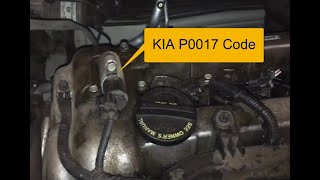
The Lambda II 3.3L V6 in the Cadenza is a Gasoline Direct Injection (GDI) engine, which is generally robust, especially compared to the more problematic 4-cylinder engines from Kia of the same era. However, like any modern engine with Continuous Variable Valve Timing (CVVT), it is highly dependent on clean, correct-grade engine oil to operate the timing system. P0017 on this platform is a classic VVT-related fault, and the diagnostic path almost always starts 🎬 Watch this walkthrough of the P0017 diagnostic process. with oil quality and the hydraulic Oil Control Valves (OCVs) before suspecting more serious mechanical issues. GDI engines can also be prone to carbon buildup on intake valves, which doesn't directly cause P0017 but contributes to overall engine health issues if not maintained.
Generation note: The 2014-2020 year range covers two generations of the Kia Cadenza: the first generation (2014-2016) and the second generation (2017-2020). Both generations use the Lambda II 3.3L V6 GDI engine, and the common causes and diagnostic procedures for code P0017 are consistent across both.
Symptoms You May Notice
- Check Engine Light is on
- Rough or uneven idle.
- Hesitation or loss of power during acceleration.
- Reduced fuel economy.
- Engine may be difficult to start
- Occasional stalling at idle or low speeds.
- Rattling noise from the engine on cold startup, which may indicate a timing chain tensioner issue.
- Replacing the camshaft position sensor when the actual fault is low oil or a bad Oil Control Valve.
- Replacing the crankshaft position sensor, which rarely fails in a way that causes only a P0017 code without other, more severe symptoms like a no-start condition.
- Assuming a timing chain replacement is needed immediately without first diagnosing the much more common and cheaper OCV failure.
Most Likely Causes
- Low or Dirty Engine Oil 🔴 High Probability The CVVT system uses oil pressure to adjust camshaft timing. Old, dirty, or low-level oil cannot operate the system correctly, leading to timing correlation errors. Sludge from infrequent oil changes is a primary culprit for clogging OCV screens and passages.
How to confirm: Check the oil dipstick for level and examine the oil's color and consistency. If it's low, black, or sludgy, this is the most likely cause. This should always be the first check.
Typical fix: Perform an oil and filter change using a high-quality, full synthetic 5W-30 or 5W-20 oil that meets the manufacturer's specifications (check your owner's manual).
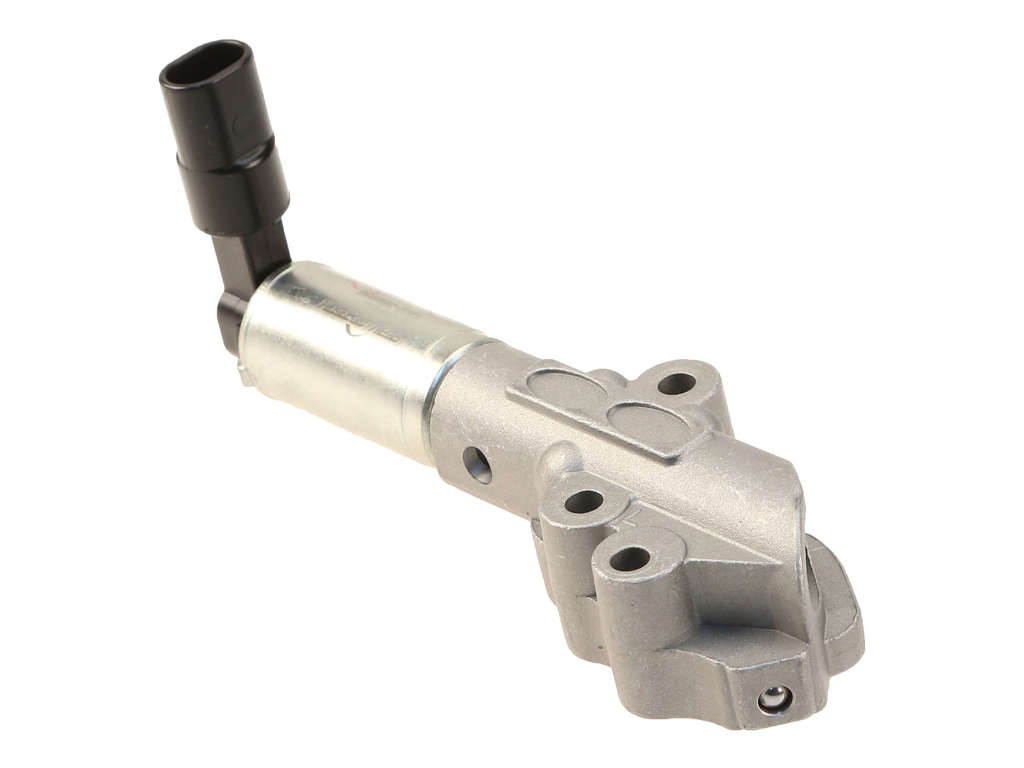
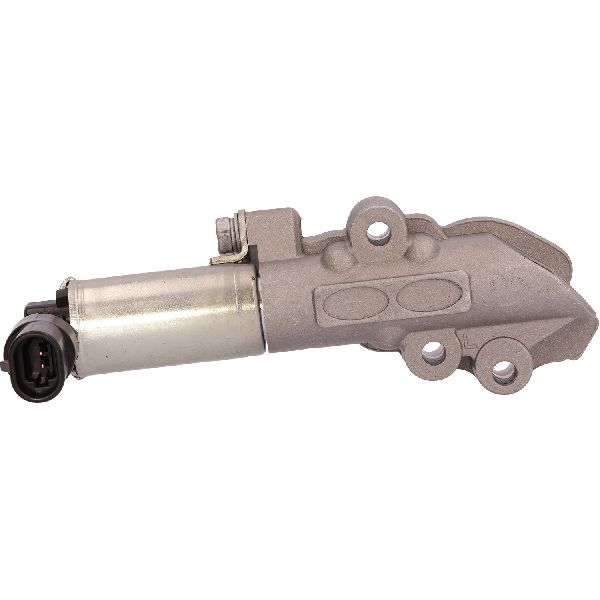
Est. part cost: $40-$80 - Faulty Bank 1 Exhaust Oil Control Valve (OCV) 🔴 High Probability The OCV (or VVT solenoid) is an electronic solenoid that controls oil flow to the cam phaser. It is a very common failure point, either by getting clogged with debris from dirty oil or failing electrically. In one instance, NHTSA ODI #11288719 notes that after a P0017 diagnosis, a mechanic specifically identified a faulty oil control valve as the root cause.
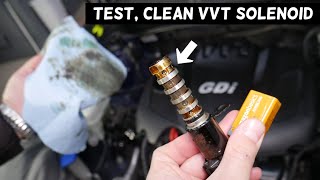
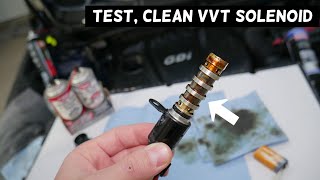
How to confirm: Swap the Bank 1 exhaust OCV with the Bank 1 intake OCV. They are identical and interchangeable. Clear the codes and drive. If the code changes to P0016 (Bank 1, Sensor A), the OCV is confirmed to be faulty. You can also test its resistance with a multimeter; it should be between 6.9 and 7.9 ohms. Applying 12V power should make 🎬 See how to bench test and clean your VVT solenoid. the solenoid click.
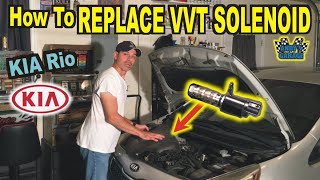
Typical fix: Replace the Bank 1 exhaust Oil Control Valve. It is located on the rear valve cover. 🎬 Watch: A helpful guide on replacing the VVT solenoid.
Est. part cost: $50-$120 - Stretched Timing Chain or Failing Tensioner 🟡 Medium Probability Over time, especially with high mileage or poor oil change history, the timing chains can stretch, and the hydraulic tensioners can weaken. This creates slack in the system, causing the camshaft and crankshaft to become physically misaligned. A rattling noise on startup is a key symptom. NHTSA ODI #11648244 describes a scenario where P0017 was triggered by a timing chain being "stretched vigorously" alongside excessive oil issues.
How to confirm: This is a complex diagnosis. It often starts with a persistent rattling noise on cold startup. A professional mechanic would need to remove the timing cover to physically inspect the chain for slack and check the tensioner's extension. This is not a simple DIY check.
Typical fix: Replace the timing chains, tensioners, and guides. This is a labor-intensive job, often costing thousands of dollars.
Est. part cost: $300-$600 - Faulty Bank 1 Exhaust Camshaft Position Sensor ⚪ Low Probability
How to confirm: The sensor's signal can be checked with an oscilloscope. A simpler DIY method is to swap it with the identical sensor from another position (e.g., the intake sensor on the same bank) and see if the trouble code follows the sensor (e.g., changes to P0016).
Typical fix: Replace the Bank 1 exhaust camshaft position sensor.
Est. part cost: $40-$110
Rare But Worth Checking
- Damaged or Slipped Camshaft Reluctor Wheel: The reluctor wheel (or tone ring) on the end of the camshaft provides the signal for the position sensor. If it has slipped or been damaged during previous service, it can send an incorrect signal. A Kia TSB (PS731) for other models notes this can happen after engine work.
- Stuck or Failed CVVT Cam Phaser: The phaser is the mechanical gear on the end of the camshaft that actually adjusts the timing. If it gets clogged with sludge or mechanically fails, it can get stuck in one position, causing a correlation error. This is a more severe mechanical failure.
- Wiring Harness or Connector Issue: Damage to the wiring or a corroded connector for either the OCV or the camshaft position sensor can mimic a component failure. A visual inspection of the harness, especially near hot exhaust components, is worthwhile.
Diagnosis Steps
- Check Engine Oil: Verify the oil level is full and the oil is clean. If low, top it off. If old or dirty, perform a complete oil and filter change with full synthetic 5W-30 oil. Clear the code and see if it returns. This is the most critical first step.
- Inspect Wiring: Visually inspect the wiring and connectors for the Bank 1 (rear bank) exhaust camshaft position sensor and the exhaust Oil Control Valve (OCV). Look for any signs of damage, corrosion, or loose connections.
- Test the Oil Control Valve (OCV): The Bank 1 exhaust OCV is located on the rear valve cover. The easiest test is to swap it with the intake OCV on the same bank. They are typically identical parts. Clear the codes and drive the vehicle. If the code changes from P0017 to P0016, you have confirmed the OCV is faulty and needs to be replaced.
- Test the Camshaft Position Sensor: If the OCV swap does not change the code, you can try swapping the exhaust camshaft position sensor with the intake sensor on the same bank. If the code changes to P0016, the sensor is the issue.
- Seek Professional Diagnosis: If the oil is good and swapping the OCV and sensor does not resolve the issue, the problem is likely mechanical. This points to a stretched timing chain, a failing tensioner, or a bad cam phaser. This level of diagnosis and repair requires specialized tools and should be performed by a qualified mechanic.
Parts You'll Likely Need
- Engine Oil Control Valve (VVT Solenoid), Bank 1 Exhaust
(OEM #24360-3CAB2)— This solenoid controls the oil flow that adjusts cam timing. It's a very common failure point due to clogging or electrical failure.
Trusted brands: Kia (Genuine), Delphi, Standard Motor Products
OEM price range: $90-$130
Aftermarket price range: $50-$100 - Camshaft Position Sensor, Bank 1 Exhaust
(OEM #39318-3C500)— Though less common to fail than the OCV, a faulty sensor can cause this code. It's often replaced as a diagnostic step.
Trusted brands: Kia (Genuine), Hitachi, Delphi, Spectra Premium
OEM price range: $70-$110
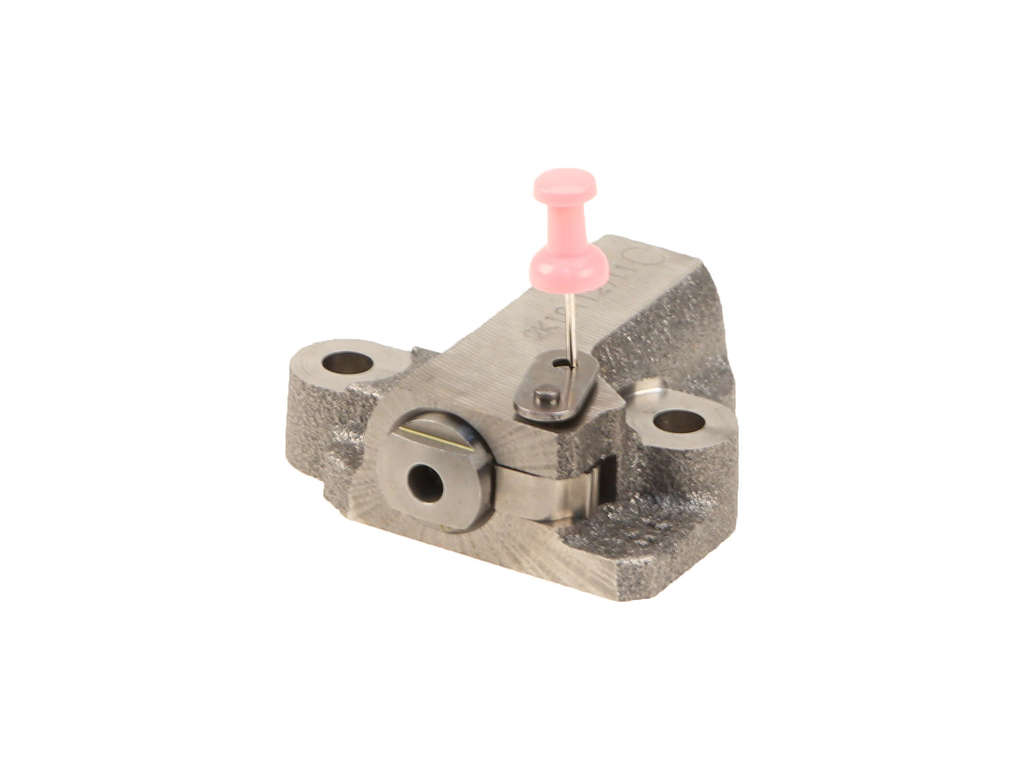
Aftermarket price range: $40-$80 - Timing Chain Kit — If the timing chain has stretched or the tensioners have failed, a full kit including chains, guides, and tensioners is required for the repair. This is a major, expensive repair.
Related Codes That Often Appear With This One
- P0016 — This is the correlation code for the intake camshaft on Bank 1. It can appear if you swap the exhaust OCV with the intake OCV for diagnostic purposes, confirming the OCV is the fault.
- P0018 / P0019 — These are the correlation codes for Bank 2 (the front bank). If these appear alongside P0017, it strongly suggests a base timing issue affecting the entire engine, such as a stretched primary timing chain or widespread oil sludge.
- P0300 — Random/Multiple Cylinder Misfire. Incorrect valve timing directly impacts combustion, which can lead to misfires.
- P0014 — This code indicates 'Camshaft Position B - Timing Over-Advanced or System Performance (Bank 1)'. It often appears with P0017 and points towards a problem with the CVVT system, frequently the OCV or phaser.
Technical Service Bulletins (TSBs) & Recalls
- PS731 — PITSTOP: DTC P0011/ P0014/ P0016/ P0017 DUE TO INCORRECT CAMSHAFT RELUCTOR WHEEL CONFIGURATION — A Kia technical service bulletin (TSB) that provides information about correlation codes being caused by an incorrect camshaft reluctor wheel configuration, often after prior engine work.
Platform-Specific Known Issues
- While not directly related to P0017, some 2017-2021 Cadenza models were recalled for a fire risk due to a potential electrical short in the Hydraulic Electronic Control Unit (HECU). Owners can check their VIN on NHTSA's website to see if their vehicle is affected.
Mechanic-Grade Diagnostic Values
- Oil Control Valve (OCV) / VVT Solenoid Coil Resistance — expected: 6.9 - 7.9 Ohms at 68°F (20°C) for Denso type; 6.7 - 7.7 Ohms for Delphi type.. Failure: A reading of infinity (open circuit) or near zero (short circuit) indicates a failed solenoid coil.
- Scan Tool Live Data: Commanded vs. Actual Camshaft Position — expected: The 'Actual' camshaft position angle should closely follow the 'Commanded' angle with minimal delay as engine RPM changes.. Failure: A large, fixed deviation (e.g., more than 5-10 degrees) between commanded and actual angles points to a mechanical timing issue like a jumped chain. A lazy or non-responsive 'Actual' value suggests a hydraulic/electrical issue like a faulty OCV or low oil pressure.
- Camshaft Position Sensor Circuit Voltage (at connector) — expected: With the key on, one pin should have a reference voltage (e.g., 5V or 12V), one should have a good ground, and the third is the signal wire.. Failure: Absence of reference voltage could indicate a blown fuse (e.g., 'SNSR 3' fuse in the engine bay fuse box).
Scan Tool Commands That Help
- Kia GDS (Global Diagnostic System) or equivalent professional scanner: CVVT (OCV) Activation Test — This bidirectional command allows a technician to manually activate the exhaust OCV solenoid while the engine is running. It is used to verify if the solenoid is mechanically functioning and if the oil passages are clear. A noticeable change in engine sound/RPM and a corresponding change in the 'Actual' cam angle on live data confirms the OCV and its hydraulic circuit are working.
Wiring & Ground Locations
- Engine Control Ground — Key grounding points for the engine management system are typically on the cylinder head, engine block, and intake manifold. A poor ground connection at these locations can cause erratic sensor readings.. The ECM relies on stable ground references for all its sensors, including the Crankshaft and Camshaft position sensors. A corroded or loose engine ground strap can introduce electrical noise, potentially leading to false correlation codes.
- Interior Fuse Panel Ground Bolt — There is often a primary grounding bolt with multiple wires connected to it located on the chassis, to the side of the interior fuse panel (kick panel area).. While less likely to cause this specific engine code, it's a central grounding point for many vehicle systems and a good place to check for general electrical issues if other strange symptoms are present.
- Camshaft Position Sensor Connector — Located on the top of the valve cover, plugged into the sensor. Bank 1 (rear bank, near firewall) has two sensors; the exhaust sensor ('B') is one of them.. The wiring pigtail to the sensor can become brittle from engine heat, and the locking tab can break. A poor connection here will directly cause a loss of signal and trigger fault codes.
Real Owner Repair Stories
- Reddit user on r/kia (Kia vehicle with P0014 (related exhaust cam timing code)) — Check engine light returned after replacing the exhaust VVT solenoid.
❌ Tried (didn't work) Replacing the VVT solenoid with a generic aftermarket part from a local auto parts store.
✅ What actually fixed it The problem was resolved only after replacing the aftermarket part with a genuine Kia OEM VVT solenoid from the dealership. The user noted their car was 'rejecting the generic parts'. - Car Talk Community Forum user (2013 Kia Rio, 125,000 miles) — Car stalled, code P0017 appeared.
❌ Tried (didn't work) Replacing the crankshaft position sensor.
✅ What actually fixed it The issue was ultimately diagnosed as a timing problem requiring replacement of the timing chain, guides, and tensioners. This was a major mechanical repair performed by a dealership.
Documented NHTSA Reports
- An owner reported in NHTSA ODI #11532992 that after the check engine light illuminated with codes P0017 and P0014, metal shavings were found inside the engine, necessitating a full engine replacement.
- According to NHTSA ODI #11695139, a mechanic determined that a new engine was required following a P0017 code due to internal damage caused by significant oil loss.
- In NHTSA ODI #11722774, an owner experienced a hard idle and stalling when exceeding 3000 RPMs; a code reader identified P0014 and P0017, requiring the vehicle to be towed for dealer inspection.
OEM Part Supersession History
Unknown/Previous Revisions→24360-3CAB2— This is the current, widely available OEM part number for the VVT Oil Control Valve for the 3.3L Lambda II engine across multiple Hyundai and Kia models, including the Cadenza.
Heads up: While aftermarket versions exist, some owner reports suggest that using non-OEM VVT solenoids can lead to the code returning, indicating potential issues with tolerance, materials, or electronic response that the ECU detects as a fault.
Diagnostic Flowchart
Other Known Issues on This Vehicle
Issues unrelated to this code that are worth knowing about as an owner of this generation:
- Carbon Buildup on Intake Valves 🟠 Medium — Common on all GDI engines over 60,000-80,000 miles. Can cause misfires, rough idle, and reduced performance if not addressed.
- Engine Rattling on Cold Startup 🔴 High — Often reported on higher-mileage vehicles (over 80,000 miles), frequently a precursor to timing chain/tensioner failure.
- Oil Consumption 🟠 Medium — Some owners report increased oil consumption as the engine ages, which can exacerbate CVVT-related issues if the oil level is not checked regularly.
- Electrical System Faults 🟡 Low — NHTSA complaints show a pattern of various electrical issues, including problems with the dashboard display, lighting, and audio system, though not as prevalent as engine issues.
Used vs. New Parts: Buying Guide for This Vehicle
When a used part is the smart pick: For this specific repair, using used parts is generally not recommended for the key electronic and mechanical components. The cost savings on a used OCV or camshaft sensor are minimal compared to the risk of the part being near the end of its service life. A used part only makes sense for major structural components if other engine work is already being done.
Donor-vehicle mileage cap: roughly under 60000 miles for the part to have meaningful remaining life.
What to inspect on the donor part:
- For an OCV, check that the mesh screens are intact and free of metallic debris.
- Ensure connectors on any electronic part are free of corrosion and the plastic is not cracked or brittle.
- If considering a larger engine component, look for evidence of regular oil changes (minimal sludge under the oil cap).
OEM-only on this vehicle (don't cheap out):
- Oil Control Valve (VVT Solenoid): Based on owner feedback, some vehicles are sensitive to the precise operation of this part, and aftermarket versions can sometimes fail to resolve the code.
- Timing Chain Kit: Given the critical nature and high labor cost of a timing chain job, using OEM or a highly reputable OEM-equivalent kit is essential for long-term reliability.
Aftermarket brands forum-validated for this vehicle:
- Delphi
- Standard Motor Products (SMP)
- NTK (for sensors)
Brands owners have reported issues with on this vehicle:
- Generic, unbranded 'white-box' parts from online marketplaces should be avoided for critical engine management components like VVT solenoids and camshaft sensors.
Real Owner Stories
Aggregated from forums and TSBs cited above. Mileages and costs reflect what owners reported in those sources.
2017 Kia Forte (MPI engine)
Symptoms: Owner was told by a dealership to replace the entire engine after receiving a camshaft sensor code.
What fixed it: The owner engaged in diagnostic steps including cleaning the Oil Control Valve (OCV) before being quoted for an engine replacement.
Source hint: Reddit r/kia: Got told by Kia dealership to replace entire engine over a camshaft sensor code. What?
2017 Kia Forte
Symptoms: Chasing a P0017 engine code; started with sensor replacement.
What fixed it: The issue was eventually diagnosed as a timing chain with slack.
Source hint: Reddit r/MechanicAdvice: 2017 Kia Forte P0017 engine code
Kia (Model Unspecified) 3.3L V6
Symptoms: Recurring P0017 code even after significant timing component replacement.
What fixed it: The discussion suggested potential electrical issues and misdiagnosis of the initial timing components.
Source hint: Kia Forums: P0017 coming back to haunt me!
Related OBD-II Codes
Frequently Asked Questions
My 2014-2020 Kia Cadenza has a P0017 code; could this be related to the HECU recall?
Is there a Kia TSB for P0017 on the 3.3L Lambda II engine regarding previous repairs?
Can I test the Bank 1 Exhaust Oil Control Valve myself on my Cadenza?
What type of oil should I use in my 3.3L V6 to prevent P0017 issues?
I hear a rattling noise when I start my Cadenza in the morning; is this linked to P0017?
Where is the Bank 1 Exhaust OCV located on the 3.3L engine?
Helpful Videos
We Have This Part in Stock


The information in this article is provided for general reference and educational purposes only. Vehicle specifications, procedures, and part compatibility can vary by production date, trim level, and region. Always consult your vehicle's factory service manual and verify part numbers before purchasing or performing repairs. Safety-critical components such as airbags, seat belts, and braking systems should be installed by a qualified professional.
- Kia Cadenza:
- 🎬 Helpful Videos
- 🛍️ Shop This Part
- What's Unique About the 2014-2020 Kia Cadenza
- Symptoms You May Notice
- Most Likely Causes
- Rare But Worth Checking
- Diagnosis Steps
- Parts You'll Likely Need
- Related Codes That Often Appear With This One
- Technical Service Bulletins (TSBs) & Recalls
- Platform-Specific Known Issues
- Mechanic-Grade Diagnostic Values
- Scan Tool Commands That Help
- Wiring & Ground Locations
- Real Owner Repair Stories
- Documented NHTSA Reports
- OEM Part Supersession History
- Diagnostic Flowchart
- Other Known Issues on This Vehicle
- Used vs. New Parts: Buying Guide for This Vehicle
- Real Owner Stories
- 2017 Kia Forte (MPI engine)
- 2017 Kia Forte
- Kia (Model Unspecified) 3.3L V6
- Related OBD-II Codes
- Frequently Asked Questions
- 🎟️ Get 5% Off