

P0015 on 2011-2023 Dodge Challenger 3.6L: Exhaust Cam Timing Fixes
For the 3.6L Pentastar V6, code P0015 is most often caused by low or dirty engine oil, or a failing VVT solenoid (oil control valve) on the passenger-side exhaust camshaft. Start by checking your oil; if that's not the issue, a new solenoid costs about $30-$60 and is a common, DIY-friendly fix. If the issue persists, deeper mechanical problems like a faulty cam phaser are possible.
- Start with the basics: P0015 on the 3.6L Pentastar is very often caused by low, old, or incorrect engine oil.
- The second most likely cause is a faulty exhaust VVT solenoid on the passenger side, which is affordable and relatively easy to replace.
- Before attempting major repairs like replacing the cam phaser or timing chain, have a mechanic check for Pentastar-specific issues like loose oil galley bolts under the valve cover.
- Do not immediately replace the camshaft position sensor; it is almost always just reporting the fault, not causing it.
What's Unique About the 2011-2023 Dodge Challenger
The 3.6L Pentastar V6 is generally a reliable engine, but its VVT system is sensitive to oil quality and pressure. While the common causes for P0015 are universal (oil issues, solenoids), the Pentastar has a few specific quirks. Notably, mechanics have identified cases of loose oil galley bolts under the valve cover that can starve the VVT system of pressure; these should be checked any time the valve cover is off. Additionally, though rare, the pressed-on reluctor ring on the camshaft can sometimes shift or spin, leading to timing correlation codes (like P0016, P0017) even when the mechanical components are sound. A critical model-year difference exists: 2011-2013 models use a different oil filter and housing than 2014+ models. Using the wrong filter or a low-quality aftermarket filter on 2014+ engines can cause the filter's center cage to collapse, leading to a massive loss of oil pressure to the cylinder heads and triggering VVT codes.
Generation note: The 2011-2023 Dodge Challenger with the 3.6L V6 covers the latter part of the third generation (LC). While the engine received minor updates over this period (e.g., moving from a 5-speed to an 8-speed transmission around 2015), the fundamental design of the Pentastar V6 and its VVT system remained consistent. The causes and fixes for P0015 are applicable across this entire year range. A key change occurred in 2014 with the oil filter housing design, making correct filter selection critical for later models.
Symptoms You May Notice
- Check Engine Light is on
- Rough or unstable idle
- Engine hesitation or stumbling on acceleration
- Reduced engine power
- Decreased fuel economy
- Engine stalling at low speeds or when stopping
- Engine making a rattling or knocking noise
- Replacing the camshaft position sensor. While the sensor reports the problem, it is rarely the cause. The issue is usually with the mechanical or hydraulic components the sensor is monitoring.
- Assuming a transmission problem. The rough running, hesitation, and surging caused by P0015 can sometimes be mistaken for a transmission slipping or shifting erratically, as noted by owners and mechanics.
Most Likely Causes
- Low, Old, or Incorrect Engine Oil 🔴 High Probability The Pentastar's VVT system uses oil pressure to actuate the cam phasers. Low levels, degraded oil, sludge, or the wrong viscosity directly impacts the system's ability to adjust timing correctly. This is the first and most critical item to check.
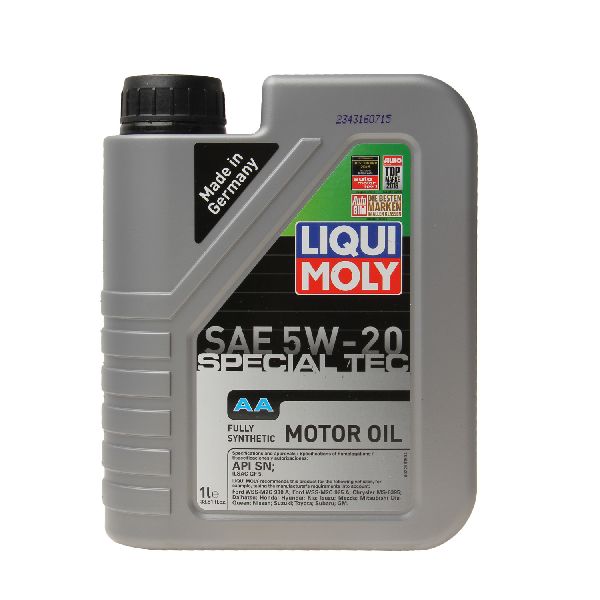
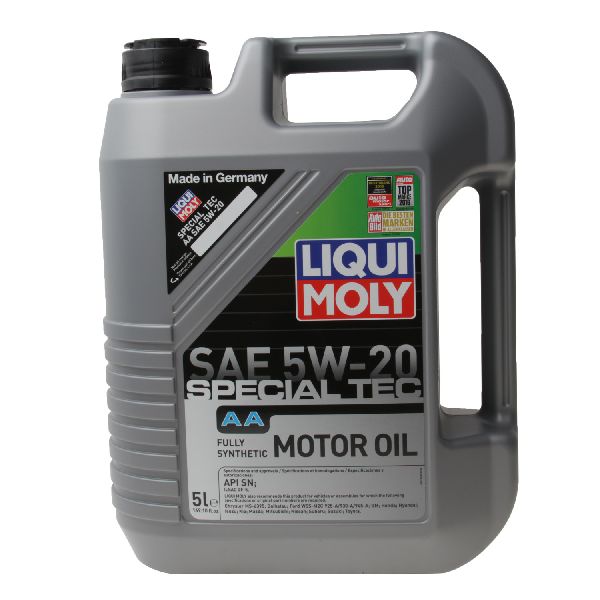
How to confirm: Check the oil dipstick for level and examine the oil's color and consistency. Ensure the correct oil viscosity (usually 5W-20, check your owner's manual) was used. An oil change is the cheapest first step.
Typical fix: Perform an oil and filter change using a high-quality, OEM-spec synthetic oil and filter. Consider using an engine flush product if sludge is suspected.
Est. part cost: $40-$80 - Faulty VVT Solenoid (Oil Control Valve) 🔴 High Probability These solenoids control oil flow to the phasers. They can get clogged with sludge from dirty oil or fail electrically over time, causing them to stick. It's a very common failure point for this code.
How to confirm: The solenoid can be tested with a multimeter for proper resistance (typically 6.9-7.9 ohms). A common diagnostic trick is to swap the Bank 1 exhaust solenoid with the Bank 1 intake solenoid and see if the code changes to P0012 (Intake Over-Retarded).
Typical fix: Replace the Bank 1 exhaust VVT solenoid. It is located on the front of the passenger-side cylinder head.
Est. part cost: $30-$60 - Failing Camshaft Phaser 🟡 Medium Probability The phaser is a mechanical gear that can fail internally, get clogged with debris, or become stuck due to a lack of oil pressure. Metal shavings from other engine problems, like rocker arm failure, can also damage the phaser.
How to confirm: This is harder to confirm without ruling out the oil and solenoid first. Diagnosis often involves listening for rattling noises from the front of the engine and may require removing the valve cover for visual inspection. A capable scan tool can also monitor desired vs. actual cam angle.
Typical fix: Replace the Bank 1 exhaust camshaft phaser. This is a more involved job that requires removing the valve cover and timing cover.
Est. part cost: $80-$200
Rare But Worth Checking
- Loose Oil Galley Plug/Bolt: On Pentastar engines, a specific oil galley plug under the valve cover can work itself loose, causing a significant drop in oil pressure to the phasers and valvetrain on that head. If you have the valve cover off, it is critical to check that this bolt is tight. Multiple DIY and professional videos highlight this as a 'must-check' item.
- Stretched Timing Chain or Failed Tensioner: While less common than on other engines, if the vehicle has high mileage, the timing chain can stretch, or the tensioners can fail, causing slack and altering cam timing. This is a major repair that often presents with correlation codes like P0016 or P0017.
- Shifted Camshaft Reluctor Ring: The tone or reluctor ring that the camshaft position sensor reads is pressed onto the camshaft. In rare cases, it can spin slightly, causing the sensor's reading to be out of sync with the actual cam position, triggering timing codes.
- Failed Rocker Arms: A known weakness in some Pentastar engines is the failure of rocker arm bearings. This failure releases needle bearings and metal debris into the oiling system, which can travel to and clog the narrow passages in the VVT solenoids and cam phasers, leading to timing codes.
- Incorrect or Failed Oil Filter (2014+): For 2014 and newer models, using a low-quality aftermarket oil filter or the incorrect part number can lead to the filter's internal plastic cage collapsing. This failure can cause the oil filter housing's bypass valve to open, resulting in a severe drop in oil pressure to the upper engine and cylinder heads, starving the VVT system.
Diagnosis Steps
- Check Engine Oil: Verify the oil level is full and the oil is clean. If in doubt, perform an oil and filter change with the manufacturer-specified grade (typically 5W-20) and a high-quality OEM or equivalent filter.
- Scan for Other Codes: Check for any other related codes (e.g., P0014, P0017, P0016) that could provide more clues to the root cause.
- Inspect VVT Solenoid: Locate the exhaust VVT solenoid on Bank 1 (passenger side, outer position). Check its wiring and connector for damage or oil contamination.
- Swap VVT Solenoids: A simple and effective test is to swap the Bank 1 exhaust solenoid with the Bank 1 intake solenoid (inner position). Clear the codes and drive the vehicle. If the code changes to P0012 ('A' Camshaft Over-Retarded), the solenoid is faulty.
- Test the Solenoid: If swapping isn't possible, remove the solenoid and apply 12V to see if the internal plunger moves. You can also test its resistance with a multimeter; it should be between 6.9 and 7.9 ohms at 68°F/20°C.
- Inspect Camshaft Position Sensor: Check the Bank 1 exhaust camshaft position sensor and its wiring for any obvious issues, though it is an unlikely cause.
- Mechanical Inspection: If the issue persists, remove the valve cover for Bank 1. Inspect for loose oil galley plugs, signs of heavy sludge, or a visibly shifted reluctor ring on the camshaft.
- Deeper Mechanical Diagnosis: If no issues are found, the problem likely lies with the cam phaser or the timing chain itself, which requires more significant disassembly to diagnose and repair. At this stage, professional diagnosis is recommended.
Parts You'll Likely Need
- Variable Valve Timing (VVT) Solenoid / Oil Control Valve
(OEM #5184101AG (superseded by 5184101AH))— This is the most common point of failure after incorrect oil. It gets clogged or fails electronically, preventing proper oil flow to the cam phaser.
Trusted brands: Mopar, Dorman, Standard Motor Products (SMP)
OEM price range: $45-$70
Aftermarket price range: $25-$50 - Engine Oil and Filter — The entire VVT system relies on clean oil at the correct pressure. This is the first and most important step in troubleshooting.
Trusted brands: Pennzoil, Mobil 1, Mopar (Filter)
OEM price range: $60-$90
Aftermarket price range: $40-$70 - Camshaft Phaser
(OEM #5184100AG)— If the solenoid and oil are good, the mechanical phaser itself may be stuck or broken. This is the next most likely culprit for a persistent P0015.
Trusted brands: Mopar, Dorman
OEM price range: $100-$200
Aftermarket price range: $70-$150 - Intake Manifold Gaskets — These are often required for more advanced repairs. Accessing the oil filter housing or performing a tune-up requires removing the upper intake manifold, and these single-use gaskets must be replaced.
Trusted brands: Mopar, Fel-Pro
OEM price range: $30-$50
Aftermarket price range: $15-$30
Related Codes That Often Appear With This One
- P0014 — P0014 is for 'B' Camshaft Position - Timing Over-Advanced (Bank 1). Seeing it with P0015 could indicate an erratic VVT solenoid or a major oil pressure problem causing unpredictable phaser movement.
- P0017 — P0017 is 'Crankshaft Position - Camshaft Position Correlation (Bank 1 Sensor B)'. This code often appears with P0015 as it indicates the same core problem: the exhaust cam on Bank 1 is not where the crankshaft position says it should be.
- P0016 — Similar to P0017, P0016 indicates a correlation issue but for the 'A' (intake) camshaft on Bank 1. If you see P0015 and P0016 together, it could point to a base timing issue like a stretched timing chain or a problem affecting the entire bank.
Technical Service Bulletins (TSBs) & Recalls
- Related TSB 09-012-22: While not for P0015 directly, this TSB was issued for some Jeep models with the 3.6L engine for spark knock and misfires, often related to the widespread rocker arm/lifter failure issue. This highlights a known valvetrain weakness in the Pentastar engine family.
Platform-Specific Known Issues
- A known issue on some 3.6L Pentastar engines is a loose oil galley bolt located under the valve cover, which can cause oil pressure loss to the VVT system and trigger this code.
- The plastic oil filter housing assembly is a notorious failure point, leading to oil and coolant leaks. While not a direct cause of P0015, a severe oil leak can lower oil levels enough to trigger it.
Mechanic-Grade Diagnostic Values
- VVT Solenoid (Oil Control Valve) internal resistance — expected: 6.9 - 7.9 Ohms at 68°F (20°C). Failure: A reading of 0 Ohms (short circuit) or infinite/OL (open circuit) indicates a failed solenoid.
- VVT Solenoid circuit wiring resistance (from solenoid connector to PCM) — expected: Below 5.0 Ohms. Failure: Resistance higher than 5.0 Ohms indicates an open or high resistance in the wiring harness, which can cause communication issues.
- Oil pressure at VVT solenoid outlet (during scan tool actuation) — expected: 30 - 45 psi. Failure: Low or no pressure indicates a blockage, a failed oil pump, or a major internal leak (like a loose galley plug).
- Camshaft Position Sensor signal voltage — expected: The sensor receives a 5V reference and has a 5V signal wire. The signal wire should toggle between 5V and 0V as the reluctor wheel passes the sensor.. Failure: A signal that is stuck high or low, or does not toggle cleanly, can indicate a failed sensor or wiring issue.
Scan Tool Commands That Help
- wiTECH (or equivalent professional scan tool): VVT Solenoid Actuator Test / VVT System Test — This command allows the technician to manually activate the VVT solenoid while the engine is running. A healthy system will show a corresponding drop in engine RPM and/or a change in oil pressure, confirming the solenoid is mechanically working and oil passages are clear.
- wiTECH (or equivalent professional scan tool): Cam Phaser Cleaning Procedure — Some service literature mentions a built-in PCM procedure that cycles the cam phasers through their full range of motion to dislodge minor debris or varnish. This can be attempted after an oil change before replacing mechanical parts.
Wiring & Ground Locations
- Bank 1 VVT Solenoid & Cam Sensor Wiring — The VVT solenoids and cam position sensors are located on the front of the cylinder heads. Bank 1 is the passenger side of the engine. The wiring runs from the components into the main engine harness, which connects to the PCM.. The PCM's C2 connector is a key junction for these circuits. Technicians should inspect for chafed, pinched, or corroded wires and terminals at this connector.
- Engine Ground Circuits — Various points on the engine block and chassis. A user rebuilding a 2014 Pentastar noted that the factory wiring diagram for that year contained a major typo regarding ground terminal locations, leading to a difficult diagnosis.. Poor grounds can cause intermittent high resistance, leading to erratic sensor readings and VVT solenoid operation, triggering slow response or correlation codes even if all components are good.
Real Owner Repair Stories
- Reddit user on r/MechanicAdvice (2014 Jeep Wrangler 3.6L Pentastar (171k miles)) — Limp mode with codes P000a-d ('Camshaft Slow Response') on all four cams after a major timing job. Engine idled smoothly but had limited gears.
❌ Tried (didn't work) Replacing all four camshaft position sensors, Replacing the crankshaft position sensor, Replacing all four VVT solenoids
✅ What actually fixed it The user traced the wiring and found intermittent high resistance in the ground circuits. After discovering the negative battery terminal wasn't clamping tightly, they rebuilt the main power and ground cables. This, combined with cleaning metal powder off the camshaft tone rings, resolved the issue. The user noted the factory wiring diagram for grounds was incorrect for their model year. - ProMasters Only YouTube Channel (Ram Promaster with 3.6L Pentastar) — Codes P0016 and P0017, low power, rough running. The owner initially suspected a transmission problem.
❌ Tried (didn't work) Initial diagnosis pointed towards a stretched timing chain or bad tensioners.
✅ What actually fixed it The root cause was a botched oil change at a quick-lube shop. The technician failed to drain the old oil and added another 6 quarts, massively overfilling the crankcase. This caused the crankshaft to whip the oil into foam, which cannot be pumped effectively. The resulting lack of oil pressure starved and damaged the cam phasers on one bank (due to different oiling paths for each bank). The fix required replacing the damaged cam phasers.
When the Usual Fixes Don't Work
- In several documented cases, replacing the VVT solenoid, camshaft sensor, and even performing an oil change did not resolve timing codes (P000x, P001x). The ultimate fix was found to be in the wiring, specifically a poor ground connection or a faulty battery terminal clamp causing intermittent high resistance. This highlights that when multiple new parts don't fix the issue, the root cause is often electrical in the harness itself, not the components.
OEM Part Supersession History
5184101AG→5184101AH— Improved design or manufacturing process for the VVT solenoid to enhance reliability and resistance to clogging or electrical failure.
Model Year Variations Within This Range
- 2014-2023: The oil filter and housing were redesigned. These later models require a specific filter with an integrated center cage (e.g., Mopar MO-349). Using a filter for a 2011-2013 model or a low-quality aftermarket filter can lead to the cage collapsing, causing oil pressure loss to the VVT system and triggering codes like P0015.
- 2011-2013: These early Pentastar engines had a higher incidence of cylinder head failure, particularly on the left bank, related to valve seats and rocker arms. While a P0015 is on Bank 1 (right side), a general engine health check for ticking noises is crucial, as rocker arm failure can contaminate the entire oiling system with metal debris.
Diagnostic Flowchart
Other Known Issues on This Vehicle
Issues unrelated to this code that are worth knowing about as an owner of this generation:
- Cracked Oil Filter Housing / Cooler Assembly 🔴 High — Extremely common. The plastic housing becomes brittle from heat cycles and often fails, causing significant oil and/or coolant leaks. Failure can occur anytime after 50,000 miles. (Ref: No official recall, but it is a widely documented design flaw.)
- Rocker Arm Bearing Failure ('Pentastar Tick') 🔴 High — Very common, particularly on earlier (pre-2016) models, but still occurs on later ones. Needle bearings in the rocker arms fail, causing a distinct ticking sound, misfires, and eventual camshaft lobe damage if ignored. (Ref: No recall, but class-action lawsuits have been filed regarding this issue. TSBs exist for related symptoms on other Pentastar vehicles (e.g., Jeep).)
- Alternator Failure (2011-2014 models) 🟠 Medium — A recall was issued for alternators that could suddenly fail on early models, leading to a loss of electrical power and potential stalling. (Ref: Recall: NHTSA #14V634000)
Used vs. New Parts: Buying Guide for This Vehicle
When a used part is the smart pick: For this specific repair, using used parts is generally not recommended. The primary failure items (solenoids, phasers) are subject to wear, sludge, and electrical failure, making a used part a significant gamble.
Donor-vehicle mileage cap: roughly under 40000 miles for the part to have meaningful remaining life.
What to inspect on the donor part:
- For a VVT solenoid, there are no reliable visual cues. It must be tested for resistance (6.9-7.9 ohms) before purchase.
- For a cam phaser, inspect for any visible sludge, scoring on machined surfaces, or damage to the teeth.
- Ask for the donor vehicle's VIN to check for a history of regular oil changes if possible.
OEM-only on this vehicle (don't cheap out):
- Camshaft Phaser: Given its critical role in engine timing and the mechanical/hydraulic complexity, Mopar (OEM) is the safest choice to ensure correct operation and longevity.
- Oil Filter (2014+): Due to the risk of cage collapse on aftermarket filters, using the OEM Mopar filter (MO-349 or equivalent) is strongly advised to prevent catastrophic oil pressure loss.
Aftermarket brands forum-validated for this vehicle:
- Standard Motor Products (SMP): Often cited in forums as a reliable alternative for sensors and solenoids.
- Dorman: Offers a wide range of replacement parts including solenoids and phasers, but quality can sometimes be inconsistent. Check recent reviews for the specific part number.
Brands owners have reported issues with on this vehicle:
- Unnamed/white-box brands: Avoid generic, no-name VVT solenoids and sensors from online marketplaces. They often have high failure rates, incorrect resistance values, or use substandard materials.
Real Owner Stories
Aggregated from forums and TSBs cited above. Mileages and costs reflect what owners reported in those sources.
2022 Jeep Grand Cherokee L 3.6L V6
Symptoms: Rocker arm failure and camshaft damage leading to oil contamination and related codes.
What fixed it: Diagnosing and repairing the rocker arm failure to prevent further oil system issues.
Source hint: https://www.jlwranglerforums.com/forum/threads/wl-2022-jeep-grand-cherokee-l-3-6l-v6-rocker-arm-failure-and-camshaft-damage.131105/
Dodge Challenger 3.6L V6
Symptoms: Check engine light with code P0015.
What fixed it: An oil change or VVT solenoid replacement.
Source hint: https://www.challengertalk.com/
Jeep Gladiator 3.6L V6
Symptoms: Oil filter housing leak and valve/rocker arm failures.
What fixed it: Addressing the oil filter housing leak and rocker arm issues to maintain oil pressure.
Source hint: https://www.reddit.com/r/JeepGladiator/comments/1d7x77l/penstar_36_liter_oil_filter_housing_leak_and/
Related OBD-II Codes
Frequently Asked Questions
Where is the Bank 1 exhaust VVT solenoid located on my 3.6L Challenger?
What is the correct oil viscosity for my 2011-2023 Challenger 3.6L to prevent P0015?
Does TSB 09-012-22 apply to my Challenger's P0015 code?
How can I test if the VVT solenoid is the cause of my P0015 without buying a new part?
Could a leak in my oil filter housing cause this timing code?
Is there a mechanical part under the valve cover that commonly causes P0015 on the Pentastar?
Used OEM Parts in Stock


New Aftermarket Parts Available


The information in this article is provided for general reference and educational purposes only. Vehicle specifications, procedures, and part compatibility can vary by production date, trim level, and region. Always consult your vehicle's factory service manual and verify part numbers before purchasing or performing repairs. Safety-critical components such as airbags, seat belts, and braking systems should be installed by a qualified professional.
- Dodge Challenger:
- 🛍️ Shop This Part
- What's Unique About the 2011-2023 Dodge Challenger
- Symptoms You May Notice
- Most Likely Causes
- Rare But Worth Checking
- Diagnosis Steps
- Parts You'll Likely Need
- Related Codes That Often Appear With This One
- Technical Service Bulletins (TSBs) & Recalls
- Platform-Specific Known Issues
- Mechanic-Grade Diagnostic Values
- Scan Tool Commands That Help
- Wiring & Ground Locations
- Real Owner Repair Stories
- When the Usual Fixes Don't Work
- OEM Part Supersession History
- Model Year Variations Within This Range
- Diagnostic Flowchart
- Other Known Issues on This Vehicle
- Used vs. New Parts: Buying Guide for This Vehicle
- Real Owner Stories
- 2022 Jeep Grand Cherokee L 3.6L V6
- Dodge Challenger 3.6L V6
- Jeep Gladiator 3.6L V6
- Related OBD-II Codes
- Frequently Asked Questions
- 🎟️ Get 5% Off