

P0013 on 2011-2014 Ford F-150 3.5L EcoBoost: Exhaust Cam Solenoid Circuit Fixes
P0013 on a 2011-2014 F-150 3.5L EcoBoost indicates an electrical circuit fault with the Bank 1 (passenger side) exhaust VCT solenoid. The most common fix is replacing the faulty solenoid, which is located under the valve cover. Before replacement, check fuse F76 in the under-hood fuse box, as a blown fuse can cause this and other related codes.
- P0013 points to an electrical fault with the passenger side exhaust VCT solenoid.
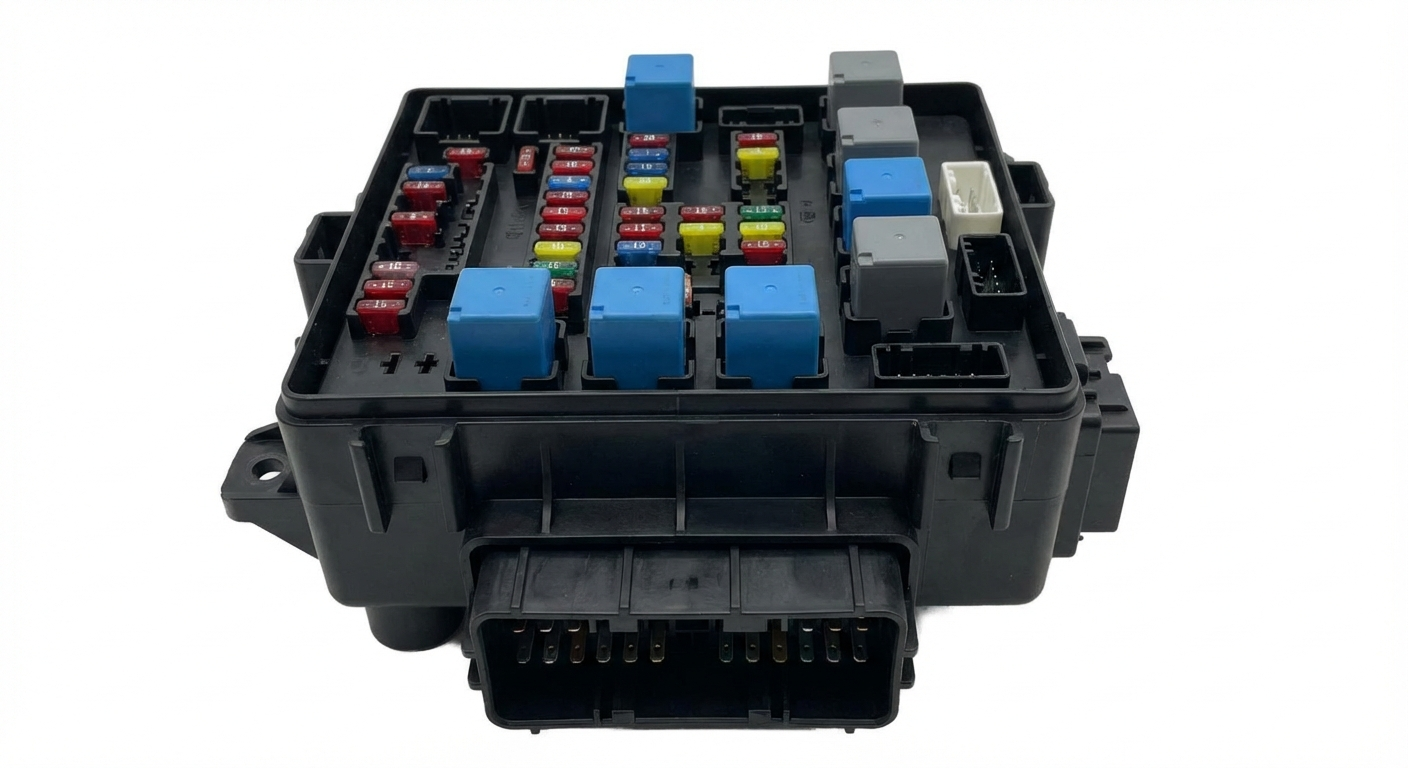
- **ALWAYS check fuse F76 in the under-hood fuse box first.** If multiple VCT and O2 sensor codes are present, this is the most likely cause.
- If the fuse is good, the most likely cause is a failed VCT solenoid.
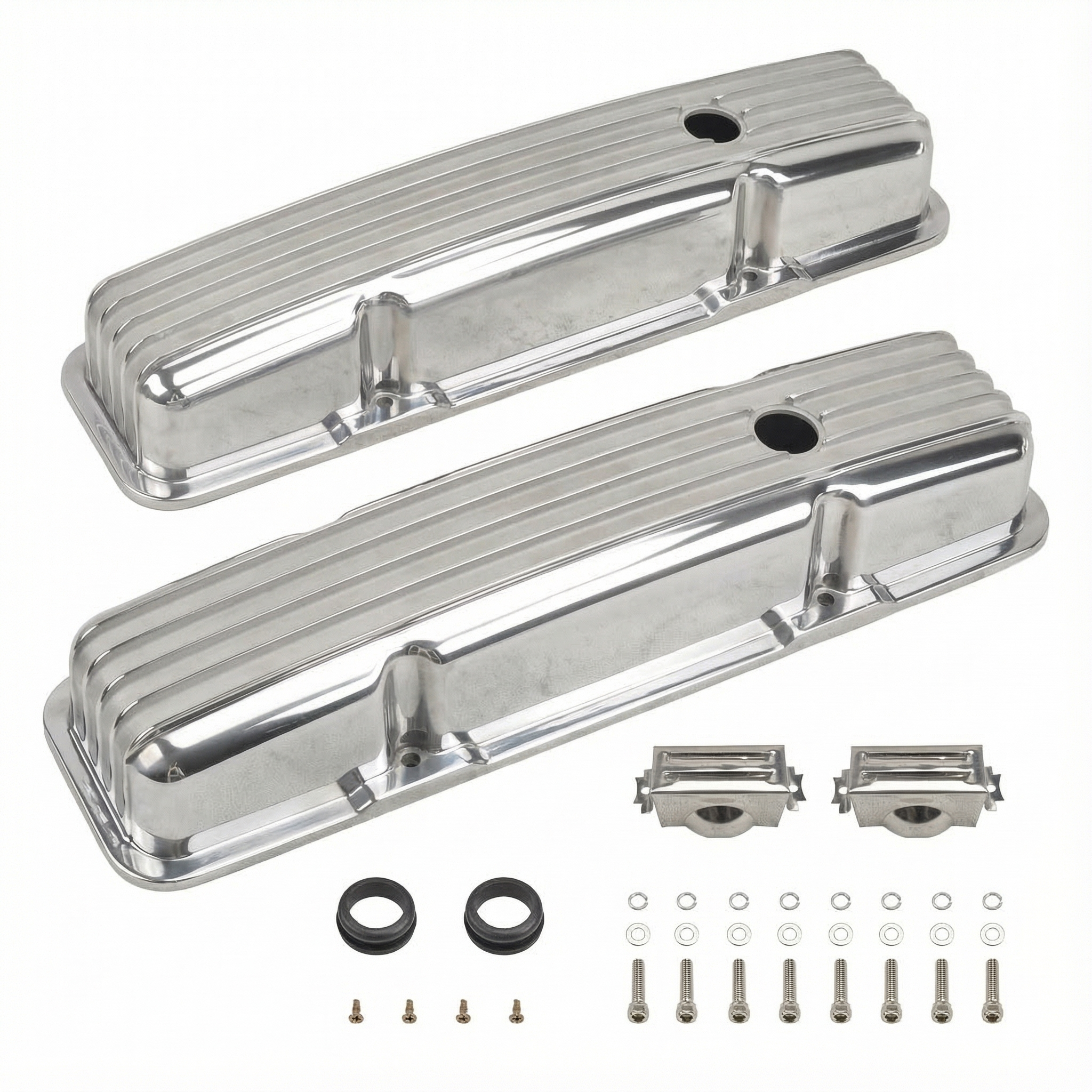
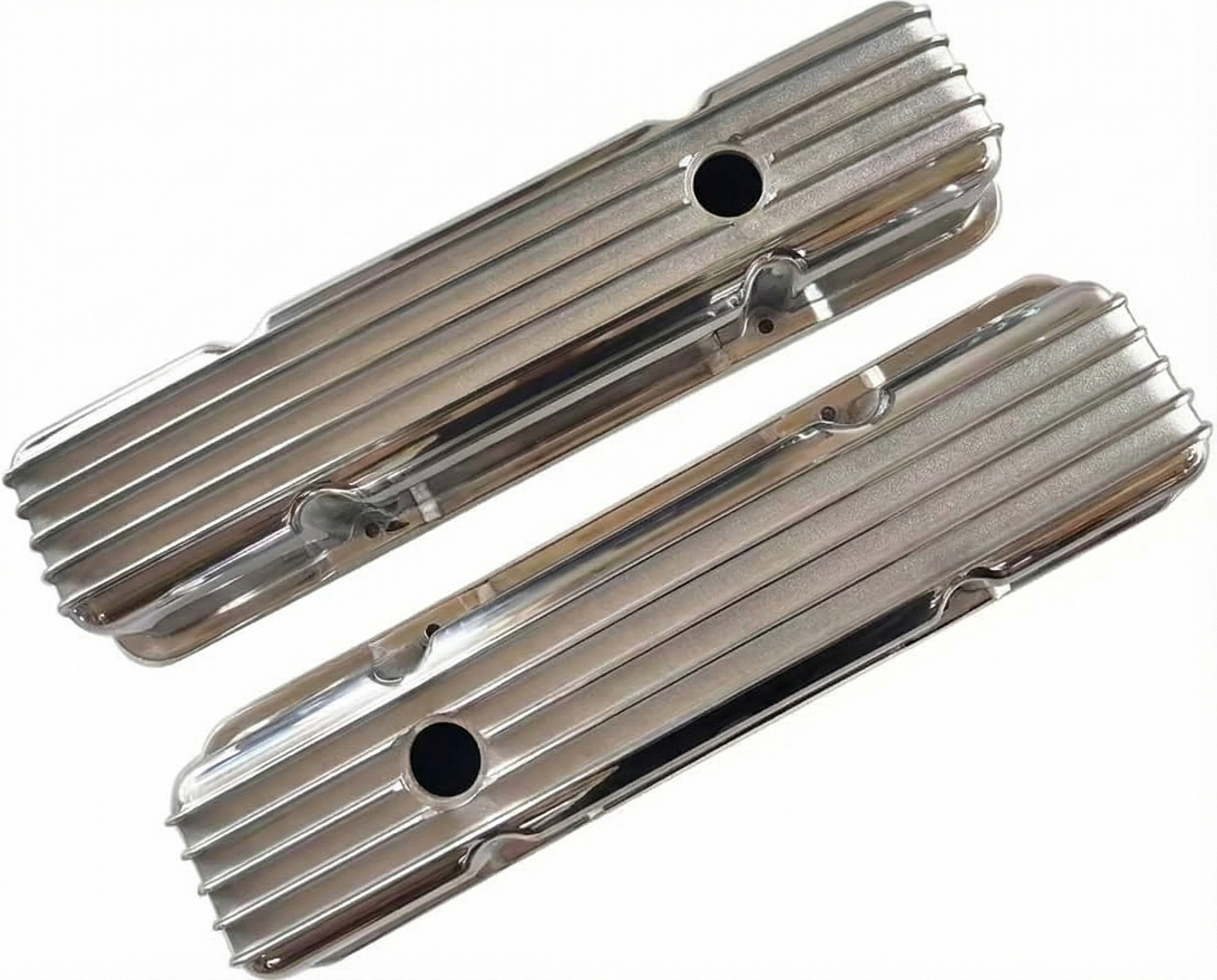
- Replacing the solenoid requires removing the passenger side valve cover, so you should replace the valve cover gasket and spark plug tube seals at the same time.
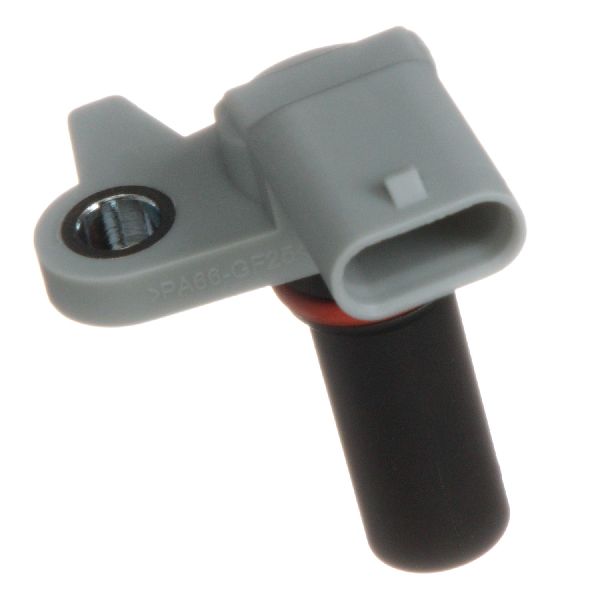
- Do not confuse the VCT solenoid with the camshaft position sensor; they are different parts.
What's Unique About the 2011-2014 Ford F-150
The 3.5L EcoBoost engine uses four VCT solenoids (one for each intake and exhaust camshaft) to optimize performance and fuel economy. These solenoids are located under the valve covers, making replacement more involved than on engines where they are externally mounted. While the solenoids can fail, a notable issue on these trucks is that a single blown fuse (F76 in the under-hood panel) can cause P0013 along with codes for all other VCT solenoids and O2 sensors, mimicking multiple part failures. 🎬 Watch: How a single fuse causes multiple circuit codes Always checking this fuse first is a critical, money-saving step specific to this platform.
Symptoms You May Notice
- Check Engine Light is on
- Rough or fluctuating idle
- Engine hesitation or loss of power
- Decreased fuel economy
- Engine may stall in some cases 🎬 See how to fix rough idle and stalling issues
- Engine making an odd 'whooshing' sound during performance loss
- Replacing the camshaft position sensor. P0013 is a code for the actuator solenoid *circuit*, not the position sensor. While they work together in the VVT system, this code points specifically to an electrical fault related to the solenoid.
- Replacing the VCT solenoid without checking the fuse first. Many owners have replaced solenoids only to find the problem was a simple blown fuse that was powering them.
Most Likely Causes
- Blown Fuse F76 🔴 High Probability This fuse powers multiple components, including all four VCT solenoids and the O2 sensor heaters. A short in any of these components can blow the fuse, triggering a cascade of circuit codes.
How to confirm: Visually inspect and test fuse #76 (20A) in the under-hood fuse box (Battery Junction Box). If it's blown, multiple circuit-related codes (P0010, P0013, P0020, P0023, P0135, etc.) will likely be present at the same time.
Typical fix: Replace the 20-amp fuse. If it blows again, diagnose the individual circuits for a short to ground. A common cause for a recurring blown fuse is a shorted O2 sensor heater.
Est. part cost: $1-$5 - Failed Exhaust VCT Solenoid (Bank 1) 🔴 High Probability The solenoids operate in hot engine oil and can fail electrically (internal short/open) or become clogged with debris from infrequent oil changes, which is a known issue on EcoBoost engines.
How to confirm: After confirming the fuse is good, the next step is to test the solenoid. This requires removing the valve cover. Once accessed, you can measure the solenoid's resistance with a multimeter. A typical reading should be between 5-15 ohms; Ford's specific range is often cited as 6.9 to 7.9 Ohms. A definitive test is to swap the suspect solenoid with the intake solenoid on the same bank and see if the code changes to P0010.
Typical fix: Replace the Bank 1 exhaust VCT solenoid. Since the valve cover must be removed, it's wise to replace the valve cover gasket and spark plug tube seals at the same time.
Est. part cost: $30-$80 - Damaged Wiring or Connector 🟡 Medium Probability
How to confirm: After removing the valve cover, visually inspect the wiring harness and connector for the solenoid. Look for signs of oil contamination, corrosion, broken wires, or loose pins. Use a multimeter to check for continuity and proper voltage at the connector with the key on.
Typical fix: Repair the damaged section of the harness or replace the connector pigtail. In some cases, owners on forums have reported that the dealer needed to trace the harness to find a break.
Est. part cost: $15-$40 - Low or Dirty Engine Oil ⚪ Low Probability
How to confirm: Check the engine oil level and condition. While low or dirty oil typically causes performance codes (like P0014) rather than electrical circuit codes, it can cause a solenoid to stick or fail over time.
Typical fix: Perform an oil and filter change using the correct Ford-specified 5W-30 synthetic blend or full synthetic oil and a quality filter (e.g., Motorcraft).
Est. part cost: $50-$90
Rare But Worth Checking
- Faulty Powertrain Control Module (PCM): This is very rare. The PCM should only be considered after all other possibilities have been exhaustively ruled out. A failed driver circuit inside the PCM can mimic a solenoid or wiring fault. One owner on a forum reported their P0013 issue was ultimately resolved by replacing a bad PCM.
Diagnosis Steps
- Read all stored fault codes. Note if other circuit codes (especially for other VCT solenoids or O2 sensors) are present.
- Check the engine oil level and condition. Top off or change if necessary.
- Locate the under-hood fuse box (Battery Junction Box) and inspect fuse F76 (20A). If it's blown, replace it and see if the codes clear. If they do not, or if the fuse blows again, proceed with circuit diagnosis.
- If the fuse is good, the next step requires accessing the VCT solenoids by removing the Bank 1 (passenger side) valve cover.
- Once the valve cover is off, disconnect the connector for the exhaust VCT solenoid (the outer solenoid). Inspect the connector and wiring for any visible damage, corrosion, or oil saturation.
- Use a multimeter to measure the resistance between the two pins on the solenoid. A typical reading should be between 5-15 ohms, with Ford's specific target around 6.9-7.9 ohms. An infinite reading (OL) indicates an open circuit, while a very low reading (near 0) indicates a short.
- A good diagnostic step is to swap the exhaust solenoid with the intake solenoid on the same bank. Reassemble, clear the codes, and run the engine. If the code changes to P0010 (Intake Camshaft Position Actuator Circuit), the solenoid is confirmed to be faulty.
- If the solenoid tests good, check the wiring harness for power and ground. With the key on, one pin should have battery voltage, and the other can be tested for continuity back to the PCM.
- If the solenoid, fuse, and wiring are all confirmed to be good, the issue may be an internal fault in the PCM, though this is highly unlikely.
Parts You'll Likely Need
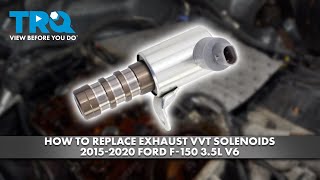
- Variable Camshaft Timing (VCT) Solenoid
(OEM #BL3Z-6M280-B)— This is the most common mechanical/electrical failure point that causes a solitary P0013 code after the fuse is checked. Note: Part numbers can be superseded; always verify with VIN. For example, 8L3Z-6M280-B is a related part for other Ford V8s, and ML3Z-6M280-B is for newer models.
Trusted brands: Motorcraft, Dorman, Standard Motor Products (SMP)
OEM price range: $50-$80
Aftermarket price range: $30-$60 - Valve Cover Gasket Kit (Bank 1 / Passenger Side)
(OEM #BR3Z-6584-A)— The valve cover must be removed to access the VCT solenoids. The gasket is a one-time use part and must be replaced to prevent oil leaks. Kits typically include spark plug tube seals. Note: This part number is often listed for the 5.0L engine's driver side, and some sources state the correct 3.5L part is DL3Z-6584-C for 2013-2015 models. Always verify with VIN.
Trusted brands: Motorcraft, Fel-Pro, Mahle
OEM price range: $40-$60
Aftermarket price range: $25-$45 - Mini Fuse (20 Amp) — To replace fuse F76 in the under-hood fuse box, which is a common cause for this code appearing with several others.
Trusted brands: Bussmann, Littlefuse
OEM price range: $1-$5
Aftermarket price range: $1-$5
Related Codes That Often Appear With This One
- P0010 — Intake Camshaft Position Actuator Circuit (Bank 1). If this code appears with P0013, it could indicate a wiring issue common to both solenoids on Bank 1 or a blown fuse.
- P0020 — Intake Camshaft Position Actuator Circuit (Bank 2). If all four VCT circuit codes (P0010, P0013, P0020, P0023) appear together, it is almost certainly a blown fuse (F76) or a power supply issue.
- P0023 — Exhaust Camshaft Position Actuator Circuit (Bank 2). See P0020.
- P0135, P0141, P0155, P0161 — O2 Sensor Heater Circuit codes. These sensors' heaters are often on the same fused circuit as the VCT solenoids. Their presence strongly points to a blown fuse.
- P0299 — Turbo/Supercharger Underboost. 🎬 Watch this quick diagnostic for the P0299 underboost code A user on f150forum.com reported receiving P0013 and P0299 together, indicating a potential combination of VCT system electrical faults and boost pressure issues.
Technical Service Bulletins (TSBs) & Recalls
- TSB 15-0131: Addresses timing chain rattle on cold start by replacing the primary timing chain and all four VCT phasers.
- TSB 18-2305: Supersedes earlier TSBs for the cold start rattle, updating the parts list and procedure for 2011-2015 models.
- TSB 12-6-4: Pertains to the intercooler condensation issue, involving a PCM reprogram and installation of a deflector plate.
Mechanic-Grade Diagnostic Values
- VCT Solenoid Internal Resistance — expected: 6.9 to 7.9 Ohms at 68°F (20°C). A wider general range is 5-15 Ohms.. Failure: A reading of 0 Ohms indicates a short circuit, while an Open Line (OL) or infinite reading indicates an open circuit.
- VCT Solenoid Connector Voltage (Key On, Engine Off) — expected: Approximately 12V (Battery Voltage) on the power supply pin.. Failure: No voltage or significantly low voltage points to a problem in the power supply circuit, such as a blown fuse (F76), a bad connection, or a wiring issue.
- FORScan PID: VCT_EXH_ERR1 (Bank 1 Exhaust Cam Angle Error) — expected: Should be near 0 degrees at a stable hot idle.. Failure: A consistent error value indicates a deviation between the PCM's commanded position and the actual camshaft position, which can be caused by a faulty solenoid, wiring, or mechanical issue.
- Engine Oil Pressure (at hot idle) — expected: A minimum of 15 PSI at hot idle.. Failure: Pressure below 15 PSI can cause the VCT system to malfunction, leading to various timing codes. This must be checked with a mechanical gauge.
Hidden / Shadow Codes Worth Checking
- Mode $06 Data: While not a hidden code in the traditional sense, Mode $06 provides raw data from the PCM's most recent self-tests. For the VCT system, it can show if the cam/crank correlation is approaching its failure threshold before a persistent DTC is set. (see via A professional scan tool or advanced DIY tool like FORScan with Mode $06 capability.)
Scan Tool Commands That Help
- Ford IDS / FORScan: VCT Solenoid On/Off State Control — This bidirectional command allows a technician to manually cycle a specific VCT solenoid on and off while the engine is running. A noticeable change in idle quality or a clicking sound from the solenoid confirms it is actuating mechanically. No change suggests a stuck/failed solenoid or a circuit issue.
- Ford IDS / FORScan: Clear Transmission Adaptive Tables — While not directly for P0013, if other work was done or if drivability issues are present, resetting the adaptive tables forces the PCM to relearn shift points and engine load characteristics, which can be useful after a VCT system repair.
Wiring & Ground Locations
- G104 — Located at the rear of the right (passenger side) cylinder head.. This is a primary engine ground. A poor or corroded connection at G104 can cause erratic voltage and reference issues for multiple sensors on Bank 1, potentially affecting the VCT system's electrical integrity.
- G105 — Located on the left (driver's side) of the engine.. While P0013 is for Bank 1, a poor ground on the opposite bank can sometimes cause unpredictable electrical issues that are difficult to trace. It's a relevant ground to check if the cause on Bank 1 is not obvious.
- VCT Solenoid Connector (Bank 1 Exhaust) — Under the passenger side valve cover, connected to the rearmost (exhaust) VCT solenoid.. This is the primary connection point for testing voltage and resistance of the suspect solenoid. The two-wire connector has a power supply wire (approx. 12V with key on) and a ground control wire pulsed by the PCM.
- Body-to-Frame Grounds — Multiple locations under the truck where braided straps connect the body to the frame.. These are notorious for corrosion on F-150s. A poor body-to-frame ground can create floating voltages and intermittent electrical gremlins across various systems, including the PCM and its sensor circuits. Cleaning these grounds is a known preventative maintenance item.
Real Owner Repair Stories
- f150forum.com user (2011-2014 Ford F-150 3.5L EcoBoost (specific year not mentioned, but TSB applies)) — Check Engine Light with codes P0013 and others, rough running.
❌ Tried (didn't work) Replacing VCT solenoids, Replacing O2 sensors
✅ What actually fixed it The user discovered a Ford TSB (22-2223, for a newer model but relevant) that pointed to the engine wiring harness chafing against an A/C line stud on the passenger side. The user inspected this area and found rubbed/exposed wires, which were causing a short. Repairing the wires resolved the codes.
OEM Part Supersession History
AT4Z-6M280-A→BL3Z-6M280-B (and others)— Part revision and update by Ford. The solenoids for intake and exhaust are often the same part number.
Heads up: While multiple part numbers exist (e.g., 7T4Z-6M280-C, HL3Z-6M280-A), they are often for different engine applications or generations. Using the wrong solenoid can result in incorrect operation even if it physically fits. Always verify the correct part number for your specific VIN and production date.
Diagnostic Flowchart
Other Known Issues on This Vehicle
Issues unrelated to this code that are worth knowing about as an owner of this generation:
- Timing Chain Stretch & Cold Start Rattle 🔴 High — Common, especially on 2011-2015 models. Rattle may appear for 2-5 seconds on cold start, often starting between 60k-80k miles. (Ref: TSB 15-0131, superseded by TSB 16-0027 and TSB 18-2305.)
- Intercooler Condensation (Stumble/Misfire) 🟠 Medium — Occurs in humid climates or during long highway drives, causing a stumble or misfire during hard acceleration as water is ingested by the engine. (Ref: TSB 12-6-4, TSB 13-3-3. Fix involves installing a deflector plate and reprogramming the PCM.)
- Carbon Buildup on Intake Valves 🟠 Medium — A known issue with all direct-injection engines. Over time, carbon deposits can restrict airflow, causing a gradual loss of performance and misfires. More prevalent on higher-mileage engines.
- Cracked or Leaking Turbocharger Coolant/Oil Lines 🟠 Medium — The fittings and lines supplying coolant and oil to the turbochargers can develop leaks over time due to heat cycles, leading to fluid loss and potential turbo damage if not addressed.
- Failed Turbocharger Wastegate or Blow-Off Valve 🟡 Low — The electronic wastegate on later models or the blow-off valve can fail, leading to underboost (P0299) or overboost conditions and noticeable power loss.
Used vs. New Parts: Buying Guide for This Vehicle
When a used part is the smart pick: For this specific repair, using a used part is NOT recommended for the VCT solenoid itself. However, if the cause is a damaged connector, a used connector pigtail from a junkyard harness is a perfectly acceptable and cost-effective repair.
Donor-vehicle mileage cap: roughly under 80000 miles for the part to have meaningful remaining life.
What to inspect on the donor part:
- For a connector pigtail, ensure the plastic is not brittle or cracked.
- Check that the locking tab is intact.
- Inspect the pins for any signs of corrosion (green or white powder).
- Ensure there is at least 6-8 inches of wire to work with for splicing.
OEM-only on this vehicle (don't cheap out):
- VCT Solenoid: While some aftermarket brands are available, the Motorcraft OEM part is highly recommended by forum members and technicians to avoid compatibility and premature failure issues. The cost difference is often minimal compared to the labor required to access the part.
Aftermarket brands forum-validated for this vehicle:
- Standard Motor Products (SMP)
- Dorman (often cited, but with mixed reviews; OEM is preferred)
Brands owners have reported issues with on this vehicle:
- No-name, unbranded parts from online marketplaces are frequently reported to fail quickly or be dead-on-arrival.
Real Owner Stories
Aggregated from forums and TSBs cited above. Mileages and costs reflect what owners reported in those sources.
2014 Ford F-150 3.5L EcoBoost
Symptoms: P0013 and P0299 codes with lagging performance.
What fixed it: The dealer traced the issue to a wiring harness fault.
Source hint: f150forum.com: P0013
2013 Ford F-150 3.5L EcoBoost
Symptoms: P0013 code triggered.
What fixed it: The issue was ultimately identified as a failing PCM.
Source hint: f150forum.com: 2013 Ecoboost [P0013]
2011-2015 Ford F-150 3.5L EcoBoost — ~70000 miles
Symptoms: Timing chain rattle on cold start lasting 2-5 seconds.
What fixed it: Replacement of the primary timing chain and all four VCT phasers as per TSB 15-0131 and TSB 18-2305.
Source hint: TSB 18-2305
Related OBD-II Codes
Frequently Asked Questions
My 2013 F-150 EcoBoost has a P0013 and is making a 'whooshing' sound. Is this related?
Could a blown fuse cause P0013 along with O2 sensor codes on my F-150?
Does TSB 18-2305 apply to my 2014 F-150 EcoBoost?
What is the specific resistance I should look for when testing the VCT solenoid on my 3.5L EcoBoost?
I have a P0013 and a P0299 on my 2014 F-150; what is the likely culprit?
Is there a TSB for the engine stumbling during hard acceleration in humid weather?
Helpful Videos

Used OEM Parts in Stock


New Aftermarket Parts Available


The information in this article is provided for general reference and educational purposes only. Vehicle specifications, procedures, and part compatibility can vary by production date, trim level, and region. Always consult your vehicle's factory service manual and verify part numbers before purchasing or performing repairs. Safety-critical components such as airbags, seat belts, and braking systems should be installed by a qualified professional.
- Ford F-150:
- 🎬 Helpful Videos
- 🛍️ Shop This Part
- What's Unique About the 2011-2014 Ford F-150
- Symptoms You May Notice
- Most Likely Causes
- Rare But Worth Checking
- Diagnosis Steps
- Parts You'll Likely Need
- Related Codes That Often Appear With This One
- Technical Service Bulletins (TSBs) & Recalls
- Mechanic-Grade Diagnostic Values
- Hidden / Shadow Codes Worth Checking
- Scan Tool Commands That Help
- Wiring & Ground Locations
- Real Owner Repair Stories
- OEM Part Supersession History
- Diagnostic Flowchart
- Other Known Issues on This Vehicle
- Used vs. New Parts: Buying Guide for This Vehicle
- Real Owner Stories
- 2014 Ford F-150 3.5L EcoBoost
- 2013 Ford F-150 3.5L EcoBoost
- 2011-2015 Ford F-150 3.5L EcoBoost — ~70000 miles
- Related OBD-II Codes
- Frequently Asked Questions
- 🎟️ Get 5% Off