

P0012 on 2014-2019 Chevrolet Silverado 5.3L/6.2L: Causes and Fixes for Over-Retarded Cam Timing
On a 2014-2019 Silverado with a 5.3L or 6.2L V8, P0012 is almost always caused by low or dirty engine oil, or a faulty VVT solenoid. Start with an oil change using Dexos-spec oil; if that doesn't work, the Bank 1 (driver's side) intake VVT solenoid is the next likely fix, costing about $40-$90 for the part.
- Always check your engine oil level and condition first. An oil change with the correct Dexos-spec synthetic oil and a new filter fixes P0012 more often than not.
- The most likely failed part is the Bank 1 (driver's side) intake VVT solenoid. It is relatively inexpensive and accessible to replace.
- Do not immediately assume you have a major timing chain issue. While possible, it is much less common than oil or solenoid problems.
- Do not confuse the VVT solenoid (actuator) with the camshaft position sensor. P0012 is almost always caused by the solenoid or oil, not the sensor.
What's Unique About the 2014-2019 Chevrolet Silverado
The EcoTec3 V8 engines (L83/L86) in these Silverados use a Variable Valve Timing (VVT) system that is extremely sensitive to oil pressure and cleanliness. While P0012 is a generic code, on this specific platform, it very frequently points directly to oil maintenance issues. The small oil passages in the VVT system can get clogged easily with sludge if oil changes are extended or if non-Dexos certified oil is used, leading directly to this code. Problems with the Active Fuel Management (AFM) system, like a failing lifter, can also cause oil pressure drops that trigger VVT codes. A collapsed AFM lifter is a well-documented failure on these engines that can starve the VVT system of the oil pressure it needs to operate, causing a P0012 code even if the VVT components themselves are functional.
Generation note: The 2014-2019 year range primarily covers the third-generation Silverado (K2XX). However, the 2019 model year was a split, introducing the fourth-generation (T1XX). The L83 and L86 engines are the defining components for this guide, and the causes and fixes for P0012 are consistent for these engines across both generations in this period. The EcoTec3 engine family debuted in the 2014 Silverado/Sierra. The L84 and L87 engines introduced in 2019 feature Dynamic Fuel Management (DFM) instead of Active Fuel Management (AFM), which is a significant architectural change, but the VVT system's reliance on clean oil remains.
Symptoms You May Notice
- Check Engine Light is on.
- Rough or unstable idle.
- Reduced engine power and sluggish acceleration.
- Decreased fuel economy.
- Engine may hesitate or stall at low speeds.
- A rattling noise from the engine on cold starts, which may indicate a more serious timing chain issue.
- Engine struggles to start. 🎬 Watch: 5 symptoms of a bad VVT solenoid to look for.
- Replacing the camshaft position *sensor* instead of the VVT *solenoid*. The code indicates a timing *performance* problem (a hydraulic/mechanical issue), not typically a sensor reading failure.
- Assuming a major timing chain failure without first checking the oil and VVT solenoid, which are far more common and cheaper to fix.
- Replacing the VVT solenoid without also performing an oil and filter change. Dirty oil can cause the new solenoid to fail quickly or not function correctly.
Most Likely Causes
- Low or Dirty Engine Oil 🔴 High Probability The VVT system uses pressurized engine oil to adjust cam timing. The oil passages are very small and clog easily with sludge from old oil or if the wrong viscosity is used. Forum users have reported the code appearing after a service station used non-synthetic oil and disappearing after changing back to the correct full synthetic Dexos-spec oil.
How to confirm: Check the engine oil dipstick. The level should be full and the oil should be a clear, amber color, not black, thick, or gritty.
Typical fix: Perform an engine oil and filter change using a full synthetic oil that meets GM's Dexos1 specification (ideally Gen3) and a quality oil filter like an ACDelco PF63. This simple fix has resolved the issue for many owners. 🎬 See this guide on a potential free fix for VVT codes.
Est. part cost: $50-$100 - Faulty Intake VVT Solenoid (Camshaft Position Actuator) 🔴 High Probability The solenoid's internal plunger can stick from sludge buildup, or the fine mesh screen can become clogged, preventing proper oil flow to the cam phaser. Even with clean oil, the solenoid can fail electrically over time.
How to confirm: After an oil change, if the code returns, the solenoid is the next logical part to test. It can be removed from the driver's side valve cover (held by one 10mm bolt) and inspected for sludge on its screens. Resistance can be tested with a multimeter (typically 8-13 ohms is expected). Applying 12V to the pins should produce an audible click as the plunger actuates.
Typical fix: Replace the Bank 1 (driver's side) intake VVT solenoid. The retaining bolt should be torqued to 89 lb-in (about 7.4 lb-ft).
Est. part cost: $40-$90
Rare But Worth Checking
- Stretched Timing Chain or Failed Tensioner: While less common, the 2014+ EcoTec3 engines can experience timing chain stretch, especially at higher mileage. This is a more serious mechanical issue, often accompanied by a distinct rattling noise on cold startups that lasts for 2-3 seconds. If the chain has stretched or skipped a tooth, the mechanical timing will be incorrect, triggering the code.
- Failed AFM/DFM Lifter: A collapsed lifter from the Active or Dynamic Fuel Management system can cause a significant drop in oil pressure to the top end of the engine, starving the VVT system and triggering this code. This is a major known issue with these engines and may be accompanied by a P0300 (random misfire) code and a distinct ticking noise.
- Faulty Camshaft Phaser: The phaser is the gear on the end of the camshaft that the solenoid sends oil to. It can become stuck internally due to sludge or mechanical failure, but this is much less common than a solenoid failure. Replacement is a more involved job requiring removal of the timing cover.
Diagnosis Steps
- Check Engine Oil: Verify the oil level is full and the oil condition is good. If it's low, dirty, or the wrong type, perform an oil and filter change with a full synthetic Dexos-approved oil. Clear the code and drive to see if it returns.
- Scan Tool Analysis: Use a capable OBD-II scanner to check if other codes are present. Look at live data for the commanded vs. actual camshaft position angles for Bank 1. This can help confirm the ECM is seeing a discrepancy.
- Inspect and Test VVT Solenoid: Locate the Bank 1 (driver's side) intake VVT solenoid on the valve cover. Inspect the wiring connector for damage or oil contamination. Remove the solenoid (one 10mm bolt) and check its screen for debris. Test resistance with a multimeter (should be 8-13 ohms). Apply 12V to check for actuation. 🎬 Watch: How to fix the P0012 code on your intake camshaft.
- Replace VVT Solenoid: If the solenoid is clogged, fails testing, or if oil quality and level are good, replacement is the most common and logical next step. It's a relatively inexpensive and accessible part.
- Check for Mechanical Issues: If a new solenoid and clean oil do not resolve the code, listen carefully for a rattling noise on startup, which points to a timing chain issue. At this stage, a more in-depth mechanical diagnosis is needed to check timing chain slack and cam phaser operation, which may require professional help.
Parts You'll Likely Need
- Intake Camshaft Position Actuator Solenoid (VVT Solenoid)
(OEM #12681018)— This is the most commonly failed part for P0012 after ruling out oil issues. It gets clogged with sludge or fails electrically, preventing proper cam timing adjustment. This part number supersedes older numbers like 12633123 and 12734067.
Trusted brands: ACDelco, GM Genuine, Standard Motor Products, Dorman
OEM price range: $60-$90
Aftermarket price range: $40-$70 - Engine Oil and Filter
(OEM #PF63)— Low, dirty, or incorrect viscosity oil is the leading cause of P0012. Using the correct Dexos1 Gen3 spec oil and a quality filter is the first and most critical step.
Trusted brands: ACDelco (Filter), Mobil 1, Pennzoil, Valvoline (Oil)
OEM price range: $15-$25 (Filter)
Aftermarket price range: $8-$15 (Filter)
Related Codes That Often Appear With This One
- P0011 — This is the code for 'Over-Advanced' timing on the same camshaft. It shares the exact same root causes (oil issues, bad solenoid) as P0012.
- P0022 — This is the same 'Over-Retarded' code but for Bank 2 (passenger side). If both appear, it strongly suggests a systemic oil pressure or quality issue affecting the entire engine.
- P0521 — This code indicates a problem with the engine oil pressure sensor/switch. It can be triggered by the same low oil pressure conditions that cause P0012, sometimes pointing towards issues like a failing oil pump or AFM lifter problems.
- P0300 — A random/multiple cylinder misfire code often appears with P0012 if the root cause is a failed AFM/DFM lifter. The lifter failure causes both the misfire and the oil pressure drop that triggers the VVT code.
Technical Service Bulletins (TSBs) & Recalls
- While no TSB is issued specifically for P0012 on this platform, several are highly relevant. TSB PIP5163D discusses diagnosing internal engine issues that can affect oil pressure and trigger VVT codes. Additionally, TSBs related to AFM/DFM lifter failures are indirectly related, as a collapsed lifter is a known cause of the oil starvation that triggers VVT codes.
Platform-Specific Known Issues
- Owner Experience 1: A 2014 Silverado owner on GM-Trucks.com reported a shake when the engine switched from V4 to V8 mode, a symptom that can be related to the AFM system which is a known cause of oil pressure issues that can lead to P0012.
- Owner Experience 2: Multiple owners across various forums confirm that an oil and filter change with the correct full synthetic Dexos oil was sufficient to clear the P0012 code, highlighting the system's sensitivity to oil quality.
Mechanic-Grade Diagnostic Values
- VVT Solenoid (Camshaft Position Actuator) Resistance — expected: 8 to 13 Ohms. Failure: A reading of infinite resistance (OL) indicates an open coil, while a very low reading (under 2 Ohms) indicates a short. Readings outside the 8-13 Ohm spec suggest the solenoid is faulty.
- VVT Solenoid Retaining Bolt Torque — expected: 89 lb-in (10 N.m). Failure: N/A - This is an installation specification.
- Camshaft Position Sensor Circuit Voltage (at sensor connector, ignition on) — expected: 5V on the power wire, 5V on the signal wire, and battery voltage (approx. 12.6V) on the ground wire (when testing between ground pin and positive battery terminal).. Failure: Readings outside these ranges indicate a wiring or ECU issue, not a sensor failure.
Scan Tool Commands That Help
- GDS2 (GM Tech 2 successor): Camshaft Position Actuator Control — This bidirectional control allows a technician to command the VVT solenoid on and off while monitoring the desired vs. actual camshaft position angles in live data. If the solenoid is commanded but the actual angle does not change, it confirms a failure in the solenoid, oil flow, or phaser. This is a definitive way to test the system's response without replacing parts.
Wiring & Ground Locations
- Bank 1 Intake VVT Solenoid Connector — On the front of the driver's side valve cover. On GM 2.4L engines (similar architecture), the intake solenoid connector is often grey, while the exhaust is black, which can be a helpful visual cue.. This is the primary electrical connection to test. The two pins are for the 12V power feed and the PWM ground signal from the ECM. Check for oil contamination from a leaking valve cover gasket, which can degrade the connection.
- Engine Block Ground (G103/G104) — On these GM trucks, primary engine grounds are typically located on the lower sides of the engine block, bolted directly to the frame or chassis. Look for heavy gauge black wires.. A poor engine ground can cause a host of electrical issues, including erratic sensor readings and incorrect actuator operation. While not a direct cause, verifying the main engine ground is clean and tight is a crucial step in diagnosing any electronic engine code.
Real Owner Repair Stories
- North American Motoring forum user (2008 MINI Cooper S (N14 engine, but demonstrates a common VVT failure pattern)) — P0012 code appeared. After replacing the intake solenoid, the code went away, but then a P0015 (Exhaust side) appeared.
❌ Tried (didn't work) Replacing only the intake VANOS (VVT) solenoid initially.
✅ What actually fixed it The user ultimately had to replace the exhaust VANOS solenoid as well to clear all codes. This highlights that when one solenoid fails due to age or sludge, the other is often near failure too. - NHTSA ODI #11615506 (Chevrolet Equinox cross-reference) — An owner reported a yellow warning light with codes P0017 and P0012. A mechanic inspected the vehicle and performed a repair that included replacing the timing chain kit and the oil pump to resolve the issue.
OEM Part Supersession History
12633123, 12655420, 12662736, 12734067→12681018— GM regularly updates parts to improve reliability, material composition, or manufacturing processes. These updates consolidate previous part numbers into a single, current replacement.
Heads up: The latest part number (12681018) is the correct service replacement for all L83/L86 engines in this year range. Using older, new-old-stock parts is not recommended as they may lack the design improvements of the current version.
Model Year Variations Within This Range
- 2019 (T1XX Platform): The 2019 Silverado introduced the L84 (5.3L) and L87 (6.2L) engines, which replaced Active Fuel Management (AFM) with the more advanced Dynamic Fuel Management (DFM). While the VVT system is conceptually the same and equally dependent on oil quality, the DFM system has oil control solenoids for all 8 cylinders, adding complexity to the overall oiling system compared to the 4-cylinder AFM setup on the L83/L86. This change does not significantly alter the diagnosis for P0012 but is a key difference in the engine architecture.
Diagnostic Flowchart
Other Known Issues on This Vehicle
Issues unrelated to this code that are worth knowing about as an owner of this generation:
- AFM/DFM Lifter Failure 🔴 High — Very common, can occur as early as 60,000 miles but is more frequent at higher mileage. Affects 5.3L L83 and 6.2L L86 engines. (Ref: Multiple TSBs exist related to diagnosis, but no single recall. Many owners opt for AFM delete kits.)
- Torque Converter Shudder (8-Speed 8L90/8L45) 🟠 Medium — Widespread issue on 2015-2019 models equipped with the 8-speed automatic. Often feels like driving over rumble strips at steady speeds. (Ref: TSB 18-NA-355 recommends a specific transmission fluid flush with Mobil 1 Synthetic LV ATF HP.)
- A/C Condenser Failure 🟠 Medium — Common failure where the condenser develops cracks and leaks refrigerant, causing the A/C to stop working. (Ref: GM issued updated parts to address the cracking issue.)
- Cracked or Broken Exhaust Manifold Bolts 🟡 Low — Common for the bolts holding the exhaust manifold to the cylinder head to break, causing an exhaust leak tick, especially when cold. (Ref: null)
- High-Pressure Fuel Pump Failure 🟠 Medium — The direct injection system's high-pressure fuel pump can fail, leading to stalling and starting issues. This is a characteristic of many early direct-injection engines.
Used vs. New Parts: Buying Guide for This Vehicle
When a used part is the smart pick: For this repair, using a used part is generally not recommended. The VVT solenoid is an electro-hydraulic part that is highly susceptible to wear, internal sludge, and electrical failure. The cost of a new, quality aftermarket or OEM part is low enough that the risk of a used part failing shortly after installation outweighs the potential savings.
Donor-vehicle mileage cap: roughly under 30000 miles for the part to have meaningful remaining life.
What to inspect on the donor part:
- If you must use a used part, source it from a vehicle with the lowest possible mileage.
- Ask for the VIN of the donor vehicle to check its service history for regular oil changes.
- Inspect the screens on the used solenoid for any signs of sludge or metal debris before purchase. If it's not perfectly clean, do not buy it.
OEM-only on this vehicle (don't cheap out):
- While not strictly 'OEM-only', using a GM Genuine or ACDelco OEM solenoid is the safest bet for a first-time repair to avoid compatibility or quality issues with budget brands.
Aftermarket brands forum-validated for this vehicle:
- Standard Motor Products (SMP)
- Dorman (often provides design improvements)
- NTK/NGK
- Hitachi (often an OEM supplier for Japanese vehicles, but makes quality parts for many applications)
Brands owners have reported issues with on this vehicle:
- Unnamed, no-brand solenoids from online marketplaces (e.g., Amazon, eBay) are a significant gamble. Owners frequently report these parts failing quickly or being dead-on-arrival.
Real Owner Stories
Aggregated from forums and TSBs cited above. Mileages and costs reflect what owners reported in those sources.
2014 Chevrolet Silverado 5.3L L83 — 133000 miles
Symptoms: The owner described a shaking and downshifting feeling specifically when the AFM system transitions from V4 to V8 mode.
What fixed it: While the specific fix for this user's P0012-related symptoms involved the AFM system, multiple other owners confirmed that an oil and filter change with the correct full synthetic Dexos oil was sufficient to clear the code.
Source hint: GM-Trucks.com thread titled 'L83 5.3 problems?'
Related OBD-II Codes
Frequently Asked Questions
Can using the wrong oil in my 5.3L L83 engine cause the P0012 code?
Is there a specific TSB for P0012 on the 2014-2019 Silverado?
Where is the Bank 1 Intake VVT Solenoid located on my 5.3L V8?
What is the correct torque spec for the VVT solenoid bolt on the L83/L86 engine?
Could my Silverado's 'shudder' or 'rumble strip' feeling be related to P0012?
What oil filter should I use to prevent VVT issues on my 6.2L L86?
Helpful Videos
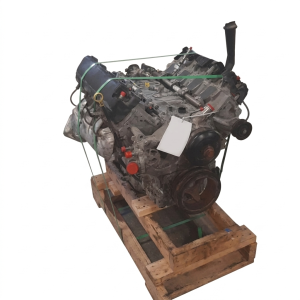
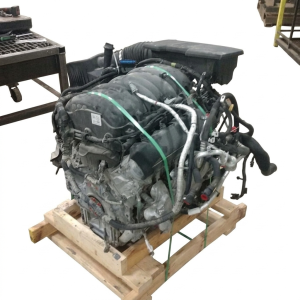
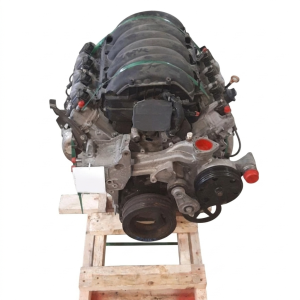
Used OEM Parts in Stock


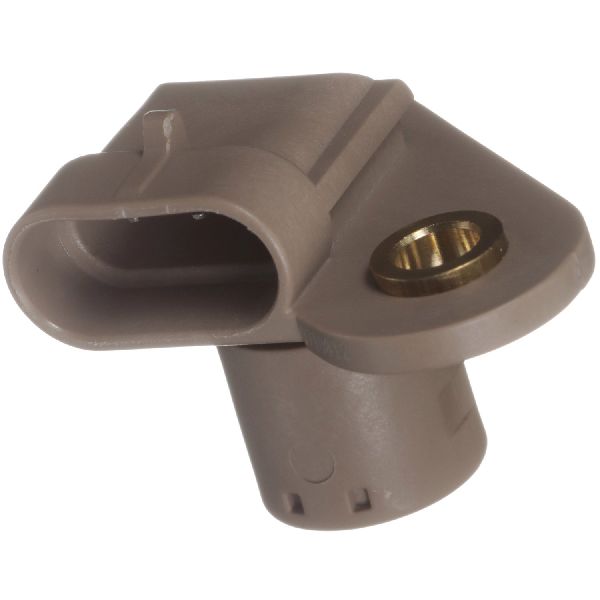
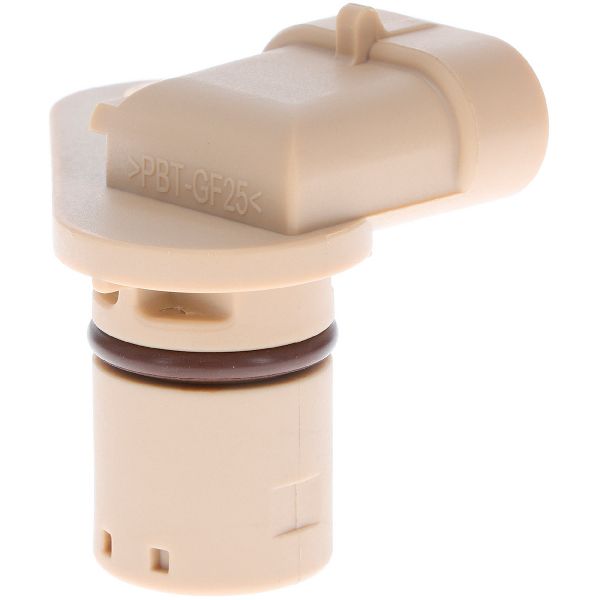
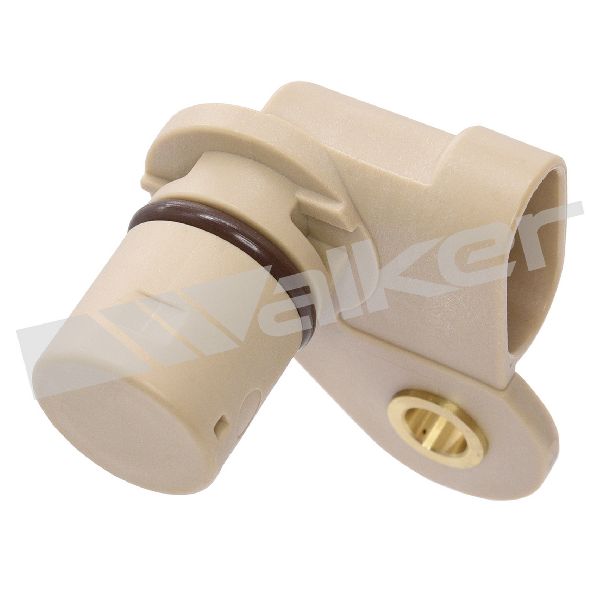
New Aftermarket Parts Available


The information in this article is provided for general reference and educational purposes only. Vehicle specifications, procedures, and part compatibility can vary by production date, trim level, and region. Always consult your vehicle's factory service manual and verify part numbers before purchasing or performing repairs. Safety-critical components such as airbags, seat belts, and braking systems should be installed by a qualified professional.
- Chevrolet Silverado:
- 🎬 Helpful Videos
- 🛍️ Shop This Part
- What's Unique About the 2014-2019 Chevrolet Silverado
- Symptoms You May Notice
- Most Likely Causes
- Rare But Worth Checking
- Diagnosis Steps
- Parts You'll Likely Need
- Related Codes That Often Appear With This One
- Technical Service Bulletins (TSBs) & Recalls
- Platform-Specific Known Issues
- Mechanic-Grade Diagnostic Values
- Scan Tool Commands That Help
- Wiring & Ground Locations
- Real Owner Repair Stories
- OEM Part Supersession History
- Model Year Variations Within This Range
- Diagnostic Flowchart
- Other Known Issues on This Vehicle
- Used vs. New Parts: Buying Guide for This Vehicle
- Real Owner Stories
- 2014 Chevrolet Silverado 5.3L L83 — 133000 miles
- Related OBD-II Codes
- Frequently Asked Questions
- 🎟️ Get 5% Off