

P0012 on 2007-2024 Chevrolet Silverado: Over-Retarded Camshaft Timing Causes and Fixes
On a Chevrolet Silverado, code P0012 is most often caused by low or dirty engine oil, or a faulty intake camshaft position actuator solenoid (VVT solenoid). An oil change with a quality filter and OEM-spec oil is the first step. If that fails, replacing the Bank 1 (driver's side) intake solenoid, OEM part number 12681018 for 2014+ 5.3L/6.2L engines, is the next likely fix, costing around $50-$90 for an OEM part.
- Always check your engine oil level and condition first. This simple step fixes P0012 more often than not.
- The most likely part to have failed is the Bank 1 (driver's side) intake VVT solenoid. It's relatively inexpensive and easy to replace.
- Do not immediately assume you have a major timing chain issue. While possible, it is much less common than oil or solenoid problems.
- Using the correct, manufacturer-specified engine oil (Dexos-rated for GM) is critical for the health of the VVT system.
What's Unique About the 2007-2024 Chevrolet Silverado
Across the generations of Silverado (GMT900, K2XX, T1XX), the V8 engines (4.8L, 5.3L, 6.2L) all rely on a Variable Valve Timing (VVT) system that is highly dependent on oil pressure and cleanliness. While the P0012 code is common to many vehicles, on the Silverado it frequently points directly to oil maintenance issues. Due to the design of the VVT system, which uses small oil passages, using the wrong oil viscosity (e.g., heavier than the specified 5W-30 or 0W-20) or extending oil change intervals can quickly lead to sludge buildup that clogs the fine mesh screen on the VVT solenoid, causing this code.
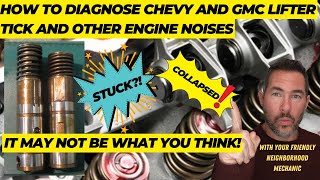
Generation note: This guide covers the GMT900 (2007-2013), K2XX (2014-2019), and T1XX (2019-2024) generations. The primary causes are consistent across all generations due to the reliance on an oil-pressure-driven VVT system. However, the 2014+ EcoTec3 engines (L83, L86) have been noted by some owners to be more susceptible to timing chain stretch, which is a more serious cause of this code. Additionally, issues with the Active Fuel Management (AFM) or Dynamic Fuel Management (DFM) systems, particularly lifter failure, 🎬 See this guide to distinguish lifter tick from other engine noises. can sometimes lead to oil pressure fluctuations that may contribute to VVT-related codes.
Symptoms You May Notice
- Check Engine Light is on
- Rough or unstable idle
- Engine stalling, especially at low speeds or when coming to a stop
- Noticeable loss of engine power and poor acceleration
- Decreased fuel economy
- Rattling or ticking noise from the engine, particularly on a cold startup lasting 2-3 seconds.
- Replacing the camshaft position sensor first. The code indicates a timing *performance* issue, which is more often caused by a hydraulic (oil/solenoid) or mechanical (chain) problem than a sensor failure.
- Assuming a major timing chain failure without first checking the oil and VVT solenoid, which are far more common and cheaper to fix.
- Replacing the VVT solenoid without performing an oil change, as dirty oil can cause the new solenoid to fail quickly.
Most Likely Causes
- Low or Dirty Engine Oil 🔴 High Probability The GM VVT system uses pressurized engine oil to adjust the camshaft phasers. If the oil is low, the wrong viscosity, or contaminated with sludge, it cannot operate the phaser correctly, causing the timing to be retarded. Forum users on 2CarPros have reported the code appearing after a garage used non-synthetic oil and disappearing after changing back to full synthetic.
How to confirm: Check the engine oil dipstick for proper level and inspect the oil's color and consistency. Dark, thick, or sludgy oil is a clear indicator. The issue is often resolved simply by performing an oil change.
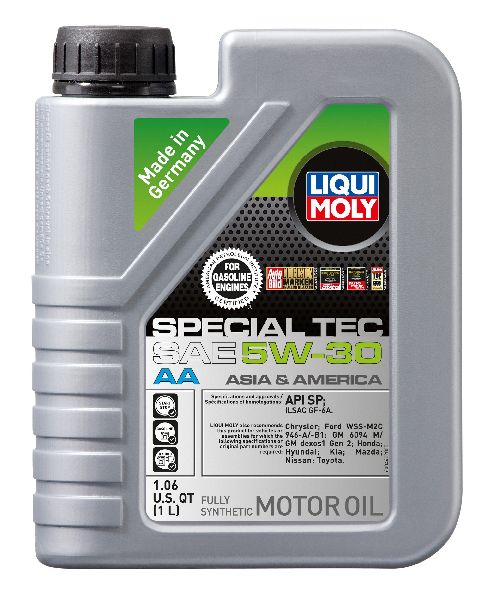
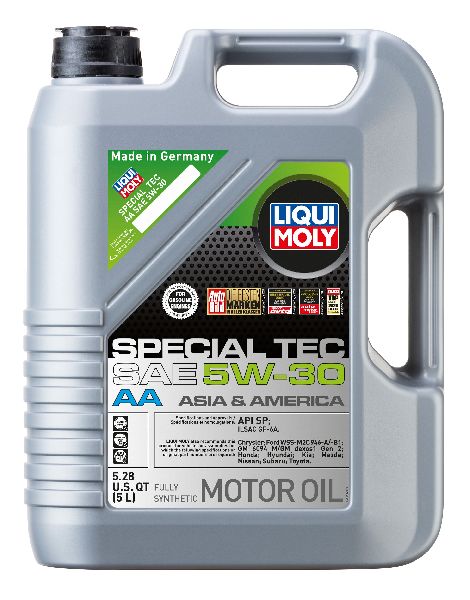
Typical fix: Perform an engine oil and filter change using the manufacturer-specified grade (e.g., ACDelco Dexos-approved 5W-30 or 0W-20 oil and a quality filter like an ACDelco PF63).
Est. part cost: $40-$80 - Faulty Intake Camshaft Position Actuator Solenoid (VVT Solenoid) 🟡 Medium Probability This solenoid controls oil flow to the phaser. Its internal passages and filter screen can become clogged with sludge from the engine oil, or the solenoid can fail electrically, showing an open circuit or high resistance.
How to confirm: Remove the solenoid from the Bank 1 (driver's side) valve cover. Inspect its screen for debris or sludge. You can test its resistance with a multimeter; a good solenoid typically has a resistance between 5 and 15 ohms. A reading of mega-ohms or OL (open loop) indicates a failed solenoid. You can also apply 12V to the pins to check for mechanical actuation (an audible click).
Typical fix: Replace the Bank 1 intake VVT solenoid. It is held in by a single 10mm bolt and is accessible on the valve cover. The bolt should be torqued to 89 lb-in (about 7.4 lb-ft).
Est. part cost: $50-$90 - Stretched Timing Chain or Faulty Tensioner ⚪ Low Probability Over many miles (typically 100k+), the timing chain can stretch, or the hydraulic tensioner can weaken. This creates slack, altering the base mechanical timing and preventing the VVT system from compensating, which can trigger the code. This is a known issue, particularly on higher-mileage EcoTec3 engines.
How to confirm: This is a more involved diagnosis. A key symptom is a distinct rattling noise from the front of the engine on a cold start that lasts for a few seconds. 🎬 Watch: Identify the engine rattle signs of a failing timing chain. Confirmation requires removing the timing cover for a physical inspection of chain slack and guide wear.
Typical fix: Replace the timing chain, tensioners, and guides. This is a significant repair requiring considerable labor.
Est. part cost: $200-$400
Rare But Worth Checking
- Faulty Camshaft Position Sensor: While less common than the solenoid, the sensor that reads the camshaft's position can fail, sending incorrect data to the ECM. If a new solenoid doesn't fix the issue, this is the next sensor to check. However, this is an infrequent cause for a performance code like P0012.
- Worn Camshaft Phaser (Actuator): The phaser itself, the gear at the end of the camshaft, can become stuck, worn internally, or its locking pin can fail. This is usually diagnosed after the oil and solenoid have been ruled out and may be accompanied by other timing codes.
- Clogged Oil Passages: In engines with severe sludge buildup, the oil passages in the cylinder head or engine block that feed the VVT system can become restricted. This requires significant engine disassembly to clean.
Diagnosis Steps
- Check Engine Oil: Verify the oil level is full and the oil is clean. If low, dirty, or the wrong viscosity, perform an oil and filter change using OEM-spec Dexos oil. Clear the code and drive the vehicle for 20-30 miles to see if the code returns. This resolves the issue in a majority of cases.
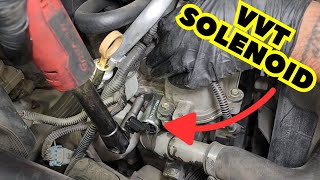
- Scan Tool Analysis: Use an OBD-II scanner to confirm P0012 is the primary code. Monitor the live data for Bank 1 desired vs. actual camshaft position. A large, persistent difference confirms the problem. A good scanner can also command the VVT solenoid to activate 🎬 Watch: How to diagnose and test VVT solenoids with a scanner., helping test its function.
- Inspect VVT Solenoid: Locate the intake VVT solenoid on the driver's side valve cover. Disconnect it and remove the single 10mm retaining bolt.
- Test Solenoid: Inspect the solenoid's screens for metal shavings or sludge. You can try cleaning it with brake cleaner, but replacement is often more reliable. Test the resistance between the two pins with a multimeter; a reading between 5-15 ohms is typical for a good solenoid. An open circuit (OL) or very high resistance means it has failed electrically.
- Replace Solenoid: If the solenoid is dirty, failed the resistance test, or if the oil change didn't work, replace the Bank 1 intake VVT solenoid. It is wise to also replace the exhaust solenoid at the same time as they are the same age. Clear the codes and test drive.
- Mechanical Timing Check: If the code persists, the issue is likely mechanical. Listen for a startup rattle indicating a timing chain issue. This step usually requires a professional mechanic to inspect the timing chain, guides, and phaser, which involves removing the engine's front cover.
Parts You'll Likely Need
- Intake Camshaft Position Actuator Solenoid (VVT Solenoid)
(OEM #12681018 (For 2014+ 5.3L/6.2L EcoTec3), 12655420 (Common for 2007-2013 Gen IV V8s))— This is the most commonly replaced part for code P0012 after an oil change fails to resolve it. It gets clogged with sludge or fails electrically. Both intake and exhaust solenoids are identical for these applications.
Trusted brands: ACDelco (OEM), Delphi, Standard Motor Products
OEM price range: $50-$90
Aftermarket price range: $30-$60 - Engine Oil and Filter
(OEM #Oil: Dexos1 Gen3 Spec (e.g., 19431870), Filter: ACDelco PF63)— Low or dirty oil is the leading cause of P0012. Using the correct Dexos-approved oil and a quality filter is the first and most important step.
Trusted brands: ACDelco, Mobil 1
OEM price range: $40-$80
Aftermarket price range: $35-$70
Related Codes That Often Appear With This One
- P0011 — This code is for 'Timing Over-Advanced' on the same bank. Seeing them together or intermittently can point to a VVT solenoid that is sticking erratically or an oil pressure problem.
- P0300 — A 'Random/Multiple Cylinder Misfire' code can be triggered because the incorrect cam timing on Bank 1 is causing combustion instability across the cylinders on that bank.
- P0010 — This code indicates a fault in the VVT solenoid's electrical circuit itself (e.g., an open or short). If you see P0010 along with P0012, it points very strongly to a failed solenoid or wiring issue.
Technical Service Bulletins (TSBs) & Recalls
- While no TSB is directly for P0012 on Silverado, GM has issued related bulletins for other vehicles and similar codes. For example, TSB 11-6-1 for Ford addresses multiple VCT codes including P0012 due to phaser issues, showing the complexity of these systems. GM TSB PIP5163D discusses diagnosing internal engine issues like cylinder wear that could potentially impact oil pressure and VVT performance.
Platform-Specific Known Issues
- AFM/DFM Lifter Failure Causing Oil Pressure Issues: On engines equipped with Active or Dynamic Fuel Management, a common failure point is the specialized lifters. A lifter can become mechanically stuck or collapse due to oiling issues or internal failure. This can cause a persistent misfire (P0300) and, critically, can lead to fluctuations or a general drop in engine oil pressure. Since the VVT system is entirely dependent on oil pressure to function, an AFM/DFM lifter issue can be the root cause of a P0012 code, even if the VVT components themselves are healthy. Diagnosis often requires checking running compression and listening for a distinct valvetrain tick.
Mechanic-Grade Diagnostic Values
- VVT Solenoid (Oil Control Valve) Resistance — expected: 5 to 15 Ohms. Failure: A reading of OL (Open Loop), mega-ohms, or a value outside the specified range indicates an electrical failure in the solenoid coil.
- Engine Oil Pressure at Hot Idle (via Scan Tool) — expected: Approximately 25 PSI (172 kPa) or greater.. Failure: Significantly lower pressure indicates a potential oiling system problem (e.g., worn oil pump, clogged pickup tube) that can starve the VVT system and cause P0012.
- Scan Tool Camshaft Angle Variance — expected: Desired vs. Actual camshaft position PIDs should track each other closely, within a few degrees, when the VVT solenoid is commanded by the scan tool.. Failure: A large, persistent difference between the desired and actual angle confirms a performance issue in the VVT system.
Scan Tool Commands That Help
- GDS2 / Tech 2: VVT Solenoid Bidirectional Control — Use this command to manually activate the Bank 1 intake solenoid while monitoring 'Desired' vs. 'Actual' cam position PIDs. If the actual position does not change when the solenoid is commanded, it points to a faulty solenoid, clogged oil passage, or stuck phaser.
- GDS2 / Tech 2: Cylinder Deactivation (Active Fuel Management) System Compression Test — If an AFM/DFM lifter failure is suspected (e.g., accompanied by P0300 and a ticking noise), this test can help diagnose it. The test commands AFM solenoids on and off to check for changes in cylinder compression, identifying a collapsed or stuck lifter which could be the root cause of the oil pressure issue triggering P0012.
Wiring & Ground Locations
- G103 — For GMT900 trucks (2007-2014), G103 is located on the front of the passenger side (Bank 2) cylinder head. It is a ground stud with one or more eyelets secured by a nut.. G103 is a primary engine ground point. A poor connection here can cause erratic behavior in various engine sensors and actuators, including the ECM itself, potentially leading to incorrect readings or performance codes like P0012. While the VVT components are on Bank 1, the ECM and its grounding are shared.
- VVT Solenoid Connector — On the front of the driver's side (Bank 1) valve cover, plugging directly into the VVT solenoid.. This 2-pin connector provides power and ground to the solenoid. The pins should be inspected for corrosion or oil contamination, which can disrupt the signal from the ECM and prevent the solenoid from actuating correctly.
Real Owner Repair Stories
- GM-Trucks.com forum user 'dsr611' (2006 Chevrolet Silverado 5.3L with 140k miles) — Lifter tick and low oil pressure (20 PSI), which would drop further with higher RPMs. The issue would temporarily resolve after an oil change but returned after 400 miles.
❌ Tried (didn't work) An engine flush and oil/filter change provided only a temporary fix., A shop diagnosed it as a bad lifter but could not explain the oil pressure symptoms.
✅ What actually fixed it Another user with an identical issue on an '05 Tahoe reported the definitive fix was dropping the oil pan and replacing the oil pickup tube O-ring. A faulty O-ring allows the oil pump to suck in air, causing aeration and a loss of oil pressure that starves the lifters and VVT system. - Reddit user in r/MechanicAdvice (2013 Mazda 6 2.5L (Note: Not a Silverado, but illustrates a common VVT system issue)) — After replacing the VVT solenoid and changing the oil (using 5W-20 instead of the specified 0W-20), a P0012 code appeared immediately, though no driveability issues were present.
❌ Tried (didn't work) Replacing the VVT solenoid.
✅ What actually fixed it The user was advised that the issue could be either the slightly incorrect oil viscosity (as modern VVT systems can be very sensitive) or a defective aftermarket solenoid right out of the box. The resolution path was to first change the oil to the correct 0W-20 spec, and if that failed, warranty the new solenoid. - NHTSA ODI #11615506 (GM Platform) — An owner reported a yellow warning light with codes P0017 and P0012. A mechanic inspected the vehicle and the repair required replacing the timing chain kit and the oil pump.
"I Checked Everything" — The Actual Cause
- A smoke test is not applicable for P0012 as it's not a vacuum leak code. However, a similar pattern exists where all top-end diagnostics (checking solenoid, sensor, and wiring) appear normal, but the code persists. In these cases, the root cause is often hidden and related to base oil pressure. A prime example is a degraded oil pickup tube O-ring in the oil pan. This part costs only a few dollars but allows air into the oil system, causing aeration and low pressure that the VVT system cannot overcome, triggering P0012. The fix requires dropping the oil pan, which is often overlooked during initial diagnosis.
OEM Part Supersession History
12655420→12679099— Standard part evolution for improved reliability or manufacturing process.12633123, 12734067→12681018— Standard part evolution for improved reliability or manufacturing process.
Heads up: The Gen V solenoids are not interchangeable with the Gen IV solenoids.
Model Year Variations Within This Range
- 2007-2013 (GMT900): These Gen IV engines use VVT solenoid part number 12655420 (or its successor 12679099). These models are widely known for issues with the Active Fuel Management (AFM) system's lifters, which can be a root cause of oil pressure problems that trigger P0012.
- 2014-2024 (K2XX/T1XX): These Gen V (EcoTec3) engines use a different VVT solenoid, part number 12681018. The camshaft phaser design is also different, with aftermarket kits available to limit or lock out VVT advance for high-performance camshafts, a modification not as common on the prior generation.
Diagnostic Flowchart
Real Owner Stories
Aggregated from forums and TSBs cited above. Mileages and costs reflect what owners reported in those sources.
Chevrolet Silverado
Symptoms: Check engine light came on and the engine ran rough at idle.
What fixed it: Changing back to full synthetic oil after suspecting a local garage used inferior, non-synthetic oil.
Source hint: 2CarPros.com - Thread 'Code P0012?'
Chevrolet Silverado
Symptoms: Experienced a rough idle and engine stalling.
What fixed it: Performed a DIY replacement of the VVT solenoids.
Source hint: SilveradoSierra.com & GM-Trucks.com
Ford F-150 5.0 (Similar V8 Platform)
Symptoms: Truck would stall after getting off the freeway.
What fixed it: Replaced the VVT solenoid (referred to as a sensor in the review).
Source hint: AmericanTrucks.com - Customer Review
Related OBD-II Codes
Frequently Asked Questions
Does GM TSB PIP5163D apply to my Silverado with a P0012 code?
Which side of the engine is Bank 1 for the VVT solenoid on my Silverado?
Can the Active Fuel Management (AFM) or Dynamic Fuel Management (DFM) system cause a P0012 code?
What is the correct torque spec for the VVT solenoid bolt on the 5.3L or 6.2L engine?
I hear a rattling noise on cold starts for 2-3 seconds. Is this related to P0012?
What type of oil should I use to prevent or fix the P0012 code on my Silverado?
Helpful Videos
![How to Fix P0012 Engine Code in 4 Minutes [2 DIY Methods / Only $6.86]](https://img.youtube.com/vi/Pu-PR3uhV5Q/mqdefault.jpg)
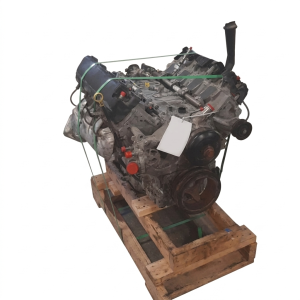
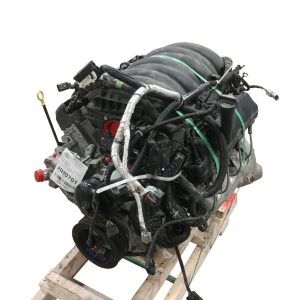
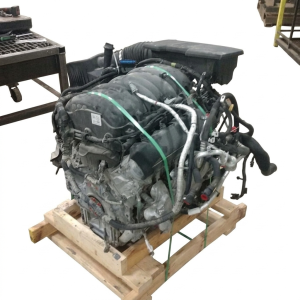
Used OEM Parts in Stock


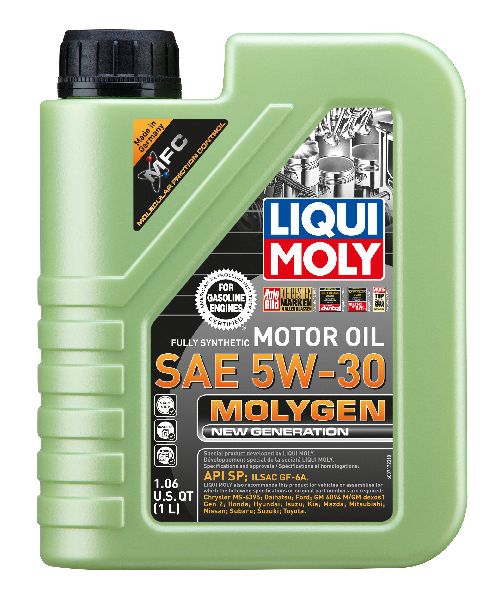
New Aftermarket Parts Available

The information in this article is provided for general reference and educational purposes only. Vehicle specifications, procedures, and part compatibility can vary by production date, trim level, and region. Always consult your vehicle's factory service manual and verify part numbers before purchasing or performing repairs. Safety-critical components such as airbags, seat belts, and braking systems should be installed by a qualified professional.
- Chevrolet Silverado:
- 🎬 Helpful Videos
- 🛍️ Shop This Part
- What's Unique About the 2007-2024 Chevrolet Silverado
- Symptoms You May Notice
- Most Likely Causes
- Rare But Worth Checking
- Diagnosis Steps
- Parts You'll Likely Need
- Related Codes That Often Appear With This One
- Technical Service Bulletins (TSBs) & Recalls
- Platform-Specific Known Issues
- Mechanic-Grade Diagnostic Values
- Scan Tool Commands That Help
- Wiring & Ground Locations
- Real Owner Repair Stories
- "I Checked Everything" — The Actual Cause
- OEM Part Supersession History
- Model Year Variations Within This Range
- Diagnostic Flowchart
- Real Owner Stories
- Chevrolet Silverado
- Chevrolet Silverado
- Ford F-150 5.0 (Similar V8 Platform)
- Related OBD-II Codes
- Frequently Asked Questions
- 🎟️ Get 5% Off