

P2764 on 2007-2014 Toyota Camry: Torque Converter Solenoid Circuit Low Causes and Fixes
This code indicates an electrical problem with the torque converter lock-up solenoid, often called the 'SL' solenoid in Toyota transmissions. The most common fix is replacing this faulty solenoid, which is located inside the transmission oil pan on the valve body. Expect to pay $300-$650 for a professional repair, including the solenoid, fluid, and labor.
- P2764 on a 2007-2014 Camry is an electrical fault code, almost always caused by a failed lock-up solenoid inside the transmission.
- Symptoms include a Check Engine Light, stalling at stops, and harsh shifting.
- Do not immediately replace the torque converter; this code points to the solenoid or its wiring, not a mechanical converter failure.
- The repair requires dropping the transmission pan and should be done by a professional or experienced DIYer.
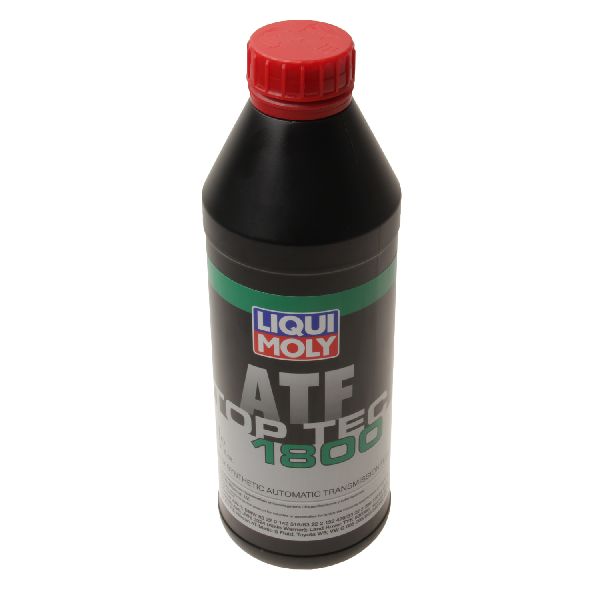
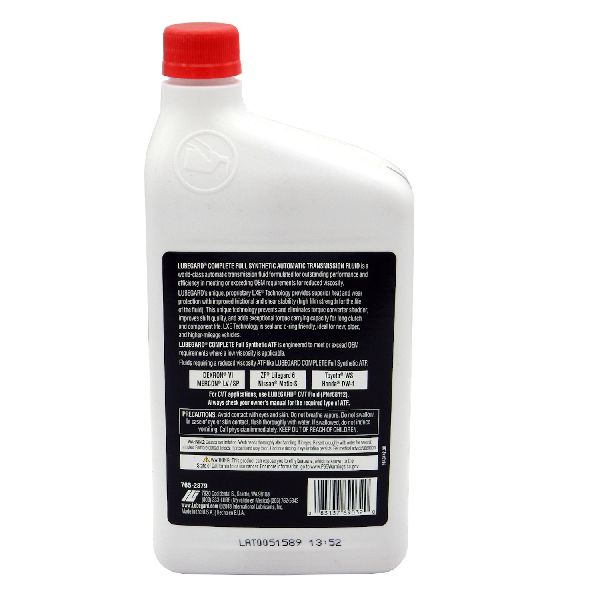
- Always use Toyota ATF WS fluid when refilling the transmission after the repair.
What's Unique About the 2007-2014 Toyota Camry

While P2764 is a generic code, on the 2007-2014 Camry, the issue is almost always an internally shorted lock-up solenoid (designated the 'SL' solenoid by Toyota) located on the valve body. The transmissions in this era (U660E for V6 and U760E for 4-cylinder) are generally robust, but these specific on/off solenoids are a known failure point. For the 2012-2014 models with the U760E, Toyota issued service bulletins for a separate but related torque converter 'shudder' issue, indicating a sensitivity in the lock-up system on that generation.
Generation note: This range covers two Camry generations: the XV40 (2007-2011) and the XV50 (2012-2014). The V6 models use the U660E transmission, while the 4-cylinder models from 2009 onward use the U760E. The cause of P2764 is consistent across these transmissions. However, the XV50 generation (2012-2014) with the U760E transmission is subject to TSBs T-SB-0034-14 and T-SB-0045-15 for a torque converter shudder, a related but separate mechanical/hydraulic issue concerning the lock-up system.
Symptoms You May Notice
- Check Engine Light is on.
- Engine stalling when coming to a complete stop.
- Harsh, erratic, or delayed gear shifts.
- Transmission slipping (engine RPMs rise without a corresponding increase in speed).
- Noticeable decrease in fuel economy.
- Transmission may feel like it's shuddering or vibrating, especially during light acceleration.
- In some cases, the transmission may enter 'limp mode', limiting vehicle speed.
- Replacing the entire torque converter. P2764 is an electrical circuit code, not a mechanical failure code for the converter itself. While a bad converter can cause shuddering (a common issue on 2012-2014 models), it will not trigger this specific low voltage code.
- Replacing the entire valve body. The SL solenoid is a discrete, replaceable component. It is much more cost-effective to replace the individual solenoid than the entire valve body assembly.
Most Likely Causes

- Faulty Torque Converter Clutch (TCC) Lock-Up Solenoid (SL) 🔴 High Probability On Toyota U660E/U760E transmissions, an internal short circuit within the SL solenoid is the most frequent point of failure for this specific code. It is a simple on/off solenoid, distinct from the more complex linear solenoids in the valve body.
How to confirm: After confirming wiring is intact, a technician will measure the electrical resistance of the solenoid with a multimeter. The factory specification for the SL solenoid is 11-15 ohms at 68°F (20°C). A reading significantly below this range indicates a shorted solenoid.
Typical fix: Replace the TCC/Lock-Up (SL) solenoid. This requires draining the transmission fluid, dropping the oil pan, and accessing the valve body to swap the solenoid. The SL solenoid is identifiable by its single blue wire and connector.
Est. part cost: $60-$150 - Low or Contaminated Transmission Fluid 🟡 Medium Probability While not usually the direct cause of a 'circuit low' code, fluid that is extremely old, burnt, or contaminated with debris can contribute to solenoid failure. Low fluid levels can cause a variety of pressure-related issues and overheating, stressing electrical components.
How to confirm: Check the transmission fluid level and condition. On these sealed transmissions, this is a complex procedure involving specific temperatures and an overflow plug, best left to a professional. The fluid should be bright red and clear, not dark brown, black, or smelling burnt.
Typical fix: Perform a transmission fluid drain and fill using Toyota Genuine ATF WS (World Standard) fluid. If a leak is found, the source of the leak must be repaired.
Est. part cost: $50-$90 for fluid - Damaged Wiring or Connectors ⚪ Low Probability Less common than solenoid failure, the wiring harness leading to the transmission can be damaged by road debris, excessive heat from the exhaust, or corrosion at the main connector pins. The fault could be internal to the transmission harness as well.
How to confirm: Visually inspect the external wiring harness from the TCM to the transmission case. A technician would then disconnect the harness at the transmission and TCM to check for continuity and for a short to ground on the wire leading to the SL solenoid.
Typical fix: Repair or replace the damaged section of the wiring harness or clean the corroded connectors. If the internal harness is faulty, it is often replaced along with the solenoids.
Est. part cost: $20-$200 depending on the extent of damage and whether it's an external or internal harness repair.
Rare But Worth Checking
- Faulty Powertrain/Engine Control Module (PCM/ECM): This is extremely rare. The control module's internal driver for the solenoid circuit would have to fail. The PCM/ECM should only be considered after all other possibilities (solenoid, wiring, fluid) have been exhaustively ruled out.
Diagnosis Steps

- Verify the code with a quality OBD-II scanner that can read transmission control module data.
- Check the transmission fluid level and condition. Note: This is a sealed transmission and requires a specific procedure involving a specific temperature range.
- Inspect the transmission wiring harness and the main connector at the transmission case for any visible damage, corrosion, or loose connections.
- Using a professional scan tool (like Toyota Techstream), perform an 'Active Test' to command the TCC (SL) solenoid on and off to check for an audible click or response.
- Disconnect the harness at the transmission and measure the resistance of the TCC (SL) solenoid pin to ground. The specification is 11-15 ohms at 68°F. A reading below 11 ohms confirms a shorted solenoid.
- If solenoid resistance is within spec, test the wiring for a short to ground or an open circuit between the TCM and the transmission connector.
- If the solenoid and wiring are confirmed to be good, the final and very rare possibility is a faulty driver circuit within the TCM/ECM.
Parts You'll Likely Need

- Torque Converter Lock-Up Solenoid (SL)
(OEM #35240-73010)— This specific on/off solenoid is the most common point of failure, typically due to an internal electrical short.
Trusted brands: Toyota (OEM), Rostra, Sonnax
OEM price range: $150-$250
Aftermarket price range: $60-$150 - Toyota Genuine ATF WS
(OEM #00289-ATFWS)— The transmission must be drained to replace the solenoid, requiring 4-5 quarts of fresh fluid for the refill. Using the correct OEM fluid is critical for Toyota transmissions.
Trusted brands: Toyota
OEM price range: $12-$18 per quart - Transmission Oil Pan Gasket
(OEM #35168-73010)— The oil pan must be removed, and the gasket should always be replaced to prevent leaks. Some technicians may opt for FIPG (Form-in-Place Gasket) sealant instead.
Trusted brands: Toyota (OEM), Fel-Pro, Mahle
OEM price range: $25-$40
Aftermarket price range: $15-$25
Related Codes That Often Appear With This One
- P0741 — P0741 indicates 'TCC Circuit Performance or Stuck Off'. P2764 is a specific electrical fault (low voltage), while P0741 is a performance fault that sets when the computer commands lock-up but does not see the expected RPM drop. A shorted SL solenoid causing P2764 will prevent lock-up from occurring, often triggering P0741 as a direct result.
- P2763 — P2763 is 'Torque Converter Clutch Pressure Control Solenoid Control Circuit High'. This would indicate an open circuit (broken wire, unplugged solenoid) rather than the short to ground indicated by P2764. Seeing them together could point to an intermittent wiring problem.
Technical Service Bulletins (TSBs) & Recalls
- T-SB-0034-14: Torque Converter Flex Lock-up Shudder (for 2012-2014 Camry). This TSB describes a shudder under light load and prescribes replacing the torque converter and updating the ECM software.
Platform-Specific Known Issues
- For 2012-2014 Camry models with the U760E transmission, TSB T-SB-0034-14 addresses a 'flex lock-up shudder' felt between 25-50 mph. The official fix is a redesigned torque converter and an ECM software update. While this is a mechanical/hydraulic issue, not an electrical one, it shows a known sensitivity with the lock-up system in this generation that can be confused with solenoid problems.
- A forum member on ToyotaNation reported solving their P2764 and P0741 codes on a 2007 Camry V6 (U660E) by replacing the SL solenoid. They confirmed the old solenoid's resistance was near zero, indicating a dead short. The repair restored normal function.
Mechanic-Grade Diagnostic Values
- SL (TCC) Solenoid Resistance — expected: 11 - 15 Ohms at 68°F (20°C). Failure: A reading significantly below 11 Ohms indicates an internal short. An open-loop (infinite) reading indicates a broken internal coil.
- Voltage at TCC Solenoid Connector — expected: Approximately 12V (+/- 0.5V) with ignition on, engine off.. Failure: Voltage below 9V points to excessive resistance or a short in the wiring harness or a failing ECM driver.
- Resistance from ECM Connector to Ground — expected: 11 - 15 Ohms. Failure: This tests the entire circuit. Disconnect the ECM connector (e.g., B31, Pin 71 on some models) and measure resistance on the solenoid control pin to a clean chassis ground. A reading outside the spec indicates a wiring or solenoid issue.
Scan Tool Commands That Help
- Toyota Techstream: Active Test: 'Control the Lock-Up' — This bidirectional command allows a technician to manually turn the SL solenoid ON and OFF. It's used to verify if the solenoid makes an audible 'click' and if the command from the ECM is reaching the solenoid, helping to isolate a wiring issue from a faulty solenoid.
- Toyota Techstream: Utility: 'Reset Memory' — This function should be performed after replacing the valve body or solenoids. It clears the transmission's adaptive learning values, forcing it to relearn shift pressures and timing with the new components, which is critical for proper operation.
Wiring & Ground Locations
- SL Solenoid Wire — Inside the transmission, on the valve body. The SL solenoid has a single blue wire.. This is the specific wire that carries the control signal. Technicians can identify the correct solenoid by its wire color.
- ECM Connector Pin (DSU/SL) — At the main Engine Control Module (ECM). For example, on some Toyota models, this is pin 71 of connector B31. The exact pin and connector vary by year and engine, requiring a specific wiring diagram.. This is the starting point of the circuit. Testing for voltage and resistance here can confirm if the ECM is sending the correct signal and if the wiring harness is intact.
- Engine Harness Ground (V6) — On the 2GR-FE V6, a primary engine harness ground point is located on the side of the cylinder head, directly underneath the throttle body.. A loose or corroded engine ground can create a floating ground, causing voltage discrepancies in sensor and actuator circuits, potentially triggering a 'Circuit Low' code.
- Main Chassis/Engine Ground — The main negative battery cable typically grounds to the engine block near the transmission bell housing.. This is the primary ground path for the entire powertrain. Corrosion or a loose connection here can cause widespread and difficult-to-diagnose electrical issues, including transmission codes.
Real Owner Repair Stories
- ToyotaNation Forum (2007 Toyota Camry V6 (U660E)) — Check Engine Light with codes P2764 and P0741.
❌ Tried (didn't work) Initial diagnosis pointed towards the common solenoid failure.
✅ What actually fixed it The owner replaced the SL lock-up solenoid. Upon removal, the old solenoid's resistance was tested and found to be near zero ohms, confirming a dead short. Replacing the single solenoid cleared both codes and restored normal transmission operation.
OEM Part Supersession History
35240-33040→35240-73010— Part revision or update by the manufacturer. The new part is the correct service replacement.
Model Year Variations Within This Range
- 2007-2014: The V6 engine (2GR-FE) is paired with the U660E transmission, while the 4-cylinder (2AZ-FE) uses the U760E. A technician can physically identify the valve body, as the U660E casting often has 'U660' marked on it, whereas the U760E typically has no identifying marks.
- 2007-2014: The U660E valve body includes a pressure switch assembly that is absent on the U760E valve body. This is another key physical identifier for technicians working on the unit.
Diagnostic Flowchart
Other Known Issues on This Vehicle
Issues unrelated to this code that are worth knowing about as an owner of this generation:
- Excessive Oil Consumption (2AZ-FE Engine) 🔴 High — Very common on 2007-2009 4-cylinder models. Caused by defective piston ring design. Can consume over 1 quart per 1,200 miles. (Ref: T-SB-0094-11 and a subsequent warranty enhancement program addressed this, but they are long expired.)
- Melting / Sticky Dashboard 🟠 Medium — Extremely common on 2007-2011 models, especially in hot climates. The dashboard material degrades from heat and humidity, becoming shiny, sticky, and cracked. (Ref: Toyota initiated Warranty Enhancement Program ZE6 to replace affected dashboards, but the program ended May 31, 2017.)
- Transmission Shudder / Hesitation (U660E/U760E) 🟠 Medium — Common on 2007-2011 models as a hesitation, and on 2012-2014 models as a distinct shudder between 25-50 mph. (Ref: T-SB-0034-14 for 2012-2014 models involved a new torque converter and ECM flash.)
- Water Pump Failure 🟠 Medium — Common on both 4-cylinder and V6 engines as they age past 80,000 miles. Look for slow coolant leaks (dried pink residue) around the pump pulley.
- Sticking Accelerator Pedal 🔴 High — A widespread, well-publicized issue affecting early models of this generation (2007-2010), leading to a massive recall. Most vehicles should have been repaired by now. (Ref: NHTSA Campaign ID: 10V017000 (and others))
Used vs. New Parts: Buying Guide for This Vehicle
When a used part is the smart pick: For an isolated P2764 code, a new solenoid is the recommended repair. A complete, used valve body from a low-mileage donor vehicle might be considered if multiple solenoid codes are present or if a hydraulic issue within the valve body is suspected, but it carries a higher risk.
Donor-vehicle mileage cap: roughly under 100000 miles for the part to have meaningful remaining life.
What to inspect on the donor part:
- Request the VIN to verify the donor vehicle's history and mileage.
- Inspect the part for physical damage, corrosion, or cut wires.
- If possible, check the color and smell of the transmission fluid from the donor car; it should be bright red and not smell burnt.
OEM-only on this vehicle (don't cheap out):
- Transmission Fluid: Using Toyota Genuine ATF WS is strongly recommended to ensure chemical compatibility and prevent shift quality issues.
Aftermarket brands forum-validated for this vehicle:
- Rostra
- Sonnax
Brands owners have reported issues with on this vehicle:
- Unbranded, 'white-box' solenoids from online marketplaces are a gamble and often have high failure rates. It's better to pay slightly more for a brand with a known reputation in the transmission industry.
Real Owner Stories
Aggregated from forums and TSBs cited above. Mileages and costs reflect what owners reported in those sources.
2007 Toyota Camry V6
Symptoms: Owner reported diagnostic trouble codes P2764 and P0741.
What fixed it: Replaced the SL lock-up solenoid. The owner confirmed the old solenoid's resistance was near zero, indicating a dead short, which resolved the issue and restored normal function.
Source hint: https://www.toyotanation.com/threads/p0741-and-p2764-on-2007-camry-v6.1697659/
2009 Toyota Camry
Symptoms: Engine stalling and the P2764 code was present.
What fixed it: A repair shop diagnosed the issue as a faulty lock-up solenoid.
Source hint: https://www.camryforums.com/forum/transmission-13/2009-camry-transmission-problem-p2764-41318/
Related OBD-II Codes
Frequently Asked Questions
My 2013 Camry is shuddering between 25-50 mph. Is this related to the P2764 code?
What is the most common cause of code P2764 on a 2007-2014 Camry?
How can a mechanic confirm the lock-up solenoid is actually bad before replacing it?
What transmission fluid should be used in my Camry for this repair?
Is it safe to continue driving my Camry with a P2764 code?
My Camry has a V6. Does this P2764 issue also affect the 4-cylinder models?
I saw a forum post about code P0741 appearing with P2764. Why do they show up together?
Used OEM Parts in Stock


New Aftermarket Parts Available


The information in this article is provided for general reference and educational purposes only. Vehicle specifications, procedures, and part compatibility can vary by production date, trim level, and region. Always consult your vehicle's factory service manual and verify part numbers before purchasing or performing repairs. Safety-critical components such as airbags, seat belts, and braking systems should be installed by a qualified professional.
- Toyota Camry:
- 🛍️ Shop This Part
- What's Unique About the 2007-2014 Toyota Camry
- Symptoms You May Notice
- Most Likely Causes
- Rare But Worth Checking
- Diagnosis Steps
- Parts You'll Likely Need
- Related Codes That Often Appear With This One
- Technical Service Bulletins (TSBs) & Recalls
- Platform-Specific Known Issues
- Mechanic-Grade Diagnostic Values
- Scan Tool Commands That Help
- Wiring & Ground Locations
- Real Owner Repair Stories
- OEM Part Supersession History
- Model Year Variations Within This Range
- Diagnostic Flowchart
- Other Known Issues on This Vehicle
- Used vs. New Parts: Buying Guide for This Vehicle
- Real Owner Stories
- 2007 Toyota Camry V6
- 2009 Toyota Camry
- Related OBD-II Codes
- Frequently Asked Questions
- 🎟️ Get 5% Off