

P2421 on 2011-2020 Kia Sorento: EVAP Vent Valve Stuck Open Causes and Fixes
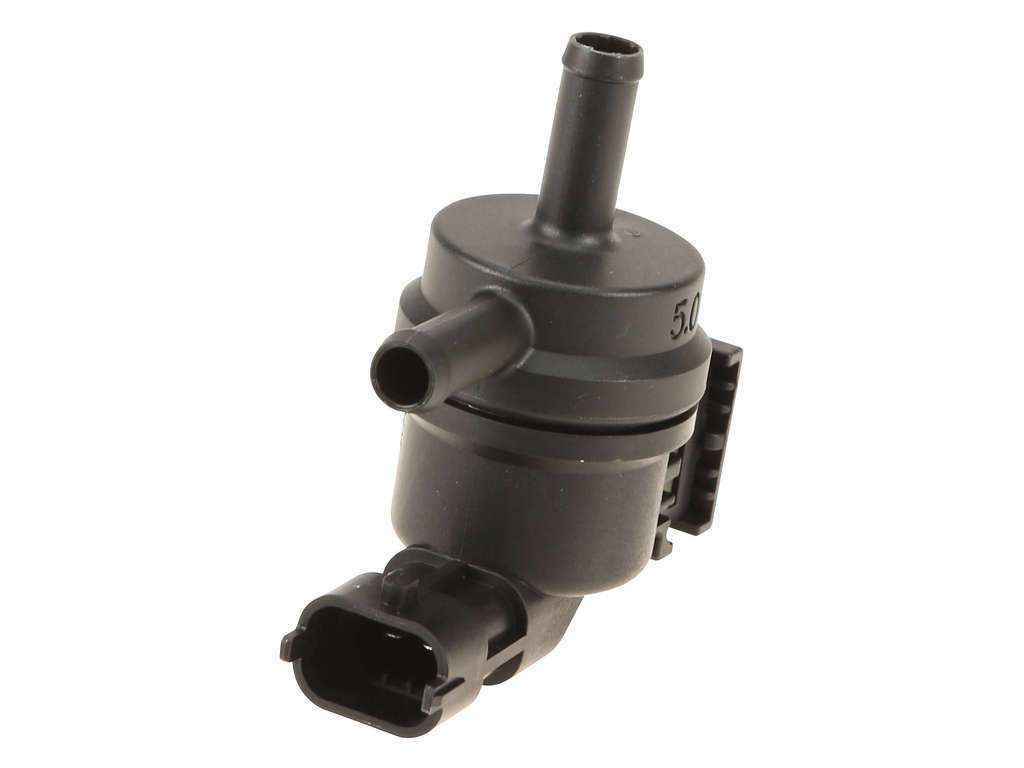
This code means the EVAP system's vent valve is stuck open. The most common fix is replacing the canister close valve (also called the vent valve/solenoid), which is attached to the charcoal canister near the fuel tank. It's an accessible, DIY-friendly repair. Expect to pay $40-$90 for the part.
- P2421 almost always points to a problem with the EVAP Canister Close Valve (or its wiring) located near the fuel tank.
- This is a DIY-friendly repair for most home mechanics; the part is accessible under the rear of the car.
- Don't confuse the Canister Close Valve (at the rear) with the Purge Valve (in the engine bay), which causes different codes.
- Your car is safe to drive with this code, but you won't pass an emissions test until it's fixed.
What's Unique About the 2011-2020 Kia Sorento
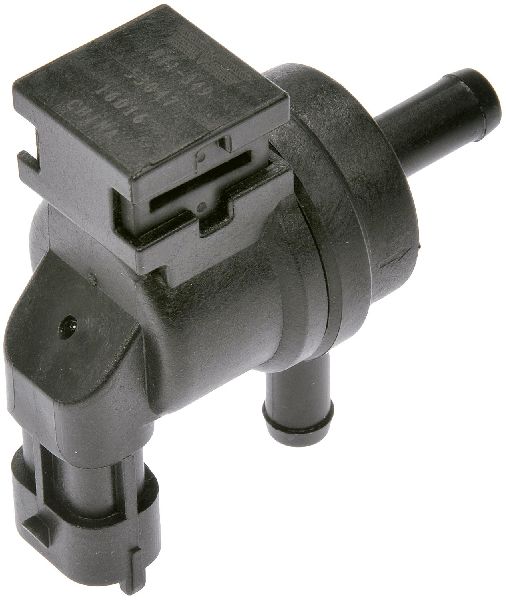
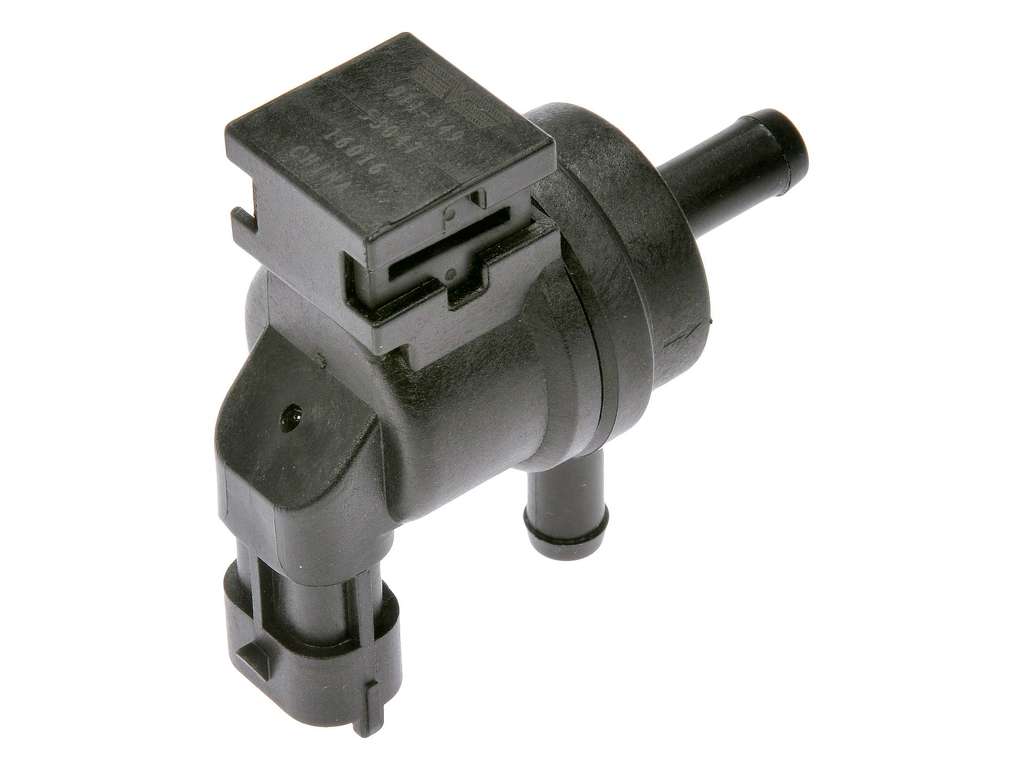
For the Kia Sorento, this code points specifically to a failure in the canister close valve (CCV) circuit, which is Kia's term for the EVAP vent valve. This component is located at the rear of the vehicle on the charcoal canister, not to be confused with the purge valve in the engine bay which triggers different codes. The issue is common enough that aftermarket manufacturers like Dorman produce direct-fit replacements, such as the Dorman 911-799, which is a popular fix among owners. The valve's location under the car makes it prone to contamination from dirt and road debris, which can cause it to stick.
Generation note: This guide covers the second generation (XM, 2011-2015) and third generation (UM, 2016-2020) Kia Sorento. The cause and the replacement part (Canister Close Valve) are consistent across both generations. The OEM part number 31430-0W000 is listed for 2011-2015 models, while the popular aftermarket Dorman 911-799 covers Sorentos up to 2019.
Symptoms You May Notice
- Check Engine Light is on
- A faint smell of fuel near the rear of the vehicle
- Vehicle will not pass an emissions test
- Possible message on the dash like 'EVAP System Leak Detected'
- In some cases, a long crank or difficulty starting immediately after refueling 🎬 Watch: A quick guide to understanding the P2421 engine code
- Replacing the gas cap. While a loose or faulty gas cap can cause other EVAP codes (like P0455 or P0457), it is not a direct cause for P2421, which specifically points to a problem in the vent valve circuit.
- Replacing the EVAP purge valve/solenoid. The purge valve is located in the engine bay and controls the flow of vapors from the canister to the engine. A failure here would set different codes (e.g., P0441, P0496). P2421 is for the vent valve (canister close valve) located at the rear of the vehicle.
Most Likely Causes
- Faulty Canister Close Valve (Vent Valve) 🔴 High Probability The valve is exposed to the elements underneath the car, and the internal solenoid can fail over time or the valve can get clogged with dirt, debris, or even spider webs, preventing it from sealing. This is the most common point of failure for P2421.
How to confirm: With a capable scan tool, command the vent valve to close. If it doesn't, or if a smoke test shows smoke exiting the valve when it's commanded shut, the valve is bad. You can also test for 12V power and ground at the connector. The valve's coil resistance can also be measured and compared to spec (typically 20-40 Ω, but verify OEM spec).
Typical fix: Replace the canister close valve. It is typically mounted directly on the charcoal canister under the rear of the vehicle.
Est. part cost: $40 - $90 - Damaged Wiring or Connector 🟡 Medium Probability The wiring to the canister close valve runs underneath the vehicle and is susceptible to corrosion, or damage from road debris or animals. A short to ground or open circuit in the harness will prevent the PCM's signal from reaching the valve.
How to confirm: Visually inspect the wiring harness and connector leading to the vent valve for any breaks, corrosion, or loose pins. Use a multimeter to check for continuity and proper voltage at the connector when the valve is commanded by a scan tool.
Typical fix: Repair the damaged section of the wiring harness or replace the connector pigtail.
Est. part cost: $10 - $30 - Cracked or Disconnected EVAP Hoses ⚪ Low Probability Rubber hoses can become brittle and crack with age and exposure to heat cycles and the elements. A hose could also become disconnected near the canister or valve.
How to confirm: Perform a visual inspection of all hoses connected to the charcoal canister and vent valve. A smoke test is the most effective method and will quickly reveal any leaks from cracked or disconnected hoses.
Typical fix: Replace the cracked or disconnected hose.
Est. part cost: $15 - $50
Rare But Worth Checking
- Cracked Charcoal Canister: While not common, the plastic body of the charcoal canister can crack from impact with road debris, creating a large leak that the system may interpret as a stuck-open valve. A smoke test would reveal smoke leaking from the canister body itself.
- Faulty Powertrain Control Module (PCM): This is extremely rare. The PCM should only be considered after all other possibilities, including the valve, wiring, and hoses, have been thoroughly tested and ruled out.
Diagnosis Steps
- Retrieve the P2421 code using an OBD-II scanner and check for any other related codes. Note the freeze-frame data.
- Visually inspect the canister close valve, its connector, and the nearby wiring harness under the rear of the vehicle. Look for obvious damage, corrosion, loose connections, or debris clogging the valve's air filter.
- Inspect the rubber and plastic hoses connected to the charcoal canister and vent valve for cracks, breaks, or disconnections.
- If you have a bidirectional scanner, command the vent valve to close. Listen for an audible click from the valve. The valve is normally open, so commanding it closed should produce a sound.
- With the valve commanded closed, perform an EVAP system smoke test. If smoke exits from the vent valve assembly, the valve is faulty and must be replaced. If smoke exits from a hose or the canister body, that component is the source of the leak.
- If the valve does not click when commanded, test the electrical connector for power (12V) and ground. The PCM typically supplies a switched ground to activate the solenoid. If power or ground is missing, trace the wiring back to the source (fuse/relay/PCM).
- If power and ground are present but the valve doesn't operate, the valve's internal solenoid has failed. You can confirm by checking the coil's resistance with a multimeter (compare to OEM spec, e.g., 20-40 ohms). If the resistance is out of spec or infinite (open), the valve needs to be replaced.
Parts You'll Likely Need
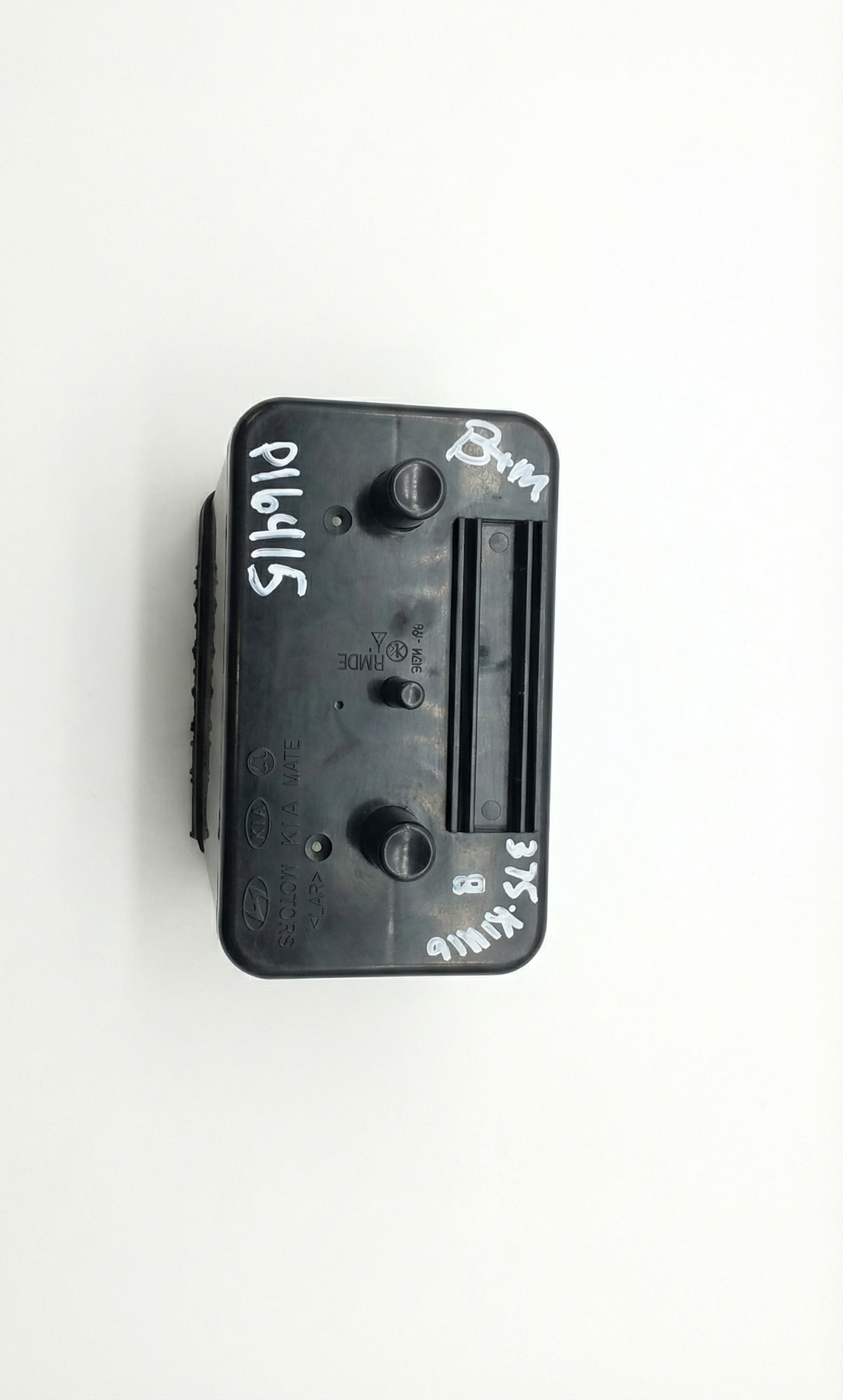
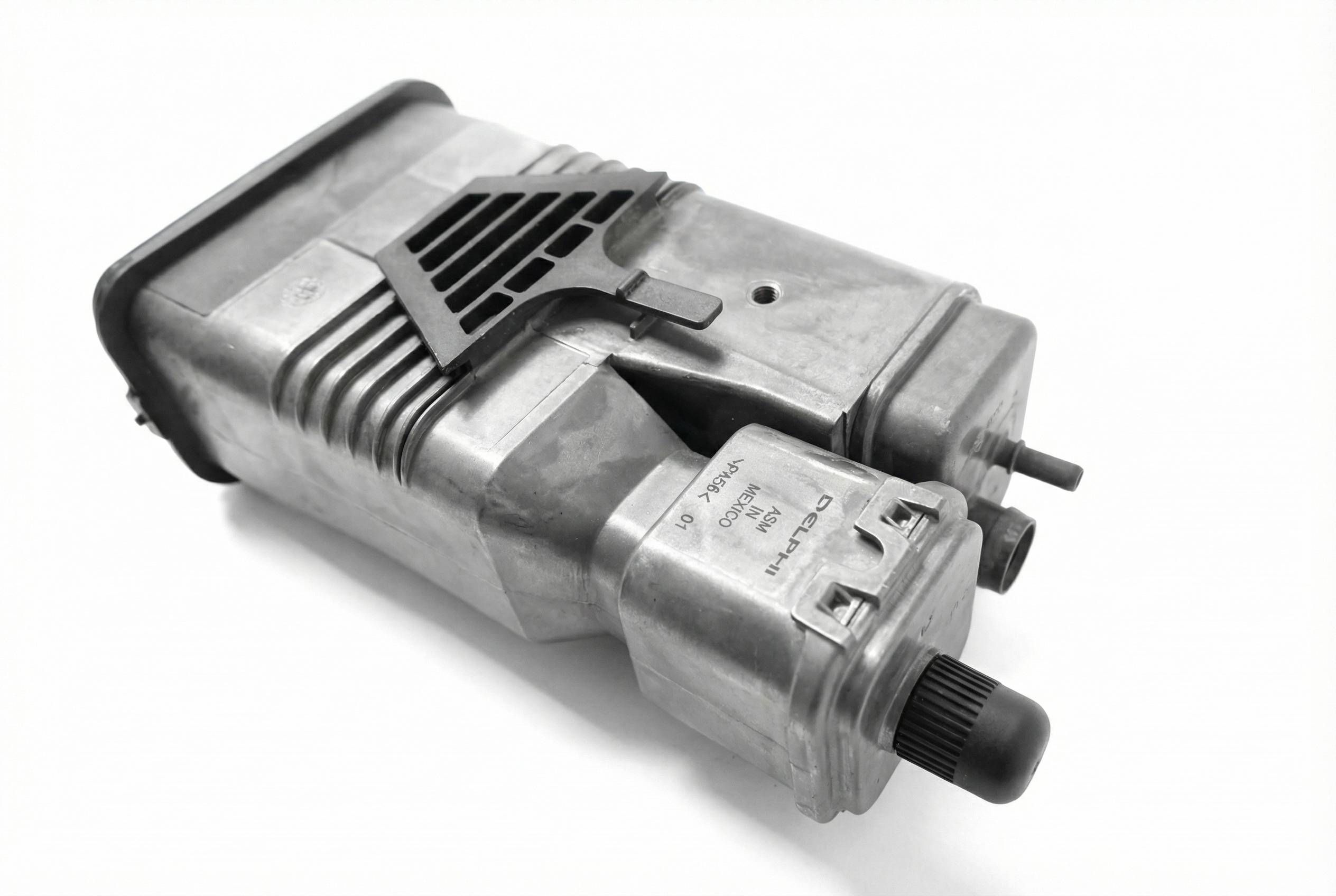
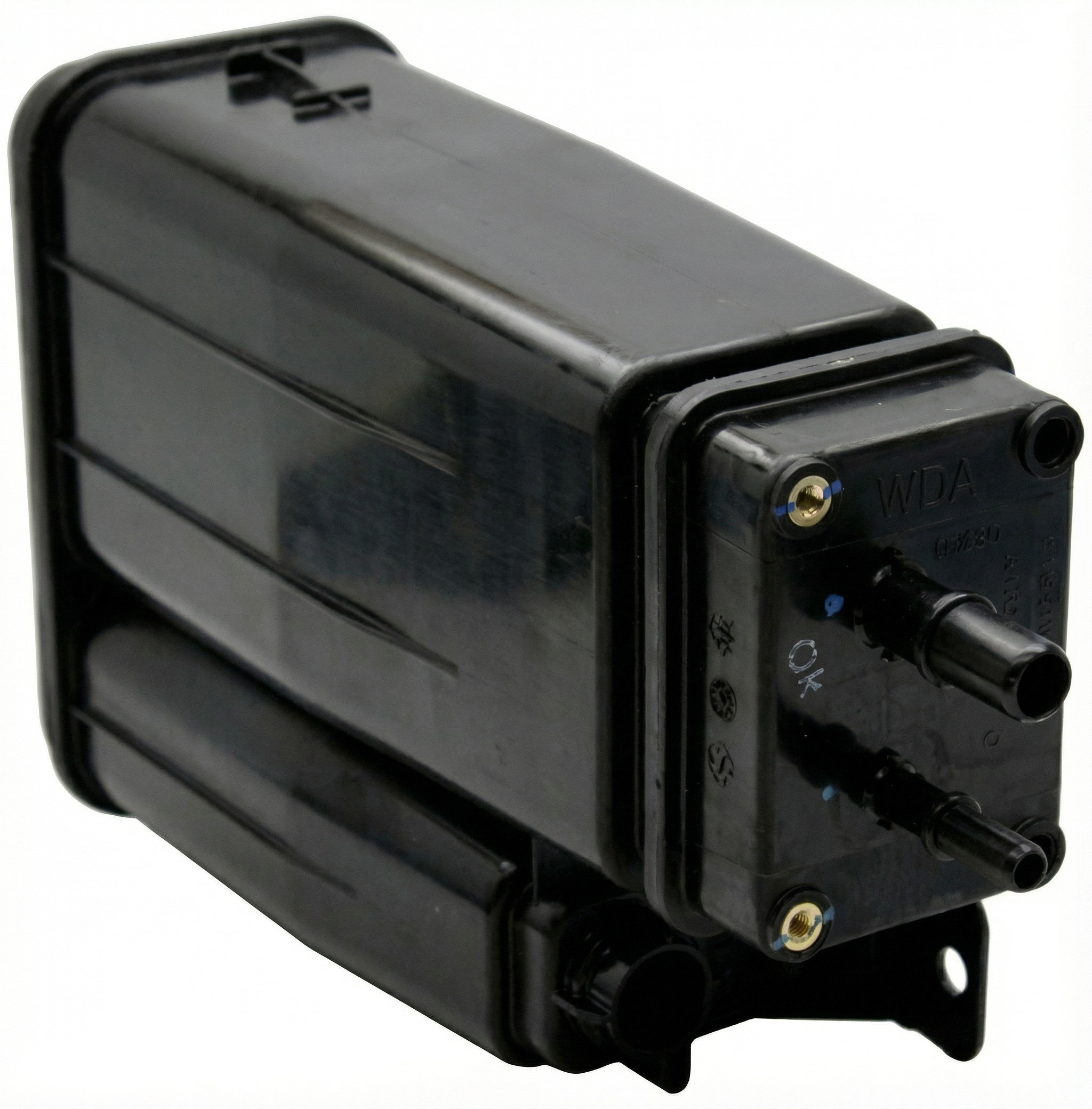
- Canister Close Valve (EVAP Vent Valve)
(OEM #31430-0W000)— This valve is the most frequent point of failure for code P2421, either by getting stuck mechanically or failing electrically.
Trusted brands: Kia (OEM), Dorman (911-799), Standard Motor Products (CVS72)
OEM price range: $70-$110
Aftermarket price range: $40-$90
Related Codes That Often Appear With This One
- P0455 — A 'Gross Leak Detected' code can accompany P2421 because a vent valve that is stuck wide open is considered a very large leak by the EVAP system.
- P0449 — This code indicates a malfunction in the vent valve's electrical circuit. You might see this instead of, or along with, P2421 if the problem is electrical 🎬 See how to diagnose and fix vent valve circuit issues (bad solenoid coil, wiring issue) rather than purely mechanical (stuck pintle).
Platform-Specific Known Issues
- A user on Walmart.com confirmed the Dorman 911-799 part was a perfect fit for their 2013 Kia Sorento and solved their P0455 error code, which often accompanies P2421.
- On Reddit, a user with a 2013 Sorento was experiencing a P0455 code and had replaced multiple other EVAP components without success. Another user correctly pointed out that the code was likely for the Vent Control Valve, not the purge valve they had already replaced, highlighting a common point of confusion.
Mechanic-Grade Diagnostic Values
- Canister Close Valve (CCV) Coil Resistance — expected: 23-26 Ω @ 68°F (20°C). Failure: An infinite resistance reading (OL) indicates an open coil, while a reading significantly outside the spec indicates a fault. The valve must be replaced.
- CCV Connector Voltage (Key On, Engine Off, Connector Plugged In) — expected: ~12 Volts on BOTH pins of the connector.. Failure: Reading ~12V on the power feed pin but 0V on the control side pin indicates an open circuit inside the solenoid's coil. This is a definitive test for a bad solenoid when the wiring is known to be good.
Scan Tool Commands That Help
- Kia GDS (Global Diagnostic System): Actuation Test: Canister Close Valve (CCV) / Vent Valve — This command is used to manually force the normally-open vent valve to close. A technician should listen for an audible click from the valve. This is the first step before performing a smoke test to confirm the valve is responding to the PCM's command.
Wiring & Ground Locations
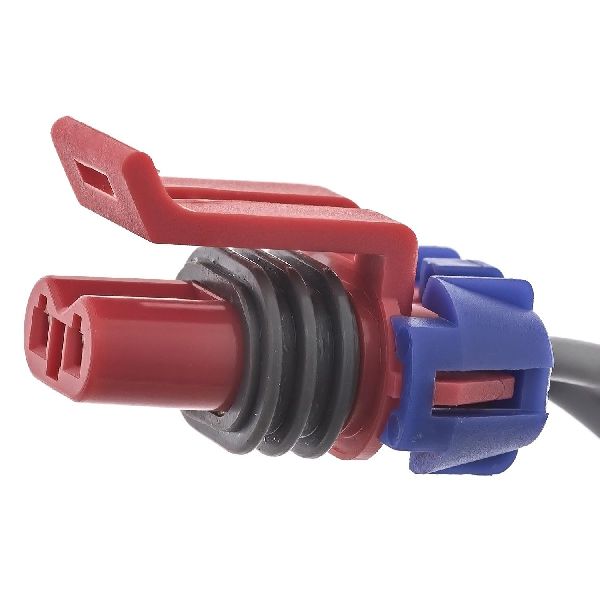
- Canister Close Valve (CCV) Connector — Under the vehicle at the rear, connected directly to the Canister Close Valve, which is mounted on or near the charcoal canister assembly.. This 2-pin connector is the primary test point for the P2421/P0449 circuit. All voltage and resistance tests are performed here. Its exposed location makes it highly susceptible to moisture, corrosion, and physical damage from road debris.
"I Checked Everything" — The Actual Cause
- A known issue on the Kia Sorento (XM generation), documented in TSB #PS162R1 for the related code P0449, is spider webs or other debris physically clogging the EVAP vent hose or the filter box at the end of it. A smoke test may not reveal this if the technician only tests the sealed system and doesn't check for airflow from the vent port itself. The system may appear to seal correctly, but the blockage prevents it from venting properly when commanded open, leading to other EVAP faults.
OEM Part Supersession History
31430-0W000→31430-0W000 (current)— No supersession found. This part number remains the primary replacement for the specified model years.
Heads up: This part number is specific to the 2011-2015 (Gen 2) Sorento and related Hyundai models. It is not compatible with the 2016+ (Gen 3) Sorento, which uses a different EVAP system design.
Model Year Variations Within This Range
- 2011-2015 (XM Generation): Uses Canister Close Valve part number 31430-0W000. This generation is also specifically noted in TSBs for issues like spider web blockages in the vent hose.
- 2016-2020 (UM Generation): The EVAP system was redesigned along with the rest of the vehicle. While the P2421 code can still occur, the specific part numbers for the canister close valve and related components are different from the earlier generation. Always verify parts by VIN for these model years.
- 2014-2015: A Technical Service Bulletin (TSB-FUE033) addresses the Fill Level Limit Valve (FLLV) inside the fuel tank, which can fail and cause a P0455 (Large Leak) code, often seen with P2421. This provides a specific repair procedure that avoids replacing the entire fuel tank.
Diagnostic Flowchart
Other Known Issues on This Vehicle
Issues unrelated to this code that are worth knowing about as an owner of this generation:
- Catastrophic Engine Failure (Theta II GDI) 🔴 High — Widespread in 2011-2016 models with 2.0L Turbo and 2.4L GDI engines, often occurring before 100,000 miles. Caused by manufacturing debris leading to connecting rod bearing failure. (Ref: Multiple recalls (e.g., NHTSA 17V-224, Kia SC147) and a major class-action lawsuit settlement provide extended warranties and potential engine replacements for affected vehicles.)
- Carbon Buildup on Intake Valves (GDI Engines) 🟠 Medium — A common issue for all Gasoline Direct Injection (GDI) engines, including those in the Sorento. Symptoms like misfires and rough idle can appear after 40,000-60,000 miles. Since fuel doesn't wash over the intake valves, oil vapor from the PCV system bakes onto them. (Ref: No specific recall, as it's considered a maintenance issue. Fix requires manual cleaning (e.g., walnut blasting).)
- Faulty Exterior Door Latches 🟠 Medium — Particularly noted on the 2011 model year, where exterior door handles fail, preventing doors from being opened from the outside. This can be a safety issue.
- Premature Headlight Bulb Burnout 🟡 Low — Common complaint on second-generation (2011-2015) models where headlight bulbs fail more frequently than expected.
- Steering Column 'Sticking' 🟠 Medium — Reported in 2016-2018 models, where the steering can feel like it's sticking in the straight-ahead position, requiring extra force to initiate a turn. (Ref: The solution often involves replacing the electric steering gear assembly.)
- Transmission Shifting Issues 🟠 Medium — Some owners of various model years have reported jerky shifting, hesitation, or shuddering, particularly at low speeds. (Ref: In some cases, a transmission logic update (software reflash) from the dealer can resolve the issue.)
Used vs. New Parts: Buying Guide for This Vehicle
When a used part is the smart pick: A used Canister Close Valve (CCV) from a reputable auto recycler is a reasonable choice for this repair. The part is a simple solenoid that typically fails from electrical burnout or debris intrusion, not gradual wear. Given the low cost of a new aftermarket part, the savings may be minimal, but it's a viable option if a low-mileage donor is available.
Donor-vehicle mileage cap: roughly under 80000 miles for the part to have meaningful remaining life.
What to inspect on the donor part:
- Check the electrical connector pins for any signs of green or white corrosion.
- Inspect the vent port for excessive dirt, mud, or signs of insect nests.
- Ensure the plastic housing is not cracked or damaged from road debris impact.
- If possible, briefly apply 12V across the two pins to confirm it makes an audible 'click'.
OEM-only on this vehicle (don't cheap out):
- Charcoal Canister: It is recommended to use an OEM charcoal canister if it needs replacement. Aftermarket units may use different carbon media that can have different flow characteristics, potentially leading to persistent, difficult-to-diagnose EVAP codes.
Aftermarket brands forum-validated for this vehicle:
- Dorman (specifically 911-799 for 2011-2019 models)
- Standard Motor Products (SMP)
Real Owner Stories
Aggregated from forums and TSBs cited above. Mileages and costs reflect what owners reported in those sources.
2013 Kia Sorento
Symptoms: Owner was experiencing a P0455 error code, which often accompanies P2421.
What fixed it: Replacing the canister close valve with Dorman part 911-799 solved the code.
Source hint: vehicle_specific_issues: A user on Walmart.com confirmed the Dorman 911-799 part was a perfect fit for their 2013 Kia Sorento.
2013 Sorento
Symptoms: Owner was experiencing a P0455 code and had replaced multiple other EVAP components without success.
What fixed it: The issue was identified as a faulty Vent Control Valve (Canister Close Valve), not the purge valve which had been mistakenly replaced.
Source hint: Reddit r/KiaSorento - Thread '2013 Kia Sorento EVAP System'
Related OBD-II Codes
Frequently Asked Questions
I'm getting a P2421 code on my Sorento. Is the Dorman 911-799 part the correct one to fix it?
I replaced the purge valve in the engine bay for an EVAP code on my 2013 Sorento, but the light is still on. What did I do wrong?
Where is the canister close valve located on a 2011-2020 Kia Sorento?
What is the most common reason for a P2421 code on this specific Kia Sorento?
Is the P2421 EVAP code related to the major Theta II engine recalls on my Sorento?
Besides the Check Engine Light, what other symptoms might I notice with a P2421 code?
Is this P2421 problem also common on the Hyundai Santa Fe?
Helpful Videos
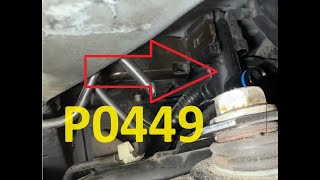
![What is P2421 Engine Code [Quick Guide]](https://img.youtube.com/vi/8PRsQUUG9Zw/mqdefault.jpg)
Used OEM Parts in Stock
New Aftermarket Parts Available


The information in this article is provided for general reference and educational purposes only. Vehicle specifications, procedures, and part compatibility can vary by production date, trim level, and region. Always consult your vehicle's factory service manual and verify part numbers before purchasing or performing repairs. Safety-critical components such as airbags, seat belts, and braking systems should be installed by a qualified professional.
- Kia Sorento:
- 🎬 Helpful Videos
- 🛍️ Shop This Part
- What's Unique About the 2011-2020 Kia Sorento
- Symptoms You May Notice
- Most Likely Causes
- Rare But Worth Checking
- Diagnosis Steps
- Parts You'll Likely Need
- Related Codes That Often Appear With This One
- Platform-Specific Known Issues
- Mechanic-Grade Diagnostic Values
- Scan Tool Commands That Help
- Wiring & Ground Locations
- "I Checked Everything" — The Actual Cause
- OEM Part Supersession History
- Model Year Variations Within This Range
- Diagnostic Flowchart
- Other Known Issues on This Vehicle
- Used vs. New Parts: Buying Guide for This Vehicle
- Real Owner Stories
- 2013 Kia Sorento
- 2013 Sorento
- Related OBD-II Codes
- Frequently Asked Questions
- 🎟️ Get 5% Off