

P1442 on 1997-2004 Porsche 911: Understanding This Rare Code and the Likely P0442 EVAP Leak
P1442 is not a recognized or documented trouble code for the 1997-2004 Porsche 911 (996). It is almost certainly a typo for P0442, which indicates a small leak in the evaporative emission (EVAP) system. The most common fixes for P0442 are replacing the gas cap or the fuel filler vent valve.
- The code P1442 is not documented for the Porsche 911 (996). You almost certainly have a P0442 code, which means a small EVAP leak.
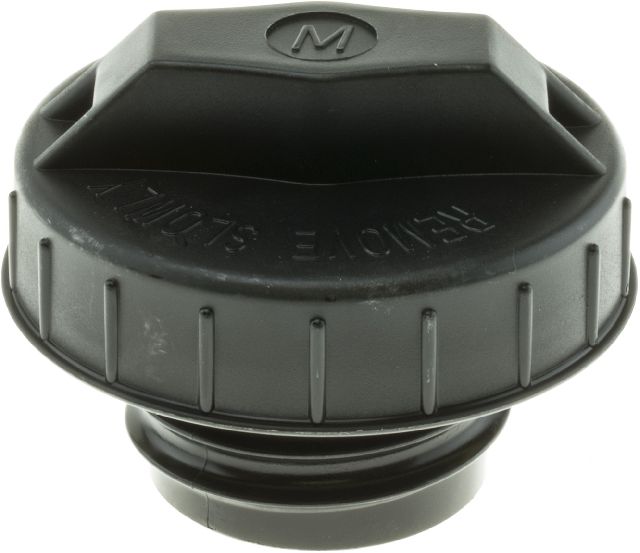
- Before attempting any complex repairs, tighten the gas cap and inspect its seal. A new OEM gas cap (P/N 99620124103) is a cheap and very common fix.
- If you have trouble filling your gas tank, the Fuel Filler Vent Valve (P/N 99620114301) is the most likely culprit.
- If the gas cap and vent valve don't solve the issue, a smoke test by a qualified mechanic is the most efficient way to find the leak.
- This code will cause an emissions test failure but is not mechanically harmful to the car.
What's Unique About the 1997-2004 Porsche 911
The Porsche 911 (996 generation) community on forums like Rennlist and Pelican Parts has extensively documented diagnostics and fixes for the P0442 EVAP leak code. However, there are no credible reports or discussions of P1442 for this specific vehicle. The symptoms often associated with P0442 on the 996, such as difficulty refueling or a fuel smell, are frequently traced back to a specific fuel filler vent valve, a known common failure point on this platform.
Symptoms You May Notice
- Check Engine Light is illuminated.
- Difficulty refueling (the gas pump nozzle clicks off repeatedly before the tank is full).
- A smell of gasoline around the car, especially near the fuel filler area or right-front wheel well.
- A 'whoosh' sound is NOT present when opening the gas cap (indicating a loss of tank pressure).
- In rare cases, a rough idle after refueling if the purge valve is stuck open.
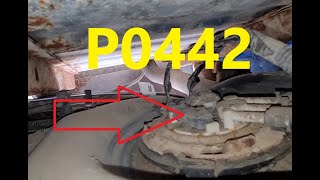
- Replacing the O2 sensors. EVAP codes are related to fuel vapor pressure, not exhaust gas composition. 🎬 Watch: A mechanic explains common causes and fixes for P0442 codes.
- Replacing the Mass Airflow (MAF) sensor. A MAF issue would typically present with different codes (e.g., P0101, P0102) and drivability problems related to air/fuel mixture.
Most Likely Causes
- Loose or Faulty Gas Cap 🔴 High Probability The gas cap seal is a simple rubber O-ring that degrades, cracks, or flattens over time, preventing a proper seal. It's the first, cheapest, and most common part to fail, triggering a P0442.
How to confirm: Ensure the cap is tightened until it clicks at least three times. Inspect the rubber O-ring seal for cracks, brittleness, or damage. A user on Pelican Parts noted that after 20 years, his original cap was the cause of his CEL, and a new one resolved it. Swapping with a known-good cap is a quick diagnostic step.
Typical fix: Replace the gas cap with a new OEM part.
Est. part cost: $25-$50 - Faulty Fuel Filler Vent Valve (Bleeder Valve) 🔴 High Probability This valve, located on the fuel filler neck, is a very well-documented failure point on the 996 and its platform-mate, the 986 Boxster. It gets stuck, preventing the fuel tank from venting properly during refueling and causing the system to fail its pressure test.
How to confirm: The primary symptom is the gas pump nozzle repeatedly shutting off during refueling. A Rennlist user confirmed that replacing this valve solved their fill-up issue even though the old valve seemed to click audibly. The part is located behind the front passenger-side wheel well liner.
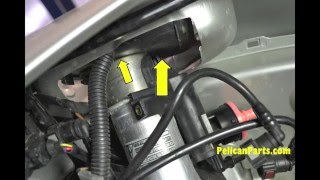
Typical fix: Replace the fuel filler vent valve. 🎬 Watch: Step-by-step guide to replacing the fuel filler vent valve. This can be a tricky DIY due to tight access.
Est. part cost: $80-$130 - Cracked or Disconnected EVAP Hoses 🟡 Medium Probability The plastic and rubber vacuum lines become brittle with age and heat cycles, especially in the engine bay and around the charcoal canister.
How to confirm: Visually inspect all accessible EVAP lines between the engine, charcoal canister (located in the front passenger wheel well), and fuel tank for cracks, disconnection, or decay. A smoke test, where a mechanic pumps low-pressure smoke into the EVAP system, is the definitive way to find small leaks. A common injection point for the smoke is at the purge valve connection near the throttle body.
Typical fix: Replace the specific cracked hose section.
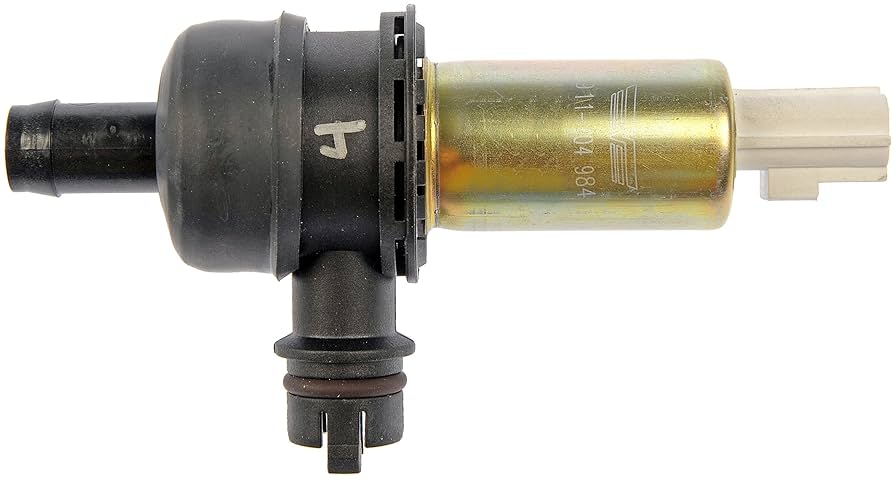
Est. part cost: $10-$100 - Faulty EVAP Purge Valve (Regeneration Valve) ⚪ Low Probability This valve (Bosch P/N 0280142380) controls the flow of fuel vapors from the charcoal canister to the engine. While it can fail, it's less common for the 'small leak' code on the 996 than the filler vent valve or gas cap.
How to confirm: With the engine running, a functioning valve will click intermittently. A scan tool like Durametric can command the valve to open and close to test its function. It can also be removed and tested for leakage with a hand-held vacuum pump.
Typical fix: Replace the purge valve, located in the engine bay.
Est. part cost: $70-$150
Rare But Worth Checking
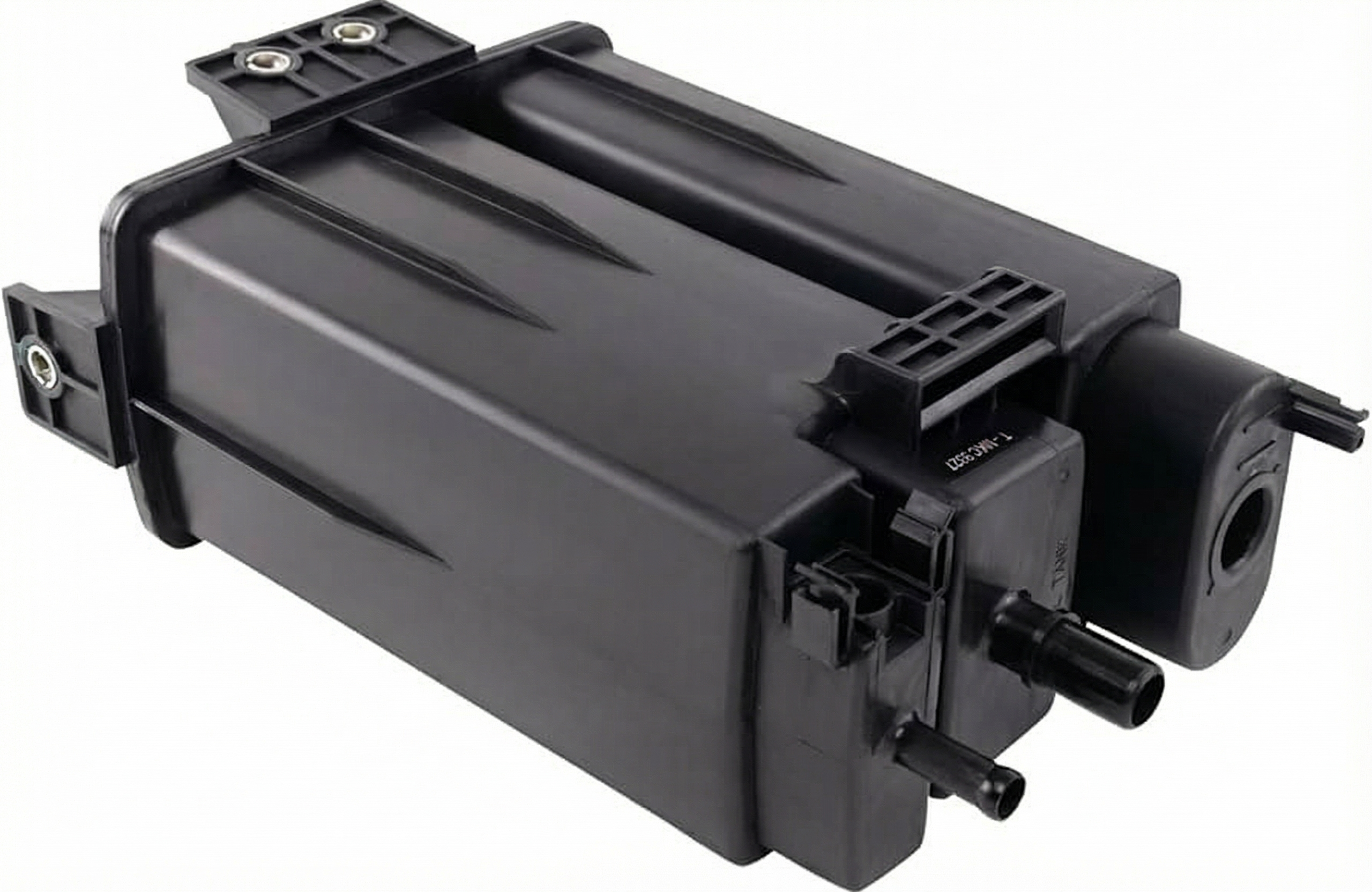
- Cracked Charcoal Canister: The plastic housing of the charcoal canister, located in the front passenger wheel well, can develop hairline cracks over time, creating a leak. This is usually the last component to be suspected and is almost always found with a smoke test after all other common causes have been ruled out.
Diagnosis Steps
- Verify the code with an OBD-II scanner. Confirm if it is P1442 or the more likely P0442.
- Inspect the gas cap. Ensure it is tight and the seal is not cracked or worn. If in doubt, replace it with a genuine Porsche cap, clear the codes, and drive for a few days.
- If the code returns, pay attention to refueling. If the pump nozzle clicks off constantly, the Fuel Filler Vent Valve is the primary suspect.
- Visually inspect all visible EVAP vacuum lines in the engine bay and around the charcoal canister (front right wheel well) for obvious cracks or disconnections.
- If no obvious issues are found, perform a professional smoke test. A Rennlist forum member recommends injecting smoke through the purge valve connection near the throttle body using nitrogen instead of compressed air for safety. This will precisely locate the source of the small leak. 🎬 See how to perform a professional smoke test on a 996.
- Based on the smoke test results, replace the leaking component, which could be a hose, the charcoal canister, or a valve.
- After repair, clear the codes. The car will need to complete a full drive cycle for the EVAP monitor to become 'Ready' for an emissions test.
Parts You'll Likely Need
- Gas Cap
(OEM #99620124103)— This is the simplest and most common failure point for small EVAP leaks. The seal degrades over time. This part number supersedes 99620124100, 99620124101, and 99620124102.
Trusted brands: Porsche (OEM), Febi Bilstein, LN Engineering (Billet Aluminum)
OEM price range: $30-$50
Aftermarket price range: $20-$40 - Fuel Filler Neck Vent Valve / Bleeder Valve
(OEM #99620114301)— A very common failure on the 996 platform that directly causes the P0442 code and refueling issues. This part number supersedes 99620114300.
Trusted brands: Porsche (OEM)
OEM price range: $80-$130 - EVAP Purge Valve
(OEM #99660520301 (Porsche), 0280142380 (Bosch))— A less common, but still possible, cause of EVAP leaks when it fails to seal properly. The Bosch part is the OEM equivalent and often cheaper.
Trusted brands: Bosch, Porsche (OEM)
OEM price range: $100-$150
Aftermarket price range: $70-$100
Platform-Specific Known Issues
- Real Owner Experience: Gas Cap and Vent Valve: A user on Rennlist with a 2002 996 reported getting a P0442 code. They first replaced the gas cap, but the light returned within 100 miles. After visually inspecting the EVAP components in the wheel well, they suspected the filler vent valve was internally faulty despite looking fine, a common scenario.
- Real Owner Experience: Refueling Problem Solved: On 6SpeedOnline, a 2004 996 Turbo owner documented a severe refueling issue where the pump would shut off immediately. After incorrectly diagnosing and replacing the filler neck vent valve, the actual culprit was found to be a different valve on the tank itself. However, his initial troubleshooting confirms the filler neck vent valve is the primary suspect for this symptom on the 996 platform.
- DIY Smoke Test Discussion: In a Rennlist thread, members discuss the best procedure for a DIY smoke test to find a P0442 leak. The consensus is to disconnect the purge valve near the throttle body and introduce smoke there. A key safety tip shared was to use an inert gas like nitrogen to push the smoke, rather than an air compressor, to avoid pumping oxygen into the fuel system.
Mechanic-Grade Diagnostic Values
- EVAP Canister Purge Valve Resistance — expected: 26 ± 4 ohms at 20°C. Failure: A reading outside this range indicates a faulty valve coil.
Scan Tool Commands That Help
- Durametric: EVAP Canister Purge Valve Activation — To test the function of the purge valve located in the engine bay. With the engine off, activating this function should produce an audible click from the valve, confirming the solenoid is working. A lack of a click indicates a failed valve.
- Durametric: Charcoal Canister Shut-off Valve Activation — To test the function of the vent valve located in the front wheel well. Activating this should produce an audible click, which is louder than the purge valve's click. This confirms the valve is receiving a signal and the solenoid is actuating.
- Porsche System Tester 2: Short Test Menu - Fuel Tank Ventilation Diagnosis — To initiate the EVAP leak test manually, reducing the required wait time after engine start-up from over 16 minutes to just 30 seconds. This is useful for quickly verifying if a repair has been successful without a full drive cycle.
Wiring & Ground Locations
- Fuel Filler Neck Ground Wire — Attached to one of the two 10mm bolts that secure the fuel filler vent valve bracket to the filler neck, located behind the front passenger-side wheel well liner.. A poor ground connection at this point could potentially affect the operation of EVAP system components located in the filler neck area, although it is not a commonly cited cause for P0442. It is important to ensure it is clean and secure during reassembly.
- DME Connector Pin 61 — Pin 61 on the DME (ECU) connector.. This is the triggering wire for the EVAP canister purge valve. A technician can test for continuity between this pin and pin 2 of the purge valve connector to diagnose wiring faults.
- DME Connector Pin 7 — Pin 7 on the DME (ECU) connector for DME 5.2.2.. This pin controls the EVAP canister shutoff valve. Issues with this circuit could cause EVAP system faults.
Real Owner Repair Stories
- Reddit user 'therealvirtualnick' (1999 911 C2 with ~89k miles) — P0442 code.
❌ Tried (didn't work) Replacing the gas cap after noticing cracks in the O-ring. The code returned a few months later.
✅ What actually fixed it The code was ultimately resolved by replacing the charcoal canister, which was diagnosed by a mechanic. - Rennlist user 'rysagreg' (2002 911 Cabriolet, 62k miles) — P0442 code.
❌ Tried (didn't work) Replacing the gas cap. The Check Engine Light returned within 100 miles., Visually inspecting all hoses and connections in the front wheel well area, which all appeared to be in good condition.
✅ What actually fixed it The user was strongly leaning towards replacing the fuel filler vent valve as the next logical step, a common resolution for this issue after the gas cap fails to fix it. - Rennlist user 'Amille28' (2001 911) — P0446 code (EVAP Vent System Performance), hard starting after refueling (cranking for 30 seconds required).
❌ Tried (didn't work) Blowing out EVAP lines with compressed air.
✅ What actually fixed it The user diagnosed a stuck-open EVAP regeneration (purge) valve by clamping the rubber line from the valve to the intake. With the line clamped, the car started perfectly after refueling. Releasing the clamp caused the engine to die from the excess fumes. The fix is to clean or replace the purge valve.
"I Checked Everything" — The Actual Cause
- In a RennTech forum thread for a P0455 (gross leak) on a 996 Turbo, a user reported that a smoke test showed no visible leaks, yet the code persisted. They had already replaced the gas cap and tested the charcoal canister valve with a Durametric. This points to intermittent valve failures or hairline cracks that only open under specific pressure/vacuum conditions, which are notoriously difficult to find even with a smoke test.
OEM Part Supersession History
99611012906 (Porsche)→Not applicable, but this is the OEM part number for the EVAP Purge Valve, which corresponds to Bosch part number 0280142380.— Bosch is the original equipment manufacturer.
Heads up: Some genuine Porsche-branded valves come with the plastic line attached, while the Bosch-branded equivalent may require reusing the original plastic line.
Model Year Variations Within This Range
- 1997-2001 (996.1) vs 2002-2004 (996.2): The 996 underwent a significant facelift for the 2002 model year (996.2). While the fundamental EVAP system design remained similar, major vehicle changes occurred. The engine displacement increased from 3.4L to 3.6L, and the engine management system was updated, including a switch from a cable-actuated throttle to an electronic throttle ('E-Gas'). These electronic system changes could potentially alter how the DME runs the EVAP monitor tests, but the physical causes of leaks (caps, valves, hoses) remain consistent across the generation.
- 1997-2001 (996.1): Early 996.1 models did not come with a glove box, a feature that was added in the 996.2 facelift. This is irrelevant to the code but a key identifier of the vehicle's generation.
Diagnostic Flowchart
Other Known Issues on This Vehicle
Issues unrelated to this code that are worth knowing about as an owner of this generation:
- Intermediate Shaft (IMS) Bearing Failure 🔴 High — Affects all 1997-2005 M96 engines. Failure rate is estimated at ~1% for dual-row bearings (1997-1999) and up to 8-10% for single-row bearings (2000-2005). Failure can be sudden and catastrophic, requiring a full engine rebuild or replacement.
- Cylinder Bore Scoring 🔴 High — More common on the larger 3.6L engines (2002-2004) but can affect all M96 engines, especially in colder climates. Symptoms include a rhythmic ticking noise, increased oil consumption, and soot on one exhaust tip.
- Rear Main Seal (RMS) Leak 🟠 Medium — A common oil leak that occurs between the engine and transmission. It's more frequent on low-mileage cars that are not driven regularly, as the seal can dry out. Repair is labor-intensive as it requires transmission removal.
- Air-Oil Separator (AOS) Failure 🟠 Medium — The AOS can fail, causing large amounts of white smoke from the exhaust, rough idling, and high oil consumption as engine oil is sucked into the intake manifold. It's a common maintenance item.
- Cracked Cylinder Head/Liner 🔴 High — A less common but severe issue where a cylinder head or liner can crack, often leading to coolant and oil intermix ('milkshake'). This is a major engine-out repair.
- Coolant Expansion Tank Failure 🟡 Low — The plastic coolant expansion tank is prone to developing hairline cracks with age and heat cycles, leading to slow coolant leaks and potential overheating if not addressed. It's a common replacement item.
Used vs. New Parts: Buying Guide for This Vehicle
When a used part is the smart pick: For this repair, used parts are generally not recommended. The primary failure components are plastic valves, rubber seals (gas cap), and plastic/rubber hoses. These parts degrade with age and heat cycles. A used part from a donor vehicle of similar age is likely to have limited remaining service life and may fail soon after installation.
Donor-vehicle mileage cap: roughly under 150000 miles for the part to have meaningful remaining life.
What to inspect on the donor part:
- For a gas cap, inspect the rubber O-ring for any signs of cracking, dryness, or flattening. It should be pliable.
- For valves, there is no reliable way to visually inspect them. Functionality can only be confirmed by testing with a vacuum pump or by applying voltage (e.g., a 9V battery) to see if the solenoid clicks.
- For hoses, check for any visible cracks, hardening, or swelling. Squeeze the hose to feel for brittleness.
OEM-only on this vehicle (don't cheap out):
- Gas Cap: While aftermarket caps are available, many forum users report that only a genuine Porsche cap will reliably solve the P0442 code. The cost difference is often minimal.
- Fuel Filler Vent Valve: This is a critical component and primarily available as an OEM part. Given the labor to access it, using a new OEM part is the wisest choice to ensure a long-term fix.
Aftermarket brands forum-validated for this vehicle:
- Bosch: For the EVAP Purge Valve (Regeneration Valve), Bosch is the Original Equipment Manufacturer. Buying the Bosch-branded part (P/N 0280142380) is equivalent to the genuine Porsche part and is often significantly cheaper.
Brands owners have reported issues with on this vehicle:
- Generic or non-brand name gas caps are frequently reported by owners to not seal properly, causing the P0442 code to persist or return quickly.
Real Owner Stories
Aggregated from forums and TSBs cited above. Mileages and costs reflect what owners reported in those sources.
2004 Porsche 911 Turbo
Symptoms: A severe refueling issue where the pump would shut off immediately.
What fixed it: The actual culprit was found to be a different valve on the tank itself, after the more common filler neck vent valve was incorrectly replaced first.
Source hint: 6SpeedOnline.com: Thread 'My odyssey to fix a fuel fill issue'
Porsche 911 (1997-2004)
Symptoms: The Check Engine Light was on. The owner noted the original cap was 20 years old.
What fixed it: Replacing the original gas cap with a new one resolved the Check Engine Light.
Source hint: A user on Pelican Parts mentioned in the 'Loose or Faulty Gas Cap' cause
Porsche 911 (1997-2004)
Symptoms: The owner had a persistent fill-up issue where the gas pump would shut off.
What fixed it: Replacing the fuel filler vent valve solved the refueling problem, even though the old valve seemed to click audibly and appeared functional.
Source hint: A Rennlist user mentioned in the 'Faulty Fuel Filler Vent Valve' cause
Related OBD-II Codes
Frequently Asked Questions
I have to click the gas pump handle repeatedly to fill my 996. Is this related to the P1442 code?
I replaced the gas cap for a P1442 code, but the light came back. What's the next most likely part to check on my 911?
Where is the charcoal canister located on a 1997-2004 Porsche 911?
Is it safe to perform my own smoke test to find the EVAP leak?
My 2001 Boxster has this code. Is the diagnosis the same as for the 911?
What is the part number for the EVAP purge valve mentioned in the article?
Helpful Videos


Used OEM Parts in Stock
New Aftermarket Parts Available


The information in this article is provided for general reference and educational purposes only. Vehicle specifications, procedures, and part compatibility can vary by production date, trim level, and region. Always consult your vehicle's factory service manual and verify part numbers before purchasing or performing repairs. Safety-critical components such as airbags, seat belts, and braking systems should be installed by a qualified professional.
- Porsche 911:
- 🎬 Helpful Videos
- 🛍️ Shop This Part
- What's Unique About the 1997-2004 Porsche 911
- Symptoms You May Notice
- Most Likely Causes
- Rare But Worth Checking
- Diagnosis Steps
- Parts You'll Likely Need
- Platform-Specific Known Issues
- Mechanic-Grade Diagnostic Values
- Scan Tool Commands That Help
- Wiring & Ground Locations
- Real Owner Repair Stories
- "I Checked Everything" — The Actual Cause
- OEM Part Supersession History
- Model Year Variations Within This Range
- Diagnostic Flowchart
- Other Known Issues on This Vehicle
- Used vs. New Parts: Buying Guide for This Vehicle
- Real Owner Stories
- 2004 Porsche 911 Turbo
- Porsche 911 (1997-2004)
- Porsche 911 (1997-2004)
- Related OBD-II Codes
- Frequently Asked Questions
- 🎟️ Get 5% Off