

P0933 on 2007-2018 Jeep Wrangler: Hydraulic Pressure Sensor Fault Causes & Fixes
On 2012-2018 Wranglers with the W5A580/NAG1 transmission, this code almost always means the transmission conductor plate has failed. On earlier 2007-2011 models with the 42RLE, it's a much rarer code pointing to a faulty line pressure sensor or wiring.
- This code points to different problems depending on your Wrangler's year. **2012-2018 models** have a faulty conductor plate; **2007-2011 models** have a different, less common sensor issue.
- For 2012-2018 Wranglers, the fix is almost always replacing the transmission conductor plate, filter, fluid, and electrical connector sleeve.
- The vehicle will likely enter a 'limp mode,' making it unsafe for normal driving. Get it diagnosed and repaired promptly to avoid further damage.
- This repair requires dropping the transmission pan and valve body, placing it in the advanced DIY or professional repair category.
What's Unique About the 2007-2018 Jeep Wrangler
The Jeep Wrangler JK generation has a major powertrain split that is critical for this code. 2007-2011 models use a Chrysler 42RLE 4-speed automatic, where this code is uncommon. 2012-2018 models use a Mercedes-designed W5A580 (also called NAG1 or 722.6) 5-speed automatic. On these later models, P0933 is a very common code, and the issue is almost always a failure of the conductor plate, which houses the pressure sensor, speed sensors, and other electronics inside the transmission.
Generation note: While this covers one vehicle generation (the JK), there is a critical powertrain split. - 2007-2011 models use the 3.8L V6 and a Chrysler 42RLE 4-speed automatic. - 2012-2018 models use the 3.6L Pentastar V6 and a Mercedes W5A580/NAG1 5-speed automatic. The causes and parts needed for P0933 are completely different between these two groups.
Symptoms You May Notice
- Check Engine Light is on
- Vehicle is stuck in 'limp mode' (usually second or third gear)
- Harsh, erratic, or delayed shifting
- Inability to upshift at speed
- Transmission temperature warning light may illuminate
- Transmission may feel like it's slipping
- Replacing the entire valve body when only the conductor plate (on 2012-2018 models) is bad.
- Replacing the entire transmission without first diagnosing the specific electronic component.
- Assuming a bad TCM when the issue is a much cheaper wiring or sensor fault, often caused by a leaking 13-pin connector.
- Mistaking a leaking 13-pin connector for a leaking transmission pan gasket.
Most Likely Causes
- Failed Transmission Conductor Plate (2012-2018 Models) 🔴 High Probability On the W5A580/NAG1 transmission, the hydraulic pressure sensor is integrated into a large electronic board called the conductor plate, which sits atop the valve body. This plate is a known failure point; the internal sensors and plastic circuits become brittle and fail over time with heat cycles. The input and output speed sensors are also part of this plate and their failure is common.
How to confirm: Use an advanced scan tool to monitor live transmission data. Observe if the hydraulic pressure sensor readings are erratic, nonexistent, or do not correlate with engine RPM and gear changes. The failure of this component is so common that if the code is present, the plate is the primary suspect. One can also test the sensor circuits from the TCM connector with a voltmeter.
Typical fix: Replace the entire conductor plate assembly. It is also highly recommended to replace the transmission filter, fluid, pan gasket, and the 13-pin electrical connector sleeve at the same time, as the O-rings on the old sleeve are a common leak point that can wick fluid up the wiring harness.
Est. part cost: $150-$350 - Low or Contaminated Transmission Fluid 🟡 Medium Probability Low fluid levels can cause the pump to suck in air, leading to erratic pressure readings. Old, burnt, or contaminated fluid can cause solenoids to stick or passages to clog, also affecting pressure. Using the wrong fluid type is also a major cause of issues.
How to confirm: Check the transmission fluid level and condition. For the W5A580, this requires a special dipstick tool as it does not come with one from the factory. The fluid should be at the correct level and temperature. Fluid should be reddish-pink and not smell burnt. Dark brown/black fluid or fluid with metal shavings indicates a more serious internal problem.
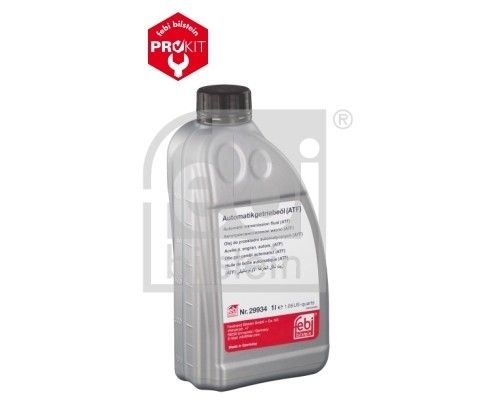
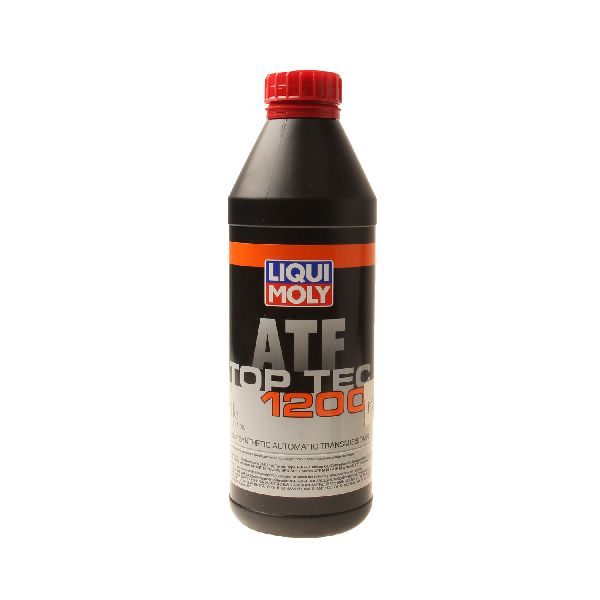
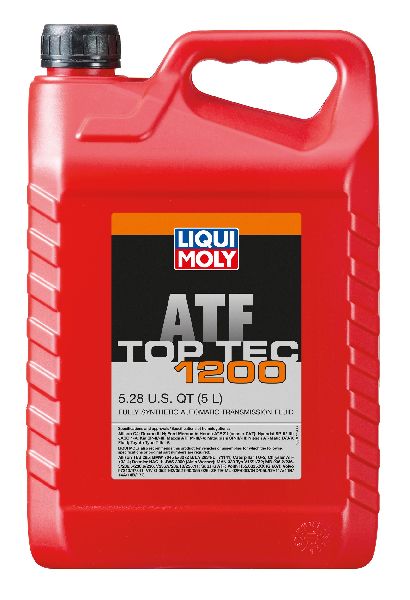
Typical fix: Perform a transmission fluid and filter change using the correct fluid: Mopar ATF+4 for the 42RLE and Shell ATF 134 / Mopar ATF for NAG1 (P/N 68218057AC) for the W5A580.
Est. part cost: $80-$175 - Faulty Line Pressure Sensor/Transducer (2007-2011 Models) ⚪ Low Probability This code is rare on the 42RLE transmission. When it does occur, it may be due to the failure of the individual line pressure sensor (transducer), which is part of the governor pressure assembly. This part is responsible for regulating pressure based on vehicle speed.
How to confirm: The sensor is located inside the transmission on the valve body. Diagnosis involves testing the sensor's circuit for proper voltage and ground. This is less common than other transmission issues on the 42RLE.
Typical fix: Replace the governor pressure sensor/transducer and solenoid assembly. This requires dropping the transmission pan. The Mopar part is often sold as a block with both the sensor and solenoid.
Est. part cost: $100-$200
Rare But Worth Checking
- Damaged Wiring or Leaking Connector: The main 13-pin connector on the W5A580 transmission (2012-2018) is notorious for leaking fluid. The ATF can wick up the wiring harness all the way to the TCM, causing shorts and incorrect readings. On any model, wiring can be damaged from off-roading, road debris, or improper repairs.
- Faulty Transmission Control Module (TCM): This is extremely rare. The TCM should only be considered after all other possibilities, including the sensor, conductor plate, fluid, and wiring (especially checking for fluid contamination), have been thoroughly ruled out.
Diagnosis Steps
- Scan the TCM for P0933 and any other related codes. Note any codes for speed sensors or solenoid circuits.
- Check the transmission fluid level and condition. Ensure it is clean, full, and does not smell burnt. Use the correct procedure (special dipstick for W5A580) and correct fluid type.
- On W5A580 models (2012-2018), carefully inspect the main 13-pin electrical connector for any signs of fluid leakage. If wet, unplug it and inspect the pins and the vehicle-side harness for fluid contamination.
- Using a capable scan tool, monitor the live data for the transmission line pressure sensor. Compare the 'desired' pressure to the 'actual' pressure. A reading that is stuck, erratic, or significantly different from the desired value points to a sensor/circuit issue.
- If readings are faulty on a 2012-2018 model and the connector is dry, the conductor plate is the most likely cause.
- If readings are faulty on a 2007-2011 model, the governor pressure sensor/transducer is the primary suspect.
- If the sensor appears to read correctly but the code persists, inspect the wiring harness between the transmission and the TCM for damage, chafing, or corrosion.
- As a final step, consider a faulty TCM, but only after exhausting all other options. It is more likely that fluid has wicked into the TCM connector than the module itself has failed.
Parts You'll Likely Need
- Transmission Conductor Plate Kit (2012-2018 JK)
(OEM #68021352AA (supersedes 52108308AC))— This is the most common failure point for P0933 on the W5A580/NAG1 transmission. The pressure sensor is integrated into this plate.
Trusted brands: Mopar, Dorman (917-678), Standard Motor Products (TCS111)
OEM price range: $300-$400
Aftermarket price range: $150-$250 - Transmission Fluid
(OEM #68218057AC (ATF for NAG1), 05013457AA (ATF+4))— Required for refilling the transmission. Use Mopar ATF for NAG1 (or approved Shell ATF 134) for 2012-2018 models, and Mopar ATF+4 for 2007-2011 models.
Trusted brands: Mopar, Valvoline, Shell
OEM price range: $20-$30 per quart
Aftermarket price range: $8-$15 per quart - Transmission Filter and Pan Gasket
(OEM #52108325AA (NAG1 Kit), 5013470AC (42RLE Kit))— Should always be replaced whenever the transmission pan is removed.
Trusted brands: Mopar, Wix, ATP
OEM price range: $40-$70
Aftermarket price range: $20-$40 - Transmission Electrical Connector Sleeve (2012-2018 JK)
(OEM #68021352AB)— The O-rings on this 13-pin connector fail and cause leaks. It is essential to replace it when servicing the valve body or conductor plate.
Trusted brands: Mopar, Vaico, URO Parts
OEM price range: $15-$25
Aftermarket price range: $10-$20
Related Codes That Often Appear With This One
- P0869 — P0869 is 'Line Pressure High'. It often appears with P0933 as they both relate to the line pressure sensor readings being out of specification.
- P0717 / P0720 — These codes relate to the input and output speed sensors. On the W5A580 (2012-2018), these sensors are integrated into the same conductor plate as the pressure sensor, so they often fail together.
- P0934 / P0935 — These codes indicate 'Hydraulic Pressure Sensor Circuit Low' and 'Circuit High' respectively, pointing more specifically to an electrical fault in the sensor's circuit rather than a performance/range issue.
Technical Service Bulletins (TSBs) & Recalls
- TSB 21-013-13: Discusses the transmission adaptation learn procedure for shift quality issues, relevant after replacing internal components like a valve body or conductor plate.
- TSB 09-008-15: Addresses oil filter housing leaks on 2014 model year 3.6L Pentastar engines, a common issue for this platform.
- TSB 21-013-21 REV. A: Involves reprogramming the TCM for certain diesel models but highlights the general process of software updates for transmission issues.
Platform-Specific Known Issues
- The W5A580 (NAG1) transmission used in 2012-2018 Wranglers is of Mercedes-Benz design. Its conductor plate is a widely documented failure point not just in Jeeps, but in many Chrysler and Mercedes vehicles that used this transmission.
Mechanic-Grade Diagnostic Values
- 42RLE Line Pressure Sensor (Transducer) Voltage vs. Pressure — expected: At 0 PSI, voltage should be ~0.39V. At 30 PSI, voltage should be ~0.5V. At 120 PSI, voltage should be ~2.0V. The voltage should increase linearly with pressure.. Failure: A sensor that does not show increasing voltage with pressure, or has a reading that is stuck or erratic, is faulty.
- 42RLE Line Pressure Sensor (Transducer) Resistance — expected: Between pins 1 and 2: ~1.8 kΩ. Between pins 1 and 3: ~3.2 kΩ. Between pins 2 and 3: ~1.4 kΩ. Note that readings can vary slightly based on temperature.. Failure: Readings that are significantly different, open (infinite resistance), or shorted (zero resistance) indicate a failed sensor.
- NAG1/W5A580 Line Pressure Sensor Voltage (General) — expected: The signal wire should operate between 0.35V and 4.75V.. Failure: Voltage below 0.35V may set a P0934 (Circuit Low) code, while voltage above 4.75V may set a P0935 (Circuit High) code. A reading stuck at a high value (e.g., 252 psi on some scan tools) is a strong indicator of a failed sensor within the conductor plate.
- NAG1/W5A580 Line Pressure Solenoid Resistance — expected: Approximately 4.0 - 4.3 Ohms.. Failure: A reading significantly outside this range, or an open circuit, points to a faulty solenoid. While not the pressure sensor itself, a bad solenoid can cause pressure regulation issues that may contribute to setting P0933.
Scan Tool Commands That Help
- wiTECH, JScan, Autel, or other advanced scanner: Reset Learned Adaptives / Quick Learn (NAG1) — This procedure is mandatory after replacing the conductor plate, valve body, or Transmission Control Module (TCM) on 2012-2018 models with the NAG1 transmission. It recalibrates clutch fill volumes and shift points to match the new components. Failure to perform this can result in poor shifting even with new parts.
- wiTECH, JScan, Autel, or other advanced scanner: Store Learned Adaptives (NAG1) — After performing the Quick Learn drive cycle, the TCM stores the new adaptive values. This command can be used to force the TCM to save the values immediately, or it will do so on its own after the vehicle has been running for at least 10 minutes post-relearn.
Wiring & Ground Locations
- TCM Location (2012-2018 JK) — Located in the engine bay, on the left rear of the engine compartment, near the firewall.. This is the module that receives the signal from the line pressure sensor. When diagnosing wiring faults, technicians need to test for continuity and voltage at the TCM connector pins. Fluid wicking from the 13-pin connector can travel up the harness to this module.
- TCM Location (2007-2011 JK) — The Powertrain Control Module (PCM) integrates the TCM functions. It is located in the engine compartment on the passenger side, near the firewall and behind the battery.. This is the destination for the line pressure sensor signal on 42RLE-equipped models. All circuit tests will terminate at the PCM connectors.
- Ground G202 — Located on the left side of the dash.. This is a major interior ground point. While not directly tied to the transmission harness, a poor ground here can cause a variety of seemingly unrelated electrical issues and erratic module behavior that could potentially mimic sensor failures.
- NAG1 13-Pin Connector — On the passenger side of the W5A580/NAG1 transmission case, pointing towards the front of the vehicle.. This is the single electrical interface for the entire valve body, including the conductor plate and its integrated pressure sensor. It is the primary point for checking for ATF leaks that can wick up the harness and is where external circuit testing begins.
Real Owner Repair Stories
- AutoZone.com Reviewer 'Jason' (2012 Jeep Wrangler (NAG1 Transmission)) — Not specified, but resulted in a full valve body rebuild.
✅ What actually fixed it The reviewer replaced the conductor plate with a Dorman 917-678 unit during a valve body rebuild, stating the fit was 'perfect' on the NAG1 valve body.
OEM Part Supersession History
52108308AC→68021352AA— This is the part number for the transmission conductor plate for the W5A580/NAG1. The change reflects revisions and updates by the manufacturer.
Heads up: Aftermarket alternatives like Dorman 917-678 are available and cross-reference to these OEM numbers.Multiple (e.g., 5166827aa, 5189122aa, 52108322ab)→68021352AA (Note: This PN is used for both the conductor plate and the connector plug by Mopar, causing confusion. The connector plug is also referenced as 68021352AB).— This refers to the 13-pin adapter plug (connector sleeve) for the NAG1 transmission. The part has been revised multiple times to improve the O-ring seal and prevent leaks.
Heads up: When replacing, it is critical to use the latest revision to ensure the best seal. The part number 68021352AA is listed as a replacement for many previous versions.
Model Year Variations Within This Range
- 2007-2011: These models use the 42RLE 4-speed transmission. P0933 is uncommon and points to the governor pressure sensor/transducer assembly, a component separate from the main solenoid pack.
- 2012-2018: These models use the W5A580/NAG1 5-speed transmission. P0933 is very common and almost always caused by the failure of the conductor plate, which has the line pressure sensor integrated onto it. A 'Quick Learn' procedure is required after replacement.
Diagnostic Flowchart
Other Known Issues on This Vehicle
Issues unrelated to this code that are worth knowing about as an owner of this generation:
- Death Wobble 🔴 High — Common on both stock and lifted JKs, often triggered by hitting a bump at speeds over 45 mph. Caused by worn front-end components. (Ref: No specific recall, but it's a widely acknowledged issue. The most common culprit is a worn track bar bolt or bushing.)
- Cracked Exhaust Manifold (3.8L V6) 🟠 Medium — Very common on 2007-2011 models. The original cast iron manifolds are prone to cracking from heat cycles, causing a ticking noise, especially when cold.
- Oil Filter Housing / Cooler Leak (3.6L Pentastar) 🔴 High — Extremely common on 2012-2018 models. The plastic housing cracks or the gaskets fail, causing oil to leak into the engine valley and run down the back of the transmission, often misdiagnosed as a rear main seal leak. (Ref: TSB 09-008-15 (for 2014 models), TSB 21-013-21 (general oil leak diagnosis))
- Totally Integrated Power Module (TIPM) Failure 🔴 High — Common across the JK generation. A faulty TIPM can cause a wide range of bizarre electrical issues, including the fuel pump not running, horn going off randomly, or starter issues. (Ref: Subject of a class-action lawsuit, but no universal recall was issued.)
- Water Leaks (Hard Top and Soft Top) 🟡 Low — A persistent issue for many owners. Leaks commonly occur around the A-pillars, door seals, and hardtop freedom panels. Requires periodic seal maintenance and adjustment.
Used vs. New Parts: Buying Guide for This Vehicle
When a used part is the smart pick: For this specific repair, buying used electronic transmission components is strongly discouraged. A used valve body assembly might be considered if a known-good, low-mileage donor is available, but the conductor plate on it should still be replaced with a new part.
Donor-vehicle mileage cap: roughly under 50000 miles for the part to have meaningful remaining life.
What to inspect on the donor part:
- Verify the donor vehicle's mileage.
- Inspect the transmission fluid from the donor for clarity and color; avoid any with dark, burnt, or metallic fluid.
- If buying a complete transmission, check for external damage, corrosion, and the condition of the electrical connectors.
OEM-only on this vehicle (don't cheap out):
- Transmission Control Module (TCM): Due to programming requirements, a new or professionally refurbished OEM unit is the only reliable option if the TCM is confirmed faulty.
Aftermarket brands forum-validated for this vehicle:
- Dorman (917-678 Conductor Plate): Widely available and reported by users to be a functional alternative to OEM.
- Standard Motor Products (TCS111 Conductor Plate): Another established aftermarket brand for this component.
Brands owners have reported issues with on this vehicle:
- Unbranded, no-name conductor plates from online marketplaces are a significant gamble. Given the labor involved in replacement, using a part from an unverified manufacturer is not recommended.
Related OBD-II Codes
Frequently Asked Questions
My 2014 Wrangler is stuck in limp mode. Is the conductor plate the most likely cause for code P0933?
What transmission fluid should I use for my 2013 Jeep Wrangler when servicing a P0933 code?
I have a 2008 Wrangler with P0933. Is the conductor plate also the problem on my model?
When replacing the conductor plate, what other parts are recommended to be changed at the same time?
Does TSB 21-013-13 fix the P0933 code?
My mechanic found fluid in the 13-pin transmission connector. Could this cause P0933?
Is this P0933 conductor plate issue unique to the Jeep Wrangler?
Used OEM Parts in Stock


New Aftermarket Parts Available

The information in this article is provided for general reference and educational purposes only. Vehicle specifications, procedures, and part compatibility can vary by production date, trim level, and region. Always consult your vehicle's factory service manual and verify part numbers before purchasing or performing repairs. Safety-critical components such as airbags, seat belts, and braking systems should be installed by a qualified professional.
- Jeep Wrangler:
- 🛍️ Shop This Part
- What's Unique About the 2007-2018 Jeep Wrangler
- Symptoms You May Notice
- Most Likely Causes
- Rare But Worth Checking
- Diagnosis Steps
- Parts You'll Likely Need
- Related Codes That Often Appear With This One
- Technical Service Bulletins (TSBs) & Recalls
- Platform-Specific Known Issues
- Mechanic-Grade Diagnostic Values
- Scan Tool Commands That Help
- Wiring & Ground Locations
- Real Owner Repair Stories
- OEM Part Supersession History
- Model Year Variations Within This Range
- Diagnostic Flowchart
- Other Known Issues on This Vehicle
- Used vs. New Parts: Buying Guide for This Vehicle
- Related OBD-II Codes
- Frequently Asked Questions
- 🎟️ Get 5% Off