

P0843 on 2006-2011 Honda Civic: Causes and Fixes for 2nd Clutch Pressure Switch
On a 2006-2011 Honda Civic, P0843 almost always means the 2nd clutch transmission fluid pressure switch has failed. A 'Circuit High' fault indicates an open circuit, often from a failed switch or chewed wire. Expect to pay $40-$95 for the part and replace it yourself in about an hour.
- P0843 on a 2006-2011 Civic is a very common code that almost always points to a failed 2nd clutch pressure switch.
- Symptoms are alarming (flashing 'D' light, limp mode) but the fix is relatively simple and inexpensive.
- The correct OEM part number is 28600-RPC-004. Always replace the 10mm crush washer (90471-PW7-A00) at the same time to prevent leaks.
- The job is DIY-friendly for those comfortable with basic tools, requiring removal of the airbox to access the switch on top of the transmission. A 22mm or 7/8" deep socket is needed.
- Before buying parts, perform a quick visual inspection of the sensor's single blue/yellow wire to check for obvious damage from rodents or heat.
- This issue is also common on the Canadian Acura CSX, which is mechanically identical.
What's Unique About the 2006-2011 Honda Civic

The 8th generation Honda Civic (2006-2011) is well-documented for having this specific pressure switch fail with age and mileage. Unlike some transmission codes that can be ambiguous, P0843 on this platform points quite reliably to the switch itself or its wiring. The issue is so common that numerous owner forums and DIY videos detail the exact location and replacement process, making it a well-understood problem for this specific vehicle. The transmission case even has a '2' cast into it to help identify the correct switch.
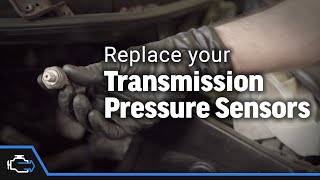
🎬 Watch: A quick overview of the Civic's transmission pressure sensors.Symptoms You May Notice
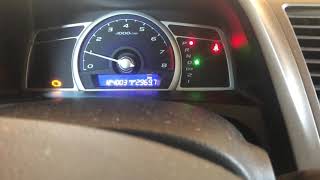
- Flashing 'D' (Drive) indicator light on the dashboard.
- Check Engine Light (CEL) is on.
- Transmission may not shift properly, often getting stuck in 2nd or 3rd gear (limp mode).
- Harsh or delayed shifting, particularly between 1st and 2nd gear.
- Inability to accelerate to highway speeds due to being stuck in a lower gear, with RPMs around 3500-4000 at 60-70 mph.
- After replacement, shifts may feel quicker and more crisp than before the failure.
- Replacing the entire transmission when only a simple, inexpensive switch is needed.
- Replacing the wrong pressure switch. The 8th Gen Civic has multiple pressure switches; P0843 specifically refers to the 2nd clutch switch (Switch 'A'), which has a blue connector and is located on the top rear of the transmission.
- Assuming low fluid is the cause. While low fluid can cause shifting problems, a 'Circuit High' code is an electrical fault, not a pressure fault.
Most Likely Causes

- Faulty 2nd Clutch Transmission Fluid Pressure Switch 🔴 High Probability The switch is a known failure point on this transmission as it ages, often failing internally and creating an open circuit. It can fail intermittently at first before failing completely.
How to confirm: After verifying wiring is intact, replacing the switch is the most direct confirmation. A technician can monitor the switch's status on a scan tool; if it doesn't change state when shifting into 2nd gear, the switch is bad. A multimeter can also be used to test the old switch for continuity to ground; a faulty switch will often show infinite resistance (open).
Typical fix: Replace the 2nd clutch pressure switch and the corresponding 10mm crush washer.
Est. part cost: $30-$95 - Wiring or Connector Issue 🟡 Medium Probability The wiring harness in the engine bay is susceptible to damage from rodents, heat, and vibration over time. Rodents are frequently cited as chewing through the single wire leading to the sensor, which is often blue/yellow. Corrosion can also build up in the connector.
How to confirm: Visually inspect the wire and connector leading to the pressure switch for any signs of damage, corrosion, or being chewed. Check for reference voltage at the connector with the key on. With the connector disconnected, you can also jump the connector's pin to a body ground; if the code can then be cleared or changes state on a scanner, the wiring is good and the switch is bad.
Typical fix: Repair the damaged section of wire or replace the connector pigtail. Clean corroded terminals and apply dielectric grease.
Est. part cost: $5-$25 - Low or Dirty Transmission Fluid ⚪ Low Probability
How to confirm: Check the transmission fluid level on the dipstick (when the engine is warm and off) and observe its color and smell. The fluid should be pink/red and not smell burnt.
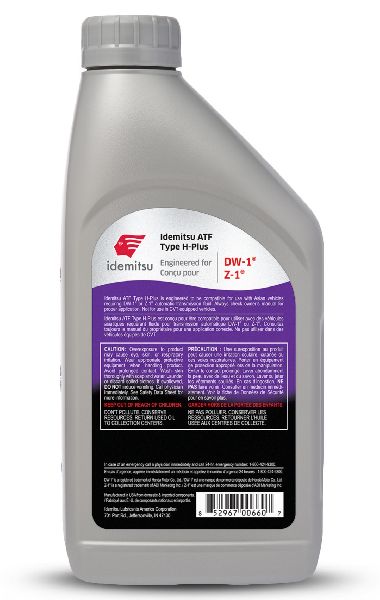
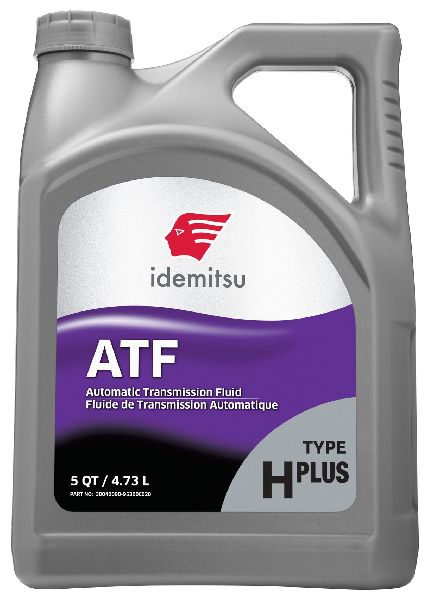
Typical fix: Perform a transmission fluid drain and fill using Honda DW-1 ATF. If the fluid is very dirty or contains large metal shavings, it may indicate a more serious internal transmission problem that is separate from the P0843 electrical fault.
Est. part cost: $30-$50
Rare But Worth Checking
- Faulty Powertrain Control Module (PCM): This is extremely rare. The PCM should only be considered after all other possibilities, including the switch and wiring, have been exhaustively ruled out. A faulty PCM will typically cause multiple other error codes.
Diagnosis Steps
- Read the code with an OBD-II scanner to confirm P0843 is present.
- Check the transmission fluid level and condition. Ensure it is at the proper level and doesn't appear burnt or excessively dirty. Use only Honda DW-1 ATF if a top-off is needed.
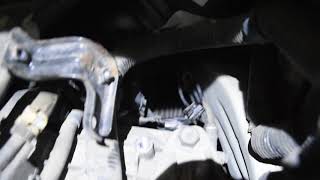
- Locate the 2nd clutch pressure switch. It is on the top/back of the transmission, underneath the air filter box assembly. It has a blue electrical connector.
- Inspect the single wire (often blue/yellow) and the connector attached to the switch. Look for any signs of damage, such as breaks, corrosion, or evidence of rodents chewing the wire.
- If the wiring looks good, the most likely cause is the switch itself. Replacing the switch is the most common and effective next step.
- To be more thorough, test the circuit. Disconnect the sensor and check for reference voltage (typically 5V or battery voltage) at the connector with the key on. You can also check the old switch for continuity to ground; it should have continuity when pressure is applied and be open otherwise. A failed switch is often permanently open.
- Replace the pressure switch using a 22mm or 7/8" deep well socket. 🎬 Watch this step-by-step guide to locate and replace the sensor. Always replace the 10mm aluminum crush washer (gasket) to prevent leaks.
- Clear the code with the scanner. Disconnecting the battery for a few minutes will also typically clear the code.
- Take the vehicle for a test drive to ensure the transmission shifts smoothly through all gears and the check engine light and flashing 'D' light do not return.
Parts You'll Likely Need
- 2nd Clutch Transmission Fluid Pressure Switch
(OEM #28600-RPC-004)— This is the component that fails in the vast majority of P0843 cases on this vehicle. The original part (28600-RPC-003) was superseded by 28600-RPC-013, which was then superseded by 28600-RPC-004. Some sources indicate the 2nd and 3rd gear switches are physically identical, and dealers may stock one part number for both positions.
Trusted brands: Honda (Genuine), Standard Motor Products (PS800), NTK, Intermotor
OEM price range: $80-$120
Aftermarket price range: $30-$60 - Pressure Switch Gasket / Crush Washer (10mm)
(OEM #90471-PW7-A00)— This is a one-time-use crush washer that seals the switch against the transmission case. It must be replaced with the switch to prevent leaks.
Trusted brands: Honda (Genuine)
OEM price range: $3-$10
Aftermarket price range: $1-$5
Mechanic-Grade Diagnostic Values

- Sensor Signal Voltage (KOEO or during fault) — expected: Near 0 Volts when 2nd gear is engaged.. Failure: Voltage remains high (greater than 4.8V) when 2nd gear is engaged, triggering the 'Circuit High' code.
- Sensor Circuit Reference Voltage at Connector (KOEO, connector unplugged) — expected: ~5V or Battery Voltage. Failure: 0V or significantly lower voltage indicates a problem in the wiring harness or PCM.
- Faulty Switch Resistance (switch removed from vehicle) — expected: Should be an open circuit (infinite resistance) with no pressure, and continuity to the switch body (near 0 ohms) when pressure is applied.. Failure: A resistance reading below the manufacturer's specification (e.g., 10 Megaohms) with no pressure applied indicates the switch is shorted internally.
Scan Tool Commands That Help
- Honda Diagnostic System (HDS) or equivalent professional scanner: A/T Data List -> 2nd Clutch Pressure Switch Status — This is the primary diagnostic step. While driving, a technician monitors this live data parameter. If the status does not change from 'OFF' to 'ON' when the transmission shifts into 2nd gear, it confirms a fault in the switch or its circuit.
Wiring & Ground Locations
- 2nd Clutch Pressure Switch (Switch 'A') — Top rear of the transmission case, underneath the air filter housing. The transmission case has a '2' cast into it near the switch location to aid identification.. This is the specific switch monitored by the PCM for the P0843 code. It is frequently confused with the 3rd clutch switch.
- Switch Connector — Plugs directly onto the 2nd clutch pressure switch.. This single-wire connector (and its wire, often blue/yellow) is a common point of failure due to rodent damage or corrosion. Grounding this connector's pin is a key diagnostic step to isolate a bad switch from bad wiring.
- PCM Connector B — At the Powertrain Control Module (PCM).. For a definitive wiring check, a technician would test for continuity between the pin at the switch connector and the corresponding pin at the PCM connector. For a similar code on this platform (P0848), the pin is B9, indicating the likely location for the P0843 circuit pin.
Real Owner Repair Stories
- Reddit user yz_dirtrider (2009 Honda Civic) — P0843 code present.
❌ Tried (didn't work) Replaced the 3rd clutch transmission switch.
✅ What actually fixed it The user mistakenly replaced the wrong switch. The fix, as explained by another user, is to correctly diagnose the circuit for Switch 'A' (2nd clutch) and replace that specific part or repair its wiring. - Reddit user No-Cardiologist-3596 (2009 Honda Civic, 266,000+ miles) — Check engine light on, flashing 'D' light, P0843 code.
✅ What actually fixed it A shop replaced the 2nd clutch transmission oil sensor, which cleared the code. However, the owner then experienced new symptoms of the engine revving high (RPMs shooting up) before shifting. The car began to drive normally again after a few hours of driving. This suggests the PCM may need a drive cycle to relearn shift adaptations after the repair. - NHTSA ODI #11698241 (Honda Odyssey) — While this report is for a different model, it highlights how P0843 can appear alongside other issues. An owner reported that their vehicle was diagnosed with a cylinder 3 misfire and an oil leak, and the DTC P0843 was also retrieved during the inspection.
When the Usual Fixes Don't Work
- While replacing the switch is the most common fix, it is not always the solution. A professional diagnostic approach, as detailed by a Honda technician, is to first rule out a wiring or PCM issue. With the sensor disconnected, a technician can use a jumper wire to ground the pin in the harness connector. While observing live data on a scan tool, if the switch status changes from 'OFF' to 'ON', it proves the wiring from the connector to the PCM is good, definitively condemning the switch. If the status does not change, the fault lies in the wiring harness or, very rarely, the PCM itself.
OEM Part Supersession History
28600-RPC-003→28600-RPC-013, then 28600-RPC-004— Standard part revision and improvement by the manufacturer.
Heads up: All parts in this chain are compatible. A key detail from a Honda dealer parts employee is that the 2nd (P0843) and 3rd (P0848) clutch pressure switches are physically identical, and dealers often stock only the latest part number (28600-RPC-004) to service both positions, simplifying inventory.
Model Year Variations Within This Range
- 2009-2011 (post-facelift): While most sources cite a blue connector for the 2nd clutch pressure switch, at least one video on a 2011 Civic shows the connector as being brown. Technicians should rely on the physical location and the '2' cast into the transmission case rather than solely on connector color for identification.
Diagnostic Flowchart

Other Known Issues on This Vehicle
Issues unrelated to this code that are worth knowing about as an owner of this generation:
- Cracked Engine Block (R18A1) 🔴 High — Affects 2006-early 2009 models. Coolant leaks from a crack on the back of the block, leading to overheating. Most occurred under 100k miles. Honda issued a 10-year warranty extension (TSB 10-048), which has now expired. (Ref: TSB 10-048)
- Peeling/Fading Clear Coat and Paint 🟡 Low — Widespread across many model years and colors, particularly dark ones. The clear coat fails, leading to a hazy appearance and eventual peeling down to the primer. Honda settled a class-action lawsuit in Canada for this issue on 2006-2013 Civics. (Ref: Warranty Extension / Class Action Settlement (Expired/Regional))
- Defective Rear Upper Control Arms 🟠 Medium — Common on 2006-2007 models. The factory non-adjustable control arms can cause premature and uneven rear tire wear, typically on the inside edge. A class action lawsuit was filed for this issue. The fix is to install adjustable aftermarket control arms and perform an alignment.
- Failing Passenger Side Engine Mount 🟠 Medium — The hydraulic passenger-side engine mount is prone to leaking and collapsing, causing excessive vibration at idle and clunking noises. This is a common wear item. (Ref: TSB 06-060)
- Cracked/Drooping Sun Visors 🟡 Low — Extremely common across all years. The plastic clip holding the visor breaks, causing it to droop and obstruct vision. A class-action lawsuit was filed over this design flaw.
Used vs. New Parts: Buying Guide for This Vehicle
When a used part is the smart pick: For this specific repair, a used part from a salvage yard is NOT recommended. The pressure switch is a known high-failure item due to internal wear and age. The risk of a used part failing shortly after installation outweighs the small cost savings.
What to inspect on the donor part:
- Not applicable as used parts are not advised.
OEM-only on this vehicle (don't cheap out):
- Transmission Fluid Pressure Switch
Aftermarket brands forum-validated for this vehicle:
- NTK
- Standard Motor Products (SMP)
- Denso
Brands owners have reported issues with on this vehicle:
- Generic, unbranded parts from online marketplaces like Amazon or eBay are frequently cited on forums as being unreliable or counterfeit, and should be avoided for critical sensors.
Real Owner Stories
Aggregated from forums and TSBs cited above. Mileages and costs reflect what owners reported in those sources.
2006-2011 Honda Civic
Symptoms: Owner had a P0843 code and also found metal shavings on the transmission drain plug magnet, suggesting a more serious internal problem might be developing alongside the sensor failure.
What fixed it: The P0843 code itself is almost always fixed by replacing the 2nd clutch pressure switch (P/N 28600-RPC-004).
Source hint: 8thcivic.com: Multiple threads corroborate that P0843 is almost always fixed by replacing the 2nd clutch pressure switch (P/N 28600-RPC-004).
2006-2011 Honda Civic
Symptoms: Vehicle was throwing a P0843 code. The owner mistakenly replaced the 3rd clutch pressure switch first, which did not solve the problem.
What fixed it: The issue was resolved after correctly identifying and replacing the 2nd gear pressure switch ('Switch A').
Source hint: Reddit (r/MechanicAdvice): A user replaced the 3rd clutch switch by mistake for a P0843, highlighting the importance of correctly identifying 'Switch A' as the 2nd gear switch.
2009 Acura CSX
Symptoms: Experienced the identical symptoms to the Civic, including a flashing 'D' light, check engine light on, and the transmission getting stuck in gear.
What fixed it: The problem was fixed by replacing the 2nd clutch pressure switch.
Source hint: Acurazine.com: A 2009 Acura CSX owner reported the identical P0843 code and symptoms, confirming the issue exists on this platform mate.
Related OBD-II Codes
Frequently Asked Questions
Where is the 2nd clutch pressure switch for code P0843 located on my 2006-2011 Civic?
What is the exact part number for the pressure switch I need to buy?
I replaced a pressure switch but the P0843 code is still there. What could be wrong?
What kind of transmission fluid should I use if I need to top it off or change it?
Do I need to replace anything else when I'm replacing the pressure switch?
My wiring looks chewed up near the sensor. Is this a common problem?
I have a 2009 Acura CSX with this code, not a Civic. Does this information still apply?
Helpful Videos
We Have This Part in Stock




The information in this article is provided for general reference and educational purposes only. Vehicle specifications, procedures, and part compatibility can vary by production date, trim level, and region. Always consult your vehicle's factory service manual and verify part numbers before purchasing or performing repairs. Safety-critical components such as airbags, seat belts, and braking systems should be installed by a qualified professional.
- Honda Civic:
- 🎬 Helpful Videos
- 🛍️ Shop This Part
- What's Unique About the 2006-2011 Honda Civic
- Symptoms You May Notice
- Most Likely Causes
- Rare But Worth Checking
- Diagnosis Steps
- Parts You'll Likely Need
- Mechanic-Grade Diagnostic Values
- Scan Tool Commands That Help
- Wiring & Ground Locations
- Real Owner Repair Stories
- When the Usual Fixes Don't Work
- OEM Part Supersession History
- Model Year Variations Within This Range
- Diagnostic Flowchart
- Other Known Issues on This Vehicle
- Used vs. New Parts: Buying Guide for This Vehicle
- Real Owner Stories
- 2006-2011 Honda Civic
- 2006-2011 Honda Civic
- 2009 Acura CSX
- Related OBD-II Codes
- Frequently Asked Questions
- 🎟️ Get 5% Off