

P0776 on 2005-2010 Pontiac G6: Solenoid Failure or Broken Wave Plate?
On a 2005-2010 Pontiac G6, code P0776 points to two very different problems depending on your transmission. If you have the 4-speed automatic (4T45-E), you likely need to replace a faulty pressure control solenoid. If you have the 6-speed automatic (6T70, common on V6 models from 2007-2009), this code is a strong indicator of a broken 3-5-R wave plate, a known catastrophic failure which requires a transmission rebuild.
- First, identify your transmission. A 4-speed and 6-speed have very different problems for this code.
- If you have a 6-speed (especially 2007-2009), immediately check the transmission fluid for metal shavings. Finding metal means you need a transmission rebuild, not just a new solenoid.
- If you have a 4-speed, the problem is most likely a failed solenoid inside the transmission's side cover.
- Do not ignore this code. Continued driving can turn a difficult repair (solenoid replacement) into a catastrophic one (full transmission replacement).
- Due to the complexity and tools required, this repair is not recommended for DIYers. Get a professional diagnosis from a trusted transmission shop.
What's Unique About the 2005-2010 Pontiac G6
The Pontiac G6 was sold with two main automatic transmissions during this period: a 4-speed (4T45-E) and a 6-speed (6T70/6T75). The root cause of a P0776 code is drastically different between them. On 4-speed models, the code typically points to a straightforward, albeit labor-intensive, solenoid failure. However, on 6-speed models (especially 2007-2009), P0776 is a notorious symptom of a catastrophic internal failure known as a broken 3-5-R wave plate. This plate shatters, sending metallic debris throughout the transmission, which clogs and damages the solenoids and valve body, causing the code. Correctly identifying your transmission (4-speed vs. 6-speed) is the first and most critical step in diagnosis.
Symptoms You May Notice
- Harsh, jerky, or delayed shifts
- Transmission slipping between gears
- Inability to shift into certain gears
- Vehicle stuck in one gear (limp mode)
- Complete loss of Reverse, 3rd, and 5th gears (specifically for 6-speed models with wave plate failure)
- Illuminated Check Engine Light
- Transmission fluid is dark, burnt-smelling, and contains metallic 'glitter'
- Replacing only the solenoid on a 6-speed transmission without checking for wave plate debris. The new solenoid will quickly become clogged and fail, and the code will return because the root cause (metal contamination) was not addressed.
- Flushing the transmission fluid on a 6-speed with a broken wave plate. This will not remove all the metal debris and may even dislodge particles into sensitive areas, worsening the problem.
Most Likely Causes
- Broken 3-5-R Wave Plate (6-Speed Transmissions) 🔴 High Probability The 6T70/6T75 transmissions used from 2007-2009 had a design flaw where the 3-5-R clutch wave plate was not properly heat-treated, making it brittle and prone to fracturing. GM acknowledged this widespread issue with TSBs (#09-07-30-012F, #14404B) 🎬 See this technical breakdown of common 6T70 transmission design issues. and a special warranty extension.
How to confirm: Check the transmission fluid. If it is dark and contains metallic shavings (looks like glitter), this is a near-certain confirmation. Another key symptom is the complete loss of 3rd, 5th, and Reverse gears. A shop can confirm by dropping the pan and finding pieces of the broken plate.
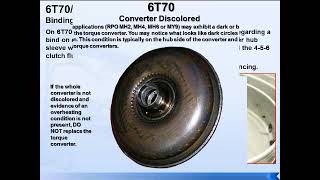
Typical fix: The transmission must be removed from the vehicle, completely disassembled, and rebuilt. This includes replacing the broken wave plate with an updated part, thoroughly cleaning all metal debris from every component (including torque converter and cooler lines), and replacing any other damaged parts like the valve body or solenoids.
Est. part cost: $200-$500 for a comprehensive rebuild kit with an updated wave plate, seals, and gaskets. - Failed Pressure Control Solenoid 'B' (4-Speed Transmissions) 🔴 High Probability On the 4T45-E transmission, the solenoids are a common failure point over time due to heat and wear. They can burn out electrically or become stuck mechanically.
How to confirm: A technician can use a bi-directional scan tool to command the solenoid on and off to check for a response and monitor pressure. The solenoid's electrical resistance can also be tested with a multimeter. This requires accessing the solenoid pack by removing the transmission's side cover.
Typical fix: Replace the faulty pressure control solenoid. Since accessing them is labor-intensive, it is common practice to replace the entire set of shift and pressure solenoids at the same time as preventative maintenance.
Est. part cost: $50-$150 for a solenoid kit. - Low or Dirty Transmission Fluid 🟡 Medium Probability
How to confirm: Check the transmission fluid level and condition using the dipstick (if equipped) or check plug. The fluid should be at the correct level and be bright red, not dark brown, black, or burnt-smelling.
Typical fix: Perform a transmission fluid and filter change using DEXRON-VI fluid. If the fluid is extremely dirty or contains metal, it indicates a larger mechanical problem (see above) and a simple fluid change will not fix it.
Est. part cost: $60-$120 for fluid and a filter.
Rare But Worth Checking
- Faulty Transmission Control Module (TCM/TEHCM): On 6-speed models, the TEHCM (Transmission Electro-Hydraulic Control Module) which houses the solenoids and TCM can fail. However, this should be considered only after a wave plate failure has been definitively ruled out, as metal debris from a broken plate can damage the TEHCM, making it a secondary failure.
- Wiring Harness Damage: The wiring harness leading to the transmission can become damaged from road debris, heat, or improper routing, causing a short or open circuit. This can mimic the symptoms of a failed solenoid and should be inspected before condemning internal components.
Diagnosis Steps
- Check and verify the transmission type (4-speed 4T45-E or 6-speed 6T70). This is critical. The RPO code in the glove box (MH2/MH4 for 6-speed, MN5 for 4-speed) is the most accurate way.
- Scan the TCM for all stored trouble codes. Note any other codes accompanying P0776.
- For 6-speed models: Immediately check the transmission fluid level and condition. Pull the dipstick, wipe it on a clean white towel, and look closely for any signs of fine metallic particles ('glitter'). A burnt smell is also a key indicator. If metal is present, the diagnosis is 99% complete: a broken wave plate.
- For 4-speed models (or 6-speed with perfectly clean fluid): The next step is to diagnose the solenoid circuit. This involves using a professional scan tool to monitor solenoid commands, duty cycle, and feedback, and to command the solenoid on and off to check for a response.
- If scan tool diagnosis is inconclusive, proceed with electrical testing of the solenoid and wiring harness for correct resistance, shorts, or open circuits.
- For 6-speed models, if metal is found in the fluid, the diagnosis is complete: the transmission requires a rebuild for a broken wave plate. Do not proceed with replacing just solenoids.
- If no metal is found in a 6-speed, further diagnosis of the TEHCM is needed, but a wave plate failure remains highly suspect and could be in its initial stages of cracking.
Parts You'll Likely Need
- 3-5-R Clutch Wave Plate Kit
(OEM #24254103)— This is the updated, more durable wave plate that replaces the failed original in the 6-speed 6T70/6T75 transmission. The original was prone to fracturing.
Trusted brands: ACDelco, Sonnax
OEM price range: $20-$40
Aftermarket price range: $15-$50 - Sonnax 3-5-R Drum Saver Kit
(OEM #124555K)— A popular aftermarket solution for the 6-speed wave plate failure. It includes a shot-peened, toothless wave plate that eliminates stress points, and a custom steel plate to protect the drum. Many professional rebuilders prefer this to prevent comebacks.
Trusted brands: Sonnax
Aftermarket price range: $40-$60 - Transmission Solenoid Kit (4-Speed) — For the 4-speed 4T45-E, a failed solenoid is the most common cause. Replacing the set is recommended due to the high labor cost to access them.
Trusted brands: ACDelco, Rostra, ATP
OEM price range: $100-$200
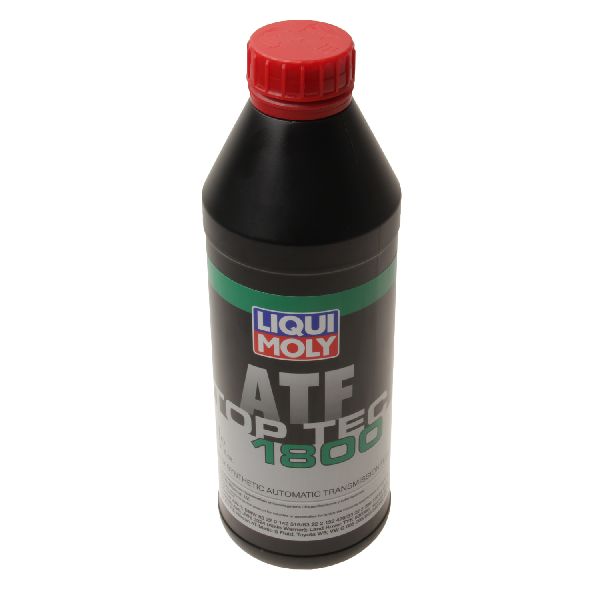
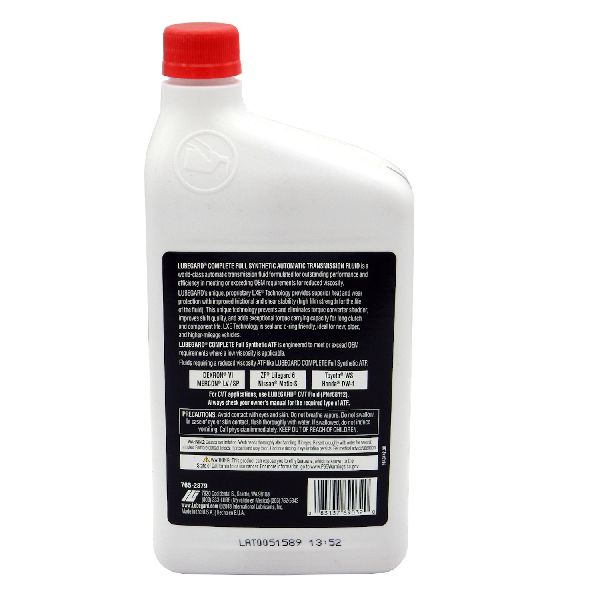
Aftermarket price range: $50-$150 - Automatic Transmission Fluid (DEXRON-VI) — Required for any repair, whether a fluid change, solenoid replacement, or full rebuild. A full rebuild of a 6T70 can require 10-12 quarts.
Trusted brands: ACDelco, Valvoline, Castrol
OEM price range: $10-$15 per quart
Aftermarket price range: $8-$12 per quart - Transmission Filter and Gasket Kit — Should be replaced during any service that involves opening the transmission. For a 6T70 rebuild, a full overhaul gasket and seal kit is required.
Trusted brands: ACDelco, Wix, ATP
OEM price range: $30-$60
Aftermarket price range: $20-$40
Related Codes That Often Appear With This One
- P0700 — This is a general transmission fault code. The TCM sends this code to the main engine computer (ECM) to request that the Check Engine Light be turned on. It will almost always be present with other specific transmission codes like P0776.
- P0777, P2723, P0716, P0717, P2714, P2715 — On 6-speed models, these codes for other solenoids and sensors often appear alongside P0776 because the metal debris from the broken wave plate contaminates the entire valve body and TEHCM, affecting multiple components.
Technical Service Bulletins (TSBs) & Recalls
- 09-07-30-012F
- 14404B
- 11340C
- 12-06-01-009F
- Bulletin #PI0780A: This informational bulletin provides repair information for customer concerns regarding slip, no reverse, no 3rd gear, or no forward movement when DTC P0776 is set.
Platform-Specific Known Issues
- The most significant issue for the 2007-2009 Pontiac G6 models with the 6-speed automatic transmission is the failure of the 3-5-R wave plate. GM acknowledged this with Special Coverage Adjustment 14404B, which extended the warranty to 10 years or 120,000 miles. While this coverage has expired for most vehicles due to age, it confirms the widespread nature of the defect. The failure is so common that aftermarket companies like Sonnax have developed 'drum saver' kits specifically to provide a more robust and permanent repair than the updated OEM part alone.
Mechanic-Grade Diagnostic Values
- 6T70 Shift Solenoid Resistance — expected: 20-40 ohms. Failure: A reading outside this range indicates a faulty solenoid within the TEHCM.
- 6T70 PWM VBS (Variable Bleed Solenoid) Resistance — expected: 4-7 ohms. Failure: A reading outside this range points to a failure in a pressure control solenoid within the TEHCM.
- Voltage at TCM/ECM ground wire (e.g., at G105) — expected: Near 0.0V. Failure: Any significant voltage (e.g., 1.0V or higher) on a ground wire indicates a bad ground connection, which can cause no-communication issues and false codes.
Scan Tool Commands That Help
- GM Tech2 / GDS2: Solenoid Valve State Control — This bidirectional command allows a technician to manually command each pressure control and shift solenoid ON or OFF. It is used to verify if a solenoid is mechanically stuck or electrically non-responsive. For P0776, the technician would command PC Solenoid 2 (3-5-R) and monitor the transmission's pressure and state response.
- GM Tech2 / GDS2: Line Pressure Control — This function allows the technician to command specific line pressures and compare the commanded value (in PSI or kPa) to the actual reading from a mechanical gauge connected to the transmission's pressure port. This helps determine if the pressure issue is hydraulic (pump, valve body) or electronic (solenoid, TCM).
Wiring & Ground Locations
- G105 — On a transmission stud, located on the left rear side of the engine compartment, below the upper coolant hose.. This is a critical shared ground point for the Engine Control Module (ECM) and the Transmission Control Module (TCM). A corroded or broken wire at this location can cause a loss of communication with the TCM, leading to multiple transmission codes, including P0776, and no-start conditions.
- G110 — On the top left front side of the engine block (specifically for the 2.4L engine).. Serves as another engine block ground that is crucial for various components. While G105 is more directly tied to the TCM, ensuring all major engine and transmission grounds are clean and secure is a key step in diagnosing electronic faults before condemning expensive modules.
- Transmission Main Connector (X1 on TEHCM) — The main 16-pin electrical connector on the side of the transmission case that connects the vehicle harness to the internal TEHCM.. This is the primary interface for all power, ground, and data signals going to the TCM and solenoids. Technicians will test for power, ground, and CAN bus signal integrity at the pins of this connector to rule out external wiring issues before removing the transmission side cover to access the TEHCM.
Real Owner Repair Stories
- YouTube channel 'Pine Hollow Auto Diagnostics' (2007 Pontiac G6) — No crank, no start, no communication with the transmission control module (TCM). Multiple codes stored.
❌ Tried (didn't work) Initial diagnosis pointed towards a faulty Park/Neutral Position Switch or a bad TCM.
✅ What actually fixed it The problem was a bad ground at the G105 ground point on a transmission stud. The ground wires were corroded and broken inside the insulation. Repairing the ground connection restored communication with the TCM and resolved the starting issue. This highlights that electrical issues can mimic component failures. - NHTSA ODI #11051514 — An owner reported that while driving, their vehicle computer displayed two error codes: P0776 (Control Solenoid Valve 2 Stuck Off) and P0700 (Transmission Control Module Requested MIL Illumination), forcing them to pull over to the side of the road.
OEM Part Supersession History
Multiple early part numbers (e.g., 24237552, 24238735, 24240298)→Multiple later part numbers (e.g., 24256524, 24275868, 24275870)— Early TEHCMs for the 6T70/6T75 were prone to internal failure of the circuit board and solenoids, separate from damage caused by wave plate debris. Later revisions improved durability.
Heads up: When replacing a TEHCM, it MUST be programmed with the vehicle's specific VIN and the latest GM calibration software to ensure correct shift logic and communication with other modules. Unprogrammed or incorrectly programmed modules will not work.
Model Year Variations Within This Range
- 2007-2009: These model years are most susceptible to the 3-5-R wave plate failure in the 6T70 transmission. GM issued TSB 09-07-30-012F and Special Coverage 14404B specifically for these vehicles, extending the warranty for this failure to 10 years or 120,000 miles. While a 2010 model could still experience this, it is less likely as updated parts were phased into production.
Diagnostic Flowchart
Other Known Issues on This Vehicle
Issues unrelated to this code that are worth knowing about as an owner of this generation:
- Electric Power Steering (EPS) Failure 🔴 High — Very common, often occurring around 70,000-100,000 miles. Can be intermittent at first, then fail completely. (Ref: NHTSA Campaign #14V153000 (also related special coverage extensions like 14116) was issued, but many vehicles are now outside the coverage window by time/mileage.)
- Stretched Timing Chains (3.6L LY7 V6) 🔴 High — Extremely common on the 3.6L V6 engine, often appearing before 100,000 miles. Leads to codes like P0008, P0009, P0017. (Ref: TSB #12-06-01-009F and Special Coverage Adjustment #11340C were issued, extending the warranty to 10 years/120,000 miles.)
- Clogged or Disconnected Sunroof Drains 🟠 Medium — A widespread design flaw where drain tubes are too short or become disconnected, causing water to leak into the cabin, typically soaking the rear floorboards and headliner.
- Body Control Module (BCM) Connector Corrosion 🟡 Low — Corrosion on a specific BCM connector can cause bizarre electrical issues, most notably brake lights staying on or not working. (Ref: NHTSA Recall #14V252000 addresses this for some model years.)
- Faulty Turn Signal / Multi-Function Switch 🟡 Low — The switch can fail to cancel after a turn or activate randomly. A common annoyance for many owners.
Used vs. New Parts: Buying Guide for This Vehicle
When a used part is the smart pick: A used TEHCM (the control module with solenoids) can be a cost-effective option IF it is sourced from a later model year (2010+) donor vehicle with low mileage that is confirmed to have had clean transmission fluid, indicating it was not contaminated by a wave plate failure. A complete used transmission is a major gamble and generally not recommended unless it is a certified remanufactured unit.
Donor-vehicle mileage cap: roughly under 80000 miles for the part to have meaningful remaining life.
What to inspect on the donor part:
- Verify the donor vehicle's model year is 2010 or newer to reduce the chance of inherent wave plate or TEHCM flaws.
- Insist on inspecting the transmission fluid from the donor car. It MUST be bright red and perfectly clean. Any darkness, burnt smell, or metallic particles is an absolute deal-breaker.
- Check for a service history that indicates regular transmission fluid changes.
OEM-only on this vehicle (don't cheap out):
- Internal transmission seals and gaskets. Always use a new, quality overhaul kit for a rebuild.
- Transmission filter. This is a low-cost part that is critical for cleanliness; never reuse one.
Aftermarket brands forum-validated for this vehicle:
- Sonnax (For the 3-5-R wave plate 'Drum Saver Kit', a highly recommended upgrade over the OEM part).
- ACDelco (For OEM replacement parts, including the updated wave plate and TEHCM).
- Rostra (For individual solenoids on the 4T45-E transmission).
Brands owners have reported issues with on this vehicle:
- Unbranded, no-name TEHCMs or solenoid kits from online marketplaces. These often have high failure rates, poor quality control, and may not be programmable, leading to wasted time and money.
Real Owner Stories
Aggregated from forums and TSBs cited above. Mileages and costs reflect what owners reported in those sources.
2007-2009 Saturn Aura
Symptoms: The transmission failed, specifically with a complete loss of the reverse gear.
What fixed it: The owner was attempting to get the 3-5-R wave plate failure repaired by a dealer under GM's Special Coverage Adjustment 14404B.
Source hint: Saturn Forum - '14404B trans wave plate – Communicating w GM'
Related OBD-II Codes
Frequently Asked Questions
I have a 2008 Pontiac G6 with a 6-speed transmission and code P0776. I heard there was a special warranty for this issue?
How can I tell if my P0776 code is caused by the common wave plate failure on my 6-speed G6?
My G6 has the 4-speed transmission. What is the most likely cause of P0776 for my car?
How do I know for sure if I have the 4-speed or the 6-speed transmission in my Pontiac G6?
My mechanic found metal shavings in my 6-speed G6's transmission fluid. Can I just replace the solenoid to fix the P0776 code?
Is a transmission rebuild really necessary for the wave plate failure?
Helpful Videos

We Have This Part in Stock



The information in this article is provided for general reference and educational purposes only. Vehicle specifications, procedures, and part compatibility can vary by production date, trim level, and region. Always consult your vehicle's factory service manual and verify part numbers before purchasing or performing repairs. Safety-critical components such as airbags, seat belts, and braking systems should be installed by a qualified professional.
- Pontiac G6:
- 🎬 Helpful Videos
- 🛍️ Shop This Part
- What's Unique About the 2005-2010 Pontiac G6
- Symptoms You May Notice
- Most Likely Causes
- Rare But Worth Checking
- Diagnosis Steps
- Parts You'll Likely Need
- Related Codes That Often Appear With This One
- Technical Service Bulletins (TSBs) & Recalls
- Platform-Specific Known Issues
- Mechanic-Grade Diagnostic Values
- Scan Tool Commands That Help
- Wiring & Ground Locations
- Real Owner Repair Stories
- OEM Part Supersession History
- Model Year Variations Within This Range
- Diagnostic Flowchart
- Other Known Issues on This Vehicle
- Used vs. New Parts: Buying Guide for This Vehicle
- Real Owner Stories
- 2007-2009 Saturn Aura
- Related OBD-II Codes
- Frequently Asked Questions
- 🎟️ Get 5% Off