

P0766 on 2018-2023 Ford Expedition: Shift Solenoid 'D' Fault Causes and Fixes
On a 2018-2023 Ford Expedition, code P0766 is almost always caused by a faulty main control valve body or a failed CDF clutch cylinder sleeve in the 10R80 transmission. This is a widely known issue addressed by Ford in multiple Technical Service Bulletins (like TSB 24-2176). The fix involves reprogramming the control module and, if that fails, overhauling or replacing the valve body or internal transmission components, a complex job best left to a professional.
- P0766 on a 2018-2023 Expedition indicates a serious problem with the 10R80 automatic transmission, most often a faulty main control valve body.
- This is a known issue recognized by Ford through multiple Technical Service Bulletins.
- Do not ignore this code. Driving with it can lead to more significant transmission damage.
- The repair is complex and expensive, requiring professional service. It is not a typical DIY job.
- Always check for open recalls or TSBs, as a software update may be part of the required fix.
What's Unique About the 2018-2023 Ford EXPEDITION
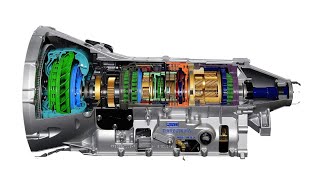
The 2018-2023 Ford Expedition uses the 10-speed 10R80 automatic transmission, co-developed with GM. 🎬 See why these 10-speed transmissions fail in Ford and GM vehicles. This specific transmission is known to have issues that lead to a wide range of shifting problems and related trouble codes, including P0766. Ford has released numerous Technical Service Bulletins (TSBs) acknowledging that these problems often stem from sticking valves within the main control valve body or, more critically, a design flaw related to the CDF clutch cylinder sleeve. 🎬 Watch: A deep dive into the CDF drum failure and TSBs. A bushing in the CDF drum can move out of place, blocking hydraulic passages and causing pressure loss, which in turn damages seals and clutch packs. Because of these known defects, a P0766 code on this vehicle points more strongly toward a significant internal transmission failure than it might on other vehicles.
Diagnostic Flowchart
Tap your situation to follow the diagnostic path that matches what you're seeing on this vehicle.
Symptoms You May Notice
- Harsh or delayed gear shifts, especially in lower gears (e.g., 3-4, 4-5).
- Harsh or delayed engagement into Drive or Reverse.
- Check Engine Light (Malfunction Indicator Lamp) is on.
- Transmission may enter "limp mode," limiting available gears.
- Vehicle may not shift out of Park or lose forward/reverse engagement entirely.
- Increased fuel consumption.
- Clunking noises during downshifts.
- Transmission overheating, sometimes caused by overfilled fluid foaming.
- Replacing only a single shift solenoid. The issue is often systemic to the entire valve body or a deeper internal problem like the CDF drum. Replacing just one solenoid is unlikely to solve the problem.
- Incorrectly installing the valve body. A crushed, dislodged, or missing seal between the valve body and the transmission case/pump during reassembly is a common cause of repeat failures.
- Mistaking IWE vacuum issues for transmission problems. A grinding noise from the front hubs caused by a leaking IWE (Integrated Wheel End) check valve can sometimes be mistaken for a transmission gear-hunting issue, though it typically does not set a P0766 code.
Most Likely Causes
- Faulty Main Control Valve Body 🔴 High Probability This is a widely documented issue on the 10R80 transmission. Multiple TSBs point to sticking valves in the main control as a primary cause for a cluster of shift-related codes, including P0766. Debris from other failing components (like the CDF drum) can contaminate the valve body, causing valves to stick.
How to confirm: A technician will follow the diagnostic procedure outlined in Ford's TSBs (like TSB 24-2254), which involves reprogramming the TCM first. If the problem persists, the valve body is inspected and often pressure tested. A crushed or missing seal between the valve body and transmission case during reassembly is a known cause of this code.
Typical fix: Overhaul or replace the main control valve body assembly. 🎬 Watch: Step-by-step walkthrough of a 10R80 valve body replacement. This includes the solenoids and a new separator plate. Ford has released several updated part numbers for the valve body.
Est. part cost: $800 - $1500 - Internal Transmission Mechanical Failure (CDF Clutch Drum) 🔴 High Probability A known design flaw in some 10R80 transmissions involves a bushing in the CDF (Clutch D/F) clutch drum walking out of position. This blocks hydraulic oil passages, causing pressure loss, slicing Teflon seals, and leading to clutch failure. Ford acknowledged this in TSB 24-2254, which details a procedure to verify the leak and replace the CDF cylinder. Vehicles built after December 23, 2022, likely have a revised CDF drum from the factory.
How to confirm: This requires advanced diagnostics, including transmission pressure testing as outlined in Ford's TSBs. Metal debris or clutch material in the transmission pan is a definitive sign of internal failure. A visual inspection of the removed CDF drum will show the bushing has migrated compared to the updated part.
Typical fix: Requires transmission removal and replacement of the CDF clutch cylinder/drum with the updated part (Part # JL3Z-7H351-B), along with any damaged clutches and seals. In many cases, a full transmission rebuild or replacement with a remanufactured unit is recommended.
Est. part cost: $2000 - $7000+ - Low or Dirty Transmission Fluid 🟡 Medium Probability While not a design flaw, the complexity of the 10R80 transmission makes it sensitive to fluid level and condition. Contaminated fluid can cause solenoids and valves to stick. Overfilling is also a problem, as it can cause the fluid to foam, overheat, and be expelled, leading to shifting issues.
How to confirm: Check the transmission fluid level and condition using the specific procedure for the 10R80 (it has a unique dipstick and temperature-dependent reading). The fluid should be clean Motorcraft MERCON ULV, not brown, black, or burnt-smelling.
Typical fix: Perform a transmission fluid drain-and-fill or a complete fluid flush using the correct Motorcraft MERCON ULV fluid. This is often done in conjunction with other repairs.
Est. part cost: $150 - $400
Rare But Worth Checking
- Faulty Powertrain or Transmission Control Module (PCM/TCM): While rare, a faulty control module can cause this code. The first step in many TSBs is to reprogram the PCM/TCM with the latest software, as software glitches can cause these symptoms.
- Wiring Harness Issues: Damage to the wiring between the TCM and the transmission, or a poor connection at the main transmission connector, can interrupt the signal to the shift solenoid. This is less common than internal transmission faults but should be checked, especially for corrosion or loose pins.
Diagnosis Steps
- Verify the transmission fluid level and condition. Ensure it is at the correct level for the current temperature (206–215°F) and not burnt or contaminated. Note that overfilling can also cause issues.
- Use an advanced OBD-II scanner (preferably Ford IDS) to check for all pending or active transmission-related codes. Note all codes present, as they are often grouped in TSBs.
- Check for any open recalls or Technical Service Bulletins (TSBs) related to the transmission for your vehicle's VIN. Specifically, look for TSB 24-2254 or its successors.
- As per TSB guidance, the first step is often to reprogram the PCM/TCM with the latest Ford software and perform a transmission adaptive learning drive cycle.
- If the problem persists, follow the TSB's diagnostic flowchart, which may include hydraulic pressure testing using specialized equipment (Pressure Vacuum Transducer Kit and VCMM) to check for leaks in the CDF clutch circuit.
- Perform electrical tests on the shift solenoid 'D' circuit. Check for continuity and shorts in the wiring harness between the TCM and the transmission case connector.
- If electrical tests pass and pressure tests indicate a leak, the issue is mechanical/hydraulic. Drop the transmission pan and inspect for excessive metal debris or clutch material, which confirms internal failure.
- Following the guidance of Ford's TSBs, the next step is typically to overhaul or replace the main control valve body assembly. If the CDF drum is diagnosed as the fault, a full transmission rebuild or replacement is necessary.
Parts You'll Likely Need
- Main Control Valve Body Assembly
(OEM #JL1Z-7A100-A (superseded by JL1Z-7A100-C, JL3Z-7A100-C))— This is the most common point of failure for this code on the 10R80 transmission, as documented in multiple Ford TSBs.
Trusted brands: Motorcraft
OEM price range: $1000-$1500
Aftermarket price range: $800-$1200 - CDF Clutch Cylinder / Drum Assembly
(OEM #JL3Z-7H351-B)— The original CDF drum has a known flaw where a bushing can walk out of place. An updated/redesigned part is required during a rebuild to permanently fix the issue.
Trusted brands: Motorcraft
OEM price range: $200-$400 - Automatic Transmission Fluid
(OEM #Motorcraft MERCON ULV (XT-12-QULV))— The correct fluid is required when replacing the valve body or servicing the transmission. The 10R80 is very sensitive to fluid type.
Trusted brands: Motorcraft
Related Codes That Often Appear With This One
- P0751, P0756, P2700-P2708, etc. — These are all codes related to other shift solenoids and clutch performance in the 10R80 transmission. Ford groups them together in its service bulletins because they all point to the same root causes: a faulty main control valve body, software issues, or internal hydraulic leaks from the CDF clutch sleeve.
Technical Service Bulletins (TSBs) & Recalls
- TSB 24-2176: The most current TSB, superseding previous versions. It addresses harsh/delayed shifts and a long list of DTCs including P0766. It identifies potential causes as software, the main control valve body, or axial movement of the CDF clutch cylinder sleeve, and provides a detailed diagnostic procedure.
- TSB 24-2254: Specifically addresses harsh/delayed shifts due to axial movement of the CDF clutch cylinder sleeve causing hydraulic leaks. It outlines a procedure to verify the leak and replace the CDF clutch cylinder if necessary.
- TSB 24-2046: A previous TSB, now superseded, that also listed P0766 among many other codes related to shifting issues caused by the valve body or CDF clutch sleeve.
- TSB 22-2428: An older, superseded bulletin that also identified harsh shifts and DTCs like P0766 as a known issue. [NHTSA]
- TSB 23-2123: A superseded TSB that noted the cause could be an incompatibility of the adaptive calibration adapting to hardware break-in over time, recommending a valve body overhaul.
Platform-Specific Known Issues
- Known 10R80 Transmission Faults: The 2018-2023 Expedition is subject to several TSBs (including 24-2176) for harsh or delayed shifting caused by sticking valves in the main control body or issues with the CDF clutch cylinder sleeve. Code P0766 is one of many DTCs listed in these bulletins, indicating a widespread and recognized issue.
- CDF Clutch Drum Bushing Failure: A significant number of owners on forums like F150Forum.com and ExpeditionForum.com have experienced catastrophic transmission failure due to a bushing walking out of the CDF clutch drum. This starves clutches of hydraulic pressure. The repair requires a full rebuild with an updated drum assembly. One owner on ExpeditionForum noted their rebuild cost $7,000, covered by warranty, and specifically mentioned a new, anodized CDF drum was installed.
Mechanic-Grade Diagnostic Values
- Shift Solenoid Current — expected: Directly proportional; zero current equals zero pressure, max current (~850 mA) equals max pressure.. Failure: No pressure response to current command from TCM.
- Transmission Fluid Temperature for Level Check — expected: 206–215°F (96-101°C). Failure: Checking the level outside this temperature range will result in an inaccurate reading.
Scan Tool Commands That Help
- Ford IDS (Integrated Diagnostic System) or FDRS: Module Programming > Programmable Parameters > Transmission — This function is mandatory after replacing the main control valve body. The technician must enter the 12-digit Solenoid Identification number and the 13-digit Solenoid Strategy number from the new part into the TCM.
- Ford IDS or equivalent (e.g., FORScan): Reset All Adaptations / Transmission Adaptive Tables Reset — This should be performed after any major transmission repair, including valve body or CDF drum replacement, or as a first step for troubleshooting harsh shifting. It forces the TCM to relearn the clutch fill times and shift pressures.
- Ford IDS: Self Test — This is the primary function for reading and clearing Diagnostic Trouble Codes (DTCs) from all vehicle modules, including the TCM.
- Ford IDS: Datalogger — Used to monitor live data PIDs (Parameter IDs) such as commanded vs. actual gear, solenoid current (e.g., SSPCD_AMP), and clutch pressures to diagnose performance issues in real-time.
Wiring & Ground Locations
- Main Transmission Case Connector — The external electrical connector on the transmission case that links the internal harness to the main vehicle harness.. This is the primary electrical interface for all solenoids. A pinout diagram is required to test the circuit for Shift Solenoid 'D' (SSPCD) for continuity, shorts, or high resistance between the connector and the TCM.
- Pin 17 (of 34) — On the 34-pin main transmission case connector.. This pin is listed as a ground for the transmission control system. A poor ground connection at this pin could cause erratic behavior and fault codes for multiple solenoids.
Real Owner Repair Stories
- Ford Truck Enthusiasts Forum (2004 Ford F-series with 6.0L Power Stroke (Note: Older vehicle, but demonstrates intermittent electrical fault diagnosis)) — Intermittent harsh shift, flashing Tow/Haul light, and codes P0766, P2703, P0761, P2702. Problem would disappear after the truck sat for a while. Occurrences seemed correlated with wet/rainy conditions.
❌ Tried (didn't work) Clearing codes, changing performance tunes.
✅ What actually fixed it The user found a faulty, non-clamping negative battery terminal. After replacing the terminal and servicing both batteries, the problem was resolved for a period, suggesting an unstable voltage supply was causing the intermittent solenoid faults. The problem later returned intermittently, leading the user to suspect a failing solenoid coil that was sensitive to moisture or heat. The final fix was not posted, but the diagnostic path points to an electrical issue (harness, connection, or battery) rather than a purely mechanical one.
OEM Part Supersession History
HL3Z-7H351-A, JL3Z-7H351-A→JL3Z-7H351-B— The original CDF clutch drum (cylinder) was prone to the internal bushing 'walking' out of place. The updated part JL3Z-7H351-B has a redesigned lip or wall that physically prevents the bushing from migrating, correcting the design flaw.
Heads up: The older parts should not be used. Only the updated part number should be installed during a rebuild to ensure a permanent fix.JL1Z-7A100-A→JL1Z-7A100-C, JL3Z-7A100-C— Ford often updates valve body assemblies to address sticking valves, improve hydraulic performance, and resolve shift quality issues identified in TSBs.
Heads up: While older versions may fit, it is critical to use the latest superseded part number to get all the engineering improvements and ensure compatibility with the latest software updates.
Model Year Variations Within This Range
- 2018-2022: Vehicles manufactured before approximately December 23, 2022, are more likely to have the original CDF drum design that is prone to bushing failure. Vehicles manufactured after this date are more likely to have the updated CDF drum from the factory, making the valve body a more probable cause of P0766.
Helpful Videos

Used OEM Parts in Stock


New Aftermarket Parts Available


The information in this article is provided for general reference and educational purposes only. Vehicle specifications, procedures, and part compatibility can vary by production date, trim level, and region. Always consult your vehicle's factory service manual and verify part numbers before purchasing or performing repairs. Safety-critical components such as airbags, seat belts, and braking systems should be installed by a qualified professional.
- Ford EXPEDITION:
- 🎬 Helpful Videos
- 🛍️ Shop This Part
- What's Unique About the 2018-2023 Ford EXPEDITION
- Diagnostic Flowchart
- Symptoms You May Notice
- Most Likely Causes
- Rare But Worth Checking
- Diagnosis Steps
- Parts You'll Likely Need
- Related Codes That Often Appear With This One
- Technical Service Bulletins (TSBs) & Recalls
- Platform-Specific Known Issues
- Mechanic-Grade Diagnostic Values
- Scan Tool Commands That Help
- Wiring & Ground Locations
- Real Owner Repair Stories
- OEM Part Supersession History
- Model Year Variations Within This Range
- 🎟️ Get 5% Off