

P0757 on 2012-2013 Mazda 3 SKYACTIV: Shift Solenoid 'B' Stuck On Causes and Fixes
On a 2012-2013 Mazda 3 with a SKYACTIV engine, code P0757 almost always points to a faulty transmission control valve body, a known issue covered by Mazda TSB 05-003/14 and its successors. The problem is caused by contamination causing internal components to stick. The definitive fix is a complete valve body replacement, a professional repair typically costing $1200-$2000+.
- For a 2012-2013 Mazda 3 with a SKYACTIV engine, P0757 is a strong indicator of a failed transmission valve body, not just a single solenoid.
- Check your vehicle's VIN. If it was made before September 28, 2012, it likely falls under a Mazda TSB for this exact problem.
- Do not continue to drive the vehicle. You risk severe, costly damage to the transmission and create a safety hazard.
- This is not a DIY-friendly repair. The valve body replacement is complex and requires professional-level tools and procedures, including a final 're-learning' step for the TCM.
- Always use the correct Mazda ATF FZ fluid for any service on this transmission.
What's Unique About the 2012-2013 Mazda 3
For the 2012-2013 Mazda 3 with the 2.0L SKYACTIV engine and its FW6A-EL 6-speed automatic transmission, P0757 is a well-documented issue. Mazda issued a Technical Service Bulletin (TSB 05-003/14 and its subsequent revisions like 05-002/15) that identifies an internal malfunction of the control valve body as the root cause. This means the problem is rarely just a single bad solenoid; instead, contamination within the fluid causes oil pressure switches or solenoid valves to stick. Therefore, the standard repair for this specific vehicle is to replace the entire control valve body assembly, which includes the integrated TCM, not just an individual solenoid.
Symptoms You May Notice
- Check Engine Light and/or 'AT' (Automatic Transaxle) warning light are on
- Harsh, jerky, or delayed gear shifts, especially between 2nd-3rd or 3rd-4th gear.
- Transmission gets stuck in a single gear (typically 3rd gear limp mode).
- Transmission slipping (engine RPMs rise without an increase in speed).
- Inability to shift into certain gears.
- A sudden jerk when shifting from Park to Reverse or Drive.
- Reduced fuel economy.
- Replacing only Shift Solenoid 'B'. On a SKYACTIV Mazda 3, the TSB indicates the problem is systemic to the valve body due to contamination. Replacing a single solenoid is unlikely to provide a lasting fix as the debris will cause the new part to fail or another to stick.
Most Likely Causes
- Faulty Control Valve Body 🔴 High Probability Mazda TSB #05-003/14 and its revisions directly link P0757 on early SKYACTIV models to an internal valve body malfunction. The root cause is cited as contamination in the transmission fluid causing oil pressure switches or solenoid valves to stick. This TSB specifically applies to vehicles with VINs lower than JM1BL**733728 (produced before Sept. 28, 2012).
How to confirm: A technician will verify the VIN falls within the TSB range and confirm the presence of P0757, often alongside codes like P0780 or P1738. Diagnosis confirms the valve body is the cause after ruling out fluid level/condition and external wiring issues.
Typical fix: Replace the entire control valve body assembly with an updated part. The transmission fluid and strainer (filter) must be replaced at the same time, followed by the 'Initial Learning' procedure.
Est. part cost: $500-$1100 - Low or Contaminated Transmission Fluid 🟡 Medium Probability While the valve body is the ultimate failure point, the issue is often caused or accelerated by contaminated or degraded fluid that causes internal components to bind. Low fluid levels can also cause pressure drops, leading to shifting errors and setting this code.
How to confirm: Check the level and condition of the automatic transmission fluid (ATF). The fluid should be at the correct level, pink/red in color, and not smell burnt. On SKYACTIV models, this is a sealed unit without a dipstick, requiring a technician to check via a fill/overflow plug.
Typical fix: Perform a transmission fluid drain-and-fill or a full fluid exchange using Mazda-specific ATF FZ. If the fluid is very dirty, this may be attempted as a first step, but it often fails to resolve the underlying mechanical issue within the valve body.
Est. part cost: $80-$200
Rare But Worth Checking
- Wiring Harness Damage: While less common than the valve body issue on this platform, chafed or corroded wires leading to the transmission can cause electrical faults that mimic a stuck solenoid. This should be inspected before condemning the valve body, especially if the vehicle is outside the TSB VIN range.
- Faulty Transmission Control Module (TCM): On SKYACTIV models, the TCM is integrated into the valve body assembly. An internal failure of the TCM's driver circuit can cause the solenoid to remain energized. In this case, replacing the valve body assembly (which includes the TCM) is the correct and only repair.
Diagnosis Steps
- Scan the vehicle's computer for all stored DTCs. Note if P0757 is accompanied by P0780, P1738, or pressure switch codes (P0842, etc.).
- Verify the vehicle is a 2012-2013 Mazda 3 with a SKYACTIV engine and FW6A-EL transmission.
- Check the vehicle's VIN. If it is lower than JM1BL**733728, the issue is highly likely the valve body as described in TSB 05-003/14.
- Have a technician check the transmission fluid level and condition. The fluid must be clean, at the proper level, and of the correct type (Mazda ATF FZ).
- If the fluid is low or dirty, a fluid and filter change may be attempted, but be prepared for the issue to persist if the valve body is internally worn or contaminated.
- If the VIN is within the TSB range and fluid service does not help, the next step is valve body replacement.
- If the VIN is outside the TSB range, perform electrical tests on the Shift Solenoid 'B' circuit, including checking for shorts or open circuits in the wiring harness between the TCM and the transmission connector.
Parts You'll Likely Need
- Control Valve Body Assembly
(OEM #FZ21-21-100J (supercedes previous versions))— This is the primary failure point for code P0757 on this specific vehicle, as identified by Mazda TSBs. The assembly contains the solenoids, pressure switches, and the integrated TCM.
Trusted brands: Mazda (OEM)
OEM price range: $1100-$1400
Aftermarket price range: $450-$750 (Remanufactured) - Automatic Transmission Fluid (ATF)
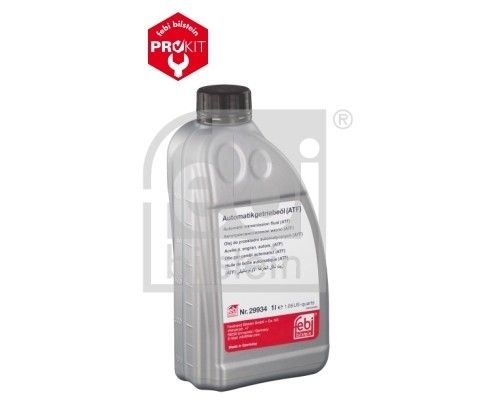
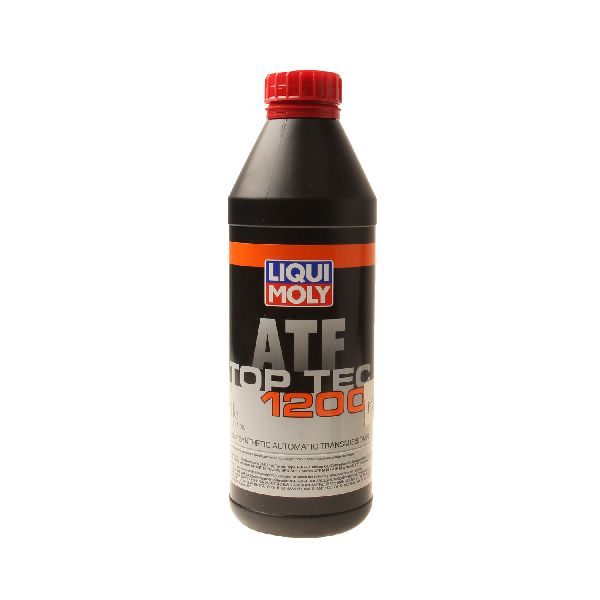
(OEM #0000-FZ-113E-01)— New fluid is required when replacing the valve body. Only Mazda Type FZ fluid should be used in the SKYACTIV-Drive transmission.
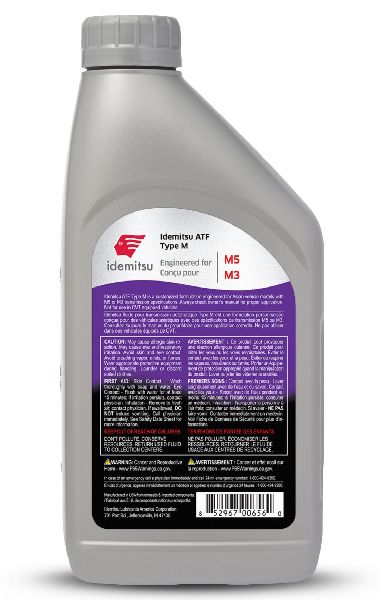
Trusted brands: Mazda, Idemitsu ATF Type M-V (FZ compatible), Ravenol ATF FZ
OEM price range: $20-$25 per quart
Aftermarket price range: $15-$20 per quart - Transmission Oil Strainer (Filter)
(OEM #FZ01-21-500)— It is best practice to replace the transmission filter when servicing the valve body to ensure the new components are protected from any debris in the old fluid.
Trusted brands: Mazda (OEM), Wix, ATP
OEM price range: $40-$60
Aftermarket price range: $20-$40
Related Codes That Often Appear With This One
- P0780 — This code means 'Shift Malfunction' and is frequently stored along with P0757 as part of the valve body failure described in Mazda's TSB 05-003/14.
- P1738 — This is another manufacturer-specific code for 'Automatic Transaxle Internal Malfunction' that is cited in the same TSB as a primary symptom of the valve body failure.
- P0842, P0847, P0872, P0877 — These codes relate to transmission fluid pressure switches 'A' or 'B' being stuck. TSB 05-002/15 lists these as being caused by the same contamination issue within the valve body.
Technical Service Bulletins (TSBs) & Recalls
- 05-003/14: Addresses DTCs P0780 and/or P1738 on early SKYACTIV models by recommending replacement of the valve body.
- 05-002/15: Supersedes several earlier bulletins. Addresses DTCs P0842, P0847, P0872, P0877, P0780, and P1738. The cause is identified as contamination causing oil pressure switches A and/or B to stick. The fix involves replacing the switches and/or reprogramming the TCM.
- 05-005/15: Addresses a whining noise from the transaxle at speeds above 10 mph, caused by a damaged bearing in the transaxle case. The fix is a complete transaxle replacement.
- Bulletin #05-003-14-2898A: Notes that P0757:00 may be stored in memory alongside an internal malfunction code, with or without U0401.
- Bulletin #05-003-14-2898: Confirms that P0757:00 is among the DTCs that can be stored when an internal transmission malfunction occurs.
Platform-Specific Known Issues
- A Mazda Technical Service Bulletin (TSB 05-003/14 and its revisions like 05-002/15) was issued for 2012-2013 Mazda 3 SKYACTIV models for this specific code, pointing to a faulty valve body due to internal contamination.
Mechanic-Grade Diagnostic Values
- Shift Solenoid (On/Off Type) Resistance — expected: 11 - 14 ohms. Failure: Resistance outside of this range indicates a faulty solenoid coil.
- Pressure Control Solenoid (Linear/PWM Type) Resistance — expected: 5 - 7 ohms. Failure: Readings outside this range suggest a problem with the solenoid's internal windings.
- ATF Temperature for Initial Learning — expected: 60—110 °C (140—230 °F). Failure: Attempting the initial learning procedure outside of this temperature range may cause it to fail or not complete correctly.
Scan Tool Commands That Help
- Mazda M-MDS (Mazda Modular Diagnostic System): Initial Learning Procedure — This procedure is mandatory after replacing the control valve body or the oil pressure switches. It allows the TCM to learn the hydraulic characteristics of the new components to ensure smooth shifting.
- Mazda M-MDS (Mazda Modular Diagnostic System): Module Reprogramming — Used to update the TCM with the latest calibration files as specified in service bulletins. This can resolve software-related issues and improve diagnostic logic for certain DTCs.
- Mazda M-MDS (Mazda Modular Diagnostic System): Retrieve CMDTCs — This is the first step in the diagnostic process and is also used as part of the Initial Learning procedure to clear codes before starting the relearn process.
Wiring & Ground Locations
- Transmission Case Grounds — There are multiple ground points directly on the transmission case. One is located on the top of the transmission harness, and two are on the front of the transaxle case (one large, one small). Another is on a bolt on the transmission bell housing.. A poor ground connection at the transmission can cause erratic behavior of the solenoids and sensors within the unit, potentially leading to incorrect operation and fault codes like P0757. Verifying these grounds are clean and tight is a crucial step in electrical diagnosis.
- PCM/TCM Grounds — The main computer has several ground wires in its connectors. On one connector, two black wires serve as grounds. On another, multiple black wires are grounds.. Since the TCM is integrated into the valve body on this model, the main vehicle grounds for the powertrain control system are critical. A fault here could affect the power and signals sent to the transmission.
OEM Part Supersession History
Multiple older versions, e.g., FZ01-21-100 series→FZ21-21-100J— The original valve bodies were prone to internal contamination causing pressure switches and solenoids to stick. The updated parts have design and material changes to improve resistance to this issue.
Heads up: Using an old-stock or used valve body from a pre-TSB vehicle is highly likely to result in a repeat failure.TSB 05-003/14, 05-005/14→TSB 05-002/15, 05-003/20— Later bulletins expanded the list of related DTCs (adding pressure switch codes), updated the repair procedures, and widened the range of affected models and years.
Model Year Variations Within This Range
- 2012 - Early 2013: Vehicles with VINs lower than JM1BL**733728 (produced before Sept. 28, 2012) are explicitly covered by TSB 05-003/14 for valve body replacement due to P0757/P0780. Later models may have had production-line improvements to the valve body, making the issue less common, though not impossible.
Diagnostic Flowchart
Other Known Issues on This Vehicle
Issues unrelated to this code that are worth knowing about as an owner of this generation:
- Defective/Leaking Hydraulic Drive Belt Tensioner 🟠 Medium — Can fail and cause a rattling noise on acceleration. Replacement is moderately expensive.
- Prematurely Worn Rear Brakes 🟡 Low — Owners report squealing sounds and premature wear of rear pads and rotors, sometimes due to burrs on the backing plate affecting alignment.
- Faulty Motor Mounts 🟠 Medium — Can cause excessive vibration upon acceleration. Often misdiagnosed as a tire or brake issue.
- Cupped/Noisy Rear Tires 🟡 Low — The rear suspension geometry can lead to uneven, 'cupped' tire wear if rotations are not performed regularly, resulting in a rumbling noise.
- Whining Noise from Transaxle 🔴 High — A whining noise dependent on vehicle speed was identified as a damaged bearing in the transaxle case on models produced before November 2013. (Ref: TSB 05-005/15)
Used vs. New Parts: Buying Guide for This Vehicle
When a used part is the smart pick: For this specific failure, purchasing a used valve body from a junkyard is NOT recommended. The root cause is a known design and contamination issue, meaning a used part from a similar-vintage vehicle is highly likely to have the same defect or fail shortly after installation. A professionally remanufactured unit is a more viable, cost-effective alternative to a new OEM part.
Donor-vehicle mileage cap: roughly under 30000 miles for the part to have meaningful remaining life.
What to inspect on the donor part:
- Verify the donor vehicle's VIN is outside the range specified in the TSBs, indicating it may have the updated part from the factory.
- Ask for maintenance records if possible, specifically looking for a transmission fluid service history.
- If buying a remanufactured unit, choose a reputable supplier like Sonnax or Rostra that specifically addresses the known wear points (e.g., accumulator piston bores) and tests all solenoids.
OEM-only on this vehicle (don't cheap out):
- Automatic Transmission Fluid (ATF): Using only Mazda ATF FZ (or a fully certified equivalent) is critical. The wrong fluid can damage seals and cause shifting problems.
- Control Valve Body Assembly: While remanufactured units are an option, a new OEM part is the guaranteed way to get the latest revisions and avoid compatibility issues.
Aftermarket brands forum-validated for this vehicle:
- Sonnax: Does not sell complete valve bodies, but offers high-quality repair kits (oversized valves, etc.) for transmission shops to rebuild existing valve bodies.
- Rostra: Sells complete remanufactured valve bodies, often incorporating Sonnax components to correct original design flaws.
Brands owners have reported issues with on this vehicle:
- Generic, unbranded valve bodies from online marketplaces should be treated with extreme caution. Many are simply cleaned used parts with no actual re-machining or replacement of worn internal components, leading to a high rate of failure.
Real Owner Stories
Aggregated from forums and TSBs cited above. Mileages and costs reflect what owners reported in those sources.
2012 Mazda 3 SKYACTIV 6AT
Symptoms: Owner experienced slow shifts into 3rd or 4th gear, which eventually led to the Check Engine and 'AT' lights coming on and the transmission going into 3rd gear limp mode. The car had to be restarted to resume normal operation.
What fixed it: The owner was planning to perform a transmission fluid drain and fill as a first step, but the final resolution was not posted in the thread.
Source hint: Reddit r/mazda3
2012 Mazda 3 SKYACTIV
Symptoms: The owner reported slow shifts that progressed to the 'AT' warning light illuminating and the transmission getting stuck in 3rd gear limp mode. Diagnostic codes P0757 and P0780 were confirmed.
What fixed it: The forum thread describes this as a classic real-world example of the issue covered by the Mazda TSB, which points to a valve body replacement as the ultimate fix.
Source hint: Reddit r/mazda3: 2012 Mazda 3 skyactiv 6AT Transmission issue (P)757/P0780)
Related OBD-II Codes
Frequently Asked Questions
My 2012 Mazda 3 was built before September 2012. Does the known valve body issue apply to my car?
Will a transmission fluid change fix the P0757 code on my SKYACTIV Mazda 3?
I have codes P0757 and P0780 at the same time. Is this common?
What is the official fix recommended by Mazda for this problem?
How can I check the transmission fluid level on my 2012-2013 Mazda 3?
Does this P0757 valve body issue affect other Mazda models?
Helpful Videos
Used OEM Parts in Stock

New Aftermarket Parts Available



The information in this article is provided for general reference and educational purposes only. Vehicle specifications, procedures, and part compatibility can vary by production date, trim level, and region. Always consult your vehicle's factory service manual and verify part numbers before purchasing or performing repairs. Safety-critical components such as airbags, seat belts, and braking systems should be installed by a qualified professional.
- Mazda 3:
- 🎬 Helpful Videos
- 🛍️ Shop This Part
- What's Unique About the 2012-2013 Mazda 3
- Symptoms You May Notice
- Most Likely Causes
- Rare But Worth Checking
- Diagnosis Steps
- Parts You'll Likely Need
- Related Codes That Often Appear With This One
- Technical Service Bulletins (TSBs) & Recalls
- Platform-Specific Known Issues
- Mechanic-Grade Diagnostic Values
- Scan Tool Commands That Help
- Wiring & Ground Locations
- OEM Part Supersession History
- Model Year Variations Within This Range
- Diagnostic Flowchart
- Other Known Issues on This Vehicle
- Used vs. New Parts: Buying Guide for This Vehicle
- Real Owner Stories
- 2012 Mazda 3 SKYACTIV 6AT
- 2012 Mazda 3 SKYACTIV
- Related OBD-II Codes
- Frequently Asked Questions
- 🎟️ Get 5% Off