

P0751 on 2006-2018 Volkswagen Jetta: Shift Solenoid 'A' Failure Causes and Fixes
On a 2006-2018 VW Jetta with a traditional automatic transmission (like the 09G), code P0751 is most often caused by a failing shift solenoid inside the transmission valve body. This solenoid is often identified as the N92 (K1 clutch) solenoid. The fix typically involves replacing the individual solenoid or the entire solenoid pack, which is a moderately difficult DIY job.
- P0751 on a 2006-2018 Jetta with an automatic transmission points strongly to a failed shift solenoid.
- This is a very common problem on the Aisin 09G 6-speed automatic found in many of these Jettas.
- While low or dirty fluid can be a cause, the solenoid itself is often the part that has failed mechanically or electrically.
- Due to similar wear rates, it is highly recommended to replace all shift solenoids at the same time, along with the transmission fluid and filter.
- This is a complex repair that is best left to experienced DIYers or a professional mechanic.
What's Unique About the 2006-2018 Volkswagen Jetta
The 2006-2018 Jetta spans two generations (A5 and A6) and used several automatic transmissions. For models equipped with the common Aisin TF-60SN 6-speed automatic (VW designation 09G), this code is frequently a sign of the well-documented issue of internal shift solenoids failing or sticking. These solenoids, particularly the linear solenoids controlling clutch engagement, can wear out or get clogged with debris from degraded fluid, causing harsh shifting, flares between gears, or getting stuck in gear, especially when the transmission fluid gets hot. Unlike generic causes, the issue on these specific VW transmissions is often the solenoid itself rather than just fluid condition, though old fluid accelerates the failure.
Generation note: This range covers the Jetta A5 (Mk5, 2006-2010) and A6 (Mk6, 2011-2018). The A5 models and early A6 models commonly used the Aisin 09G 6-speed automatic transmission, which is particularly known for the solenoid failures that cause this code. Later A6 models may have different transmissions, including DSG gearboxes, which have a different dual-clutch design and are not susceptible to this specific hydraulic solenoid code.
🎬 Watch: Why these specific 09G transmissions tend to failSymptoms You May Notice
- Harsh or abrupt shifting, especially the 1-2, 2-3, and 3-4 shifts
- Delayed gear engagement
- Transmission gets stuck in one gear (limp mode)
- Inability to shift into or out of certain gears, sometimes feeling like it's gone into neutral between shifts
- Transmission slipping or flaring (engine RPMs jump up between shifts)
- Illuminated Check Engine Light or Transmission Warning Light (sometimes an EPC light)
- Reduced fuel economy
- Shuddering or shaking at certain speeds
- Symptoms are often worse when the transmission fluid is hot
- Replacing only the transmission fluid when a solenoid has already failed mechanically or the valve body is worn.
- Replacing a single solenoid when another is also about to fail, leading to a repeat repair in a few months.
- Condemning the entire transmission when only a serviceable component like a solenoid, the valve body, or the internal harness is at fault.
Most Likely Causes
- Failed Shift Solenoid 'A' (N92 Solenoid) 🔴 High Probability The linear solenoids in the 09G/TF-60SN transmission are a known weak point. They can fail electrically or, more commonly, the internal plunger sticks due to wear or contamination from degraded fluid. The N92 solenoid controls the K1 clutch, which is active in 1st, 2nd, 3rd, and 4th gears, making its failure noticeable.
How to confirm: A mechanic can use a scan tool to monitor solenoid commands and status. The solenoid's electrical resistance can be tested with a multimeter after removing the transmission pan. A healthy solenoid should measure between 5 and 7 ohms when at a consistent temperature. A reading outside this range, or one that differs by more than 0.5 ohms from the other similar solenoids, indicates a likely failure. Also check for a short to the solenoid housing. Also check for a short to the solenoid housing.
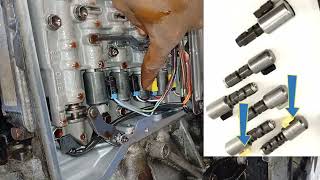
Typical fix: Replace the faulty shift solenoid. 🎬 See this guide to locate the specific shift solenoids It is highly recommended to replace all linear solenoids as a set, as they have similar wear patterns and failure rates. This prevents a repeat repair in the near future.
Est. part cost: $40-$80 for a single solenoid, $150-$350 for a full aftermarket kit (e.g., Rostra). - Low or Dirty Transmission Fluid 🟡 Medium Probability Volkswagen initially marketed the transmission fluid as "lifetime," leading many owners to neglect fluid changes. Over time, the fluid (spec G055025A2, equivalent to JWS 3309 / Toyota T-IV) degrades, loses viscosity, and collects clutch debris. This contaminated fluid can clog the tiny passages in the solenoids and valve body, causing them to stick and malfunction.
How to confirm: Check the transmission fluid level and condition. This is a complex procedure that must be done with the vehicle level and the transmission fluid at a specific temperature (35-45°C), checked via a scan tool. Dark, burnt-smelling fluid or a low level indicates a problem.
Typical fix: Perform a transmission fluid and filter change. If the fluid is very dirty, this may only be a temporary fix if the solenoid or valve body is already damaged or worn.
Est. part cost: $100-$200 for fluid and a filter kit. - Faulty or Worn Transmission Valve Body ⚪ Low Probability The valve body contains the solenoids and hydraulic passages. Debris in the fluid can cause abrasive wear on the aluminum bores where the solenoid valves move. This wear creates gaps, causing pressure loss and erratic shifting that mimics a solenoid failure. This is a known design flaw of the 09G.
How to confirm: This is difficult to confirm without specialized testing. It's usually diagnosed after replacing the solenoids does not fix the issue. A transmission specialist may use a vacuum tester on the valve body bores to check for wear. Visual inspection may show scoring on the bores.
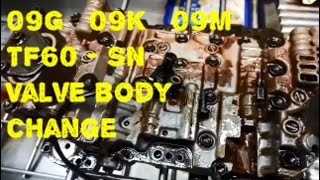
Typical fix: Replace the valve body with a remanufactured unit that has oversized valves and re-sleeved bores to correct the original design flaw. Part numbers like 09G325039A are common for early models. 🎬 Watch: Step-by-step valve body removal and replacement walkthrough
Est. part cost: $400-$1000 for a remanufactured valve body. - Wiring or Connector Issue ⚪ Low Probability The internal transmission wiring harness is submerged in hot fluid, which can make connectors brittle and wires lose their insulation over time. External wiring can also be damaged by road debris or corrosion.
How to confirm: Visually inspect the external transmission connectors for corrosion or damage. Inspect the internal harness for brittle plastic, chafed wires, or loose pins when the transmission pan is removed. Check for continuity and shorts on the solenoid circuit with a multimeter.
Typical fix: Repair the damaged section of wiring or replace the faulty connector/harness.
Est. part cost: $50-$250 for a new internal harness.
Rare But Worth Checking
- Failed Transmission Control Module (TCM): A faulty TCM is rare but possible. It would typically be accompanied by other communication-related trouble codes (U-codes) or multiple, erratic solenoid codes, not just P0751.
Diagnosis Steps
- Check and verify the transmission fluid level and condition. This must be done at the correct operating temperature (typically 35-45°C) using a scan tool and the specific fill plug procedure for the 09G transmission.
- Scan the TCM for any other related fault codes to see if other solenoids or circuits are affected.
- If the fluid is low, top it off, clear the codes, and test drive. If the fluid is very dirty or burnt, perform a fluid and filter change. Note that this may not fix an already failed component.
- If the code returns, gain access to the solenoids by draining the fluid and removing the transmission pan and filter.
- Visually inspect the internal wiring harness for any signs of damage, brittle connectors, or chafed insulation.
- Identify Shift Solenoid 'A' (typically the N92 solenoid, which is yellow). Test its resistance using a multimeter. The reading should be between 5-7 ohms. Test all other linear solenoids as well; their resistance values should be very close to each other (within 0.5 ohms). An open circuit (infinite resistance) or short (near-zero resistance) indicates a failed solenoid.
- If a solenoid tests bad, replace it. It is highly recommended to replace the full set of linear shift solenoids at the same time.
- If all solenoids test good electrically, the issue may be mechanical (sticking plunger inside the solenoid) or a larger problem within the valve body bores. At this point, replacing the solenoid set is still the most logical next step before condemning the valve body.
- If replacing the solenoids does not resolve the issue, the valve body itself is likely worn and requires replacement.
Parts You'll Likely Need
- Automatic Transmission Shift Solenoid Kit
(OEM #A complete kit is often aftermarket. Individual solenoids have specific part numbers, e.g., N92 for K1 clutch.)— This is the most common cause of P0751 on Jettas with the 09G transmission. Replacing the entire set is recommended as they fail at similar rates.
Trusted brands: Genuine VW/Audi, Aisin (OEM manufacturer), Rostra (e.g., kit 52-9042)
OEM price range: $400-$600
Aftermarket price range: $150-$350 - Automatic Transmission Fluid (ATF) and Filter Kit
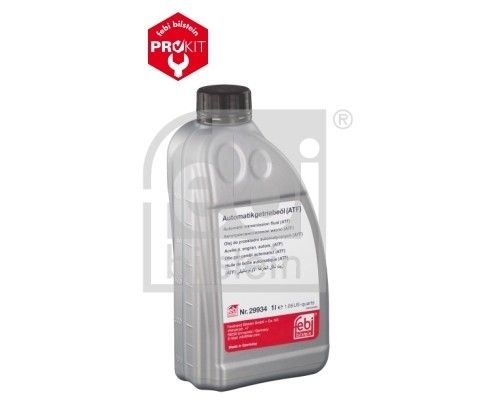
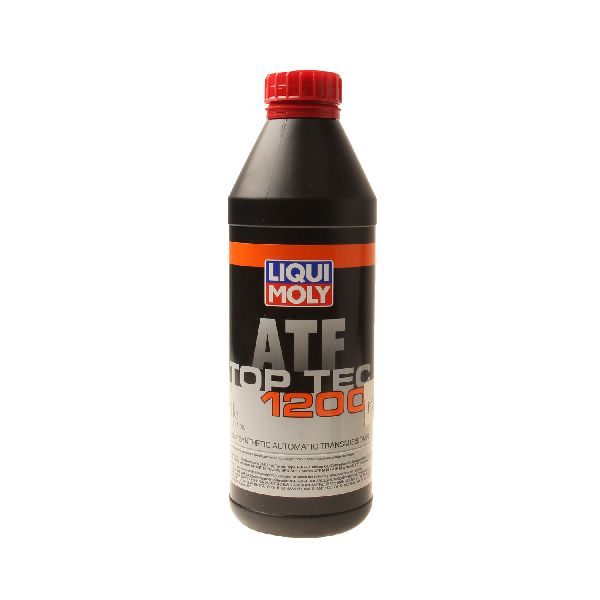
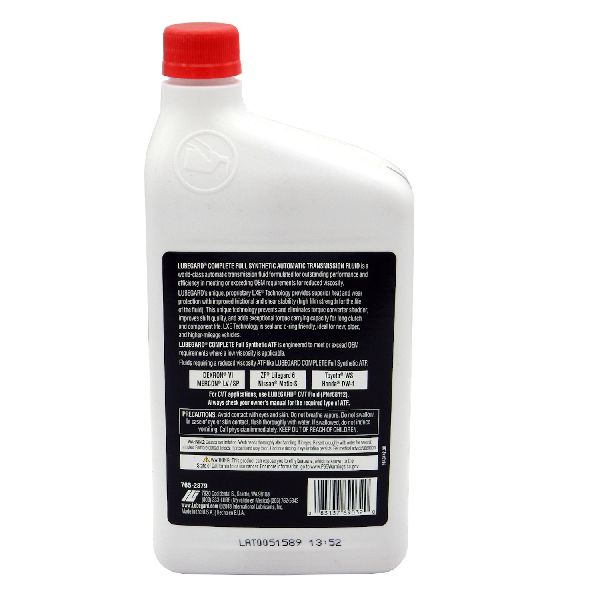
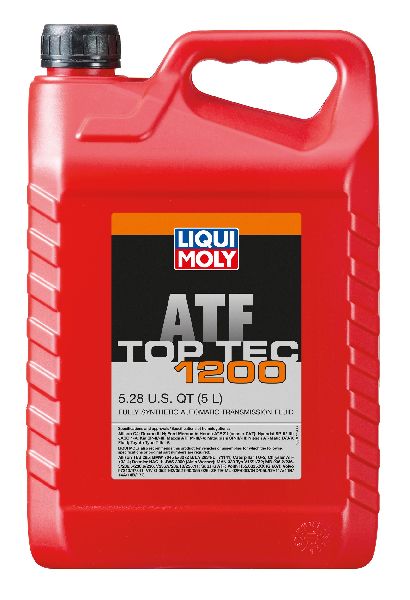
(OEM #G055025A2 (Fluid), 09G325429 (Filter))— Degraded or low fluid is a primary contributor to solenoid and valve body failure. A fluid and filter service is essential during any related repair.
Trusted brands: Genuine VW/Audi, Vaico, Febi, Idemitsu (JWS 3309 equivalent)
OEM price range: $150-$250
Aftermarket price range: $80-$150
Related Codes That Often Appear With This One
- P0756 — This code indicates a fault with Shift Solenoid 'B' (N282). If the transmission fluid is heavily contaminated or there is an electrical issue, it can affect multiple solenoids simultaneously.
- P0730 — Incorrect Gear Ratio. This is a general code that can appear with any solenoid code because the solenoid's failure to actuate results in the transmission being in the wrong gear.
Technical Service Bulletins (TSBs) & Recalls
- ATRA Technical Bulletin #1562: This bulletin from the Automatic Transmission Rebuilders Association provides detailed information on the VW 09G transmission, including solenoid identification (N-numbers), function, and resistance values. It helps technicians diagnose shift quality issues by identifying which solenoids and clutches are involved in each gear shift.
Platform-Specific Known Issues
- source — A YouTube video from user 'DadWagon' documents the diagnosis and repair of a 2007 VW Beetle (same 09G transmission) experiencing harsh downshifts and shift flaring. The initial step was a fluid change, which revealed burnt, old fluid but did not fix the problem. The owner then proceeded to drop the valve body and replace the full set of solenoids with a remanufactured kit. Testing the old solenoids with a multimeter showed they were all within the 5-7 ohm spec, indicating the failure was likely mechanical (sticking) rather than electrical. The repair, which involved replacing the solenoid set, successfully resolved the shifting issues.
- source — An ATRA technical article describes a common complaint on a 2005 Jetta where the transmission shifts 1-2-3 properly, but then feels like it shifts to neutral on the 3-4 upshift, particularly when hot. This was traced to the N282 (K2 clutch) solenoid sticking, preventing the K2 clutch from applying for 4th gear. This demonstrates how the failure of a specific solenoid can produce a very distinct symptom.
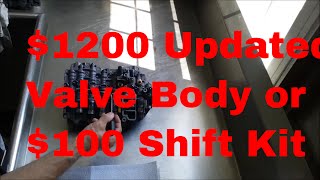
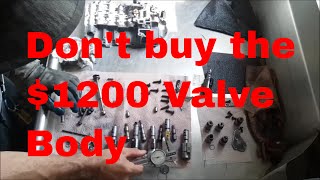
- source — A detailed YouTube video shows the process of not just replacing, but attempting to recondition the original 09G solenoids by cleaning and resizing the internal bushings using a shift kit. The video demonstrates how to test the solenoids for resistance (spec quoted as 5-7 ohms) and for shorts to the housing. While replacement is often easier, this highlights the mechanical nature of the failure inside the solenoid body itself.
Mechanic-Grade Diagnostic Values
- Shift Solenoid 'A' (N92) Resistance — expected: 5.0 - 7.0 Ohms (OEM). Aftermarket Rostra solenoids are rated at 5.3 Ohms.. Failure: A reading of infinite resistance (open), near-zero resistance (short), or a value outside the specified range. Also, test for any continuity between either pin and the metal solenoid housing; any reading indicates a short.
- Live Data - Transmission Fluid Pressure (TFP) — expected: A rise of 40-60 PSI when Solenoid 'A' is commanded 'On' by the scan tool or during a 1-2 shift.. Failure: Little to no change in pressure when the solenoid is activated, suggesting a stuck solenoid or a major leak in the valve body.
- Live Data - Shift Solenoid 'A' Status — expected: Should toggle between 'On' and 'Off' crisply as the transmission is commanded through gears (e.g., P-R-N-D).. Failure: The status remains 'Off' when it should be 'On', or the change is significantly delayed.
Scan Tool Commands That Help
- VCDS (VAG-COM): Output Diagnostic Test Mode (DTM) — This function is notably LIMITED for the 09G transmission. Technicians report that unlike other modules, you cannot individually cycle the N92 shift solenoid. The only output test available is for the shift lock mechanism solenoid. This is critical to know, as it prevents wasting time trying to perform a test that the TCM does not support.
- VCDS (VAG-COM): Basic Settings - Group 001 — After replacing the valve body or solenoids, some technicians perform a 'kickdown' or throttle body adaptation. While some forum users claim it is not strictly necessary for the 09G, performing a basic settings reset can help the TCM relearn shift points with the new components.
Wiring & Ground Locations
- G655 / G12 — In the engine compartment, below or near the left headlight assembly.. This is a primary ground connection for the Transmission Control Module (TCM). A corroded or loose ground at this point can cause erratic behavior, low voltage to the solenoids, and communication errors that could trigger P0751 or other U-codes.
- G602 / G44 — Inside the cabin, in the left kick panel area or lower A-pillar.. This is another key ground point for various interior modules. While less likely to be the sole cause for a transmission code, a poor ground here can contribute to network communication issues on the CAN bus that the TCM relies on.
- Transmission Case Connector — The main 8-pin round electrical connector on the exterior of the transmission case.. This is the single point of connection for all solenoids and sensors inside the transmission. The pins for Shift Solenoid 'A' (N92) pass through here. Corrosion from road salt or fluid wicking up the harness can cause high resistance or shorts in the circuit right at this connector.
Real Owner Repair Stories
- Transmission Digest technical article (2005 Volkswagen Jetta with 09G transmission) — Shifts normally from 1-2-3, but then shifts to neutral when the transmission gets hot. When cold, it shifted perfectly and set no codes.
❌ Tried (didn't work) Reprogramming the TCM with updated software from the dealer.
✅ What actually fixed it The cause was a mechanically sticking solenoid. The technician removed the valve body, disassembled the problematic solenoid, thoroughly cleaned the internal bushings and plunger, and reassembled it. This restored proper mechanical function without replacing the part. - YouTube video by a transmission specialist (2003 Volkswagen Beetle with 09G transmission) — Harsh shifting and other performance issues.
❌ Tried (didn't work) Installing a brand new set of aftermarket solenoids purchased online. The new parts had poor connector fitment and resulted in the same or worse shifting problems.
✅ What actually fixed it The mechanic removed the new, faulty aftermarket solenoids. He then took the original OEM solenoids, disassembled them, cleaned the internal components to free up sticking plungers, and reinstalled them. This resolved the shifting issues, highlighting the superior quality and reliability of the original parts over cheap aftermarket alternatives. - Reddit user 'Cog1969' in r/Volkswagen (High-mileage VW with 09G transmission) — Multiple shifting issues, including slipping.
❌ Tried (didn't work) Replacing the valve body with a rebuilt Sonnax-enhanced unit. This fixed some issues but made others worse.
✅ What actually fixed it The user concluded that on a high-mileage transmission where fluid changes were neglected, the clutch packs were too worn. The new valve body's correct pressures exacerbated the slipping of the worn clutches. The only true fix was a complete transmission rebuild: new friction plates, seals, pistons, a rebuilt valve body, and a refurbished torque converter.
When the Usual Fixes Don't Work
- While P0751 is most commonly a failed solenoid, a significant number of cases exist where the solenoids test perfectly fine electrically. In these instances, the root cause is often mechanical wear within the valve body bores that the solenoids sit in. This wear allows hydraulic pressure to leak, causing the TCM to flag a solenoid performance code even though the solenoid itself is not electrically faulty. Replacing the solenoids in this scenario will not fix the problem; the valve body must be replaced or remanufactured with oversized, sleeved valves to correct the pressure loss.
OEM Part Supersession History
09G325039A (and other variants)→Multiple revised part numbers. Remanufactured units from Sonnax or similar often have proprietary numbers.— To address inherent design flaws like soft aluminum bores that wear prematurely. Updated valve bodies often feature re-sleeved bores and improved solenoid modulator valves.
Heads up: There are at least six different versions of the 09G valve body that are not always interchangeable. Factors like engine size and model year are critical for ordering the correct part. It is also critical not to confuse parts for the 09G (TF-60SN) with the older 01M transmission, as they are not compatible.
Model Year Variations Within This Range
- 2006-2008: These earlier models are more likely to have the original valve body design with bores prone to premature wear. A Reddit user noted that models from 2009 onwards are more likely to have an updated, more reliable valve body from the factory.
Diagnostic Flowchart
Used vs. New Parts: Buying Guide for This Vehicle
When a used part is the smart pick: For this specific failure, buying a used valve body or used solenoids is strongly discouraged. The failure is due to a known design flaw and wear pattern, meaning a used part from a junkyard likely has or will soon develop the exact same problem.
Donor-vehicle mileage cap: roughly under 50000 miles for the part to have meaningful remaining life.
What to inspect on the donor part:
- If forced to consider a used valve body, prioritize one from a post-2009 vehicle, as it may be the updated design.
- Avoid any parts from a vehicle where the transmission fluid is dark, burnt, or contains visible debris.
- Ask for maintenance records; a donor vehicle with documented regular fluid changes is a much lower risk.
OEM-only on this vehicle (don't cheap out):
- Shift Solenoids: While quality aftermarket options exist, mechanics report a high failure rate with cheap, unbranded online kits. Sticking with original Aisin/VW solenoids (even cleaning and reusing the originals) is often a safer bet than gambling on low-quality aftermarket parts.
Aftermarket brands forum-validated for this vehicle:
- Sonnax: Widely regarded as the top choice for remanufactured valve bodies and repair kits. Their products specifically address the OEM design flaws by re-sleeving worn bores and using improved materials.
- Rostra: A known-good US-made brand for complete solenoid kits. Their linear solenoids are noted to be compatible with both early and late OEM designs.
- TransGo: Mentioned as a provider of effective shift kits that can improve performance and durability.
Brands owners have reported issues with on this vehicle:
- Unbranded 'white box' solenoid kits sold on platforms like eBay or Amazon. A documented case showed these parts having poor fitment and causing worse performance than the original failed parts.
Real Owner Stories
Aggregated from forums and TSBs cited above. Mileages and costs reflect what owners reported in those sources.
2007 VW Beetle
Symptoms: Harsh downshifts and shift flaring.
What fixed it: The owner dropped the valve body and replaced the full set of solenoids with a remanufactured kit. This resolved the shifting issues, even though the old solenoids tested within electrical spec, indicating a mechanical sticking failure.
Source hint: Owner Experience: Harsh Shifts and Limp Mode on a 2007 VW Beetle
2005 Jetta
Symptoms: The transmission shifts 1-2-3 properly, but then feels like it shifts to neutral on the 3-4 upshift, particularly when hot.
What fixed it: The issue was traced to the N282 (K2 clutch) solenoid sticking. Replacing the faulty solenoid resolves this specific symptom.
Source hint: Forum Discussion: 3-4 Shift Flare, Neutral-Out Condition
Related OBD-II Codes
Frequently Asked Questions
I was told the transmission fluid in my 2009 Jetta is 'lifetime'. Is this true?
My mechanic is replacing Shift Solenoid 'A' for P0751. Should I have him replace the others at the same time?
How can I confirm if the N92 solenoid in my Jetta has failed?
What causes the common 3-4 shift flare on these Jettas, where it feels like it goes into neutral?
I replaced the solenoids in my Jetta, but the P0751 code came back. What's the next likely cause?
What are the symptoms of a failing shift solenoid on a VW Jetta?
Helpful Videos
We Have This Part in Stock

The information in this article is provided for general reference and educational purposes only. Vehicle specifications, procedures, and part compatibility can vary by production date, trim level, and region. Always consult your vehicle's factory service manual and verify part numbers before purchasing or performing repairs. Safety-critical components such as airbags, seat belts, and braking systems should be installed by a qualified professional.
- Volkswagen Jetta:
- 🎬 Helpful Videos
- 🛍️ Shop This Part
- What's Unique About the 2006-2018 Volkswagen Jetta
- Symptoms You May Notice
- Most Likely Causes
- Rare But Worth Checking
- Diagnosis Steps
- Parts You'll Likely Need
- Related Codes That Often Appear With This One
- Technical Service Bulletins (TSBs) & Recalls
- Platform-Specific Known Issues
- Mechanic-Grade Diagnostic Values
- Scan Tool Commands That Help
- Wiring & Ground Locations
- Real Owner Repair Stories
- When the Usual Fixes Don't Work
- OEM Part Supersession History
- Model Year Variations Within This Range
- Diagnostic Flowchart
- Used vs. New Parts: Buying Guide for This Vehicle
- Real Owner Stories
- 2007 VW Beetle
- 2005 Jetta
- Related OBD-II Codes
- Frequently Asked Questions
- 🎟️ Get 5% Off