

P0751 on 2011-2019 Ford Explorer 3.5L: Shift Solenoid 'A' Causes and Fixes
On a 2011-2019 Explorer, code P0751 often points to an internal transmission issue beyond just a bad solenoid. The most likely causes are a failing molded lead frame or low/dirty transmission fluid. The lead frame is a known weak point covered by Ford's extended warranty program 19N01 (10 years/150k miles). If out of warranty, a full lead frame replacement can cost between $800 and $1,500 at a shop.
- Always check the transmission fluid level and condition first; it's the simplest and a very common cause.
- Code P0751 on this Explorer is very often caused by a faulty molded lead frame, not just the solenoid itself.
- This is not a beginner-friendly DIY repair. It requires dropping the transmission pan and valve body.
- If you experience harsh shifting or a no-forward engagement, a more serious internal mechanical issue mentioned in TSB 10-9-9 could be the cause.
- Always use the specified Motorcraft MERCON LV transmission fluid to ensure proper operation and longevity.
What's Unique About the 2011-2019 Ford Explorer
The 2011-2019 Explorer uses the Ford 6F50 or 6F55 automatic transmission. While P0751 can be a simple solenoid failure, this platform is notorious for issues with the internal molded lead frame, which houses transmission sensors and communicates with the solenoids. This failure is so common that Ford issued Customer Satisfaction Program 19N01, extending the warranty on this specific part. Furthermore, an older Ford Technical Service Bulletin (TSB 10-9-9) for this transmission family points to a potential internal mechanical failure—a broken orifice plug in the forward clutch circuit—as a more severe, albeit less common, cause for this code.
Symptoms You May Notice
- Harsh, delayed, or erratic shifts.
- Transmission getting stuck in one gear (limp mode).
- Vehicle hesitates or won't move when put in gear.
- Illuminated Check Engine Light or Wrench Light.
- Increased fuel consumption.
- Transmission overheating.
- Transmission slipping between gears.
- Immediately replacing only Shift Solenoid 'A' without checking for related speed sensor codes (P0720, P0722). The presence of those codes almost guarantees the problem is the molded lead frame, not the solenoid itself.
- Assuming a full transmission replacement is needed without first investigating the lead frame, especially if the vehicle is eligible for the 19N01 extended warranty program.
Most Likely Causes
- Faulty Molded Lead Frame 🔴 High Probability The molded lead frame, which integrates the output speed sensor (OSS), turbine speed sensor (TSS), and range sensor, is a well-documented, widespread failure point on Ford's 6F55 and 6R80 transmissions. High heat and vibration cause internal circuits and sensor connections to fail, leading to a variety of codes, including P0751. The failure rate was high enough for Ford to create Customer Satisfaction Program 19N01 to extend the warranty.
How to confirm: This is the most likely cause if P0751 is accompanied by codes P0720/P0722 (Output Speed Sensor) or P0707/P0708 (Range Sensor). Diagnosis is often a process of elimination after checking fluid. If these other codes are present, the lead frame is almost certainly the culprit. The repair is covered if the vehicle is within the 10-year/150,000-mile extended warranty.
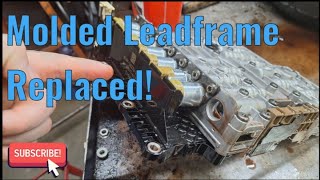
Typical fix: Replace the entire molded lead frame assembly, which requires removing the transmission pan and valve body. 🎬 Watch: A complete walkthrough of the lead frame replacement process This is a one-time repair under program 19N01.
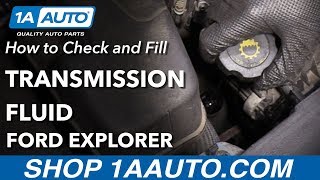
Est. part cost: $150-$400 - Low or Dirty Transmission Fluid 🟡 Medium Probability The 6F55 transmission does not have a traditional dipstick, making fluid level checks difficult 🎬 Watch: How to check the transmission fluid on your Explorer and infrequent for average owners. Low fluid levels can cause pressure drops, while old, dirty fluid can cause solenoids to stick or passages to clog.
How to confirm: The fluid level must be checked via a fill plug on the side of the transmission case while the vehicle is running and at operating temperature (typically 180-200°F). The fluid should be bright red (for MERCON LV) and not smell burnt. Dark, brown, or metallic-flecked fluid indicates serious internal wear.
Typical fix: Perform a transmission fluid drain-and-fill or a full fluid exchange with the correct Motorcraft MERCON LV fluid. This is a good first step if no other codes are present.
Est. part cost: $80-$200 for fluid and filter. - Failed Shift Solenoid 'A' ⚪ Low Probability
How to confirm: A technician can command the solenoid on and off with a high-level scan tool to check its response. The solenoid's internal resistance can also be tested with a multimeter after removing the valve body (a typical value is 10-20 ohms). However, the solenoid is often replaced with the lead frame as a unit.
Typical fix: Replace the individual shift solenoid or the entire solenoid body. Since this requires removing the valve body, and the lead frame is a much more common failure, it's highly recommended to replace the lead frame at the same time.
Est. part cost: $50-$100 for a single solenoid. - Damaged Wiring or Connectors ⚪ Low Probability
How to confirm: Visually inspect the main transmission harness and the bulkhead connector for corrosion, bent pins, or damaged wires. Test for power and ground at the solenoid connector. On some Explorers, the harness can droop and make contact with hot exhaust components, melting the insulation.
Typical fix: Repair the damaged section of the wiring harness or clean/replace the connector.
Est. part cost: $20-$100
Rare But Worth Checking
- Internal Mechanical Failure (Broken Orifice Plug): Ford TSB 10-9-9 describes a scenario for the 6F50/6F55 transmission where a broken orifice restrictor cup plug in the forward clutch circuit can cause DTC P0751 along with harsh or no forward engagement. This is a major internal failure that requires a complete transmission teardown to repair.
- Failing Powertrain Control Module (PCM): In very rare cases, the driver circuit within the PCM that controls the shift solenoid can fail. This should only be considered after all other possibilities (fluid, wiring, and all internal transmission components) have been exhaustively checked and confirmed to be working.
Diagnosis Steps
- Check the transmission fluid level and condition. This is the first and most crucial step. Ensure the correct procedure is used as there is no dipstick.
- Scan the PCM and TCM for any other stored trouble codes. The presence of P0720, P0722, P0707, or P0708 alongside P0751 makes a faulty molded lead frame the primary suspect.
- Check vehicle eligibility for Ford Customer Satisfaction Program 19N01. If eligible, diagnosis and repair of the lead frame at a Ford dealer may be free.
- Inspect the main transmission wiring harness and connector for any visible damage, corrosion, or loose connections, paying special attention to areas near exhaust components.
- If fluid and wiring are good, and other codes point to the lead frame, the next step is to drop the transmission pan and valve body to replace the lead frame.
- If P0751 appears alone, a technician may perform hydraulic pressure tests or test the solenoid's resistance with a multimeter to isolate the fault before replacing parts.
- Inspect the pan for excessive metal debris. A small amount of fine gray material is normal, but large flakes or chunks indicate a severe mechanical failure requiring a rebuild or replacement.
Parts You'll Likely Need
- Molded Lead Frame / Transmission Conductor Plate
(OEM #AE8Z-7Z369-F (example, verify by VIN))— This is the most common failure point for this code on this platform. The original part number from Pass 1 was incorrect. Note: Ford issued an extended warranty (19N01) for this part, so check with a dealer first.
Trusted brands: Motorcraft, Dorman
OEM price range: $250-$400
Aftermarket price range: $150-$250 - Automatic Transmission Fluid
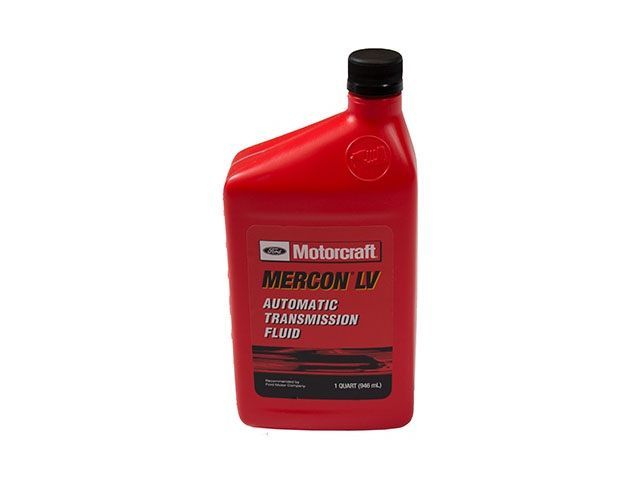
(OEM #Motorcraft MERCON LV (XT-10-QLVC))— Required for any repair that involves opening the transmission. Approximately 6-8 quarts are needed for a pan drop. Using the correct OEM-specified fluid is critical for transmission health.
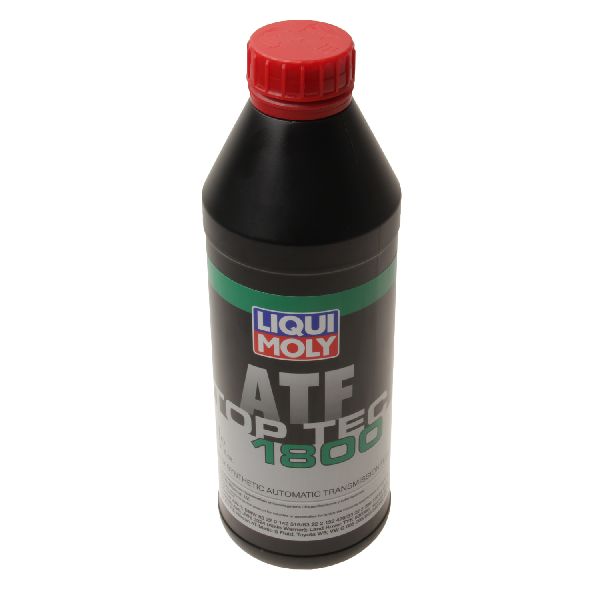
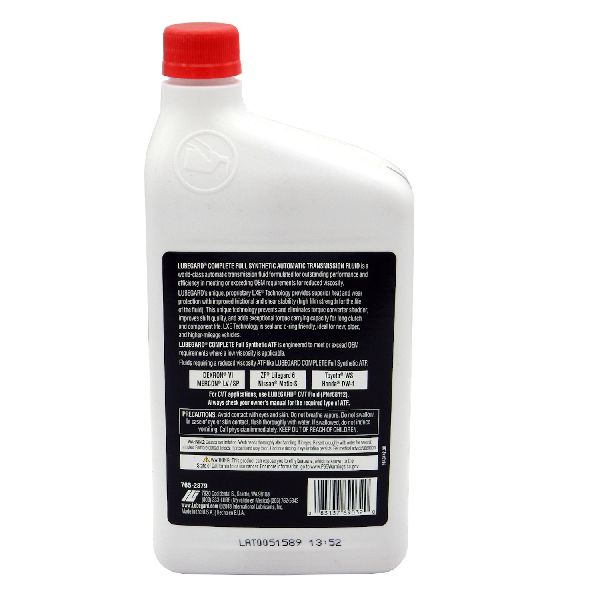
Trusted brands: Motorcraft, Valvoline MaxLife Full Synthetic, Castrol Transmax Full Synthetic Multi-Vehicle
OEM price range: $9-$13 per quart
Aftermarket price range: $8-$11 per quart - Transmission Filter Kit
(OEM #FT-188 (Motorcraft))— Should always be replaced whenever the transmission pan is removed for service.
Trusted brands: Motorcraft, Wix, ATP
OEM price range: $30-$50
Aftermarket price range: $20-$40 - Valve Body to Case Sleeve — This small seal between the valve body and transmission case is a common leak point and should be replaced whenever the valve body is removed. It is often sold separately from other kits.
Trusted brands: Motorcraft
OEM price range: $10-$20
Aftermarket price range: $5-$15
Related Codes That Often Appear With This One
- P0720 / P0722 — These codes relate to the Output Speed Sensor (OSS) circuit. The OSS is integrated into the molded lead frame. The appearance of these codes with P0751 is a very strong indicator that the lead frame is the root cause, and the repair may be covered under Ford's extended warranty program 19N01.
- P2700 — This code means 'Transmission Friction Element 'A' Apply Time Range/Performance'. It indicates a clutch is not engaging at the right time, which can be a direct result of the solenoid malfunction or hydraulic pressure issue causing P0751.
- P0707 / P0708 — These codes relate to the Transmission Range Sensor circuit, which is also part of the molded lead frame. Seeing these alongside P0751 further condemns the lead frame as the faulty component.
Technical Service Bulletins (TSBs) & Recalls
- Transmission Molded Leadframe Extended Coverage: Ford extended the warranty on the molded lead frame for certain vehicles, including the Explorer family, to 10 years or 150,000 miles. This program was initiated to address a high rate of failure of the lead frame, which can cause various transmission codes and symptoms, including sudden downshifting or loss of gear indication. It specifically covers failures that log DTCs like P0720 and P0722, which often appear with P0751.
- Harsh/No Forward Engagement, DTC P0751: An older TSB for the 6F50/6F55 transmission family that points to a potential internal mechanical failure—a broken orifice restrictor cup plug in the forward clutch circuit—as a cause for this specific code. This is a severe failure requiring a full transmission teardown.
- Rear Suspension Toe Link Fracture: Multiple recalls were issued for 2011-2019 Explorers due to rear toe links that could fracture due to corrosion or stress, leading to a loss of steering control. This is a critical safety issue unrelated to the P0751 code but vital for owners to be aware of.
- Exhaust Odor In Vehicle: A series of TSBs were released to address owner complaints of exhaust fumes entering the cabin, particularly under hard acceleration. The fixes involve sealing body seams, reprogramming the HVAC module, and in some cases, replacing exhaust components.
Platform-Specific Known Issues
- The internal water pump on the 3.5L Cyclone V6 is a known potential failure point that can cause coolant to leak into the engine oil, leading to catastrophic engine failure. While unrelated to the P0751 code, it is arguably the most significant design flaw of this engine, and owners should be vigilant for any signs of coolant loss.
Mechanic-Grade Diagnostic Values
- Shift Solenoid 'A' (SSA) Resistance — expected: 4.00 - 5.89 Ohms at 68-86°F (20-30°C). The resistance changes with temperature; for example, at 176-194°F (80-90°C), the expected range is 5.13 - 7.02 Ohms.. Failure: A reading outside the specified range for a given temperature indicates a faulty solenoid coil.
- Voltage at Transmission Harness Connector C168, Pin 15 — expected: Greater than 10 volts with ignition on.. Failure: Voltage below 10 volts indicates a problem with the power supply circuit to the transmission solenoids.
Scan Tool Commands That Help
- Ford IDS / Professional Scan Tool (e.g., Innova, Autel): Active Test: Command Shift Solenoid A (SSA) On/Off — This bidirectional control is used to verify if the solenoid clicks and attempts to function when commanded by the scan tool. This helps differentiate between a wiring/PCM issue and a physically stuck or failed solenoid.
- Ford IDS: TCM > Reset KAM (Keep Alive Memory) — This function must be performed after replacing the lead frame or valve body. It clears the learned adaptive values stored in the transmission control module. Failure to do this can result in continued poor shifting even with new parts.
- Ford IDS / High-End Scan Tool: Transmission Adaptive Learning Drive Cycle — After a KAM reset, the transmission must relearn shift pressures and timing. This involves a specific, lengthy driving procedure with light throttle accelerations, coasting, and gentle braking to allow the TCM to build new adaptive tables.
Wiring & Ground Locations
- C168, Pin 13 — The main 23-pin vehicle harness connector on the outside of the transmission case.. This is the specific pin for the Shift Solenoid 'A' control circuit. The circuit is designated CET05 and the wire color is typically Blue/Green (BU/GN). Technicians can test for control signals from the PCM at this pin.
- G104 — Right side of the engine compartment.. This is a primary ground point for various engine and transmission-related components. A loose or corroded connection at G104 can cause erratic voltage and phantom transmission codes, including P0751.
- G103 — At the rear of the left-hand (driver's side) engine cylinder head.. This is another critical engine ground. Service bulletins indicate that ensuring this connection is clean and tight is a key step when diagnosing unexplained electronic or transmission DTCs.
Real Owner Repair Stories
- Ford F150 Forum (2012 Ford F-150 3.5L EcoBoost (with 6R80 transmission, which shares the lead frame failure mode with the 6F55)) — Sudden transmission faults and limp mode.
❌ Tried (didn't work) Dealer quoted over $3,000 and a potential 6-month wait for the OEM lead frame part.
✅ What actually fixed it The owner self-installed a Dorman-branded lead frame, a new transmission pan with a drain plug, a new filter, and fresh fluid. The total cost was under $750 and the repair took about 3 days. The owner reported the Dorman part worked perfectly and resolved the issue.
OEM Part Supersession History
AE8Z-7Z369-A, B, C, D, E; BV6Z-7Z369-A→AE8Z-7Z369-F— Revisions to improve the durability of the internal circuitry and sensor connections on the molded lead frame to prevent premature failure.
Heads up: While all are for the same application, using the latest 'F' revision is highly recommended to get the most durable version of the part.
Model Year Variations Within This Range
- 2011: Early production 2011 Explorers with the 6F50/55 transmission may experience sluggish acceleration or a slip-then-bump sensation from a stop. An ATRA bulletin (and a related Ford TSB) recommends a specific valve body modification: removing one checkball and replacing both separator plates with updated parts (BT4Z-7Z490-B and 7T4Z-7Z490-D) followed by a PCM reprogram.
Diagnostic Flowchart
Other Known Issues on This Vehicle
Issues unrelated to this code that are worth knowing about as an owner of this generation:
- Internal Water Pump Failure 🔴 High — Common after 80,000-100,000 miles. Failure can be sudden or preceded by a slow coolant leak from a 'weep hole' near the alternator.
- Power Transfer Unit (PTU) Failure (AWD Models) 🔴 High — Can occur as early as 60,000 miles. The 'lifetime' fluid is cooked by the nearby exhaust, leading to lubrication failure.
- Exhaust Fume Intrusion into Cabin 🔴 High — Widespread on 2011-2017 models, leading to multiple TSBs and a NHTSA investigation. (Ref: TSB 14-0130, TSB 16-0166, TSB 17-0029)
- Rear Suspension Toe Link Fracture 🔴 High — Common enough to trigger multiple large-scale safety recalls across most model years. (Ref: NHTSA Recalls 21V537, 26S08)
- Throttle Body Failure 🟠 Medium — A common issue on fifth-generation models, often causing limp mode.
Used vs. New Parts: Buying Guide for This Vehicle
When a used part is the smart pick: For this specific repair, sourcing used electronic or hydraulic components is strongly discouraged. The only scenario where a used part might be considered is for a simple external component like a wiring harness connector if the original is physically damaged.
Donor-vehicle mileage cap: roughly under 60000 miles for the part to have meaningful remaining life.
What to inspect on the donor part:
- Verify the donor vehicle was not involved in a front-end collision that could have damaged the transmission.
- Ask for the VIN to check the service history for any transmission-related repairs.
- If possible, inspect the transmission fluid from the donor vehicle; it should be reddish and not smell burnt.
OEM-only on this vehicle (don't cheap out):
- Molded Lead Frame: While aftermarket options like Dorman exist, forums contain mixed reviews with some reporting out-of-box failures. Given the high labor cost, using a genuine Motorcraft part is the safest investment.
- Valve Body Assembly: Transmission specialists strongly advise against rebuilding the 6F55 valve body with aftermarket kits (e.g., Sonnax). They recommend replacing the entire assembly with a new Ford unit, as the original casting is considered inherently flawed.
Aftermarket brands forum-validated for this vehicle:
- While OEM is preferred, some users have reported success with Dorman lead frames, but it is considered a gamble.
Brands owners have reported issues with on this vehicle:
- Generic/unbranded lead frames and solenoids from online marketplaces should be avoided due to high failure rates and lack of quality control.
Real Owner Stories
Aggregated from forums and TSBs cited above. Mileages and costs reflect what owners reported in those sources.
2013 Ford Explorer 3.5L V6 — 93000 miles
Symptoms: The vehicle threw a P0751 code. Discussion centered on whether it was just dirty fluid or a stuck solenoid.
What fixed it: A full transmission replacement was performed.
Source hint: ExplorerForum.com - P0751 Code, Shop says it needs a replacement Transmission. True?
2011-2019 Ford Explorer (AWD model) — 69000 miles
Symptoms: Discussion of component failure caused by intense heat breaking down the fluid in the Power Transfer Unit (PTU).
What fixed it: Replacement of the Power Transfer Unit (PTU).
Source hint: Reddit r/FordExplorer - Discussion on PTU Failure
Related OBD-II Codes
Frequently Asked Questions
Is the molded lead frame failure on my 2011-2019 Explorer covered by a warranty extension?
My Explorer has a P0751 code and won't move in gear; could this be the 'orifice restrictor' issue mentioned in Ford service bulletins?
I have a P0751 code but also smell exhaust in the cabin of my 2015 Explorer. Are these related?
Can I check the transmission fluid level myself to see if that's causing the P0751 code?
Should I be worried about my water pump if I'm already dealing with transmission code P0751?
Is there a safety recall I should know about while my Explorer is in the shop for transmission repairs?
Helpful Videos
Used OEM Parts in Stock


New Aftermarket Parts Available



The information in this article is provided for general reference and educational purposes only. Vehicle specifications, procedures, and part compatibility can vary by production date, trim level, and region. Always consult your vehicle's factory service manual and verify part numbers before purchasing or performing repairs. Safety-critical components such as airbags, seat belts, and braking systems should be installed by a qualified professional.
- Ford Explorer:
- 🎬 Helpful Videos
- 🛍️ Shop This Part
- What's Unique About the 2011-2019 Ford Explorer
- Symptoms You May Notice
- Most Likely Causes
- Rare But Worth Checking
- Diagnosis Steps
- Parts You'll Likely Need
- Related Codes That Often Appear With This One
- Technical Service Bulletins (TSBs) & Recalls
- Platform-Specific Known Issues
- Mechanic-Grade Diagnostic Values
- Scan Tool Commands That Help
- Wiring & Ground Locations
- Real Owner Repair Stories
- OEM Part Supersession History
- Model Year Variations Within This Range
- Diagnostic Flowchart
- Other Known Issues on This Vehicle
- Used vs. New Parts: Buying Guide for This Vehicle
- Real Owner Stories
- 2013 Ford Explorer 3.5L V6 — 93000 miles
- 2011-2019 Ford Explorer (AWD model) — 69000 miles
- Related OBD-II Codes
- Frequently Asked Questions
- 🎟️ Get 5% Off