

OBD-II Code P0720: Output Speed Sensor Circuit Malfunction
What P0720 means, why it triggers, and how to fix it
- Code P0720 indicates a failed output speed sensor circuit, causing harsh shifting, limp mode, and a dead speedometer.
- On 2011-2018 Ford F-150s and SUVs, this code almost always points to a failed internal molded lead frame requiring a $1,100-$2,000 repair.
- For 2005-2017 Nissan and Infiniti models, P0720 is a notorious symptom of a failed Transmission Control Module (TCM), not the external sensor.
- Never replace the sensor without first checking transmission fluid levels and verifying the live speed data with an OBD-II scanner.
What Does P0720 Mean?

Code P0720 means the Powertrain Control Module (PCM) detects an abnormal, erratic, or missing signal from the transmission's output speed sensor (OSS). This sensor measures the rotational speed of the transmission's output shaft, providing critical data for smooth gear shifts, speedometer operation, and ABS management. When the signal is illogical—such as the engine running at 3000 RPM while the OSS reads zero—the computer triggers the check engine light and stores code P0720.
Technical definition: The SAE/OBD-II definition for P0720 is "Output Speed Sensor Circuit Malfunction." The Powertrain Control Module (PCM) or Transmission Control Module (TCM) sets this code when the Output Speed Sensor (OSS) signal is illogical or fails to correlate with the input speed sensor (ISS) or crankshaft position sensor (CKP). Depending on the vehicle, the sensor produces either an analog AC voltage or a digital DC square wave.
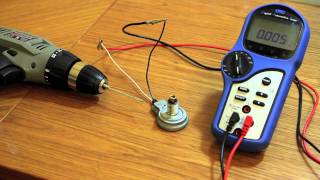
🎬 Learn how to test a 2-wire speed sensor with a multimeter.Can I Drive With P0720?
yes_but_not_recommended. Driving with a P0720 code poses a significant safety risk. The vehicle often enters 'limp mode' with reduced power, gets stuck in a single gear, or shifts harshly and unpredictably. On 2011-2013 Ford F-150s, this causes a sudden, dangerous downshift to first gear at highway speeds, potentially locking the rear wheels and causing a loss of control. 🎬 Watch how a faulty lead frame causes dangerous shifting issues. Continuing to drive causes severe internal transmission damage, turning a $200 sensor issue into a $4,000 transmission replacement. Limit driving immediately and tow the vehicle to a shop if it exhibits harsh downshifts.
Common Causes

- Faulty Output Speed Sensor (OSS) (Very Common) — The sensor itself is the most frequent failure point. Internal windings break, the magnetic pickup weakens, or it becomes contaminated with metallic debris from the transmission fluid, disrupting its signal.
- Damaged or Corroded Wiring/Connectors (Common) — The circuit's wires and connectors fray, break, short to ground, or corrode, interrupting the signal to the computer. This results from heat exposure, physical damage, or moisture intrusion.
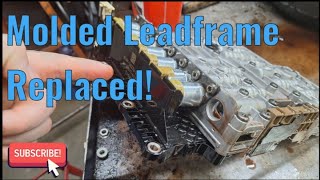
- Failed Molded Lead Frame (Ford) (Common For Make) — On Ford vehicles with the 6R80 transmission, the OSS is integrated into an internal component called the molded lead frame. This part has a notoriously high failure rate, causing P0720 and requiring internal transmission replacement.
- Faulty Transmission Control Module (TCM) (Common For Make) — The control module reading the sensor's signal fails entirely. This is a widespread issue in 2005-2017 Nissan and Infiniti models where a faulty TCM is the true culprit, not the external sensor.
- Contaminated or Low Transmission Fluid (Common) — Dirty, burnt, or low transmission fluid causes slipping and erratic transmission operation that triggers the code. Metal shavings in old fluid cling to the magnetic sensor and block its reading.
- Bad Ground Connection (Uncommon) — A corroded or loose ground wire for the transmission or PCM introduces electrical noise and voltage drops, leading to an erroneous P0720 code.
- Weak Battery or Charging System Issues (Uncommon) — A failing battery or alternator causes low voltage across the vehicle's electronic systems, leading to communication glitches and triggering false sensor codes like P0720.
- Internal Transmission Issues (Rare) — Mechanical problems inside the transmission, like a failing valve body, worn clutches, or a damaged reluctor wheel, cause the output shaft speed to be erratic, triggering the code.
Symptoms

- Harsh, Delayed, or Erratic Shifting — The transmission shifts roughly, hesitates, refuses to shift, or gets stuck in a 'fail-safe' limp mode gear.
- Malfunctioning or Inaccurate Speedometer — The speedometer needle jumps erratically, reads 0 MPH while moving, or stops working entirely. The odometer often shows dashes.
- Check Engine Light or Transmission Warning Light — The vehicle's computer illuminates the check engine light or a transmission-specific warning light to alert the driver of the fault.
- Cruise Control Disabled — The cruise control system disables automatically as a safety measure because the computer lacks a reliable vehicle speed reading.
- Stalling When Coming to a Stop — The engine stalls or idles roughly when stopping because the computer receives incorrect speed information and fails to manage the idle state correctly.
- Improper ABS or Traction Control Operation — Because the ABS and traction control systems rely on wheel speed data, a faulty OSS causes these systems to behave erratically or disable entirely.
- Decreased Fuel Efficiency — Improper shift timing and inefficient transmission operation caused by faulty sensor data leads to a noticeable drop in fuel economy.
Diagnostic Flowchart
Tap your situation to follow the diagnostic path that matches what you're seeing on this code.
Common Fixes & Costs
- Replace Output Speed Sensor
— Parts: $25-$150, Labor: $75-$200, ~1.2 hr book time
(DIY To Intermediate)
Dodge/Jeep (45RFE/545RFE): OEM Mopar 4799061AB (Alt: Dorman 917-647, Standard Motor Products SC226)
Nissan/Infiniti (External): OEM 31935-1XJ0A (Alt: Bosch 0986594560, Walker 240-1048) - Replace Molded Lead Frame (Ford)
— Parts: $200-$400, Labor: $600-$1,200, ~5.0 hr book time
(Professional)
Ford F-150 (6R80): OEM Motorcraft AL3Z-7G276-D (Alt: Dorman 609-040) - Replace Transmission Control Module (TCM)
— Parts: $500-$1,500, Labor: $300-$600, ~3.0 hr book time
(Professional)
Nissan Pathfinder/Titan (RE5R05A): OEM 0260550002 (Bosch Part Number for TCM) (Alt: Remanufactured units available under various part numbers like ETC91-171N) - Repair or Replace Wiring/Connector — Parts: $10-$50, Labor: $100-$300, ~1.5 hr book time (Intermediate)
- Transmission Fluid and Filter Change — Parts: $50-$150, Labor: $100-$250, ~1.5 hr book time (Intermediate)
- Replace Internal Speed Sensor Harness (Hyundai/Kia)
— Parts: $150-$250, Labor: $200-$400, ~3.5 hr book time
(Professional)
Hyundai Sonata/Elantra (A6MF1/2): OEM Hyundai 46307-3B650 (Alt: Carquest Premium ARA2358) - Update or Reprogram PCM/TCM Software — Parts: $0, Labor: $100-$250, ~1.5 hr book time (Professional)
Used vs. New Parts: Buying Guide
When a used part is worth it: For external speed sensors, the low cost of a new part makes used ones impractical. For expensive internal components like a Ford molded lead frame or a Nissan TCM/valve body, a used part from a low-mileage, accident-damaged vehicle is a cost-effective option if the budget is tight.
Donor-vehicle mileage cap: roughly under 70000 miles for the part to have meaningful remaining life.
Donor quality checklist:
- Verify the donor vehicle was not scrapped due to transmission failure.
- Match part numbers exactly; electronic components are often not interchangeable.
- For TCMs, ensure the seller can confirm it is a functional, tested unit.
Decision logic:
- If The part is an external sensor or under $150 new → Always buy new; the savings are minimal and the risk isn't worth it.
- If The part is an internal electronic module (TCM, lead frame) and the vehicle is over 10 years old or 150K miles → A tested, used part is a reasonable choice to save significant money, but accept the shorter lifespan.
- If The part is known for a high failure rate (e.g., Nissan TCM, Ford lead frame) → Favor a new or professionally remanufactured part with a warranty, as even a used part carries a high risk of failure.
Warranty tradeoff: Used parts from salvage yards typically offer a 30-90 day warranty. Aftermarket new parts often come with a 1-year to limited lifetime warranty. OEM new parts carry a 1-2 year warranty.
Worst-case if a used part fails: $800-$1500 if a used internal part like a lead frame or TCM fails after installation, as the labor must be paid for a second time.
What Happens If You Wait — Timeline
- 0-1 month: Intermittent check engine light. Occasional harsh shift or speedometer flicker. The vehicle briefly enters limp mode but resets after restarting. (MPG impact: 0-5%% · Added cost: $0-$50 in wasted fuel.)
- 1-3 months: Check engine light is constant. Harsh shifting becomes frequent. Speedometer is unreliable. Stalling at stops occurs. The transmission operates with incorrect hydraulic pressures due to bad data. (MPG impact: 5-15%% · Added cost: $50-$200 in wasted fuel and initial wear on clutch packs.)
- 3-6 months: Continued harsh shifting causes mechanical damage. Clutch materials wear excessively, and solenoids are strained. Transmission fluid overheats and breaks down faster, accelerating wear. (MPG impact: 10-20%% · Added cost: $500-$1,500 as the sensor issue now requires replacement of internal transmission components like clutches or a valve body.)
- 6+ months: Catastrophic transmission failure. The accumulated damage from uncontrolled shifting leads to widespread internal failure. The transmission gets stuck in one gear permanently or fails to engage at all. (MPG impact: 20%+% · Added cost: $2,500-$7,000+ for a complete transmission rebuild or replacement.)
Cost of Not Fixing It
- Immediate (0-1 month): Erratic shifting, stalling, and a non-functional speedometer create a significant safety risk. Fuel economy drops by 5-15% due to inefficient shifting. (Added cost: Negligible, but high safety risk.)
- Short Term (1-6 months): Continued harsh shifting and slipping causes premature wear on transmission clutches, bands, and internal hydraulic components. This leads to overheating of the transmission fluid, reducing its lifespan. (Added cost: $200-$500 for a transmission service, but internal damage is starting.)
- Long Term (6+ months): Catastrophic transmission failure. What started as a sensor issue evolves into needing a complete transmission rebuild or replacement due to accumulated mechanical damage from uncontrolled shifting. (Added cost: $2,500-$7,000+)
Diagnosis Steps
- Scan for Codes and Review Freeze Frame Data
Use an OBD-II scanner to confirm P0720 and check for related codes (e.g., P0721, P0722, P0500, P0715). Analyze the freeze frame data to see the vehicle's exact speed and RPM when the code was set.
Tools: OBD-II Scanner (Beginner) - Analyze Live Data with a Scan Tool
Using a scan tool with live data capability, monitor the PID for 'Output Shaft Speed' or 'Vehicle Speed'. The reading must be 0 MPH when stopped and increase smoothly as the vehicle accelerates. An erratic, jumping, or zero reading while moving confirms a fault in the sensor circuit.
Tools: OBD-II Scanner (with live data) (Intermediate) - Inspect Transmission Fluid Level and Condition
Check the transmission fluid. A low level causes shifting issues, while dark, burnt-smelling fluid indicates internal wear. Metal shavings in the fluid stick to the magnetic sensor and disrupt its reading.
Tools: Dipstick (if equipped), Rag, Flashlight (Beginner) - Visually Inspect the Sensor, Wiring, and Connectors
Locate the Output Speed Sensor on the transmission. Inspect the sensor, its connector, and the wiring harness for frayed wires, corrosion, melted plastic, or loose connections. Trace the harness and check ground connections.
Tools: Flashlight, Safety Glasses (Intermediate) - Perform a Harness Wiggle Test
While monitoring the sensor's signal with a scanner's live data feed, carefully wiggle the wiring harness and connector. If the signal drops out or becomes erratic during the wiggle test, you have an intermittent open or short in the wiring.
Tools: OBD-II Scanner (with live data) (Intermediate) - Test Sensor Resistance (Quantitative Check)
Disconnect the sensor and use a digital multimeter set to Ohms (Ω) to measure the resistance between its terminals. Compare the reading to the manufacturer's specification (often 500-650 Ω for 2-wire sensors). An infinite reading confirms a dead sensor.
Tools: Digital Multimeter, Service Manual (Intermediate) - Test for AC Voltage Generation (2-wire sensors)
Set your multimeter to AC Volts. With the sensor connected and the vehicle's drive wheels raised safely on jack stands, back-probe the sensor's signal wire. The AC voltage must increase steadily as wheel speed increases (e.g., 0.5V to 7V+). No voltage points to a bad sensor or damaged reluctor wheel.
Tools: Digital Multimeter, Jack and Jack Stands (Advanced) - Check for Reference Voltage and Ground (3-wire sensors)
For 3-wire Hall-effect sensors, disconnect the connector and turn the ignition on (engine off). Use a multimeter to verify a 5V reference voltage from the PCM on one wire and a solid ground on another. Missing voltage or ground indicates a wiring or PCM problem, not a sensor problem.
Tools: Digital Multimeter, Wiring Diagram (Advanced) - Check Wiring Integrity (Advanced)
Disconnect the sensor and the PCM. Using a multimeter, check for continuity on the signal and ground wires from end to end (must be < 5.0 ohms). Check for a short to ground on the signal wire by measuring resistance between the signal pin at the PCM connector and chassis ground (must be infinite).
Tools: Digital Multimeter, Wiring Diagram (Advanced) - Analyze the Signal with an Oscilloscope (Definitive Test)
Connect an oscilloscope to the sensor's signal wire and ground. With the wheels spinning, verify a clean, consistent waveform (sine wave for AC, square wave for Hall-effect). Gaps or noise in the waveform indicate a failing sensor, damaged reluctor ring, or electrical interference.
Tools: Oscilloscope, Jack and Jack Stands, Wiring Diagram (Advanced)
When This Code Triggers (Freeze-Frame Conditions)
- Engine Coolant Temp: 180-210°F (Fully warmed up and in closed-loop operation.)
- RPM: 1500-3000 (Cruise, light acceleration, or steady throttle.)
- Engine Load: 25-70% (The engine is under a moderate working load, not idling or at full throttle.)
- Vehicle Speed: 35-60 mph (Steady highway or city driving speeds.)
Related Codes
- P0721 — This code for 'Output Speed Sensor Circuit Range/Performance' indicates the sensor's signal is erratic or irrational, but a signal is still present. P0720 is more general, while P0721 points specifically to a performance problem.
- P0722 — This code means 'Output Speed Sensor Circuit No Signal,' which is a more specific version of P0720. If you have P0722, the computer detects a complete loss of signal, pointing strongly to a dead sensor or a complete break in the wiring.
- P0500 — This code stands for 'Vehicle Speed Sensor (VSS) Malfunction.' On many vehicles, the OSS provides the primary data for the speedometer. Therefore, a P0720 fault almost always triggers a P0500 code as a direct consequence.
- P0715 — This code relates to the 'Input/Turbine Speed Sensor Circuit Malfunction.' The computer constantly compares the input and output sensor speeds to verify gear ratios. A fault in either sensor triggers a code for the other if the ratio is implausible.
Climate & Environmental Factors
- High Humidity & Road Salt: Regions with high humidity or that use road salt in winter see a higher incidence of wiring and connector-related failures. Moisture and salt accelerate corrosion on exposed connectors, terminals, and ground points, which disrupts the sensor's signal and triggers a P0720 code.
- Extreme Cold: Extremely cold temperatures affect transmission performance. Very cold, thick transmission fluid causes delayed engagement or harsh shifting on its own. This exacerbates an existing marginal sensor or fluid issue, leading to implausible speed sensor readings during the initial warm-up phase.
How to Talk to a Mechanic About This Code
Say this: "I have a P0720 code and need a diagnostic. Please perform a full circuit test, including checking the wiring for shorts or opens, and monitor the live data from the sensor before recommending a repair."
This signals to the shop that you understand the code's complexity and that a simple part swap isn't an acceptable first step. It directs them to perform a proper diagnosis to isolate the fault (sensor, wiring, or computer) and prevents them from defaulting to the easiest, but often incorrect, repair.
Avoid saying:
- 'My car is shifting weird, can you fix it?'
- 'My check engine light is on, I think it's a speed sensor.'
- 'Just replace the output speed sensor.'
Questions to ask before authorizing the repair:
- What were the results of the sensor's resistance and voltage tests?
- Did you see a clean, consistent signal on the live data feed or an oscilloscope?
- Did you perform a 'wiggle test' on the harness to check for intermittent shorts?
- Have you confirmed the computer has a good power and ground supply?
- Given my vehicle is a (Nissan/Ford), have you ruled out the common TCM/lead frame failure?
Where to Take It: Dealer vs Independent vs Chain
- Dealer:
Best for: Vehicles under powertrain warranty., Known manufacturer-specific issues like the Ford molded lead frame or Nissan/Infiniti TCM failures, as they have the most experience and access to technical service bulletins (TSBs)., Repairs that require software updates or programming.
Downsides: Highest labor rates and part costs., Often recommends a complete assembly replacement (e.g., entire valve body) when a smaller component is the cause. (Typical cost: +50% vs. baseline) - Independent Shop:
Best choice for most out-of-warranty vehicles, especially if you find a shop with a strong reputation in transmission and electrical diagnostics. They provide a good balance of expertise and value.
Best for: Out-of-warranty vehicles where cost is a major factor., Diagnosing and repairing common causes like external sensors, wiring issues, and fluid services., Shops specializing in transmissions are particularly well-suited for complex internal repairs.
Downsides: Quality and diagnostic capability vary widely; vetting the shop's reputation is crucial., May lack specific tools for complex manufacturer software updates. (Typical cost: +0% vs. baseline) - Chain Shop:
AVOID for diagnosis. High risk of misdiagnosis, leading to wasted money on unneeded parts. Only use if you are 100% certain the fix is a simple external sensor swap.
Best for: Simple, confirmed external sensor replacements where you have already diagnosed the issue yourself.
Downsides: Technician skill varies dramatically., High pressure to upsell unnecessary services., Generally not equipped for in-depth electrical or internal transmission diagnostics required for P0720. (Typical cost: -10% vs. baseline)
When to Walk Away From the Repair
If the estimated repair cost for the P0720 fault exceeds 50% of your car's private-party market value, sell or trade it in rather than repairing it.
- Car worth $4000, fix is $1800: Borderline. The repair is 45% of the car's value. Get a second opinion before proceeding. If the diagnosis is a Ford lead frame or Nissan TCM, this cost is realistic.
- Car worth $15000, fix is $1500: Fix it. The repair is only 10% of the vehicle's value and is a worthwhile investment.
- Car worth $3000, fix is $2500: Walk away. The repair cost is over 80% of the car's value. This is a classic 'mechanic's special' situation.
What Scan Tool You Need for This Code

Minimum: A scanner that can read and graph live data, specifically the 'Vehicle Speed' or 'Output Shaft Speed' PID.
A basic $20 code reader only shows 'P0720'. It cannot show you the live sensor signal, which is essential to see if the reading is erratic, dropping to zero, or completely absent while the car is moving. Without live data, you are just guessing at the cause.
Budget: BlueDriver Pro Scan Tool (~$99) — Connects to your smartphone via Bluetooth and allows you to read/clear codes, view freeze frame data, and graph the live output speed sensor data to see if it's working correctly.
Mid-range: Foxwell NT510 Elite (~$150) — A powerful handheld unit that provides OE-level diagnostics for specific makes. It reads live transmission data, accesses manufacturer-specific codes, and performs some bidirectional tests to help diagnose wiring or module issues.
Professional: Autel MaxiCOM MK808BT (~$450-600) — Offers extensive all-system diagnostics, advanced live data graphing, and bidirectional control to test components directly. The wireless capability makes road testing easier. This level of tool is ideal for definitively diagnosing complex wiring or module faults.
Rent vs buy: For a one-time diagnosis, many auto parts stores scan your codes for free. However, to properly diagnose P0720 with a road test, you need to see live data. Renting a tool is not practical for this. If you are a DIYer, buying a budget pick like the BlueDriver is a smart investment for this and future issues.
How to Clear the Code After You Fix It
- Use an OBD-II scan tool to clear the P0720 code.
- Ensure the fuel tank is between 1/4 and 3/4 full.
- Perform a complete drive cycle to allow readiness monitors to run.
Drive cycle (~30 minutes): A generic drive cycle includes a cold start (after sitting 8+ hours), 2-3 minutes of idling, 15 minutes of mixed city/highway driving including steady speeds around 55 mph, and stop-and-go conditions.
Readiness monitors affected: Comprehensive Component Monitor, Catalyst Monitor, Oxygen Sensor Monitor
Before emissions retest: drive at least 100 miles to fully set monitors.
Watch out for:
- Simply clearing the code or disconnecting the battery will not solve the underlying problem; the code will return.
- Attempting an emissions test immediately after clearing codes results in a 'Not Ready' failure because the drive cycle has not been completed.
Will This Fail Emissions / State Inspection?
Yes — this code typically fails an OBD-II emissions inspection.
- California: An illuminated Check Engine Light from a P0720 code is an automatic failure. After repair, a full drive cycle must be completed to set all readiness monitors before a retest is possible.
- New York: The NYS DMV vehicle inspection includes an OBD-II scan. A P0720 code causes the vehicle to fail the emissions portion of the inspection.
- Texas: In counties requiring emissions testing, an active P0720 code and illuminated Check Engine Light result in an automatic inspection failure.
Most Commonly Affected Vehicles
- Nissan Titan, Pathfinder, Frontier, Xterra, 370Z (2005-2017) — These models have a very high incidence of P0720 caused by a failing Transmission Control Module (TCM). The TCM is integrated with the valve body inside the transmission. Replacing the external sensor will not fix the issue.
- Ford F-150, Explorer, Expedition, Mustang (2011-2018) — On vehicles with the 6R80 transmission, P0720 is most commonly caused by a failure of the internal molded lead frame. Ford issued Customer Satisfaction Program 19N01 to extend the warranty on this part, though it has expired for most vehicles.
- Jeep Grand Cherokee, Cherokee, Wrangler (1999-2010) — Often caused by a faulty sensor or a corroded connector plug. On models with the 45RFE/545RFE transmission, the input and output sensors are a common failure point and are replaced together.
- Infiniti G37, Q50, QX56, QX70 (2009-2017) — Similar to their Nissan counterparts, these vehicles experience TCM failure that falsely triggers the P0720 code, especially in models using the 7-speed automatic transmission.
- Dodge/Chrysler/Jeep Various with 45RFE/545RFE/68RFE Transmissions (1999-2018) — The input and output speed sensors on these widely used transmissions are a known common failure point. They are identical parts (Mopar P/N 4799061AB) and are replaced as a set for preventative maintenance.
- Hyundai Sonata, Elantra, Santa Fe, Tucson, Accent (2009-2022) — On many models with the 6-speed automatic (A6MF1/2), this code is caused by a faulty output speed sensor located inside the transmission. Access requires removing the valve body.
- Kia Optima, Sorento, Forte, Sportage (2009-2022) — Sharing transmissions with Hyundai, many Kia models experience the same internal output speed sensor failure. The sensors are sold as a harness assembly that includes both the input and output sensors.
- Honda Odyssey, Civic, Fit (2006-2021) — P0720 in these models points to a faulty sensor on the transmission casing, but wiring issues or an outdated PCM software version are also common causes.
Manufacturer-Specific Notes

- Nissan/Infiniti: On many models with the 5-speed (RE5R05A) and 7-speed (RE7R01A) automatic transmissions, a P0720 code is frequently caused by a failure within the Transmission Control Module (TCM), mounted inside the transmission on the valve body. Replacing the external sensor will not fix the issue.
- Ford: On many Ford trucks and SUVs with the 6R80 transmission, P0720 is the primary code for a failed molded lead frame. This issue prompted Safety Recall 19S07 to reprogram the PCM to prevent a sudden downshift, while a warranty extension covered the lead frame replacement.
- Hyundai/Kia: For many models with the 6-speed automatic transmission, the input and output speed sensors are located internally on the valve body harness. They are replaced as a pair and require draining the fluid and removing the transmission pan and valve body for access.
- Subaru: On some Subaru models, a P0720 code is defined as 'Invalid Data Received From Instrument Panel Cluster Control Module.' This suggests the problem lies in the communication (CAN bus) between the instrument cluster and the TCM, rather than the sensor itself.
Real Owner Stories
2014 Nissan Frontier SV (105k miles) - Misdiagnosis
Check engine light came on the day after purchase. The truck felt 'stuck in gear' and only fixed itself after restarting the engine. This happened mostly at stop lights once the truck was warm.
What they tried:
- The owner replaced the output speed sensor with a genuine Nissan part, but the P0720 code and symptoms returned.
Outcome: The issue was a failing Transmission Control Module (TCM), a widespread problem in this era of Nissan trucks. Replacing the sensor did not solve the problem.
Lesson: On many Nissan and Infiniti vehicles, P0720 is a classic symptom of TCM failure. Do not waste money on the sensor before ruling out the TCM, especially if symptoms are heat-related and intermittent.
2013 Ford F-150 5.0L (147k miles) - The Common Fix
Vehicle threw a P0720 code, experienced sudden, harsh downshifts, and the speedometer intermittently dropped to zero.
What they tried:
- The owner had recall 19S07 performed, which reprograms the computer to prevent the dangerous downshift, but this does not fix the root cause.
- The owner replaced the internal molded lead frame, which contains the output speed sensor.
Outcome: Replacing the molded lead frame is the correct repair for this specific issue on Ford's 6R80 transmission. The repair cost $1,200.
Lesson: If you have a 2011-2018 Ford with a 6R80 transmission and a P0720 code, the molded lead frame is the definitive cause. Expect to pay for the lead frame replacement as warranty extensions have mostly expired.
2015 Infiniti Q50 (53k miles) - Warranty Win
Check engine light came on, car would not shift past 3rd gear, and RPMs fluctuated wildly. Code P0720 was present.
What they tried:
- The owner cleared the code, but it immediately returned with the same symptoms.
- The owner took the car to an Infiniti dealership.
Outcome: The dealership diagnosed a failed valve body and transmission computer (TCM). Because the vehicle was under the 70,000-mile powertrain warranty, the $3,500 repair was covered for free.
Lesson: Always check your powertrain warranty status before paying for major transmission repairs. For many Nissan/Infiniti models, P0720 ties to the expensive TCM/valve body assembly.
Ford 7.3L Powerstroke - Unusual Cause
Intermittent P0720 code. When the problem occurred, the truck tried to take off in 2nd gear. A scan tool showed a vehicle speed reading of 8-20 MPH even when completely stopped.
What they tried:
- The owner tested the speed sensor, and it was good. The problem persisted even when the sensor was completely unplugged, indicating the false signal came from elsewhere.
- The owner checked the electrical system, including battery health and ground connections.
Outcome: The root cause was electrical interference and a grounding issue, not the sensor itself. Cleaning ground connections and testing the batteries eliminated the false speed signal.
Lesson: If sensor tests check out but the problem persists, suspect a wiring or electrical issue. Unplugging the sensor while monitoring live data isolates whether the problem is the sensor or upstream electrical noise.
How to Prevent This Code From Triggering
- Change transmission fluid and filter at recommended intervals. (Every 30,000-60,000 miles (check owner's manual).) — Clean fluid prevents abrasive particles and metal shavings from contaminating the magnetic tip of the speed sensor, which blocks its signal. It also ensures proper hydraulic pressure for shifting.
- Use only the manufacturer-specified transmission fluid. (Every fluid change.) — Using the wrong fluid (e.g., generic ATF instead of Nissan Matic-S) causes improper clutch engagement, overheating, and shifting problems that lead to implausible speed sensor readings and trigger a P0720 code.
- Inspect and clean transmission connectors during other services. (During oil changes or other under-car work.) — Periodically checking the OSS connector for corrosion or damage, especially in regions that use road salt, prevents simple wiring issues. Applying dielectric grease keeps moisture out.
- Address engine and transmission fluid leaks promptly. (As needed.) — Leaking engine oil or transmission fluid saturates wiring harnesses and connectors, causing the insulation to break down and leading to shorts in the sensor circuit.
Frequently Asked Questions
What is the most common misdiagnosis for a P0720 code?
The most common mistake is replacing the output speed sensor without testing the circuit or considering vehicle-specific patterns. On a Nissan, the fault is usually the TCM; on a Ford F-150, it is the lead frame. Technicians frequently find the real issue is a damaged wire, corroded connector, or the control module itself.
Can a weak battery cause a P0720 code?
Yes, a weak or failing battery causes low voltage conditions and electrical glitches throughout the vehicle's electronic systems. This leads to erratic signals and communication errors between modules, triggering a false P0720 code. Always ensure the battery and charging system are healthy before starting complex transmission diagnostics.
How much does it cost to fix a P0720 code?
Costs range from $150-$350 for a simple external sensor replacement to over $2,000 for complex internal repairs. For example, a Ford F-150 molded lead frame costs $1,100-$2,000, while a Nissan TCM replacement often exceeds $1,500. Always diagnose the specific failure point before estimating repair bills.
Where is the output speed sensor located?
On rear-wheel-drive vehicles, the sensor sits on the exterior transmission tail housing near the driveshaft. Front-wheel-drive models place it on the transmission case near the CV axles. Many modern Ford, Hyundai, and Kia vehicles hide it inside the transmission oil pan attached to the valve body.
Can I replace the output speed sensor myself?
If the sensor mounts externally, it is a simple DIY repair requiring only a socket set to remove one bolt. However, if the sensor sits inside the transmission oil pan, the job requires draining fluid and removing the valve body. Take the vehicle to a transmission specialist for internal sensor replacements.
Will clearing the code fix the problem?
No, clearing the code with a scanner only erases the error from the computer's memory temporarily. If the underlying mechanical or electrical fault remains, the code returns as soon as the computer runs its diagnostic checks.
What's the difference between an input and output speed sensor?
The Input Speed Sensor (P0715) measures the speed of the transmission's input shaft, which spins relative to engine RPM. The Output Speed Sensor (P0720) measures the speed of the output shaft, which spins relative to wheel speed. The computer compares these two signals to verify the correct gear ratio and detect internal slippage.
Key Takeaways
- Code P0720 indicates a failed output speed sensor circuit, causing harsh shifting, limp mode, and a dead speedometer.
- On 2011-2018 Ford F-150s and SUVs, this code almost always points to a failed internal molded lead frame requiring a $1,100-$2,000 repair.
- For 2005-2017 Nissan and Infiniti models, P0720 is a notorious symptom of a failed Transmission Control Module (TCM), not the external sensor.
- Never replace the sensor without first checking transmission fluid levels and verifying the live speed data with an OBD-II scanner.
Helpful Videos

The information in this article is provided for general reference and educational purposes only. Vehicle specifications, procedures, and part compatibility can vary by production date, trim level, and region. Always consult your vehicle's factory service manual and verify part numbers before purchasing or performing repairs. Safety-critical components such as airbags, seat belts, and braking systems should be installed by a qualified professional.
- 🎬 Helpful Videos
- What Does P0720 Mean?
- Can I Drive With P0720?
- Common Causes
- Symptoms
- Diagnostic Flowchart
- Common Fixes & Costs
- Used vs. New Parts: Buying Guide
- What Happens If You Wait — Timeline
- Cost of Not Fixing It
- Diagnosis Steps
- When This Code Triggers (Freeze-Frame Conditions)
- Related Codes
- Climate & Environmental Factors
- How to Talk to a Mechanic About This Code
- Where to Take It: Dealer vs Independent vs Chain
- When to Walk Away From the Repair
- What Scan Tool You Need for This Code
- How to Clear the Code After You Fix It
- Will This Fail Emissions / State Inspection?
- Most Commonly Affected Vehicles
- Manufacturer-Specific Notes
- Real Owner Stories
- 2014 Nissan Frontier SV (105k miles) - Misdiagnosis
- 2013 Ford F-150 5.0L (147k miles) - The Common Fix
- 2015 Infiniti Q50 (53k miles) - Warranty Win
- Ford 7.3L Powerstroke - Unusual Cause
- How to Prevent This Code From Triggering
- Frequently Asked Questions
- What is the most common misdiagnosis for a P0720 code?
- Can a weak battery cause a P0720 code?
- How much does it cost to fix a P0720 code?
- Where is the output speed sensor located?
- Can I replace the output speed sensor myself?
- Will clearing the code fix the problem?
- What's the difference between an input and output speed sensor?
- Key Takeaways
- 🎟️ Get 5% Off