

P0747 on 2011-2019 Hyundai Sonata: Pressure Control Solenoid 'A' Stuck On Causes and Fixes
On a 2011-2019 Hyundai Sonata, code P0747 is most often caused by a faulty pressure control solenoid or a failing internal transmission wiring harness within the A6MF1 6-speed automatic. This is a serious issue that requires dropping the transmission pan to access the valve body for repair and can lead to severe driveability problems.
- P0747 indicates a serious transmission problem that should be addressed immediately to prevent severe damage.
- The most likely culprits on a 2011-2019 Sonata are a failed pressure control solenoid or a faulty internal wiring harness.
- Do not drive the vehicle. Continued operation with this code can quickly turn a relatively inexpensive solenoid repair into a full transmission replacement.
- Repair requires removing the transmission pan. Due to the complexity, this is a job best left to a professional or a very experienced DIYer.
- Always use Hyundai-specific SP-IV transmission fluid when servicing.
What's Unique About the 2011-2019 Hyundai Sonata
The 2011-2019 Hyundai Sonata uses a 6-speed automatic transmission (A6MF1) that is known to be susceptible to solenoid and internal wiring issues. This transmission is part of a larger 'A6' family used across many Hyundai and Kia models, and even some Dodge and Jeep vehicles. Hyundai has issued Technical Service Bulletins (TSBs) that point to the internal transmission wiring harness becoming brittle and failing over time, which can cause this code. Additionally, TSB 19-AT-015H clarifies that Sonatas in this year range use a 'Gen 1' valve body with 8 solenoids, a critical detail for ordering the correct parts.
Generation note: This guide covers the YF (2011-2014) and LF (2015-2019) generations of the Hyundai Sonata. Both use a 6-speed automatic transmission (A6MF1) where this fault can occur. A key detail confirmed by Hyundai TSB 19-AT-015H is that models in this range use the 'Gen 1' valve body with 8 solenoids. This is crucial for ensuring the correct solenoid pack and harness are ordered.
Symptoms You May Notice
- Harsh, abrupt, or jerky gear shifts
- Delayed engagement when shifting from Park to Drive or Reverse
- Transmission slipping (engine RPMs rise without an increase in speed)
- Check Engine Light or Transmission Warning Light is on
- Vehicle enters 'limp mode' (stuck in one gear)
- Engine may stall when coming to a stop
- Decreased fuel economy
- Transmission overheating
- Replacing the entire transmission without first diagnosing the individual components on the valve body. Often, a much cheaper solenoid or wiring harness replacement is all that's needed.
- Replacing only the single faulty solenoid when the internal wiring harness is the actual root cause, leading to the code returning.
- Replacing solenoids when the true fault lies in worn passages within the valve body casting, which a new solenoid cannot fix.
Most Likely Causes
- Faulty Pressure Control Solenoid 'A' 🔴 High Probability The solenoids in the A6MF1 transmission are a common failure point due to heat and age, causing them to stick mechanically or fail electrically. Debris in the fluid can also cause the internal plunger to jam.
How to confirm: After accessing the valve body, the solenoid's resistance can be tested with a multimeter. Variable Force Solenoids (VFS), which include the pressure control solenoids, should measure approximately 5.1 - 5.3 Ohms. A professional scan tool can command the solenoid on and off to check for an audible 'click' response.
Typical fix: Replace the faulty solenoid. Solenoids are often sold in a complete pack 🎬 Watch how to replace a faulty shifting solenoid. (e.g., part number 46313-3B030 for some models) and it is best practice to replace them as a set.
Est. part cost: $50-$150 for a single solenoid, $200-$400 for a solenoid pack - Failing Internal Transmission Wiring Harness 🔴 High Probability Hyundai has multiple TSBs (e.g., 19-AT-015H) indicating the wiring inside the transmission can become brittle and fail from constant heat cycles and fluid exposure, leading to shorts or open circuits that can mimic a failed solenoid.
How to confirm: Visually inspect the harness for cracked insulation, brittle wires, or damaged connectors after removing the transmission pan. Wiggle the harness while testing solenoid circuits for intermittent opens.
Typical fix: Replace the internal transmission wiring harness. The OEM part number is often specific to the year and solenoid configuration (e.g., 46307-3B650 for some applications).
Est. part cost: $100-$200 - Low or Dirty Transmission Fluid 🟡 Medium Probability Old, degraded fluid loses its hydraulic properties and can contain clutch material and metal debris that clogs small passages in the valve body and causes solenoids to stick.
How to confirm: Check the transmission fluid level and condition. The fluid should be bright red and clear, not dark, burnt-smelling, or containing metallic particles. Note: Many Sonatas in this range do not have a dipstick, requiring a specific procedure to check the fluid level from a fill plug on the side of the case while the fluid is at a specific temperature (122-140°F / 50-60°C). 🎬 See how to check and change fluid with no dipstick.
Typical fix: Perform a transmission fluid and filter change. Use only Hyundai-specified fluid (SP-IV). If the fluid is very contaminated, this is often a symptom of a larger mechanical failure and a fluid change alone will not fix the P0747 code.
Est. part cost: $75-$150 for fluid and filter - Clogged Transmission Valve Body Passages ⚪ Low Probability Debris from normal wear or failing components can clog the small passages within the valve body, preventing proper hydraulic pressure regulation and causing solenoids to stick or report incorrect pressures.
How to confirm: This is typically diagnosed after solenoids and wiring have been ruled out. The valve body must be removed and inspected by a transmission specialist. In some cases, owners have replaced solenoids only to find the problem persists, pointing to wear inside the valve body itself.
Typical fix: Clean or replace the transmission valve body. A remanufactured valve body is a common repair.
Est. part cost: $500-$1200 for a remanufactured valve body
Rare But Worth Checking
- Faulty Transmission Control Module (TCM): A failed driver circuit inside the integrated PCM/TCM can cause the solenoid to be commanded 'on' continuously or fail to see that it is stuck. This is rare and TSBs recommend it as a last resort after replacing the solenoid, internal harness, and external harness.
Diagnosis Steps
- Check and record any other stored trouble codes with an OBD-II scanner.
- Check the transmission fluid level and condition. The fluid should be red and clear, not dark, burnt, or gritty. This requires getting the transmission to a specific temperature (122-140°F / 50-60°C) and opening a level-check plug.
- If the fluid is low, top it off with Hyundai-specific SP-IV fluid and check for leaks.
- If the fluid is dirty, a fluid and filter change is a good starting point, but it will likely not fix a stuck solenoid and may be indicative of a larger failure.
- Inspect the external transmission wiring harness and connectors for any visible damage, corrosion, or loose connections.
- If the above steps don't resolve the issue, the transmission oil pan must be removed to access the internal components.
- Visually inspect the internal wiring harness for signs of damage, such as brittle or cracked wires, a known issue on these models.
- Test the resistance of the 'A' pressure control solenoid with a multimeter. It should be between 5.1 and 5.3 Ohms. Compare it to the other VFS solenoids, which should have the same reading.
- Using a scan tool with bidirectional capability, command the solenoid on and off to listen for an audible 'click', indicating mechanical function.
- If the solenoid and wiring test good, the issue may lie within the valve body passages or, rarely, the TCM.
- After repairs, use the Hyundai GDS scan tool to perform the 'Resetting Auto T/A values' function to clear the transmission's adaptive memory.
Parts You'll Likely Need
- Pressure Control Solenoid Pack
(OEM #46313-3B030 (example, verify by VIN))— This is the component identified by the code as being stuck. It's the most direct cause and a frequent failure point. Replacing the entire pack is recommended.
Trusted brands: Hyundai OE, Rostra, Mopar (for cross-compatible 6F24 parts)
OEM price range: $250-$400
Aftermarket price range: $150-$250 - Internal Transmission Wire Harness
(OEM #46307-3B650 (example, verify by VIN))— This is a known failure point on Hyundai transmissions of this era, as documented in TSBs. The wiring becomes brittle and causes electrical faults for the solenoids.
Trusted brands: Hyundai OE
OEM price range: $100-$200
Aftermarket price range: $70-$120 - Transmission Filter and Pan Gasket — These must be replaced any time the transmission pan is removed for service.
Trusted brands: Wix, ATP, Hyundai OE
OEM price range: $40-$70
Aftermarket price range: $20-$40
Related Codes That Often Appear With This One
- P0700 — P0700 is a generic code that simply means the Transmission Control Module (TCM) has detected a fault and has stored one or more specific codes, like P0747. It's an informational flag.
- P0745, P0746, P0748 — These codes are all related to the Pressure Control Solenoid 'A' circuit. P0746 indicates a performance issue (pressure not correct), while P0745 (circuit open/short) and P0748 (electrical fault) point to electrical issues. Seeing them together helps narrow down if the problem is mechanical (stuck) or electrical (wiring/solenoid coil).
Technical Service Bulletins (TSBs) & Recalls
- TSB 23-AT-003H-1: While this specific TSB applies to later 8-speed models, it continues to highlight Hyundai's ongoing issues with internal transmission wiring and solenoids causing DTCs, a pattern established with the 6-speed A6MF1.
Platform-Specific Known Issues
- A known issue, referenced in Hyundai TSB 19-AT-015H, is the degradation of the internal transmission wiring harness, which can cause various solenoid codes, including P0747.
- TSB 19-AT-015H confirms that the 2011-2019 Sonata uses the 'Gen 1' (8-solenoid) valve body, which is a critical distinction from later 'Gen 2' (7-solenoid) designs when ordering parts.
Mechanic-Grade Diagnostic Values
- Pressure Control Solenoid (VFS Type) Resistance — expected: 5.1 - 5.3 Ohms. Failure: Reading is significantly higher, lower, or open-loop (OL).
- Shift Solenoid (On/Off Type) Resistance — expected: 10 - 11 Ohms. Failure: Reading is significantly outside this range or open-loop (OL).
- Transmission Fluid Temperature Sensor Resistance — expected: 2.51k Ohms at 68°F (20°C). Failure: Reading is drastically different at a known temperature.
- Transmission Fluid Temperature for Level Check — expected: 122°F - 140°F (50°C - 60°C). Failure: Checking the level when the fluid is too cold or too hot will result in an incorrect fluid level.
Scan Tool Commands That Help
- Hyundai GDS (Global Diagnostic System): Resetting Auto T/A values — This function must be performed after replacing the transmission, valve body, solenoids, or PCM/TCM to erase the old adaptive learning data and allow the module to relearn shift parameters with the new components. It is found under 'Option Treatment' or 'Vehicle S/W Management'.
- Professional Bidirectional Scanner: Solenoid Actuation Test — Used to command a specific solenoid on and off while the engine is running and the pan is off. The technician listens for an audible 'click' to confirm the solenoid is mechanically actuating and not seized.
Wiring & Ground Locations
- Transmission Main Connector Pinout (A6MF1) — The main electrical connector on the transmission case.. Allows for testing the internal harness and solenoids without removing the pan. For example, Pin 10 is a common power supply for multiple solenoids. Testing resistance between Pin 10 and the specific solenoid's pin (e.g., Pin 2 for TCC, Pin 6 for 3-5-R) can isolate a faulty solenoid or wire.
- GND Point: Chg01 — Left side of the engine compartment.. This is a primary grounding point for multiple engine and transmission related components. A poor connection here can cause erratic behavior and communication faults with the integrated PCM/TCM.
- Transmission Ground Strap — A dedicated cable connecting the transmission case to the vehicle chassis.. Ensures the transmission case has a solid ground reference. A corroded or broken strap can cause intermittent electrical issues, including solenoid control problems. A specific part is available (e.g., 96290-3S000 for 2011-2015 models).
Real Owner Repair Stories
- AliExpress Reviewer on A6MF1 Valve Body (2015 Hyundai Sonata Limited, ~40k+ miles) — Delayed shifts, hesitation dropping into first gear, lag when accelerating from cruise control.
❌ Tried (didn't work) Replacing two shift solenoids (P0750, P0755 were present) with OEM parts did not resolve the issue.
✅ What actually fixed it Replacing the entire valve body assembly. The owner concluded that worn internal passages in the original valve body were the root cause, not the solenoids themselves. - YouTube Commenter on MotorCarNut channel (2013 Hyundai Accent (similar A6-family transmission)) — Sudden jerk, high RPMs for speed (limp mode, stuck in 4th gear), little power from a stop. Code P0880 (TCM Power Input Signal) was stored.
❌ Tried (didn't work) Topping off low fluid provided a temporary fix, but the problem returned.
✅ What actually fixed it The user was still diagnosing, but the key takeaway is that restarting the car (sometimes removing the key) would temporarily resolve the issue. This strongly points to an electrical fault (like the known brittle harness issue) or an intermittently sticking solenoid, rather than a purely mechanical failure.
OEM Part Supersession History
46307-3B610, 46307-3B620→46307-3B650— Updated internal transmission wiring harness, likely with improved insulation to resist heat and fluid degradation.46313-3B020→46313-3B030— Updated solenoid valve, potentially with design or material improvements for durability.
Model Year Variations Within This Range
- 2011-2019: Hyundai TSB 19-AT-015H confirms that the Sonata models in this entire range (YF and LF generations) use the 'Generation 1' valve body, which has 8 solenoids. This is a critical detail, as some other Hyundai/Kia models with 6-speeds transitioned to a 'Generation 2' valve body with only 7 solenoids. Ordering parts for the wrong generation will lead to incompatibility.
Diagnostic Flowchart
Other Known Issues on This Vehicle
Issues unrelated to this code that are worth knowing about as an owner of this generation:
- Theta II Engine Seizure/Failure 🔴 High — Extremely common on 2011-2019 models with the 2.0L and 2.4L GDI engines. Manufacturing debris can lead to connecting rod bearing failure, often resulting in catastrophic engine seizure. (Ref: Subject of multiple recalls, class-action lawsuits (e.g., McKenzie Lake Lawyers), and warranty extensions (Lifetime Warranty for some repairs if KSDS update was performed).)
- Steering Coupler Degradation 🟠 Medium — Very common across YF and LF generations (2011-2015 especially). The flexible rubber coupler (Part No. 56315-2K000-FFF) in the electronic power steering column disintegrates, causing a prominent clicking or clunking noise when turning the wheel. (Ref: No formal recall, but a widely recognized service issue. The repair involves replacing the small, inexpensive coupler, but labor can be 2-3 hours.)
- Excessive Oil Consumption 🟠 Medium — Affects many gasoline engine models, often related to carbon deposits or piston ring issues. Can be a precursor to more serious engine problems. (Ref: Hyundai has issued TSBs like 23-EM-007H to provide guidelines for diagnosing and repairing oil consumption, which may include combustion chamber cleaning or piston replacement.)
- Peeling Paint 🟡 Low — Widespread complaints, particularly on white-painted vehicles, where the paint delaminates and peels from the roof, hood, and trunk. (Ref: No recall, but numerous owner complaints filed with NHTSA and online forums. Repairs are typically out-of-pocket unless covered by a goodwill gesture from the dealer.)
Used vs. New Parts: Buying Guide for This Vehicle
When a used part is the smart pick: For this repair, buying a used part is generally not recommended for electronic components. However, if on a strict budget, a complete used valve body from a low-mileage, verified-running donor vehicle is a potential option, as it includes the solenoids and harness. It is still a gamble due to potential for worn internal passages.
Donor-vehicle mileage cap: roughly under 60000 miles for the part to have meaningful remaining life.
What to inspect on the donor part:
- Verify the donor vehicle's VIN to confirm it had the same 'Gen 1' 8-solenoid transmission.
- Ask for video proof of the donor car running and driving without transmission issues before it was dismantled.
- Inspect the fluid from the donor transmission if possible; dark or burnt fluid is a major red flag.
- Check the electrical connector pins for corrosion or damage.
OEM-only on this vehicle (don't cheap out):
- Internal Transmission Wiring Harness: Given the high failure rate due to material degradation documented in TSBs, using a new OEM harness (part # 46307-3B650 or supersession) is the most reliable choice.
- Transmission Control Module (TCM/PCM): If the module is deemed faulty, a new or professionally remanufactured unit programmed to the vehicle's VIN is essential. A used module may have compatibility or security issues.
Aftermarket brands forum-validated for this vehicle:
- Rostra: A well-known aftermarket manufacturer of transmission solenoids and wiring harnesses.
- Sonnax: Produces high-quality valve body repair kits and replacement valves, often addressing known OEM weaknesses.
Brands owners have reported issues with on this vehicle:
- Generic, unbranded solenoid kits from online marketplaces can have high failure rates and incorrect resistance values, leading to repeat repairs. One owner reported a failed repair after installing a non-OEM valve body.
Real Owner Stories
Aggregated from forums and TSBs cited above. Mileages and costs reflect what owners reported in those sources.
2013 Hyundai Sonata
Symptoms: The owner demonstrated the process of addressing a bad transmission where the vehicle was experiencing shifting issues requiring solenoid replacement.
What fixed it: Accessing the valve body and replacing the shifting solenoids.
Source hint: YouTube: HYUNDAI BAD TRANSMISSION, REPLACE SHIFTING SOLENOID FIX TRANSMISSION
2019 Hyundai Sonata
Symptoms: Owners reported general transmission issues and poor dealer service experiences regarding the reliability of the platform.
What fixed it: The discussion highlights that some owners avoid these issues by researching engine and transmission reliability before purchase, though specific mechanical fixes in this thread focused on identifying known failure points.
Source hint: Reddit: r/Hyundai - Discussion on engine and transmission reliability
Related OBD-II Codes
Frequently Asked Questions
Does Hyundai TSB 19-AT-015H apply to my 2011-2019 Sonata?
What is the correct transmission fluid for my 2011-2019 Sonata to prevent P0747?
How many solenoids are in my Sonata's transmission valve body if I need to order parts?
Can I check the transmission fluid level myself on a 2015 Sonata?
What is the specific resistance I should look for when testing the Pressure Control Solenoid 'A'?
Is there a specific part number for the solenoid pack if I need to replace it?
Helpful Videos
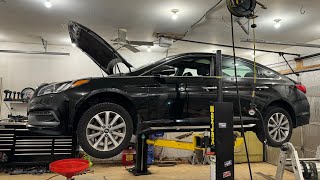


Used OEM Parts in Stock


New Aftermarket Parts Available
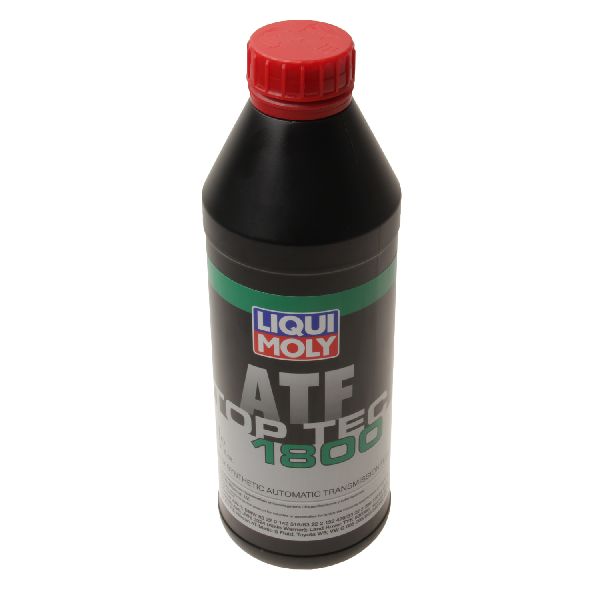
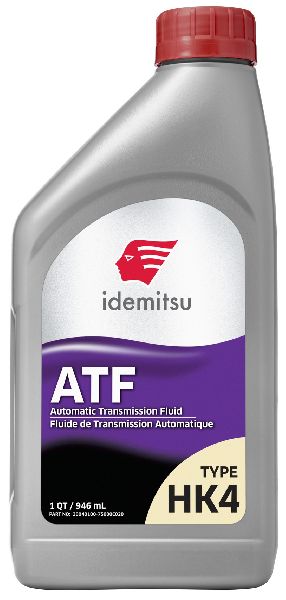
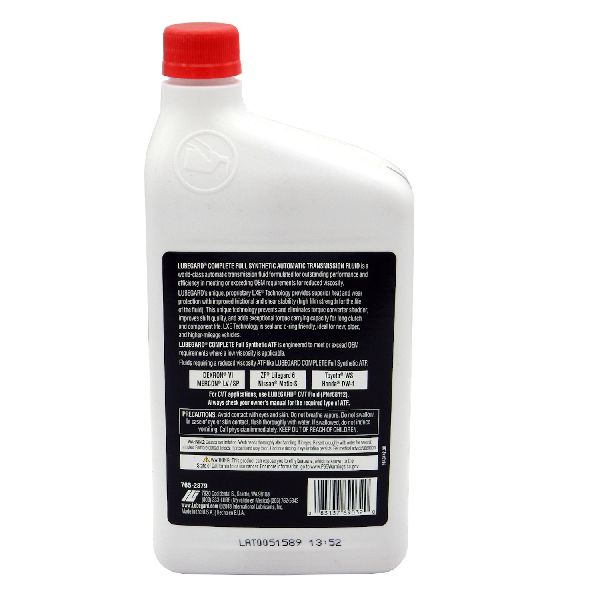


The information in this article is provided for general reference and educational purposes only. Vehicle specifications, procedures, and part compatibility can vary by production date, trim level, and region. Always consult your vehicle's factory service manual and verify part numbers before purchasing or performing repairs. Safety-critical components such as airbags, seat belts, and braking systems should be installed by a qualified professional.
- Hyundai Sonata:
- 🎬 Helpful Videos
- 🛍️ Shop This Part
- What's Unique About the 2011-2019 Hyundai Sonata
- Symptoms You May Notice
- Most Likely Causes
- Rare But Worth Checking
- Diagnosis Steps
- Parts You'll Likely Need
- Related Codes That Often Appear With This One
- Technical Service Bulletins (TSBs) & Recalls
- Platform-Specific Known Issues
- Mechanic-Grade Diagnostic Values
- Scan Tool Commands That Help
- Wiring & Ground Locations
- Real Owner Repair Stories
- OEM Part Supersession History
- Model Year Variations Within This Range
- Diagnostic Flowchart
- Other Known Issues on This Vehicle
- Used vs. New Parts: Buying Guide for This Vehicle
- Real Owner Stories
- 2013 Hyundai Sonata
- 2019 Hyundai Sonata
- Related OBD-II Codes
- Frequently Asked Questions
- 🎟️ Get 5% Off