

P0741 on 2010-2017 GMC Terrain: TCC Stuck Off Causes and Fixes
This code usually means the torque converter clutch (TCC) solenoid inside the transmission has failed, the fluid is low/dirty, or the torque converter itself is worn out. Expect an internal transmission repair costing between $400 and $2,000, starting with a fluid check. This is a very common issue on the GM 6T45/6T70 family of transmissions.
- P0741 on a GMC Terrain indicates the torque converter clutch is failing to lock, which hurts fuel economy and can damage the transmission.
- Always check the transmission fluid level and condition first; low or dirty fluid is a simple but common cause.
- The most likely parts to fail are the TCC solenoid or the torque converter itself, both of which require internal transmission work.
- A harsh shift from first to second gear is a strong related symptom pointing to an internal electrical issue. [TSB #15111, TSB #PIP5009G]
- Do not ignore this code, as it can lead to transmission overheating and a much more expensive repair down the line.
What's Unique About the 2010-2017 GMC Terrain
The first-generation GMC Terrain uses a 6-speed automatic transmission, either the 6T45 (with the 2.4L I4) or the 6T70 (with the 3.0L/3.6L V6), which is shared across many GM vehicles and is known to have issues with this code. Manufacturer technical service bulletins for this transmission family point directly to specific internal components like the TCC solenoid, internal wiring harness, and even torque converter clutch material failure, rather than external sensors. [TSB #15111, TSB #PIP5009G] This means a fix almost always requires getting inside the transmission, a common experience for owners of Terrains and their platform-mate, the Chevrolet Equinox.
Symptoms You May Notice
- Check Engine Light is on
- Reduced fuel economy
- Engine RPM is higher than usual at highway speeds
- Harsh or delayed shifts, particularly from 1st to 2nd gear. [TSB #15111, TSB #PIP5009G]
- Sensation of shuddering or slipping while accelerating at cruising speeds.
- Transmission may be prevented from shifting into the highest gear (6th gear).
- Vehicle may stall after driving at high speeds.
- Transmission overheating warning light may illuminate.
- Replacing the entire transmission without first diagnosing simpler internal components like the TCC solenoid or wiring harness.
- Assuming the torque converter is bad before checking the fluid and testing the control solenoid.
- Replacing only the TCC solenoid when the internal wiring harness is also faulty, leading to a quick return of the code.
Most Likely Causes
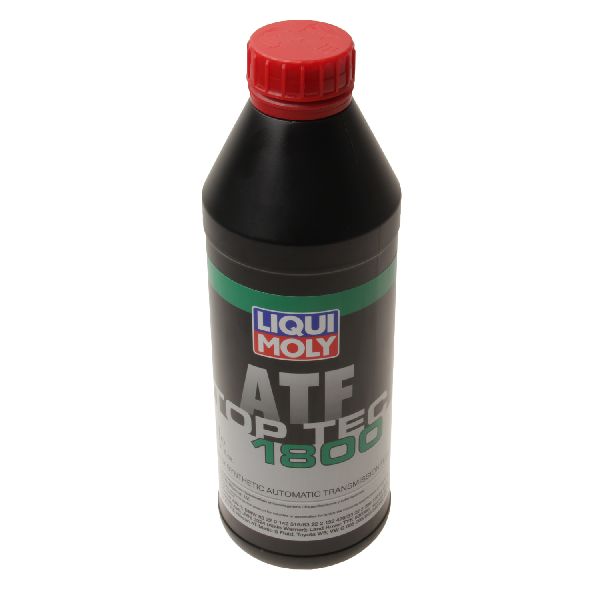
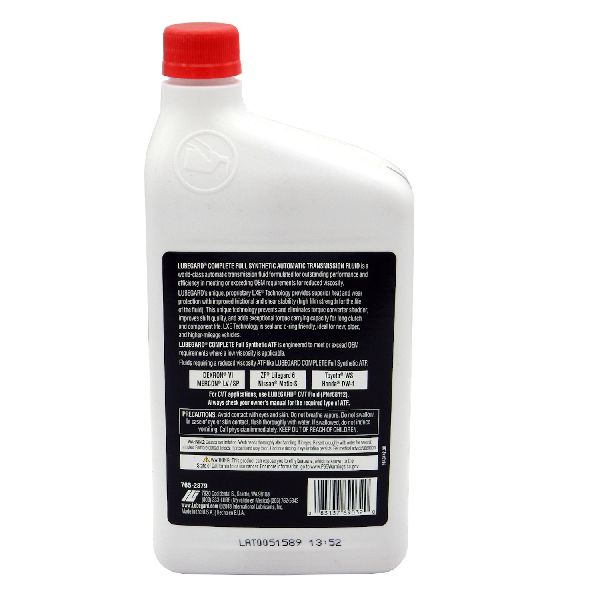
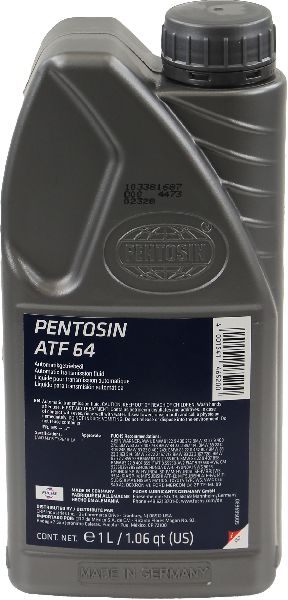
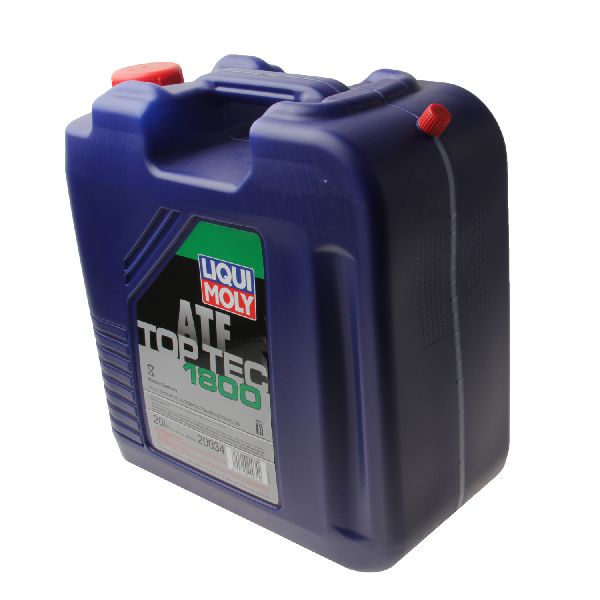
- Low or Dirty Transmission Fluid 🔴 High Probability Transmission fluid degrades over time and can become contaminated with clutch material, causing solenoids and valves to stick. The wrong fluid type can also cause issues. Low fluid reduces hydraulic pressure, preventing the TCC from engaging.
How to confirm: Check the transmission fluid level and condition. The fluid should be red and clear, not dark brown, black, or smell burnt. Note that many of these transmissions are 'sealed' and do not have a traditional dipstick, requiring a more involved check from underneath the vehicle.
Typical fix: Perform a transmission fluid and filter change. This is the first and least expensive step. On high-mileage vehicles, a full flush is sometimes discouraged in favor of a drain-and-fill.
Est. part cost: $50-$120 - Failed Torque Converter Clutch (TCC) Solenoid 🔴 High Probability The TCC solenoid is a very common failure point in this transmission family, as noted in GM TSBs. [TSB #PIP5009G] It's an electro-hydraulic valve that can fail electrically or mechanically (breakage of its plastic body).
How to confirm: A technician can use a scan tool to command the TCC solenoid on and off to check its response. The solenoid can also be tested with a multimeter for proper resistance. A failed solenoid is a strong possibility if clearing the P0741 code temporarily restores normal transmission function.
Typical fix: Replace the TCC solenoid, which is located inside the transmission on the valve body. Upgraded metal-bodied aftermarket solenoids (e.g., from Sonnax) are available to prevent repeat failures of the plastic OEM part.
Est. part cost: $40-$100 - Damaged Internal Transmission Wiring Harness 🟡 Medium Probability Constant exposure to heat and fluid can make the internal wiring brittle over time. GM has issued TSBs specifically citing the harness as a cause for P0741 and harsh shifts. [TSB #15111, TSB #PIP5009G]
How to confirm: Inspect the wiring harness for broken wires or corroded pins at the connector when the transmission pan is removed. A 'wiggle test' on the harness while monitoring scan tool data can sometimes reveal an intermittent connection.
Typical fix: Replace the internal transmission wiring harness. TSB #PIP5009G recommends replacing both the TCC solenoid and the harness together.
Est. part cost: $70-$150 - Worn or Failed Torque Converter 🟡 Medium Probability On higher mileage vehicles, the clutch material inside the torque converter can wear out and fail, contaminating the fluid with debris and preventing lock-up.
How to confirm: After ruling out fluid and solenoid issues, excessive metallic debris in the transmission pan is a strong indicator of torque converter failure.
Typical fix: Replace the torque converter. This is a major repair that requires removing the transmission from the vehicle.
Est. part cost: $250-$600
Rare But Worth Checking
- Damaged Turbine Shaft Front Bushing: A GM Technical Service Bulletin (PI1447A) states that a damaged turbine shaft front bushing can cause this code. Diagnosis requires disassembling the transmission fluid pump to inspect the bushing. If damaged, the pump cover and 4-5-6 housing assembly must be replaced.
- Faulty Transmission Control Module (TCM): While rare, the TCM itself can fail. This should only be considered after all other electrical and mechanical causes have been eliminated.
Diagnosis Steps
- Check the transmission fluid level and condition. If it is low, dark, or smells burnt, a fluid and filter change is the first step.
- Use an OBD-II scanner to confirm P0741 and check for any other transmission-related codes like P0700.
- With a capable scan tool, monitor the TCC Slip Speed while driving. When the TCC is commanded on, the slip should drop to near zero RPM. If it remains high (e.g., over 100-200 RPM), a problem is confirmed.
- If clearing the code temporarily resolves the shifting issues, it points strongly toward an electrical fault like the TCC solenoid or wiring harness.
- If the fluid is okay, drop the transmission oil pan to inspect for excessive metal debris on the magnet. A fine metallic paste is normal wear, but large flakes or chunks indicate hard part failure, likely the torque converter.
- With the pan off, visually inspect the internal wiring harness for damage, brittle insulation, or corroded connector pins.
- Test the TCC solenoid's resistance with a multimeter. While generic specs are 10-30 ohms, GM solenoids for this era often have lower resistance; confirming the exact spec for your VIN is recommended.
- If the solenoid and wiring are good, the problem is likely a worn torque converter or a more complex internal issue like a worn valve body or the turbine shaft bushing mentioned in TSB PI1447A.
Parts You'll Likely Need
- Torque Converter Clutch (TCC) Solenoid
(OEM #24227792 (Verify by VIN, 24256523 may also apply))— This solenoid is the most common electrical failure point for this code inside the transmission. [TSB #PIP5009G, 5]
Trusted brands: ACDelco, Sonnax (offers an upgraded design)
OEM price range: $50-$90
Aftermarket price range: $30-$60 - Transmission Internal Wiring Harness
(OEM #242379xx (from TSB, verify by VIN))— Often fails along with the TCC solenoid due to heat and fluid exposure. TSB #15111 specifically calls for its replacement to fix P0741 with a harsh 1-2 shift.
Trusted brands: ACDelco, GM Genuine Parts
OEM price range: $80-$160
Aftermarket price range: $50-$100 - Transmission Oil Pan Gasket
(OEM #24297922 (Verify by VIN))— Must be replaced any time the transmission pan is removed for service.
Trusted brands: ACDelco, Fel-Pro
OEM price range: $30-$50
Aftermarket price range: $15-$30 - Torque Converter — If the internal clutch material has failed, the entire converter must be replaced. This is a common failure on higher-mileage vehicles.
Trusted brands: ACDelco, Luk, Transtar
OEM price range: $400-$700
Aftermarket price range: $200-$450
Related Codes That Often Appear With This One
- P0700 — P0700 is a generic code indicating the Transmission Control Module (TCM) has stored a fault code. It frequently appears with P0741 to signal the driver that a specific transmission problem exists.
Technical Service Bulletins (TSBs) & Recalls
- PI1447A: Notes that a damaged turbine shaft front bushing can cause P0741
- 15111: Recommends replacing the automatic transmission wiring harness if P0741 is present with a harsh 1-2 shift.
- PI1393B: Provides diagnostic tips for P0741 Torque Converter Clutch Stuck Off.
- PIP5009G: Suggests replacing the torque converter clutch solenoid and wire harness.
- PI1393A: Provides repair information for P0741.
- PI1447: Offers diagnostic tips for P0741.
- PI1393: Provides diagnostic tips for P0741.
Platform-Specific Known Issues
- A harsh 1-2 shift may accompany code P0741, pointing towards a faulty TCC solenoid or internal wiring harness. [TSB #15111, TSB #PIP5009G]
- Damaged torque converter clutch friction material is a known cause on vehicles with over 30,000 miles, which can lead to debris contaminating the entire transmission. [TSB #PI1393B]
- A damaged turbine shaft front bushing has been identified by GM as a potential root cause for this code, requiring significant internal transmission work. [TSB #PI1447A]
Mechanic-Grade Diagnostic Values
- TCC Slip Speed — expected: Near 0 RPM when TCC is commanded ON.. Failure: A slip speed greater than 200 RPM when the TCC should be locked indicates a failure.
- TCC Solenoid Resistance — expected: 10-30 Ohms is a generic range for many solenoids.. Failure: A reading outside the manufacturer's specified range indicates a faulty solenoid coil.
Scan Tool Commands That Help
- GM GDS2 (Global Diagnostic System 2): TCC Solenoid Control — This bidirectional command allows a technician to manually command the TCC solenoid on and off while monitoring TCC slip speed. This directly tests the solenoid's electrical circuit and hydraulic response, helping to isolate the fault between the solenoid, wiring, and the torque converter itself.
- GM GDS2 (Global Diagnostic System 2): Transmission Fluid Pressure (TFP) Switch Test — The 6T70 transmission uses pressure switches to confirm clutch operation. A failure in the pressure switch assembly can mimic other faults. This test verifies the switches are reporting pressure changes correctly as different clutches (including those related to TCC operation) are applied.
Wiring & Ground Locations
- TCM (Transmission Control Module) — The TCM for the 6T45/6T70 is located inside the transmission, mounted to the valve body. It is a combination of the control module and the solenoids, often called a TEHCM (Transmission Electro-Hydraulic Control Module).. Since the controller and solenoids are one unit, any internal wiring or solenoid fault requires accessing the inside of the transmission. A new TCM/TEHCM requires programming to the vehicle's VIN.
- G101 / G107 (Grounds) — Key chassis grounds are located on the left front of the engine compartment and near the battery tray. A poor ground can cause communication issues and erratic behavior from the TCM.. A faulty ground can cause communication loss with the TCM (Code U0101) or incorrect sensor readings, potentially leading to false P0741 codes or preventing the TCM from operating the TCC solenoid correctly.
- Transmission Harness Connector (X2) — The main external electrical connector for the transmission, where the vehicle body harness connects to the internal TEHCM.. This is the primary point for testing power, ground, and CAN bus signals going to the TCM without opening the transmission. Corrosion or pushed-back pins in this connector can cause P0741 and other transmission codes.
Real Owner Repair Stories
- terrainforum.net user (2015 GMC Terrain 2.4L) — Transmission shifting issues, leading to P0741.
❌ Tried (didn't work) Initial diagnosis pointed towards an internal issue.
✅ What actually fixed it The owner replaced the entire TCM/solenoid assembly (TEHCM) inside the transmission. After the physical replacement, the vehicle had to be taken to a mechanic to have the new module programmed to the vehicle's VIN before it would function correctly.
OEM Part Supersession History
Varies (e.g., 24252423, 24253556, etc.)→24256523, 24287419, 24287421 (and others)— GM frequently updates TCM/TEHCM units to address reliability issues and software improvements.
Heads up: A new TCM/TEHCM must be programmed with the vehicle's VIN using dealer-level software (GDS2) to function. They are not plug-and-play. Using an incompatible part number, even if it physically fits, can result in a no-start condition or improper transmission function.
Model Year Variations Within This Range
- 2007-2012 (Gen 1) vs 2013+ (Gen 2): The 6T70/6T75 transmissions had a 'Gen 1' and 'Gen 2' revision. Changes were made to the valve body, solenoids, and control logic around the 2013 model year. While the P0741 code can occur on both, internal parts like valve body repair kits (e.g., Sonnax Zip Kits) are specific to the generation. Gen 1 kits are not compatible with Gen 2 transmissions and vice-versa.
Diagnostic Flowchart
Other Known Issues on This Vehicle
Issues unrelated to this code that are worth knowing about as an owner of this generation:
- Excessive Oil Consumption (2.4L Ecotec) 🔴 High — Extremely common, can start as early as 50,000-60,000 miles. Many owners report consuming a quart of oil every 1,000-2,000 miles. (Ref: Subject of class-action lawsuits and Special Coverage Adjustment #14159, but no formal recall.)
- Timing Chain Stretch/Failure (2.4L Ecotec) 🔴 High — Very common, typically between 80,000 and 120,000 miles. Often caused or accelerated by the excessive oil consumption issue. (Ref: Related to oil consumption TSBs. Failure often presents with codes P0016 or P0017 and a rattling noise on cold starts.)
- Service Stabilitrak / ABS / AWD Warning 🟠 Medium — Common failure. Often appears intermittently at first. Can be caused by a faulty wheel speed sensor or, more frequently, a damaged/missing magnetic tone ring on the back of the wheel hub assembly.
- Clogged PCV Orifice / Rear Main Seal Failure 🟠 Medium — A known issue where a small PCV orifice in the intake manifold clogs with carbon, leading to high crankcase pressure that blows out engine seals, most commonly the rear main seal.
Used vs. New Parts: Buying Guide for This Vehicle
When a used part is the smart pick: A used wiring harness can be a cost-effective option if it is carefully inspected for brittleness, corrosion, and intact connectors. Other major components are generally not recommended to be purchased used for this repair.
Donor-vehicle mileage cap: roughly under 80000 miles for the part to have meaningful remaining life.
What to inspect on the donor part:
- For a wiring harness, check for flexible insulation that isn't cracked or hard.
- Ensure all connector locking tabs are present and not broken.
- Look for clean, corrosion-free pins inside the connectors.
OEM-only on this vehicle (don't cheap out):
- Transmission Control Module (TCM/TEHCM): While remanufactured units are available, they must be from a reputable source that guarantees programmability. A used TCM from a junkyard is a major gamble as it may not be programmable to your vehicle.
- Torque Converter: A used torque converter is a significant risk. It may contain worn clutch material and debris from its previous life, which can contaminate and destroy your newly repaired or rebuilt transmission. Always buy a new or professionally remanufactured torque converter.
Aftermarket brands forum-validated for this vehicle:
- Sonnax: Widely respected for providing upgraded solutions to known transmission problems, such as improved TCC solenoids and valve body repair kits.
- TransGo: Offers shift kits and valve body repair components that address common wear and performance issues in the 6T70.
- Raybestos, Exedy: Known for quality friction materials and rebuild kits.
Brands owners have reported issues with on this vehicle:
- Unbranded, no-name solenoids and TCMs from online marketplaces can have high failure rates and may not be programmable, leading to wasted time and money.
Real Owner Stories
Aggregated from forums and TSBs cited above. Mileages and costs reflect what owners reported in those sources.
2010-2017 GMC Terrain
Symptoms: High RPMs at highway speeds and failed shifts. Clearing the code would temporarily restore normal transmission function.
What fixed it: The intermittent nature suggested an electrical fault, pointing to the TCC solenoid or internal wiring harness.
Source hint: gm-trucks.com thread titled 'P0741 - Is this a converter or solenoid issue?'
2010-2017 GMC Terrain — ~35000 miles
Symptoms: Torque converter clutch stuck off and potential debris contamination in the fluid.
What fixed it: Diagnostic and repair procedures for damaged torque converter clutch friction material.
Source hint: TSB #PI1393B
2010-2017 GMC Terrain
Symptoms: P0741 code accompanied by a harsh shift from 1st to 2nd gear.
What fixed it: Replacement of the automatic transmission wiring harness.
Source hint: TSB #15111
Related OBD-II Codes
Frequently Asked Questions
My GMC Terrain has a harsh 1-2 shift along with the P0741 code; is there a specific TSB for this?
Can I use any transmission fluid to fix the TCC engagement issue in my Terrain?
Is there an upgraded part to prevent the TCC solenoid from failing again?
I heard the P0741 code could be caused by a bushing; which one should my mechanic check?
My Terrain has over 30,000 miles and is shuddering; could the torque converter be physically damaged?
Does the 2.4L Ecotec engine's oil consumption issue relate to this transmission code?
Used OEM Parts in Stock


New Aftermarket Parts Available


The information in this article is provided for general reference and educational purposes only. Vehicle specifications, procedures, and part compatibility can vary by production date, trim level, and region. Always consult your vehicle's factory service manual and verify part numbers before purchasing or performing repairs. Safety-critical components such as airbags, seat belts, and braking systems should be installed by a qualified professional.
- GMC Terrain:
- 🛍️ Shop This Part
- What's Unique About the 2010-2017 GMC Terrain
- Symptoms You May Notice
- Most Likely Causes
- Rare But Worth Checking
- Diagnosis Steps
- Parts You'll Likely Need
- Related Codes That Often Appear With This One
- Technical Service Bulletins (TSBs) & Recalls
- Platform-Specific Known Issues
- Mechanic-Grade Diagnostic Values
- Scan Tool Commands That Help
- Wiring & Ground Locations
- Real Owner Repair Stories
- OEM Part Supersession History
- Model Year Variations Within This Range
- Diagnostic Flowchart
- Other Known Issues on This Vehicle
- Used vs. New Parts: Buying Guide for This Vehicle
- Real Owner Stories
- 2010-2017 GMC Terrain
- 2010-2017 GMC Terrain — ~35000 miles
- 2010-2017 GMC Terrain
- Related OBD-II Codes
- Frequently Asked Questions
- 🎟️ Get 5% Off