

P0731 on 2014-2018 Jeep Cherokee: Gear 1 Incorrect Ratio Causes and Fixes
On a 2014-2018 Jeep Cherokee, code P0731 almost always points to an issue with the problematic ZF 9-speed automatic transmission. The most common causes are low/dirty transmission fluid, a faulty valve body, or the need for a software update. A complete transmission replacement is a common, but expensive, final solution for this specific platform.
- P0731 on a 2014-2018 Cherokee is a serious transmission code that should be addressed immediately.
- Always start diagnosis by checking for software updates and verifying the transmission fluid level and condition.
- The most likely hardware failure is the transmission valve body, but a full transmission replacement is also very common for this issue.
- This is not a DIY-friendly repair; professional diagnosis is strongly recommended to avoid unnecessary costs.
What's Unique About the 2014-2018 Jeep Cherokee
The 2014-2018 Jeep Cherokee (KL generation) uses a ZF-designed 9-speed automatic transmission (model 948TE or 9HP48). This transmission was notoriously problematic, especially in its early years (2014-2015), leading to numerous owner complaints, software updates, and even a class-action lawsuit. Problems ranged from harsh shifting and hesitation to outright failure. Therefore, a P0731 code on this specific vehicle is often linked to known platform-wide weaknesses in the transmission's hardware (like the valve body or internal dog clutches) or its control software, rather than just being a simple fluid or sensor issue.
Symptoms You May Notice
- Check Engine Light is on
- Vehicle hesitates or has poor acceleration from a stop.
- Harsh or delayed shifting into first gear, sometimes with a noticeable 'clunk'.
- Transmission gets stuck in one gear or goes into 'limp mode'.
- Transmission warning lamp may illuminate.
- Decreased fuel economy.
- Vehicle feels like it briefly returns to neutral before engaging 1st gear.
- A whining noise may be heard from the transmission pump.
- Replacing only a single shift solenoid when the entire valve body assembly is faulty or clogged.
- Replacing the transmission without first checking for available software updates, which can sometimes resolve the issue for a much lower cost.
- Condemning the transmission without performing a proper fluid level and condition check at the correct temperature.
Most Likely Causes
- Low or Contaminated Transmission Fluid 🔴 High Probability The 9-speed transmission is extremely sensitive to fluid level and condition. There is no traditional dipstick, making it difficult for owners to check. The check/fill procedure requires the vehicle to be perfectly level and the fluid to be at a specific temperature, making it a job for a shop. While marketed as 'sealed for life' in the US, European service schedules recommend fluid changes, suggesting it is a critical maintenance item.
How to confirm: A technician must raise the vehicle while level and check the fluid level via a fill plug at a specific transmission temperature (typically 30-50°C). The fluid's color and smell are also inspected for contamination or a burnt odor, which indicates clutch material breakdown.
Typical fix: Perform a transmission fluid drain-and-fill or a complete fluid exchange using the correct Mopar ZF 8&9 Speed ATF. This is often the first step before any other repairs are attempted.
Est. part cost: $150-$300 - Faulty Transmission Valve Body 🔴 High Probability The valve body, which contains solenoids and directs hydraulic fluid, is a known major failure point on the ZF 9-speed transmission. Sticking solenoids or internal blockages prevent the correct hydraulic pressure from being applied to engage first gear.
How to confirm: Diagnosis is typically done by a professional who will test solenoid responses with a high-end scan tool and monitor pressure readings. If fluid and software are good, the valve body is the next logical suspect.
Typical fix: Replacement of the entire valve body assembly. In some cases, individual solenoids can be replaced, but it's often more reliable to replace the whole unit.
Est. part cost: $800-$1500 - Outdated Transmission Software 🟡 Medium Probability Jeep released multiple software updates (flashes) for the Powertrain Control Module (PCM) and Transmission Control Module (TCM) to address the numerous shifting problems, hesitation, and harshness complaints with this transmission, especially for 2014-2016 models.
How to confirm: A Jeep dealership or qualified shop with access to FCA's software database (like wiTECH) can check the current software version of the TCM/PCM against the latest available version for the vehicle's VIN.
Typical fix: Flashing the TCM and/or PCM with the latest software. This is often a prerequisite to other repairs and can sometimes resolve the issue on its own. A 'proxy alignment' and a 'Quick Learn' procedure may also be required after the flash.
Est. part cost: $100-$250 - Internal Transmission Failure 🟡 Medium Probability Beyond the valve body, internal components like the dog clutches (used instead of traditional clutch packs for some gears), seals, or planetary gear sets can fail, causing slippage. The complexity of the 9-speed design introduced more potential failure points.
How to confirm: This is a diagnosis of exclusion. If fluid, software, and the valve body are all confirmed to be good, the issue is internal. A technician will drop the transmission pan to look for excessive metal debris or clutch material, confirming catastrophic failure.
Typical fix: Complete transmission replacement or rebuild. Replacement with a remanufactured unit is far more common and often more reliable.
Rare But Worth Checking
- Faulty Input/Output Speed Sensor: While possible, these sensors are less likely to fail than the valve body or have software/fluid issues on this specific transmission. Often, specific sensor codes (like P0720) will accompany P0731 if they are the root cause.
- Wiring Harness Issues: Damage to the wiring harness leading to the transmission can cause communication errors or incorrect sensor readings. A recall was issued for some models due to a terminal crimping issue on the sensor cluster harness that could cause the transmission to unexpectedly shift to neutral, highlighting the potential for wiring issues.
- Incorrect Gear Ratio Programmed: This is not a failure but a programming issue. If the vehicle's axle ratios have been changed (a common modification on other Jeep models like the Wrangler) and the computer has not been reprogrammed with the new ratio, it will set a P0731 code because the expected output speed will not match the actual speed.
Diagnosis Steps
- Use a professional scan tool to confirm the presence of P0731 and check for any other related transmission, engine, or ABS codes. Document the freeze-frame data.
- Check for any available Technical Service Bulletins (TSBs) or software updates for your vehicle's VIN. Performing any required software flashes is a critical first step.
- With the vehicle level and at the correct operating temperature (30-50°C), have a technician check the transmission fluid level and condition. This is a complex procedure on the 948TE.
- If the fluid level and condition are correct, use a scan tool to monitor live data, including input/output speed sensor readings, commanded gear vs. actual gear, and solenoid command states.
- Inspect the transmission wiring harness and connectors, especially the main connector at the transmission case, for any visible damage, corrosion, or loose connections.
- If the steps above do not identify the issue, the problem is highly likely to be internal to the transmission, requiring either a valve body replacement or a full transmission replacement/rebuild.
Parts You'll Likely Need
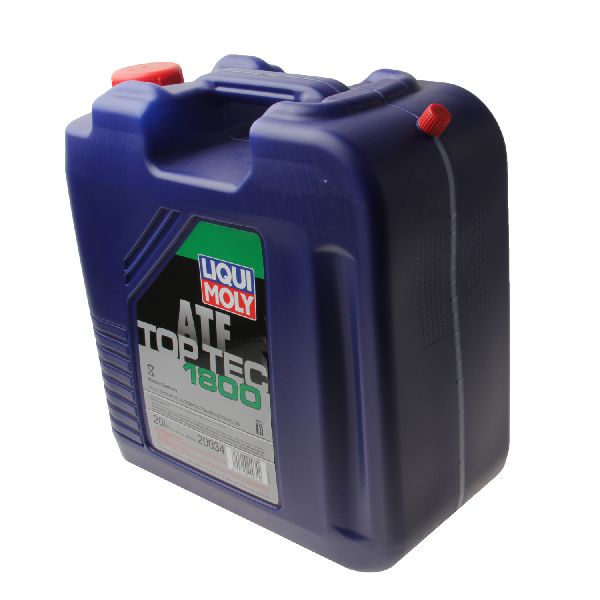
- Automatic Transmission Fluid
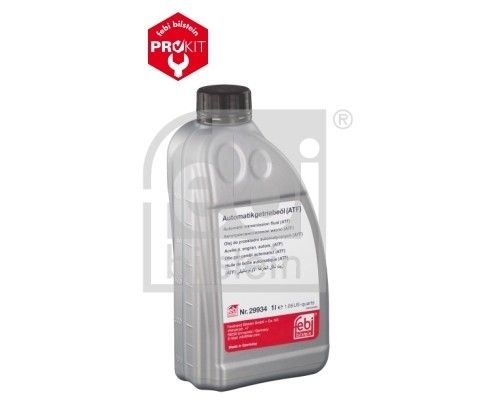
(OEM #68218925AB (Mopar ZF 8&9 Speed ATF))— The transmission is highly sensitive to fluid level and type. A fluid service is the first and most crucial step.
Trusted brands: Mopar (OEM)
OEM price range: $25-$35 per quart
Aftermarket price range: $20-$30 per quart - Transmission Valve Body
(OEM #68318224AA (verify by VIN))— This is a very common failure point on the ZF 9-speed transmission that directly causes shifting and gear engagement problems.
Trusted brands: Mopar (OEM), ZF (OEM supplier)
OEM price range: $600-$1200
Aftermarket price range: $500-$900 - Remanufactured 9-Speed Transmission
(OEM #R8311476BB (for 3.2L, example part number, verify by VIN))— If internal mechanical damage is diagnosed, a complete remanufactured unit is often the most reliable and cost-effective solution compared to a rebuild.
Trusted brands: Mopar (OEM Remanufactured), Jasper, AER
OEM price range: $4000-$6000
Aftermarket price range: $3500-$5500
Related Codes That Often Appear With This One
- P0732, P0733, P0734 — These are incorrect gear ratio codes for 2nd, 3rd, and 4th gear, respectively. Seeing multiple ratio codes often points to a more systemic issue like low fluid, a failing valve body, or major internal failure affecting multiple gear sets.
- P0979 — This code for 'Shift Solenoid 3 Control Circuit Low' was mentioned in a TSB alongside P0731, indicating a potential electrical or solenoid-specific fault within the transmission. [TSB #21-009-26]
- P0868 — This code indicates 'Transmission Fluid Pressure Low'. Since gear engagement is dependent on hydraulic pressure, low pressure from a faulty pump, low fluid, or a bad valve body can directly cause the gear ratio error of P0731.
Technical Service Bulletins (TSBs) & Recalls
- S2321000008: Mentions P0731 - Gear 1 Shift Incorrect Ratio, confirming the code's definition for the manufacturer.
- 21-009-26: Links P0731-00 - Gear 1 Shift Incorrect Ratio with other solenoid codes and symptoms like shift shudder, reinforcing the connection to internal transmission faults.
- 21-013-16: A widely-referenced TSB for improving shift quality on the 9-speed transmission through a software flash, which can be a preliminary step in addressing ratio codes.
Platform-Specific Known Issues
- Numerous Technical Service Bulletins (TSBs) have been issued by FCA (Jeep's parent company) to address shift quality and reliability issues with the 948TE transmission through software updates. TSB 21-013-16 is a key example addressing harsh shifts.
- A class-action lawsuit was filed concerning the reliability and performance of the ZF 9-speed transmission in various FCA vehicles, including the 2014-2015 Jeep Cherokee, citing harsh, erratic shifting and sudden failure.
- Early models (2014-2015) are considered the most problematic for this transmission, with many issues being addressed through running changes and software updates in later model years.
Mechanic-Grade Diagnostic Values
- Resistance of Solenoid Supply circuits (T78 & T118) between the transmission assembly and TCM connectors. — expected: Below 3.0 Ohms. Failure: A reading above 3.0 Ohms indicates an open or high resistance in the wiring.
- Resistance between the Solenoid Supply 1 circuit (T78) and various solenoid control circuits at the transmission assembly connector. — expected: Between 10.0 and 12.0 Ohms. Failure: Readings outside this range suggest an open, short, or high resistance in the solenoid circuit or the solenoid itself.
Scan Tool Commands That Help
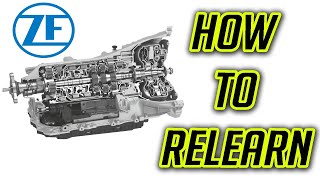
- wiTECH (Chrysler/Jeep OEM tool) or compatible high-end scanner (e.g., Autel): Transmission Quick Learn — This procedure is required any time the transmission, valve body, or TCM is replaced, or when the adaptation memory cells are cleared. It resets and relearns the clutch adaptive values to address poor shift quality.
- wiTECH or compatible: 1st Gear Clutch Test — This is a specific diagnostic test to confirm if the P0731 fault is currently active. The scan tool will command the transmission and monitor sensor feedback to verify the error.
- wiTECH or compatible: Reset Adaptive Values — Used before a Quick Learn procedure to clear out the learned shift patterns. This is often done to resolve shift quality complaints after a repair or fluid service.
Real Owner Repair Stories
- Automotive Diagnostic Podcast (2013 Jeep Wrangler (Note: This is a different model but uses a similar diagnostic principle for P0731 that is highly relevant)) — P0731 code present, transmission in limp mode.
❌ Tried (didn't work) Complete transmission replacement
✅ What actually fixed it The root cause was a mismatch between the programmed tire size/axle ratio in the PCM and the actual components on the vehicle. The TCM uses wheel speed sensor data from the ABS module to calculate expected output shaft speed. When this data didn't match the transmission's internal speed sensors, it set the P0731 code. Correcting the programming to match the vehicle's hardware resolved the issue.
OEM Part Supersession History
D339740B (or similar)→D339740BA (or similar)— Revisions to address reliability issues and shifting complaints.
Heads up: Valve bodies for 2014-2016 models are different from 2017+ models. It is critical to verify the correct part number by VIN before ordering.
Model Year Variations Within This Range
- 2014-2016: These early model years had the highest volume of complaints and TSBs related to the 9-speed transmission. They were most susceptible to software calibration issues and early hardware failures. Numerous software updates were released specifically for these years.
- 2017-2018: These models featured improved software calibration from the factory, but are still prone to valve body wear and other mechanical issues at higher mileage (typically past 60,000 miles).
- 2014-2016 vs 2017+: The valve body part numbers are different for early vs. later models. For example, part number D339740B is listed for 2014-16 Cherokee models, while D339740BA is for 2017-23 models. VIN verification is mandatory when ordering.
Diagnostic Flowchart
Other Known Issues on This Vehicle
Issues unrelated to this code that are worth knowing about as an owner of this generation:
- Excessive Oil Consumption (2.4L Tigershark Engine) 🔴 High — Very common on 2014-2018 models with the 2.4L engine. Can start as early as 30,000 miles. (Ref: Class-action lawsuits were filed. Some owners received engine replacements under warranty after failing an oil consumption test.)
- Leaking Oil Filter Housing/Oil Cooler (3.2L V6 Pentastar) 🟠 Medium — Common failure after 60,000 miles. The plastic housing can crack, leading to significant oil or coolant leaks.
- Power Transfer Unit (PTU) Failure (4WD Models) 🔴 High — A known failure point. Can be caused by oil leaking into the shift motor or debris on the position sensor, leading to a 'Service 4WD' light and loss of 4WD.
- Malfunctioning Electronic Parking Brake 🟠 Medium — Owners report the 'Service Parking Brake' message appearing, with the brake sometimes getting stuck on or not engaging. (Ref: Several TSBs exist to address software and wiring issues related to the parking brake module.)
- Power Liftgate Malfunction 🟡 Low — Commonly reported issue where the liftgate fails to latch properly, makes noise, or drains the battery. A recall was issued for early models due to water intrusion in the control module. (Ref: Recall R67 / NHTSA 15V-676)
- Uconnect Infotainment System Glitches 🟡 Low — Widespread reports of screens freezing, becoming unresponsive, or rebooting randomly. Often fixed with a software update from the dealer. (Ref: Multiple software update TSBs available.)
Used vs. New Parts: Buying Guide for This Vehicle
When a used part is the smart pick: Due to the extremely high failure rate and known design flaws of the 948TE transmission, purchasing a used transmission or valve body from a junkyard is highly discouraged. The risk of acquiring a part that is already failing or will fail shortly is very high. A remanufactured unit with updates and a warranty is a much safer investment.
Donor-vehicle mileage cap: roughly under 40000 miles for the part to have meaningful remaining life.
What to inspect on the donor part:
- Verify the donor vehicle's VIN to ensure it's a later model year (2017+ if possible) which had some factory improvements.
- Ask for maintenance records if available, specifically looking for any transmission fluid services.
- Inspect the transmission fluid from the donor unit if possible. Dark, burnt-smelling fluid is a major red flag.
- Check for any external damage to the transmission case, connectors, or sensors.
OEM-only on this vehicle (don't cheap out):
- Transmission Control Module (TCM) / Valve Body Assembly
- Complete Transmission Assembly (Remanufactured OEM is strongly preferred over junkyard used)
Aftermarket brands forum-validated for this vehicle:
- ZF (Original Equipment Manufacturer for the transmission and many internal parts)
Brands owners have reported issues with on this vehicle:
- Unbranded or 'white-box' valve bodies and solenoids from online marketplaces. The quality control is often poor and can lead to immediate or premature failure.
Real Owner Stories
Aggregated from forums and TSBs cited above. Mileages and costs reflect what owners reported in those sources.
2014-2015 Jeep Cherokee
Symptoms: Harsh, erratic shifting and sudden transmission failure.
What fixed it: The issues led to a class-action lawsuit; fixes mentioned in similar contexts include software updates or full transmission replacement.
Source hint: vehicle_specific_issues citing class-action lawsuit
2014 Jeep Cherokee
Symptoms: The dealer first performed a software update, then a fluid change, before moving to hard part replacement.
What fixed it: Valve body replacement or full transmission replacement.
Source hint: jeepcherokeeclub.com: Numerous threads detail owner experiences with P0731
2015 Chrysler 200
Symptoms: Harsh shifting and P0731 codes.
What fixed it: Valve body or full transmission replacement.
Source hint: platform_mates: 2015-2017 Chrysler 200 (2.4L/3.6L)
Related OBD-II Codes
Frequently Asked Questions
My 2015 Jeep Cherokee is shifting harshly; is there a specific TSB for this?
Can I check the transmission fluid level myself on my 2014 Cherokee?
Is the P0731 code related to the class-action lawsuit for Jeep Cherokees?
What is the first thing a dealer will likely do to fix P0731 on my 2016 Cherokee?
Does the P0731 code always mean I need a new transmission?
Are early 2014-2015 Jeep Cherokees more prone to P0731 than later models?
Helpful Videos


![How to Perform Transmission Quicklearn on Chrysler, Dodge, Jeep, Ram [May Fix Hard Shifts!]](https://img.youtube.com/vi/BV-kVYyX-7M/mqdefault.jpg)
Used OEM Parts in Stock


New Aftermarket Parts Available



The information in this article is provided for general reference and educational purposes only. Vehicle specifications, procedures, and part compatibility can vary by production date, trim level, and region. Always consult your vehicle's factory service manual and verify part numbers before purchasing or performing repairs. Safety-critical components such as airbags, seat belts, and braking systems should be installed by a qualified professional.
- Jeep Cherokee:
- 🎬 Helpful Videos
- 🛍️ Shop This Part
- What's Unique About the 2014-2018 Jeep Cherokee
- Symptoms You May Notice
- Most Likely Causes
- Rare But Worth Checking
- Diagnosis Steps
- Parts You'll Likely Need
- Related Codes That Often Appear With This One
- Technical Service Bulletins (TSBs) & Recalls
- Platform-Specific Known Issues
- Mechanic-Grade Diagnostic Values
- Scan Tool Commands That Help
- Real Owner Repair Stories
- OEM Part Supersession History
- Model Year Variations Within This Range
- Diagnostic Flowchart
- Other Known Issues on This Vehicle
- Used vs. New Parts: Buying Guide for This Vehicle
- Real Owner Stories
- 2014-2015 Jeep Cherokee
- 2014 Jeep Cherokee
- 2015 Chrysler 200
- Related OBD-II Codes
- Frequently Asked Questions
- 🎟️ Get 5% Off