

P0731 on 2006-2011 Honda Civic: Incorrect 1st Gear Ratio Causes and Fixes
P0731 on an 8th generation Honda Civic means the transmission is slipping in 1st gear. The most common cause is low or dirty transmission fluid. A fluid drain-and-fill is the first step. If that doesn't work, the issue could be a faulty pressure switch, shift solenoid, or internal failure, which may require professional diagnosis.
- P0731 means the transmission is slipping in first gear.
- Always start your diagnosis by checking the transmission fluid level and condition. Use only Honda Genuine ATF DW-1.
- If the fluid is fine, the issue could be a shift solenoid, but be aware that a Honda TSB points toward complete transmission replacement if no other codes are found.
- Driving with this code can lead to severe transmission damage, so it should be addressed promptly.
- This is a complex issue; professional diagnosis is highly recommended if a fluid change does not resolve the problem.
What's Unique About the 2006-2011 Honda Civic
The automatic transmission in the 8th generation (2006-2011) Civic, often an SPCA or MPCA model, is generally reliable but highly sensitive to fluid condition and level. Unlike some vehicles where this code points to a specific sensor, a common failure point on this platform that can cause P0731 is a faulty 3rd clutch transmission fluid pressure switch, which may also set a P0847 code. While a Honda TSB for other models suggests transmission replacement for this code if no other DTCs are present, for the Civic, addressing fluid and pressure switches is a more common and logical first step after a fluid service.
Symptoms You May Notice
- Check Engine Light is on
- Delayed or harsh engagement when shifting into Drive or from a stop
- Sluggish or poor acceleration from a standstill
- Transmission slipping (engine RPMs increase but vehicle speed does not)
- Vehicle may enter 'limp mode,' getting stuck in 2nd or 3rd gear
- Decreased fuel economy
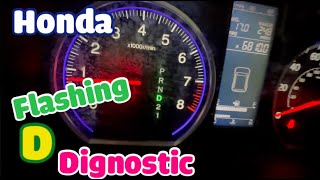
- Flashing green 'D' (Drive) indicator light on the dashboard.
- Replacing only the speed sensors when the root cause is low fluid or a faulty pressure switch.
- Assuming the entire transmission is bad without first checking the fluid level/condition and replacing the inexpensive and failure-prone pressure switches.
Most Likely Causes
- Low or Dirty Automatic Transmission Fluid (ATF) 🔴 High Probability Honda transmissions are known to be sensitive to the fluid type and condition. Old, degraded fluid loses its hydraulic properties and can clog small passages in the valve body and solenoids, causing pressure loss and slippage.
How to confirm: Check the transmission fluid dipstick after warming up the engine and shifting through all gears with the engine off. The fluid should be at the correct level and be pink/red, not brown, black, or smell burnt.
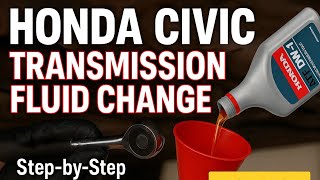
Typical fix: Perform 3-4 transmission fluid drain-and-fills using only Honda Genuine ATF DW-1. 🎬 Watch: Step-by-step DIY guide for a proper ATF drain and fill. This '3x drain and fill' method is the community-accepted way to replace the majority of the old fluid without using a flushing machine, which Honda advises against.
Est. part cost: $40-$80 for fluid - Faulty Transmission Fluid Pressure Switch 🟡 Medium Probability The 3rd clutch pressure switch is a very common failure item on this generation of Civic and related Hondas. It can fail electrically and send incorrect pressure readings to the TCM, leading to shifting problems and codes like P0731, often accompanied by P0847.
How to confirm: The most direct confirmation is the presence of code P0847 ('Transmission Fluid Pressure Sensor/Switch 'B' Circuit High' or 'Low'). The switch can be tested with a multimeter for proper operation. Given its low cost and high failure rate, many owners replace it as a preventative measure or early diagnostic step.
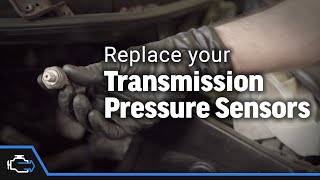
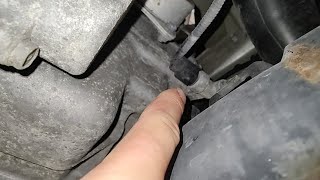
Typical fix: Replace the faulty pressure switch. The 3rd clutch pressure switch is a common culprit. It is located on the exterior of the transmission and is relatively easy to access and replace. 🎬 See this walkthrough on locating and replacing the pressure sensors.
Est. part cost: $30-$60 per switch - Faulty Transmission Shift Solenoid 🟡 Medium Probability Solenoids control the flow of fluid to engage gears. Debris in old fluid can cause them to become clogged, stick, or fail electronically over time, preventing first gear from engaging properly.
How to confirm: A professional scanner can command the solenoids to operate and check their response. They can also be tested with a multimeter for correct resistance. This often requires removing the solenoid pack from the transmission case for access.
Typical fix: Replace the faulty solenoid or the entire linear solenoid assembly. Cleaning the solenoid screens during a fluid change is also a common practice.
Est. part cost: $50-$200 per solenoid, or up to $500 for an assembly - Internal Mechanical Failure ⚪ Low Probability If fluid maintenance is neglected, internal components like clutch packs and the valve body can wear out or get clogged with debris, leading to pressure loss and slipping.
How to confirm: This is a diagnosis of exclusion. If fluid, pressure switches, and solenoids are all confirmed to be good, a technician will perform a stall speed test and line pressure tests to confirm internal hydraulic leaks or clutch failure. Finding significant metal shavings in the transmission pan is a definitive sign of internal failure.
Typical fix: A transmission specialist may be able to rebuild the unit by replacing worn clutch packs or servicing the valve body. However, a full replacement with a remanufactured unit is often the most reliable long-term solution.
Est. part cost: $2000-$4000 for a remanufactured transmission
Rare But Worth Checking
- Faulty Input/Output Speed Sensor: While possible, a failing speed sensor will typically set its own specific trouble code (e.g., P0717, P0722) along with P0731.
- Faulty Transmission Control Module (TCM): This is very rare. The TCM is the computer that controls the transmission. It should only be considered after all other mechanical and electrical possibilities have been exhausted.
Diagnosis Steps
- Check the level and condition of the automatic transmission fluid (ATF). Ensure the engine is warm and the vehicle is on a level surface.
- If the fluid is low, top it off with Honda ATF DW-1 and check for leaks. If it is dark, burnt, or contains debris, perform at least three drain-and-fill cycles.
- Scan for other transmission-related DTCs. If P0847 is present, replace the 3rd clutch pressure switch as a primary step.
- If no other codes exist, use a professional scan tool to monitor live data from the input and output speed sensors while driving to confirm the slippage in first gear.
- Inspect the wiring harness and connectors to the transmission, especially to the solenoids and pressure switches, for any damage, corrosion, or loose connections.
- Test the operation and resistance of the shift solenoids (e.g., Shift Solenoid A) and pressure switches.
- Perform a stall speed test and line pressure test to check the health of the torque converter and hydraulic pump.
- If all external components and fluid are good, the problem is likely internal (worn clutches, valve body issues). At this point, consult a transmission specialist.
Parts You'll Likely Need
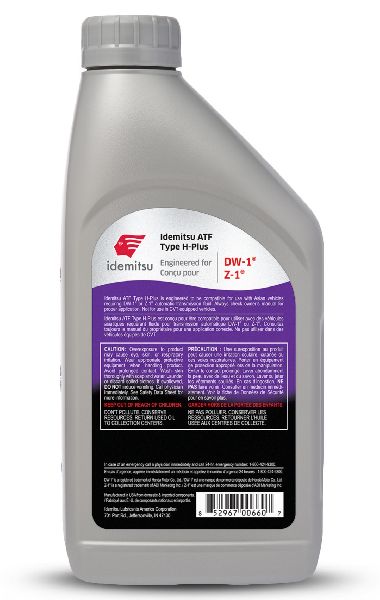
- Automatic Transmission Fluid (ATF DW-1)
(OEM #08200-9008)— Incorrect or degraded fluid is the leading cause of shifting problems and slippage in Honda transmissions.
Trusted brands: Honda Genuine
OEM price range: $10-$15 per quart - 3rd Clutch Transmission Fluid Pressure Switch
(OEM #28610-RKE-004)— This specific switch is a very common failure point on this platform and can directly cause incorrect pressure readings that lead to P0731. It often triggers a P0847 code alongside it.
Trusted brands: Honda Genuine
OEM price range: $40-$60
Aftermarket price range: $20-$40 - Shift Solenoid A (Linear)
(OEM #28250-RPC-003)— A stuck or failed solenoid can prevent proper hydraulic pressure from being routed to engage first gear.
Trusted brands: Honda Genuine, WVE, Standard Motor Products
OEM price range: $150-$250
Aftermarket price range: $50-$120 - Remanufactured Automatic Transmission — In cases of severe internal wear, confirmed by metal debris in the fluid or failed pressure tests, replacement is the most durable repair.
Trusted brands: Honda Genuine (Remanufactured), Moveras, Jasper
OEM price range: $2500-$3500
Aftermarket price range: $1800-$2800
Related Codes That Often Appear With This One
- P0732, P0733, P0734 — These codes indicate incorrect gear ratios for 2nd, 3rd, and 4th gear, respectively. Seeing multiple incorrect ratio codes together strongly suggests a widespread hydraulic issue, like low fluid, a clogged filter, or a failing pump.
- P0847 — This code is for a 'Transmission Fluid Pressure Sensor/Switch 'B' Circuit High' and is a known, common issue on this Civic generation. It directly points to a faulty 3rd clutch pressure switch, which is a frequent cause of the hydraulic pressure issue that triggers P0731.
Technical Service Bulletins (TSBs) & Recalls
- Honda Service Bulletin 10-048: Related to a warranty extension for cracked R18 engine blocks on 2006-2009 models.
- Honda Service Bulletin 06-060: Addresses diagnosis for a rattle from the right-front of the vehicle, often caused by a failed side engine mount.
Platform-Specific Known Issues
- The Importance of the 3x Drain and Fill: Forum users on 8thcivic.com and other Honda communities consistently recommend a '3x drain and fill' procedure. Because a simple drain only removes about 2.5-3 quarts of the total fluid, repeating the process three times with short drives in between replaces over 75% of the old fluid without the risks of a high-pressure flush.
- P0847 as a Companion Code: A significant number of owner experiences online for the 8th generation Civic with shifting issues involve P0731 appearing alongside P0847. In these cases, the root cause is almost always the 3rd clutch pressure switch, making its replacement the primary fix after verifying fluid level and condition.
Mechanic-Grade Diagnostic Values
- Shift Solenoid / Pressure Control Solenoid Resistance — expected: 3 to 10 Ohms for pressure control solenoids. General shift solenoids are often between 12 and 25 Ohms.. Failure: A reading of infinite resistance (open circuit) or near-zero resistance (short circuit) indicates a failed solenoid coil.
- 3rd Clutch Pressure Switch Voltage (at connector) — expected: Battery voltage should be present at the switch's wiring connector with the key on, engine off.. Failure: Absence of voltage points to a wiring or PCM/TCM issue, not the switch itself.
- 3rd Clutch Pressure Switch Resistance (switch itself) — expected: Within manufacturer's specification (specific ohm value not publicly listed, but should not be shorted or open).. Failure: Resistance measured below specification (shorted) or infinite (open) indicates a defective switch.
Scan Tool Commands That Help
- Honda Diagnostic System (HDS): Shift Solenoid Click Test — This is a bidirectional test used to confirm if a specific shift solenoid is mechanically functioning. The HDS commands the solenoid to activate, and the technician listens for an audible 'click'. No click indicates the solenoid is stuck or has failed electrically.
- Professional Scan Tool: Gear-Ratio Test — Some advanced scan tools can command the transmission to hold 1st gear. This allows a technician to compare the live data from the input and output speed sensors against the specified gear ratio (e.g., ~3.5:1) to definitively confirm slippage in that specific gear.
Wiring & Ground Locations
- G101 — On the right rear of the engine (for non-Si models).. This is a primary engine and transmission ground point. A poor connection here can cause erratic behavior in various electronic components, including transmission sensors and solenoids.
- Main Transmission Ground Strap — Typically a braided wire from the transmission case directly to the vehicle's chassis/frame rail.. This is the main ground path for the transmission assembly. Corrosion or a loose connection can cause a host of shifting problems and phantom codes as electronic modules and sensors lose their stable reference to ground.
- PCM/TCM Connectors — The Powertrain Control Module (PCM) is typically located in the engine bay or behind the glove box.. The pins for the shift solenoids and pressure switches terminate here. Checking for voltage, ground, and resistance at the PCM connector is a master tech technique to determine if a fault is in the component, the wiring, or the module itself without accessing the transmission.
Real Owner Repair Stories
- Synthesized from multiple Honda forum threads (e.g., 8thcivic.com, honda-tech.com) (2009 Honda Civic LX, mileage unspecified) — Check engine light on, flashing 'D' light, harsh shifting, and car going into limp mode (stuck in 3rd gear).
❌ Tried (didn't work) Initially topping off transmission fluid, which did not solve the problem.
✅ What actually fixed it The owner scanned the codes and found P0731 along with P0847 (Transmission Fluid Pressure Sensor/Switch 'B' Circuit). Based on forum advice, the owner replaced the 3rd clutch transmission fluid pressure switch (Part No. 28610-RKE-004). After replacing the switch and clearing the codes, the shifting issues were resolved and the codes did not return.
OEM Part Supersession History
28600-P7Z-003, 28610-PCJ-004, 28610-RAY-003, and others→28610-RKE-004— Part consolidation and design improvement for the 3rd Clutch Pressure Switch.
Heads up: The newest part number, 28610-RKE-004, is the correct and most reliable replacement for all the previous versions on this vehicle.28250-PRP-013→28250-RPC-003— Updated design for the Linear Shift Solenoid 'A'.
Heads up: 28250-RPC-003 is the direct replacement for this application.
Model Year Variations Within This Range
- 2006-2008: Early 8th generation Civics (specifically with the R18 engine) were subject to a warranty extension for porous engine blocks that could lead to coolant leaks and cracking. While this is a major engine issue, it does not directly cause transmission code P0731, but it is a critical inspection point when evaluating a vehicle from this year range.
Diagnostic Flowchart
Other Known Issues on This Vehicle
Issues unrelated to this code that are worth knowing about as an owner of this generation:
- Cracked Engine Block (R18A1) 🔴 High — Affects 2006-early 2009 models. Coolant leaks from a crack on the front of the block. Failure can occur anywhere from 80k to over 200k miles. (Ref: Honda Service Bulletin 10-048 extended the warranty to 10 years/unlimited miles, but this has since expired for all affected vehicles.)
- Failing Clear Coat and Paint 🟡 Low — Widespread issue, especially on darker colors (black, blue, gray). The clear coat begins to fail, peel, and look chalky, typically on the roof, hood, and trunk after 5-8 years. (Ref: Honda issued a warranty extension (e.g., TSB 14-034) for 7 years from the purchase date, which has now expired for all 8th generation models.)
- Failing Passenger Side Engine Mount 🟠 Medium — The main hydraulic passenger-side engine mount is prone to leaking and collapsing, causing significant vibration at idle and while in gear. This is a very common wear item. (Ref: Honda Service Bulletin 06-060 addresses a rattle/knock related to this mount.)
- Defective Sun Visors 🟡 Low — Extremely common. The plastic clip holding the visor cracks, causing it to droop and not stay in place. A class-action lawsuit was filed over this issue.
- Worn Rear Upper Control Arms 🟠 Medium — The original rear upper control arms can cause premature and uneven inner tire wear ('cupping'). Many owners replace them with adjustable aftermarket arms to correct the alignment.
Used vs. New Parts: Buying Guide for This Vehicle
When a used part is the smart pick: For a complete transmission assembly IF the original unit has a confirmed, major internal mechanical failure (e.g., cracked case, destroyed gear set). A used assembly from a low-mileage, rear-ended donor vehicle can be a cost-effective alternative to a professional rebuild.
Donor-vehicle mileage cap: roughly under 80000 miles for the part to have meaningful remaining life.
What to inspect on the donor part:
- Check the donor vehicle's VIN to confirm it wasn't from a flood vehicle.
- Ask for maintenance records if possible, specifically looking for regular transmission fluid changes.
- Drain a small amount of fluid from the donor transmission before purchase. It should be red or pinkish-brown, not black, and should not smell burnt or contain visible metal flakes.
OEM-only on this vehicle (don't cheap out):
- Automatic Transmission Fluid (ATF DW-1)
- 3rd Clutch Transmission Fluid Pressure Switch (due to high failure rates of aftermarket versions)
- Transmission Control Module (TCM) - requires VIN-specific programming
Aftermarket brands forum-validated for this vehicle:
- Standard Motor Products (SMP) for solenoids and sensors
- WVE (NTK) for solenoids and sensors
Brands owners have reported issues with on this vehicle:
- No-name, unbranded electronic parts (solenoids, sensors) from online marketplaces are highly prone to premature failure.
Real Owner Stories
Aggregated from forums and TSBs cited above. Mileages and costs reflect what owners reported in those sources.
2006-2011 Honda Civic
Symptoms: Check Engine Light came on with both P0731 and P0847 codes, causing shifting problems.
What fixed it: After verifying the transmission fluid was at the correct level, replacing the 3rd clutch pressure switch resolved the issue.
Source hint: 8thcivic.com thread titled 'p0847 and p0731'
2006-2011 Honda Civic
Symptoms: Sluggish acceleration from a stop, harsh engagement when shifting into Drive, and a Check Engine Light.
What fixed it: The issue was resolved by performing a '3x drain and fill' procedure using Honda Genuine ATF DW-1, which replaced the old, degraded fluid causing the slippage.
Source hint: Vehicle Specific Issue: The Importance of the 3x Drain and Fill
2006-2011 Honda Civic
Symptoms: Transmission was slipping and the 'D' light on the dashboard was flashing, along with the Check Engine Light for code P0847.
What fixed it: The problem was a faulty 3rd clutch transmission fluid pressure switch. Replacing the switch fixed the problem.
Source hint: civicforums.com thread titled 'P0847 - 3rd Clutch Transmission Fluid Pressure Switch'
Related OBD-II Codes
Frequently Asked Questions
I have a P0731 code and a P0847 code on my 2009 Civic. What should I check first?
What is the '3x drain and fill' recommended for my Honda Civic's transmission?
What is the correct type of transmission fluid for a 2006-2011 Honda Civic?
My 'D' (Drive) indicator light is flashing on my dashboard. Is this related to the P0731 Check Engine Light?
I have a 2010 Acura CSX with these symptoms. Does the same advice for the Civic apply?
Is it expensive to fix the most common cause of P0731 on this Civic?
Helpful Videos


We Have This Part in Stock


The information in this article is provided for general reference and educational purposes only. Vehicle specifications, procedures, and part compatibility can vary by production date, trim level, and region. Always consult your vehicle's factory service manual and verify part numbers before purchasing or performing repairs. Safety-critical components such as airbags, seat belts, and braking systems should be installed by a qualified professional.
- Honda Civic:
- 🎬 Helpful Videos
- 🛍️ Shop This Part
- What's Unique About the 2006-2011 Honda Civic
- Symptoms You May Notice
- Most Likely Causes
- Rare But Worth Checking
- Diagnosis Steps
- Parts You'll Likely Need
- Related Codes That Often Appear With This One
- Technical Service Bulletins (TSBs) & Recalls
- Platform-Specific Known Issues
- Mechanic-Grade Diagnostic Values
- Scan Tool Commands That Help
- Wiring & Ground Locations
- Real Owner Repair Stories
- OEM Part Supersession History
- Model Year Variations Within This Range
- Diagnostic Flowchart
- Other Known Issues on This Vehicle
- Used vs. New Parts: Buying Guide for This Vehicle
- Real Owner Stories
- 2006-2011 Honda Civic
- 2006-2011 Honda Civic
- 2006-2011 Honda Civic
- Related OBD-II Codes
- Frequently Asked Questions
- 🎟️ Get 5% Off