

P0722 on 2008-2012 Honda Accord: Output Speed Sensor Failure Causes and Fixes
This code means the transmission's Output Speed Sensor has no signal. On the 2008-2012 Accord, this is almost always a failed sensor, OEM part number 28820-RWE-003. Expect to pay $120-$320 for a repair, with the sensor itself being a relatively inexpensive part. It's a DIY-possible job for those comfortable working in a tight engine bay, located on top of the transmission housing.
- P0722 on your Accord almost always points to a bad output speed sensor, Honda part # 28820-RWE-003.
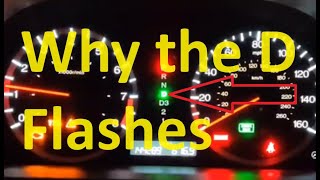
- Symptoms are serious and include harsh shifting, a dead speedometer, and a flashing 'D' light, so address the issue promptly.
- The most likely fix is replacing the sensor, a low-cost part. Using a genuine Honda sensor is highly recommended.
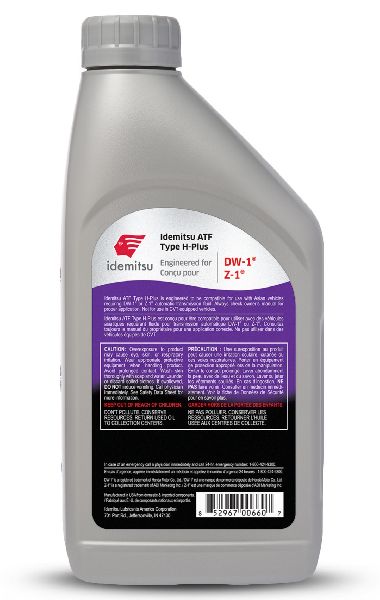
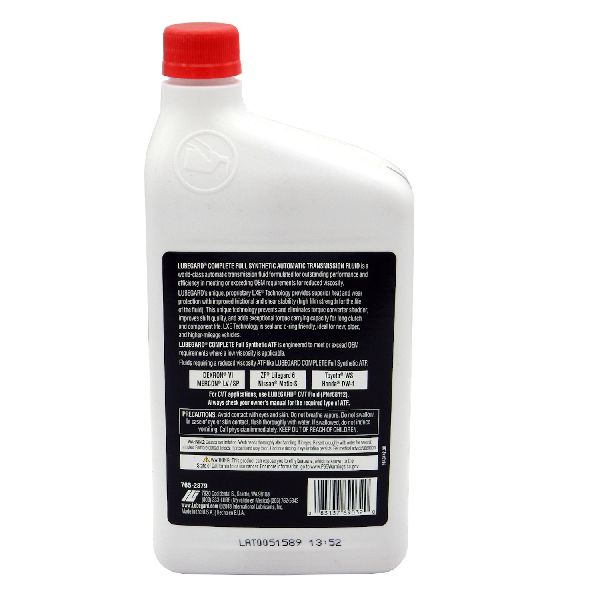
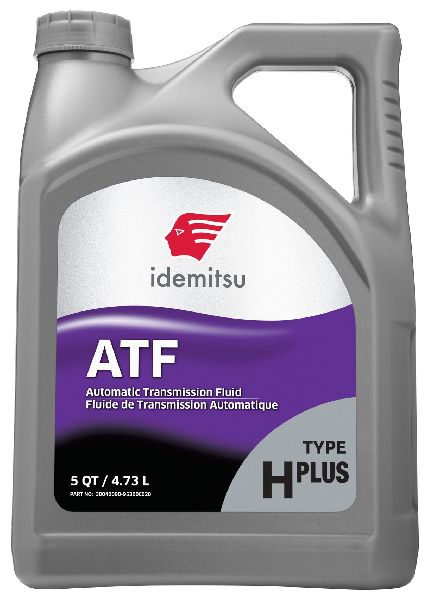
- Always use Honda Genuine ATF DW-1 fluid when servicing the transmission.
- Before buying parts, confirm the sensor is the issue by checking live data with a scan tool if possible.
What's Unique About the 2008-2012 Honda Accord
The 2008-2012 eighth-generation Honda Accord, whether equipped with the 4-cylinder (K24Z) or V6 (J35Z) engine, uses an externally mounted output speed sensor (Honda Part No. 28820-RWE-003) that is a common failure point over time due to heat and vibration. While Honda transmissions of this era are generally reliable, this electronic sensor is a known weak spot. The fix is almost always replacing the sensor itself, which is accessible from the top of the engine bay, rather than indicating a more serious internal transmission failure. This issue is not caused by internal mechanical transmission problems, but is purely electrical in nature.
Symptoms You May Notice
- Check Engine Light is on
- Flashing 'D' (Drive) indicator light on the dashboard
- Harsh, erratic, or delayed gear shifts
- Transmission is stuck in a single gear (often 2nd or 3rd)
- Speedometer reads 0 mph or behaves erratically
- Cruise control does not work
- A feeling of the transmission slipping
- Inability to shift into Park while the engine is running
- Replacing the entire transmission when only a simple sensor is needed.
- Replacing the nearby Input (Mainshaft) Speed Sensor by mistake. The input and output sensors look similar and are often located near each other. The output sensor is typically the one with the grey connector.
- Assuming an aftermarket sensor will work as well as the OEM part. Some owners have had issues persist until a genuine Honda sensor was installed.
Most Likely Causes
- Failed Output/Countershaft Speed Sensor 🔴 High Probability The sensor is an electronic component mounted on the transmission that is subject to constant heat and vibration, causing it to fail electrically over time. It is a very common failure point on this platform and related Honda/Acura vehicles.
How to confirm: Using a scan tool with live data, monitor the 'Output Shaft Speed' parameter while driving. If the reading stays at 0 RPM as the vehicle moves, the sensor or its circuit is faulty. The sensor itself can also be tested with a multimeter for resistance; a typical range for this type of sensor is 560-680 Ω.
Typical fix: Replace the output speed sensor. The sensor is held in by a single 10mm bolt and requires a new O-ring upon installation. 🎬 Watch: This walkthrough shows you how to replace the sensor. The genuine Honda part is recommended, as some owners report issues with aftermarket sensors.
Est. part cost: $25-$70 - Damaged Wiring or Connector 🟡 Medium Probability Engine bay heat can make wiring brittle over time, and oil or fluid leaks can contaminate the electrical connector, interrupting the signal. Wires can also be damaged by rodents or chafing against other components.
How to confirm: Visually inspect the wiring harness leading to the sensor for any signs of fraying, melting, or breaks. Disconnect the sensor and check for corrosion, moisture, or bent pins inside the connector. A multimeter can be used to check for continuity and for a reference voltage from the PCM at the connector (typically around 5 volts for a 3-wire Hall-effect sensor).
Typical fix: Repair the damaged section of wire or clean the connector with electrical contact cleaner. If the connector itself is broken, it will need to be replaced.
Est. part cost: $5-$50 - Low or Dirty Transmission Fluid ⚪ Low Probability While not a direct cause of a 'no signal' fault, extremely low or contaminated fluid can cause erratic transmission behavior, including solenoid and sensor malfunctions that may trigger various codes, sometimes in conjunction with P0722. Metallic debris in the fluid can also stick to the magnetic sensor tip and block it from reading the tone ring.
How to confirm: Check the transmission fluid level using the dipstick (engine off, on level ground). Note the fluid's color and smell; it should be reddish and not have a burnt odor. Honda transmissions are sensitive to fluid type and condition.
Typical fix: Perform a transmission fluid drain and fill using only Honda Genuine ATF DW-1 fluid.
Est. part cost: $40-$80
Rare But Worth Checking
- Faulty Powertrain Control Module (PCM): This is very uncommon. Before condemning the PCM, all other possibilities (sensor, wiring, fluid) must be exhaustively ruled out by a professional. A dealership may need to check if the PCM has the latest software.
Diagnosis Steps
- Read the trouble codes with an OBD-II scanner to confirm P0722 is present and note any other codes.
- Check the level and condition of the automatic transmission fluid. The fluid should be at the correct level and not appear dark or burnt.
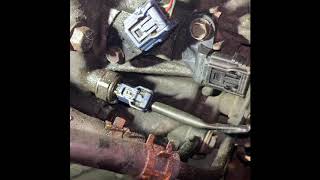
- Locate the output speed sensor on the top of the transmission housing. For the 8th generation Accord (both 4-cyl and V6), it is accessible from the top of the engine bay. It is necessary to remove the air filter box and intake hose for access. The sensor has a grey connector and is held by a single 10mm bolt.
- Inspect the sensor's electrical connector and wiring for any visible damage, corrosion, or loose connections.
- If you have a capable scan tool, view the live data for 'Output Shaft Speed'. Drive the vehicle slowly (or raise the front wheels and run in gear); the RPM should increase with vehicle speed. If it remains at 0, the sensor or circuit is the problem.
- Test the circuit: Disconnect the sensor and use a multimeter to check for a reference voltage from the PCM at the connector (typically around 5 volts) and a good ground. If voltage and ground are good, the sensor itself is the most likely culprit.
- If no voltage is present, inspect the wiring harness for an open or short circuit between the connector and the PCM.
- Replace the output speed sensor if it is determined to be faulty. Always use a new O-ring and lubricate it with clean transmission fluid before installation. Torque the 10mm bolt to 115 in-lbs (approx. 9.5 ft-lbs).
- Clear the codes and perform a road test to ensure the speedometer works and the transmission shifts correctly.
Parts You'll Likely Need
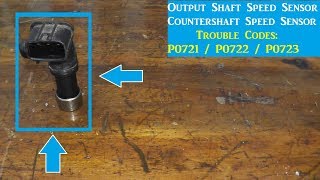
- Automatic Transmission Output Speed Sensor (Countershaft Speed Sensor)
(OEM #28820-RWE-003)— This sensor is the most common cause of a P0722 code, failing due to age and heat cycles. This part number fits a wide range of Honda and Acura models from this era.
Trusted brands: Honda Genuine, NTK, Denso, Standard Motor Products (SMP)
OEM price range: $110-$170
Aftermarket price range: $25-$70
Related Codes That Often Appear With This One
- P0721 — This code indicates an intermittent or irrational signal ('Performance/Range') from the same output speed sensor, and can appear alongside or instead of P0722.
- P0717 — This code points to a 'No Signal' fault from the Input (Mainshaft) Speed Sensor. Since both sensors work together to determine gear ratio, a fault in one can sometimes be flagged with a fault in the other, or indicate a wiring harness issue common to both.
- P0767 — This code for 'Shift Solenoid D Stuck On' has been reported by owners alongside P0722. The PCM's inability to see the output speed can cause it to lose track of the transmission's state, leading to solenoid-related codes. Fixing the P0722 issue often resolves the solenoid code.
Technical Service Bulletins (TSBs) & Recalls
- While no TSBs exist specifically for P0722 on this Accord, Hyundai TSB 13-AT-014-1 for similar codes (P0717, P0721, P0722) on their vehicles outlines a detailed diagnostic procedure that is generally applicable. It emphasizes checking live data, inspecting wiring, and provides steps for sensor replacement, confirming this is a standard diagnostic path.
- A TSB for Hyundai (14-AT-013) also explicitly states *not* to replace the transmission for these codes, but to follow the procedure to replace the related sensor, reinforcing that this is a sensor/electrical issue, not a major mechanical one.
Platform-Specific Known Issues
- On both the 4-cylinder and V6 models, the sensor is located on top of the transmission and requires removing the air intake assembly for access. A YouTuber demonstrated this repair, also showing the need to unbolt and move the fuse box aside for better access.
- While the cause is almost always the sensor or wiring, at least one owner on a forum reported replacing the sensor with an OEM part and still having the issue, which the dealer then suspected was a wiring problem.
Mechanic-Grade Diagnostic Values
- Output Speed Sensor (2-wire VR type) internal resistance — expected: 560 to 680 Ω at 68°F (20°C). Failure: Infinite resistance (open circuit) or near 0 Ω (short circuit).
- Reference Voltage at Sensor Connector (3-wire Hall-effect type) — expected: Approximately 5V. Failure: No voltage indicates an open or short in the VCC wire from the PCM.
- Continuity to Ground at Sensor Connector — expected: Below 1 Ω. Failure: High resistance indicates a bad ground connection, which is critical for sensor operation.
Scan Tool Commands That Help
- Honda Diagnostic System (HDS): Clear DTCs — Used at the beginning of diagnosis to reset the system and see if the code returns immediately, which helps differentiate between a hard fault and an intermittent one.
- Honda Diagnostic System (HDS): AT Data List > Input Shaft Speed & Output Shaft Speed — This live data function is used to monitor and compare the speeds of the input and output shafts while driving. For P0722, the Output Shaft Speed will read 0 or be erratic, while the Input Shaft Speed increases, confirming a fault in the output sensor's circuit.
Wiring & Ground Locations
- G101 — On the intake manifold plenum, driver's side of the engine bay. On some models, it is located on the thermostat housing.. G101 is a primary ground termination point for the ECU/PCM and multiple engine sensors. A poor connection at this ground can cause erratic behavior or a complete loss of signal from various sensors, including the transmission speed sensors, potentially triggering a P0722 code even if the sensor and its direct wiring are good.
Real Owner Repair Stories
- YouTube user Willy Garcia (2008 Honda Accord) — Shifting problems and speedometer not working.
✅ What actually fixed it The problem was resolved 100% by replacing the output speed sensor with a new part from a Honda dealer. - YouTube user MODS FOREVER (Honda Accord (model year not specified, but 8th gen body style)) — Blinking 'D' light, speedometer not working, and inability to shift into Park unless the car was turned off first.
✅ What actually fixed it Replacing the output speed sensor fixed all symptoms. The speedometer began working correctly and the car could shift into Park while running. - Honda-Accord-Forum user 'Aaawa' (2008 Honda Accord V6) — Check Engine Light, VSA light, flashing 'D' light, speedometer not working, and car sometimes won't accelerate past 10 mph.
❌ Tried (didn't work) Replacing the input and output speed sensors with genuine Honda parts.
✅ What actually fixed it The user did not post a final resolution, but a subsequent user with the exact same symptoms reported they had to replace the entire transmission to fix it, indicating a potential internal wiring or component failure beyond the sensor itself in rare cases.
OEM Part Supersession History
28820-RWE-003→28820-RWE-003— No supersession found. This part number appears to be the consistent OEM part for the specified vehicle range and other Honda models.
Heads up: While there is no supersession, it is noted that this sensor (short) is often sold as a set with the input sensor (long, P/N 28810-RZH-004) for other Honda models like the CR-V, but for the Accord P0722, only the 28820-RWE-003 is typically required.
Diagnostic Flowchart
Used vs. New Parts: Buying Guide for This Vehicle
When a used part is the smart pick: A used OEM sensor from a low-mileage donor vehicle is a viable option if on a tight budget, as the failure is electronic and not strictly wear-based. However, given the low cost of new aftermarket parts and the moderate cost of a new OEM part, buying new is generally recommended for peace of mind.
Donor-vehicle mileage cap: roughly under 80000 miles for the part to have meaningful remaining life.
What to inspect on the donor part:
- Ensure the donor vehicle was not in a front-end collision that could have damaged the transmission case or wiring.
- Inspect the connector pins on the used sensor for any signs of corrosion, bending, or moisture.
- Check the plastic housing for any cracks or signs of extreme heat exposure.
OEM-only on this vehicle (don't cheap out):
- Output Speed Sensor (highly recommended)
Aftermarket brands forum-validated for this vehicle:
- NTK
- Denso
- Standard Motor Products (SMP)
Brands owners have reported issues with on this vehicle:
- Unbranded, 'white-box' sensors from online marketplaces have a higher reported failure rate or may not resolve the code, as noted in forum discussions.
Real Owner Stories
Aggregated from forums and TSBs cited above. Mileages and costs reflect what owners reported in those sources.
2008 Honda Accord
Symptoms: shift Problems and MPH gauge not working
What fixed it: Changed the Output speed sensor.
Cost: $20-$25
Source hint: YouTube
2008-2012 Honda Accord
Symptoms: Owner had code P0722, but replacing the sensor with an OEM part did not solve the problem.
What fixed it: The issue was suspected by the dealer to be a wiring problem, not the sensor itself.
Source hint: vehicle_specific_issues forum report
2010 Honda Accord 4-cyl AT
Symptoms: User experienced symptoms related to code P0722.
What fixed it: The owner performed the sensor replacement, which involved removing the airbox and moving the fuse box for access, and this resolved the issue.
Source hint: Reddit r/accord - 2010 accord 4cyl AT p0722
Related OBD-II Codes
Frequently Asked Questions
Where is the output speed sensor located on my 2010 Accord?
Should I use an aftermarket sensor or a genuine Honda part for the P0722 code?
My 'D' (Drive) light is flashing and the speedometer is stuck at zero. Is this related to P0722?
What tools can I use to confirm the output speed sensor has failed?
What kind of transmission fluid does my 2008-2012 Accord need?
Are there any official Honda TSBs for the P0722 code on this Accord?
Helpful Videos
Used OEM Parts in Stock


New Aftermarket Parts Available


The information in this article is provided for general reference and educational purposes only. Vehicle specifications, procedures, and part compatibility can vary by production date, trim level, and region. Always consult your vehicle's factory service manual and verify part numbers before purchasing or performing repairs. Safety-critical components such as airbags, seat belts, and braking systems should be installed by a qualified professional.
- Honda Accord:
- 🎬 Helpful Videos
- 🛍️ Shop This Part
- What's Unique About the 2008-2012 Honda Accord
- Symptoms You May Notice
- Most Likely Causes
- Rare But Worth Checking
- Diagnosis Steps
- Parts You'll Likely Need
- Related Codes That Often Appear With This One
- Technical Service Bulletins (TSBs) & Recalls
- Platform-Specific Known Issues
- Mechanic-Grade Diagnostic Values
- Scan Tool Commands That Help
- Wiring & Ground Locations
- Real Owner Repair Stories
- OEM Part Supersession History
- Diagnostic Flowchart
- Used vs. New Parts: Buying Guide for This Vehicle
- Real Owner Stories
- 2008 Honda Accord
- 2008-2012 Honda Accord
- 2010 Honda Accord 4-cyl AT
- Related OBD-II Codes
- Frequently Asked Questions
- 🎟️ Get 5% Off