

P0700 on 2006-2010 Hummer H3: Transmission Control System Malfunction Causes and Fixes
P0700 on a Hummer H3 means the transmission has a problem. Most often, it's caused by a failed shift solenoid or TCC solenoid inside the transmission pan. Expect to pay $150-$350 for a shop to replace the solenoids, which is a 2/5 difficulty DIY job. Also, inspect the wiring harness for chafing against the bell housing.
- P0700 is a general alert; you MUST scan the Transmission Control Module (TCM) to find the specific fault code.
- The most likely cause on a 2006-2010 H3 is a bad shift solenoid or TCC solenoid, which are located inside the transmission oil pan.
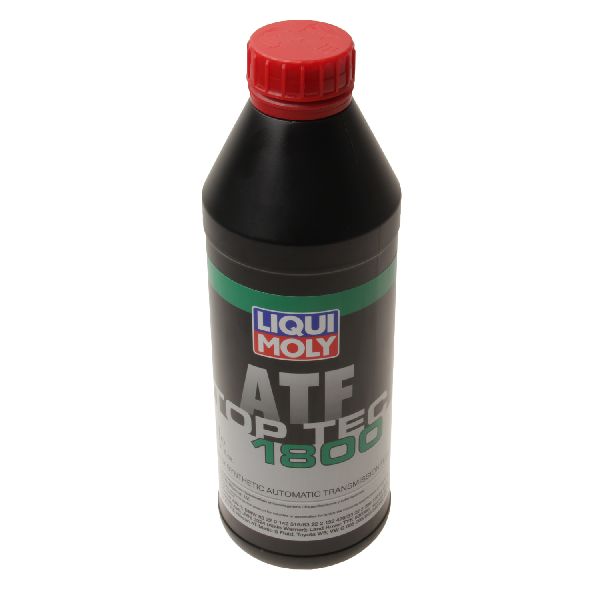
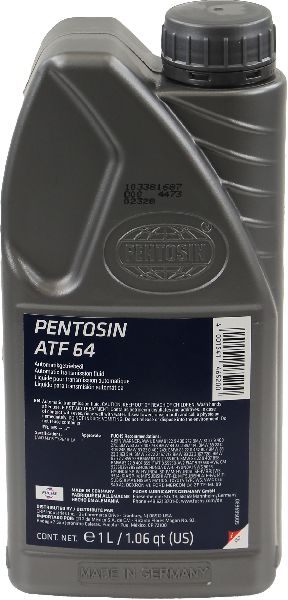
- Always check the transmission fluid level and condition first, as low or burnt fluid can cause numerous issues.
- Thoroughly inspect the transmission wiring harness for chafing or damage before replacing expensive internal parts.
- Do not agree to a full transmission rebuild for a P0700 code without first having the solenoids and wiring professionally diagnosed.
What's Unique About the 2006-2010 Hummer H3
The 2006-2010 Hummer H3 uses the widely-adopted GM 4L60-E automatic transmission. While generally robust, its control solenoids are a known weak point that become prone to failure with age and mileage. P0700 is frequently a precursor to more specific codes like P0751, P0756 (shift solenoids), or P0741 (torque converter clutch solenoid). Owner forums specifically highlight recurring issues with the main transmission wiring harness chafing against the transmission bell housing, causing shorts that can trigger a P0700 and put the vehicle in limp mode. 🎬 Watch: Understanding the P0700 code and how to fix it. For 2006-2007 models, the transmission control functions are integrated directly into the main Powertrain Control Module (PCM), meaning there is no separate TCM. Starting in 2008, a separate TCM was used.
Symptoms You May Notice
- Check Engine Light illuminated
- Transmission stuck in a single gear (often 3rd gear, known as 'limp mode')
- Harsh, erratic, or delayed shifts
- Failure to upshift, causing high engine RPMs
- Vehicle shudders or vibrates, especially when the torque converter should be locking up (45-55 mph)
- Reduced fuel economy
- Transmission warning message on the instrument cluster in some cases
- Replacing the entire transmission when only an inexpensive solenoid, wiring repair, or fluid service was needed. Always get a specific TCM code diagnosis before approving a transmission replacement.
- Replacing the torque converter for a P0741 code when the actual fault is the TCC solenoid, a chafed wire, or wear in the valve body bore.
Most Likely Causes
- Failed Shift Solenoid (A or B) 🔴 High Probability The 1-2 (A) and 2-3 (B) shift solenoids in the 4L60-E are a common failure point due to electronic wear or becoming clogged with debris from aging transmission fluid.
How to confirm: Scan the TCM for codes P0751, P0756, P0753, or P0758. The solenoid can be tested with a multimeter for proper resistance (typically 20-30 ohms).
Typical fix: Drop the transmission pan, remove the old solenoid from the valve body, and install a new one. It is highly recommended to replace the transmission filter and fluid at the same time. Many owners and technicians replace all solenoids as a kit 🎬 See this walkthrough on replacing all 4L60E shift and TCC solenoids. for preventative maintenance.
Est. part cost: $25-$60 per solenoid - Failed Torque Converter Clutch (TCC) Solenoid System 🔴 High Probability The TCC system in the 4L60-E has multiple failure points. The TCC PWM solenoid can fail, or the TCC on/off solenoid, which is integrated into the internal wiring harness, can fail. This prevents the torque converter from locking up at cruising speeds, causing shudder and poor fuel economy.
How to confirm: Scan the TCM for code P0741 (TCC Circuit Performance / Stuck Off). A technician can use a scan tool to command the TCC on and off to verify its operation. The TCC PWM solenoid should have a resistance of 10-15 ohms.
Typical fix: Replace the faulty solenoid. If the on/off solenoid is the cause, the entire internal transmission wiring harness must be replaced. Many owners opt to replace the complete solenoid and harness kit at once.
Est. part cost: $30-$70 for a single solenoid, or $100-$180 for a complete kit with harness. - Damaged Transmission Wiring Harness or Connectors 🟡 Medium Probability The main transmission harness is known to chafe against the upper part of the transmission bell housing, causing wires to short to ground. Additionally, removing the underhood fuse block for other service can lead to bent or corroded pins in the main connectors below it, interrupting power to the TCM.
How to confirm: Visually inspect the wiring harness where it passes over the transmission for signs of wear or melting. Perform a 'wiggle test' on the harness while monitoring the circuit with a multimeter. Check for secure connections and clean pins at the main transmission plug and under the fuse block.
Typical fix: Repair the damaged section of wire with a new piece of wire and heat-shrink tubing, and protect it with a new loom. Clean corroded connectors with electrical contact cleaner. In severe cases, a new harness pigtail or entire harness may be needed.
Est. part cost: $10-$200 depending on the extent of damage - Low or Dirty Transmission Fluid 🟡 Medium Probability Neglected fluid changes lead to fluid breakdown and contamination. Debris can clog the small passages in the valve body and solenoids, causing them to stick or operate slowly.
How to confirm: Check the transmission fluid dipstick. The fluid should be bright red and clear. If it is dark brown, black, smells burnt, or contains metal particles, it is degraded and indicates a problem.
Typical fix: Perform a transmission fluid and filter change. If the fluid is heavily contaminated, a full flush may be considered, but this can sometimes cause issues in very high-mileage transmissions that have not been regularly serviced.
Est. part cost: $60-$120 for fluid and a filter kit
Rare But Worth Checking
- Worn Valve Body: The 4L60-E valve body can wear over time, particularly at the TCC regulator valve bore. This wear allows hydraulic pressure to leak, which can set a P0741 or P1870 code even with a perfectly good solenoid. Aftermarket companies like Sonnax make kits (e.g., 77754-04K) to ream the bore and install an oversized valve to fix this.
- Faulty Transmission Control Module (TCM): While uncommon, the TCM itself can fail. This should only be considered after all other possibilities (solenoids, wiring, fluid, valve body) have been exhaustively ruled out, as it is an expensive part to replace. A hard reset by disconnecting the battery overnight can sometimes resolve temporary glitches.
Diagnosis Steps
- Scan for Codes: Use an advanced scan tool (like a Tech 2 or equivalent) to read the specific trouble codes stored in the Transmission Control Module (TCM). Do not rely on a basic scanner that only shows the P0700 from the ECM.
- Check Fluid: Inspect the transmission fluid level and condition. If it's low, top it off and check for leaks. If it's dark, burnt, or contains debris, a fluid and filter change is necessary.
- Inspect Wiring: Carefully inspect the transmission wiring harness for any signs of physical damage, especially where it passes over the transmission bell housing. Perform a 'wiggle test' on the harness while checking for electrical changes. Check the main connector at the transmission and the large connectors under the fuse block for corrosion or bent pins.
- Diagnose Specific Code: Follow the diagnostic procedure for the specific code found in step 1. For a solenoid electrical code (e.g., P0753), this involves testing the solenoid's resistance with a multimeter from the TCM connector or at the transmission itself. 🎬 Watch: How to test your shift solenoids with a multimeter.
- Test Solenoids: If wiring is intact, the next step is to drop the transmission pan to access and test the solenoids directly. If a solenoid is out of spec, it should be replaced.
- Inspect Valve Body: While the pan is off, a technician may inspect the valve body for signs of scoring or wear, especially if a persistent P0741 code is present.
- Clear Codes and Test Drive: After any repair, clear all codes from the ECM and TCM and perform a test drive to ensure the problem is resolved.
Parts You'll Likely Need
- Transmission Solenoid Master Kit (w/ Harness) — A comprehensive solution that replaces all common failure points at once: both shift solenoids, the TCC PWM solenoid, the EPC solenoid, and the internal harness which contains the integrated TCC on/off solenoid. This is a popular DIY and shop repair to prevent repeat failures.
Trusted brands: ACDelco, TRQ, Dorman, Sonnax
OEM price range: $150-$220
Aftermarket price range: $100-$180 - 1-2 & 2-3 Shift Solenoid Set
(OEM #24230298)— These are the most common individual parts to fail internally, causing shifting problems and triggering a P0700. They are identical and often replaced as a pair.
Trusted brands: ACDelco, TRQ, Dorman
OEM price range: $50-$80
Aftermarket price range: $40-$60 - Transmission Filter and Gasket Kit
(OEM #24208576)— Must be replaced whenever the transmission pan is removed for service, such as solenoid replacement.
Trusted brands: ACDelco, Wix, ATP
OEM price range: $30-$50
Aftermarket price range: $15-$30
Related Codes That Often Appear With This One
- P0741 — This indicates a problem with the Torque Converter Clutch (TCC) solenoid circuit, a very common underlying cause for the P0700 light on this platform.
- P0751 / P0753 — These codes point to a performance or electrical fault in the 1-2 Shift Solenoid ('A' solenoid), another primary cause of P0700 and shifting problems.
- P0756 / P0758 — These codes point to a performance or electrical fault in the 2-3 Shift Solenoid ('B' solenoid), which often fails along with or instead of the 'A' solenoid.
- P2534 — This code for 'Ignition 1 Switch Circuit Low Voltage' can appear with P0700 if there is an electrical issue, such as a bad connection at the fuse block, that prevents the TCM from receiving proper power.
Technical Service Bulletins (TSBs) & Recalls
- TSB 07-07-30-024: Addresses 4L60-E valve body reconditioning for issues including DTCs P0741 and P0756, and harsh 1-2 shifts. This is relevant as valve body wear can be an underlying cause.
- TSB 19-NA-153: While for newer models, it details diagnosis for P0741 on the 4L60-E's successor, pointing to torque converter clutch material failure on high-mileage vehicles or turbine shaft bushing damage on low-mileage vehicles as potential causes, which can be informative for H3 diagnosis.
Platform-Specific Known Issues
- Owner Experience: Complete Solenoid Kit Replacement for P0741: An owner on HummerForums.com with P0700/P0741 codes chose to replace the entire 7-piece solenoid kit with harness (Part #99088) instead of just the single TCC solenoid. The reasoning was that the TCC on/off solenoid is hardwired into the harness, making a full replacement easier than splicing wires inside the transmission. The repair required lowering the valve body and provided a comprehensive fix for the issue.
- Owner Experience: Finding a Chafed Wiring Harness: A Hummer H3 owner on HummerForums.com traced a persistent electrical short to the transmission wiring harness. They confirmed the location by using a multimeter on the fuse circuit and wiggling the harness until the audible tone stopped. The damage was found where the harness had rubbed through against the transmission bell housing, a specific failure point to inspect.
Mechanic-Grade Diagnostic Values
- 1-2 (A) and 2-3 (B) Shift Solenoid Resistance — expected: 20 - 40 Ohms. A tighter, more common range is 20-25 Ohms.. Failure: A reading outside the 20-40 Ohm range indicates a failed solenoid.
- Torque Converter Clutch (TCC) PWM Solenoid Resistance — expected: 10 - 15 Ohms.. Failure: A reading outside this range indicates a failed solenoid.
- Pressure Control (EPC) Solenoid Resistance — expected: 3.5 - 8.0 Ohms.. Failure: A reading outside this range indicates a failed solenoid.
- 3-2 Control Solenoid Resistance — expected: 9 - 14 Ohms.. Failure: A reading outside this range indicates a failed solenoid.
- TCC On/Off Solenoid (part of internal harness) Resistance — expected: 20 - 40 Ohms.. Failure: A reading outside this range indicates a fault in the harness/solenoid assembly.
- Ignition 1 Voltage at PCM/TCM — expected: Should be equal to battery voltage (approx. 12.6V with key on, engine off; ~14V with engine running).. Failure: Low or no voltage indicates a problem with the ignition switch, fuse block, or wiring, which can prevent the TCM from powering up correctly and set a P0700.
Scan Tool Commands That Help
- GM Tech 2 or equivalent professional scanner: Solenoid Test / Output Controls — After retrieving the specific TCM codes, a technician can use this function to command individual shift solenoids, the TCC solenoid, and the EPC solenoid on and off. This helps verify if the solenoid is mechanically stuck or if the wiring between the TCM and the solenoid is intact. Listening for a 'click' from the transmission pan as the solenoid is commanded confirms it is receiving the signal.
- GM Tech 2 or equivalent professional scanner: Live Data Monitoring (TCM) — Monitor parameters like Desired vs. Actual EPC Amps, TCC Slip Speed, and Transmission Fluid Temperature (TFT). For example, if the TCM commands TCC lockup but slip speed remains high, it points to a hydraulic or mechanical issue (like a worn valve bore or bad torque converter) rather than just an electrical one.
Wiring & Ground Locations
- PCM / TCM Location — On the exterior of the firewall, near the coolant reservoir tank in the engine bay.. This is the control center for the transmission. All sensor inputs and solenoid outputs are processed here. Technicians may need to test for power, ground, and signal continuity at the module's connectors.
- Main Transmission Connector — On the passenger side of the 4L60-E transmission case. It is a round, multi-pin connector.. This is the primary electrical interface for the transmission. It's a common point for testing solenoid and sensor circuits without dropping the pan. It can also be a source of connection issues due to corrosion or fluid contamination.
- Pin E on Main Transmission Connector — Within the round transmission case connector.. Pin E is the main 12V+ power feed from the TCM to all of the shift and TCC solenoids. The TCM supplies power on this pin and then provides a ground path for individual solenoids to activate them. A loss of power on this pin will disable all solenoids and cause a P0700.
- G102 Ground — On the lower left (driver's) side of the engine block.. This is a key engine and powertrain ground point. A loose or corroded ground here can cause a host of electrical issues, including erratic behavior from the PCM/TCM, leading to various codes including P0700.
Real Owner Repair Stories
- HummerForums user (2006 Hummer H3) — Transmission stuck in 2nd and 3rd gear only, P0973 code (Shift Solenoid 'A' Control Circuit Low) stored along with P0700.
❌ Tried (didn't work) Initial diagnosis pointed towards a bad shift solenoid.
✅ What actually fixed it The final repair was replacing the ignition switch. A faulty ignition switch was not providing a stable power supply to the PCM/TCM, causing the solenoid circuit code and limp mode. After replacement, the dash lit up with multiple lights, which required a re-flash/relearn procedure to resolve.
Model Year Variations Within This Range
- 2006-2007: The Transmission Control Module (TCM) is not a separate, standalone unit. Its functions are integrated into the Powertrain Control Module (PCM). When diagnosing, this means there is only one module to scan, and if the module itself is faulty, the entire PCM must be replaced and programmed.
- 2008-2010: These models use a separate, standalone Transmission Control Module (TCM) that is distinct from the Engine Control Module (ECM). The TCM is typically mounted on the firewall near the ECM. This allows for independent replacement of the TCM if it fails.
- 2007: The base 3.5L L52 inline-5 engine was replaced with the 3.7L LLR inline-5, which produced more power. This did not change the use of the 4L60-E automatic transmission.
- 2008-2010 (Alpha Trim): The optional 5.3L LH8 V8 engine was introduced. While this engine was also paired with a 4-speed automatic, it was the heavier-duty 4L65-E or 4L70-E variant. While many internal components and controls are similar to the 4L60-E, some parts and diagnostic procedures may differ slightly.
Diagnostic Flowchart
Used vs. New Parts: Buying Guide for This Vehicle
When a used part is the smart pick: A used wiring harness can be a cost-effective option if the damage to the original is extensive (e.g., severe chafing, multiple broken wires) and a new harness is prohibitively expensive or unavailable. A complete used transmission assembly from a low-mileage donor can also be viable if multiple internal failures are suspected, but it carries inherent risk.
Donor-vehicle mileage cap: roughly under 100000 miles for the part to have meaningful remaining life.
What to inspect on the donor part:
- For a wiring harness, inspect for any signs of previous repairs, chafing, or brittle insulation. Ensure all connector locking tabs are intact.
- For a complete transmission, check the fluid on the dipstick of the donor vehicle before it's pulled. If it's dark, burnt, or has metal flakes, walk away.
- Look for a vehicle that appears well-maintained and was not involved in a severe front-end or undercarriage collision.
- Ask the salvage yard for any available history on the donor vehicle, such as the mileage at the time of scrapping.
OEM-only on this vehicle (don't cheap out):
- Transmission Control Module (TCM) / Powertrain Control Module (PCM): While used modules are available, they often require specific programming (flashing) to the vehicle's VIN, which can be complex and require dealer tools. Buying new or from a reputable remanufacturer who can program it for you is a safer bet.
Aftermarket brands forum-validated for this vehicle:
- Solenoids/Solenoid Kits: ACDelco (OEM), Sonnax (often considered an upgrade, especially for valve body components), TRQ, Dorman.
- Valve Body Repair Kits: Sonnax is the industry leader for addressing issues like worn TCC regulator bores.
Brands owners have reported issues with on this vehicle:
- Be cautious of unbranded, no-name 'master solenoid kits' from online marketplaces. While cheap, they have a high rate of premature failure. Sticking to known brands is highly recommended for a part that requires significant labor to access.
Real Owner Stories
Aggregated from forums and TSBs cited above. Mileages and costs reflect what owners reported in those sources.
Hummer H3
Symptoms: P0700 and P0741 codes were present.
What fixed it: Replaced the entire 7-piece solenoid kit with the internal harness (Part #99088) because the TCC on/off solenoid is hardwired into the harness, making a full replacement easier than splicing.
Source hint: HummerForums.com - 'P0741 Transmission Woes'
Hummer H3
Symptoms: A persistent electrical short related to the transmission.
What fixed it: The owner located and repaired a section of the transmission wiring harness that had chafed and rubbed through against the transmission bell housing.
Source hint: HummerForums.com - 'Short to ground'
Hummer H3
Symptoms: Transmission issues and a P0700 code appeared immediately after performing other engine repairs.
What fixed it: The problem was traced to bent pins or improperly seated connectors under the main fuse block, which had been removed for the other service. Correctly seating the connectors restored power to the TCM and fixed the issue.
Source hint: HummerForums.com - 'transmission issues after thermostat change.'
Related OBD-II Codes
Frequently Asked Questions
My Hummer H3 has a P0700 and a P0741 code. What's the most likely fix?
Where is the transmission wiring most likely to get damaged on my H3?
I just worked on my H3's engine and now I have a P0700 code. What could I have done wrong?
My H3 is stuck in 3rd gear and the Check Engine Light is on. What's the problem?
Is it better to replace just one bad solenoid or the whole set in the 4L60-E transmission?
What does TSB 07-07-30-024 cover for the 4L60-E transmission?
Helpful Videos




Used OEM Parts in Stock

New Aftermarket Parts Available


The information in this article is provided for general reference and educational purposes only. Vehicle specifications, procedures, and part compatibility can vary by production date, trim level, and region. Always consult your vehicle's factory service manual and verify part numbers before purchasing or performing repairs. Safety-critical components such as airbags, seat belts, and braking systems should be installed by a qualified professional.
- Hummer H3:
- 🎬 Helpful Videos
- 🛍️ Shop This Part
- What's Unique About the 2006-2010 Hummer H3
- Symptoms You May Notice
- Most Likely Causes
- Rare But Worth Checking
- Diagnosis Steps
- Parts You'll Likely Need
- Related Codes That Often Appear With This One
- Technical Service Bulletins (TSBs) & Recalls
- Platform-Specific Known Issues
- Mechanic-Grade Diagnostic Values
- Scan Tool Commands That Help
- Wiring & Ground Locations
- Real Owner Repair Stories
- Model Year Variations Within This Range
- Diagnostic Flowchart
- Used vs. New Parts: Buying Guide for This Vehicle
- Real Owner Stories
- Hummer H3
- Hummer H3
- Hummer H3
- Related OBD-II Codes
- Frequently Asked Questions
- 🎟️ Get 5% Off