

P0604 on 2017-2020 Genesis G80: Internal Memory Error Causes and Fixes
This code indicates a RAM error in the engine computer (PCM). Before suspecting a bad PCM, thoroughly test the battery and check all power and ground connections. A weak battery causing voltage to drop below 9.5V during cranking or a poor connection is the most common cause and a much cheaper fix.
- P0604 indicates a memory error in the engine computer (PCM), but the cause is usually external.
- Before any other action, fully test the battery and charging system. A weak battery causing voltage to drop below 9.5V on startup is the #1 cause.
- Thoroughly inspect all power and ground connections to the PCM for looseness or corrosion. Check for a resistance of less than 0.1 ohms on main grounds.
- Do not replace the PCM unless all other electrical possibilities, including a potential software update, have been professionally ruled out.
- Replacing a PCM is not a DIY job as it requires programming to your vehicle's VIN and immobilizer.
What's Unique About the 2017-2020 Genesis G80
While P0604 is a generic code, on Hyundai and Genesis platforms, it's frequently triggered by underlying electrical issues rather than a true PCM failure. The common owner search query 'P0604 code after replacing battery' highlights how sensitive these modules are to voltage interruptions. Technicians often find the root cause to be corroded PCM connectors or loose ground wires, which cause the voltage instability that sets this code. Therefore, a meticulous inspection of the battery, alternator, and all related wiring is critical before condemning the expensive PCM.
Symptoms You May Notice
- Check Engine Light is on
- Engine may be hard to start or will not start
- Intermittent stalling, possibly right after starting
- Rough idle or engine hesitation
- ABS or Traction Control warning lights may illuminate
- Harsh shifting or transmission entering limp mode
- Failed emissions test due to OBD-II monitor issues
- Replacing the PCM without first testing the battery and charging system. A weak battery is a far more common and cheaper fix.
- Overlooking a corroded or loose main ground strap between the engine and chassis.
Most Likely Causes
- Low Battery Voltage or Failing Alternator 🔴 High Probability Modern vehicles like the G80 have numerous electronic modules that are highly sensitive to voltage. A weak battery or failing alternator can cause voltage to drop below the stable threshold (e.g., under 9.5V during cranking), corrupting the PCM's RAM and triggering a P0604 code. This is the most frequent cause.
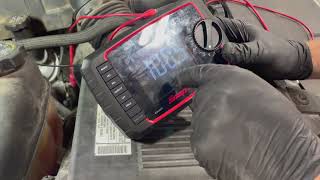
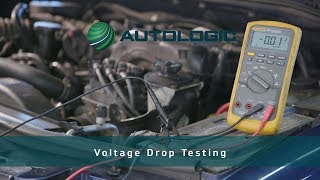
How to confirm: Use a multimeter to test the battery voltage with the engine off (should be ~12.6V). During engine cranking, ensure the voltage does not drop below 9.5V. 🎬 Watch: How to perform a starting system voltage drop test. With the engine running, test the charging system (should be ~13.5-14.8V). Perform a load test on the battery at an auto parts store, as a battery can show good voltage but fail under load.
Typical fix: Replace the battery and/or alternator.
Est. part cost: $150-$400 - Poor PCM Power or Ground Connections 🟡 Medium Probability Corrosion on battery terminals, loose main ground straps, or corrosion on the PCM connectors can create intermittent voltage drops or spikes, leading to this code. This has been noted as a specific issue to check on Hyundai/Kia vehicles.
How to confirm: Visually inspect all battery terminals, main chassis grounds, and engine ground straps for looseness or corrosion. Unplug the PCM connectors (with the battery disconnected) and inspect for any signs of corrosion or moisture. Use a multimeter to perform a voltage drop test on the main ground circuit or check resistance; it should be very low, ideally under 0.1 ohms. 🎬 See this guide on the best way to test voltage drop.
Typical fix: Clean battery terminals and ground points with a wire brush until they are shiny. If PCM connectors are corroded, they may need to be cleaned carefully with an electronic contact cleaner or the harness may need repair.
Est. part cost: $5-$50 - Faulty Powertrain Control Module (PCM) ⚪ Low Probability While possible, an internal hardware failure of the PCM is the least likely cause. It should only be considered after all external electrical factors have been definitively ruled out.
How to confirm: This is a process of elimination. If the battery, charging system, and all related wiring are confirmed to be in perfect condition but the code persists (especially after a re-flash attempt), the PCM is the likely culprit. This diagnosis is best left to a professional.
Typical fix: Replace the PCM. The new module will need to be programmed to the vehicle's VIN and security system by a dealer or qualified specialist. 🎬 Watch: How to perform a Hyundai aftermarket ECM programming procedure.
Est. part cost: $800-$1500
Rare But Worth Checking
- PCM Software Glitch: Occasionally, the code can be triggered by a software anomaly. Manufacturers often release software updates (reflashes) to fix bugs that can cause false codes like P0604. While no specific TSB for this exact issue on the G80 was found, it's a common industry practice. Always check with a Genesis dealer for any available PCM software updates for your vehicle's VIN before replacing hardware.
Diagnosis Steps
- Read all fault codes with an OBD-II scanner.
- Clear the codes and perform a test drive to see if the P0604 code returns immediately. If it doesn't, it may be an intermittent issue related to voltage drops.
- Test the battery. Ensure it has a full charge (~12.6V) and can hold a load. During engine cranking, confirm voltage does not drop below 9.5V.
- With the engine running, test the alternator output. Voltage should be stable between approximately 13.5V and 14.8V.
- Disconnect the battery. Inspect the battery terminals and cables for corrosion or looseness. Clean them thoroughly.
- Trace and inspect the main engine and chassis ground straps. Ensure they are clean, tight, and free of corrosion. Check resistance to ground, which should be below 0.1 ohms.
- Carefully inspect the PCM connectors for any signs of corrosion, moisture, or bent pins.
- If all of the above checks pass, the issue may be a software glitch. Consult a Genesis dealership to check if a PCM software update is available for your VIN.
- If a PCM failure is confirmed after all other steps, it will need to be replaced and programmed by a professional.
Parts You'll Likely Need
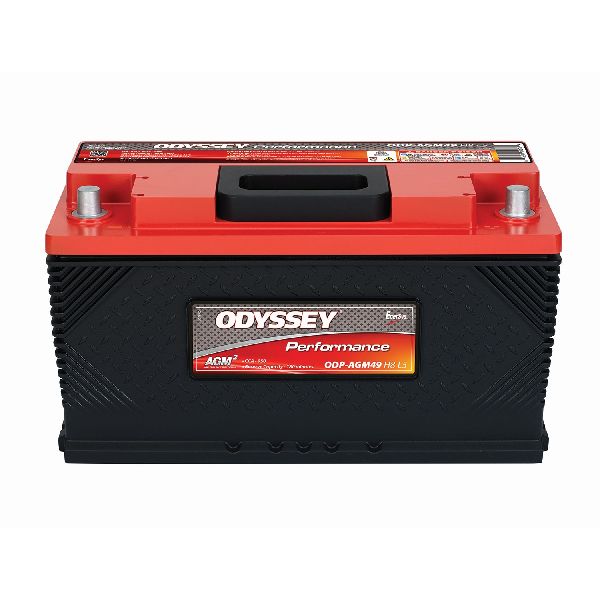
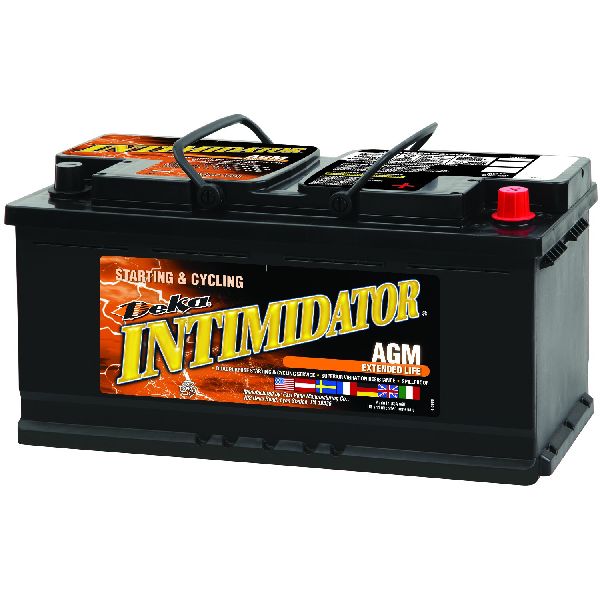
- Battery — A weak or failing battery is the most common trigger for a P0604 code due to voltage instability during startup.
Trusted brands: Interstate, DieHard, Duralast, OEM Genesis
OEM price range: $250-$400
Aftermarket price range: $150-$250 - Powertrain Control Module (PCM)
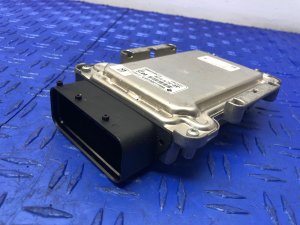
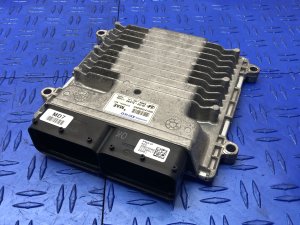
(OEM #Must be verified with VIN. Format may be similar to 39110-3LBC5.)— This is the part that is replaced only when all other electrical causes have been ruled out. It is the 'brain' of the engine, and an internal fault will set this code. Part numbers are extremely specific to year, model, and software version; always confirm with a dealer using your VIN.
Trusted brands: OEM (Hyundai/Genesis)
OEM price range: $800-$1500
Aftermarket price range: $600-$1000 (Remanufactured)
Related Codes That Often Appear With This One
- P0603 — P0603 refers to a Keep Alive Memory (KAM) Error, which is often caused by battery disconnection or power supply issues, the same root cause as P0604.
- U0100 — This code indicates a loss of communication with the PCM. If the PCM is malfunctioning or has unstable power due to the issues causing P0604, it can also cause communication network errors.
- P0602 — This indicates a 'Control Module Programming Error' and can appear with P0604 after a failed software update, a significant voltage spike, or if a replacement PCM has not been programmed correctly.
Technical Service Bulletins (TSBs) & Recalls
- No specific TSB for the G80/P0604 was found in public databases. However, the potential for a software fix is high. It is standard procedure for dealers to check for applicable PCM updates when diagnosing internal module faults. A similar issue on Ram trucks with code P0604 was addressed by TSB #18-044-26, highlighting the industry precedent.
Platform-Specific Known Issues
- Battery Location Confusion: For the 2017-2020 G80, the battery for V6 and V8 models is located in the engine bay on the driver's side. However, some other Genesis models and years have the battery in the trunk. Technicians should confirm the location to avoid delays in diagnosis.
Mechanic-Grade Diagnostic Values
- CAN Bus Network Voltage (at OBD-II port) — expected: CAN High: Fluctuates between 2.5V and 3.5V. CAN Low: Fluctuates between 2.5V and 1.5V.. Failure: Voltages that are stuck high, stuck low, or do not mirror each other indicate a network problem, which could be caused by a faulty module (including the PCM).
- CAN Bus Network Resistance (at OBD-II port, battery disconnected) — expected: Approximately 60 Ω.. Failure: A reading of 120 Ω suggests one of the two terminating resistors (often in the PCM and another module) is offline. A reading near 0 Ω indicates a short circuit on the CAN bus.
- PCM Power Supply Voltage (at PCM connector) — expected: Should match battery voltage (~12.6V with key on, engine off). Should not drop below 9.5-10V during cranking.. Failure: A significant voltage drop between the battery positive post and the PCM power pin indicates high resistance in the power supply wire or a faulty fuse/relay.
- PCM Ground Circuit Resistance (at PCM connector) — expected: Less than 0.1 Ω between the PCM ground pins and the negative battery terminal.. Failure: Resistance higher than 0.1 Ω indicates a poor ground connection, which is a very common cause for this code.
Hidden / Shadow Codes Worth Checking
- Freeze Frame Data: While not a hidden code, professional scan tools capture a 'freeze frame' of all major sensor and system status data at the exact moment the P0604 code was set. This data is critical for determining if the fault occurred during startup, at idle, or under load, which can help pinpoint the cause (e.g., a voltage drop during cranking). (see via Professional OBD-II scan tool or dealer-level tool like the Genesis GDS.)
Scan Tool Commands That Help
- Genesis GDS (Global Diagnostic System): ECU Recovery / Software Update — This is the dealer-level tool used to reflash the PCM with the latest software version, which can fix bugs causing a false P0604. It is also used for 'ECU Recovery' if a previous software update failed. Some updates may require special SD cards provided by the manufacturer.
- Professional Scan Tool: RAM Integrity Test / Memory Test — Some high-end scan tools may have a specific function to command the PCM to run a self-test on its RAM. A failure of this commanded test strongly points towards an internal PCM hardware fault, but only after power and grounds have been verified as perfect.
Wiring & Ground Locations
- Powertrain Control Module (PCM) — Located in the engine bay on the driver's side, underneath a black plastic cover.. This is the module setting the code. Its connectors must be inspected for corrosion or damage, and its power/ground pins must be tested directly here.
- Main Engine/Chassis Ground — Trace the main negative cable from the battery terminal to where it bolts onto the vehicle's chassis and the engine block.. A loose or corroded main ground is a primary cause of unstable voltage that can trigger a P0604. A voltage drop test across this connection is critical.
- Gateway Fuse (10A) — Located in the passenger compartment fuse box, which is in the driver's side panel bolster. The fuse is labeled 'GATEWAY' or 'MODULE'.. This fuse provides power to the Gateway module, which is integral to the vehicle's communication network. A problem here could cause communication errors that might be associated with a PCM fault.
Real Owner Repair Stories
- Reddit user on r/AskAMechanic (2015 Genesis (DH Platform, predecessor to G80)) — Intermittent CAN network issues, ECM and TCM not communicating, various warning lights. Battery had previously gone dead.
❌ Tried (didn't work) Replaced ECM, Gateway module, and front wiring harness.
✅ What actually fixed it The final fix was not posted, but the primary advice from other technicians on the thread, even after major parts were replaced, was to meticulously clean and check all battery and chassis ground connections in the engine bay and trunk, as a voltage spike from the dead battery was the likely root cause.
OEM Part Supersession History
39110-3LBC5 (example)→Varies— Part numbers are frequently updated for software revisions or minor hardware changes. No public supersession list was found.
Heads up: Always verify the correct and latest part number with a Genesis dealer using the vehicle's VIN before ordering. Installing a PCM with the wrong part number can lead to incompatibility issues even if it programs successfully.
Model Year Variations Within This Range
- 2018-2020: The Genesis G80 received a model refresh for 2018. While the 3.8L Lambda II engine was carried over, changes were made to interior electronics and features. This could mean minor differences in wiring, module locations, or software versions compared to the 2017 model year. Diagnosis should be mindful of this potential split.
Diagnostic Flowchart
Used vs. New Parts: Buying Guide for This Vehicle
When a used part is the smart pick: A used OEM PCM is a viable, cost-effective option ONLY if you have a clear plan for programming. It is not a plug-and-play part. It makes sense if your original PCM is unrepairable (e.g., severe water/physical damage) and you plan to use a mail-in cloning service or have confirmed a local shop can program a used module.
Donor-vehicle mileage cap: roughly under 100000 miles for the part to have meaningful remaining life.
What to inspect on the donor part:
- Verify the part number on the used PCM exactly matches your original module.
- Inspect the casing for any signs of being opened, dents, or physical damage.
- Check all connector pins to ensure they are straight, clean, and free of any corrosion or water damage.
- Source the part from a reputable recycler that guarantees it is a functional, tested unit from a vehicle that was not involved in a flood.
OEM-only on this vehicle (don't cheap out):
- Powertrain Control Module (PCM): Due to the mandatory, vehicle-specific VIN and immobilizer programming, using an OEM module (either new, remanufactured, or a cloned used unit) is strongly recommended to ensure compatibility with all other vehicle systems.
Aftermarket brands forum-validated for this vehicle:
- No specific aftermarket brands are recommended for the PCM itself. However, services like 'ECU Team Corp' or 'Flagship One' specialize in providing remanufactured or cloned OEM units, which are reliable alternatives to a new dealer part.
Brands owners have reported issues with on this vehicle:
- Avoid generic, unbranded 'new' PCMs from online marketplaces without a clear warranty or programming support plan. These often have software or hardware incompatibilities.
Real Owner Stories
Aggregated from forums and TSBs cited above. Mileages and costs reflect what owners reported in those sources.
2017-2020 Genesis G80 Lambda II 3.8L V6
Symptoms: The Check Engine Light with code P0604 appeared immediately after changing the car's battery.
What fixed it: The issue was traced to low battery voltage or a poor ground connection, which is a common trigger for this code. Ensuring the new battery was fully charged and all power and ground connections were clean and tight resolved the problem after clearing the code.
Cost: $150-$400
Source hint: General discussions across Hyundai/Kia forums and repair databases
Related OBD-II Codes
Frequently Asked Questions
I just replaced the battery in my 2018 Genesis G80 and now the check engine light is on with a P0604 code. Is this common?
My mechanic says I need a new PCM for my G80 because of a P0604 code. Should I get a used one to save money?
The check engine light is on for P0604, but my ABS and Traction Control lights are on too. Is this related?
Is there a specific recall or Technical Service Bulletin (TSB) for the P0604 code on the 2017-2020 Genesis G80?
My G80 is having trouble starting and sometimes stalls right after I get it running. Could the P0604 code be the cause?
Where is the battery located on my 2019 Genesis G80 3.8L V6? I've heard some are in the trunk.
Helpful Videos


Used OEM Parts in Stock


New Aftermarket Parts Available


The information in this article is provided for general reference and educational purposes only. Vehicle specifications, procedures, and part compatibility can vary by production date, trim level, and region. Always consult your vehicle's factory service manual and verify part numbers before purchasing or performing repairs. Safety-critical components such as airbags, seat belts, and braking systems should be installed by a qualified professional.
- Genesis G80:
- 🎬 Helpful Videos
- 🛍️ Shop This Part
- What's Unique About the 2017-2020 Genesis G80
- Symptoms You May Notice
- Most Likely Causes
- Rare But Worth Checking
- Diagnosis Steps
- Parts You'll Likely Need
- Related Codes That Often Appear With This One
- Technical Service Bulletins (TSBs) & Recalls
- Platform-Specific Known Issues
- Mechanic-Grade Diagnostic Values
- Hidden / Shadow Codes Worth Checking
- Scan Tool Commands That Help
- Wiring & Ground Locations
- Real Owner Repair Stories
- OEM Part Supersession History
- Model Year Variations Within This Range
- Diagnostic Flowchart
- Used vs. New Parts: Buying Guide for This Vehicle
- Real Owner Stories
- 2017-2020 Genesis G80 Lambda II 3.8L V6
- Related OBD-II Codes
- Frequently Asked Questions
- 🎟️ Get 5% Off