

P0603 on 2004-2011 Ford Ranger: Keep Alive Memory (KAM) Error Causes and Fixes
On a 2004-2011 Ford Ranger, P0603 almost always points to a weak battery, corroded battery terminals, or a failing alternator. Before suspecting the computer, check the entire electrical charging and starting system. This is usually a low-cost fix, often just requiring cleaning terminals or a new battery. Disconnecting the battery or using an aftermarket tuner will also set this code, but it's often harmless in those cases.
- P0603 on a Ford Ranger is almost always a power supply problem, not a bad computer.
- Start your diagnosis with the simplest and most likely causes: the battery and its connections.
- Thoroughly clean all battery terminals and ground points before replacing any parts.
- If you have an aftermarket tuner, it is a very likely cause of the code.
- Do not replace the PCM unless you have exhausted all other possibilities.
What's Unique About the 2004-2011 Ford Ranger
For the Ford Ranger, the P0603 code is overwhelmingly an electrical issue rather than a computer failure. These trucks are known for being durable, but their electrical connections, especially battery terminals and grounds, can degrade over time, leading to the voltage interruptions that trigger this code. A critical ground to inspect is the woven strap from the back of the driver's side cylinder head to the firewall, which is the main ground for the cab and PCM and is often left loose or disconnected after engine work. Additionally, in the truck enthusiast community, the use of aftermarket performance tuners is a very common cause for a P0603 code, as the process of flashing a new tune often involves clearing the KAM.
Symptoms You May Notice
- Check Engine Light is on
- Engine is slow to crank or hard to start
- Rough or erratic idle
- Hesitation or stumbling during acceleration
- Harsh or unpredictable automatic transmission shifts
- Reduced fuel economy
- In some cases, no noticeable symptoms other than the Check Engine Light
- Illuminated ABS or traction control light
- Flickering headlights or other strange electrical behavior
- Replacing the PCM first. The actual cause is almost always a simple power supply issue like the battery or its connections.
- Replacing the Crankshaft Position Sensor (CPS). While a bad CPS can cause similar symptoms like stuttering, it typically throws its own specific codes (like P0320 or P0335) and is not directly related to the KAM error.
Most Likely Causes
- Weak or Failing Battery 🔴 High Probability Batteries have a finite lifespan of 5-6 years. A battery that can't maintain at least 12.4 volts at rest or drops below 9.6V during cranking will cause the KAM to reset.
How to confirm: Test the battery voltage with a multimeter. 🎬 Watch: How to test voltage and install a new battery It should be ~12.6V with the engine off and ~14.0-14.7V with the engine running. Most auto parts stores can perform a load test for free to check the battery's health.
Typical fix: Replace the battery.
Est. part cost: $100-$250 - Corroded or Loose Battery Terminals/Grounds 🔴 High Probability Over time, battery acid and moisture cause corrosion on terminals, creating resistance that interrupts power. Key Ranger ground points include the main battery ground to the engine block, a smaller ground to the radiator support/inner fender (G101), and a critical ground strap from the rear of the driver's side cylinder head to the firewall.
How to confirm: Visually inspect the battery terminals, cables, and main ground straps for corrosion (white or greenish powder), fraying, or looseness. Use a multimeter to perform a voltage drop test across the connections to find hidden resistance.
Typical fix: Disconnect the battery. Clean the terminals and cable ends thoroughly with a wire brush and a mixture of baking soda and water. Clean all body and engine ground contact points to bare metal. 🎬 See how to find and fix common engine ground issues Ensure all connections are tight. Replace cables if they are damaged.
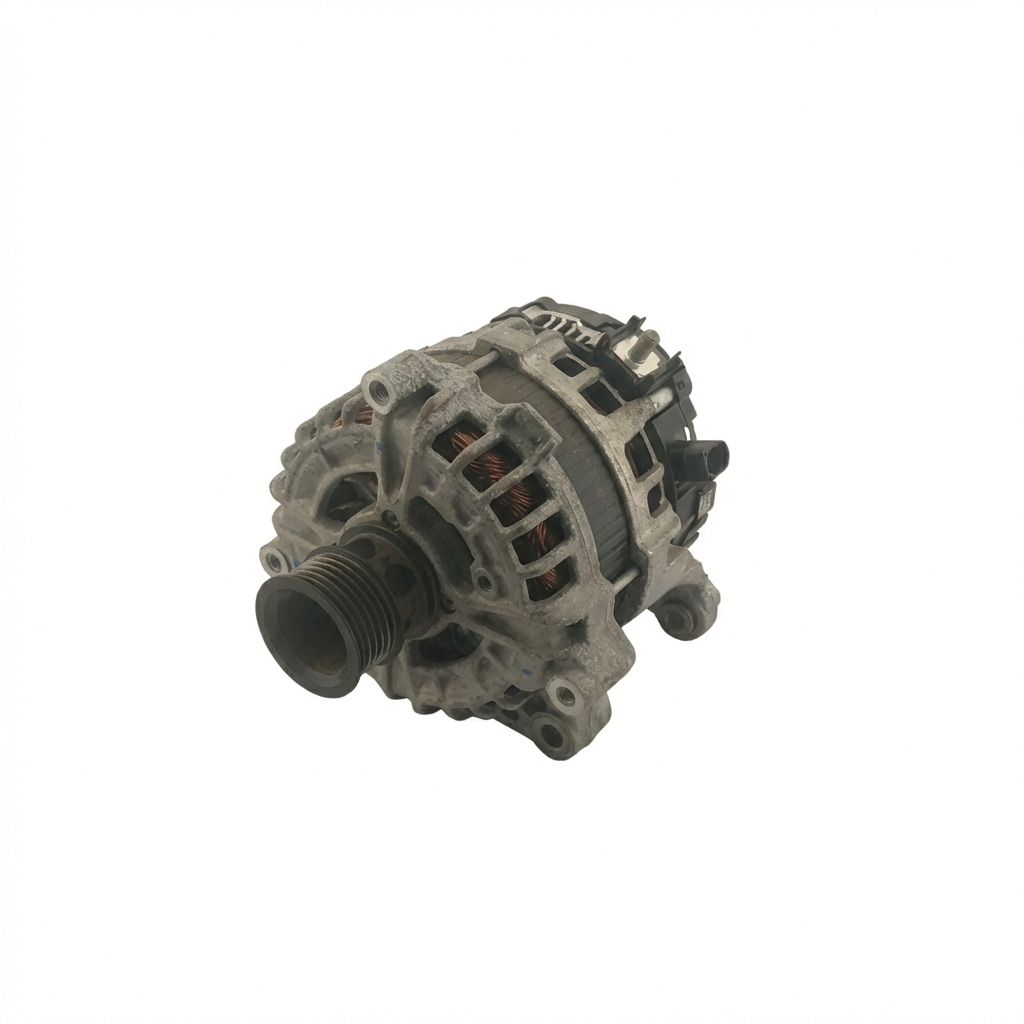
Est. part cost: $5-$50 - Failing Alternator 🟡 Medium Probability The alternator recharges the battery and powers the electrical system. If it provides unstable or insufficient voltage (e.g., below 13.5V or fluctuating), the PCM can lose its KAM power. A failing diode in the alternator can also introduce AC ripple voltage, which can disrupt the PCM.
How to confirm: With the engine running, check the battery voltage with a multimeter. If the voltage is below 13.5V or fluctuates wildly, the alternator is likely failing. You may also notice dimming headlights at idle. A more advanced test is to check for AC ripple voltage at the alternator's B+ post; it should be less than 0.5 VAC.
Typical fix: Replace the alternator.
Est. part cost: $150-$300 - Aftermarket Performance Tuner 🟡 Medium Probability Common in the truck community, flashing a new engine tune often clears KAM by design. Some tuners can cause the P0603 code to appear and persist. This is a well-documented occurrence on forums.
How to confirm: If you have a tuner installed (like SCT or Edge), this is a likely cause. Try returning the PCM to the stock factory tune. If the code disappears after a few drive cycles, the tuner's software is the source.
Typical fix: Contact the tuner manufacturer for support or use a different tuning device. Often, this code is simply ignored by owners who frequently change tunes as it is a harmless side effect.
Est. part cost: $0 - Blown Fuse ⚪ Low Probability
How to confirm: Check the owner's manual and the fuse box covers for the fuse(s) that provide constant power to the PCM (often labeled KAPWR or PCM). On many 2004-2011 Rangers, this is fuse #26 (10A) in the passenger compartment fuse panel. Pull the fuse and inspect it to see if it has blown.
Typical fix: Replace the blown fuse. If it blows again, there is a short circuit in that wire that needs to be traced.
Est. part cost: $1-$10
Rare But Worth Checking
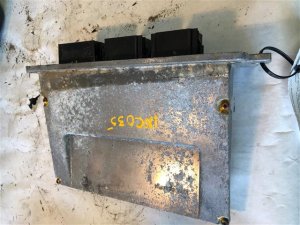
- Faulty Powertrain Control Module (PCM): This is extremely rare and should only be considered after every other possibility (battery, cables, grounds, alternator, fuses) has been definitively ruled out. A replacement PCM is expensive and requires programming to the vehicle's VIN. The PCM is a robust component and is often replaced unnecessarily.
- Parasitic Battery Drain: An aftermarket stereo, alarm, or a faulty component (like a glove box light switch that stays on) can slowly drain the battery overnight, causing the voltage to drop low enough to trigger a P0603 without being obvious during startup. A parasitic draw test can identify this issue.
Technical Service Bulletins (TSBs) & Recalls
While the Ranger platform is stable, Ford has issued several bulletins for other models that highlight how P0603 often appears alongside other powertrain codes. For instance, TSB Bulletin #TSB 21-2248 and TSB Bulletin #TSB 21-2055 note that vehicles may exhibit an illuminated MIL with P0603 and various transmission or misfire codes (P0300-P0308, P27B4) stored in the PCM. Similarly, TSB Bulletin #TSB 20-2336 describes P0603 appearing with forced idle symptoms and various sensor codes, reinforcing that this code is frequently part of a broader electrical or software communication issue within Ford powertrain modules.
Diagnosis Steps
- Read the codes with an OBD-II scanner and confirm P0603 is present. Note any other codes.
- Ask yourself: Was the battery recently disconnected, replaced, or jump-started? Have you recently used an aftermarket tuner? If yes, the code is likely a normal consequence. Clear the code and see if it returns after several drive cycles.
- Perform a thorough visual inspection of the battery, battery cables, and ground connections. Look for any signs of corrosion, damage, or looseness. Pay special attention to the ground strap from the cylinder head to the firewall and the main body ground (G101) on the radiator support.
- With a multimeter, check the battery voltage with the engine off. A healthy battery should read at least 12.4V (ideally 12.6V).
- Start the engine and check the voltage again. The reading should be stable, between 13.5V and 14.7V, indicating a healthy charging system. 🎬 Watch this quick guide to checking your battery and alternator
- If voltage is low or the battery is over 4-5 years old, have it load-tested at an auto parts store. A battery can show good voltage but fail under load.
- If the battery and alternator test good, clean the battery terminals and all major power/ground connections (battery-to-engine, engine-to-firewall, battery-to-fender) regardless of their appearance.
- Check the fuses related to the PCM. Specifically, check fuse #26 (10A) in the passenger compartment fuse panel for the Keep Alive Power (KAPWR) circuit.
- If the code persists, perform a parasitic draw test to check for components draining the battery when the truck is off.
- If all the above steps fail to resolve the issue, only then should you begin to suspect a wiring issue or a faulty PCM.
Parts You'll Likely Need
- Vehicle Battery
(OEM #Varies by engine/year, e.g., Motorcraft BXT-59)— A weak or old battery is the most frequent cause of the KAM reset that triggers P0603.
Trusted brands: Motorcraft, Interstate, DieHard
OEM price range: $150-$250
Aftermarket price range: $100-$200 - Battery Terminal Cleaner — Essential for cleaning corrosion from battery posts and cable terminals to ensure a solid electrical connection.
Trusted brands: CRC, Permatex, NOCO
OEM price range: $5-$15
Aftermarket price range: $5-$15 - Alternator
(OEM #Varies by engine/year, e.g., Motorcraft GL-666-RM)— If the charging system is faulty and not providing consistent voltage, it can cause the P0603 code.
Trusted brands: Motorcraft, Bosch, Denso
OEM price range: $250-$400
Aftermarket price range: $150-$300 - Powertrain Control Module (PCM)
(OEM #e.g., 8L5A-)— A rare but possible cause. Only replace after all other electrical system components have been verified as good. Requires programming.
Trusted brands: Motorcraft, BSE, Cardone
OEM price range: $500-$800
Aftermarket price range: $200-$400
Related Codes That Often Appear With This One
- P1000 — This is not an error code. It indicates that the OBD-II readiness monitors have not yet completed their self-checks. It is normal to see this code after clearing other codes or disconnecting the battery, and it will clear itself after a normal drive cycle.
Platform-Specific Known Issues
- Critical Firewall Ground Strap: A common point of failure is the woven ground strap connecting the rear of the driver's side cylinder head to the firewall. This is the primary ground for the PCM and cab electronics. It is often overlooked or left loose after engine or transmission work, leading to a host of electrical gremlins including P0603. Ensure this strap is clean, tight, and making good metal-to-metal contact at both ends.
- Corrosion on Radiator Support Ground: The smaller ground wire from the negative battery terminal to the radiator core support is exposed to the elements and prone to corrosion. While it mainly grounds the headlights and horn, high resistance here can contribute to overall electrical system instability. It's an easy and important connection to clean.
Mechanic-Grade Diagnostic Values
- Alternator AC Ripple Voltage — expected: Less than 0.5 VAC (500mV). Failure: A reading higher than 0.5 VAC indicates damaged alternator diodes, which can cause electrical interference and trigger a P0603.
- Keep Alive Power (KAPWR) Voltage at PCM — expected: Battery Voltage (approx. 12.6V with key off). Failure: A reading of 0V or significantly less than battery voltage indicates an open or short in the KAPWR circuit, a blown fuse, or a bad connection.
- PCM Ground Circuit Voltage Drop — expected: Less than 0.1V (100mV). Failure: A reading higher than 0.1V indicates high resistance in the ground circuit, which can cause intermittent power loss to the PCM.
Scan Tool Commands That Help
- Ford IDS / FORScan: Reset KAM / Clear Transmission Adaptive Tables — This function should be used after performing a repair (like fixing a vacuum leak or cleaning grounds) to wipe the learned adaptive values and force the PCM to start a fresh learning process. This is more thorough than just disconnecting the battery.
Wiring & Ground Locations
- PCM Connector C175b, Pin 55 — This is the central connector on the Powertrain Control Module (PCM), which is located on the passenger side of the firewall in the engine bay.. Pin 55 (typically a Light Green/Violet wire) is the dedicated Keep Alive Power (KAPWR) circuit. This pin must have constant battery voltage at all times, even with the key off, to maintain the KAM. A loss of voltage here is the direct electrical cause of P0603.
- G100 — Located on the left-hand (driver's side) front of the engine compartment, on the frame rail below the battery.. This is a primary frame ground. Poor contact here can affect the entire electrical system, including the charging system's ability to maintain stable voltage.
- G101 — Located on the left-hand (driver's side) of the upper radiator support, near the battery.. This is a primary body ground point. The negative battery cable often has a smaller wire that attaches here. Corrosion at this point can cause numerous electrical issues, including interrupting power to modules grounded to the body.
- Engine-to-Firewall Ground Strap — A woven metal strap that typically connects from a bolt on the rear of the driver's side cylinder head to a stud on the firewall, often near the brake booster.. This is the main ground path for the vehicle's cab and many of the electronics inside, including the PCM. It is frequently left loose or disconnected after engine or transmission work, leading to a host of electrical gremlins, including P0603.
- Fuse #26 (Passenger Fuse Panel) — In the fuse panel located behind the kick panel on the passenger side of the dashboard.. This 10A fuse is often the specific fuse that protects the KAPWR circuit for the PCM. If this fuse is blown, the KAM will lose power as soon as the ignition is turned off.
Real Owner Repair Stories
- Ranger-Forums user (Ford Ranger 3.0L (year not specified, but within platform range)) — Battery light came on, followed by ABS and brake lights, then gauges went haywire and the truck died. Would act up at idle or at red lights.
❌ Tried (didn't work) Replaced battery, Replaced alternator (twice), Performed voltage drop tests that seemed okay, Checked fusible links
✅ What actually fixed it The ground wire from the battery to the engine block was severely corroded internally. Despite chopping off 6 inches and putting on a new clamp, the corrosion remained further down the cable. Replacing the entire negative battery cable assembly resolved the issue. - NHTSA ODI #10222074 — An owner reported that their vehicle would die and then restart, but the problem would recur every few weeks. Despite having new batteries and a replaced camshaft sensor, the P0603 code persisted.
- NHTSA ODI #10349131 — In a related Ford fuel system case, a scan showed codes P0603 and P2285; the issue was eventually corrected by replacing a shorted ICP sensor and its connector.
Model Year Variations Within This Range
- 2004-2011: While the fundamental causes of P0603 are consistent, the under-hood fuse box (Power Distribution Box) is different for the 2.3L engine compared to the 3.0L and 4.0L engines. However, for the V6 models (3.0L and 4.0L), the fuse boxes are the same, simplifying diagnosis between those two common engines.
Diagnostic Flowchart
Used vs. New Parts: Buying Guide for This Vehicle
When a used part is the smart pick: For a P0603 repair, obtaining a used alternator or battery cable assembly from a reputable auto recycler can be a cost-effective option. These parts are generally durable and can be visually inspected for quality.
Donor-vehicle mileage cap: roughly under 80000 miles for the part to have meaningful remaining life.
What to inspect on the donor part:
- For an alternator, spin the pulley by hand; it should be smooth with no noise or roughness. Inspect the case for heavy corrosion or physical damage.
- For battery cables, inspect thoroughly for any green/white corrosion under the insulation, especially near the terminals. The cable should be flexible, not stiff or brittle. Ensure terminal clamps are not damaged or stripped.
OEM-only on this vehicle (don't cheap out):
- Powertrain Control Module (PCM): While aftermarket remanufactured PCMs are available, they have a mixed reputation. An OEM Motorcraft unit, even if it's a remanufactured one sourced from a Ford dealer, is the safest bet to avoid compatibility and programming issues.
Aftermarket brands forum-validated for this vehicle:
- Battery: Interstate, DieHard, Motorcraft
- Alternator: Denso, Bosch, Motorcraft (remanufactured)
Brands owners have reported issues with on this vehicle:
- No-name or 'white-box' alternators from chain auto parts stores are frequently cited on forums as having high failure rates, sometimes being bad right out of the box. It is often better to have an original OEM alternator rebuilt by a local auto electric shop than to use a cheap new aftermarket unit.
Real Owner Stories
Aggregated from forums and TSBs cited above. Mileages and costs reflect what owners reported in those sources.
2005 4.0L Ranger
Symptoms: Unspecified electrical issues stemming from severe corrosion found on a factory ground strap, which was degrading internally even though it looked intact from the outside.
What fixed it: Replacing the degraded, braided copper ground strap.
Source hint: BobIsTheOilGuy.com Forums
Ford Ranger (unspecified year)
Symptoms: The truck was stuttering and showing multiple random codes, including P0320, in addition to P0603.
What fixed it: The issue was traced to the main PCM ground; cleaning and tightening the head-to-firewall ground strap resolved the problems.
Source hint: Ranger-Forums.com - The Ultimate Ford Ranger Resource
Ford Ranger (unspecified year)
Symptoms: A host of electrical gremlins, including the P0603 code, appeared after engine or transmission work.
What fixed it: The problem was an overlooked or loose ground strap. Ensuring the woven strap from the driver's side cylinder head to the firewall was clean, tight, and making good metal-to-metal contact fixed the issue.
Source hint: vehicle_specific_issues: Critical Firewall Ground Strap
Related OBD-II Codes
Frequently Asked Questions
I just used my aftermarket tuner on my Ranger and now I have a P0603 code. Is my PCM broken?
I just replaced the battery in my 2006 Ranger and the P0603 code appeared. Did I do something wrong?
My mechanic says a bad ground is causing P0603. Where are the most important grounds to check on my Ford Ranger?
What is the specific fuse I should check for a P0603 code on a 2004-2011 Ranger?
My headlights are flickering and my transmission is shifting harshly. Could this be related to my P0603 code?
Does this P0603 information also apply to my 2007 Mazda B4000?
Helpful Videos

Used OEM Parts in Stock
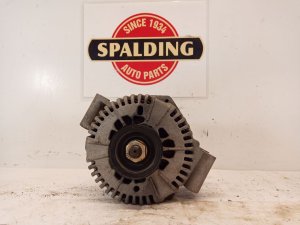



New Aftermarket Parts Available




The information in this article is provided for general reference and educational purposes only. Vehicle specifications, procedures, and part compatibility can vary by production date, trim level, and region. Always consult your vehicle's factory service manual and verify part numbers before purchasing or performing repairs. Safety-critical components such as airbags, seat belts, and braking systems should be installed by a qualified professional.
- Ford Ranger:
- 🎬 Helpful Videos
- 🛍️ Shop This Part
- What's Unique About the 2004-2011 Ford Ranger
- Symptoms You May Notice
- Most Likely Causes
- Rare But Worth Checking
- Technical Service Bulletins (TSBs) & Recalls
- Diagnosis Steps
- Parts You'll Likely Need
- Related Codes That Often Appear With This One
- Platform-Specific Known Issues
- Mechanic-Grade Diagnostic Values
- Scan Tool Commands That Help
- Wiring & Ground Locations
- Real Owner Repair Stories
- Model Year Variations Within This Range
- Diagnostic Flowchart
- Used vs. New Parts: Buying Guide for This Vehicle
- Real Owner Stories
- 2005 4.0L Ranger
- Ford Ranger (unspecified year)
- Ford Ranger (unspecified year)
- Related OBD-II Codes
- Frequently Asked Questions
- 🎟️ Get 5% Off