

P0522 on 2019-2021 GMC Sierra 1500: Engine Oil Pressure Sensor Circuit Low Fixes
On a 2019-2021 Sierra, code P0522 is most often caused by a failed engine oil pressure sensor, a clogged filter screen beneath it, or a chafed wiring harness. Replacing the sensor is a difficult job due to its location at the back of the engine. A thorough inspection of the engine wiring harness for damage at specific points identified in GM TSB 21-NA-149 is critical.
- P0522 is an electrical circuit code, not a guarantee of low oil pressure. However, you should stop and check your oil level immediately as a precaution.
- The most likely fixes are a new oil pressure sensor AND a new filter screen located underneath it.
- Before replacing parts, carefully inspect the engine wiring harness for chafing, as detailed in GM TSB 21-NA-149. This is a known issue on these trucks.
- This is a difficult DIY repair due to the sensor's location. Expect significant labor time.
What's Unique About the 2019-2021 GMC Sierra 1500

For the 2019-2021 Sierra 1500 (T1 platform), this code is frequently linked to two specific issues beyond a simple sensor failure. First, GM issued Technical Service Bulletin 21-NA-149 which details how the engine wiring harness can chafe against the engine or chassis, causing a short circuit. Second, the V8 engines have a small, replaceable filter screen located in the oil port under the sensor that is known to clog with sludge, leading to incorrect readings. The sensor's location at the rear of the engine block, tucked behind the intake manifold against the firewall, makes this a notoriously difficult repair. Furthermore, these engines utilize a variable displacement oil pump controlled by a solenoid; this means the oil pressure gauge can fluctuate significantly during normal operation, which can be mistaken for a fault if no trouble codes are present.
Symptoms You May Notice
- Check Engine Light is on
- Oil pressure warning light illuminated on the dashboard
- Oil pressure gauge reads zero or erratically low
- "Reduced Engine Power" message may appear on the driver information center
- Engine may make ticking or knocking noises if actual oil pressure is low
- Replacing the oil pressure sensor without also replacing the small filter screen underneath it, leading to a repeat failure.
- Replacing the oil pump without confirming a true mechanical low pressure condition. P0522 is an electrical circuit code, and a mechanical pressure test should always be performed before condemning the pump.
- Replacing the instrument cluster. While a faulty cluster can cause incorrect gauge readings, it will not set a P0522 code in the PCM.
Most Likely Causes

- Faulty Engine Oil Pressure Sensor 🔴 High Probability The sensor is a common failure point on many GM vehicles. It operates in a high-heat environment and is subject to vibration and oil contamination.
How to confirm: With the key on and engine off, a scan tool should show 0 PSI. If it shows a non-zero reading or is erratic, the sensor is likely faulty. A technician can also back-probe the sensor connector to test for the correct 5-volt reference, ground, and signal voltage.
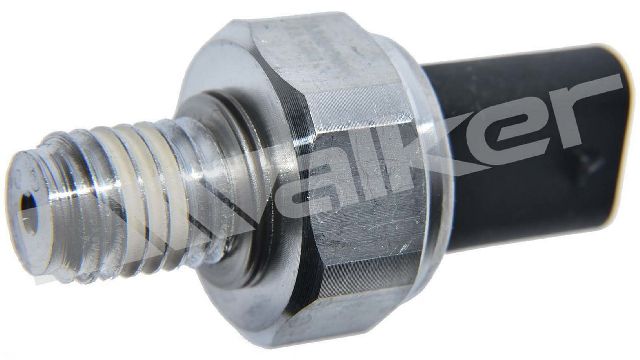
Typical fix: Replace the engine oil pressure sensor. It is also highly recommended to replace the small filter screen located in the port beneath it at the same time. This requires a special 1-1/16" oil pressure sensor socket and long extensions to reach the back of the engine.
Est. part cost: $40-$100 - Wiring Harness Damage or Short Circuit 🟡 Medium Probability GM TSB 21-NA-149 documents that the engine wiring harness is prone to chafing against multiple sharp points in the engine bay, causing a short to ground. Common chafe points include the ECM/TCM bracket, the corner of the cylinder head, the shock tower bolt, and the generator bracket.
How to confirm: A thorough visual and physical inspection of the engine wiring harness is required, paying close attention to the areas mentioned in TSB 21-NA-149. The harness must be moved and inspected from all angles to find hidden damage. This often requires removing the driver-side front wheel and wheelhouse liner for access.
Typical fix: Repair the damaged section of wire using solder and heat-shrink tubing. Reroute the harness and secure it with zip ties and protective loom (Kevlar sleeve recommended by GM) to prevent future contact.
Est. part cost: $5-$25 - Clogged Oil Pressure Sensor Filter Screen 🟡 Medium Probability A small, thimble-shaped filter screen sits in the oil passage directly below the sensor. It can become clogged with oil sludge and debris, especially if oil change intervals are extended. This restricts oil flow to the sensor, causing it to read incorrectly.
How to confirm: This can only be confirmed by removing the oil pressure sensor and inspecting the screen. It is often extracted using a pick or a small screw. Many owners report it is brittle and breaks apart during removal.
Typical fix: Remove and replace the filter screen. This should be done any time the oil pressure sensor is replaced as a preventative measure.
Est. part cost: $5-$15 - Low or Incorrect Engine Oil ⚪ Low Probability
How to confirm: Physically check the engine oil level using the dipstick and verify its condition. Ensure the oil viscosity matches the manufacturer's specification (e.g., 0W-20 for many of these engines).
Typical fix: Perform an oil and filter change with the correct grade of oil.
Est. part cost: $50-$120
Rare But Worth Checking
- Sticking Oil Pressure Relief Valve: TSBs 20-NA-161 and 24-NA-173 (for the related code P0521) indicate that the oil pressure relief valve inside the oil pump can stick, causing intermittent or consistently low oil pressure. This is a mechanical issue that can lead to unnecessary replacement of electrical components if not diagnosed correctly.
- Actual Low Mechanical Oil Pressure: While P0522 is an electrical code, a severe mechanical issue (like a failing oil pump or worn engine bearings) could cause erratic sensor behavior. If engine noises like ticking or knocking are present, a mechanical oil pressure test is mandatory to rule out imminent engine damage.
- Faulty Powertrain Control Module (PCM): This is very rare. The PCM should only be considered after all other possibilities, including sensor, wiring, and mechanical pressure checks, have been exhausted.
- Loose Ground Connections: GM Engineering Information bulletin PIE0548 was issued for 2019-2020 models for potential loose ground connections at points G110 and G114, which can cause this and other electrical faults.
Diagnosis Steps
- Check the engine oil level and condition to rule out a basic issue.
- Connect an OBD-II scanner and check for any other accompanying codes. Note the freeze frame data for P0522.
- With the key on and engine off (KOEO), observe the live oil pressure data on the scanner. It should read 0 PSI. A reading stuck low is consistent with P0522.
- Visually and physically inspect the engine wiring harness for any signs of damage or chafing. Pay close attention to the areas noted in TSB 21-NA-149: near the ECM bracket, upper control arm, and shock tower bolt.
- If wiring appears intact, the next step is to test the sensor and its circuit. This typically requires accessing the sensor at the back of the engine.
- Test the sensor connector for a 5-volt reference signal, a good ground, and a signal wire.
- If the circuit tests good, the sensor is the most likely culprit. Replace the sensor and the filter screen below it.
- If the code persists after replacing the sensor, you MUST verify the actual engine oil pressure with a mechanical gauge to rule out a serious internal engine problem.
Parts You'll Likely Need

- Engine Oil Pressure Sensor
(OEM #12673836 (V8, older style, round connector), 12685371 (V8, newer style), 12673134)— This is the most common component to fail, causing the P0522 code. Part number can vary by engine and build date, so VIN verification is critical.
Trusted brands: ACDelco, Delphi, Standard Motor Products
OEM price range: $60-$90
Aftermarket price range: $40-$70 - Engine Oil Pressure Sensor Filter Screen
(OEM #12623757 (V8 engines))— This small filter clogs with sludge and debris, causing incorrect sensor readings. It is considered a mandatory replacement item when changing the sensor. Note: Some owners report this filter is not present on all engine models, but it is common on the V8s.
Trusted brands: ACDelco, Dorman
OEM price range: $10-$15
Aftermarket price range: $5-$10
Related Codes That Often Appear With This One
- P0521 — This code indicates 'Engine Oil Pressure Sensor/Switch Performance.' It can appear with P0522 if the sensor signal is erratic, sometimes reading in range and sometimes dropping out completely.
- P06DD — This code for 'Engine Oil Pressure Control Solenoid Valve Performance' can appear if oil pressure issues are related to the dual-stage oil pump being stuck in low-pressure mode.
- Multiple Unrelated Codes — If P0522 appears with a variety of other seemingly unrelated DTCs (U-codes, transmission codes, other sensor codes), it is a strong indicator of the wiring harness chafing issue described in TSB 21-NA-149. Manufacturer TSB #PIT5677 and #PIT5677E note that P0522 may be found in combination with a long list of other codes, including P001A, P0107, and P0340, due to electrical system issues.
Technical Service Bulletins (TSBs) & Recalls

- 21-NA-149: Addresses engine wiring harness chafing conditions on 2019-2021 Silverado and Sierra models with 2.7L, 3.0L, 4.3L, 5.3L, and 6.2L engines.
- PIE0548: Engineering Information bulletin requesting photos of loose ground connections at G110 and G114 on 2019-2020 models.
- 20-NA-161 / 24-NA-173: Address sticking oil pressure relief valves as a cause for low oil pressure codes (P0521) that can be related to P0522.
- Bulletin #PIT5677 / #PIT5677E: Manufacturer service bulletins detailing how P0522 can appear alongside numerous other DTCs such as P001B, P01E5, and P2122 due to engine and electrical system faults.
Platform-Specific Known Issues
- Engine Wiring Harness Chafing: Per TSB 21-NA-149, the harness on all 2019-2021 Sierra/Silverado engines is susceptible to rubbing through on brackets and chassis components, causing shorts that trigger P0522 and other electrical codes.
Mechanic-Grade Diagnostic Values

- Sensor 5-Volt Reference Circuit — expected: 4.8 - 5.2 Volts DC (at sensor connector, KOEO, unplugged). Failure: Voltage below 4.8V or above 5.2V points to a wiring or PCM issue.
- Sensor Low Reference (Ground) Circuit Resistance — expected: < 1.0 Ohm (between ground pin at connector and chassis ground). Failure: Resistance over 1.0 Ohm indicates a poor ground connection or open in the ground circuit.
- Sensor Signal Wire Voltage (KOEO) — expected: ~0.4V (at signal wire, back-probed, with sensor connected). Failure: A reading of 0V or a value that doesn't change when the engine starts indicates a failed sensor or open circuit. P0522 sets when voltage is below the calibrated threshold (e.g., <0.2V).
- Mechanical Oil Pressure (5.3L/6.2L V8, Hot Idle) — expected: Minimum 24 PSI at 1,000 RPM. Failure: Pressure significantly below this minimum confirms a mechanical engine problem (oil pump, bearings, relief valve), not an electrical fault.
- Mechanical Oil Pressure (3.0L LM2 Diesel) — expected: Variable; system peaks around 28-29 psi of boost, but engine oil pressure varies with demand.. Failure: A persistent low reading on a mechanical gauge despite a variable system points to a mechanical fault.
Scan Tool Commands That Help
- GDS2 (GM Global Diagnostic System 2): Engine Oil Pressure Control Solenoid Valve Command — This bidirectional control allows a technician to command the variable pressure oil pump's solenoid on and off to test its function. When commanded OFF, oil pressure should be higher. When commanded ON, oil pressure should be lower. This helps differentiate a stuck solenoid from other mechanical or electrical issues.
Wiring & Ground Locations
- Oil Pressure Sensor Connector — Top rear of the engine block, against the firewall, often tucked under the rear of the intake manifold.. This is the primary connection point for testing the sensor's 5V reference, ground, and signal circuits. Oil leaking through a failed sensor can contaminate this connector, causing the code.
- G110 (Body Harness Ground) — On the driver's side frame rail / front body mount area.. GM bulletin PIE0548 specifically identifies this as a potential loose ground location on 2019-2020 models that can cause various electrical faults, including DTCs like P0522.
- G114 (Engine Harness Ground) — Near G110 on the driver's side frame rail / body mount area.. Also identified in GM bulletin PIE0548 as a potential loose ground. A poor engine harness ground can directly affect sensor readings.
- Sensor Connector Pinout (Typical 3-Wire) — At the sensor connector.. Pin A: Low Reference (Ground, often Black wire). Pin B: 5V Reference (often Gray wire). Pin C: Signal (often Tan wire). This allows for precise circuit testing. Note: The 4-pin sensor (12685371) adds a temperature signal wire.
OEM Part Supersession History
12673836→12685371 (for newer L84/L87 engines)— Design change. The newer sensor is a 4-pin combined oil pressure and oil temperature sensor.
Heads up: These parts are NOT interchangeable. PN 12673836 uses an older style round connector, while PN 12685371 uses a newer, 4-pin oval/flat connector. VIN verification is absolutely critical for 2019 models to ensure the correct part is ordered.
Model Year Variations Within This Range
- 2019: The 2019 model year was a transition period. Some trucks were built with the older generation V8s (L82/L83) which use the older sensor (PN 12673836), while others were built with the new generation V8s (L84/L87) which use the new combined pressure/temp sensor (PN 12685371). This directly impacts which part to order.
- 2019-2021 (All Engines): All engines in this range (2.7L, 5.3L, 6.2L) feature a variable displacement/pressure oiling system controlled by a solenoid. This means the oil pressure gauge will naturally fluctuate based on engine speed, load, and temperature. A fluctuating gauge without a Check Engine Light or DIC message is likely normal operation and should not be misdiagnosed as a fault.
Diagnostic Flowchart
Other Known Issues on This Vehicle
Issues unrelated to this code that are worth knowing about as an owner of this generation:
- AFM/DFM V8 Lifter Failure (5.3L L84 & 6.2L L87) 🔴 High — A widely documented problem where the complex lifters for the cylinder deactivation system collapse or become stuck, often requiring replacement of lifters, pushrods, and sometimes the camshaft. Can occur at various mileages. (Ref: Multiple TSBs exist for related valve train noise and issues, though no single recall covers all lifter failures.)
- 8-Speed & 10-Speed Transmission Shudder/Harsh Shifting 🟠 Medium — Common complaint of a vibration or shudder during light acceleration (feels like driving over rumble strips), especially with the 8-speed (8L90). Also includes harsh or delayed shifts. GM has issued TSBs (like 18-NA-355) recommending a specific transmission fluid flush. (Ref: TSB 18-NA-355)
- Engine Wiring Harness Chafing (All Engines) 🔴 High — A major issue for this platform where the engine harness rubs against sharp metal edges, causing a wide range of electrical faults, including no-start conditions and various DTCs. (Ref: TSB 21-NA-149)
- 3.0L LM2 Duramax Emissions System Problems 🟠 Medium — Issues with the Diesel Exhaust Fluid (DEF) system sensors and injectors are common, leading to 'Service Emission System' warnings and potential limp mode. (Ref: TSB 21-NA-077)
- 3.0L LM2 Duramax Rear Main Seal Leaks 🟠 Medium — Some owners have reported significant oil leaks from the rear main seal, even at low mileage, which is a labor-intensive repair.
Used vs. New Parts: Buying Guide for This Vehicle
When a used part is the smart pick: For this specific repair, using used parts is generally not recommended. The only potential exception is sourcing a complete, undamaged engine wiring harness from a low-mileage donor vehicle if the original is extensively damaged beyond simple spot repairs. However, this is a complex job best left to professionals.
Donor-vehicle mileage cap: roughly under 30000 miles for the part to have meaningful remaining life.
What to inspect on the donor part:
- For a wiring harness, inspect thoroughly for any signs of prior chafing, melting, brittle connectors, or previous repairs.
- Verify the donor vehicle had no electrical-related fault codes or fire/flood damage.
- Ensure the part numbers on the harness tags match the original exactly.
OEM-only on this vehicle (don't cheap out):
- Engine Oil Pressure Sensor: Due to the critical function and high failure rate of aftermarket alternatives, using an OEM (ACDelco) sensor is strongly advised to prevent repeat failures.
- Engine Oil Pressure Sensor Filter Screen: This is an inexpensive part that should always be purchased new (OEM/ACDelco) whenever the sensor is replaced.
Aftermarket brands forum-validated for this vehicle:
- Delphi (Often the OEM supplier)
- Standard Motor Products (SMP)
Brands owners have reported issues with on this vehicle:
- No-name, unbranded sensors from online marketplaces are a significant gamble and a common cause of immediate or premature failure.
Real Owner Stories
Aggregated from forums and TSBs cited above. Mileages and costs reflect what owners reported in those sources.
2019 Chevrolet Silverado 1500 5.3L
Symptoms: The truck displayed a P0522 code, the oil pressure gauge read zero, and a 'no oil pressure, shut off engine' message appeared on the dash.
What fixed it: The problem was a chafed wire in the engine harness near the driver's side shock tower that had shorted to ground. Repairing the wire resolved the issue.
Source hint: gm-trucks.com forum user
2019 GMC Sierra AT4 5.3L
Symptoms: Owner reported a related low oil pressure code (P0521).
What fixed it: After the owner replaced the sensor and performed an oil change, a shop checked the actual oil pressure with a mechanical gauge. It was found to be borderline low at idle, suggesting a potential mechanical issue like a wearing oil pump, not just an electrical fault.
Source hint: reddit.com/r/autorepair
Related OBD-II Codes
Frequently Asked Questions
I have a P0522 code on my 2020 Sierra 5.3L. Is there a TSB for this issue?
Where are the common places for the wiring harness to rub through on my truck?
If I'm replacing the oil pressure sensor, is there anything else I should replace at the same time?
How can I tell if it's the sensor or a real low oil pressure problem?
My mechanic checked the wiring and it seems fine. What's the next most likely cause?
Does this P0522 wiring issue also affect the Chevrolet Silverado?
Used OEM Parts in Stock
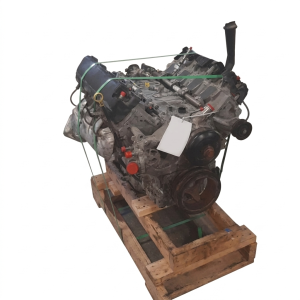


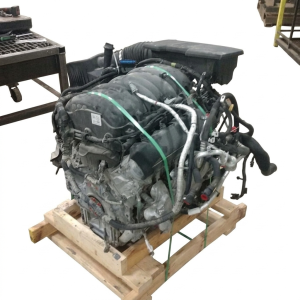

New Aftermarket Parts Available

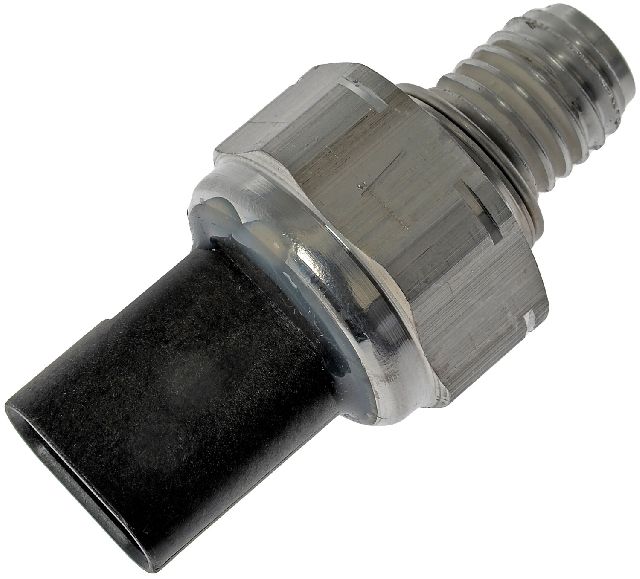
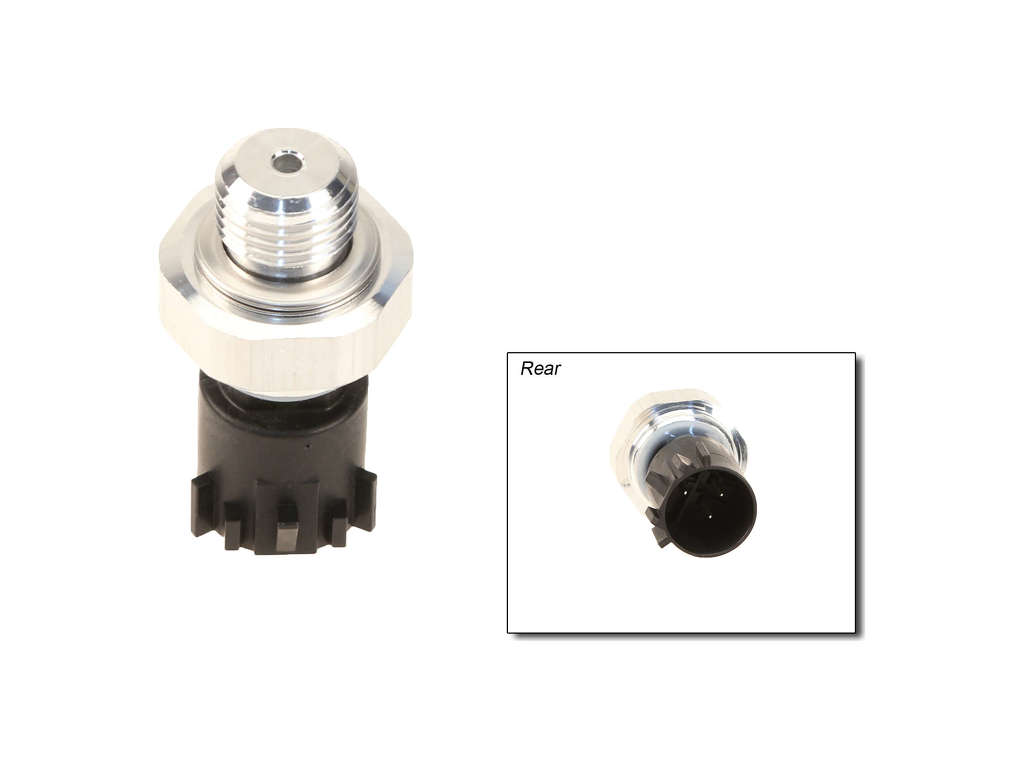


The information in this article is provided for general reference and educational purposes only. Vehicle specifications, procedures, and part compatibility can vary by production date, trim level, and region. Always consult your vehicle's factory service manual and verify part numbers before purchasing or performing repairs. Safety-critical components such as airbags, seat belts, and braking systems should be installed by a qualified professional.
- GMC Sierra 1500:
- 🛍️ Shop This Part
- What's Unique About the 2019-2021 GMC Sierra 1500
- Symptoms You May Notice
- Most Likely Causes
- Rare But Worth Checking
- Diagnosis Steps
- Parts You'll Likely Need
- Related Codes That Often Appear With This One
- Technical Service Bulletins (TSBs) & Recalls
- Platform-Specific Known Issues
- Mechanic-Grade Diagnostic Values
- Scan Tool Commands That Help
- Wiring & Ground Locations
- OEM Part Supersession History
- Model Year Variations Within This Range
- Diagnostic Flowchart
- Other Known Issues on This Vehicle
- Used vs. New Parts: Buying Guide for This Vehicle
- Real Owner Stories
- 2019 Chevrolet Silverado 1500 5.3L
- 2019 GMC Sierra AT4 5.3L
- Related OBD-II Codes
- Frequently Asked Questions
- 🎟️ Get 5% Off