

P0521 on 2007-2013 GMC Yukon: Oil Pressure Sensor & Clogged Screen Fixes
On a 2007-2013 GMC Yukon, P0521 is almost always caused by a faulty oil pressure sensor and/or a small, clogged filter screen located underneath it. Replacing both parts with OEM components is the most common fix, with parts costing between $50 and $90. Using the correct ACDelco oil filter and specified oil is also critical.
- P0521 on a 2007-2013 Yukon is a very common code, almost always pointing to the oil pressure sensor circuit, not a catastrophic engine failure.
- Do not simply replace the sensor; ALWAYS replace the small, inexpensive filter screen (Part #12585328) located underneath it to prevent the code from returning.
- Before replacing any parts, verify the engine oil is full, clean, and that a quality ACDelco oil filter is installed, as these simple items can cause the code.
- The most critical diagnostic step is to verify the engine's true oil pressure with a mechanical gauge. If the pressure is good, you can be confident the issue is just the sensor and/or screen.
- The sensor is in a very difficult location at the back of the engine; the repair is challenging for a DIYer and requires patience and special tools like a specific socket and swivel extensions.
What's Unique About the 2007-2013 GMC Yukon
On these GMT900 platform V8 engines, especially those with Active Fuel Management (AFM), the P0521 code is exceptionally common. The issue is frequently traced to two specific, related components: the oil pressure sensor itself is a high-failure part, and a very small, thimble-sized filter screen directly beneath it is notorious for getting clogged with engine sludge. This clogging restricts oil flow to the sensor, causing false readings. Furthermore, GM has issued several Technical Service Bulletins (TSBs) like PIP4786C and PIP5276E, indicating these engines are sensitive to the type of oil filter used, sometimes triggering P0521 after an oil change if a non-OEM filter is used. Manufacturer service bulletin PIP5276G further notes that this code or a "Low Oil Pressure" message may appear on vehicles equipped with various V8 engine options, including the L94, LC9, and LMG variants common in the Yukon.
Symptoms You May Notice
- Check Engine Light is on.
- Low oil pressure warning light or message on the dashboard.
- Oil pressure gauge reads erratically, too high (pegged at 80 PSI), or too low (often zero).
- Engine may stall in some cases.
- Engine may enter 'Reduced Power Mode'.
- Replacing only the oil pressure sensor without replacing the clogged filter screen underneath, leading to the code returning.
- Assuming a major engine problem like a bad oil pump before verifying actual oil pressure with a mechanical gauge.
- Using a cheaper aftermarket oil pressure sensor, which is known to fail prematurely or be inaccurate out of the box, causing the code to return.
Most Likely Causes
- Clogged Oil Pressure Sensor Filter Screen 🔴 High Probability This small, thimble-sized screen (GM Part #12585328, often called a 'Valve Lifter Oil Filter') sits directly under the sensor and is notorious for clogging with sludge and debris, especially on engines with Active Fuel Management (AFM) which can have higher oil consumption and carbon buildup. TSB PIP4786C specifically directs technicians to inspect this screen if scan tool data indicates low pressure.
How to confirm: The screen is inspected after the oil pressure sensor is removed. If it's full of dark, sludgy material, it was likely the cause. It can often be removed by carefully threading a coarse screw (like a 5/16" lag bolt) into it and pulling it out.
Typical fix: Remove the old screen with a pick or small screw and install a new one. This should always be done when replacing the sensor.
Est. part cost: $5-$15 - Faulty Engine Oil Pressure Sensor (Sending Unit) 🔴 High Probability The sensor is a very common failure item on these GM V8 engines due to intense heat and vibration at the back of the engine. It can fail internally, leading to incorrect readings, or even leak oil through its housing into the electrical connector. Owners on forums frequently report that using aftermarket sensors leads to repeat failures, making an OEM part essential.
How to confirm: After confirming actual oil pressure is good with a mechanical gauge, the sensor is the prime suspect. Oil found inside the electrical connector is a definitive sign of failure. A gauge that is 'dancing' between 0 and 80 PSI is also a classic symptom of sensor failure. 🎬 See how to diagnose a failed sender and verify the code.
Typical fix: Replace the oil pressure sensor. It is highly recommended to replace the filter screen underneath it at the same time.
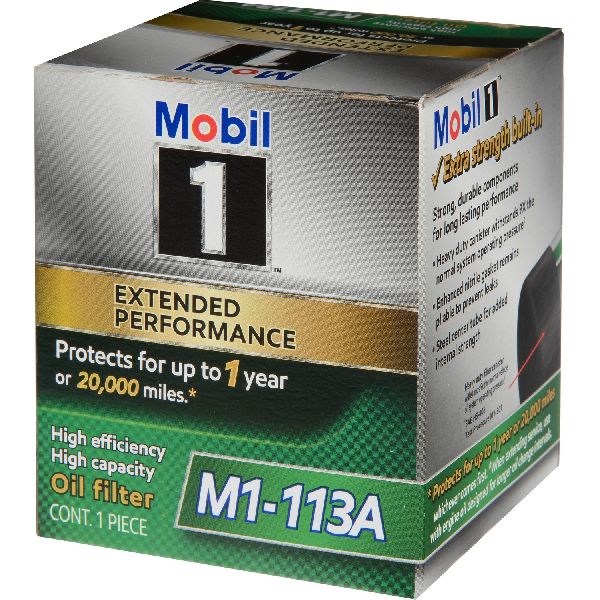
Est. part cost: $35-$90 - Incorrect or Low-Quality Engine Oil Filter 🟡 Medium Probability GM has issued multiple technical service bulletins (e.g., the PIP5276 series) stating that P0521 can appear after an oil change if an incorrect or non-OEM filter is used. Bulletin #PIP5276E specifically advises technicians to change the engine oil and replace the filter using a PF48e type filter if this code is present. Forum users have reported fixing recurring P0521 codes simply by switching to a quality filter like an ACDelco PF48E or Mobil 1 M1-113A.
How to confirm: Check the part number on the installed oil filter. If the code appeared right after an oil change, the filter is a strong suspect.
Typical fix: Change the engine oil and replace the filter with a high-quality, OEM-specified filter, such as an ACDelco PF48E.
Est. part cost: $8-$15 - Low or Incorrect Engine Oil 🟡 Medium Probability Low oil levels will naturally cause low pressure. Using oil that does not meet the required Dexos specification or the correct viscosity (typically 5W-30) can also cause pressure issues and sludging in these engines, which directly contributes to clogging the sensor screen.
How to confirm: Check the engine oil level on the dipstick and inspect its condition.
Typical fix: Top off the oil to the correct level or perform a complete oil and filter change using the manufacturer-specified oil.
Est. part cost: $40-$80
Rare But Worth Checking
- Failing Oil Pump / Sticking Pressure Relief Valve: While less common for this model year range, TSB #20-NA-161 (for later models) notes that a sticking oil pressure relief valve inside the oil pump can cause low pressure at idle and set P0521. This is a major mechanical repair requiring dropping the oil pan.
- Damaged Wiring or Connector: The wiring harness leading to the sensor is exposed to high heat at the back of the engine, which can cause it to become brittle and fail over time. A poor connection at the pigtail can cause erratic readings.
- Internal Engine Wear: In high-mileage engines (over 200,000 miles), wear on internal components like crankshaft or camshaft bearings can lead to genuinely low oil pressure, which is a worst-case scenario requiring major engine work. This would be confirmed by a low reading on a mechanical gauge.
Diagnosis Steps
- Check the engine oil level and condition. Ensure it is full and uses the correct Dexos-approved viscosity (usually 5W-30).
- Use an OBD-II scanner to confirm the P0521 code and observe the oil pressure reading from the ECM. Note if it is stuck, erratic, or reads zero.
- CRITICAL STEP: Verify the engine's actual oil pressure. Remove the oil pressure sensor and connect a mechanical oil pressure gauge.
- Start the engine and compare the mechanical gauge reading to GM specifications. A healthy engine should have >24 PSI at 4,000 RPM when warm.
- If mechanical pressure is good, the problem is in the sensor circuit. Proceed to the next step. If mechanical pressure is low, the vehicle has a serious mechanical issue (e.g., oil pump, internal wear) and requires professional diagnosis.
- Inspect the sensor's electrical connector and wiring for damage, corrosion, or oil saturation. Test the 5V reference and ground circuits per the service manual if necessary.
- If wiring is intact and mechanical pressure is good, replace both the oil pressure sensor and the small filter screen located in the port beneath it. Use of OEM parts is strongly recommended.
Parts You'll Likely Need
- Engine Oil Pressure Sensor
(OEM #12673134)— This sensor is the most common point of failure. The OEM ACDelco part is highly recommended to avoid premature failure. This part number supersedes older versions like 12621234 and 12596951.
Trusted brands: ACDelco (GM Original Equipment)
OEM price range: $55-$90
Aftermarket price range: $35-$60 - Valve Lifter Oil Filter Screen
(OEM #12585328)— This small screen, located under the pressure sensor, is notorious for clogging with sludge and causing the P0521 code. It should always be replaced with the sensor. 🎬 Watch this step-by-step DIY guide for replacing the sensor and screen.
Trusted brands: ACDelco, Dorman
OEM price range: $8-$15
Aftermarket price range: $5-$10 - Engine Oil Filter
(OEM #PF48E)— Using an incorrect or poor-quality oil filter is a documented cause of this code according to GM TSBs. Sticking with the OEM filter is a critical diagnostic and preventative step.
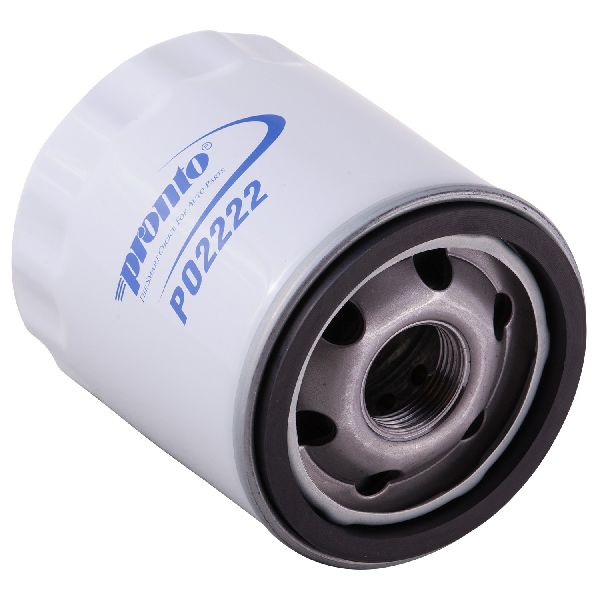
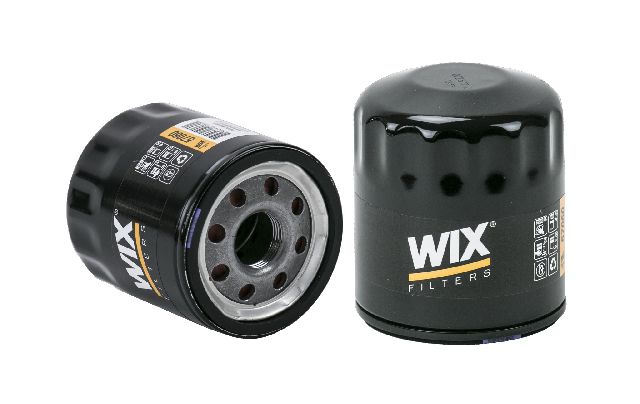
Trusted brands: ACDelco, Mobil 1, WIX
OEM price range: $8-$15
Aftermarket price range: $8-$15
Related Codes That Often Appear With This One
- P0522 — This code for 'Engine Oil Pressure Sensor/Switch Circuit Low Voltage' can be triggered by the same sensor or wiring faults, often appearing with P0521 when the sensor fails electronically.
- P0523 — This code for 'Engine Oil Pressure Sensor/Switch Circuit High Voltage' points to a different failure mode of the same sensor or a short in the wiring, and is commonly seen with P0521 when the gauge 'dances' from 0 to 80 PSI.
Technical Service Bulletins (TSBs) & Recalls
- PIP5276 (A, B, C, E, G): A series of bulletins addressing P0521, often after an oil change, emphasizing the use of the correct OEM oil filter (ACDelco PF48E) to prevent the issue. Bulletin #PIP5276G notes that dealers may need to determine if previous bulletins regarding oil consumption were completed.
- PIP4786C: Specifically instructs technicians to inspect the 'Valve Lifter Oil Filter' (the screen under the sensor) for debris if scan tool data shows low pressure but a mechanical gauge confirms pressure is good.
- 20-NA-161: Though primarily for later models, this TSB is relevant as it identifies a sticking oil pressure relief valve in the oil pump as a cause for genuine low oil pressure that can set P0521.
Platform-Specific Known Issues
- The oil pressure sensor is located in a very difficult-to-reach position, at the top rear of the engine block, tucked under the cowl and behind the intake manifold.
- Access requires patience and a specific tool combination, typically a 1-1/16" (or 27mm) oil pressure sender socket, a universal swivel joint, and multiple extensions.
- Many owners report significant scrapes and bruises from the tight access. One owner on TahoeYukonForum.com detailed a trick of tying a string to a washer and placing it inside the socket to prevent the socket from getting stuck on the new sensor during installation.
Mechanic-Grade Diagnostic Values
- Minimum Mechanical Oil Pressure (Warm Engine) — expected: Greater than 6 PSI at 1,000 RPM, 18 PSI at 2,000 RPM, and 24 PSI at 4,000 RPM.. Failure: Readings below these minimums indicate a mechanical engine problem (e.g., worn oil pump, bearing wear).
- Sensor 5-Volt Reference Circuit (Key On, Engine Off) — expected: 4.8-5.2 Volts between terminal 2 (Gray wire) and ground.. Failure: Low or no voltage points to a wiring or ECM problem.
- Sensor Low Reference Circuit (Key Off) — expected: Less than 1.0 Ohm between terminal 1 and a known good ground.. Failure: High resistance indicates an open or poor ground connection.
- Sensor Signal Voltage (Key On, Engine Off) — expected: Approximately 0.5V.. Failure: A reading of 0V or 5V suggests a failed sensor or wiring short/open.
Wiring & Ground Locations
- Oil Pressure Sensor Connector — At the top rear of the engine block, behind the intake manifold, near the firewall.. This 3-pin connector and its harness are in a high-heat area, making them prone to becoming brittle and causing poor connections or shorts. Oil can also leak through a failed sensor and contaminate the connector.
- Pin 1 - Low Reference — On the sensor connector.. This is the ground circuit for the sensor. A bad connection here will cause incorrect readings. It should have less than 1.0 ohm resistance to ground.
- Pin 2 - 5V Reference — On the sensor connector (typically a Gray wire).. This provides the operating voltage from the ECM. It should read between 4.8-5.2V with the key on. Lack of correct voltage indicates a wiring or ECM issue.
- Pin 3 - Signal — On the sensor connector. This circuit runs to the ECM (pin 58 on some models).. This wire carries the variable voltage signal back to the ECM. Shorts or opens on this wire will directly cause the P0521 code.
Real Owner Repair Stories
- Reddit user in r/ChevyTrucks (2013 Chevy Tahoe, 159k miles) — Recurring P0521 code.
❌ Tried (didn't work) Replaced the oil pressure sensor once., The filter screen was already removed by a previous owner.
✅ What actually fixed it Another user reported the final fix for their identical issue was switching to a Mobil 1 M1-113A oil filter. The original poster was advised to try an ACDelco OEM sensor, as aftermarket ones are known to fail. - Tahoe Yukon Forum user (2007 GMC Yukon SLT) — Check Engine Light with P0521, P0522, and P0523. Oil pressure gauge was 'dancing' from 0 to 80 PSI.
❌ Tried (didn't work) Initial diagnosis and information gathering.
✅ What actually fixed it The user concluded the sensor was bad because unplugging it caused the gauge to go to 0, indicating the gauge motor was likely fine. The confirmed fix was replacing the sensor with an ACDelco D1846A OEM part. - YouTube video by 'Maker Max Corbett' (2007-2013 Chevy/GMC Truck 5.3L) — P0521 error code.
❌ Tried (didn't work) Just checking oil level.
✅ What actually fixed it The problem was resolved by replacing both the oil pressure sensor and the small filter screen underneath it. The video demonstrates using a 5/16" lag bolt to easily extract the old, clogged screen.
"I Checked Everything" — The Actual Cause
- A common scenario is that after replacing the oil pressure sensor and screen, the P0521 code returns or persists. When a mechanical gauge confirms true low oil pressure, the next likely culprit is a hardened or failed oil pump pickup tube O-ring. This part is located inside the oil pan, so it's often missed during initial diagnosis. The bad O-ring allows the oil pump to suck in air, causing aeration of the oil and a loss of pressure that the sensor correctly reports as low.
- On engines with Active Fuel Management (AFM), a faulty Valve Lifter Oil Manifold (VLOM), located under the intake manifold, can internally leak or bleed off pressure intended for the valve lifters. This can cause a localized pressure drop at the top of the engine where the sensor is located, triggering P0521, even if pressure at the oil filter housing (bottom end) tests normal.
When the Usual Fixes Don't Work
- In multiple owner forums, a recurring theme is the failure of aftermarket oil pressure sensors. Owners report replacing a faulty sensor with a new aftermarket unit, only for the P0521 code to return within weeks or months. The problem was only permanently resolved after installing a genuine ACDelco OEM sensor. This suggests that for this specific part, the common fix of 'replace the sensor' is only effective if the correct OEM part is used.
- Another counter-narrative to a simple sensor swap is the oil filter itself. Several owners who had persistent P0521 codes, even after sensor replacement, reported that the issue was resolved by switching from a basic or incorrect aftermarket oil filter to a premium filter specified by GM, such as an ACDelco PF48E or a high-quality alternative like the Mobil 1 M1-113A.
OEM Part Supersession History
12596951, 12621234→12673134— GM updated the part design for improved reliability and performance.
Model Year Variations Within This Range
- 2007-2013: Active Fuel Management (AFM) was introduced on the 5.3L V8 in 2007 and the 6.2L V8 in 2010. Engines with AFM are more prone to the clogged sensor screen and VLOM-related pressure issues that can trigger P0521. GM made some revisions to the AFM system around 2011 to improve reliability, but the fundamental risk remains.
Diagnostic Flowchart
Used vs. New Parts: Buying Guide for This Vehicle
When a used part is the smart pick: For this specific repair, using used parts is not recommended. The primary failure components (sensor, screen) are inexpensive wear items, and the labor to access them is significant, making it unwise to risk a premature failure with a used part.
What to inspect on the donor part:
- Not applicable as used parts are not advised.
OEM-only on this vehicle (don't cheap out):
- Engine Oil Pressure Sensor - Due to a very high reported failure rate of aftermarket sensors for this application, using a genuine GM/ACDelco part (12673134) is strongly recommended to ensure longevity and avoid repeat repairs.
Aftermarket brands forum-validated for this vehicle:
- For Oil Filters: ACDelco (OEM), Mobil 1, WIX Gold are frequently cited by owners as high-quality choices that resolve filter-related pressure issues.
- For the Sensor Screen: Dorman is a widely available and acceptable alternative to the OEM part.
Brands owners have reported issues with on this vehicle:
- For the Oil Pressure Sensor: Generic, store-brand, or unbranded sensors purchased from online marketplaces are frequently reported to fail quickly or be inaccurate out of the box.
Real Owner Stories
Aggregated from forums and TSBs cited above. Mileages and costs reflect what owners reported in those sources.
2007 GMC Yukon V8
Symptoms: The oil pressure gauge was 'dancing' erratically, and the check engine light was on with codes P0521, P0522, and P0523.
What fixed it: The issue was successfully fixed by replacing the oil pressure sensor.
Source hint: TahoeYukonForum.com thread titled 'P0521 P0522 P0523 Oil Pressure Sensor'
2010 GMC Yukon V8
Symptoms: The P0521 code appeared immediately after major engine work, specifically a lifter replacement.
What fixed it: The forum confirmed that even with good mechanical pressure, the likely cause was either a faulty new sensor or a clogged filter screen beneath it.
Source hint: TahoeYukonForum.com thread titled 'P0521 code fix'
2012 Chevrolet Tahoe 5.3L V8
Symptoms: The owner described a long-term battle with low oil pressure readings and a persistent P0521 code.
What fixed it: The problem was ultimately resolved by replacing the oil pressure sensor, the screen underneath it, and the oil pickup tube o-ring.
Source hint: TahoeYukonForum.com thread titled '5.3 oil pressure advice'
Related OBD-II Codes
Frequently Asked Questions
My 2010 Yukon threw a P0521 code right after an oil change. Could the new filter be the problem?
What is the small screen under the oil pressure sensor on my GMC Yukon, and do I need to replace it?
Where is the oil pressure sensor located on the 2007-2013 Yukon V8, and why is it so difficult to change?
Is it okay to use an aftermarket oil pressure sensor, or should I buy an OEM part for my Yukon?
My oil pressure gauge is pegged at 80 PSI. Is this related to the P0521 code?
I'm having trouble getting my socket off the new sensor during installation. Is there a known trick for this?
Helpful Videos
We Have This Part in Stock


The information in this article is provided for general reference and educational purposes only. Vehicle specifications, procedures, and part compatibility can vary by production date, trim level, and region. Always consult your vehicle's factory service manual and verify part numbers before purchasing or performing repairs. Safety-critical components such as airbags, seat belts, and braking systems should be installed by a qualified professional.
- GMC Yukon:
- 🎬 Helpful Videos
- 🛍️ Shop This Part
- What's Unique About the 2007-2013 GMC Yukon
- Symptoms You May Notice
- Most Likely Causes
- Rare But Worth Checking
- Diagnosis Steps
- Parts You'll Likely Need
- Related Codes That Often Appear With This One
- Technical Service Bulletins (TSBs) & Recalls
- Platform-Specific Known Issues
- Mechanic-Grade Diagnostic Values
- Wiring & Ground Locations
- Real Owner Repair Stories
- "I Checked Everything" — The Actual Cause
- When the Usual Fixes Don't Work
- OEM Part Supersession History
- Model Year Variations Within This Range
- Diagnostic Flowchart
- Used vs. New Parts: Buying Guide for This Vehicle
- Real Owner Stories
- 2007 GMC Yukon V8
- 2010 GMC Yukon V8
- 2012 Chevrolet Tahoe 5.3L V8
- Related OBD-II Codes
- Frequently Asked Questions
- 🎟️ Get 5% Off